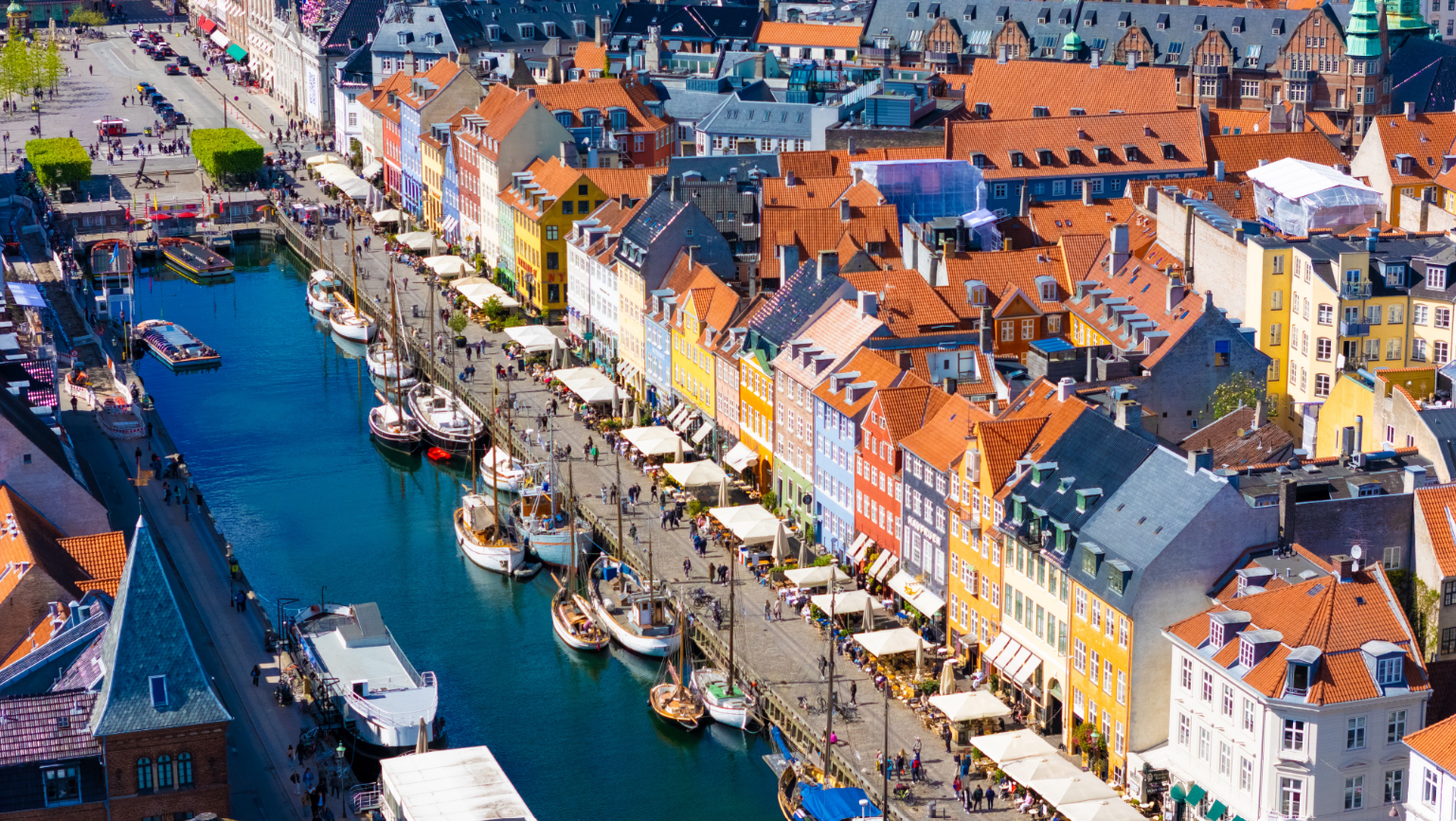
If you have ever wondered what is Denmark known for, the answer extends far beyond Copenhagen's colorful waterfront and Danish pastries. This compact Scandinavian nation has made an outsized contribution to global culture through Viking history, modern design, LEGO, architecture, cycling, renewable energy and the celebrated concept of hygge.
So, where is Denmark? The country lies in Northern Europe, directly north of Germany. It consists primarily of the Jutland Peninsula and hundreds of islands, while Greenland and the Faroe Islands form part of the wider Kingdom of Denmark. Denmark itself covers roughly 43,000 square kilometers and has a population of just over six million.
Understanding Denmark people, traditions and everyday life reveals a society where historic monarchy and Viking heritage coexist with progressive design, sustainability and distinctly modern Scandinavian living. Here are 15 interesting Denmark facts worth knowing.
Also Read - Day Trips from Copenhagen: 15 Incredible Day Tours Copenhagen Denmark Travelers Will Love
This post contains affiliate links. If you choose to book through them, a small commission may be earned at no additional cost to you. Your support genuinely helps keep the blog running and allows continued creation of high-quality travel guides. Thank you for being here and supporting this journey.
1. Denmark Is Part of Scandinavia
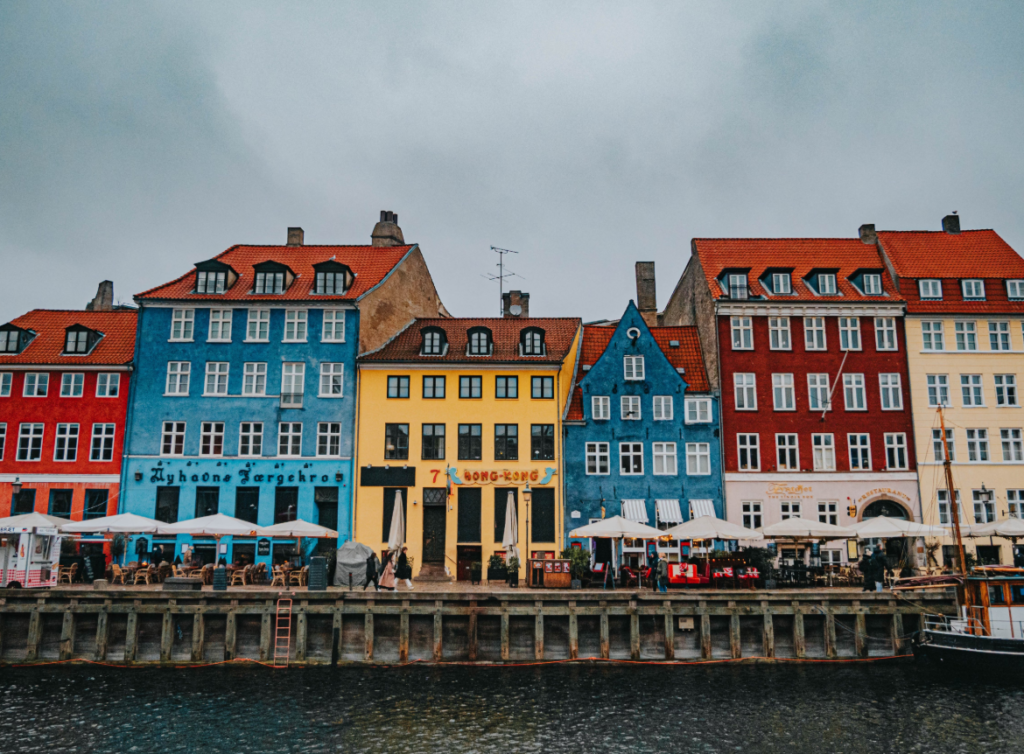
One of the fundamental Denmark facts is that the country belongs to Scandinavia alongside Norway and Sweden. Geographically, Denmark sits north of Germany and southwest of Sweden, occupying the Jutland Peninsula and numerous islands. Copenhagen, the capital and largest city, lies on Zealand and Amager.
The country itself covers approximately 42,900 square kilometers, making it the smallest of the Scandinavian nations. The Kingdom of Denmark is considerably larger because it also encompasses the self-governing territories of Greenland and the Faroe Islands. Denmark's position between continental Europe and Scandinavia has historically contributed to its importance in maritime trade, politics and cultural exchange. This geography also explains why ferries, bridges and the sea remain so closely connected with Danish life.
Also Read - Trip to Scandinavian Countries: Which Nordic Destination Should You Choose?
2. Denmark Has Just Over Six Million Residents
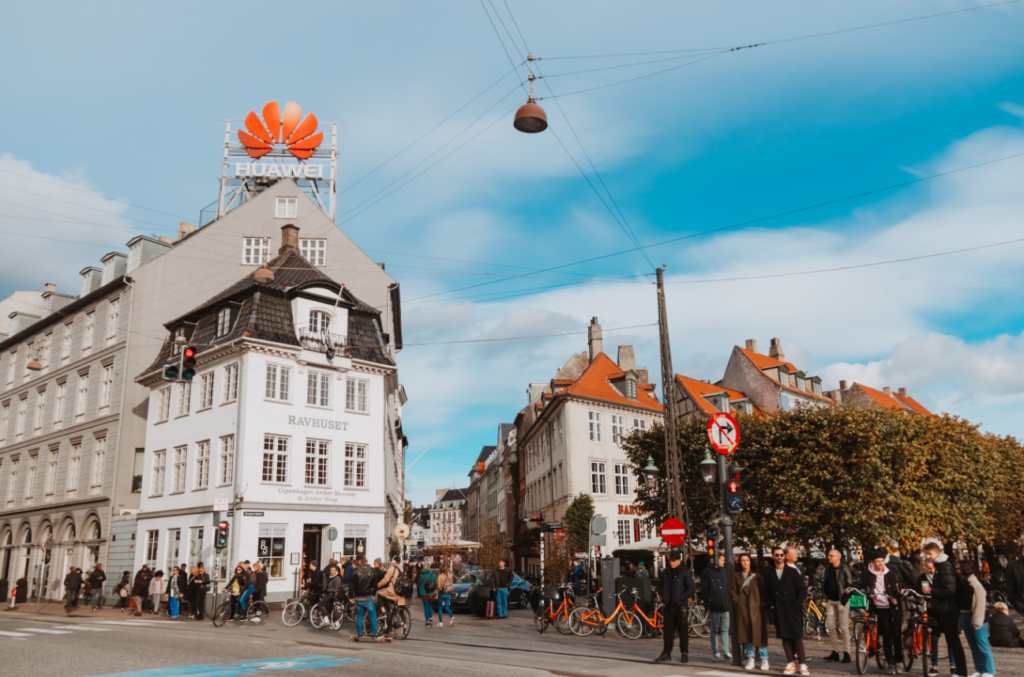
Understanding Denmark people starts with the country's relatively small population. According to the latest Statistics Denmark figures, Denmark had 6,031,992 residents in June 2026.
Despite its modest population, Denmark has achieved considerable international influence in areas including architecture, design, pharmaceuticals, renewable energy, gastronomy and shipping. Copenhagen is the country's principal urban and economic center, while Aarhus, Odense and Aalborg are other important cities.
Danish society is also strongly associated with social trust. Denmark's official national website describes trust as a cornerstone of everyday interactions between individuals, businesses and government. For visitors, this combination of compact population, efficient cities and strong public infrastructure contributes significantly to the distinctive Danish experience.
3. Denmark Is the Home of Hygge
Ask what is Denmark known for internationally and hygge will almost certainly appear near the top. Pronounced approximately "hoo-gah," the concept is difficult to translate perfectly but broadly describes warmth, coziness, togetherness and enjoying life's simple pleasures.
Hygge might involve sharing dinner with friends, lighting candles during a dark winter evening or spending an afternoon drinking coffee in a comfortable café. VisitDenmark explains that the term entered Danish writing around the end of the 18th century, although its origins can be traced to an older Norwegian word associated with well-being.
Importantly, hygge is not restricted to winter. Picnics, barbecues, outdoor concerts and summer gatherings can all embody the same idea of comfortable togetherness.
4. Denmark Has a Strong Cycling Culture
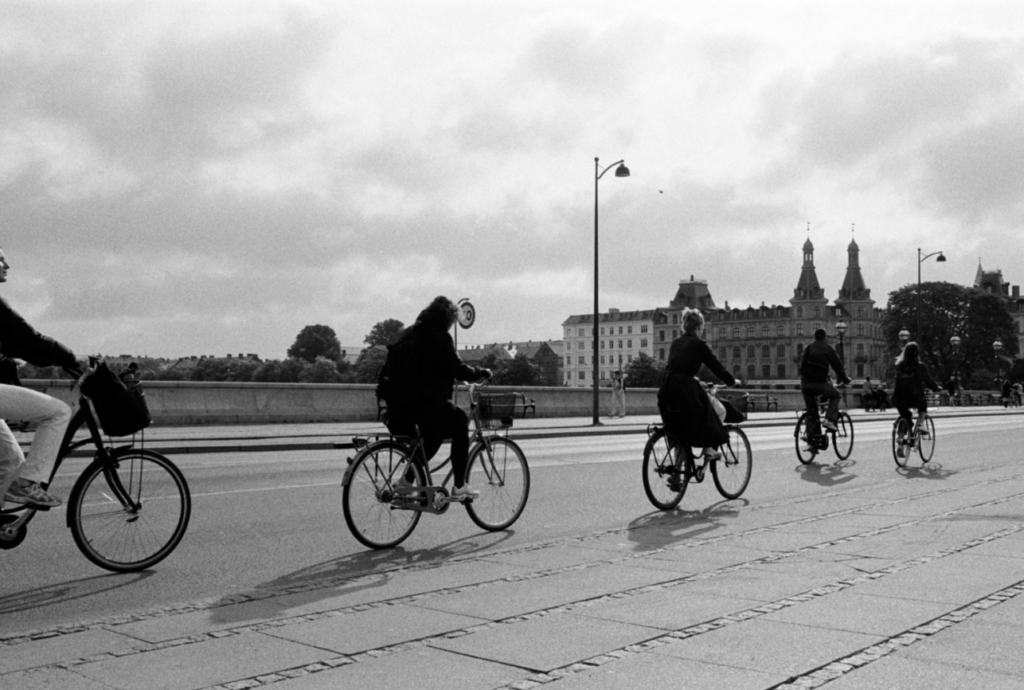
Cycling plays a remarkable role in the everyday lives of Denmark people. Bicycles are not merely recreational equipment; they are widely used for commuting, school journeys, shopping and ordinary transportation.
VisitDenmark reports that Danes make around 2.2 million bicycle trips every day. Denmark's official website also reports more than 12,000 kilometers of bicycle lanes and tracks throughout the country.
Copenhagen is especially famous for its cycling infrastructure, but bicycle culture extends well beyond the capital. Denmark's generally gentle terrain also makes cycling accessible to a wide range of people. For visitors, renting a bicycle can therefore provide more than sightseeing—it offers an opportunity to experience Danish cities and countryside using one of the country's most characteristic forms of transportation.
5. Denmark Was Once a Viking Power
Among the most historically significant Denmark facts is the country's deep connection with the Viking Age. Danish Vikings traveled, traded and fought across considerable distances between approximately the late eighth and 11th centuries.
Reminders of this period remain throughout Denmark. Roskilde's Viking Ship Museum preserves important maritime evidence, while the UNESCO-listed monuments at Jelling are closely connected with the development of the Danish kingdom.
Viking heritage is also connected with Denmark's monarchy. The royal line traces its origins back more than a millennium to early Danish rulers such as Gorm the Old and Harald Bluetooth.
Rather than existing solely as a tourism theme, the Viking period represents an important chapter in understanding how Denmark developed politically, culturally and geographically.
6. Denmark Has One of the World's Oldest Monarchies
When researching what is Denmark known for, its monarchy deserves particular attention. Denmark has one of the world's oldest continuous monarchies, with royal heritage extending back more than 1,000 years.
King Frederik X became Denmark's monarch on 14 January 2024 following Queen Margrethe II's abdication after a reign of 52 years. The royal lineage can be traced to rulers including Gorm the Old, who is believed to have been born around 900.
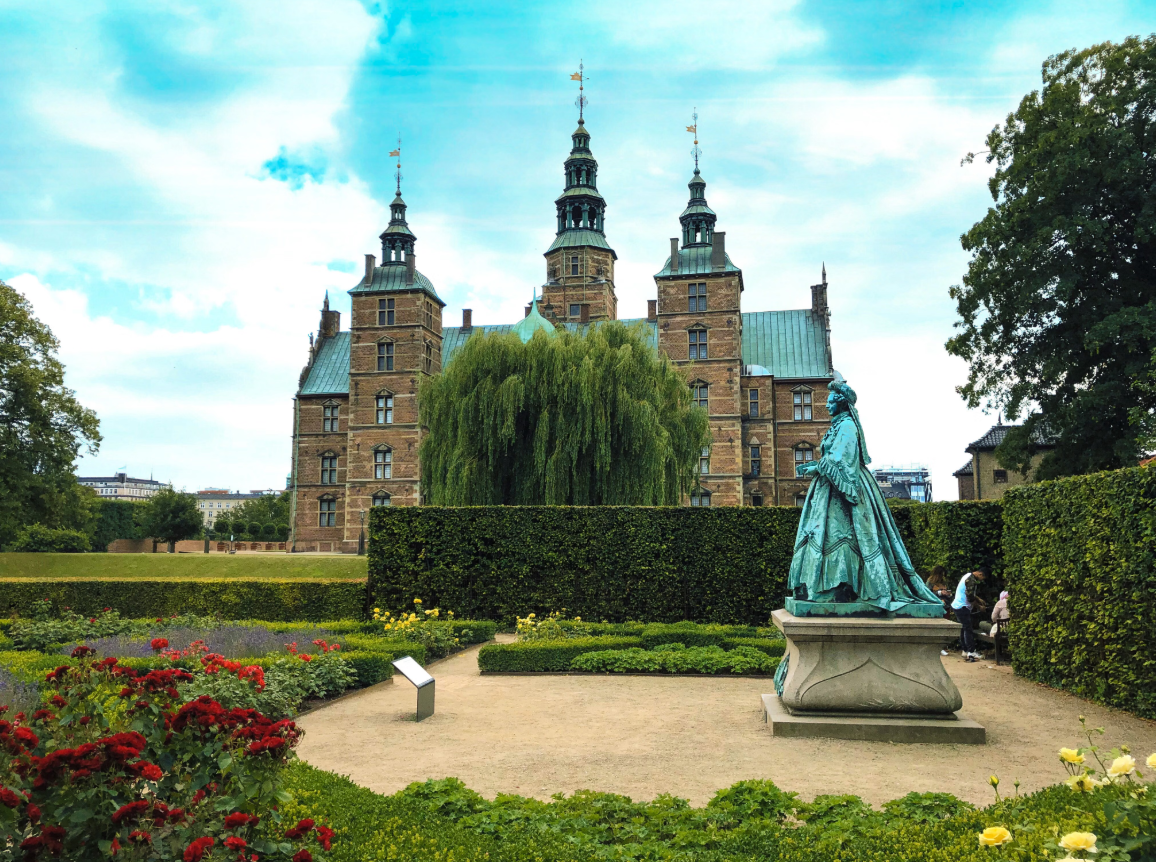
Modern Denmark is a constitutional monarchy, meaning the monarch's role exists within a democratic parliamentary system. The Danish Parliament is known as the Folketing. Visitors can explore this royal heritage through attractions including Amalienborg Palace, Rosenborg Castle and Christiansborg Palace in Copenhagen.
7. LEGO Was Invented in Denmark
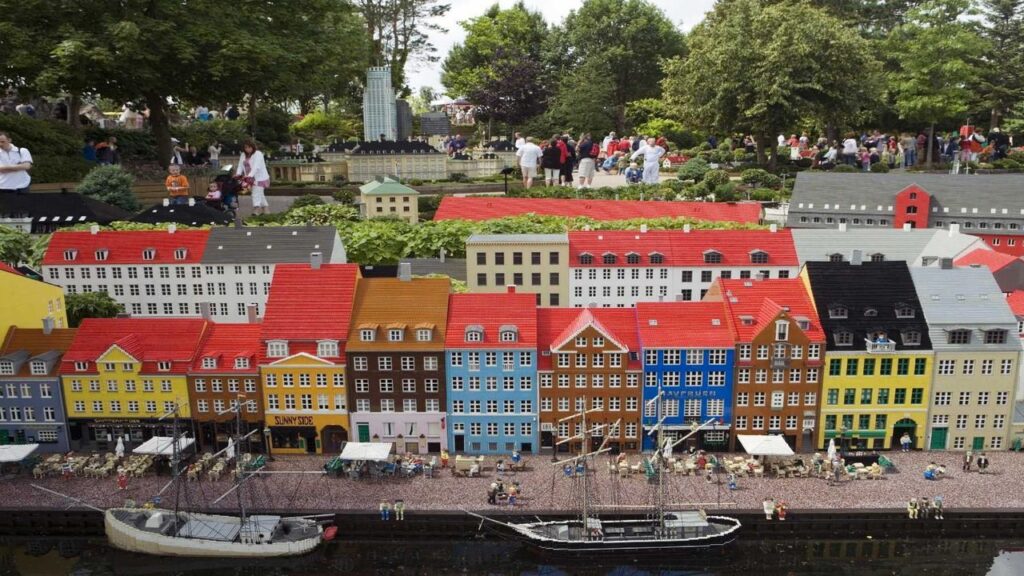
One of the most playful Denmark facts is that LEGO originated in the small Jutland town of Billund. The company was founded there in 1932 and developed into one of the world's most recognizable toy brands. VisitDenmark highlights LEGO as one of Denmark's most famous contributions to global culture.
Billund remains closely associated with the brand. Visitors can experience the original LEGOLAND resort and LEGO House, turning the town into a major family destination.
The LEGO story also reflects characteristics frequently associated with Danish design: simplicity, functionality, creativity and products designed around human experience. Its transformation from a Danish business into a globally recognized brand demonstrates how this relatively small country has repeatedly influenced international design and popular culture.
8. Danish Design Is Famous Worldwide
Design provides another strong answer to what is Denmark known for. Danish furniture, architecture and household products became particularly influential during the 20th century through an emphasis on clean lines, practicality, craftsmanship and understated beauty.
Designers including Arne Jacobsen, Hans J. Wegner and Poul Henningsen helped establish the international reputation of Danish modernism. Their furniture and lighting designs remain influential decades after their creation.
This approach to design can be observed throughout contemporary Denmark—from furniture and bicycles to architecture and carefully planned public spaces. Copenhagen is particularly rewarding for design enthusiasts, offering museums, shops and modern architecture alongside historic buildings.
The Danish approach demonstrates that functionality and beauty do not need to compete; everyday objects can incorporate both.
9. Denmark Is Closely Associated with Sustainability
Sustainability is an increasingly important aspect of modern Denmark people and society. The country has invested heavily in renewable energy, particularly wind power, while Copenhagen and other Danish cities have developed extensive cycling and public transportation infrastructure.
Denmark's official national website notes that the world's first Ministry of Environment was Danish, established in 1971, highlighting the country's long-standing institutional engagement with environmental policy.
Visitors can see elements of this approach through offshore wind turbines, cycling infrastructure, urban planning and sustainability initiatives in destinations such as Samsø.
Denmark is not environmentally perfect, but its long-running experiments with renewable energy, transportation and urban design have made it an important international reference point in discussions about sustainable living.
10. Danish Food Goes Beyond Pastries
Food is another essential part of Denmark facts and culture. Danish pastries are internationally famous, although Denmark's own name for this type of pastry—wienerbrød—literally refers to "Viennese bread." Austrian bakers helped introduce the pastry tradition to Denmark during the 19th century.
Traditional Danish food also includes smørrebrød, elaborate open-faced sandwiches usually built on rye bread, alongside seafood, meat dishes and baked goods.
In more recent decades, New Nordic cuisine has transformed Denmark's international culinary reputation by emphasizing seasonal ingredients and regional produce. Copenhagen has consequently become an important European gastronomic destination.
Travelers should therefore explore bakeries, markets and traditional lunch spots alongside high-end restaurants to experience the broader spectrum of Danish food culture.
11. Denmark Has One of the World's Oldest National Flags
One of the more surprising Denmark facts concerns the Dannebrog, Denmark's red-and-white national flag. VisitDenmark describes it as the world's oldest state flag still used by an independent nation, traditionally dating its recognition to 1219.
The flag is deeply integrated into Danish life. Rather than appearing only on government buildings or during patriotic ceremonies, Danish flags are frequently used during birthdays and celebrations.
Visitors may notice small Danish flags decorating birthday tables, cakes or homes, illustrating how national symbolism can form part of everyday traditions.
Its distinctive white Scandinavian cross on a red background also belongs to the broader family of Nordic cross flags later adopted in different forms by Sweden, Norway, Finland and Iceland.
12. Hans Christian Andersen Was Danish
Literature provides another answer to what is Denmark known for. Hans Christian Andersen, one of the world's most famous fairy-tale writers, was born in Odense, Denmark, in 1805.
His stories—including The Little Mermaid, The Ugly Duckling, The Emperor's New Clothes and The Snow Queen—have been translated and adapted internationally for generations.
Andersen's legacy remains visible throughout Denmark. Odense celebrates his life through museums and cultural attractions, while Copenhagen's Little Mermaid statue has become one of the country's most recognizable landmarks.
His influence demonstrates how Denmark's cultural reach extends considerably beyond its geographic size. Travelers interested in literature can build an entire itinerary around Andersen-related sites between Odense and Copenhagen.
13. Denmark Is Remarkably Flat
If you are wondering where is Denmark and what its landscape looks like, do not expect Alpine mountains. Denmark is notably flat, which contributes to its suitability for cycling.
VisitDenmark even highlights the absence of mountains as one of the country's entertaining geographical characteristics. Yet flat does not mean visually monotonous.
Travelers can encounter Møn's spectacular chalk cliffs, North Jutland's shifting dunes, Bornholm's granite landscapes, forests, agricultural countryside, islands and extensive beaches. Denmark's geography is deeply maritime, and the coast is rarely far away.
The absence of towering mountains encourages a different style of outdoor exploration focused on cycling, coastal walks, islands, forests and gently changing rural landscapes.
14. Danish Society Places Strong Emphasis on Trust
An important characteristic associated with Denmark people is social trust. Denmark's official website identifies trust as a cornerstone of Danish society, extending across interpersonal relationships, institutions, government and businesses.
Visitors may encounter expressions of this culture in everyday situations, from relatively informal social interactions to the organization of public spaces and services.
Denmark is also frequently associated internationally with work-life balance, social welfare and relatively high levels of life satisfaction. VisitDenmark notes that the country consistently appears among the world's happiest and most liveable nations.
Of course, no six million people share one personality or lifestyle. Danish society is diverse, and cultural tendencies should not be treated as descriptions of every individual.
15. Denmark Combines Old Traditions with Modern Living
Perhaps the most interesting of all Denmark facts is how comfortably the country combines historical traditions with contemporary life. Medieval castles, Viking monuments and a monarchy more than a millennium old coexist with modern architecture, digital public services, renewable energy and bicycle-focused urban planning.
Copenhagen illustrates this contrast particularly well. Visitors can explore royal palaces and cobbled streets before encountering contemporary waterfront architecture, modern Nordic restaurants and neighborhoods designed around cycling.
Outside the capital, Viking sites, historic towns, rural landscapes and islands reveal further layers of Danish identity.
This combination helps explain Denmark's international appeal. The country has preserved important elements of its history without turning itself into a museum; traditions continue alongside innovation and modern Scandinavian lifestyles.
Quick Denmark Facts
| Fact | Information |
|---|---|
| Capital | Copenhagen |
| Population | 6,031,992 – June 2026 |
| Region | Scandinavia / Northern Europe |
| Language | Danish |
| Currency | Danish krone (DKK) |
| Government | Constitutional monarchy |
| Monarch | King Frederik X |
| Parliament | Folketinget |
| Known for | Vikings, hygge, LEGO, cycling, design, food |
| Kingdom includes | Denmark, Greenland and Faroe Islands |
Final Thoughts
Understanding what is Denmark known for requires looking beyond Copenhagen and the familiar image of colorful Nyhavn. Denmark has given the world LEGO, influential furniture design, Hans Christian Andersen's stories and the concept of hygge, while its Viking heritage and ancient monarchy connect modern Danish society with more than a thousand years of history.
Learning about Denmark people also reveals the importance of cycling, social trust, community and everyday quality of life. Meanwhile, understanding where is Denmark helps explain its maritime traditions and historical position between continental Europe and the rest of Scandinavia.
Among the most interesting Denmark facts is simply how much influence this small country has achieved. With just over six million residents, Denmark has developed an international reputation spanning design, sustainability, gastronomy, architecture, literature and modern Scandinavian culture.

Comments 0
Only approved comments are shown here.