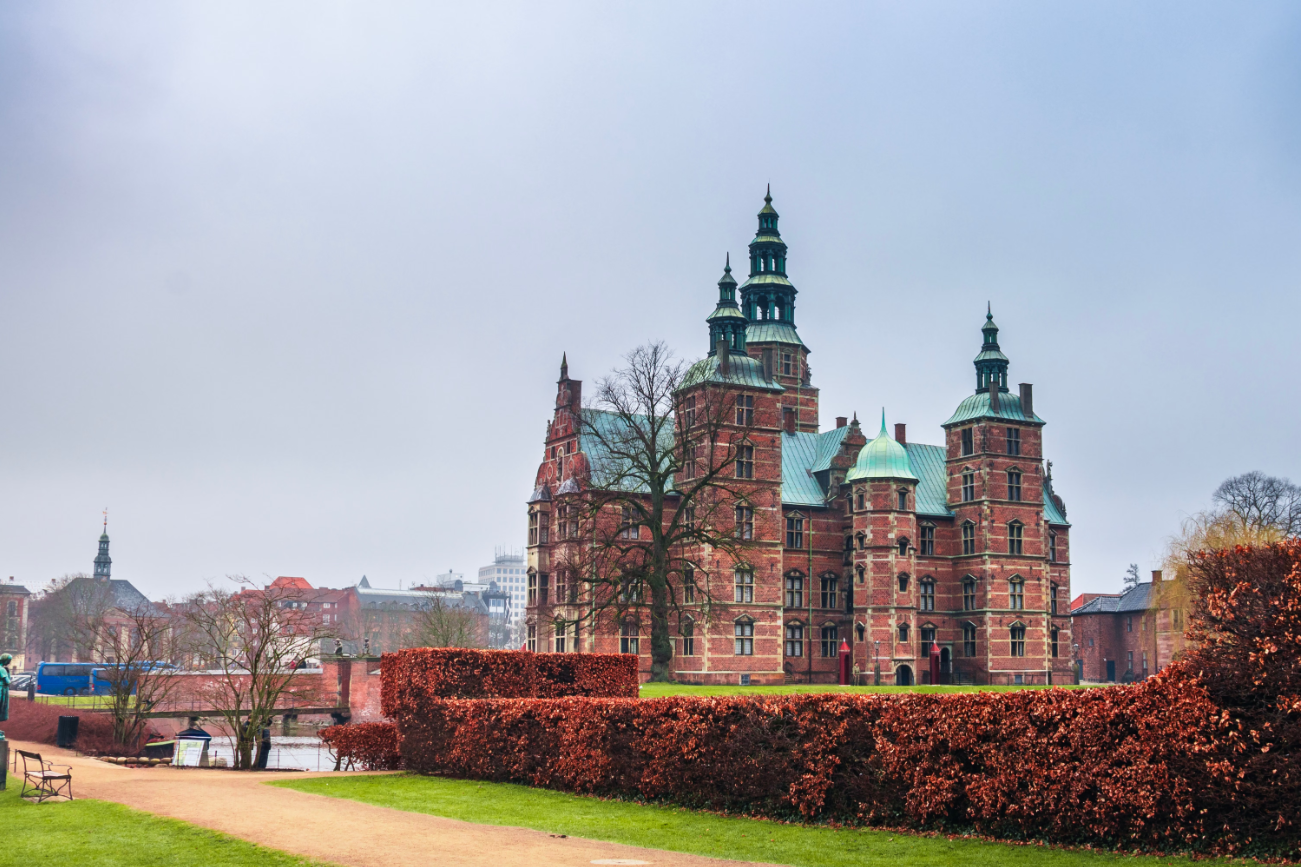
Choosing the best time to visit Copenhagen Denmark depends on whether you prefer long summer evenings, fewer tourists, colorful autumn streets or the festive atmosphere of a Scandinavian Christmas. Copenhagen has four distinct seasons, and each creates a noticeably different experience.
For most first-time visitors, May through September offers the easiest conditions for sightseeing, cycling, canal trips and exploring attractions on foot. June, July and August are warmest, with Copenhagen's summer temperatures typically around 20–25°C. Long daylight hours also make it easier to fit more into each day.
However, the best time of the year to visit Copenhagen is not necessarily peak summer. May and September can provide a more relaxed balance, while late November and December are excellent for Christmas markets, lights and traditional Danish hygge.
Also Read - Best Time to Visit Scandinavia: 12-Month Travel Guide
1. January – Quiet Winter City Breaks
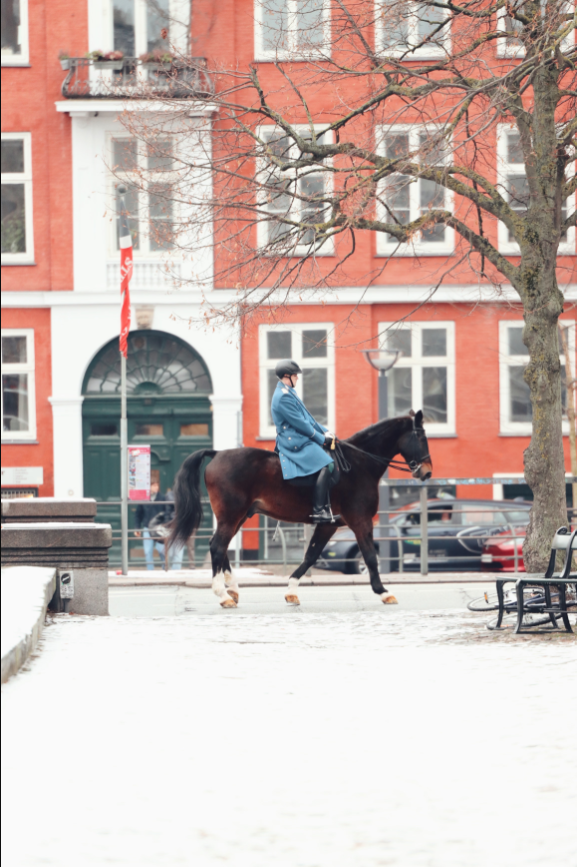
January is one of Copenhagen's coldest and quietest periods. Winter temperatures generally sit around 0–5°C, although colder conditions, frost and occasional snow are possible.
For travelers who dislike crowds, January can still be the best time to visit Copenhagen Denmark. Major museums, palaces, restaurants and cafés provide plenty to do indoors, while popular streets and landmarks are generally less overwhelmed than during summer.
The biggest disadvantage is limited daylight combined with cold, changeable weather. This is not the ideal month for spending entire days outdoors or taking long cycling trips.
Instead, build an itinerary around museums, bakeries, Danish food and hygge-focused café stops.
Best for: Quiet sightseeing, museums, cafés and winter atmosphere.
2. February – Cold but Atmospheric
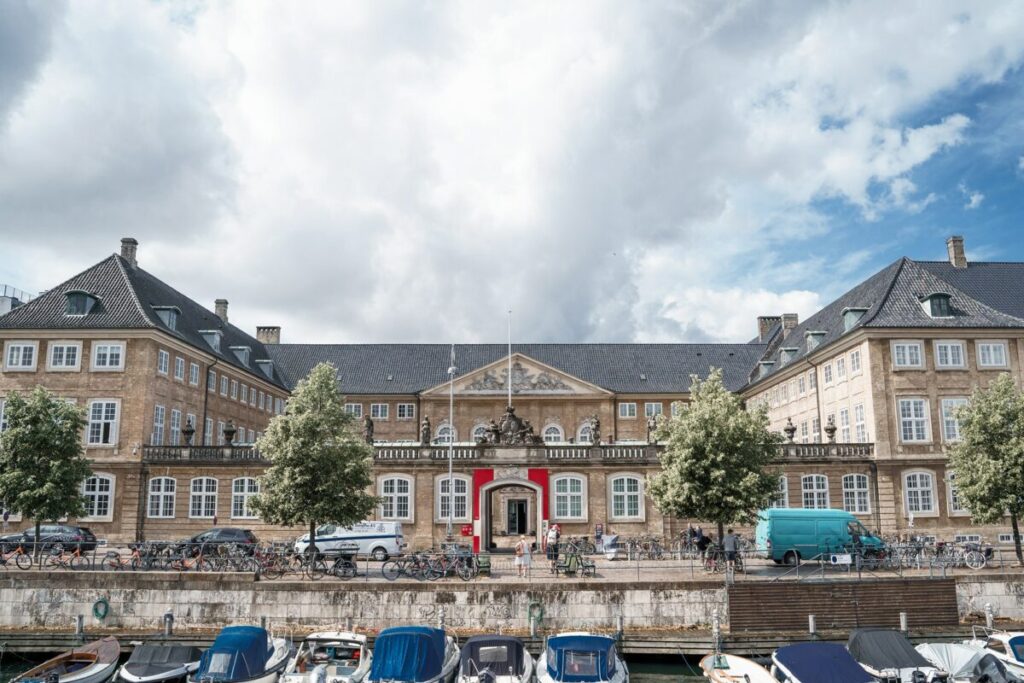
February remains firmly within Copenhagen's winter season. Denmark's official tourism authority identifies February statistically as the country's coldest month, with a national mean temperature around 0°C.
Yet February can be an appealing best time of the year to visit Copenhagen for travelers interested primarily in culture and food rather than outdoor activities.
Visit museums such as the National Museum of Denmark and Glyptoteket, explore Copenhagen's restaurant scene and spend afternoons discovering the city's increasingly celebrated bakeries.
The advantage is a quieter urban atmosphere. The disadvantages are cold temperatures, short days and the possibility of rain, wind, frost or snow.
Pack a waterproof outer layer, warm footwear, gloves and clothing that can be layered easily.
Best for: Indoor attractions, food, museums and low-season travel.
3. March – Transition Toward Spring
March begins Copenhagen's gradual transition from winter toward spring. Days become noticeably longer, although conditions can remain cold and unpredictable.
This transitional character can make March an interesting best time to visit Copenhagen Denmark for travelers seeking quieter sightseeing.
Outdoor attractions become increasingly appealing when the weather cooperates, while museums and cafés provide convenient alternatives on colder or rainy days. Copenhagen's compact layout also makes combining indoor and outdoor sightseeing relatively straightforward.
March does not provide the lush gardens of late spring or the energetic outdoor culture of summer. However, visitors gain a more subdued experience of neighborhoods, historic streets and waterfront areas.
A flexible itinerary is particularly important because sunshine, wind and rain can occur within a relatively short period.
Best for: Quieter sightseeing, culture and early-spring city breaks.
4. April – Copenhagen Comes Back Outdoors
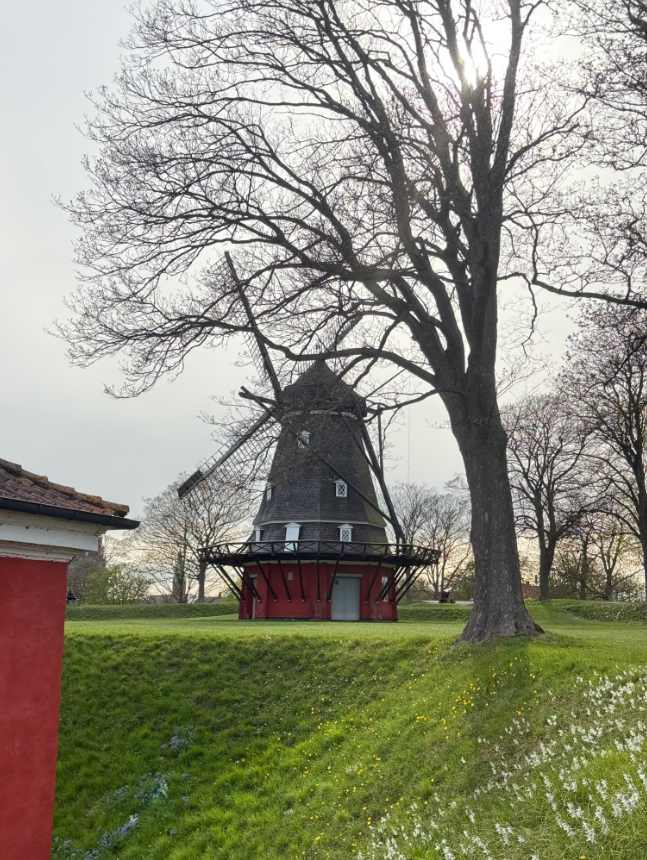
April brings a much more obvious sense of spring. VisitCopenhagen describes spring as the period when trees blossom, days become longer, outdoor café service returns and weekend flea markets begin filling city squares.
This makes April an underrated best time of the year to visit Copenhagen.
Parks and gardens become increasingly attractive, cycling becomes more comfortable and longer daylight gives visitors greater flexibility for sightseeing. Attractions such as Nyhavn, Rosenborg Castle and Christianshavn are particularly enjoyable when explored on foot.
Weather remains unpredictable, so visitors should not expect consistent warmth. A sunny afternoon can still be followed by wind or rain.
April is especially suitable for travelers interested in photography and spring scenery without the stronger summer demand.
Best for: Spring blossoms, walking, photography and city sightseeing.
5. May – One of the Best Months Overall
May is arguably the best time to visit Copenhagen Denmark for travelers seeking a balance between weather, daylight and sightseeing conditions.
Spring is well established, Copenhagen's parks become green and outdoor café culture returns. Longer days also provide more time for cycling between neighborhoods, walking along the harbor and exploring attractions.
May comes before the heart of the summer holiday period, making it particularly attractive to travelers who want the outdoor Copenhagen experience without deliberately choosing July.
Pack layers because Danish weather remains changeable even when conditions are pleasant.
For first-time visitors planning a combination of Nyhavn, Tivoli Gardens, castles, museums, food markets and neighborhood exploration, May offers very few compromises compared with colder months.
Best for: First visits, sightseeing, cycling, parks and outdoor dining.
6. June – Long Days and Summer Energy
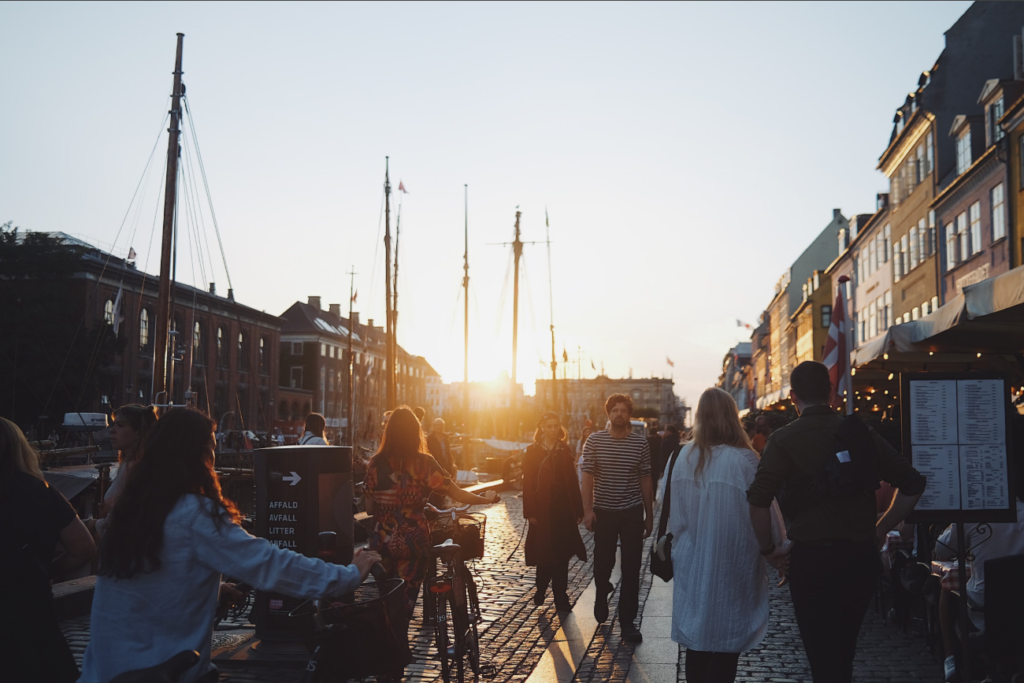
June is another strong contender for the best time of the year to visit Copenhagen. Summer begins bringing warmer weather and exceptionally long days.
VisitCopenhagen describes summer temperatures as typically around 20–25°C. The city's harbor, parks, beaches, outdoor bars and cafés become major centers of activity.
June is particularly suitable for cycling because visitors can comfortably explore areas beyond the historical center. Canal trips, harbor activities and picnics also become considerably more appealing.
Tivoli's summer season adds another reason to visit, while Copenhagen's calendar includes music, cultural and food events throughout the year.
Accommodation should be booked earlier than during spring because summer demand increases.
Best for: Long days, cycling, outdoor dining and harbor activities.
7. July – Peak Copenhagen Summer
July provides the classic summer Copenhagen experience. Warm conditions and long daylight encourage locals and visitors to spend considerable time outside.
For travelers prioritizing weather, July may be the best time to visit Copenhagen Denmark. Parks become picnic destinations, outdoor cafés fill up and harbor baths provide opportunities for swimming. The trade-off is popularity. Visitors should expect greater tourism demand around famous attractions and central areas such as Nyhavn.
Booking accommodation and major experiences in advance is sensible.
July suits travelers who enjoy a lively city rather than those seeking empty streets and quiet landmarks.
Best for: Summer weather, swimming, nightlife, parks and outdoor experiences.
8. August – Warm Weather and City Life
August retains Copenhagen's summer character and can be the best time of the year to visit Copenhagen for travelers wanting outdoor experiences.
Across Denmark, August is statistically the warmest month, with a national mean temperature of 15.7°C. Sea temperatures during summer generally range from around 17–22°C, sometimes becoming warmer in August.
Copenhagen's harbor culture remains particularly attractive. Visitors can combine museums and palaces with cycling, outdoor restaurants, parks and waterfront relaxation.
Even in summer, however, Copenhagen's weather should never be treated as completely predictable. Packing a light waterproof layer remains sensible.
Late August can become particularly appealing as summer begins moving toward early autumn while outdoor activities remain viable.
Best for: Warm weather, waterfront activities, cycling and sightseeing.
9. September – Excellent Balance of Weather and Crowds
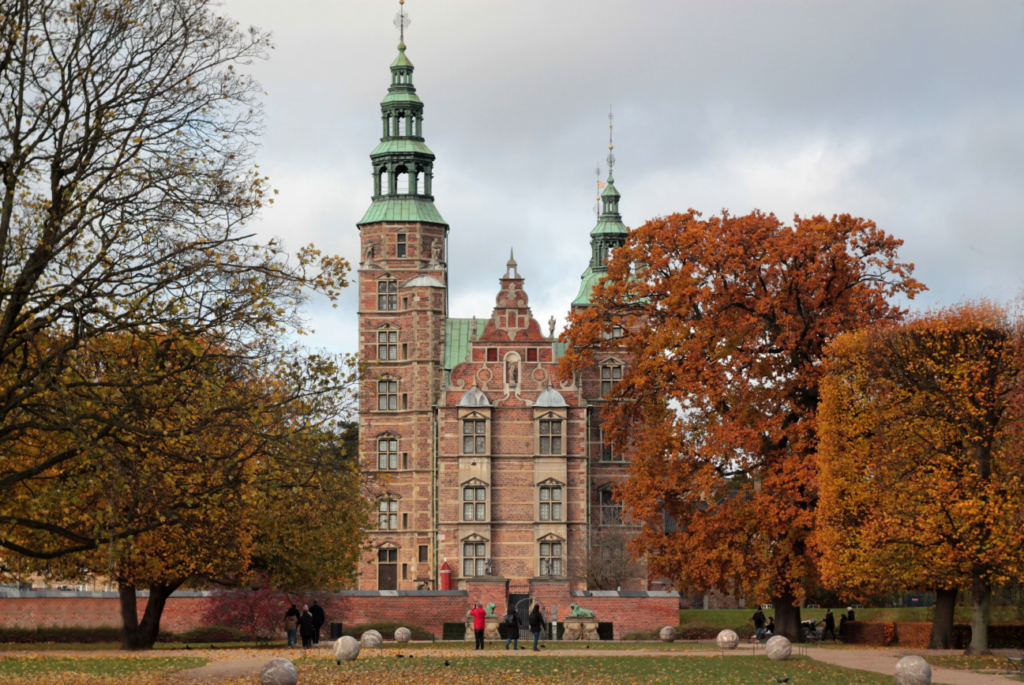
September is one of the strongest alternatives to peak summer and arguably the best time to visit Copenhagen Denmark for travelers who prefer a slightly calmer atmosphere.
Early September can retain some late-summer character, while gradually cooler temperatures make extensive walking and cycling comfortable. As autumn develops, trees begin changing color and Copenhagen starts shifting toward its cozy indoor season.
VisitCopenhagen describes autumn as a transition from late-summer conditions toward wetter and windier weather, accompanied by colorful foliage and renewed emphasis on museums and exhibitions.
Bring layers and waterproof clothing because rainfall becomes an increasingly important consideration.
September works especially well for couples, cultural travelers and visitors interested in combining outdoor sightseeing with Copenhagen's restaurants and museums.
Best for: Balanced travel, fewer summer crowds, food and sightseeing.
10. October – Autumn Colors and Hygge

October offers a completely different interpretation of the best time of the year to visit Copenhagen.
Summer's outdoor energy gives way to crisp days, autumn foliage and increasingly cozy cafés. Denmark's autumn generally tends to be rainier and more overcast than summer, so waterproof clothing becomes essential.
Tivoli Gardens provides an additional seasonal attraction. Its Halloween period transforms the park with pumpkins, autumn decorations and thousands of lights after dark.
October is particularly suitable for travelers interested in Danish hygge. Spend daylight hours exploring parks and historic neighborhoods, then move indoors for museums, restaurants, bakeries and cafés.
It is less suitable for visitors whose Copenhagen dream revolves around swimming and long sunny evenings.
Best for: Autumn colors, Halloween, museums and hygge.
11. November – Christmas Begins to Arrive
November can be a surprisingly rewarding best time to visit Copenhagen Denmark, particularly during its second half.
Weather is cold, daylight is limited and conditions can be wet. However, Copenhagen begins transitioning into its famous Christmas atmosphere.
Christmas markets start appearing around the city, bringing festive stalls, lights, seasonal food and warm drinks. Copenhagen is a genuine Christmas city with numerous markets throughout the festive period.
Tivoli is especially important during this season. Its Christmas transformation features extensive lighting, decorated trees, festive stalls and seasonal experiences. Exact operating dates change annually, so check the current schedule before booking.
Late November is therefore considerably different from early November.
Best for: Early Christmas markets, festive lights, shopping and hygge.
12. December – Best for Christmas Atmosphere

December may be the best time of the year to visit Copenhagen if Christmas atmosphere matters more than warm weather.
The city embraces short winter days with lights, decorations, markets and indoor hygge. VisitCopenhagen highlights Christmas markets, traditional food, seasonal shopping and Tivoli among the city's major festive experiences.
Tivoli Gardens becomes particularly atmospheric, while central Copenhagen's decorated streets make evening walks rewarding despite the cold.
Visitors should expect limited daylight and temperatures generally within Copenhagen's winter range of around 0–5°C.
December can also be busy around Christmas-market areas, so it should not automatically be viewed as a quiet low-season month.
Best for: Christmas markets, Tivoli, festive food and winter hygge.
Best Time to Visit Copenhagen by Travel Style
| Travel Priority | Best Time |
|---|---|
| Best overall | May–September |
| Warmest experience | June–August |
| Long daylight | May–July |
| Fewer summer crowds | May & September |
| Cycling | May–September |
| Outdoor dining | May–September |
| Harbor swimming | June–August |
| Parks and gardens | April–September |
| Autumn atmosphere | September–October |
| Christmas markets | Late November–December |
| Tivoli summer experience | Summer season |
| Museums & cafés | Year-round |
| Budget-conscious travel | Colder off-season periods |
Copenhagen is fundamentally a year-round destination because its seasons create distinct experiences rather than simply good and bad periods.
Summer vs Winter: When Should You Go?
For a first trip, summer is generally easier. The best time to visit Copenhagen Denmark for maximum outdoor activity is June through August. Visitors gain long daylight, warmer temperatures and access to the city's parks, beaches, harbor baths, cycling routes and outdoor events.
Winter offers something very different. Temperatures typically fall around 0–5°C, and daylight becomes much shorter. However, cafés, bakeries, museums and hygge provide Copenhagen with a distinctive cold-season identity.
December is especially attractive because Christmas lights and markets transform the city.
For travelers who want elements of both experiences without the extremes, May or September are excellent choices.
Final Thoughts
The best time to visit Copenhagen Denmark depends on what you want from the city. For most first-time travelers, May through September provides the greatest flexibility, with longer days and better conditions for cycling, walking, canal trips and outdoor dining.
June through August is ideal for experiencing Copenhagen at its liveliest, when parks, harbor baths and waterfront spaces fill with activity. May and September provide appealing alternatives for visitors who prefer milder shoulder-season travel.
Meanwhile, the best time of the year to visit Copenhagen for festive atmosphere is late November through December. Christmas markets, lights, seasonal foods and Tivoli create a distinctly Danish winter experience.
Ultimately, Copenhagen's strength is its seasonality. Visit in May for spring, July for energetic summer days, September for a more relaxed city break, October for autumn hygge, or December for one of Northern Europe's most atmospheric Christmas experiences.

Comments 0
Only approved comments are shown here.