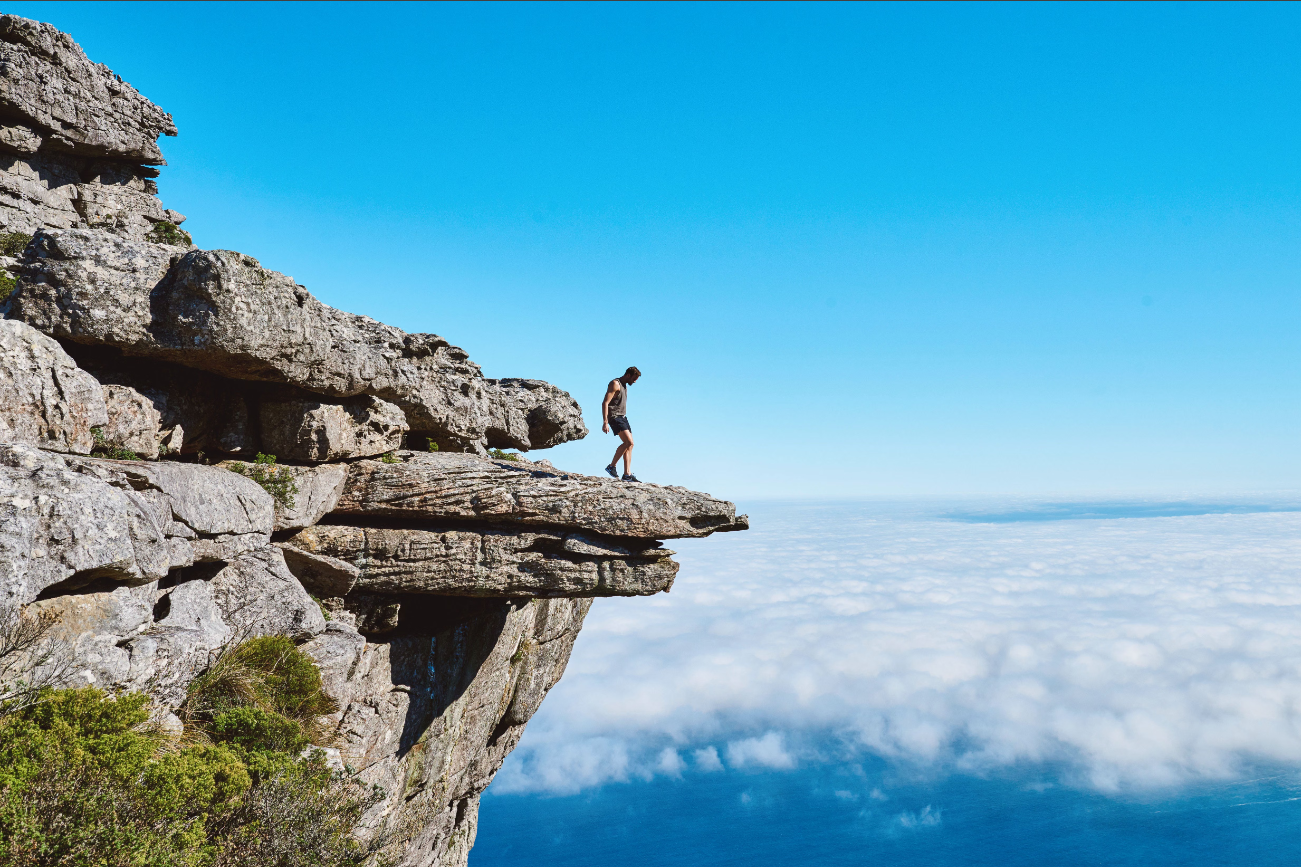
Few natural landmarks are as instantly recognizable as Table Mountain Western Cape. Dominating the skyline of Cape Town, this magnificent flat-topped mountain rises more than 1,080 meters above sea level and serves as the centerpiece of one of the world's most remarkable urban national parks. Known locally as Cape Town Tafelberg, the mountain has inspired travelers, sailors, and explorers for centuries.
Today, millions of visitors arrive each year to admire its panoramic views, unique biodiversity, and outdoor adventures. Situated within Table Mountain National Park, the mountain forms part of the UNESCO-listed Cape Floral Region and is considered one of the New Seven Wonders of Nature. Whether you prefer scenic cable car rides, challenging hikes, wildlife encounters, or simply photographing the famous summit, there is no shortage of unforgettable experiences awaiting visitors.
Also Read - Best Time to Visit South Africa for Safaris, Beaches, Whale Watching and Wine Tours
This post contains affiliate links. If you choose to book through them, a small commission may be earned at no additional cost to you. Your support genuinely helps keep the blog running and allows continued creation of high-quality travel guides. Thank you for being here and supporting this journey.
1. Ride the Table Mountain Aerial Cableway
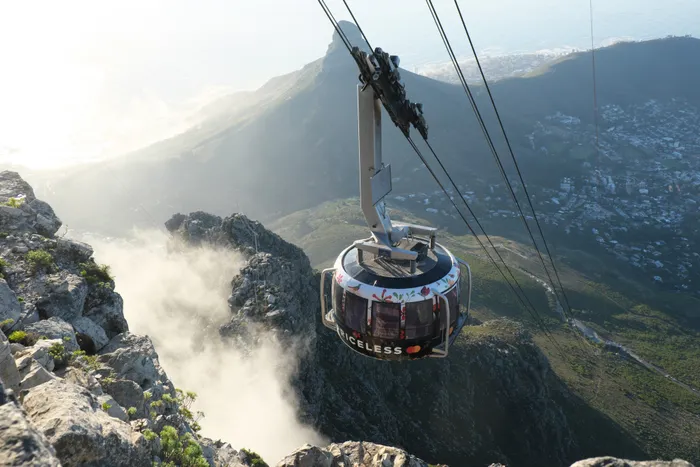
The rotating cable cars of the Table Mountain Aerial Cableway provide one of the most memorable introductions to table mountain western cape. Operating since 1929 and continuously modernized, the cableway transports visitors from the lower station on Tafelberg Road to the summit in approximately five minutes. The cabins slowly rotate during the ascent, allowing passengers to enjoy uninterrupted views of Cape Town, Robben Island, Lion's Head, and the Atlantic coastline.
At the summit, visitors can explore well-maintained pathways, observation decks, and viewing points overlooking the Cape Peninsula. Weather conditions can change rapidly, so checking operating schedules before arrival is highly recommended. Annual maintenance closures occasionally occur during winter months.
2. Discover the Story Behind Cape Town Tafelberg
Long before European ships reached southern Africa, indigenous Khoi communities referred to the mountain as Hoerikwaggo, meaning "mountain in the sea." Today, many Afrikaans-speaking residents still affectionately call it cape town tafelberg, a name reflecting its distinctive table-like silhouette.
For centuries, sailors rounding the Cape of Good Hope relied upon the mountain as a navigational landmark visible from more than 100 kilometers away in clear conditions. Geological studies suggest the mountain originated hundreds of millions of years ago through erosion and uplift processes that shaped its dramatic sandstone cliffs and expansive plateau.
3. Explore Table Mountain National Park
Stretching approximately 70 kilometers from Signal Hill in the north to Cape Point in the south, table mountain national park protects one of the world's richest biodiversity hotspots. Covering about 221 square kilometers, the park includes forests, beaches, wetlands, marine reserves, and mountain ecosystems. It was officially established in 1998 and is managed by South African National Parks (SANParks).
The park forms part of the Cape Floral Kingdom, the smallest yet most diverse floral kingdom on Earth. Thousands of plant species thrive here, many of which are found nowhere else in the world. Visitors can also explore Cape Point, Boulders Beach, Silvermine Nature Reserve, and numerous scenic picnic sites.
4. Hike the Famous Platteklip Gorge Trail
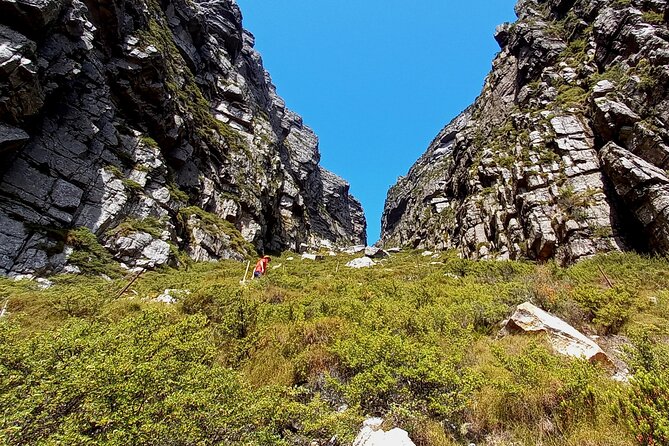
Adventure enthusiasts visiting table mountain SA often choose to reach the summit on foot via Platteklip Gorge, the oldest and most popular hiking route on the mountain. The trail ascends steep stone steps carved into a natural ravine and generally requires between two and three hours to complete, depending on fitness levels.
Although technically straightforward, the hike demands stamina because of its sustained incline and exposure to changing weather conditions. Carrying sufficient water, sun protection, and warm clothing is strongly advised. Reaching the summit after climbing under your own power provides a profound sense of accomplishment and rewards hikers with breathtaking panoramic views.
5. Observe Unique Wildlife and Fynbos Vegetation
One of the lesser-known highlights of table mountain western cape is its extraordinary biodiversity. More than 2,000 plant species grow across the mountain, including numerous endemic fynbos varieties such as proteas, ericas, and restios.
Visitors frequently encounter adorable rock hyraxes, commonly known as dassies, basking on rocky outcrops near the summit. Mongooses, lizards, sunbirds, and various raptors also inhabit the area. Conservation efforts within Table Mountain National Park continue to protect these fragile ecosystems against invasive species, urban development, and seasonal wildfires.
6. Reach Maclear's Beacon – The Highest Point on the Mountain
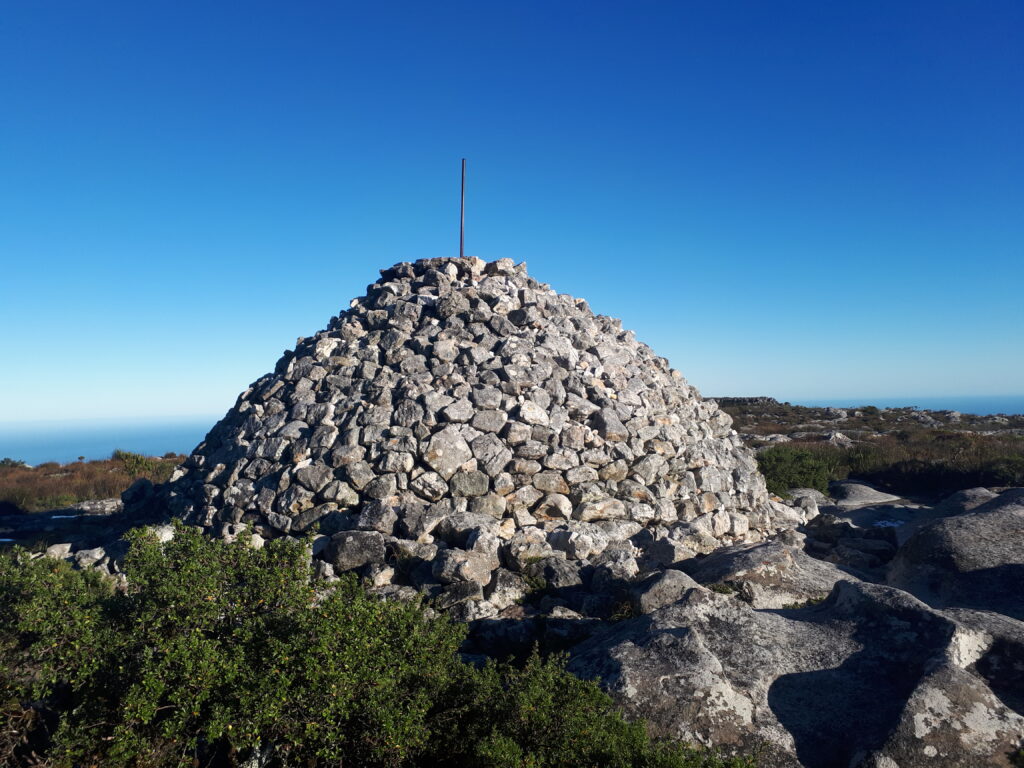
Many visitors assume the cableway station marks the summit, but the true highest point of table mountain is Maclear's Beacon. Constructed in 1865 by Sir Thomas Maclear as part of a trigonometrical survey, this stone cairn stands at 1,086 meters above sea level, making it approximately 19 meters higher than the Upper Cable Station.
The relatively easy walk from the cableway to the beacon takes around 30–45 minutes across the plateau and rewards hikers with sweeping views of False Bay, the Cape Flats, and the distant Hottentots Holland Mountains. Reaching Maclear's Beacon is a satisfying achievement for travelers wanting to stand at the highest accessible point on the mountain.
7. Hike the Scenic Kasteelspoort Trail
For experienced hikers seeking a quieter alternative to Platteklip Gorge, the Kasteelspoort route offers one of the most scenic approaches to table mountain national park. Beginning above Camps Bay, the trail winds through indigenous fynbos vegetation, rocky ravines, and dramatic sandstone formations before reaching the Back Table. The ascent generally takes between three and four hours, depending on pace and weather conditions.
Along the way, hikers encounter the famous Diving Board rock formation, which appears to jut precariously over the city below and provides outstanding photographic opportunities. Compared with other routes, Kasteelspoort attracts fewer visitors and allows for a more peaceful mountain experience.
8. Abseil from the Summit
Adventure lovers visiting table mountain western cape can enjoy one of the world's highest commercial abseiling experiences. Suspended from the summit cliffs, participants descend approximately 112 meters down the mountain face while overlooking Cape Town, Camps Bay, Lion's Head, and the Atlantic Ocean. Professional guides provide helmets, harnesses, safety briefings, and all necessary equipment, making the activity suitable even for first-time abseilers.
The descent itself lasts only a few minutes, but the combination of adrenaline and panoramic scenery creates memories that last a lifetime. Many participants describe this thrilling experience as one of the highlights of their South African journey.
9. Watch Sunrise Above the Clouds
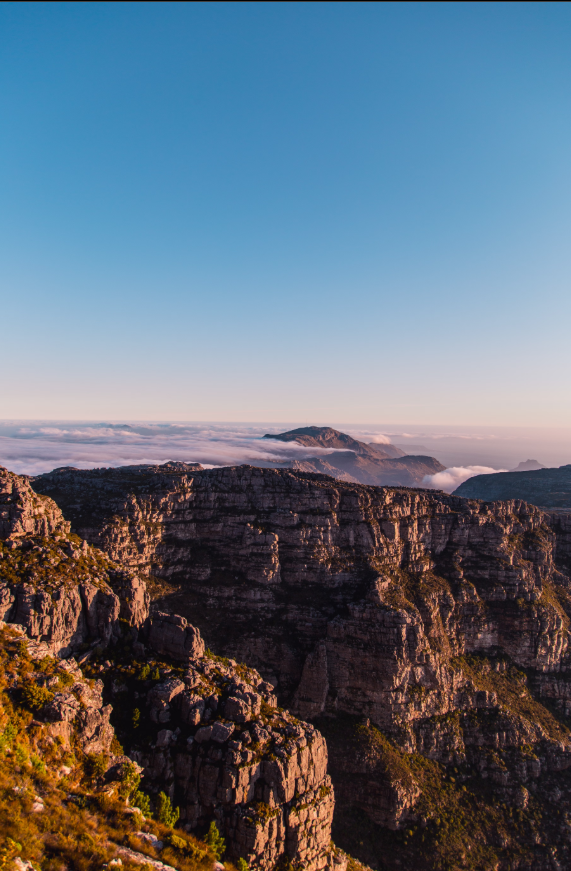
Early risers often discover that sunrise is among the most magical times to visit cape town tafelberg. As the first rays of sunlight illuminate the city below, the summit transforms into a peaceful sanctuary with very few visitors. On calm mornings, clouds occasionally gather beneath the plateau, creating the illusion of floating above a sea of white mist. Hikers typically begin ascending before dawn, while cableway visitors should check seasonal operating times. Sunrise photography is especially rewarding during spring and autumn when atmospheric conditions are often clearer and temperatures remain comfortable.
10. Experience Sunset from the Summit
Sunset provides another unforgettable perspective of table mountain south africa. During the late afternoon, warm golden light bathes the sandstone cliffs and fynbos-covered slopes, while the Atlantic Ocean gradually changes shades from blue to orange and purple. Visitors can observe the sun disappearing behind Robben Island while Cape Town's city lights slowly begin to sparkle below. Many travelers combine sunset viewing with dinner at the summit café or simply relax on rocky outcrops while enjoying the changing colors of the sky. Arriving early is advisable because sunset periods are particularly popular with photographers.
11. Capture the Best Photography Locations
Photography enthusiasts will find endless opportunities throughout table mountain national park. The Upper Cable Station offers excellent panoramic shots of Table Bay, while Maclear's Beacon provides dramatic views toward False Bay. The Diving Board along the Kasteelspoort route remains a favorite location for adventurous portraits, whereas viewpoints near the Twelve Apostles showcase spectacular coastal scenery.
During winter months, photographers may even witness the famous "tablecloth" cloud formation spilling over the mountain's northern cliffs. This unique meteorological phenomenon occurs when moist ocean air condenses and cascades across the plateau like a flowing waterfall.
12. Best Time to Visit Table Mountain
The most favorable seasons for visiting table mountain western cape are generally spring (September to November) and autumn (March to May). These periods offer mild temperatures, relatively stable weather, and fewer visitors compared with the busy summer months. Summer, from December to February, provides longer daylight hours but also brings stronger winds that can occasionally force cableway closures.
Winter visitors may encounter rainfall, mist, and colder temperatures, although clear winter days can deliver exceptionally crisp views. Because weather conditions change rapidly, checking forecasts before traveling to the mountain is highly recommended.
Practical Travel Tips
Visitors should wear comfortable walking shoes, carry sufficient drinking water, and pack an additional layer of clothing, even during warmer months. Weather conditions can shift dramatically within minutes, with strong winds, fog, and temperature drops occurring unexpectedly. Purchasing cableway tickets online can help avoid long queues during peak periods, while hikers should always inform someone of their planned route and avoid hiking alone. Mobile phone reception is generally reliable across most parts of the mountain, but downloading offline trail maps is still advisable.
Final Thoughts
Standing proudly above Cape Town for millions of years, table mountain south africa remains far more than a scenic backdrop—it is a place of adventure, biodiversity, cultural significance, and extraordinary natural beauty. Whether arriving via cable car, hiking rugged trails, observing endemic wildlife, or simply admiring sunset views from the summit, every visit reveals another dimension of this iconic landmark.
Combined with the diverse landscapes protected within table mountain national park, the mountain continues to inspire travelers from around the world. Few destinations offer such an impressive combination of accessibility, history, and wilderness, ensuring that a journey to Cape Town would never be complete without experiencing the majesty of this world-famous peak.


Comments 0
Only approved comments are shown here.