Oslo is a city where contemporary architecture, centuries of history and easy access to nature exist side by side. Norway's capital combines world-class museums, waterfront neighbourhoods, sculpture parks, forests, islands and an increasingly exciting food and sauna culture. For travellers searching for things to do in Oslo Norway, this combination makes the city particularly rewarding because you can move from an art museum to a fjord, forest or historic landmark within the same day.
The city's official tourism organisation currently highlights attractions ranging from Akershus Fortress and the Opera House to MUNCH, the National Museum, Fram Museum, Holmenkollen and Vigeland Sculpture Park.
Whether you have one day or several, the best Oslo attractions are most enjoyable when grouped geographically rather than treated as a checklist. Central Oslo, Bjørvika, Bygdøy, Holmenkollen and the Oslo Fjord each offer a different side of the city.
This post contains affiliate links. If you choose to book through them, a small commission may be earned at no additional cost to you. Your support genuinely helps keep the blog running and allows continued creation of high-quality travel guides. Thank you for being here and supporting this journey.
Also Read - Best Hotels in Norway: 20 Luxury Hotels and Exceptional Places to Stay
1. Walk on the Oslo Opera House Roof
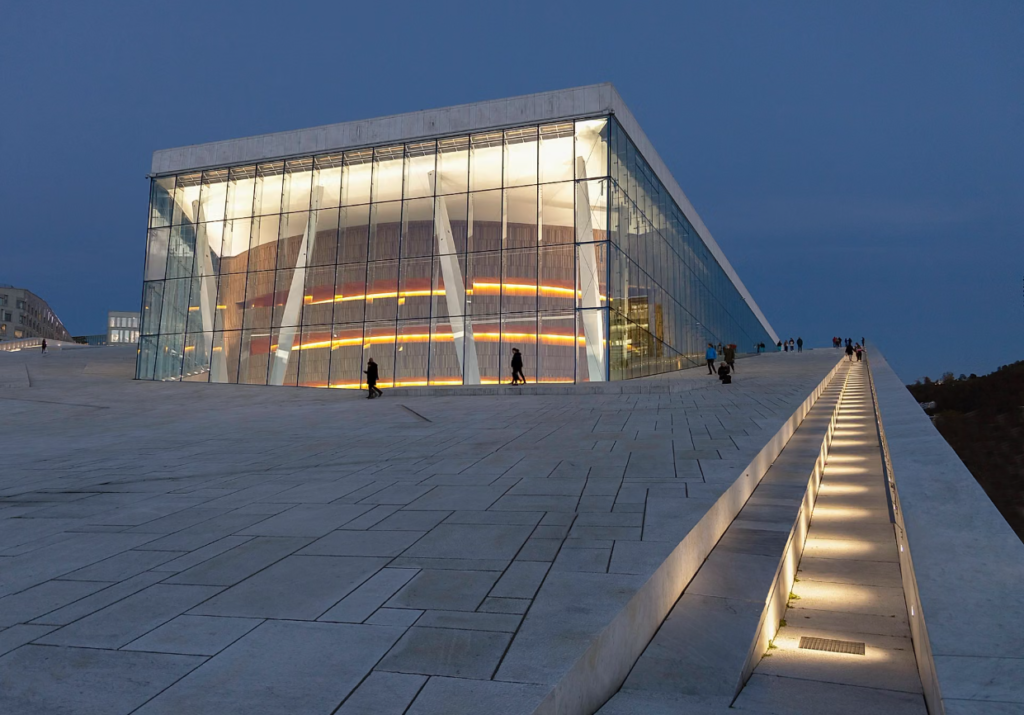
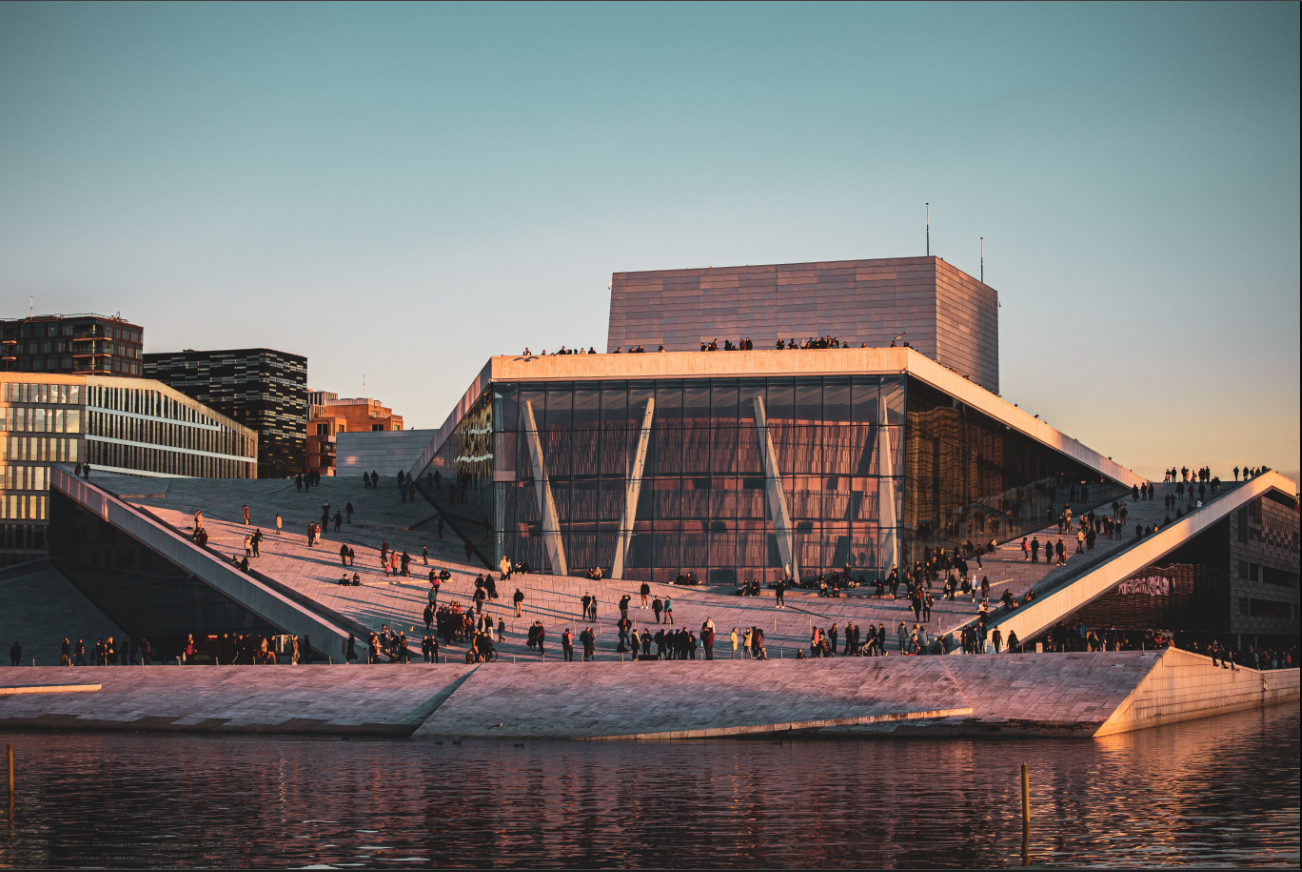
The Norwegian National Opera & Ballet is one of the most recognisable modern Oslo attractions. Designed by Snøhetta, the building rises from the waterfront like a piece of ice emerging from the Oslofjord.
One of its most distinctive features is that visitors can walk directly across its sloping marble roof. The elevated surface provides views over Bjørvika, the harbour and the surrounding city.
This is one of the easiest things to do in Oslo Norway because you can enjoy the architecture and views without needing to attend a performance.
For photographers, early morning and evening provide particularly attractive light. Inside, the building offers opera, ballet and other performances, making it worth checking the programme if you are interested in performing arts.
2. Explore MUNCH
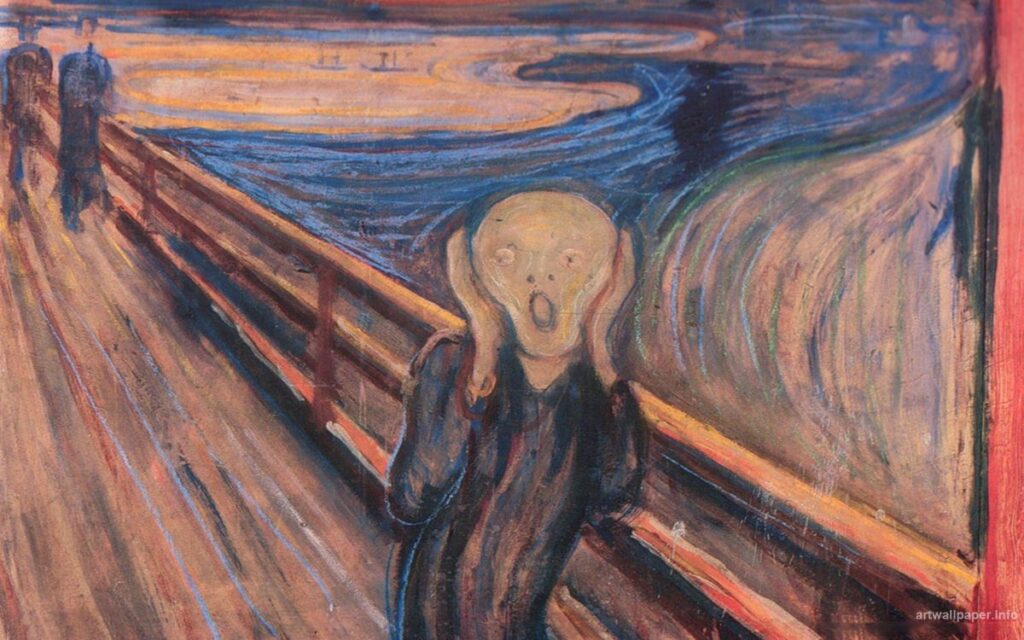
Art lovers should put MUNCH near the top of their list of Oslo attractions. The museum occupies a striking high-rise building beside the Oslo waterfront and houses one of the world's largest collections of works by Edvard Munch.
The museum's 13 floors explore Munch's paintings, drawings and other artistic experiments. Major works include The Scream, Madonna and The Dance of Life, while changing exhibitions introduce contemporary and international artists.
MUNCH is more than a museum dedicated to a single painting. It provides insight into the breadth of Munch's career and the development of modern Norwegian art.
For travellers interested in things to do in Oslo Norway during rainy weather, it is also one of the city's strongest indoor options.
3. Visit the National Museum
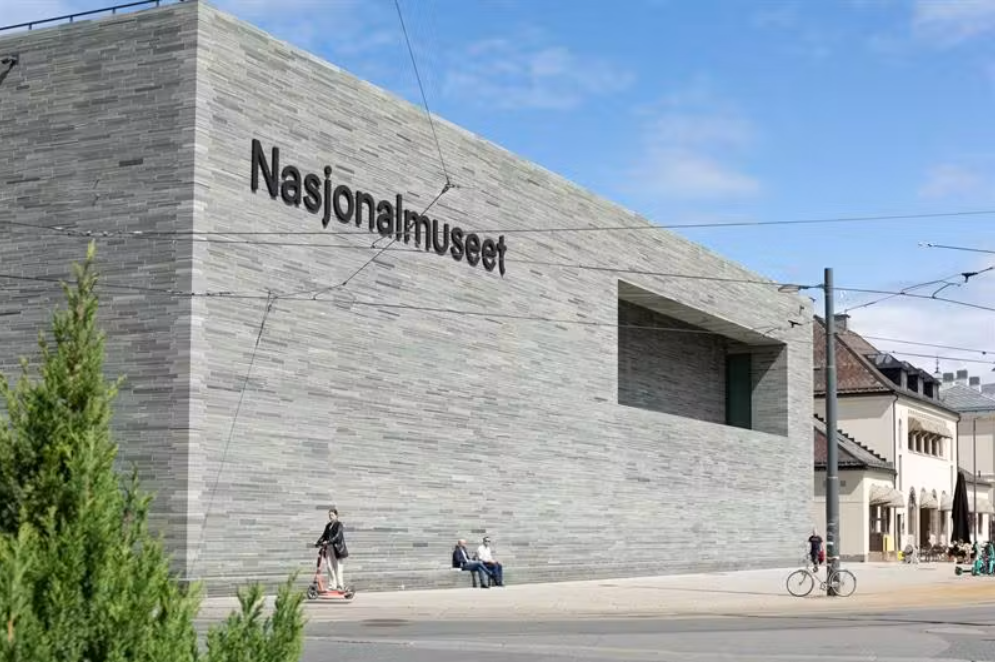
The National Museum is another essential cultural stop. It brings together Norwegian and international art, architecture and design in a single institution.
The museum is particularly valuable for understanding how Norwegian artistic identity developed over time. Rather than focusing exclusively on famous works, visitors can explore decorative arts, design, architecture and fine art.
The National Museum is listed among Oslo's ten most visited attractions by VisitOSLO.
If you are selecting Oslo attractions according to cultural importance, this should be near the top of the itinerary.
4. Discover Vigeland Sculpture Park
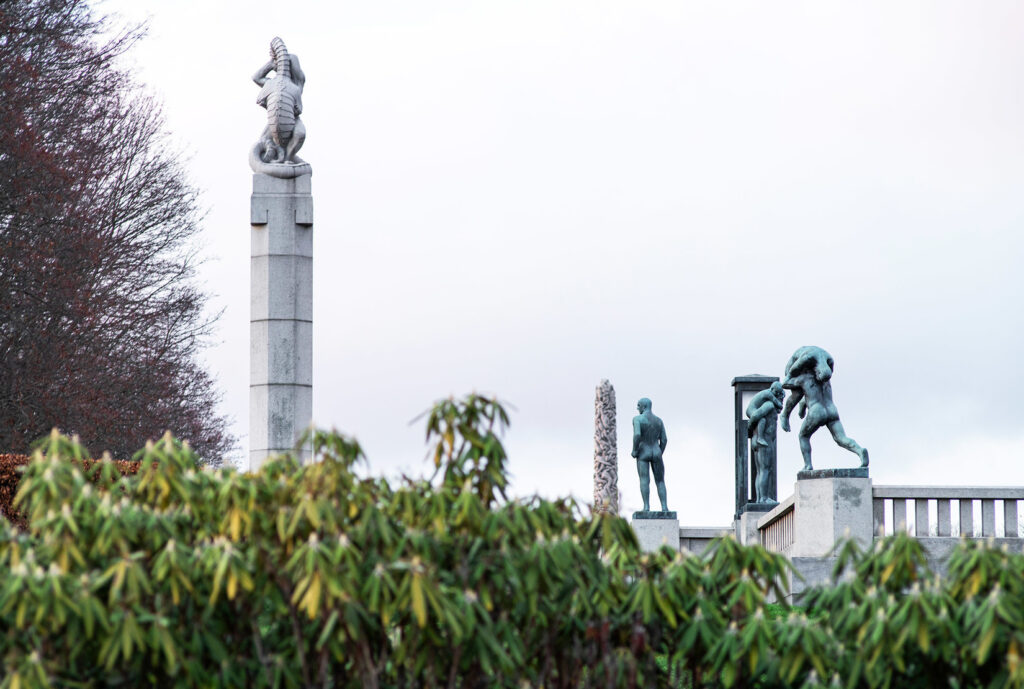
Vigeland Sculpture Park is among the most distinctive Oslo attractions. Located within Frogner Park, it contains hundreds of works by Gustav Vigeland and presents an extraordinary exploration of the human body, relationships and emotions.
The Monolith and surrounding sculptures form the visual centrepiece of the park. VisitOSLO describes Vigeland Park as one of the city's most visited attractions and highlights Vigeland's enormous contribution to Oslo's public art.
The park is particularly enjoyable because it combines art and outdoor space. You do not need to spend hours inside a gallery to appreciate the work.
Allow at least one to two hours for a relaxed visit, especially if you also want to explore Frogner Park.
5. Explore Akershus Fortress
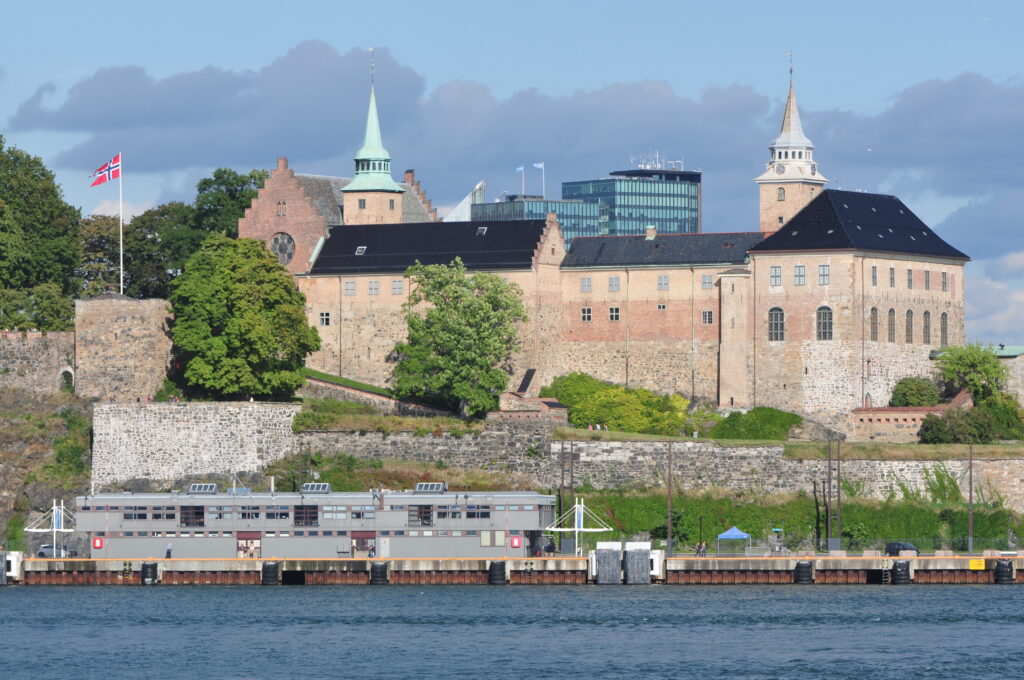
For travellers interested in history, Akershus Fortress is among the most important things to do in Oslo Norway.
The medieval fortress overlooks the harbour and has played a significant role in Oslo's history. Its strategic position made it an important defensive structure, while later additions transformed it into a royal residence and military complex.
Today, visitors can explore the grounds and discover several museums and historic buildings.
Its location makes it particularly convenient because it sits close to the city centre, waterfront and Aker Brygge.
6. Walk Around Aker Brygge
Aker Brygge offers a more contemporary side of Oslo. The former industrial waterfront has been transformed into a lively district of restaurants, shops, public spaces and modern architecture.
A walk along the harbour is one of the simplest things to do in Oslo Norway, particularly during summer.
From Aker Brygge, you can also enjoy views across the Oslofjord and connect with nearby waterfront attractions.
The area works particularly well in the evening when restaurants become lively and the waterfront takes on a relaxed atmosphere.
7. Experience Oslo's Fjord
The Oslofjord is not simply a backdrop to the city; it is an important part of Oslo's recreational life.
VisitOSLO describes the inner Oslofjord as a scenic area with islands accessible by short ferry journeys from the city centre. During warmer months, visitors can swim, hike and paddleboard around the islands.
A fjord sightseeing cruise is therefore among the best things to do in Oslo Norway if you want to see the city from a different perspective.
For a more independent experience, take a public ferry to one of the islands and spend several hours walking and swimming before returning to the city.
Remember to check the timetable carefully and avoid missing the last ferry.
8. Try an Oslo Fjord Sauna
One of the city's most distinctive modern experiences is its fjordside sauna culture.
Floating and waterfront saunas have become increasingly popular along Oslo's harbour. VisitOSLO notes that the city's sauna culture has expanded significantly, with options combining traditional sauna sessions, fjord swimming and waterfront views.
A sauna followed by a cold dip may sound unusual to visitors, but it fits naturally into Scandinavian bathing culture.
This is one of the Oslo attractions that demonstrates how contemporary Oslo combines wellness, social life and the natural environment.
9. Visit the Fram Museum
The Fram Museum on Bygdøy is one of the best Oslo attractions for travellers interested in exploration and polar history.
The museum is centred on Fram, the famous Norwegian polar exploration ship. Visitors can enter the vessel and learn about expeditions associated with some of Norway's most important polar explorers.
The museum helps explain Norway's long relationship with Arctic exploration, navigation and scientific discovery.
It is also conveniently located near other Bygdøy museums, allowing you to combine several attractions in one day.
10. Explore the Norwegian Museum of Cultural History
Also located on Bygdøy, the Norwegian Museum of Cultural History provides a broader perspective on Norwegian life.
Its open-air collection includes historic buildings relocated from different parts of Norway, allowing visitors to see how architecture and everyday life varied between regions.
For travellers looking for things to do in Oslo Norway beyond modern museums, this offers a more traditional understanding of Norwegian culture.
It is particularly useful for visitors who are not travelling extensively through rural Norway because it provides a condensed introduction to the country's architectural and cultural heritage.
11. Discover Bygdøy
Bygdøy itself deserves more than a quick museum visit. The peninsula combines museums, green spaces, walking paths and beaches.
Several of Oslo's major museums are concentrated here, including the Fram Museum and Norwegian Museum of Cultural History. VisitOSLO includes Bygdøy among the city's principal attraction areas.
If you enjoy museums, dedicate at least half a day to the area.
Alternatively, combine one museum with a walk or waterfront stop for a slower itinerary.
12. Go to Holmenkollen
Holmenkollen provides one of the most dramatic changes of scenery within Oslo. Located approximately 20–30 minutes from the city centre, the area sits above the capital and provides panoramic views.
The Holmenkollen Ski Museum & Tower explores Norway's long skiing history and contains a major collection of skis and winter equipment. Visitors can also reach the top of the ski jump for expansive views over Oslo.
For visitors researching things to do in Oslo Norway, Holmenkollen is particularly useful because it combines culture, sport and landscape.
13. Hike in Nordmarka
Beyond Holmenkollen lies Nordmarka, a large recreational forest area.
During summer, hiking and cycling are popular, while winter brings opportunities for cross-country skiing.
This is one of the strongest Oslo attractions for travellers who want to experience the city's relationship with nature rather than spending the entire holiday indoors.
A major advantage is accessibility. You do not need to travel hours outside the capital to reach a genuine forest landscape.
14. Visit the Nobel Peace Center
The Nobel Peace Center introduces visitors to the history of the Nobel Peace Prize, its recipients and major themes surrounding peace and human rights.
It is located close to Oslo City Hall and the waterfront, making it easy to incorporate into a central walking itinerary.
For travellers interested in politics, history and international affairs, it provides a deeper perspective on Norway's role in global diplomacy.
Among the Oslo attractions, it is particularly valuable for visitors who want cultural and educational experiences rather than purely scenic sightseeing.
15. Explore Oslo City Centre
Central Oslo contains several landmarks within relatively easy walking distance, including the Royal Palace, Parliament, City Hall and Akershus Fortress. VisitOSLO identifies this area as the location of many of the city's best-known buildings and museums.
A walking tour can therefore provide an efficient introduction to Oslo.
Start around the Royal Palace, walk down Karl Johans gate, continue towards the Parliament and City Hall, and finish at the harbour.
This is one of the most practical things to do in Oslo Norway if you have only one day.
16. Explore Grünerløkka
Grünerløkka offers a more local and creative side of Oslo.
The neighbourhood is known for independent cafés, restaurants, bars, vintage shops and small businesses. It has a different atmosphere from the formal centre and is a good place to experience contemporary urban culture.
Spend an afternoon exploring its streets, stopping for coffee and browsing independent shops.
For travellers looking beyond traditional Oslo attractions, Grünerløkka provides a more neighbourhood-oriented experience.
17. Visit Ekebergparken
Ekebergparken combines sculpture, woodland and panoramic views.
The sculpture park contains works by Norwegian and international artists distributed throughout a large green landscape.
Its elevated position also provides views across Oslo and the fjord.
It is particularly attractive for travellers who enjoyed Vigeland Sculpture Park but want a more contemporary and landscape-oriented art experience.
18. Explore Oslo's Food Scene
Food should be included among the things to do in Oslo Norway. The city has developed a strong contemporary Nordic dining culture alongside bakeries, cafés and international restaurants.
Seafood naturally features prominently, while seasonal Norwegian ingredients are increasingly used by modern chefs.
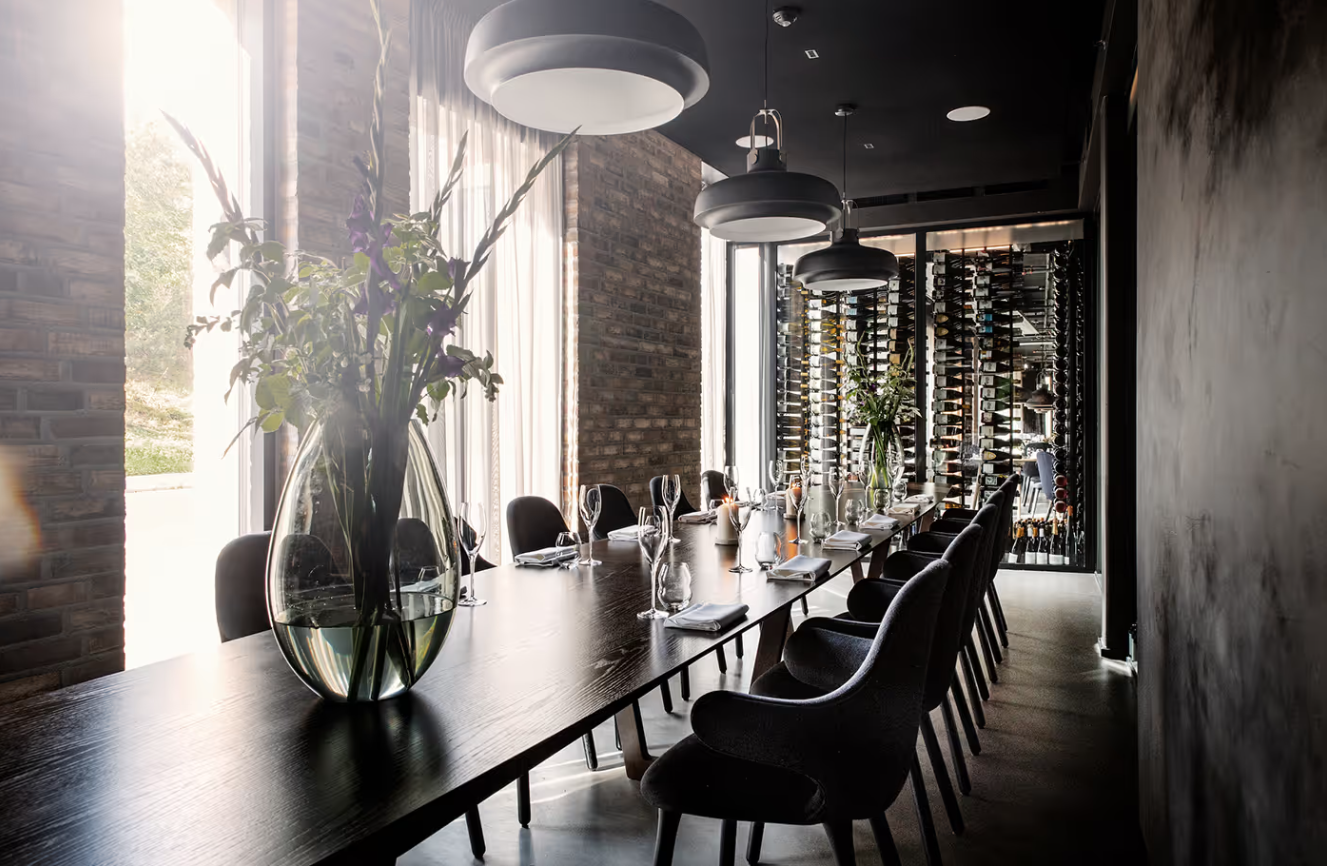
For a more informal experience, explore food halls and neighbourhood cafés. For a special occasion, Oslo also offers internationally recognised restaurants.
The key is to experience more than one style of dining because the city's food identity extends well beyond traditional Norwegian dishes.
19. Take a Harbour or Fjord Cruise
A boat tour is another excellent way to experience the city.
From the water, Oslo's waterfront architecture, islands and surrounding landscapes become much easier to appreciate. VisitOSLO currently lists sightseeing cruises and boat tours among its principal city activities.
A short cruise works well for visitors with limited time, while island-hopping provides a more immersive experience.
During summer, the long daylight hours make evening cruises particularly appealing.
20. Consider the Oslo Pass
If you intend to visit several museums and use public transport extensively, investigate the Oslo Pass.
The current Oslo Pass includes free entry to more than 30 museums and attractions, along with public transport across specified zones. It also includes transport to and from Oslo Airport Gardermoen on eligible Vy services.
The pass can therefore be useful for travellers planning a museum-heavy itinerary.
However, it is not automatically good value for everyone. If your trip focuses mainly on free outdoor attractions, neighbourhood walks and the waterfront, buying individual tickets may make more sense.
Best Things to Do in Oslo in One Day
If you have only one day, focus on a compact selection of Oslo attractions rather than trying to see everything. Begin in Bjørvika with the Oslo Opera House, where you can walk across the distinctive roof and enjoy views over the Oslofjord. Then visit MUNCH, home to major works by Edvard Munch, including The Scream.
After lunch, continue towards Akershus Fortress, a historic medieval landmark overlooking the harbour. Then choose either the National Museum, which brings Norwegian art, design and architecture together, or Vigeland Sculpture Park, famous for more than 200 sculptures.
End your day with a relaxing Oslofjord sauna or waterfront dinner. This efficient itinerary combines culture, history, architecture and nature while keeping travel time between major Oslo attractions to a minimum.
Best Time to Visit Oslo
There is no single best time to visit Oslo because each season offers a different way to experience the Norwegian capital. Summer is ideal for travellers who enjoy long, bright days, outdoor dining, cycling, hiking and exploring the Oslofjord by ferry, kayak or paddleboard. The city's islands and waterfront are particularly lively during this period.
Autumn brings colourful foliage, cooler temperatures and a quieter atmosphere. Parks such as Vigeland Sculpture Park and Ekebergparken become especially attractive beneath golden leaves, while cafés and food markets create a cosy seasonal experience.
Winter transforms Oslo into a snowy destination ideal for skiing, sledding, skating and forest walks. Fjord cruises and saunas remain popular, while museums offer comfortable indoor alternatives.
Spring brings longer days, blooming parks and increasingly lively outdoor cafés.
Ultimately, the best season depends on which things to do in Oslo Norway you want to experience.
How Many Days Do You Need?
One day is enough for a highlights itinerary, but two to three days provide a much better introduction.
With two days, you can combine central landmarks with Bygdøy or Holmenkollen.
Three days allow time for museums, neighbourhood exploration, the Oslofjord and a sauna experience without rushing.
Travellers interested in outdoor activities can easily spend four or more days because the surrounding forests, islands and fjord provide additional opportunities.
Final Thoughts
Oslo is a destination that rewards travellers who look beyond its headline landmarks. The most memorable things to do in Oslo Norway can range from standing on the Opera House roof and viewing Munch's masterpieces to swimming in the Oslofjord, relaxing in a waterfront sauna or hiking through Nordmarka.
The city's major Oslo attractions provide an excellent cultural foundation: Akershus Fortress for history, MUNCH and the National Museum for art, Fram Museum for polar exploration, Vigeland Sculpture Park for public art and Holmenkollen for skiing heritage.
What makes Oslo especially distinctive, however, is the relationship between these attractions and nature. The Oslofjord, islands and forests are not distant excursions; they are woven directly into city life.
For a first visit, combine two or three major museums with outdoor exploration, good Norwegian food and a fjord experience. That balance captures the character of Oslo far better than simply rushing between landmarks—and demonstrates why the city is one of the most rewarding urban destinations in Norway.

Comments 0
Only approved comments are shown here.