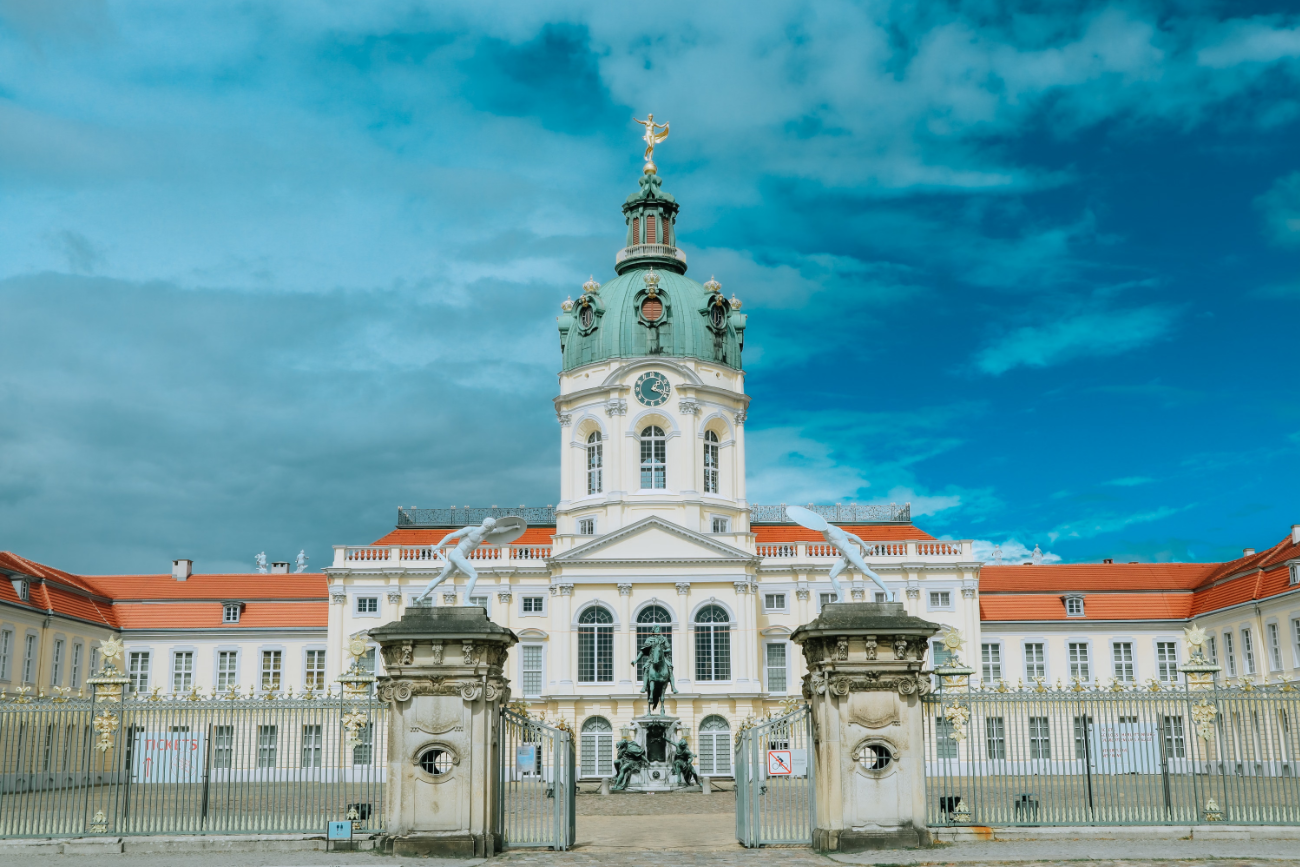
Although many travellers search for cities in Berlin, it is important to understand that Berlin is itself a single city and the capital of Germany. Rather than containing multiple cities, Berlin is divided into 12 administrative boroughs (Bezirke), each with its own distinctive character, attractions, architecture, and local culture.
From the historic streets of Mitte and the elegant avenues of Charlottenburg to the artistic atmosphere of Kreuzberg and the trendy cafés of Prenzlauer Berg, every district offers a unique perspective on Berlin. This guide explores the city's most fascinating boroughs, helping visitors discover where to stay, what to see, and which neighbourhood best matches their travel style.
Also Read - Day Trips from Berlin: The Ultimate Guide to Day Tours from Berlin Germany
This post contains affiliate links. If you choose to book through them, a small commission may be earned at no additional cost to you. Your support genuinely helps keep the blog running and allows continued creation of high-quality travel guides. Thank you for being here and supporting this journey.
1. Understanding Cities in Berlin
When people search for cities in Berlin, they are usually referring to Berlin's districts or neighbourhoods rather than separate cities. Berlin is officially one unified city-state consisting of 12 boroughs, each divided into numerous neighbourhoods known locally as Ortsteile and smaller communities called Kieze. Every borough has its own identity, architecture, cultural attractions, restaurants, parks, and local traditions.
This unique structure allows visitors to experience very different atmospheres without leaving the city. Whether exploring vibrant nightlife, royal palaces, lakeside scenery, or historic landmarks, each district contributes to Berlin's remarkable diversity and multicultural appeal.
2. Mitte – Berlin's Historic Heart
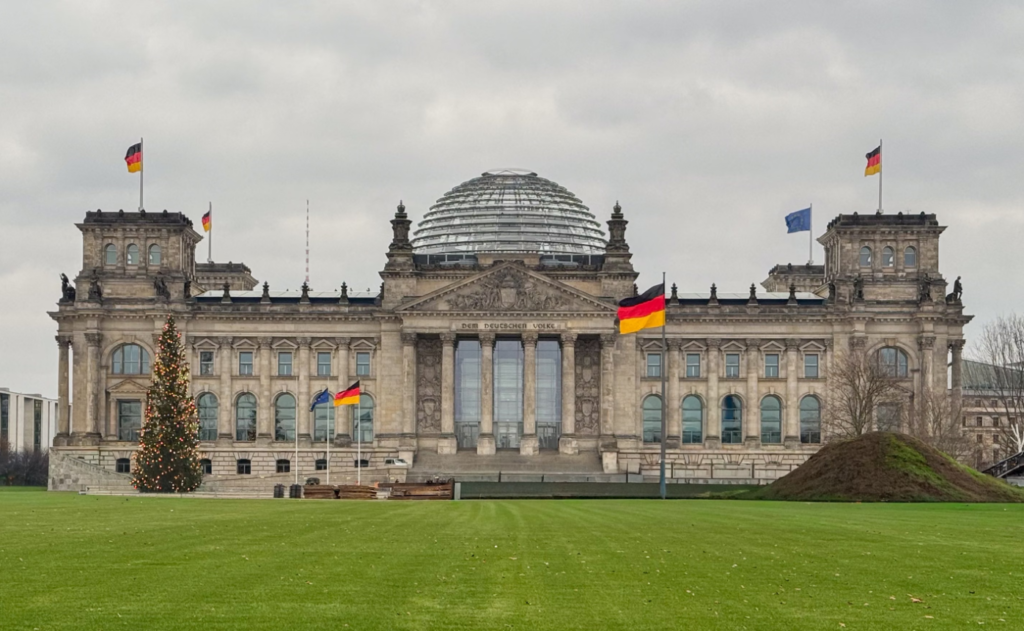
Among all the cities in Berlin, or more accurately its boroughs, Mitte is the historic and political centre of the German capital. Many of Berlin's most famous attractions are located here, including the Brandenburg Gate, Reichstag Building, Museum Island, Berlin Cathedral, Alexanderplatz, Checkpoint Charlie, and Unter den Linden boulevard.
Visitors can spend several days exploring world-class museums, historic landmarks, luxury shopping streets, elegant cafés, and cultural institutions. Mitte also offers excellent transport connections, making it one of the most convenient areas for first-time visitors. Its blend of history, modern architecture, government buildings, and lively public spaces makes it the perfect introduction to Berlin.
3. Charlottenburg-Wilmersdorf
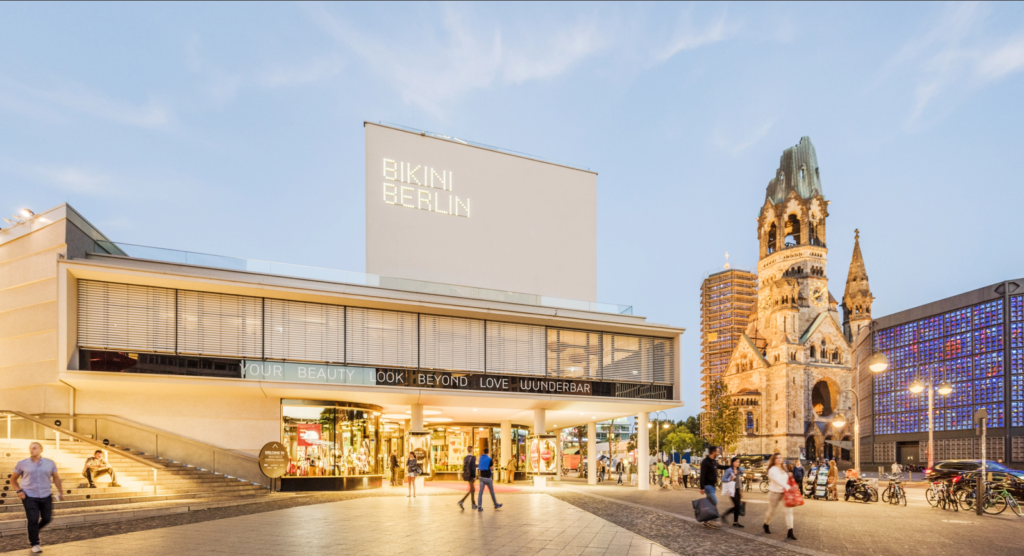
One of the most elegant cities in Berlin is the borough of Charlottenburg-Wilmersdorf, renowned for its grand boulevards, luxury shopping, historic architecture, and royal heritage. The famous Kurfürstendamm (Ku'damm) shopping avenue is lined with international fashion brands, designer boutiques, cafés, and restaurants, while the magnificent Charlottenburg Palace showcases Baroque architecture surrounded by beautifully landscaped gardens.
Visitors can also explore museums, theatres, art galleries, and the iconic Kaiser Wilhelm Memorial Church. The district combines old-world elegance with modern sophistication, making it especially popular among travellers seeking luxury accommodation, cultural experiences, and refined dining.
4. Kreuzberg (Friedrichshain-Kreuzberg)
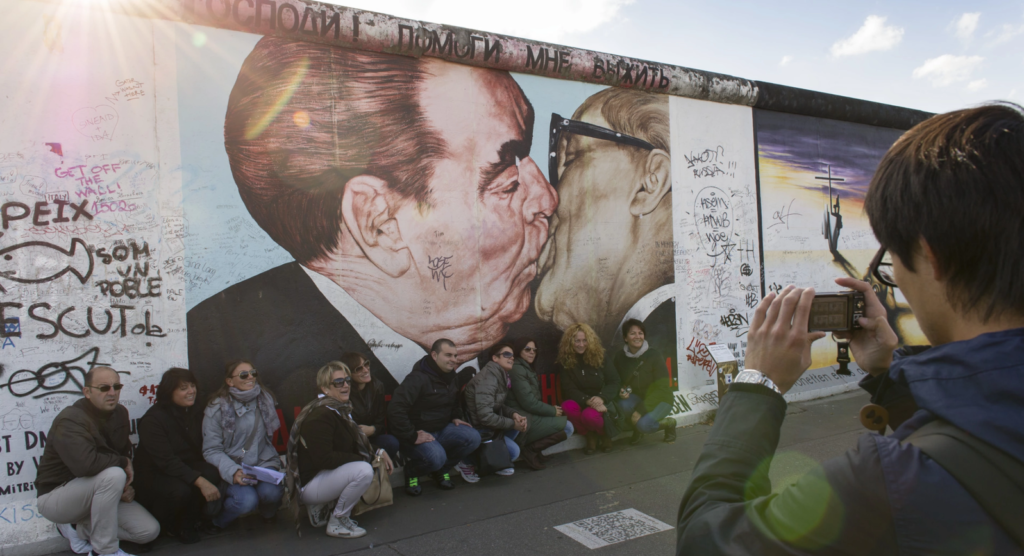
Among the most vibrant cities in Berlin is Friedrichshain-Kreuzberg, famous for its multicultural atmosphere, street art, independent cafés, nightlife, and creative energy. Once divided by the Berlin Wall, the borough has evolved into one of Europe's leading cultural and artistic districts.
Visitors can admire the colourful East Side Gallery, explore independent boutiques, enjoy international cuisine, or experience Berlin's legendary nightlife. The district also hosts lively street markets, music venues, galleries, and riverside parks. Kreuzberg's unique blend of history, diversity, and creativity makes it one of Berlin's most exciting destinations for younger travellers and culture enthusiasts alike.
5. Prenzlauer Berg (Pankow)
Another outstanding area often included when discussing cities in Berlin is Prenzlauer Berg, located within the borough of Pankow. Once a centre for artists and intellectuals, it has transformed into one of Berlin's most desirable residential neighbourhoods while retaining its historic charm. Beautifully restored nineteenth-century buildings, tree-lined streets, artisan bakeries, boutique shops, and stylish cafés create an inviting atmosphere for visitors.
Popular attractions include Mauerpark, famous for its weekend flea market and open-air karaoke, as well as numerous independent galleries and local restaurants. Prenzlauer Berg offers a relaxed environment that appeals to families, couples, and travellers seeking an authentic local experience.
6. Neukölln
Neukölln has become one of the most dynamic areas associated with searches for cities in Berlin. Once overlooked, this borough has emerged as a thriving centre for international cuisine, creative industries, independent coffee shops, rooftop bars, and cultural diversity.
Visitors can stroll through bustling markets, explore contemporary art galleries, or relax in Tempelhofer Feld, the enormous public park created from Berlin's former Tempelhof Airport. Neukölln's multicultural character is reflected in its restaurants, festivals, and vibrant nightlife, making it particularly popular among young professionals, artists, and travellers seeking experiences beyond the traditional tourist attractions.
7. Friedrichshain
Among the trendiest cities in Berlin, Friedrichshain offers a fascinating combination of history, entertainment, and modern urban culture. The district is home to the famous East Side Gallery, a preserved section of the Berlin Wall transformed into the world's longest open-air gallery featuring murals by international artists.
Visitors can also enjoy lively nightlife around Warschauer Straße, explore Boxhagener Platz with its cafés and weekend markets, or relax in Volkspark Friedrichshain, one of Berlin's oldest public parks. Its energetic atmosphere, excellent transport links, and creative community continue to make Friedrichshain one of Berlin's most popular neighbourhoods for both visitors and residents.
8. Tiergarten
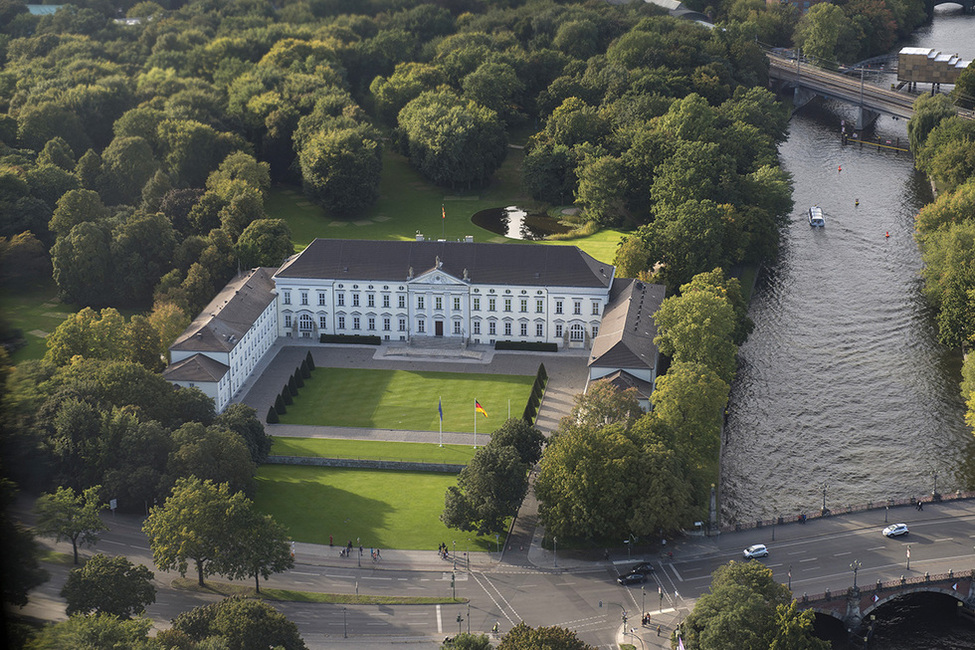
Among the most peaceful areas often associated with cities in Berlin, Tiergarten offers a refreshing balance between nature and urban life. Named after Berlin's largest public park, this neighbourhood provides easy access to iconic attractions such as the Victory Column (Siegessäule), Bellevue Palace, the Berlin Zoo, and the Kulturforum.
Visitors can enjoy scenic walking trails, cycling paths, tranquil lakes, and beautifully landscaped gardens within Tiergarten Park. Despite its central location, the area feels calm and spacious, making it popular with families and travellers seeking relaxation after exploring Berlin's busy historic centre. It also offers excellent transport connections to the rest of the city.
9. Schöneberg
One of the most welcoming cities in Berlin, or neighbourhoods within the capital, is Schöneberg. Famous for its elegant streets, vibrant cafés, shopping areas, and rich cultural history, Schöneberg has long been recognised for its inclusive atmosphere and artistic community.
Highlights include the historic Rathaus Schöneberg, where John F. Kennedy delivered his famous "Ich bin ein Berliner" speech, charming local markets, and numerous independent boutiques. The district also boasts a thriving dining and nightlife scene, ranging from cosy cafés to sophisticated cocktail bars. Its combination of history, culture, and relaxed ambience makes Schöneberg an excellent place to experience everyday Berlin life.
10. Spandau
Among the most historic cities in Berlin is Spandau, a western borough that retains the atmosphere of an independent medieval town. Its beautifully preserved Old Town features cobbled streets, colourful buildings, boutique shops, cafés, and one of Berlin's oldest market squares. The district's main attraction is the impressive Spandau Citadel, one of Europe's best-preserved Renaissance fortresses, which hosts museums, exhibitions, and cultural events throughout the year. Visitors can also enjoy riverside walks along the Havel River, scenic parks, and boat cruises. Spandau offers a quieter, more traditional side of Berlin that contrasts beautifully with the city's modern districts.
11. Treptow-Köpenick
Among the greenest cities in Berlin, Treptow-Köpenick is renowned for its vast forests, rivers, lakes, and outdoor recreation. As Berlin's largest borough by area, it is home to Müggelsee, the city's largest lake, as well as Köpenick Palace, Treptower Park, and extensive cycling and walking trails.
Visitors can enjoy boat cruises, kayaking, swimming, and picnics in peaceful natural surroundings while remaining within the city limits. The borough combines beautiful landscapes with fascinating history, making it ideal for travellers who wish to escape Berlin's busy urban centre without travelling far. Its abundance of green spaces demonstrates why Berlin is considered one of Europe's greenest capitals.
12. Best Area to Stay in Berlin
Choosing where to stay among the various cities in Berlin—that is, its boroughs and neighbourhoods—depends on your travel style. Mitte is ideal for first-time visitors thanks to its central location and proximity to major landmarks. Charlottenburg-Wilmersdorf suits luxury travellers seeking elegant shopping streets and upscale hotels.
Prenzlauer Berg appeals to families and couples with its peaceful atmosphere and charming cafés, while Kreuzberg and Friedrichshain attract younger visitors looking for nightlife, street art, and creative culture. Neukölln offers multicultural dining and vibrant local experiences, whereas Treptow-Köpenick is perfect for travellers who enjoy lakes, parks, and outdoor recreation.
13. How to Get Around Berlin
Travelling between the different cities in Berlin, meaning its districts and neighbourhoods, is simple thanks to one of Europe's most efficient public transport systems. The extensive U-Bahn, S-Bahn, trams, buses, and regional trains connect all twelve boroughs quickly and reliably.
Visitors can purchase daily or multi-day travel passes that provide unlimited access across most of the city. Cycling is another popular option, with dedicated bike lanes throughout Berlin and numerous bicycle rental services available. Many central attractions are also within walking distance of one another, allowing visitors to comfortably explore several neighbourhoods during a single day while experiencing Berlin's diverse character.
Final Thoughts
Although many travellers search for cities in Berlin, the capital is actually one remarkable city made up of twelve unique boroughs, each offering its own distinctive personality, history, and attractions. From the historic monuments of Mitte and the royal elegance of Charlottenburg to the creative energy of Kreuzberg, the family-friendly streets of Prenzlauer Berg, and the tranquil lakes of Treptow-Köpenick, Berlin offers an extraordinary variety of experiences within a single destination. Exploring these diverse neighbourhoods allows visitors to appreciate the city's rich cultural heritage, vibrant local communities, and modern lifestyle, making Berlin one of Europe's most fascinating capitals to discover.


Comments 0
Only approved comments are shown here.