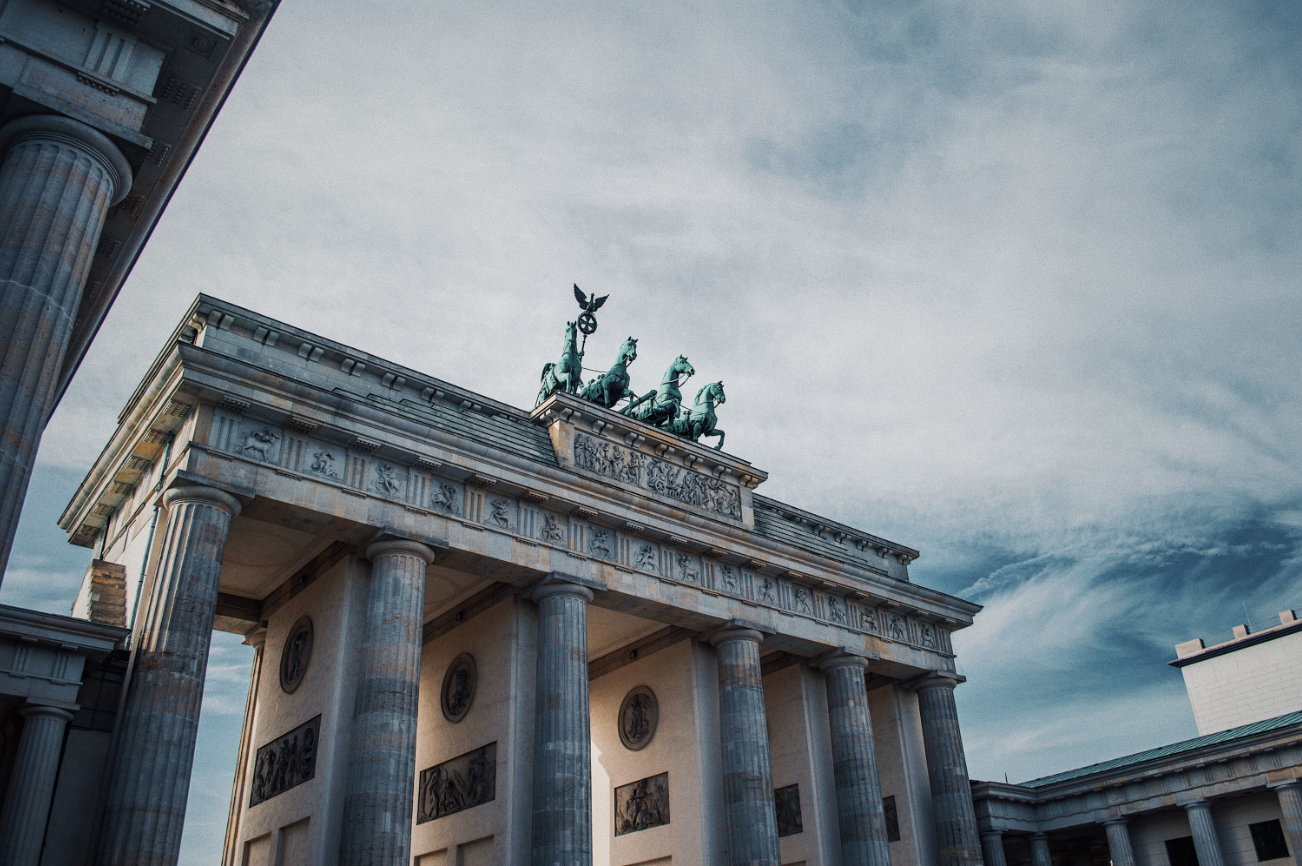
Berlin travel guide cover

Berlin Travel Guide

Explore Berlin
Advertisement

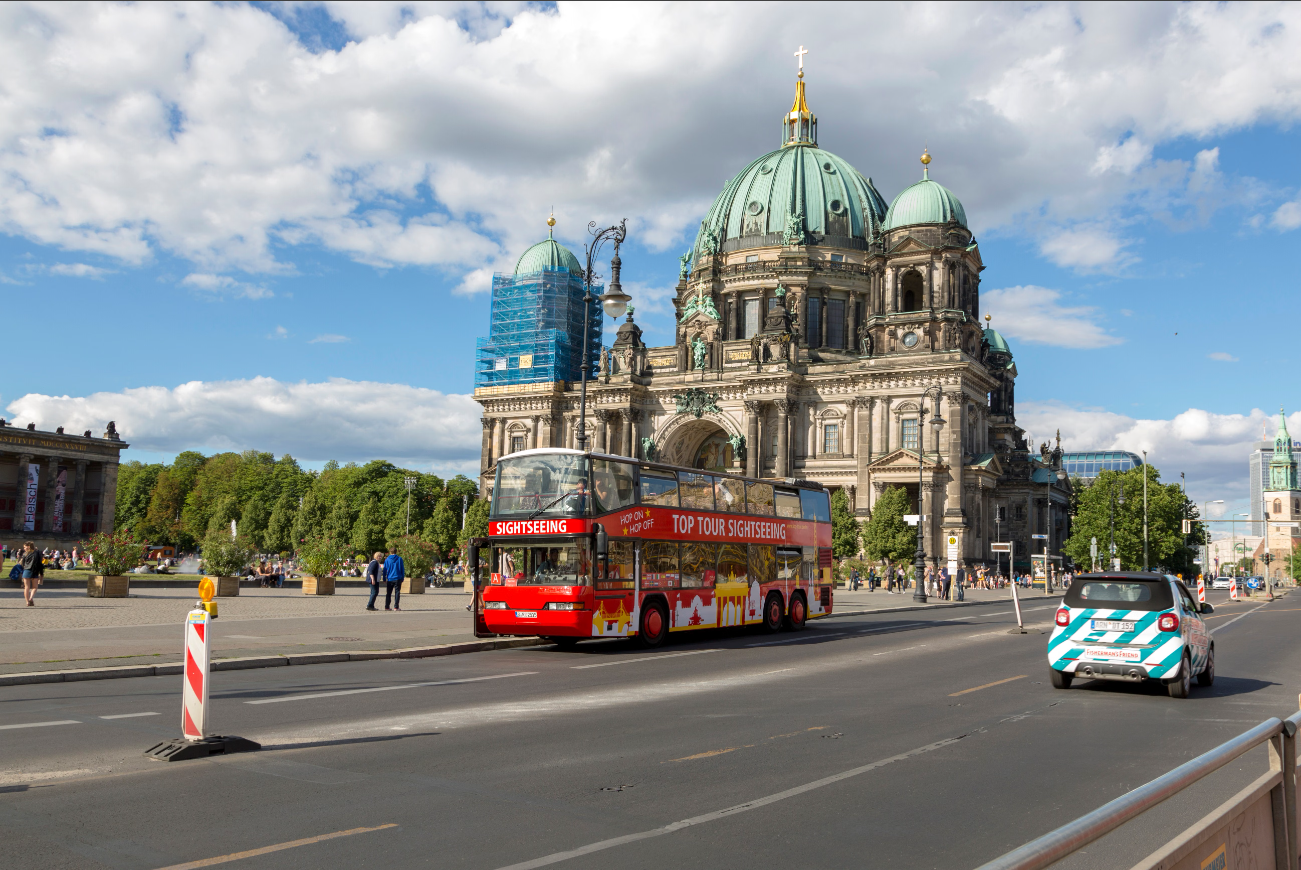
TraveliciousBites' Berlin Travel Guide covers the history, art, and nightlife that make Germany's capital one of Europe's most dynamic cities. Whether you're tracing Cold War history through the East Side Gallery or exploring Berlin's world-class museums, this guide breaks down when to visit, what to see, and how to get around efficiently, based on the same research standards we apply across every European destination, including practical guidance on tickets, transit, and neighborhood choices that shape a first-time visit.

Best Time to Visit Berlin

May through September delivers Berlin's warmest weather and longest daylight hours, ideal for exploring the city's numerous parks and outdoor beer gardens. Summer also brings Berlin's most famous festivals and street life, particularly around the Spree River.

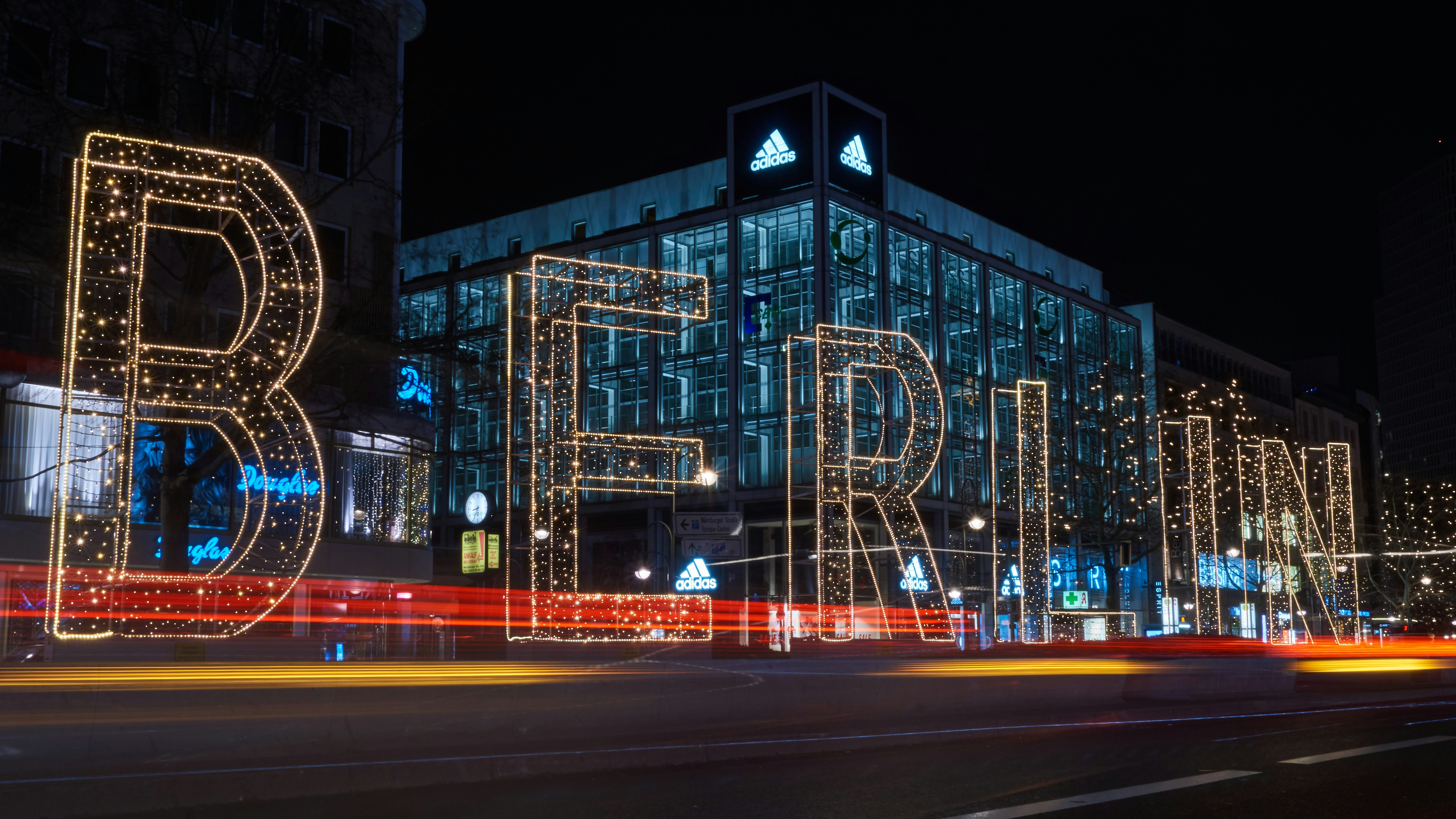
Winter turns cold and gray but rewards visitors with excellent museum time and Berlin's renowned Christmas markets in December. Spring (April–May) and fall (September–October) offer a shoulder-season balance of mild weather and thinner crowds than peak summer.

TraveliciousBites recommends visiting outside major holiday weekends, when hotel rates in central districts rise noticeably.

Berlin weather and seasonal guidesTap to see articles matched to each season

Top Things to Do in Berlin

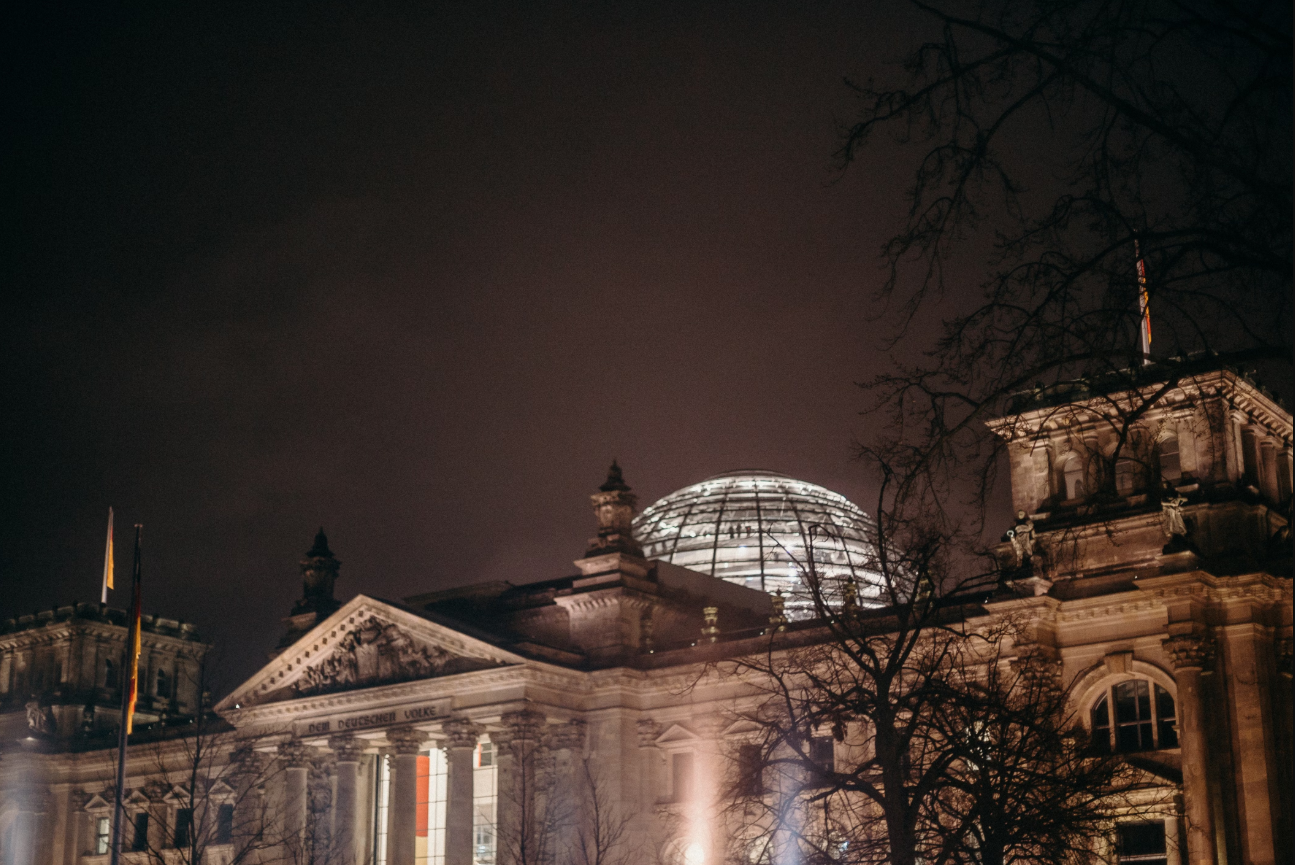
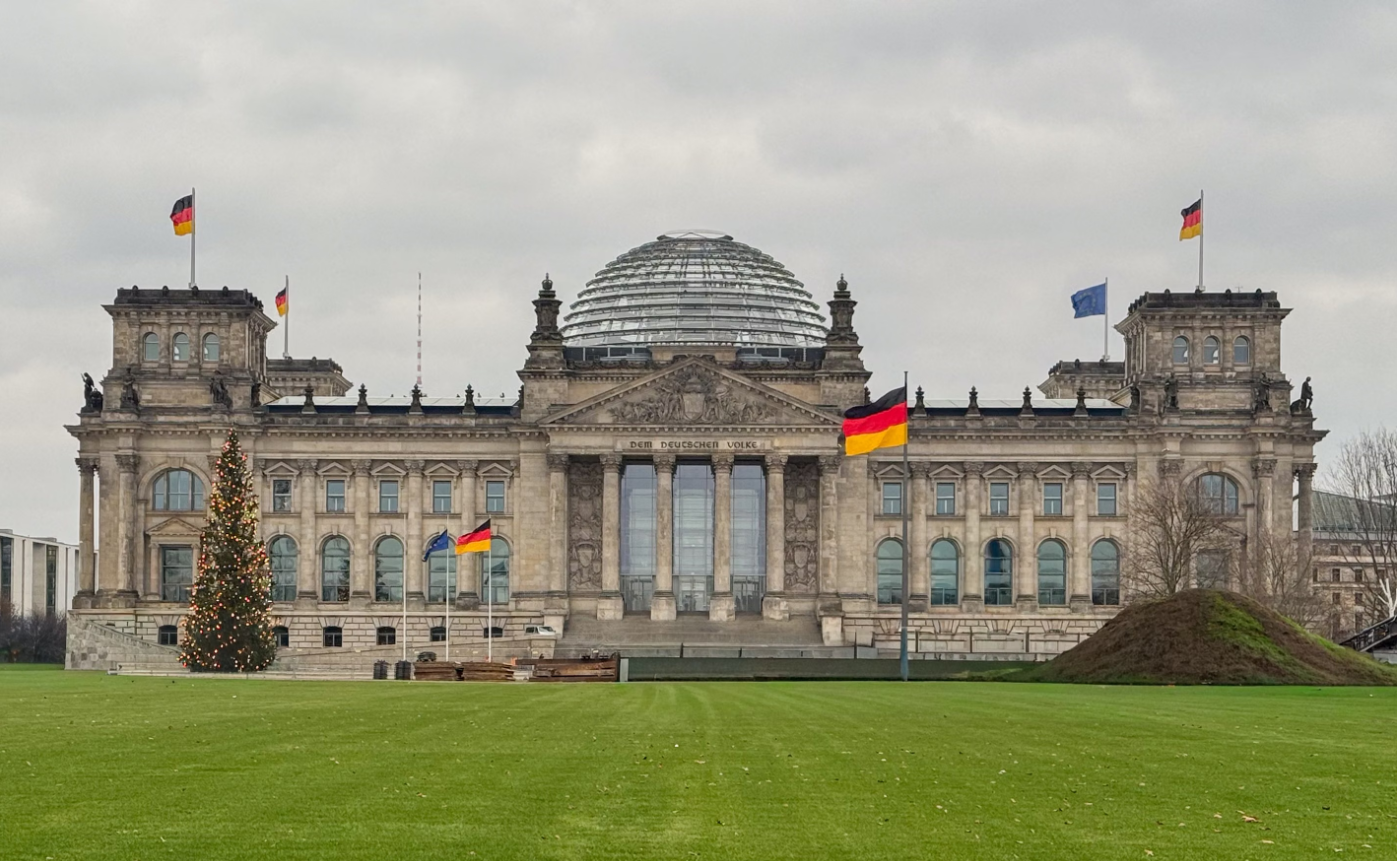
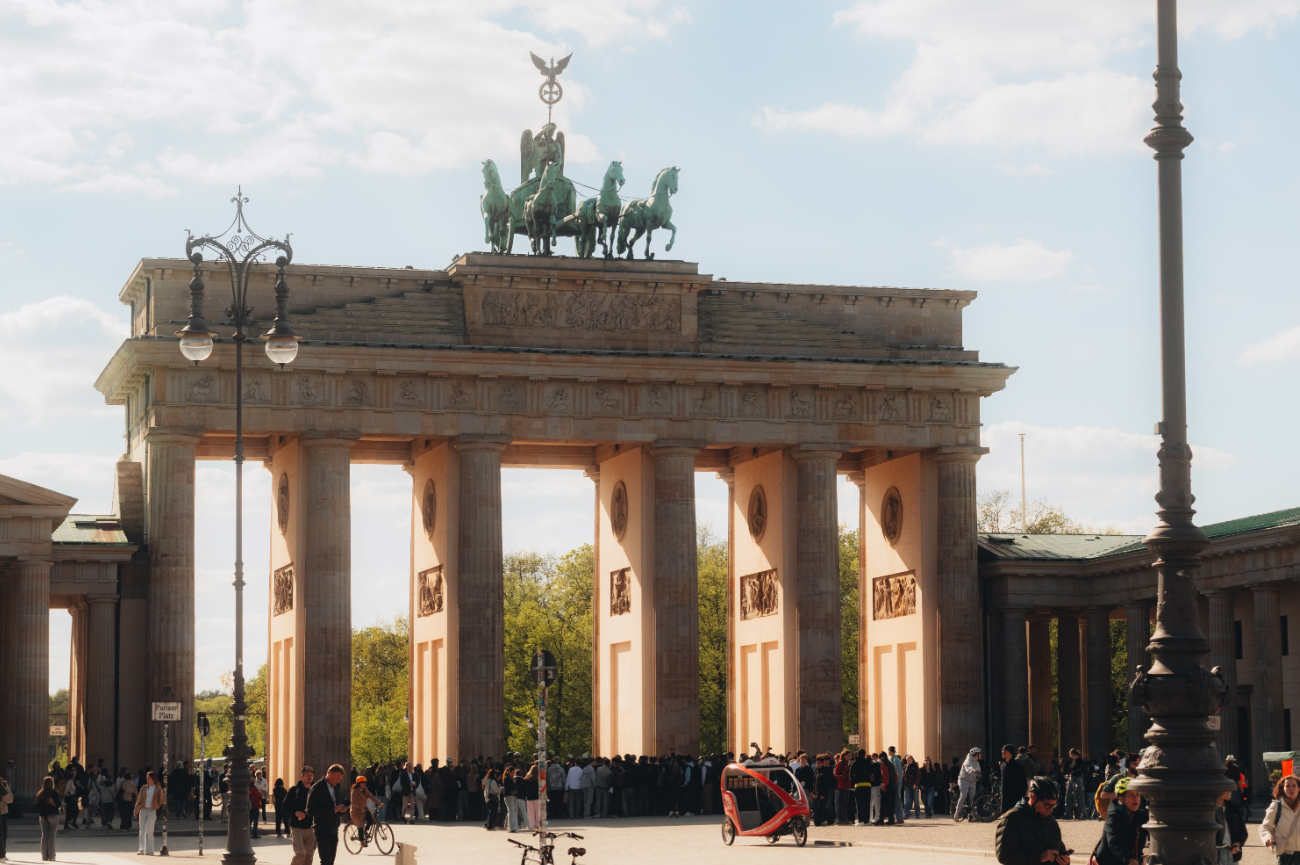
  • Brandenburg Gate and Reichstag

    — Berlin's most iconic landmarks, with the Reichstag dome requiring advance online registration.

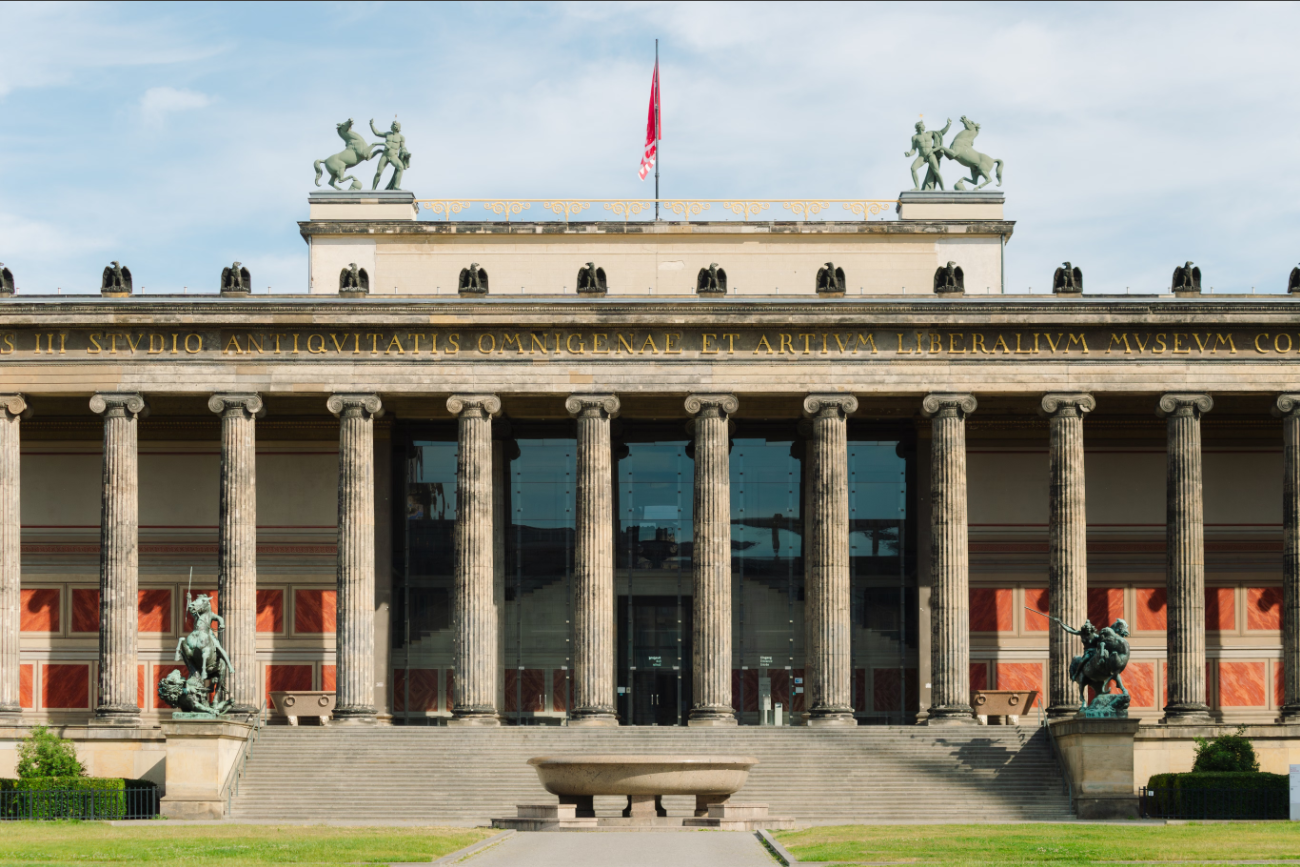
  • Museum Island

    — five major museums on a single island, best tackled with a combined museum pass.

  • Checkpoint Charlie and the DDR Museum

    — for Cold War history told through preserved sites and interactive exhibits.

  • Berlin nightlife

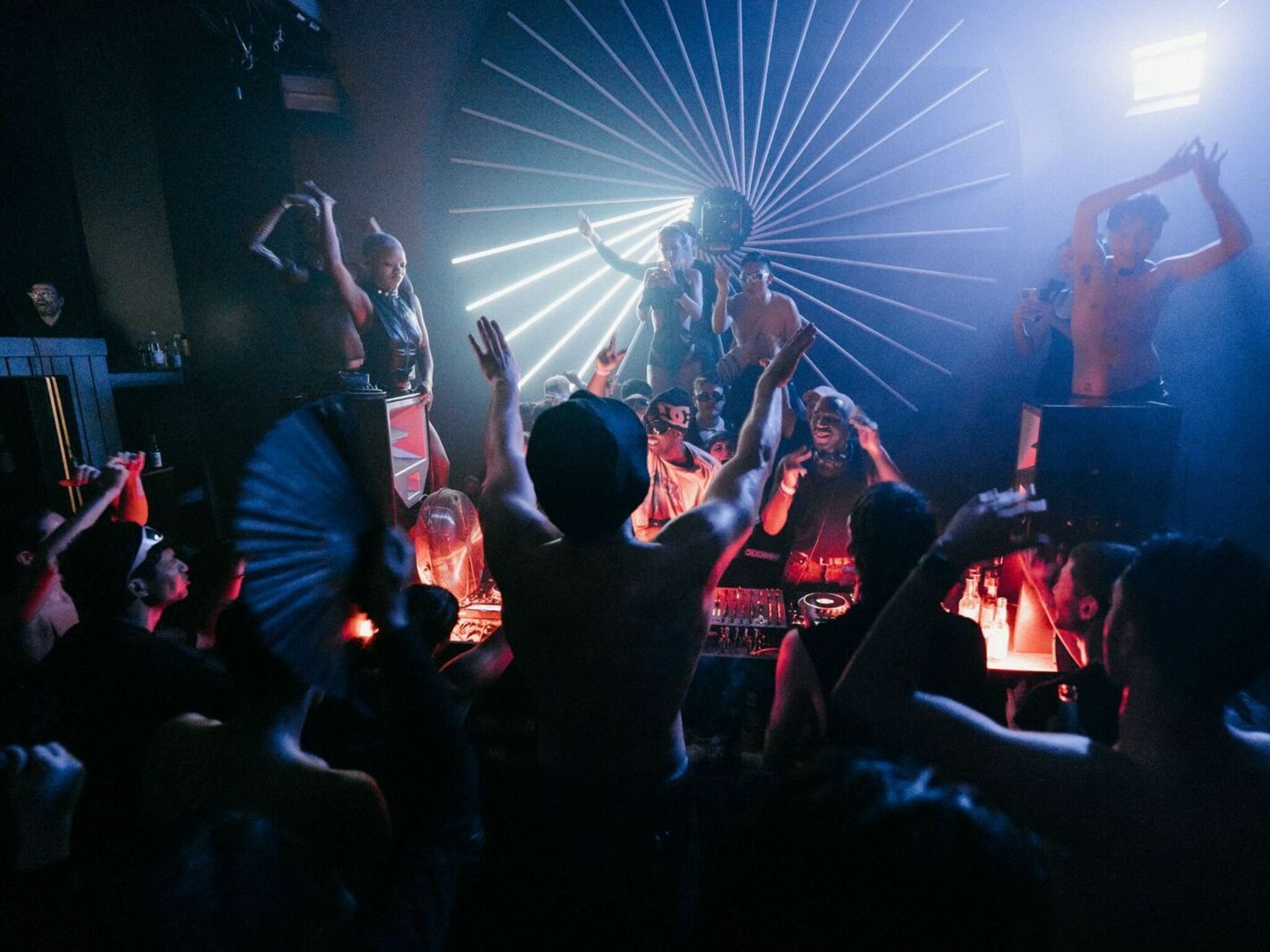
    — Kreuzberg and Friedrichshain anchor the city's globally known club scene, though many venues don't open until well after midnight.

  • Tiergarten

    — Berlin's largest central park, ideal for a bike ride between museum visits.

More things to do in BerlinTap to see related guides
Berlin accommodation

Where to Stay

TraveliciousBites recommends Mitte for first-time visitors, putting Museum Island, Brandenburg Gate, and major shopping within walking distance.

Kreuzberg and Friedrichshain suit travelers prioritizing nightlife and a more alternative, artistic atmosphere, both a short U-Bahn ride from the center.

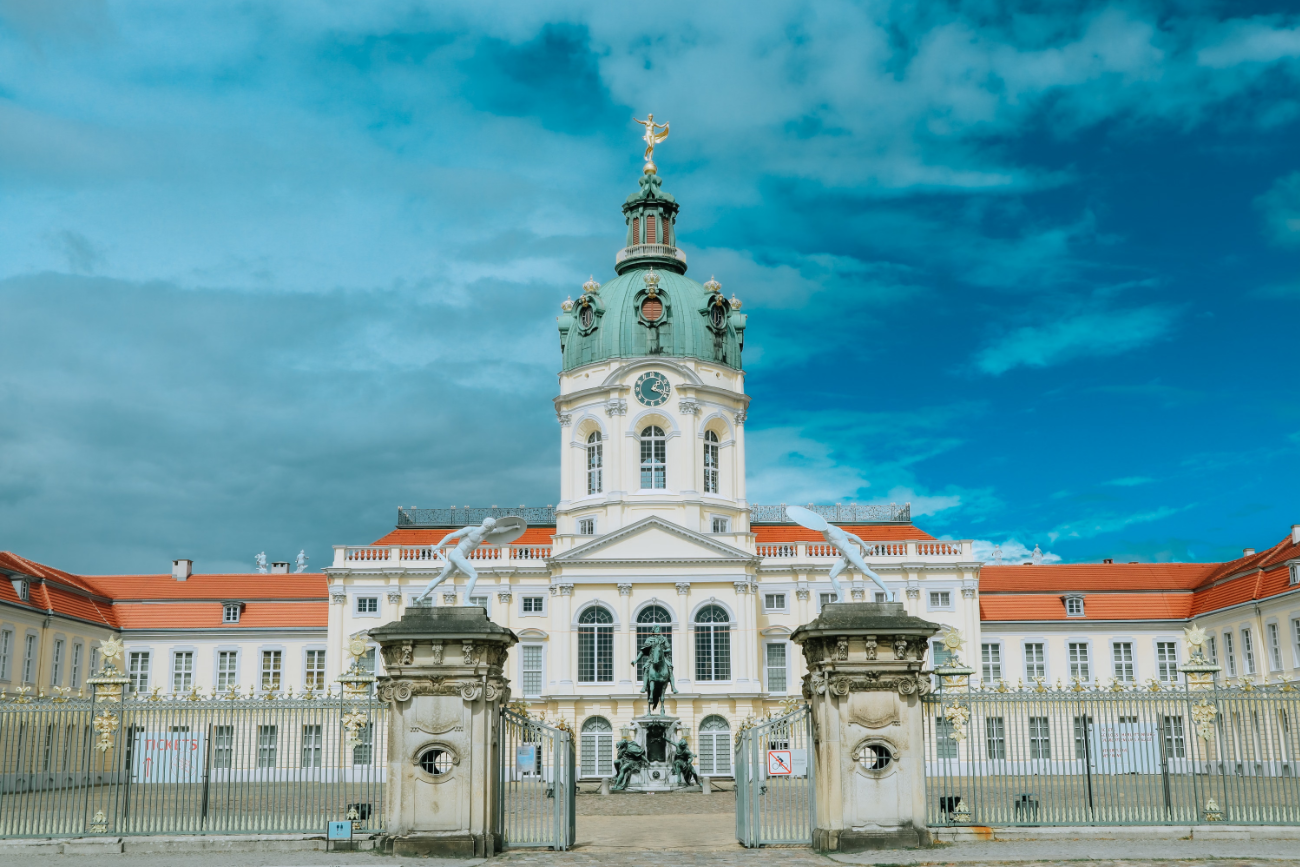
Charlottenburg offers a quieter, more residential base in western Berlin, still well-connected by public transit.

Berlin hotels and places to stayTap to see related guides

Food and Dining

Berlin's food scene spans classic German fare — currywurst, schnitzel, and pretzels — alongside one of Europe's most diverse international food scenes, reflecting decades of immigration from Turkey, Vietnam, and beyond.

Berlin's döner kebab, brought by Turkish immigrants, has become a defining city food in its own right.

Kreuzberg's markets and street food scene offer an affordable, casual way to sample the city's culinary diversity in one visit.

Berlin food and dining articlesTap to see related guides

Getting There and Around

Direct flights from major East Coast hubs run 8–9 hours to Berlin, with Berlin Brandenburg Airport connecting directly to the city center by train. Berlin's U-Bahn and S-Bahn network covers the entire city efficiently, with a single ticket type working across both systems and buses.

Walking and cycling work well within individual neighborhoods, though Berlin's size makes public transit the most practical way to move between districts. Renting a car isn't necessary for a Berlin-focused trip, given the strength of the public transit system.

How Much Does a Trip to Berlin Cost

Budget$600–$900Friedrichshain & street food
Luxury$2,500+Mitte hotels & fine dining

A 5-day Berlin trip typically runs $900–$1,500 per person mid-range, covering flights, a centrally located hotel, museum tickets, and dining. Budget travelers can bring this down considerably by staying in Friedrichshain and relying on Berlin's affordable street food scene, while a luxury Mitte hotel stay with fine dining pushes the total higher.

Berlin budget and trip-planning articlesTap to see related guides

Local Tips

  • Buy a Museum Island combined ticket if you plan to visit more than two museums, since it offers meaningful savings over individual admission.
  • Validate public transit tickets before boarding, since Berlin's honor-system network still issues fines for unvalidated tickets during spot checks.
  • Many shops close on Sundays, so plan grocery and retail shopping around weekday hours.

Practical Essentials for Berlin

  • Germany uses standard European two-pin plugs at 230V, so US travelers need a plug adapter and, for some devices, a voltage converter.

  • Mobile data works reliably throughout the city, and a European eSIM purchased before departure typically beats roaming charges through a US carrier.

  • Tipping in Berlin runs lighter than in the US, with rounding up or adding 5–10% at restaurants considered generous.

  • Tap water is safe to drink throughout Berlin.

Advertisement

Latest from Berlin

Frequently Asked Questions About Berlin

Answers below draw on the same research TraveliciousBites uses across every destination and category guide.

What is the best time of year to visit Berlin?

May through September offers Berlin's warmest weather and longest daylight hours, ideal for exploring parks and outdoor beer gardens.

How many days do you need in Berlin?

Plan four to five days to cover Berlin's major historical sites, museums, and neighborhoods without rushing.

What is the best way to get around Berlin?

Berlin's U-Bahn and S-Bahn network covers the entire city efficiently, making public transit the most practical way to move between districts.

Is the Berlin Museum Island pass worth buying?

Yes, if you plan to visit more than two of Museum Island's five major museums, the combined pass offers meaningful savings over individual admission.

Which Berlin neighborhoods are best for nightlife?

Kreuzberg and Friedrichshain anchor Berlin's globally known club scene, though many venues don't open until well after midnight.

Do I need to book the Reichstag dome in advance?

Yes, visiting the Reichstag dome requires advance online registration, since walk-up entry isn't available.

Is tap water safe to drink in Berlin?

Yes, tap water is safe to drink throughout Berlin, so bringing a refillable bottle saves money over buying bottled water.

What is Berlin's food scene known for?

Berlin pairs classic German fare like currywurst and schnitzel with one of Europe's most diverse international food scenes, including its famous döner kebab.

Are shops open on Sundays in Berlin?

No, most shops close on Sundays in Berlin, so plan grocery and retail shopping around weekday hours.

Is Berlin an expensive city to visit?

Berlin runs moderately priced compared to other major European capitals, generally cheaper than London or Paris for both accommodation and dining.

Is Berlin safe for tourists?

Yes, Berlin is generally very safe for tourists, with standard urban precautions sufficient in most neighborhoods, including popular nightlife districts.

What is the best day trip from Berlin?

Potsdam, with its palaces and gardens just outside the city, makes the most popular half-day or full-day trip from Berlin.

Do I need to speak German to visit Berlin?

No, English is widely spoken throughout Berlin, particularly among younger residents and in tourist-facing businesses, though a few German phrases are appreciated.

Is Berlin bike-friendly for tourists?

Yes, Berlin has extensive bike lanes and bike-rental options, making cycling a practical and popular way for tourists to explore beyond the city center.

What is the best way to visit Berlin's Cold War history sites?

A combination of the East Side Gallery, Checkpoint Charlie, and the DDR Museum in one day gives a well-rounded introduction to Berlin's Cold War history.

Advertisement