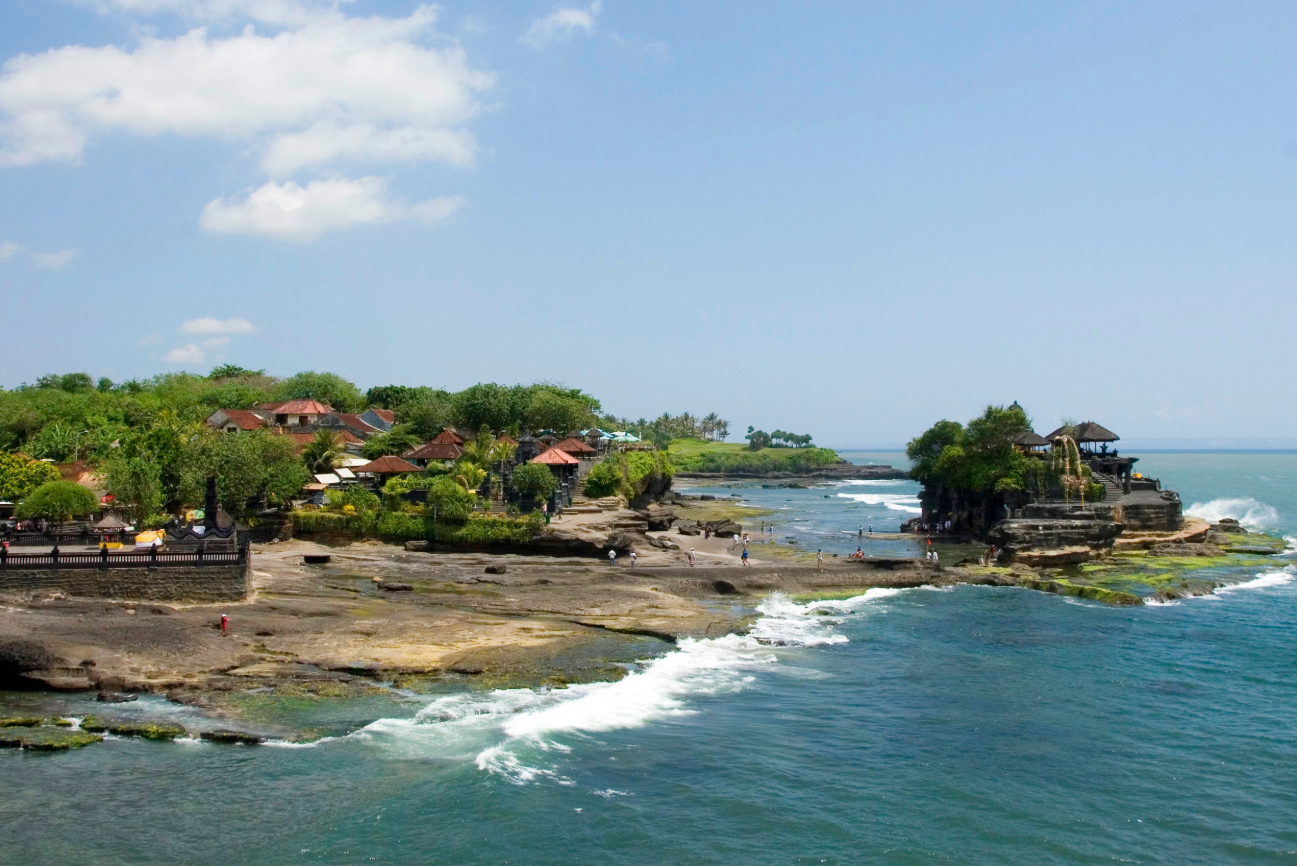
When people search for Bali Indonesia islands, they often imagine one tropical island surrounded by smaller beaches and resorts. In reality, Bali is both the name of the principal island and an Indonesian province that includes several smaller islands. Understanding this distinction makes planning a holiday much easier. Pulau Bali, meaning Bali Island in Indonesian, is the main destination, while Nusa Penida, Nusa Lembongan, Nusa Ceningan and other smaller islands add completely different landscapes and experiences. This guide explores the geography, culture, attractions and travel possibilities across the Bali Indonesia islands.
Also Read - Famous Attractions in Indonesia: Best Sightseeing Places & Travel Guide
This post contains affiliate links. If you choose to book through them, a small commission may be earned at no additional cost to you. Your support genuinely helps keep the blog running and allows continued creation of high-quality travel guides. Thank you for being here and supporting this journey.
What Is Pulau Bali?
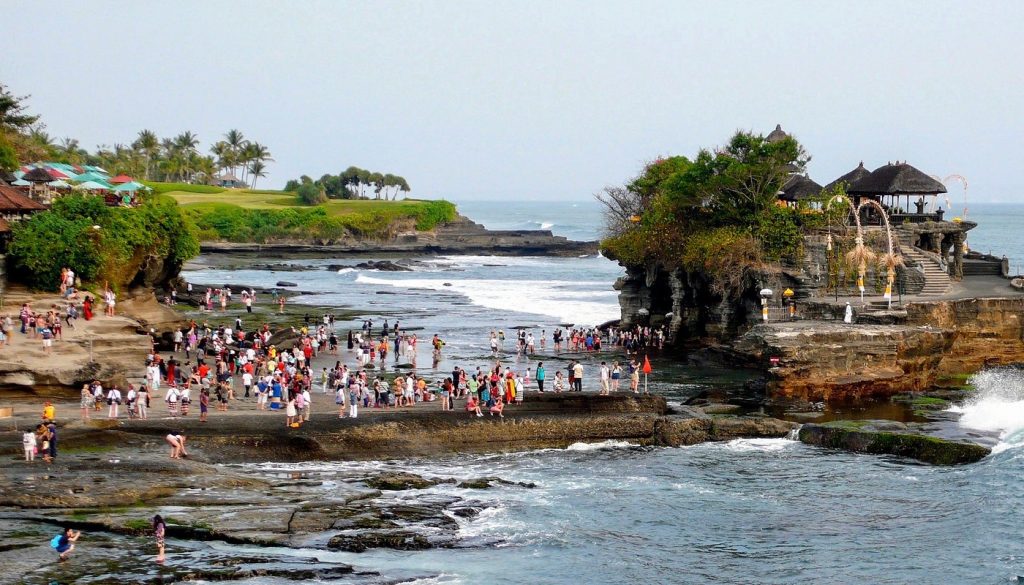
Pulau Bali is the principal island of Bali Province, positioned between Java and Lombok. It is bordered by the Bali Strait to the west, the Lombok Strait to the east, the Bali Sea to the north and the Indian Ocean to the south. Official Indonesian tourism information describes Bali as the "Island of the Gods" and highlights its combination of natural scenery, Hindu-Balinese culture and tourism infrastructure.
The island is approximately 153 kilometres from west to east and about 112 kilometres from north to south according to Bali provincial information. The province also contains numerous smaller islands, meaning the term Bali Indonesia islands can refer to a broader geographical area than Pulau Bali itself.
This geographical distinction is important because visitors staying on the main island can easily add an island excursion or an overnight stay on one of the neighbouring islands.
How Many Islands Are Part of Bali Province?
Bali Province includes the main island of Pulau Bali together with smaller islands. Government sources identify Nusa Penida, Nusa Lembongan, Nusa Ceningan and Serangan among the islands associated with the province. Other official provincial information gives broader counts depending on whether very small and uninhabited islands are included.
For tourists, however, four island destinations are particularly important:
- Pulau Bali
- Nusa Penida
- Nusa Lembongan
- Nusa Ceningan
The three Nusa islands lie southeast of the main island and are particularly popular for beaches, cliffs, snorkelling and diving.
Pulau Bali: The Main Island
Most visitors begin their Bali Indonesia islands experience on Pulau Bali itself. The island has an extraordinary combination of mountains, beaches, rice terraces, forests, temples and urban areas.
Its central mountain chain divides the island geographically and includes major volcanic peaks such as Mount Batur and Mount Agung. Volcanic soils have helped create fertile agricultural areas, while the mountains influence Bali's climate and landscapes.
This explains why Pulau Bali can feel like several destinations within one island.
The south is heavily developed for tourism, while central Bali is associated with rice terraces and cultural landscapes. East Bali has major temples and mountain scenery, and northern and western Bali offer quieter coastal and natural environments.
Ubud: Cultural Bali
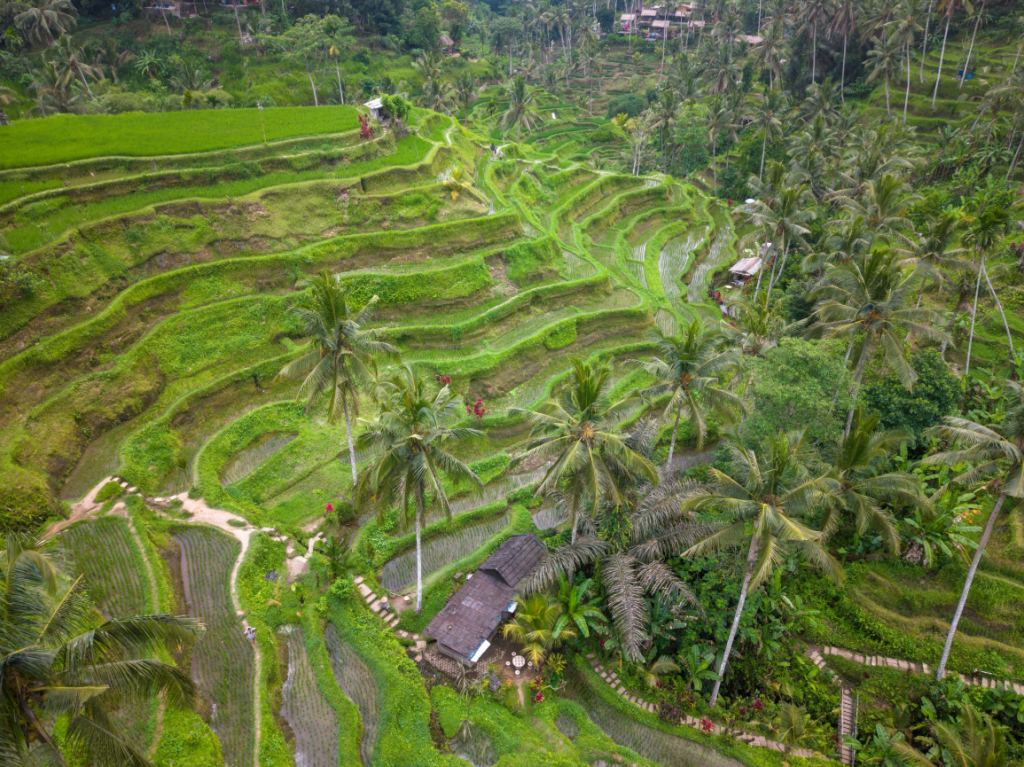
Ubud is one of the most important destinations on Pulau Bali for travellers interested in culture rather than simply beaches.
The area is known for rice terraces, traditional dance, art, temples, wellness centres and village landscapes. Tegallalang is particularly famous for its terraced agricultural scenery.
The wider cultural landscape is also significant. UNESCO recognises Bali's Subak cultural landscape, where cooperative irrigation systems and water temples reflect the Balinese philosophy of Tri Hita Karana, linking spiritual, human and natural relationships.
This makes Ubud and its surrounding countryside an important part of understanding why Bali Indonesia islands tourism extends far beyond coastal resorts.
Bali's Famous Temples
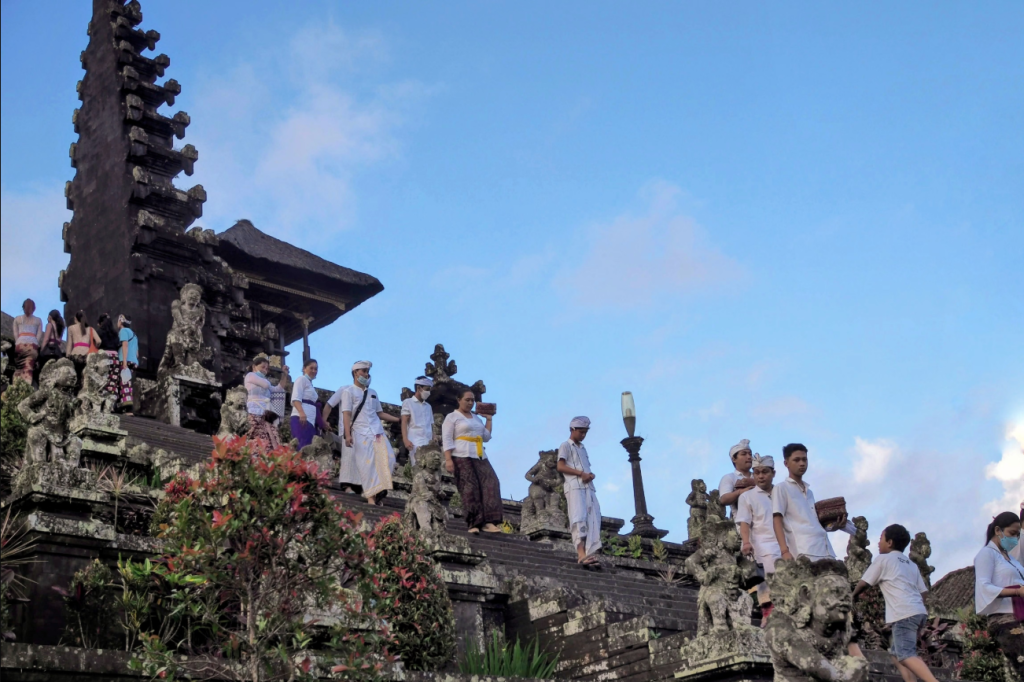
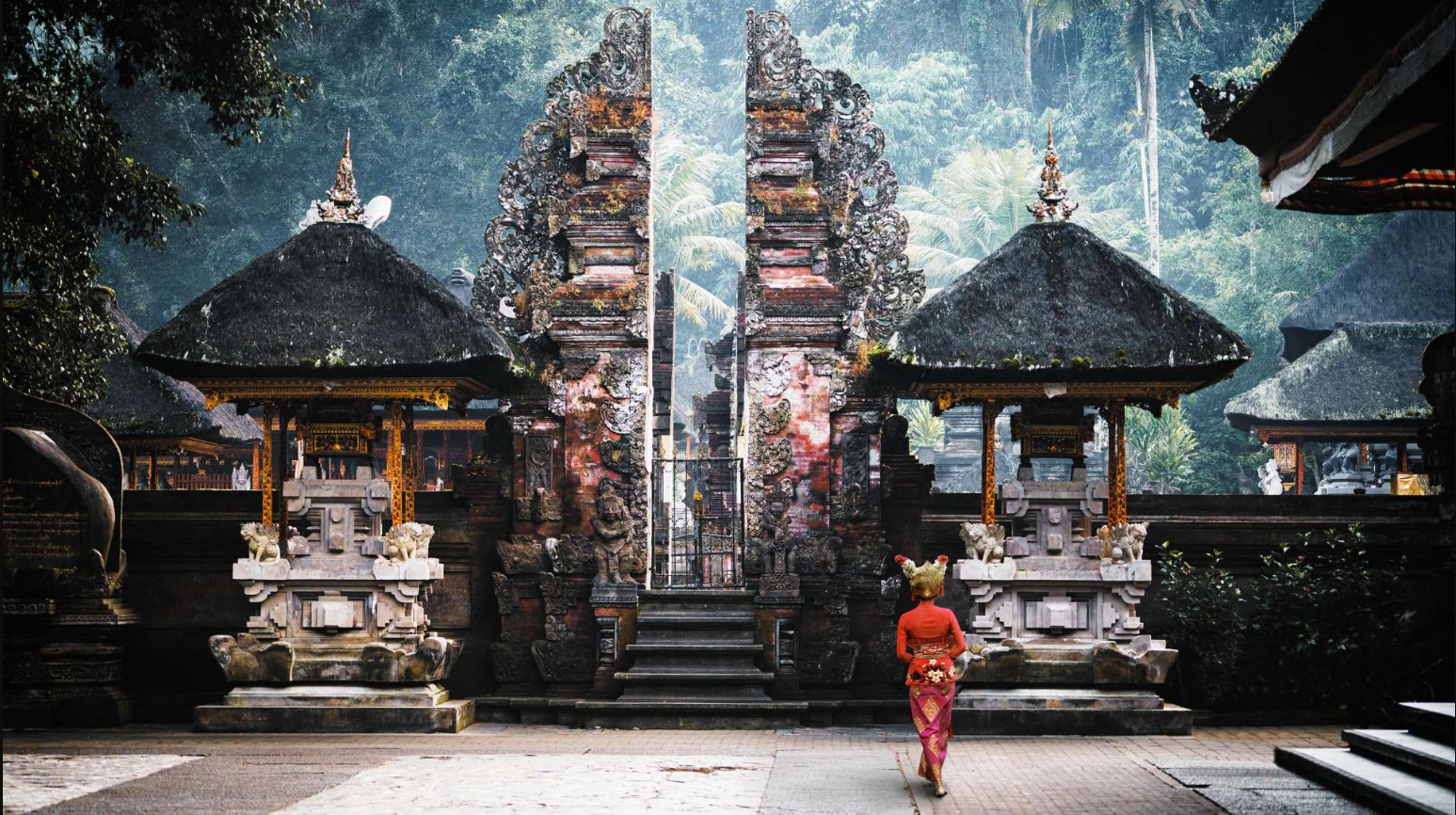
The cultural identity of Pulau Bali is closely connected with Hindu temples.
Some of the most important temple destinations include:
Besakih Temple: Located on the slopes of Mount Agung, Besakih is Bali's largest temple complex.
Tanah Lot: Famous for its dramatic coastal setting and sunset views.
Uluwatu Temple: Positioned on a cliff overlooking the Indian Ocean and associated with Kecak dance performances.
Tirta Empul: Known for its sacred spring and purification tradition.
Ulun Danu Beratan: Located beside Lake Beratan in the cooler highlands.
Lempuyang Temple: Known for its mountain setting and iconic entrance.
These sites demonstrate that Pulau Bali is not simply a beach destination. Temples remain connected to religious practice and community life, so visitors should dress respectfully and follow local instructions. Indonesia's official tourism platform identifies these temples among Bali's key cultural attractions.
Bali's Beaches
The southern coast contains some of the best-known beaches associated with Bali islands travel.
Kuta is famous for surfing, restaurants and a lively tourism environment. Seminyak is more associated with upscale accommodation, restaurants and beach clubs. Sanur provides a calmer atmosphere, while Nusa Dua is dominated by large resort properties.
Further south, Uluwatu and the Bukit Peninsula offer dramatic cliffs and surf beaches.
Travellers should choose their beach area according to the type of holiday they want rather than assuming every Bali beach provides the same experience.
Nusa Penida
Nusa Penida is probably the most famous of the neighbouring Bali islands.
The island is recognised for spectacular cliffs, beaches and marine environments. Kelingking Beach, Broken Beach and Atuh Beach are among its best-known attractions.
Nusa Penida also has strong appeal for divers and snorkellers. Indonesia's tourism information highlights Manta Point and other marine locations around the island.
The main consideration is transport. Roads can be challenging, and travel between viewpoints can take longer than expected. Visitors who want to explore beyond the most famous western viewpoints should consider staying overnight rather than attempting everything as a rushed day trip.
Nusa Lembongan
Nusa Lembongan offers a more compact island experience than Nusa Penida.
It is popular for beaches, snorkelling, diving and relaxed coastal accommodation. The island can be reached by boat from Bali, and official tourism information notes that Nusa Lembongan is roughly a 45-minute boat journey from areas including Sanur and Nusa Dua, although actual times vary with operators and sea conditions.
For travellers comparing the Bali islands, Lembongan is a good option for those wanting island scenery without covering huge distances.
Nusa Ceningan
Nusa Ceningan is the smallest of the three major Nusa islands and is connected to Nusa Lembongan by the famous yellow bridge.
Its smaller scale makes it easy to combine with Lembongan. Visitors can explore viewpoints, coastal scenery and cafés before returning to Lembongan.
The island is particularly suitable for travellers who prefer a short island extension rather than a completely separate holiday destination.
Bali and the Gili Islands
The Gili Islands are frequently included in Bali itineraries, but geographically they are not part of Bali Province. They are located off Lombok, which is in West Nusa Tenggara.
This distinction is useful when planning Bali holidays.
Gili Trawangan is known for a lively atmosphere and nightlife, Gili Meno is generally quieter, and Gili Air combines beaches, cafés and a relaxed island atmosphere.
They can be added to a longer Bali-Lombok itinerary, but travellers should allow sufficient time for boat transfers rather than treating them as neighbouring districts of Pulau Bali.
Marine Life Around the Bali Islands
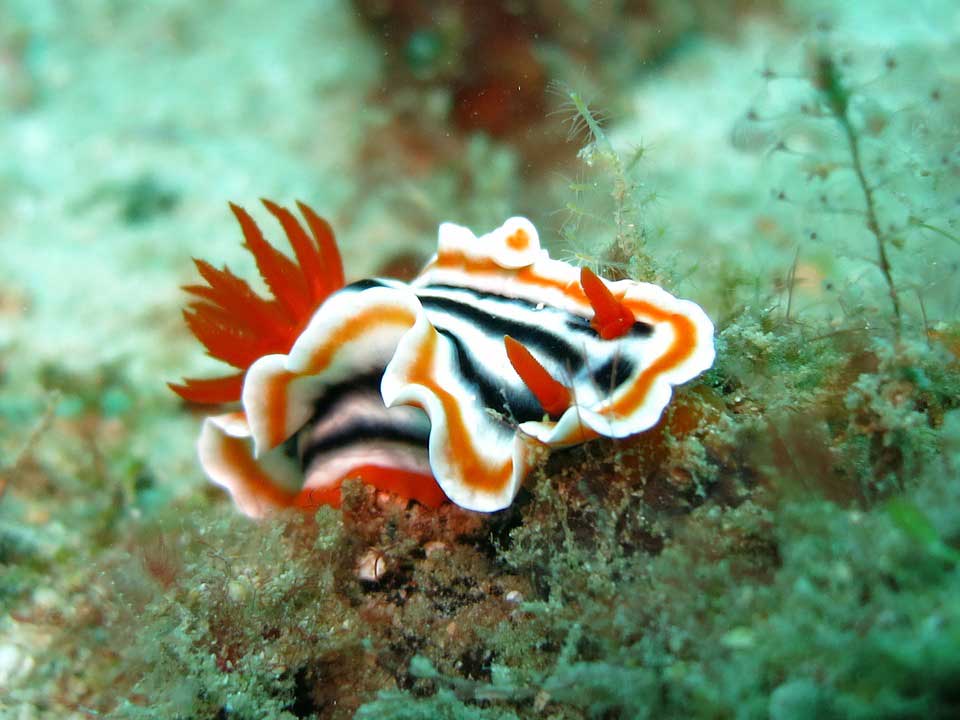
The waters surrounding the Bali Indonesia islands are an important attraction in their own right.
Nusa Penida is associated with manta encounters and diving, while Menjangan Island in western Bali is known for coral reefs and underwater scenery. Indonesia Travel highlights Menjangan as a major diving destination.
The quality of a marine experience depends on weather, sea conditions and the operator. Travellers should select responsible diving and snorkelling companies and avoid touching coral or disturbing marine animals.
How to Travel Between the Islands
For most visitors, Pulau Bali is the starting point.
International travellers generally arrive through Ngurah Rai International Airport near Denpasar. From there, destinations across southern and central Bali can be reached by car, taxi or other local transport.
Fast boats connect Bali with the Nusa islands. Common departure areas include Sanur and other ports depending on the operator and destination.
When planning Bali Indonesia islands travel, allow additional time for check-in, port transfers, weather-related changes and local traffic. Boat schedules can also change, so it is wise to avoid booking an international flight immediately after an island transfer.
Best Time for Bali Island Travel
Bali has a tropical climate, with conditions varying through the year. The drier period is generally attractive for outdoor sightseeing, hiking and beach activities, while wetter months can still be enjoyable for cultural experiences, food, wellness and flexible itineraries.
For island-hopping, sea conditions matter as much as rainfall. Always check the latest boat operator information and local weather before travelling.
Peak holiday periods can also mean heavier crowds at famous attractions. Travelling during quieter periods can make Pulau Bali and the neighbouring islands considerably more relaxed.
How Long Do You Need?
A short holiday should focus on Pulau Bali rather than trying to cover every island.
4–5 Days
Stay around Ubud and southern Bali. Visit temples, rice terraces and beaches.
7 Days
Spend several days on Pulau Bali and add Nusa Penida or Nusa Lembongan.
10–14 Days
Combine Bali with two Nusa islands or add Lombok and the Gili Islands.
Longer Island Adventure
A longer trip can include Bali, Lombok, the Gilis and additional Indonesian destinations.
The key is to avoid confusing geographical proximity with easy travel. Even relatively close islands require boats, transfers and time.
Responsible Island Tourism
The popularity of the Bali Indonesia islands has created both economic opportunities and environmental pressures.
Travellers can reduce their impact by avoiding unnecessary single-use plastics, choosing local businesses, respecting religious sites and supporting responsible marine-tourism operators.
On Pulau Bali, cultural respect is equally important. Religious offerings can appear outside homes, businesses and temples, while ceremonies may temporarily affect roads and public spaces. Visitors should observe rather than interfere.
Why Bali Remains So Popular?
The appeal of Bali lies in their diversity.
On one trip, you can walk through Ubud's rice terraces, watch sunset at Tanah Lot, surf in the south, hike a volcano, visit a centuries-old temple and take a boat to a neighbouring island.
Pulau Bali provides the broadest range of experiences, while Nusa Penida, Nusa Lembongan and Nusa Ceningan offer a more concentrated island atmosphere.
That combination explains why Bali continues to attract travellers with completely different interests.
Final Thoughts
Understanding the difference between Pulau Bali and the wider group of Bali islands is one of the best ways to plan a more intelligent trip.
The main island provides the strongest combination of culture, accommodation, transport, temples, beaches and inland landscapes. Nusa Penida is better for dramatic scenery and marine adventures, Nusa Lembongan offers a compact and relaxed island experience, and Nusa Ceningan works well as an easy addition to Lembongan.
Rather than trying to visit every island, choose destinations that match your interests and allow enough time for transport. The real strength of Bali Indonesia islands travel is not simply the number of places you can visit; it is the contrast between volcanic mountains, tropical coastlines, sacred temples, agricultural landscapes and small island communities.
For travellers searching for Pulau Bali, that combination makes Bali much more than a conventional beach destination—it is a cultural landscape, an adventure destination and an island world worth exploring slowly.

Comments 0
Only approved comments are shown here.