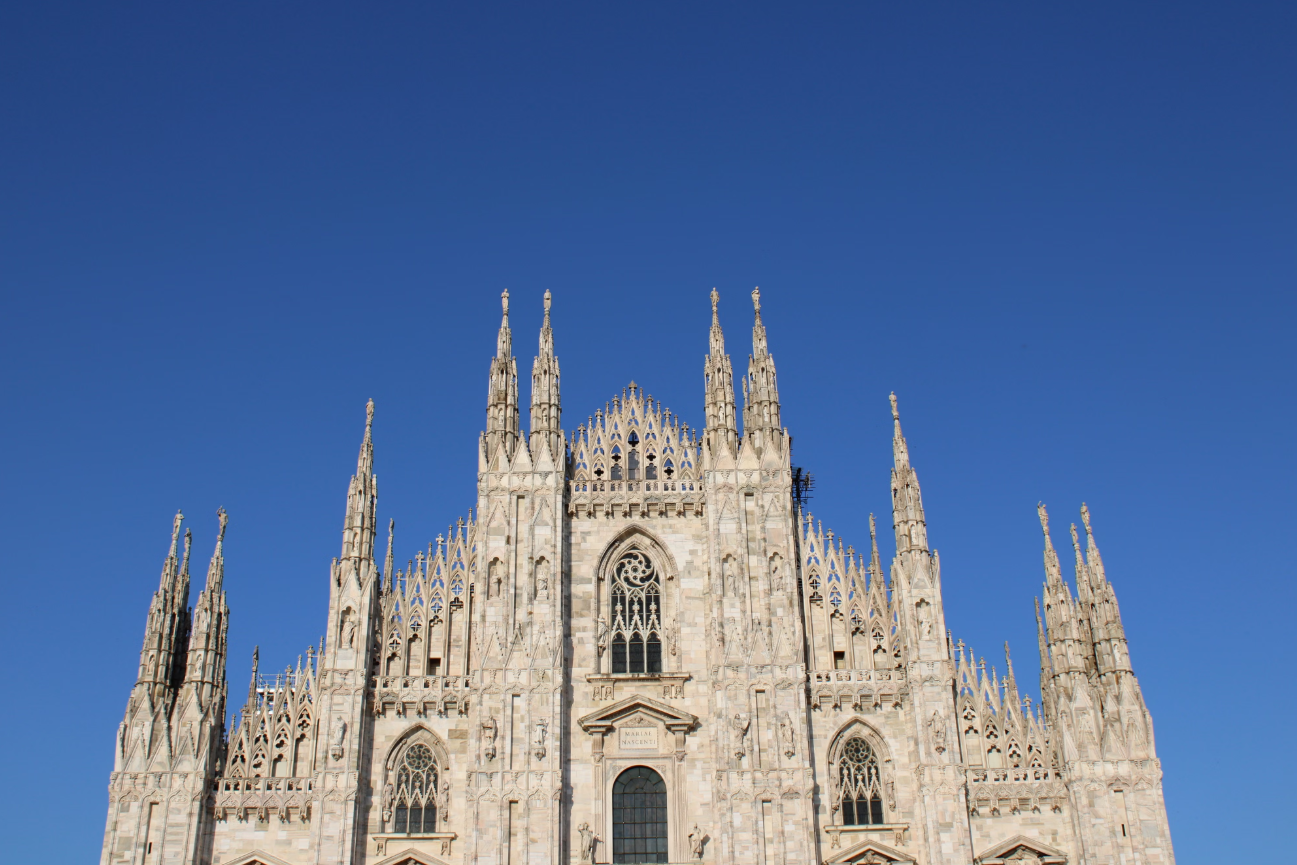
Italy is home to some of the world's most extraordinary historical monuments, showcasing centuries of Roman civilisation, Renaissance creativity, medieval architecture and religious heritage. From magnificent amphitheatres and ancient temples to impressive cathedrals, grand palaces and iconic towers, the country's landmarks tell fascinating stories about its artistic and cultural evolution.
The Italy monuments attract millions of visitors every year, offering opportunities to explore remarkable architectural achievements and discover the history behind some of Europe's most recognisable destinations.
Whether you are interested in ancient Roman engineering, Renaissance masterpieces or medieval town squares, Italy offers an incredible variety of places to explore. From Rome and Florence to Pisa, Venice and Milan, here are 15 famous Italy monuments that deserve a place on your travel itinerary.
This post contains affiliate links. If you choose to book through them, a small commission may be earned at no additional cost to you. Your support genuinely helps keep the blog running and allows continued creation of high-quality travel guides. Thank you for being here and supporting this journey.
Also Read - 12 Best Christmas Places to Visit in India for a Magical Holiday
15 Most Famous Italy Monuments to Explore
1. Colosseum, Rome
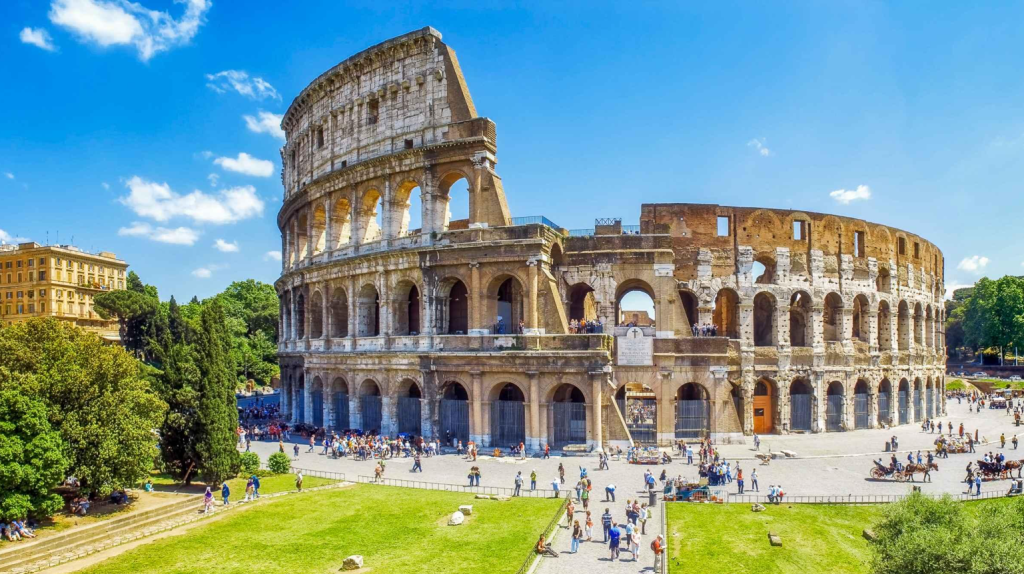
The Colosseum is one of the most recognisable Italy monuments, representing the extraordinary engineering and architectural achievements of the Roman Empire. Constructed during the first century AD, this enormous amphitheatre hosted gladiatorial contests, public spectacles and other entertainment events. Its elliptical structure, multiple levels and complex underground chambers demonstrate the sophistication of ancient Roman construction. Visitors can explore different sections of the monument, discover its history through exhibitions and enjoy impressive views of the surrounding archaeological area. Combining a visit with the nearby Roman Forum and Palatine Hill provides a deeper understanding of ancient Roman civilisation.
Best for: Ancient history, architecture, archaeology and cultural sightseeing.
2. Leaning Tower of Pisa, Pisa – Admire Italy's Iconic Tilted Tower
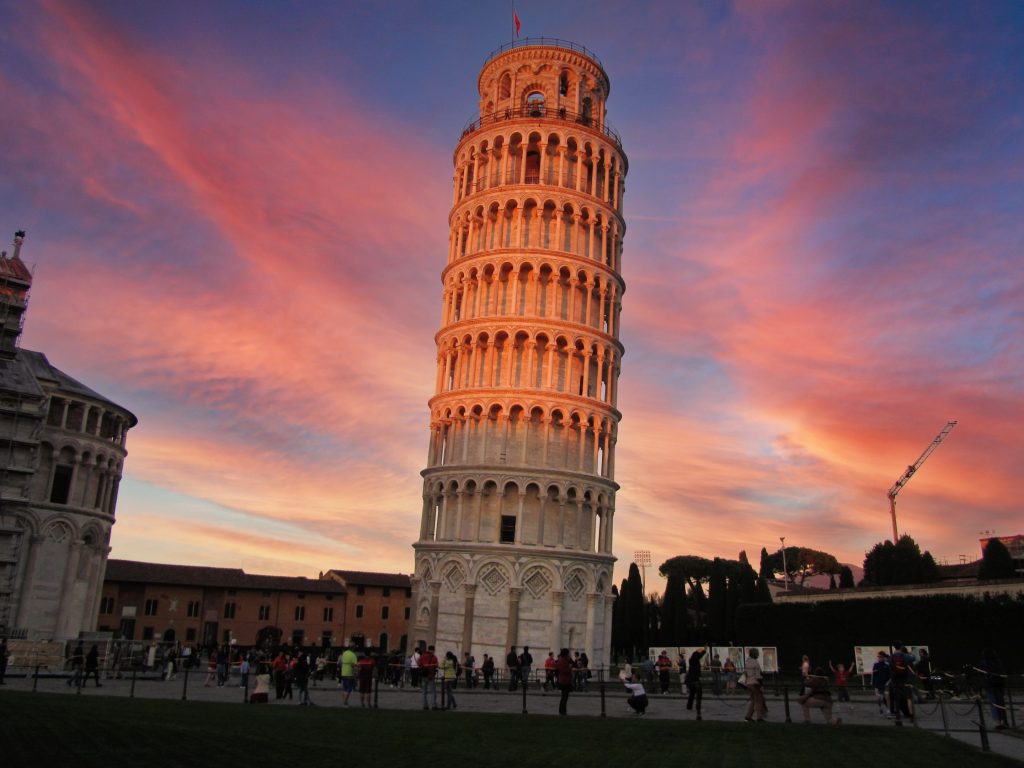
The Leaning Tower of Pisa is among the most famous Italy monuments, attracting visitors with its unusual architectural appearance and remarkable history. Construction began in 1173, and the tower gradually developed its distinctive tilt because of unstable foundation conditions. Today, it stands as the bell tower of the Cathedral of Pisa and forms part of the remarkable Piazza del Duomo complex. Visitors can admire its white marble exterior, photograph the famous tilted structure and climb the tower's staircase for panoramic views, subject to ticket availability and visitor restrictions. The surrounding cathedral, baptistery and monumental cemetery make this historic square an essential stop.
Best for: Photography, architecture, history and sightseeing.
3. Florence Cathedral, Florence – Experience a Renaissance Masterpiece
The Florence Cathedral is one of the most spectacular Italy monuments, celebrated for its magnificent Renaissance dome and richly decorated Gothic exterior. Officially known as the Cathedral of Santa Maria del Fiore, it dominates Florence's historic centre with its green, pink and white marble façade. Its most famous architectural feature is Brunelleschi's enormous dome, an engineering achievement that transformed Renaissance architecture. Visitors can explore the cathedral, admire its artistic interior and climb the dome or Giotto's Bell Tower for spectacular city views. The surrounding Piazza del Duomo also contains the Baptistery of St. John, making it an excellent destination for architecture enthusiasts.
Best for: Renaissance architecture, art, history and panoramic photography.
4. Pantheon, Rome – Explore an Ancient Architectural Wonder
The Pantheon is one of the best-preserved ancient Italy monuments, renowned for its enormous concrete dome and distinctive central opening known as the oculus. Originally constructed as a Roman temple, the building demonstrates the architectural expertise of ancient Roman engineers. Its impressive interior features marble decorations, ancient columns and historic tombs, including that of Renaissance artist Raphael. Today, the Pantheon functions as a Catholic church and remains one of Rome's most visited historical landmarks. Its remarkable dome continues to inspire architects and historians, making it an essential attraction for anyone exploring Italy's ancient heritage.
Best for: Ancient architecture, Roman history and cultural exploration.
Also Read - 12 Best Vatican City Attractions for an Unforgettable Visit
5. St. Peter's Basilica, Vatican City
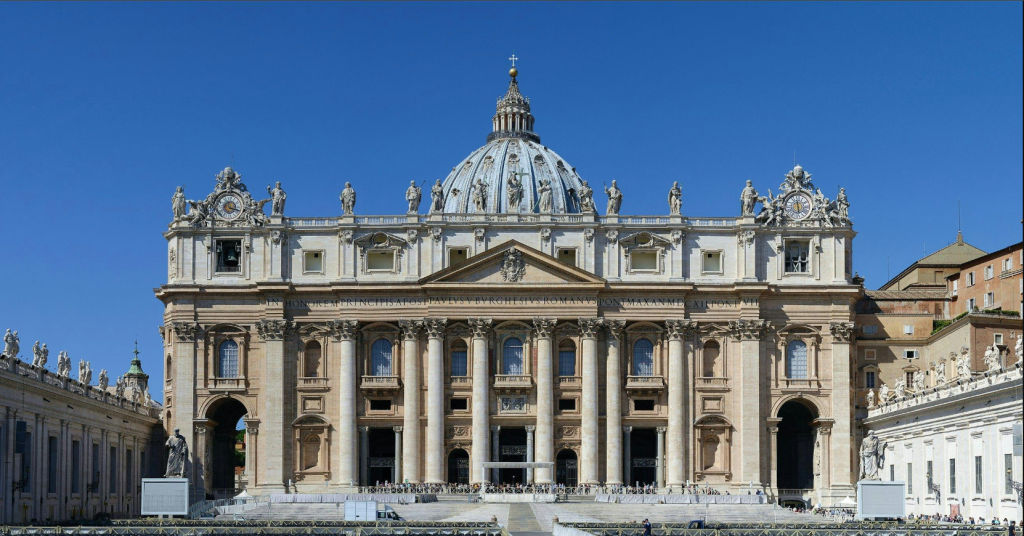
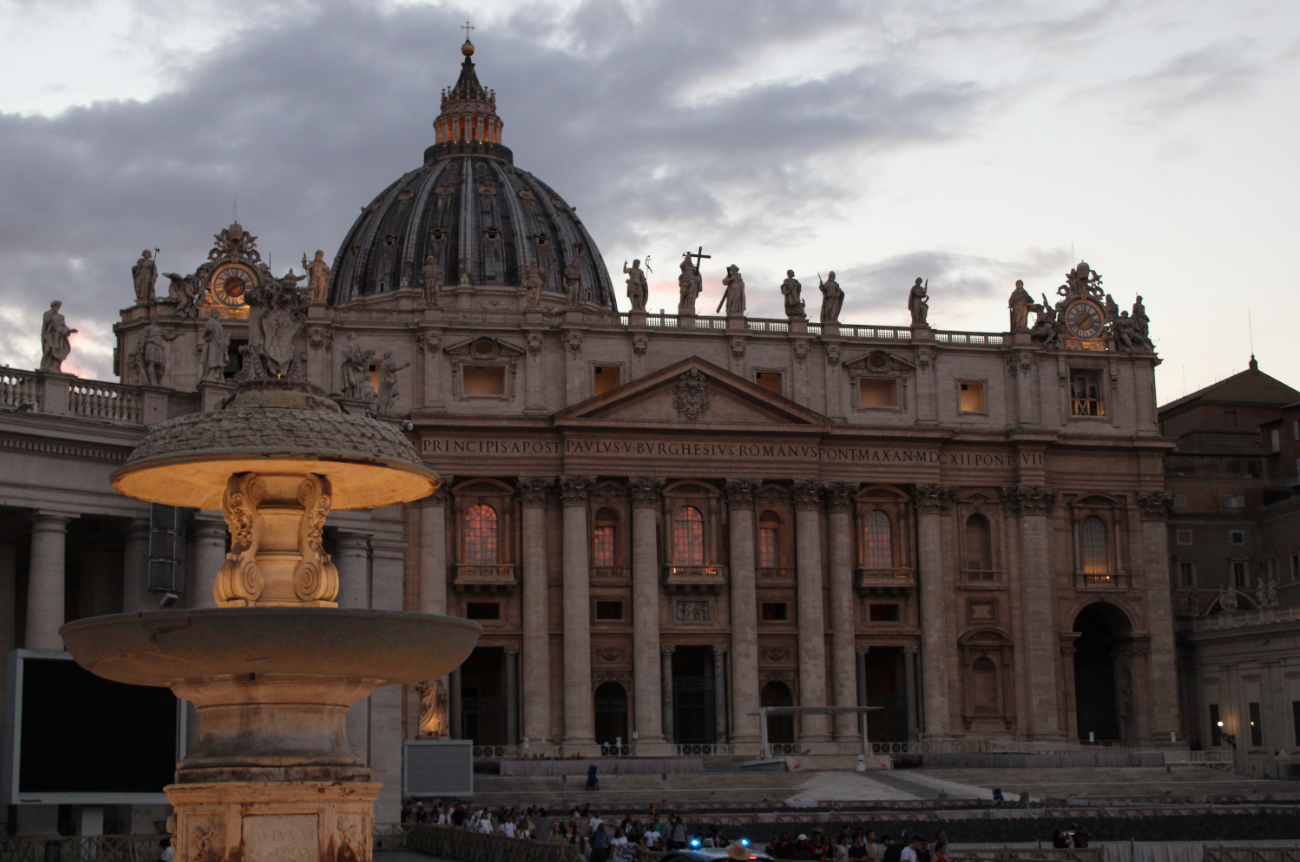
The St. Peter's Basilica is one of the most impressive Italy monuments to explore while visiting Rome. Although Vatican City is an independent sovereign state, its location within Rome makes it an essential part of an Italian sightseeing itinerary. The basilica is celebrated for its magnificent Renaissance and Baroque architecture, enormous dome and exceptional artistic treasures. Visitors can admire Michelangelo's Pietà, Bernini's bronze Baldachin and the richly decorated interior. The nearby St. Peter's Square adds to the grandeur of the experience with its impressive colonnades and Egyptian obelisk. Entry to the basilica is generally free, subject to security checks and religious schedules.
Best for: Religious heritage, architecture, sculpture and art.
6. Doge's Palace, Venice – Discover the History of Venetian Power
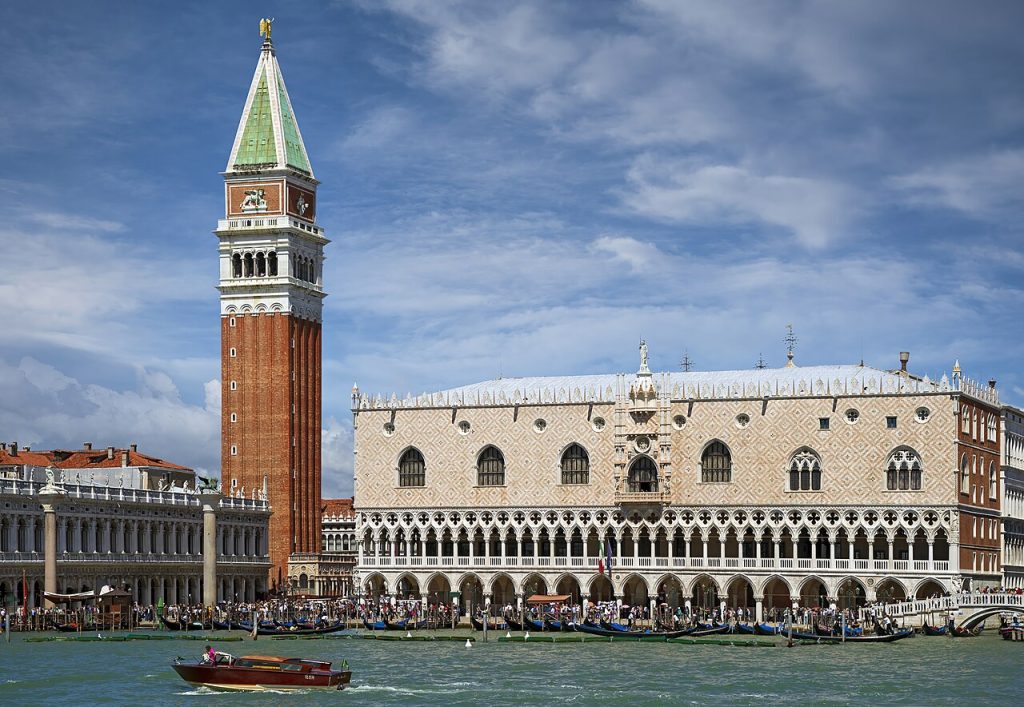
The Doge's Palace is one of the most beautiful Italy monuments, representing the political and cultural importance of the former Venetian Republic. Located beside St. Mark's Basilica, this magnificent Gothic palace once served as the residence of Venice's elected ruler, the Doge, and the centre of government. Its elegant exterior features elaborate arches, decorative stonework and intricate architectural details. Inside, visitors can explore grand reception chambers, historic paintings, impressive staircases and the famous Bridge of Sighs. The palace offers fascinating insights into Venice's political history and artistic heritage.
Best for: Gothic architecture, Venetian history, art and cultural sightseeing.
7. Milan Cathedral, Milan – Admire One of Europe's Largest Gothic Cathedrals
The Milan Cathedral is among the most spectacular Italy monuments, famous for its enormous scale, elaborate Gothic façade and impressive marble construction. Known locally as the Duomo di Milano, the cathedral took several centuries to complete and features thousands of statues, decorative spires and beautiful stained-glass windows. Visitors can explore its magnificent interior, admire historic artworks and climb to the rooftop terraces for remarkable views across Milan. On clear days, the rooftop also offers distant views towards the Alps. Its location in Piazza del Duomo makes it easy to combine with shopping and sightseeing in the city centre.
Best for: Gothic architecture, photography, religious history and city views.
8. Castel Sant'Angelo, Rome – Explore a Historic Roman Fortress
The Castel Sant'Angelo is one of the most fascinating Italy monuments, offering an extraordinary journey through Roman and medieval history. Originally built as a mausoleum for Emperor Hadrian in the second century AD, the structure later served as a military fortress, papal residence and prison. Its impressive cylindrical architecture, historic chambers and rooftop terrace make it an interesting destination for history enthusiasts. Visitors can explore the museum's collections, admire historic frescoes and enjoy panoramic views of Rome and the River Tiber. The nearby Ponte Sant'Angelo, decorated with beautiful angel sculptures, adds to the attraction's architectural appeal.
Best for: Roman history, architecture, museums and panoramic views.
9. Arena di Verona, Verona – Experience an Ancient Roman Amphitheatre
The Arena di Verona is one of the best-preserved Roman amphitheatres and an important addition to the famous Italy monuments. Built during the first century AD, this impressive structure originally hosted gladiatorial contests and public entertainment. Today, it is internationally recognised for its spectacular open-air opera performances and cultural events. Visitors can explore its ancient stone seating, impressive arches and historic interior while learning about Verona's Roman heritage. Its location in Piazza Bra also makes it convenient to explore the city's historic centre, traditional cafés and nearby shopping streets.
Best for: Ancient history, opera, architecture and cultural performances.
10. Basilica of San Marco, Venice – Discover Byzantine Architectural Beauty
The St. Mark's Basilica is one of the most magnificent Italy monuments, celebrated for its Byzantine architectural influences, golden mosaics and elaborate decorative details. Located in the heart of Piazza San Marco, the basilica has served as an important religious and cultural landmark for centuries. Its impressive domes, marble columns and richly decorated façade reflect Venice's historic connections with the Eastern Mediterranean. Inside, visitors can admire extraordinary mosaics depicting biblical scenes and explore the Pala d'Oro, an elaborate golden altarpiece. The basilica's location beside Doge's Palace makes it easy to include both landmarks in one sightseeing itinerary.
Best for: Byzantine architecture, religious art, mosaics and history.
11. Sassi di Matera, Matera – Explore Ancient Cave Dwellings
The Sassi di Matera is one of the most extraordinary historical Italy monuments, famous for its ancient cave dwellings carved into limestone rock. This remarkable settlement features interconnected stone houses, underground spaces, historic churches and narrow pathways that reveal thousands of years of human habitation. The area consists mainly of the Sasso Caveoso and Sasso Barisano districts, each offering distinctive architectural and archaeological features. Visitors can explore restored cave houses, discover rock-hewn churches and enjoy spectacular views across the historic landscape. Matera's remarkable cultural heritage has also made it a popular location for international film productions.
Best for: Archaeology, ancient settlements, photography and cultural tourism.
12. Castel del Monte, Puglia – Discover a Unique Medieval Castle
The Castel del Monte is one of the most distinctive Italy monuments, recognised for its unusual octagonal design and remarkable medieval architecture. Built during the 13th century under Emperor Frederick II, the castle combines elements of classical, Islamic and Gothic architectural traditions. Its symmetrical structure features eight towers and an eight-sided central courtyard, creating a distinctive geometric appearance. Unlike many traditional medieval fortresses, it was not designed primarily as a defensive stronghold. Visitors can explore its architectural details, learn about its imperial history and enjoy views of the surrounding Puglian countryside. The monument is recognised as a UNESCO World Heritage Site.
Best for: Medieval architecture, history, photography and UNESCO heritage.
13. Basilica of San Francesco, Assisi – Experience Religious Art and Heritage
The Basilica of San Francesco is one of the most significant religious Italy monuments, attracting pilgrims, historians and art enthusiasts from across the world. Dedicated to Saint Francis of Assisi, the basilica consists of an Upper Basilica and Lower Basilica, both decorated with extraordinary frescoes and medieval artistic treasures. The works associated with Giotto and other artists provide valuable insights into the development of Italian painting. Visitors can also explore the peaceful town of Assisi, with its medieval streets, historic churches and scenic views of the Umbrian countryside. The basilica and associated Franciscan sites form part of a UNESCO World Heritage property.
Best for: Religious history, medieval art, architecture and cultural experiences.
14. Valley of the Temples, Agrigento – Discover Ancient Greek Architecture
The Valley of the Temples is among the most impressive archaeological Italy monuments, showcasing the remarkable Greek heritage of Sicily. This extensive archaeological park contains the remains of ancient temples, sanctuaries and other structures dating back to the Greek settlement of Akragas. The Temple of Concordia is particularly well preserved and represents one of the finest examples of ancient Greek Doric architecture. Visitors can explore the archaeological pathways, admire the monumental columns and discover how Greek civilisation influenced Sicily's cultural development. The site is especially beautiful during sunset, when the ancient stone structures appear golden against the surrounding landscape.
Best for: Ancient Greek history, archaeology, photography and cultural heritage.
15. Royal Palace of Caserta – Explore Italy's Grand Royal Residence
The Royal Palace of Caserta is one of the grandest Italy monuments, renowned for its enormous Baroque architecture, elaborate interiors and beautifully landscaped gardens. Commissioned by Charles VII of Naples in the 18th century, the palace was designed to reflect the power and ambition of the Bourbon monarchy. Visitors can explore its impressive royal apartments, monumental staircases, historic halls and extensive gardens featuring fountains and waterfalls. The palace complex also includes the remarkable English Garden, offering a peaceful setting for walking and photography. Its architectural grandeur has earned it recognition as a UNESCO World Heritage Site.
Best for: Royal architecture, gardens, history, photography and luxury heritage.
Quick Comparison of the Most Famous Italy Monuments
| Monument | Location | Main attraction |
|---|---|---|
| Colosseum | Rome | Ancient Roman amphitheatre |
| Leaning Tower of Pisa | Pisa | Tilted medieval bell tower |
| Florence Cathedral | Florence | Renaissance dome |
| Pantheon | Rome | Ancient Roman architecture |
| St. Peter's Basilica | Vatican City | Renaissance religious architecture |
| Doge's Palace | Venice | Gothic palace |
| Milan Cathedral | Milan | Gothic marble architecture |
| Castel Sant'Angelo | Rome | Historic fortress |
| Arena di Verona | Verona | Roman amphitheatre |
| St. Mark's Basilica | Venice | Byzantine mosaics |
| Sassi di Matera | Matera | Ancient cave settlements |
| Castel del Monte | Andria | Octagonal medieval castle |
| Basilica of San Francesco | Assisi | Medieval frescoes |
| Valley of the Temples | Agrigento | Ancient Greek temples |
| Royal Palace of Caserta | Caserta | Baroque royal palace |
Best Time to Visit Italy to Explore Its Famous Monuments
The best time to explore the Italy monuments is generally during spring and autumn, when temperatures are more comfortable for walking, sightseeing and visiting archaeological sites.
| Season | Months | Travel experience |
|---|---|---|
| Spring | March–May | Pleasant sightseeing and blooming gardens |
| Summer | June–August | Long daylight hours but hot weather and larger crowds |
| Autumn | September–November | Comfortable temperatures and fewer summer crowds |
| Winter | December–February | Quieter attractions and festive city experiences |
Seasonal recommendations:
- For comfortable sightseeing: April, May, September and October.
- For fewer crowds: January and February, outside holiday periods.
- For photography: Spring and autumn provide attractive natural lighting.
- For Christmas experiences: December is ideal for visiting Rome, Florence and Venice.
- For coastal sightseeing: Late spring and early autumn offer pleasant conditions.
Why Are Italy's Historical Monuments So Famous?
Italy's monuments are internationally recognised because they represent different periods of European civilisation and artistic development.
1. Roman engineering: Ancient structures such as the Colosseum and Pantheon demonstrate the engineering capabilities of the Roman Empire.
2. Renaissance architecture: Florence Cathedral and other Renaissance buildings reflect the extraordinary creativity of Italian architects and artists.
3. Religious heritage: St. Peter's Basilica, St. Mark's Basilica and the Basilica of San Francesco represent important religious and artistic traditions.
4. Medieval architecture: Castles, fortified towns and historic palaces demonstrate the political and cultural development of medieval Italy.
5. UNESCO heritage: Italy has an exceptionally rich collection of internationally recognised cultural and natural heritage sites. UNESCO's current country listing records 62 World Heritage properties, including the historic centres of Rome and Florence, Venice, Pisa and the archaeological areas of Pompeii. UNESCO World Heritage Convention+2
Essential Travel Tips for Visiting Italy's Monuments
- Book tickets in advance: Popular attractions such as the Colosseum, Florence Cathedral and Doge's Palace can become extremely busy.
- Plan sightseeing geographically: Visit nearby monuments together to save travel time.
- Wear comfortable shoes: Historic city centres often have cobblestone streets and uneven surfaces.
- Check opening schedules: Museums, churches and archaeological sites may have different operating hours.
- Respect religious dress codes: Cover shoulders and knees when entering churches and basilicas.
- Carry identification: Some attractions require identification for discounted or named tickets.
- Use public transport: Trains connect major cities such as Rome, Florence, Milan, Venice and Naples.
- Allow enough time: Large archaeological sites and museums deserve several hours of exploration.
- Consider guided tours: Expert guides can explain the historical and architectural significance of important landmarks.
- Check official ticket websites: Avoid unofficial sellers and misleading ticket offers.
Frequently Asked Questions (FAQs)
1. What are the most famous monuments in Italy?
The Colosseum, Leaning Tower of Pisa, Florence Cathedral, Pantheon, Milan Cathedral, Doge's Palace and St. Peter's Basilica are among the most famous monuments associated with Italy.
2. Which Italian city has the most historical monuments?
Rome is particularly famous for its concentration of ancient Roman monuments, churches, fountains, archaeological sites and historic buildings. Florence and Venice are also exceptional destinations for historical architecture.
3. Which Italy monuments are UNESCO World Heritage Sites?
Several famous landmarks are part of UNESCO-listed properties, including the Colosseum within the historic centre of Rome, the Leaning Tower of Pisa within Piazza del Duomo, the historic centre of Florence and Venice and its Lagoon.
4. What is the oldest monument in Italy?
Italy has numerous prehistoric and ancient monuments. Some of its oldest surviving monumental remains include prehistoric structures such as the Nuraghe settlements of Sardinia and ancient archaeological remains in Sicily and mainland Italy.
5. Which are the best monuments in Italy for architecture lovers?
Florence Cathedral, Milan Cathedral, Doge's Palace, Pantheon, Castel del Monte and St. Mark's Basilica are excellent choices for visitors interested in different architectural styles.
6. How many days are enough to explore Italy's famous monuments?
A 7–10-day trip is a good starting point for visiting major monuments in Rome, Florence, Pisa and Venice. A longer holiday allows you to explore southern Italy, Sicily and lesser-known historical destinations.
7. Which are the best ancient Roman monuments to visit in Italy?
The Colosseum, Pantheon, Roman Forum, Arena di Verona, Castel Sant'Angelo and Appian Way are among the most interesting ancient Roman landmarks.
Conclusion
Italy is an extraordinary destination for travellers interested in history, architecture and cultural heritage. From the ancient Colosseum and the iconic Leaning Tower of Pisa to the magnificent Florence Cathedral, Venice's Doge's Palace and the remarkable Sassi di Matera, its landmarks reveal centuries of artistic and architectural achievements. The Italy monuments offer much more than beautiful sightseeing opportunities; they provide a fascinating understanding of Roman civilisation, Renaissance creativity and medieval European history.
Whether you are planning your first Italian holiday or returning to discover more of the country, exploring these historical landmarks will make your journey truly memorable. Include these famous monuments in your itinerary and experience the remarkable heritage that makes Italy one of the world's most fascinating travel destinations.

Comments 0
Only approved comments are shown here.