
China is known for its ancient history, vibrant cities, and cultural landmarks, but it is also home to some of the world's most extraordinary natural landscapes. From snow-capped mountains and tropical rainforests to vast grasslands and wildlife sanctuaries, the national parks in China showcase the country's incredible ecological diversity.
In recent years, China has significantly expanded its conservation efforts by establishing a modern national park system designed to protect endangered species, preserve unique ecosystems, and promote sustainable tourism. China's first official group of national parks was established in 2021, covering more than 230,000 square kilometers across multiple provinces.
These protected areas conserve nearly 30% of the country's key terrestrial wildlife species and represent some of Asia's most important natural habitats.
The National Park System in China
Unlike many countries that developed national parks decades ago, China's modern national park system is relatively new. The government officially designated its first five national parks in October 2021 as part of a nationwide conservation initiative. These parks focus on protecting critical ecosystems, biodiversity hotspots, and habitats of endangered animals while balancing environmental protection and public access.
Today, the officially recognized national parks in China include:
- Sanjiangyuan National Park
- Giant Panda National Park
- Northeast China Tiger and Leopard National Park
- Hainan Tropical Rainforest National Park
- Wuyishan National Park
Together, these parks form the foundation of China's growing conservation network.
1. Sanjiangyuan National Park

Located on the Qinghai-Tibet Plateau, Sanjiangyuan National Park is the largest of all national parks in China. Often called the "Source of Three Rivers," it protects the headwaters of the Yangtze River, Yellow River, and Lancang (Mekong) River. Covering approximately 190,000 square kilometers, the park contains vast alpine grasslands, wetlands, glaciers, and mountain ecosystems.
Wildlife enthusiasts may encounter:
- Snow leopards
- Tibetan antelope
- Wild yaks
- Tibetan gazelles
- Black-necked cranes
The park plays a crucial role in China's water security and biodiversity conservation efforts. Its remote location and pristine landscapes make it one of the most ecologically significant protected areas in Asia.
2. Giant Panda National Park

Among all national parks in China, Giant Panda National Park is perhaps the most internationally recognized. Spanning Sichuan, Shaanxi, and Gansu provinces, the park covers more than 22,000 square kilometers and protects over 70% of the world's wild giant panda population.
The park was created by connecting numerous panda reserves into a single conservation area, allowing greater habitat connectivity and genetic diversity among panda populations. Beyond pandas, the park also supports:
- Golden snub-nosed monkeys
- Red pandas
- Clouded leopards
- Asiatic black bears
Visitors can explore stunning bamboo forests, mountain landscapes, and wildlife-rich ecosystems that make this park one of China's most important conservation success stories.
3. Northeast China Tiger and Leopard National Park
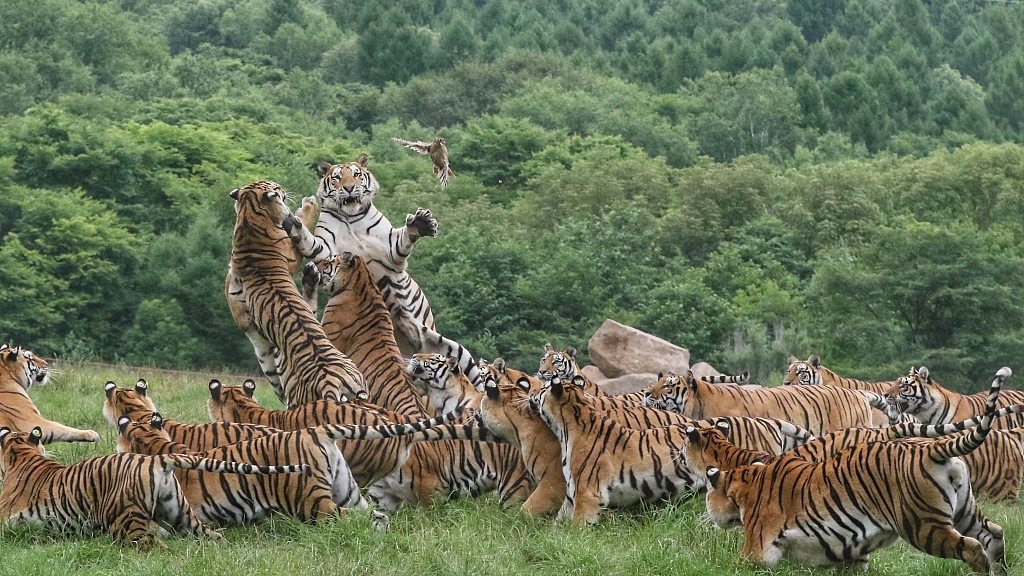
Located in Jilin and Heilongjiang provinces near the borders of Russia and North Korea, this park was established to protect the critically endangered Amur tiger and Amur leopard. It serves as the largest and most important habitat for these iconic predators within China.
The park's temperate forests, mountains, and river valleys provide ideal conditions for large carnivores and their prey species. Conservation efforts have already contributed to increases in tiger and leopard populations through habitat restoration and anti-poaching measures.
For wildlife conservationists, this park represents one of the most significant ecological projects among the national parks in China.
4. Hainan Tropical Rainforest National Park
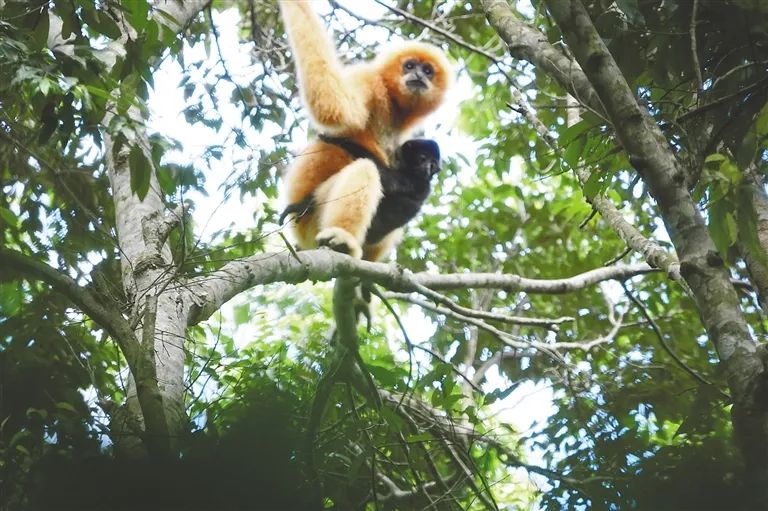
Situated in the center of Hainan Island, Hainan Tropical Rainforest National Park protects China's largest and most intact tropical rainforest ecosystem. Covering more than 4,000 square kilometers, the park is recognized as one of the world's important biodiversity hotspots.
The park is especially important because it serves as the last remaining habitat of the critically endangered Hainan gibbon, one of the world's rarest primates. Other notable species include:
- Hainan peacock pheasant
- Clouded leopard
- Various endemic reptiles
- Rare tropical plants
Visitors can experience lush forests, waterfalls, scenic mountain trails, and unique wildlife found nowhere else in China.
Also Read - 11 Incredible Chinese Great Wall of China Facts You Must Know
5. Wuyishan National Park
Wuyishan National Park spans parts of Fujian and Jiangxi provinces and is renowned for its exceptional biodiversity and cultural significance. It is the only park among the official national parks in China that is also recognized as a UNESCO World Cultural and Natural Heritage Site.
The park contains some of the world's best-preserved subtropical forests and supports thousands of plant and animal species. Visitors can enjoy:
- Scenic mountain landscapes
- Ancient tea plantations
- River rafting experiences
- Historic temples
- Biodiversity-rich hiking trails
The combination of natural beauty and cultural heritage makes Wuyishan one of China's most visited protected areas.
Famous Scenic Parks Often Associated with National Parks
Although only five parks currently hold official national park status, many travelers searching for national parks in China are also interested in famous scenic parks and protected landscapes.
Popular examples include:
- Zhangjiajie National Forest Park
- Jiuzhaigou Valley
- Huangshan (Yellow Mountain)
- Potatso National Park
- Guilin Lijiang Scenic Area
- Zhangye National Geopark
These destinations attract millions of visitors annually and are celebrated for their dramatic landscapes, colorful geological formations, and unique natural beauty.
Wildlife and Biodiversity
One of the primary goals of the national parks in China is wildlife conservation. These parks collectively protect numerous endangered species, including giant pandas, snow leopards, Tibetan antelope, Amur tigers, Amur leopards, and Hainan gibbons. The parks also safeguard critical migration routes, breeding habitats, and ecosystems that support thousands of plant and animal species.
Through habitat restoration, ecological monitoring, and community-based conservation programs, China aims to create one of the world's largest and most effective protected-area networks.
Final Thoughts
The national parks in China represent a remarkable commitment to protecting some of the planet's most valuable natural resources. From the panda-filled mountains of Sichuan and the tropical rainforests of Hainan to the vast highlands of Sanjiangyuan and the tiger habitats of northeastern China, these parks preserve ecosystems that are globally significant.
Whether you're interested in wildlife, photography, hiking, conservation, or simply experiencing some of Asia's most spectacular scenery, China's national parks offer unforgettable adventures. As the country's protected-area network continues to expand, these remarkable landscapes will play an increasingly important role in preserving biodiversity for future generations while allowing visitors to connect with the natural wonders that define modern China.




Comments 0
Only approved comments are shown here.