Denmark’s culinary identity is not limited to smørrebrød, rye bread and savory pork dishes. The country has an equally appealing tradition of cakes, pastries, puddings, cookies and seasonal sweets. Danish desserts often rely on familiar Nordic ingredients such as apples, berries, cream, almonds, cinnamon and marzipan, creating comforting flavors that fit naturally into Denmark’s café and hygge culture.
Cake holds a particularly important place in Danish celebrations. Denmark’s official cultural guide notes that cakes are closely associated with social occasions, while traditional apple trifle remains a popular everyday dessert.
From Christmas rice pudding served with warm cherry sauce to intricate bakery pastries, these 15 treats provide a delicious introduction to Denmark’s sweeter traditions.
Also Read - Danish Food: 15 Authentic Danish Dishes to Taste in Denmark
1. Risalamande – Denmark’s Famous Christmas Dessert
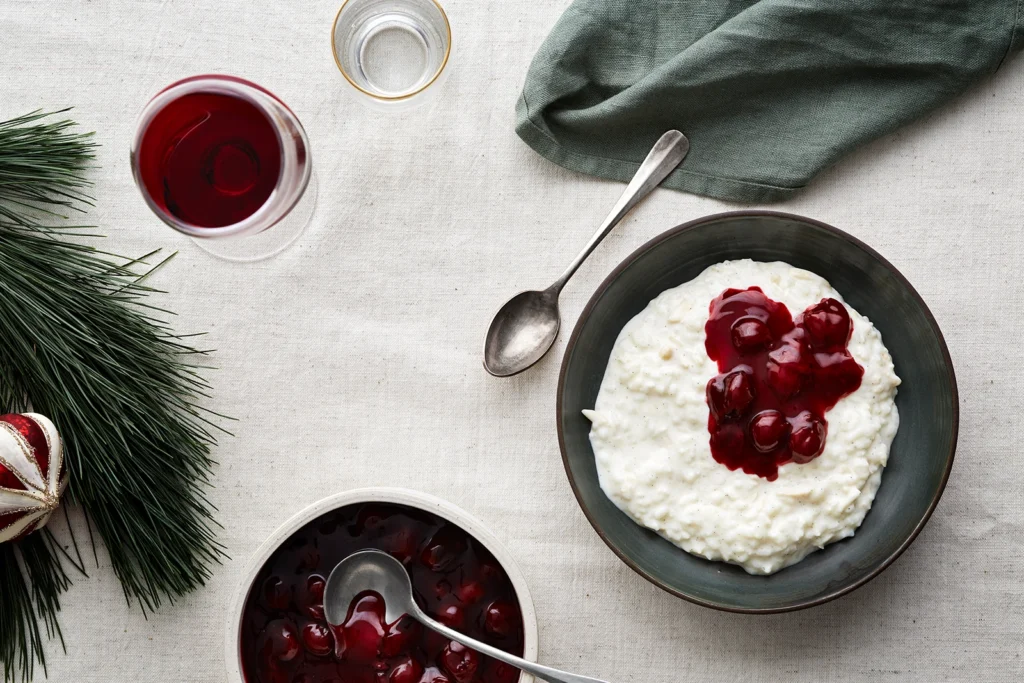
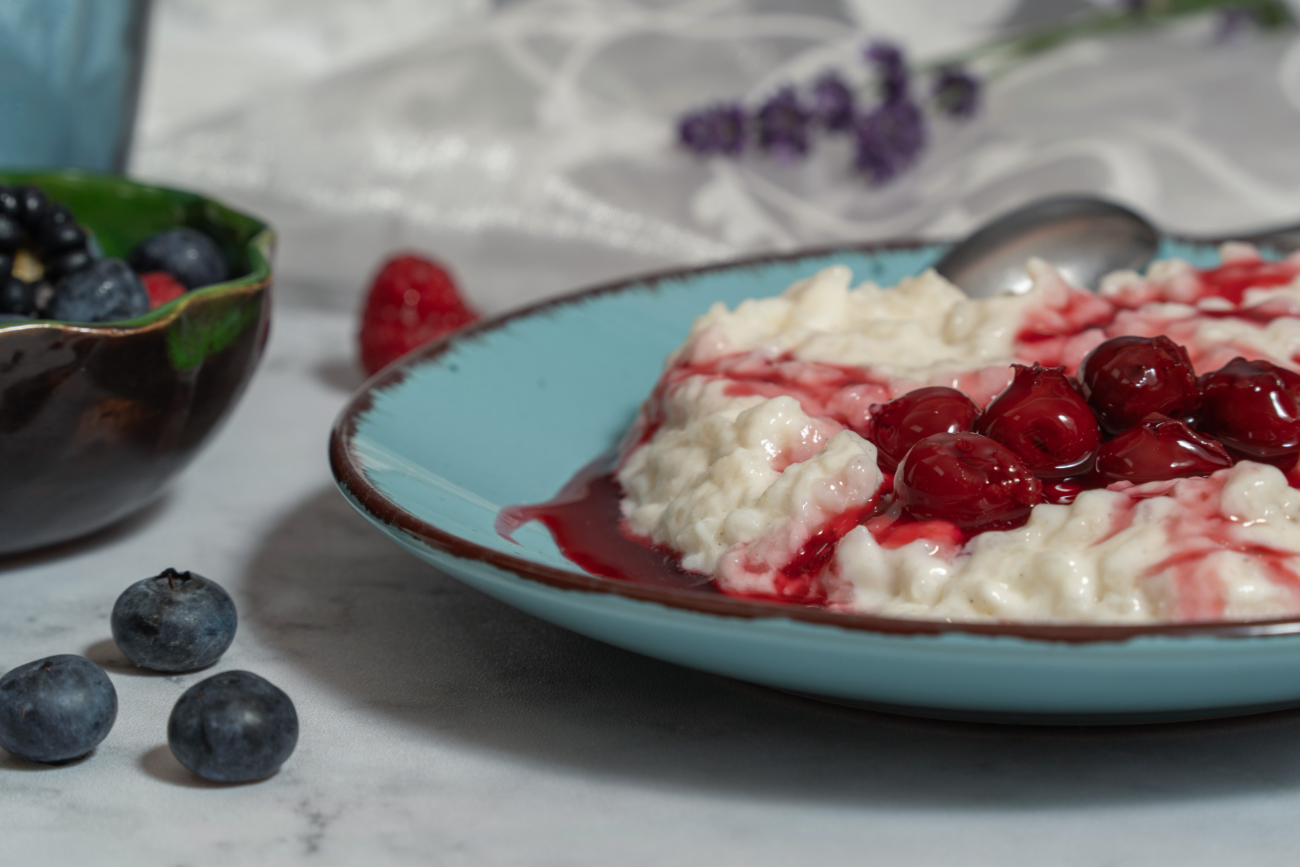
Risalamande is one of the most culturally significant Danish desserts, particularly during Christmas. It consists of cold rice porridge mixed with whipped cream, vanilla and chopped almonds, traditionally accompanied by warm cherry sauce.
The dessert became associated with Danish Christmas celebrations around the beginning of the 20th century. One whole peeled almond is hidden in the serving bowl, and whoever discovers it receives a small mandelgave, or almond gift.
The contrast makes risalamande memorable: cool, creamy rice pudding meets warm, slightly tart cherry sauce and crunchy almonds. For travelers spending Christmas in Denmark, this is one dessert that provides as much cultural tradition as flavor.
2. Æbleskiver – Round Danish Pancake Puffs
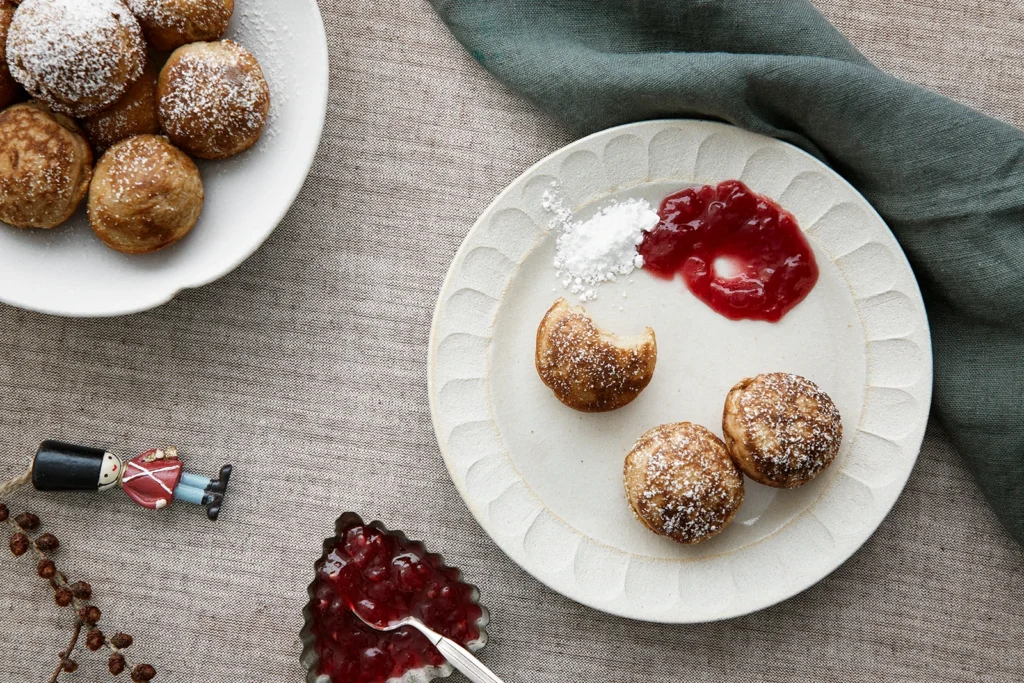
Despite a name that literally means “apple slices,” modern æbleskiver generally do not contain apple. These spherical pancake-like treats are cooked in a distinctive pan with rounded cavities and traditionally served warm with jam and a generous dusting of icing sugar.
According to Denmark’s official recipe, æbleskiver were originally made with apple pieces or applesauce before that filling gradually disappeared. The batter commonly incorporates buttermilk and cardamom.
Æbleskiver are strongly associated with the Christmas season and can be found at festive markets and family gatherings. Their warm, fluffy centers make them particularly enjoyable during Denmark’s cold December weather.
3. Gammeldags Æblekage – Old-Fashioned Danish Apple Trifle
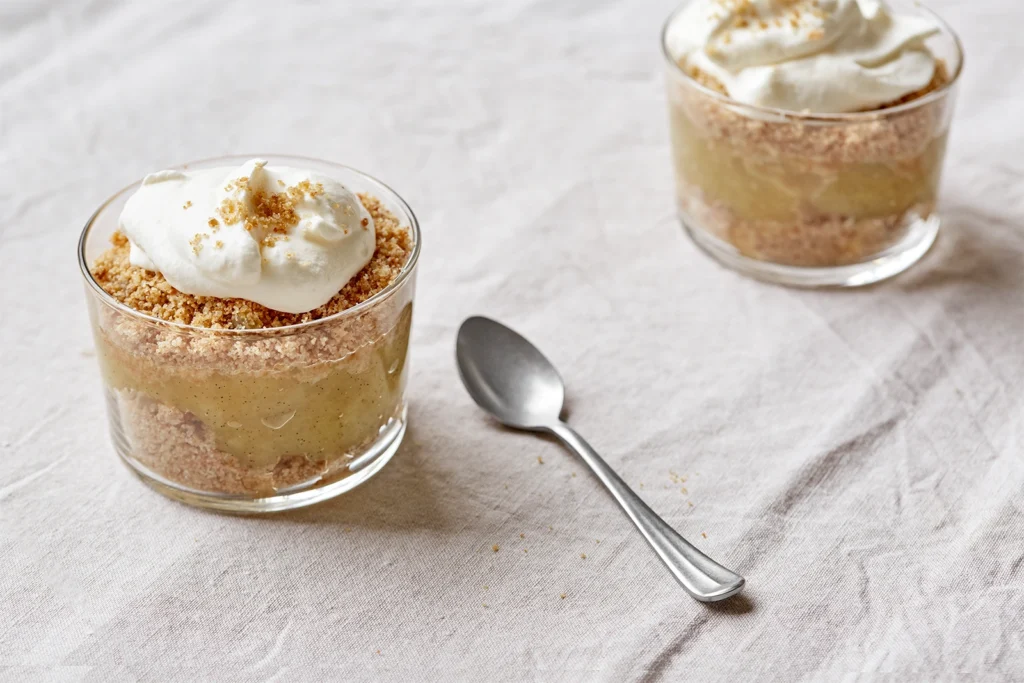
Gammeldags æblekage is among the classic Danish desserts enjoyed throughout the year. Although æblekage translates literally as “apple cake,” this traditional version is closer to an apple trifle than a conventional baked cake.
Tart apples are cooked with vanilla, lemon and sugar before being layered with a buttery breadcrumb mixture. A generous topping of whipped cream completes the dessert, which is traditionally served cold.
Its simplicity is part of its appeal. Sweet and slightly acidic apple contrasts with crunchy crumbs and rich cream without requiring elaborate pastry work. It also reflects Denmark’s tradition of making satisfying desserts from readily available seasonal ingredients.
4. Drømmekage – Denmark’s Dream Cake
Drømmekage, meaning “dream cake,” is one of the comforting Danish desserts commonly associated with home baking and coffee gatherings. It features a soft sponge topped with coconut and dark brown sugar, creating a rich, slightly caramelized finish. Denmark’s official cultural guide specifically highlights drømmekage as a popular homemade cake.
Rather than an elaborate restaurant creation, it reflects Denmark’s relaxed cake-and-coffee culture. Its combination of fluffy sponge and sweet coconut topping makes it a satisfying treat to enjoy in Danish bakeries and cafés alongside pastries and other traditional cakes.
5. Wienerbrød – The Famous “Danish” Pastry
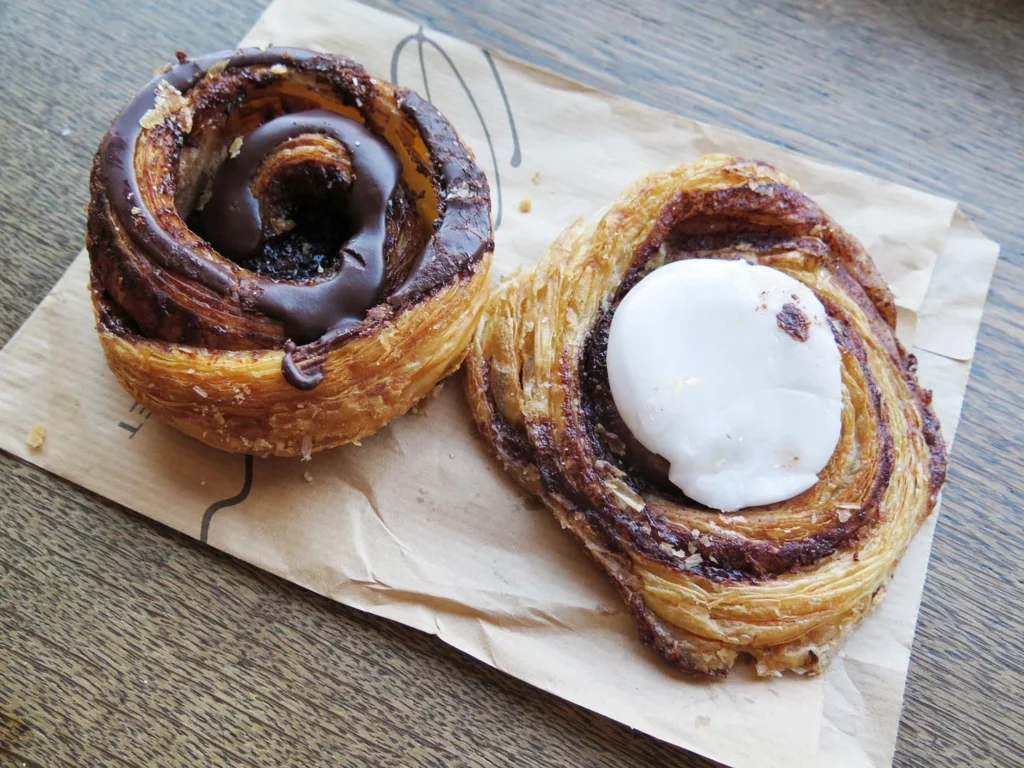
Internationally, wienerbrød is probably the most recognizable member of the Danish desserts and pastry family. Interestingly, Denmark calls these creations “Viennese bread” because their development was influenced by Austrian baking traditions during the 19th century.
There is no single standard Danish pastry. Spandauer features a center of custard or another filling, while snegl resembles a spiral cinnamon pastry. Tebirkes typically incorporates remonce and is covered with poppy seeds.
Modern Danish bakeries have taken laminated pastry particularly seriously, making a morning bakery visit an essential food experience in Copenhagen, Aarhus and other cities.
6. Kransekage – Marzipan Celebration Cake
Kransekage is closely associated with celebrations, particularly New Year’s Eve and weddings. Rather than resembling an ordinary sponge cake, it is made from almond-rich rings stacked into a distinctive tower.
Marzipan gives kransekage its characteristic dense, chewy texture and pronounced almond flavor. The rings are traditionally decorated with white icing, creating an immediately recognizable pattern.
At major celebrations, elaborate versions can become impressive centerpieces, while smaller pieces make the same flavors easier to enjoy with coffee.
Kransekage demonstrates the importance of almonds and marzipan within Scandinavian confectionery traditions. Travelers visiting Denmark around New Year will have particularly good opportunities to see it displayed in bakeries, where towering versions appear alongside other festive sweets.
7. Fastelavnsboller – Denmark’s Seasonal Cream Buns
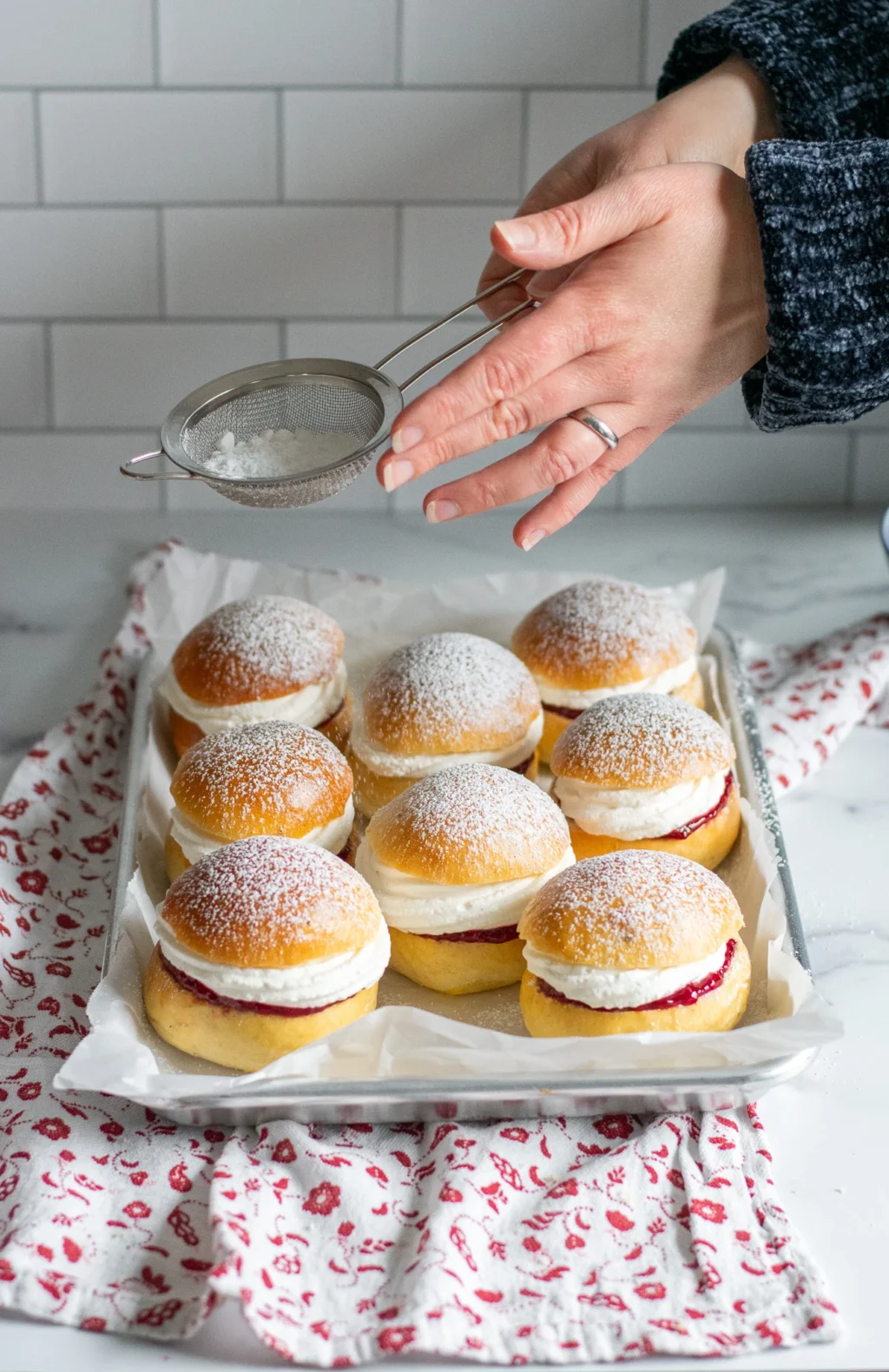
Fastelavnsboller are among the most eagerly awaited seasonal Danish desserts, traditionally enjoyed during Fastelavn in the weeks before Lent. VisitDenmark notes that these cream-filled buns appear widely in bakeries and supermarkets during the season.
Recipes vary considerably, ranging from classic sweet buns filled with custard or whipped cream to flaky pastries featuring jam, chocolate and elaborate toppings. Modern Danish bakeries have become increasingly creative, with demand inspiring a friendly competition to produce extravagant versions. For dessert lovers, the Fastelavn season offers an excellent opportunity to experience one of Denmark’s most distinctive bakery traditions.
8. Lagkage – Traditional Danish Layer Cake
Lagkage is a classic celebration cake commonly served at birthdays, anniversaries and other special events. Denmark’s official recipe describes it as multiple cake layers separated by fillings such as frosting or jam.
One traditional preparation combines sponge layers with raspberry jam, vanilla custard, raspberry cream and generous whipped cream, with fresh berries used for decoration.
Lagkage is highly customizable, meaning individual families and bakeries can develop their own combinations of fruit, chocolate, cream and custard.
Its connection with birthdays is particularly strong. Denmark’s official food guidance describes layer cake as a must at birthday celebrations, making it one of the Danish desserts most closely associated with family occasions.
9. Flødeboller – Chocolate-Covered Meringue Treats
Flødeboller are popular Danish desserts made with soft, airy meringue placed on a light wafer base and covered in chocolate. VisitDenmark highlights them as a classic treat commonly found in Danish patisseries.
Their appeal comes from contrasting textures: a crisp chocolate shell surrounds the fluffy filling before giving way to the delicate wafer underneath. Modern chocolatiers also produce creative versions with different chocolate coatings and flavors. Easy to enjoy as an individual treat, flødeboller are an excellent choice when exploring bakeries, cafés and chocolate shops throughout Denmark.
10. Rødgrød med Fløde – Red Berry Pudding with Cream
Rødgrød med fløde is one of the classic Danish desserts, known for its refreshing combination of red berries and cold cream. The fruit is cooked and thickened into a pudding-like consistency, creating a sweet yet slightly tart flavor. VisitDenmark also highlights the dish as a traditional Danish dessert famous for being easier to eat than to pronounce.
Typically enjoyed during summer, it celebrates Denmark’s seasonal fruit and provides a lighter alternative to rich pastries and marzipan cakes. Its simple combination of berries and cream makes it a distinctive example of traditional Scandinavian cooking.
11. Klejner – Twisted Danish Christmas Cookies
Klejner are traditional fried Danish desserts closely associated with the Christmas season. These small treats are made by cutting dough into diamond-like pieces, twisting them into their characteristic shape and deep-frying them until golden and crisp. Denmark’s official cultural site describes klejner as an old Christmas tradition enjoyed throughout December.
Often served with icing sugar, klejner have a delicate crunch and comforting festive flavor. They are commonly enjoyed alongside other seasonal favorites such as æbleskiver and risalamande, making them an excellent treat to sample at Christmas markets or Danish bakeries during the festive season.
12. Brunkager – Crisp Danish Christmas Cookies
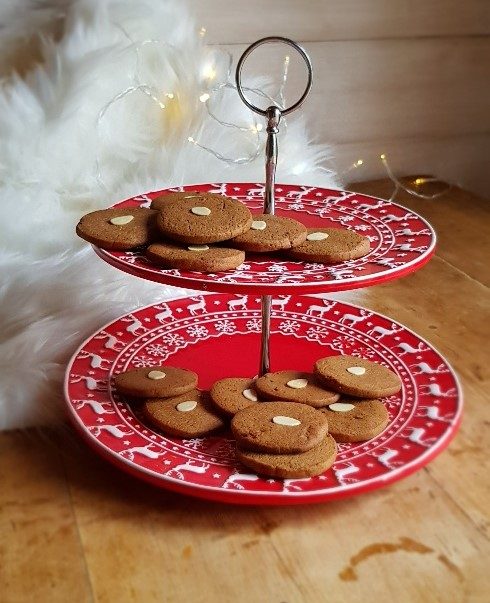
Brunkager are another essential Christmas addition to the world of Danish desserts. These thin, crisp cookies belong to Denmark’s established collection of festive recipes and are particularly associated with November and December.
They are commonly translated as Danish gingerbread cookies, although their texture and flavor profile can differ from thicker gingerbread found elsewhere in Europe.
Spices give brunkager their warming seasonal character, making them ideal alongside coffee or other winter drinks. They are also practical for Christmas gatherings because they can be prepared in batches and shared easily.
Alongside klejner and æbleskiver, brunkager illustrate just how strongly Denmark’s dessert traditions change with the seasons.
13. Jordbærtærte – Danish Strawberry Tart
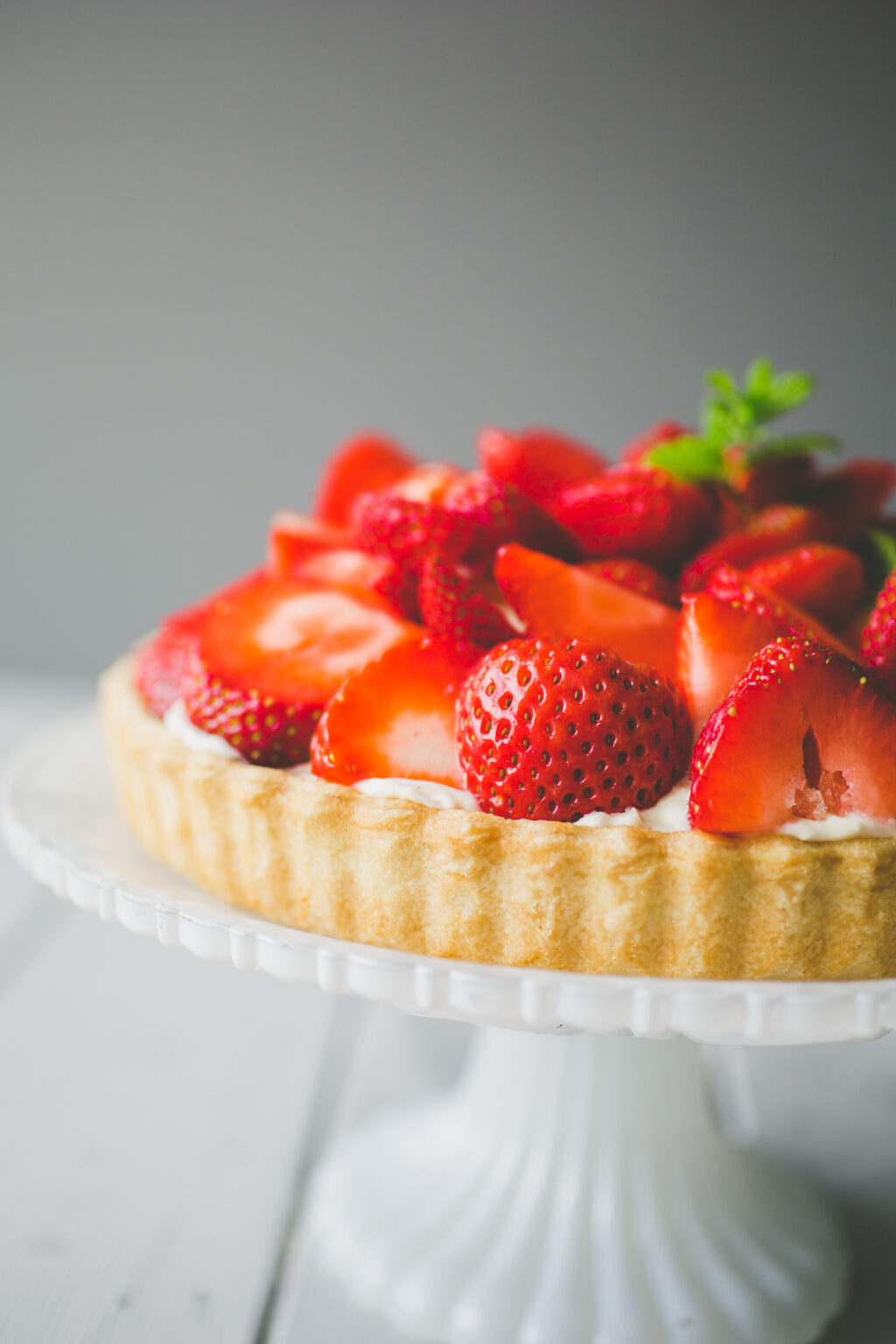
Jordbærtærte is one of the most refreshing summer Danish desserts, combining fresh strawberries with rich bakery elements such as pastry, cream, chocolate and sometimes marzipan. Danish strawberry tarts are especially associated with summer, when locally grown berries are at their most flavorful.
Unlike heavier Christmas sweets, jordbærtærte has a fresh, seasonal character. The natural sweetness and slight acidity of strawberries balance the richness of the cream and pastry beautifully. It is an excellent choice from Danish bakeries during the warmer months and highlights Denmark’s strong tradition of celebrating seasonal ingredients through cakes and pastries.
14. Sarah Bernhardt – Chocolate and Macaroon Indulgence
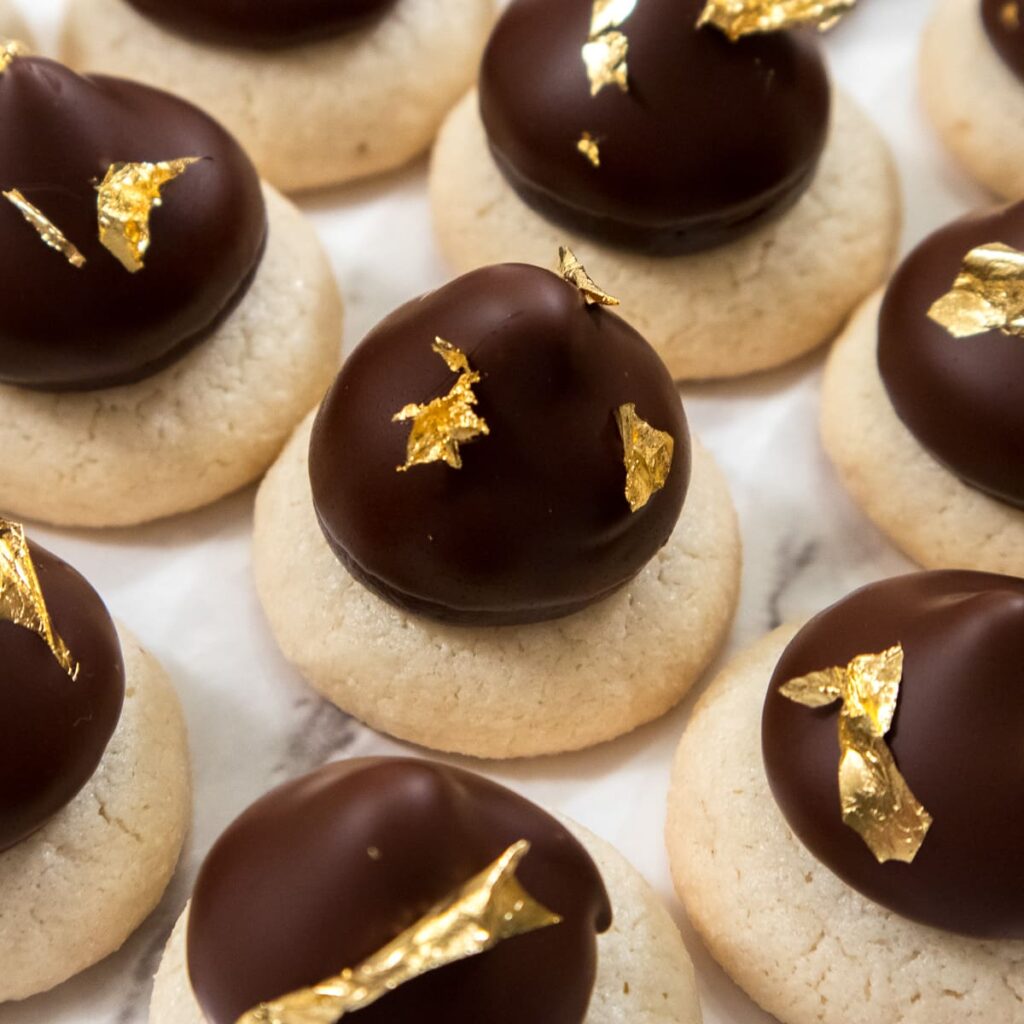
The Sarah Bernhardt, known in Denmark as Sarah Bernhardt-kage, is one of the rich chocolate-based Danish desserts found in traditional patisseries. It consists of a macaroon base topped with smooth chocolate cream and finished with a coating of dark chocolate.
Its combination of chewy macaroon, creamy filling and crisp chocolate creates a satisfying contrast of textures. Served as an individual portion, it pairs naturally with coffee and Denmark’s café culture. Alongside flødeboller, pastries and traditional cakes, the Sarah Bernhardt demonstrates the impressive variety of sweets available in Danish bakeries.
15. Otello Cake – A Rich Danish Patisserie Classic
Otello cake is another elaborate bakery creation worth discovering among traditional Danish desserts. VisitDenmark describes the cake as combining thin sponge with cake cream, marzipan, whipped cream and dark chocolate icing.
The result is considerably richer than simple home-style cakes such as drømmekage. Marzipan provides a distinctive almond sweetness, whipped cream creates a soft texture, and the dark chocolate icing delivers a deeper finish.
Otello cake belongs to Denmark’s konditori tradition—the world of classic pastry shops where customers can sit down for carefully prepared cakes accompanied by coffee.
Travelers interested in Danish sweets should experience both sides of the country’s baking culture: contemporary bakeries specializing in laminated pastries and traditional konditoris serving rich, carefully constructed cakes such as Otello.
Which Danish Desserts Should You Try First?
For a first visit, risalamande, æbleskiver, gammeldags æblekage, drømmekage and wienerbrød provide an excellent introduction.
Season matters considerably. Risalamande, æbleskiver, klejner and brunkager are strongly connected with Christmas, while fastelavnsboller dominate bakery displays around Fastelavn. Strawberry-based desserts are naturally better suited to warmer months.
Travelers visiting Copenhagen should also explore the city’s modern bakery culture. VisitCopenhagen notes that Denmark’s longstanding baking tradition has experienced another major pastry and bread revival in recent decades.
Final Thoughts
Exploring Danish desserts reveals how closely food is connected with Denmark’s seasons, celebrations and social traditions. Christmas brings risalamande, æbleskiver, klejner and brunkager, while Fastelavn has its extravagant cream-filled buns. Birthdays traditionally call for lagkage, and summer creates the perfect setting for berry desserts and strawberry tarts.
Some sweets also carry fascinating histories. Wienerbrød developed from Austrian baking influences but became inseparable from Danish bakery culture, while old-fashioned æblekage demonstrates how simple apples, crumbs and cream can become an enduring national favorite.
The best approach is not to search for a single definitive Danish dessert. Visit a bakery in the morning, enjoy cake with afternoon coffee and try whichever seasonal specialty appears during your trip. Denmark’s dessert culture is at its best when experienced as the Danes do—one sweet occasion at a time.

Comments 0
Only approved comments are shown here.