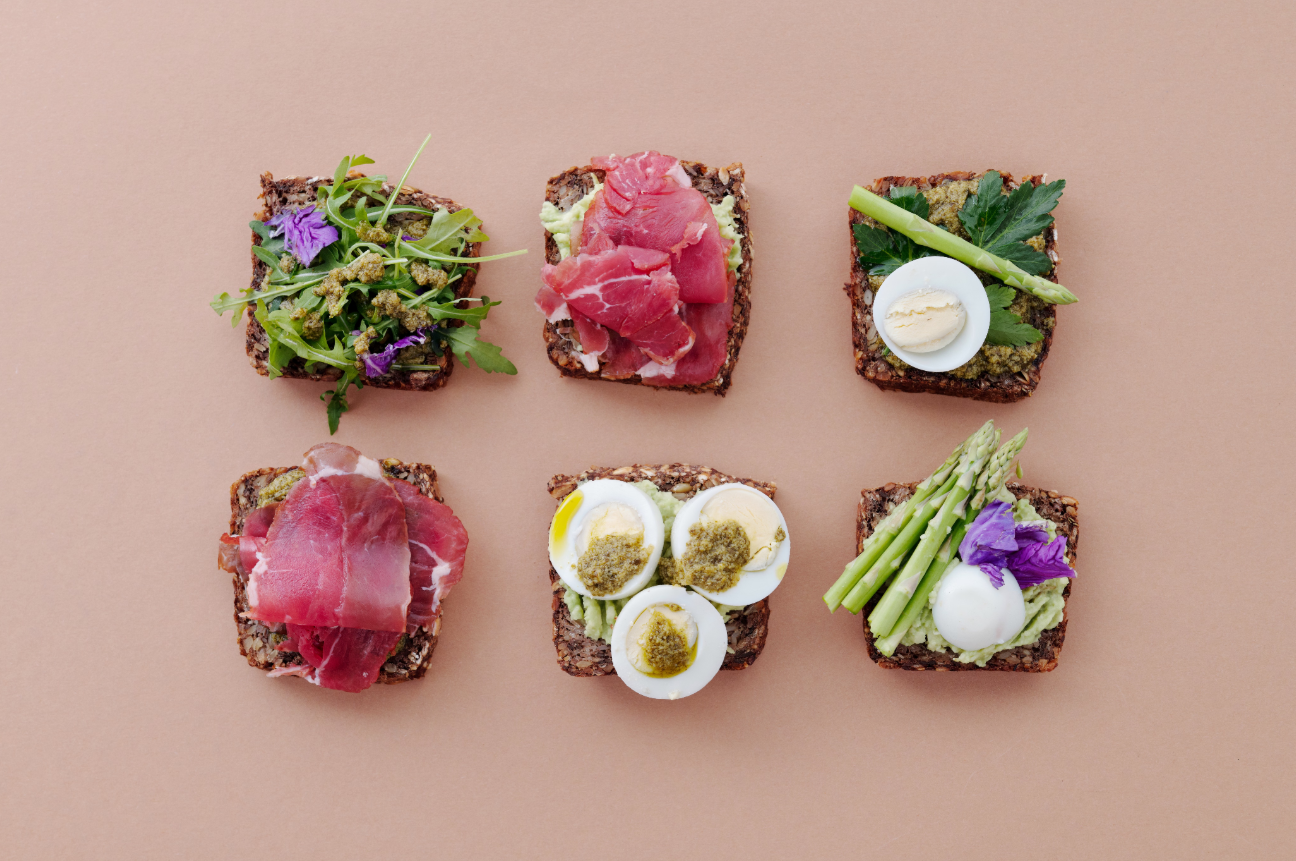
Traditional Danish food is shaped by Denmark’s geography, agricultural heritage and long relationship with the sea. Historically, ingredients that could be grown, raised or preserved locally formed the foundations of everyday cooking. Rye bread, pork, fish, potatoes, cabbage and root vegetables consequently remain important elements of the national kitchen.
Yet modern Denmark cuisine extends well beyond old-fashioned comfort food. Copenhagen helped drive the New Nordic movement, which reinterpreted regional cooking around local, seasonal ingredients. At the same time, classics such as smørrebrød and frikadeller remain firmly embedded in everyday eating.
For travelers curious about authentic Denmark food, these 15 Danish dishes provide an excellent introduction to the country's culinary traditions.
Also Read - Cities in Denmark Europe: 15 Danish Cities Worth Exploring
1. Smørrebrød – Denmark's Famous Open-Faced Sandwich
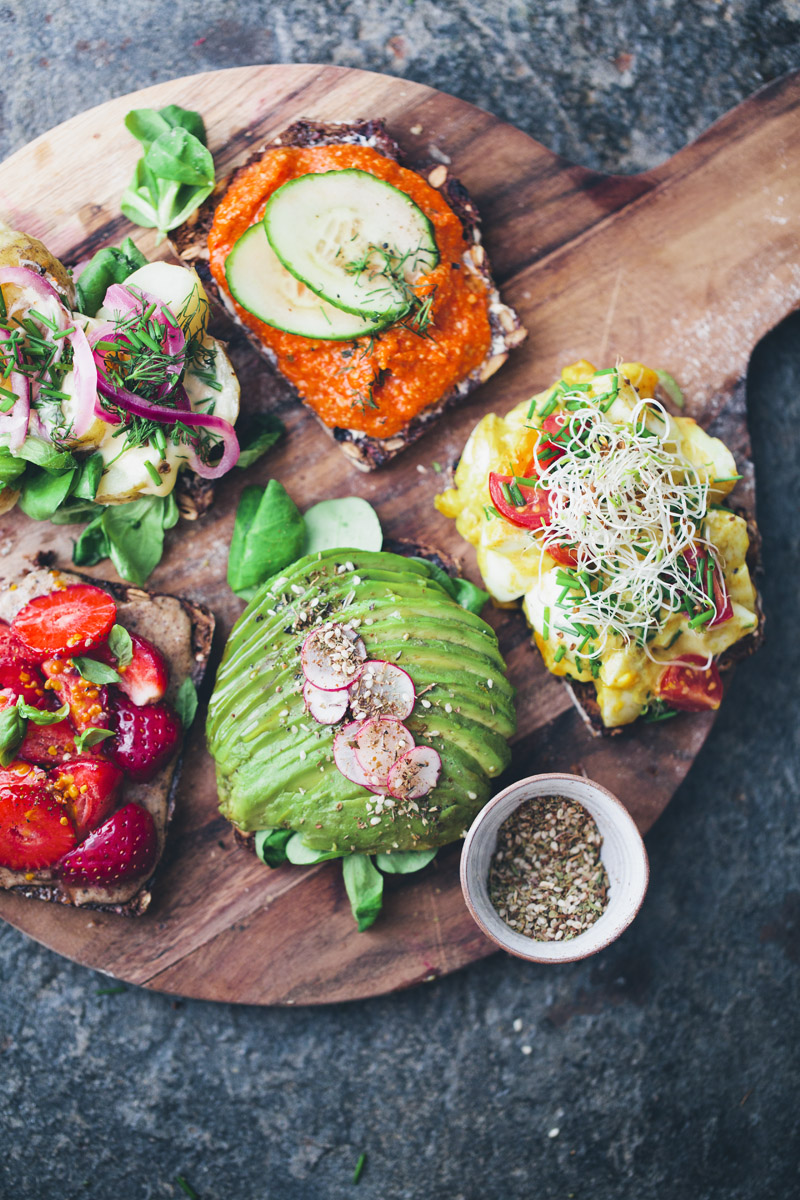
No introduction to Danish food is complete without smørrebrød. These open-faced sandwiches typically begin with dense rye bread and are carefully layered with ingredients such as pickled herring, roast beef, potato, eggs, prawns or cold meats. Garnishes can include mayonnaise, onions and horseradish.
Smørrebrød developed into a recognizable lunch tradition during the 19th century and remains common in restaurants, homes and workplace lunches. Unlike a conventional sandwich, elaborate versions are normally eaten with a knife and fork.
Modern Copenhagen restaurants have transformed smørrebrød into an art form, but the fundamental combination of hearty rugbrød and carefully balanced toppings remains unmistakably Danish.
Also Read - Egypt Country Food: A Guide to Authentic Egyptian Cuisine and Traditional Dishes
2. Stegt Flæsk med Persillesovs – Denmark's National Dish
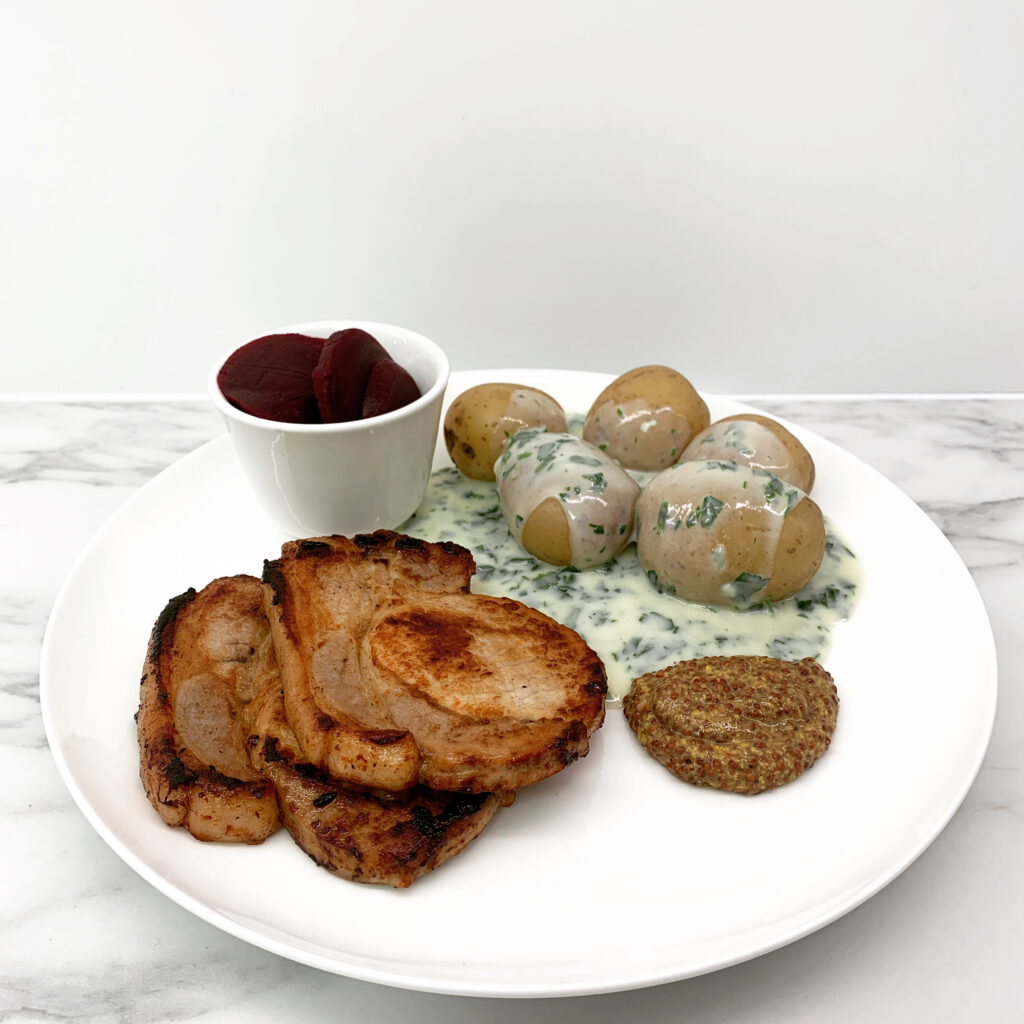
Stegt flæsk med persillesovs holds an especially important position within Denmark cuisine. The dish consists of slices of pork fried until crisp and served with boiled potatoes and creamy parsley sauce.
When Danes were invited to vote for their national dish, stegt flæsk emerged as the winner. It remains available in traditional restaurants throughout the country, with some establishments even offering all-you-can-eat versions.
Its appeal comes partly from simplicity: crisp, salty pork contrasts with soft potatoes and smooth parsley sauce. Rather than elaborate fine dining, this is hearty Danish comfort food with deep connections to the country's agricultural traditions. Travelers wanting one substantial traditional meal should place stegt flæsk near the top of their list.
3. Frikadeller – Danish Meatballs
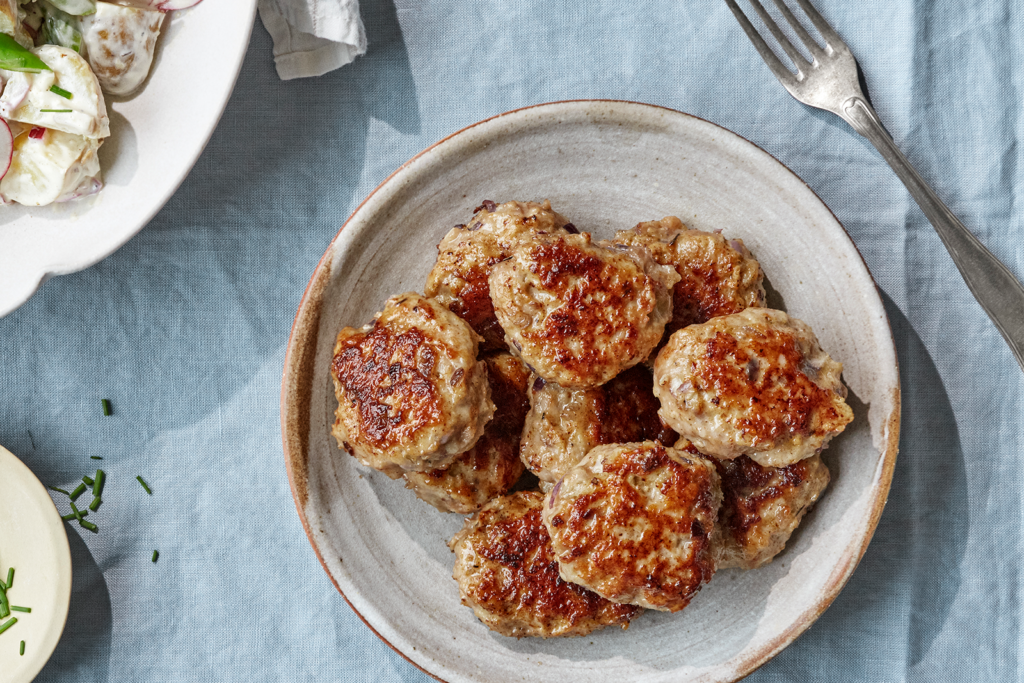
Frikadeller are among the most familiar Danish dishes and can appear at both lunch and dinner. Traditional versions are pan-fried meatballs, with recipes varying considerably between households.
Denmark's official national recipe uses minced pork alongside onion, egg, milk, flour, oats and seasonings before frying the meatballs in butter. They can be served hot with potato salad or incorporated into smørrebrød.
Other traditional recipes may combine pork and veal, illustrating how no single preparation defines every Danish household.
Frikadeller are less elaborate than many restaurant dishes, but that is precisely why they matter. They represent the everyday home-cooking side of Danish culinary culture.
4. Rugbrød – Traditional Danish Rye Bread
Rugbrød is one of the foundations of Denmark food. This dark, substantial rye bread provides the base for countless smørrebrød combinations and remains a regular feature of Danish lunches.
According to Denmark's official national website, Danes have eaten rye bread for more than a thousand years, while the first recorded Danish rye-bread recipe dates to 1703. Traditional versions can incorporate rye grain, rye flour and seeds such as sunflower, pumpkin or flax.
The bread's dense texture allows it to support generous toppings without falling apart. It also has a distinctive flavor that pairs especially well with herring, pâté, meat, cheese and potatoes.
Visitors interested in everyday Danish eating should try freshly baked rugbrød rather than encountering it only beneath restaurant smørrebrød.
5. Stjerneskud – The “Shooting Star”
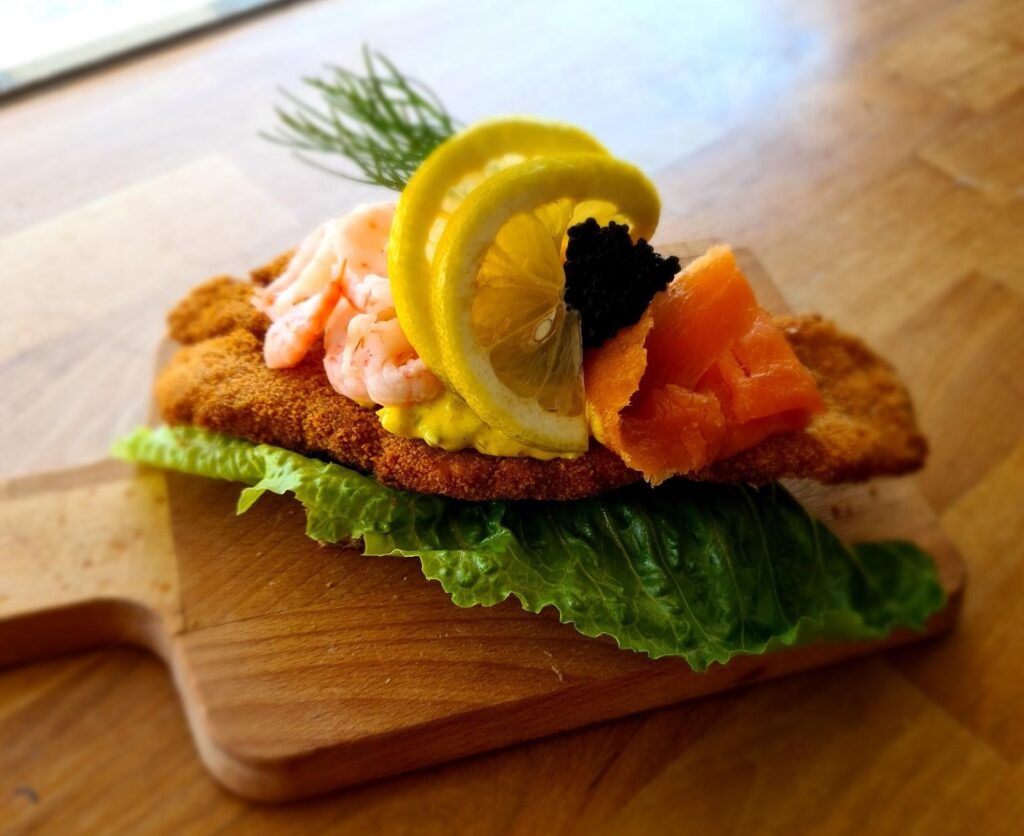
Stjerneskud is an extravagant seafood interpretation of classic Danish food. Its name translates as “shooting star,” and the presentation is considerably more elaborate than an everyday packed-lunch sandwich.
VisitDenmark describes the traditional dish as bread topped with fried plaice, shrimp, lettuce and caviar from the Limfjord. It is commonly associated with beer and snaps.
Variations may differ between restaurants, particularly in their seafood, garnishes and sauces. What remains consistent is its generous combination of fish and shellfish.
Stjerneskud is particularly appropriate for travelers who want to understand how Denmark's extensive coastline influences its cuisine. Look for it at traditional lunch restaurants and seafood establishments, especially when exploring Copenhagen or coastal communities.
6. Flæskesteg – Danish Roast Pork
Flæskesteg is classic roast pork distinguished by its crisp crackling and important place in traditional Denmark cuisine. It is especially associated with family meals and festive occasions.
The crackling is arguably the defining feature: the pork skin is prepared so that it becomes crisp while the meat underneath remains tender. Traditional accompaniments vary according to occasion but can include potatoes, gravy and vegetables.
Flæskesteg also appears as a smørrebrød topping and is served by longstanding Copenhagen restaurants alongside other Danish classics.
Pork has historically played an important role in Danish cooking, and flæskesteg provides one of the clearest examples. Travelers visiting during the Christmas period are particularly likely to encounter roast pork as part of seasonal dining traditions.
7. Pickled Herring – A Danish Lunch Staple
Pickled herring is among the most traditional Danish dishes, especially within smørrebrød and celebratory lunch spreads.
Denmark's long coastline and maritime heritage naturally made fish important to the national diet. Herring could also be preserved, making it historically practical long before modern refrigeration. Today, it remains a standard smørrebrød topping and can be accompanied by onions, sauces, herbs and other garnishes.
Traditional snaps is often paired with herring, particularly during festive lunches.
For travelers unfamiliar with pickled fish, the flavor can initially seem strong, but tasting herring on good rugbrød provides one of the most authentic introductions to Danish lunch culture.
8. Pølser – The Classic Danish Hot Dog
Not all Denmark food requires sitting down in a traditional restaurant. Pølser—Danish sausages and hot dogs—are closely associated with the country's street-food culture.
Hot-dog stands, known as pølsevogne, have served customers for more than a century and remain visible around Copenhagen and other Danish cities. Traditional red sausages coexist with contemporary variations featuring different meats, breads and toppings.
A Danish hot dog can be served with mustard, ketchup, remoulade, onions and pickles, depending on the version.
Beyond being inexpensive and convenient, the pølsevogn has connections with Danish working-class history. For travelers, ordering from one provides an everyday cultural experience very different from Copenhagen's famous fine-dining restaurants.
9. Æbleflæsk – Apples and Pork
Æbleflæsk demonstrates the sweet-and-savory character that occasionally appears in traditional Danish food. The dish brings together pork and apples, creating a rich combination suited to Denmark's colder months and agricultural heritage.
Recipes vary between families and regions, but the fundamental idea involves cooked apples or an apple mixture served with fried pork. Rye bread can accompany the dish, adding another distinctly Danish element.
The combination may initially seem unusual to international visitors, yet the acidity and sweetness of apple work naturally against fatty, salty pork.
Æbleflæsk is less internationally recognizable than smørrebrød or Danish pastries, which makes it particularly interesting for travelers seeking food beyond the obvious classics. Traditional restaurants and seasonal menus provide the best opportunities to encounter it.
10. Tarteletter – Crispy Pastry Shells with Creamy Filling
Tarteletter are small, crisp pastry shells filled with a creamy savory mixture and represent the comforting, homestyle side of Denmark cuisine.
One of the best-known preparations is tarteletter med høns i asparges—pastry cases filled with chicken and asparagus in a creamy sauce. The contrast between delicate, crisp pastry and warm filling makes the dish both simple and satisfying.
Tarteletter are strongly associated with traditional Danish gatherings and family cooking rather than contemporary New Nordic gastronomy. They may appear at lunches, celebrations or restaurants specializing in classic national food.
Although visually modest compared with highly decorated smørrebrød, tarteletter offer travelers another perspective on Danish cooking: rich, familiar comfort food designed to be enjoyed communally rather than treated as an elaborate culinary spectacle.
11. Rødgrød med Fløde – Red Berry Dessert
Among sweet Danish dishes, rødgrød med fløde is famous both for its flavor and its famously challenging pronunciation for non-Danish speakers.
The dessert is traditionally prepared from red summer fruits or berries that are cooked into a thickened fruit mixture and served with cream. Depending on the recipe and season, ingredients can include strawberries, raspberries, redcurrants and other berries.
Its refreshing fruit character provides a contrast to heavier Danish dishes based on pork and potatoes.
Rødgrød med fløde also illustrates the importance of seasonal ingredients in traditional Nordic cooking. Rather than depending on complicated techniques, the dessert celebrates fruit when it is abundant. Trying to pronounce the name correctly may be almost as memorable as eating it.
12. Wienerbrød – What the World Calls a Danish Pastry
One of the great ironies of Denmark food is that what much of the world calls a “Danish” is known locally as wienerbrød, meaning Vienna bread.
The pastry tradition was influenced by Austrian bakers during the 19th century. VisitDenmark dates their Danish introduction to the 1840s. Over time, however, these pastries became deeply embedded in Danish bakery culture.
Travelers will encounter many shapes, fillings and toppings rather than one standardized “Danish pastry.” VisitDenmark specifically recommends varieties such as kanelsnegl, a cinnamon pastry, and frøsnapper, a seed-covered pastry.
Copenhagen's modern bakery scene has further expanded this tradition with exceptional breads, laminated pastries and sourdough baking.
13. Drømmekage – Danish Dream Cake
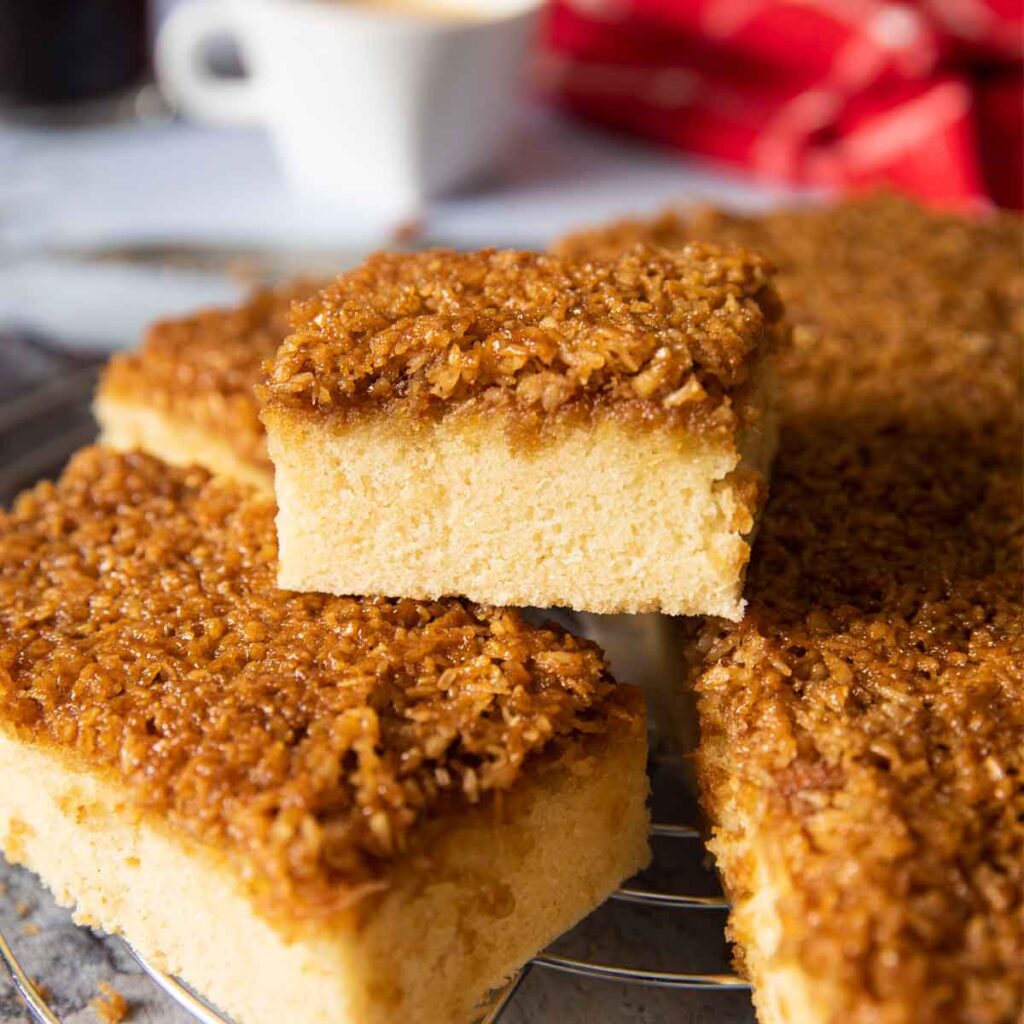
Drømmekage, literally “dream cake,” provides another delicious introduction to the sweeter side of Danish food.
The cake is particularly associated with a soft sponge topped with a rich mixture featuring coconut and brown sugar. Denmark's official cultural guide identifies drømmekage as one of the country's popular cakes and emphasizes how strongly cakes feature in Danish celebrations and social life.
Rather than being reserved exclusively for formal occasions, cake frequently accompanies coffee, family gatherings and social visits.
Visitors interested in Danish bakery culture should therefore explore beyond wienerbrød. Traditional cakes reveal another important part of the country's relationship with baking, hospitality and hygge, particularly when paired with coffee during a relaxed afternoon café stop.
14. Gammeldags Æblekage – Old-Fashioned Apple Dessert
Despite its name, gammeldags æblekage does not necessarily resemble the conventional baked apple cake visitors might expect. It is an old-fashioned Danish apple dessert typically constructed in layers, creating a combination of cooked apple, crunchy elements and cream.
Denmark's official collection of traditional recipes describes old-fashioned Danish apple trifle as a common dessert in Danish food culture.
Its appeal lies in contrasts: tart fruit, sweetness, creaminess and texture come together without requiring an elaborate presentation.
This dessert also demonstrates how apples, which thrive in the Danish climate, became incorporated into home cooking. It is worth seeking out at traditional restaurants or making from a Danish recipe after returning home.
15. New Nordic Cuisine – Modern Denmark on a Plate
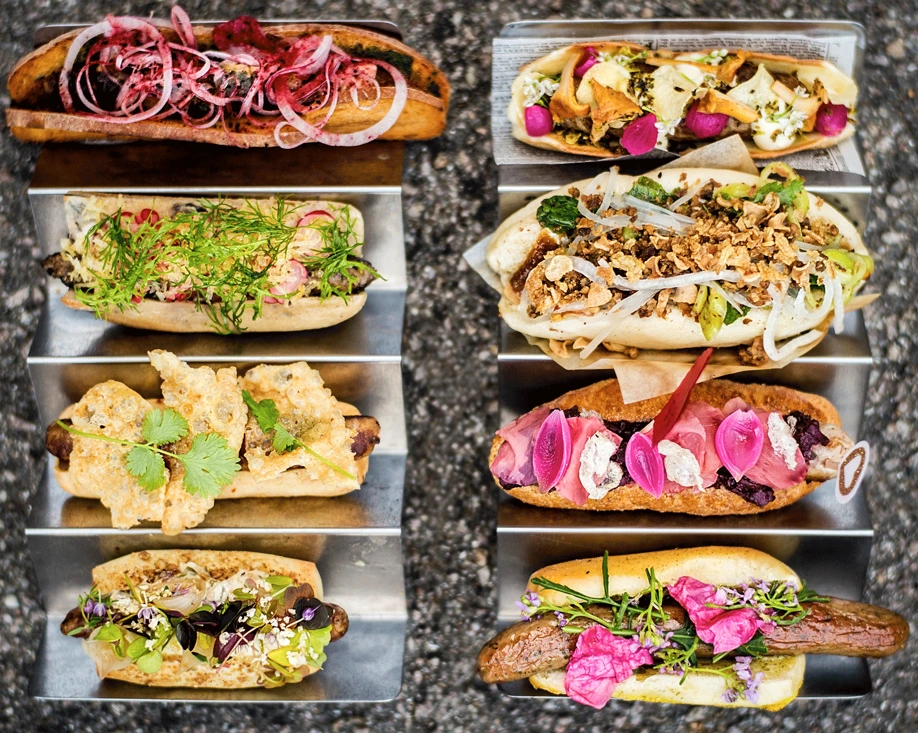
No contemporary discussion of Denmark cuisine should ignore New Nordic cooking. The movement transformed Denmark's international culinary reputation by emphasizing local, seasonal ingredients while reconsidering traditional Nordic products and techniques.
Denmark's official national guide credits chef Claus Meyer as one of the major forces behind the movement and describes how chefs and food researchers revisited culinary traditions predating industrialized agriculture.
The influence now reaches far beyond high-end tasting menus. Copenhagen restaurants increasingly emphasize seasonal produce, fermentation, regional seafood and locally sourced ingredients.
For travelers, experiencing both old-fashioned smørrebrød and contemporary Nordic cooking provides the clearest picture of how Danish cuisine respects tradition without remaining trapped by it.
What Makes Danish Cuisine Unique?
Traditional Danish cooking is built around ingredients suited to Denmark's climate and geography. Rye, potatoes, cabbage, root vegetables, pork and seafood became staples because they were locally available or could be preserved effectively.
Lunch and dinner also have distinct traditions. Rye bread topped with herring, pâté, roast beef or salads is common at lunch, while traditional evening meals often incorporate potatoes.
Modern cooking has expanded these foundations rather than completely abandoning them. Contemporary chefs may reinterpret herring, vegetables, seafood or traditional sauces using new techniques, but seasonality and regional ingredients remain central themes.
Final Thoughts
Exploring Danish food provides an unexpectedly rich introduction to Denmark's history and everyday culture. Smørrebrød reflects the country's enduring relationship with rye bread, while pickled herring demonstrates its maritime heritage and stegt flæsk highlights the historical importance of pork.
Traditional Denmark food is often straightforward and comforting rather than excessively complicated. Frikadeller, flæskesteg, tarteletter and old-fashioned desserts emerged from home kitchens and remain culturally significant alongside restaurant cooking.
At the same time, modern Denmark cuisine has developed an international reputation through its emphasis on seasonal Nordic ingredients and culinary experimentation.
The best way to understand Danish dishes is therefore to experience both worlds: eat traditional smørrebrød for lunch, visit a pølsevogn for a hot dog, stop at a bakery for wienerbrød and leave room for a contemporary Nordic dinner. Together, these experiences reveal a cuisine that is deeply rooted in tradition yet continues to evolve.

Comments 0
Only approved comments are shown here.