Malaysia is often described as one of Asia's greatest culinary destinations, where centuries of migration, trade, and cultural exchange have produced a remarkably diverse food scene. Malay, Chinese, Indian, Peranakan, and indigenous influences have blended harmoniously to create flavors that are bold, aromatic, and unforgettable. Whether enjoyed at bustling hawker stalls, family-run eateries, modern cafés, or upscale restaurants, Malaysian food offers something to satisfy every palate.
From fragrant coconut rice accompanied by spicy sambal to smoky grilled skewers and refreshing shaved ice desserts, every Malaysian dishes tells a story about the country's multicultural heritage. Sampling local specialties is not simply about satisfying hunger; it is an opportunity to understand traditions, family recipes, and regional identities. Whether beginning the day with roti canai or ending it with a comforting bowl of laksa, every Malaysia meal promises a memorable culinary adventure.
1. Nasi Lemak – Malaysia's National Dish
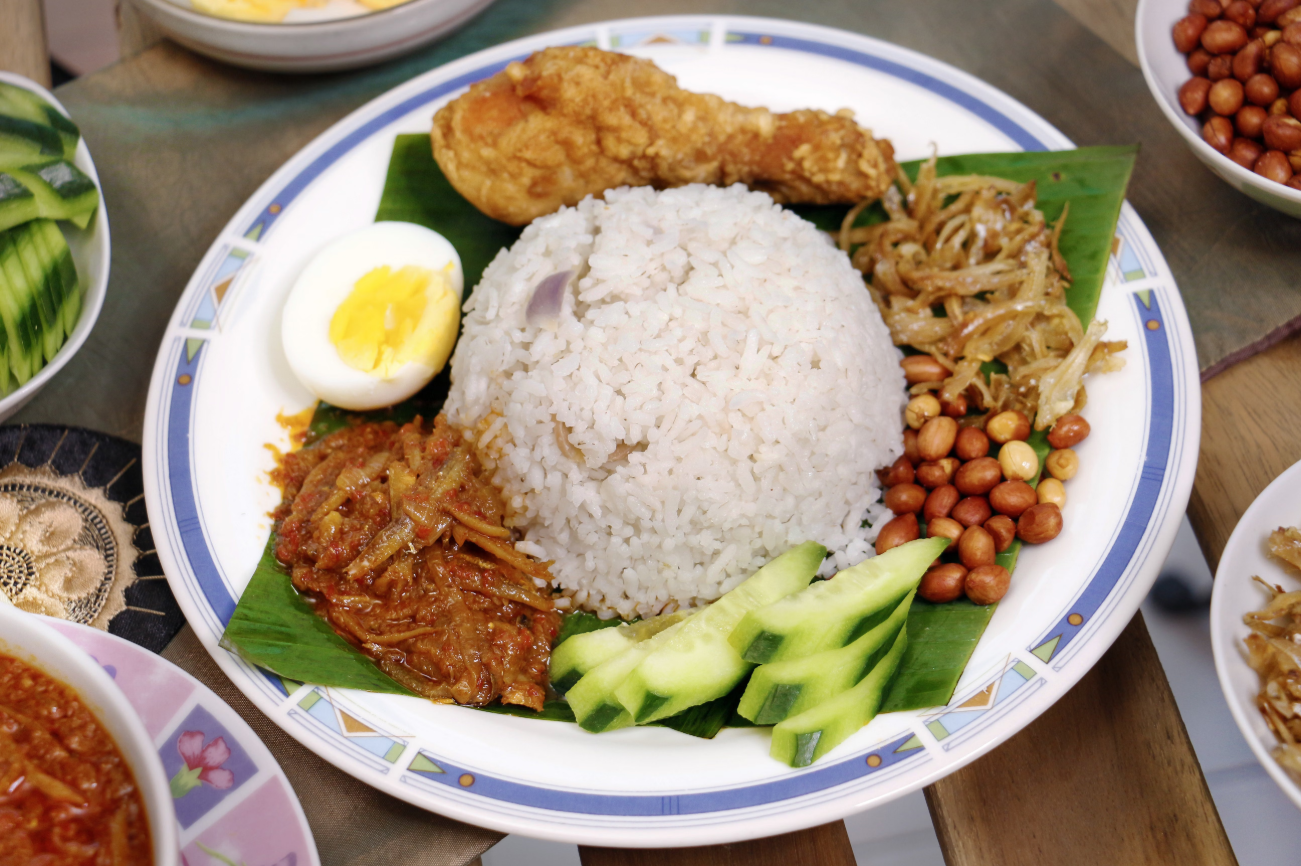
No discussion of Malaysian food can begin without nasi lemak. Widely regarded as the national dish, nasi lemak consists of rice cooked in coconut milk and pandan leaves, giving it a rich aroma and creamy texture. Traditionally wrapped in banana leaves, it is served with sambal chili paste, crispy anchovies, roasted peanuts, cucumber slices, and hard-boiled or fried eggs.
Modern variations frequently include fried chicken, beef rendang, sambal squid, or grilled seafood. Although nasi lemak can be enjoyed throughout the day, it remains especially popular for breakfast. In Kuala Lumpur, Village Park Restaurant in Damansara Utama has become famous for serving one of the country's most celebrated versions featuring exceptionally crispy fried chicken.
This post contains affiliate links. If you choose to book through them, a small commission may be earned at no additional cost to you. Your support genuinely helps keep the blog running and allows continued creation of high-quality travel guides. Thank you for being here and supporting this journey.
2. Satay – Malaysia's Favorite Street Food
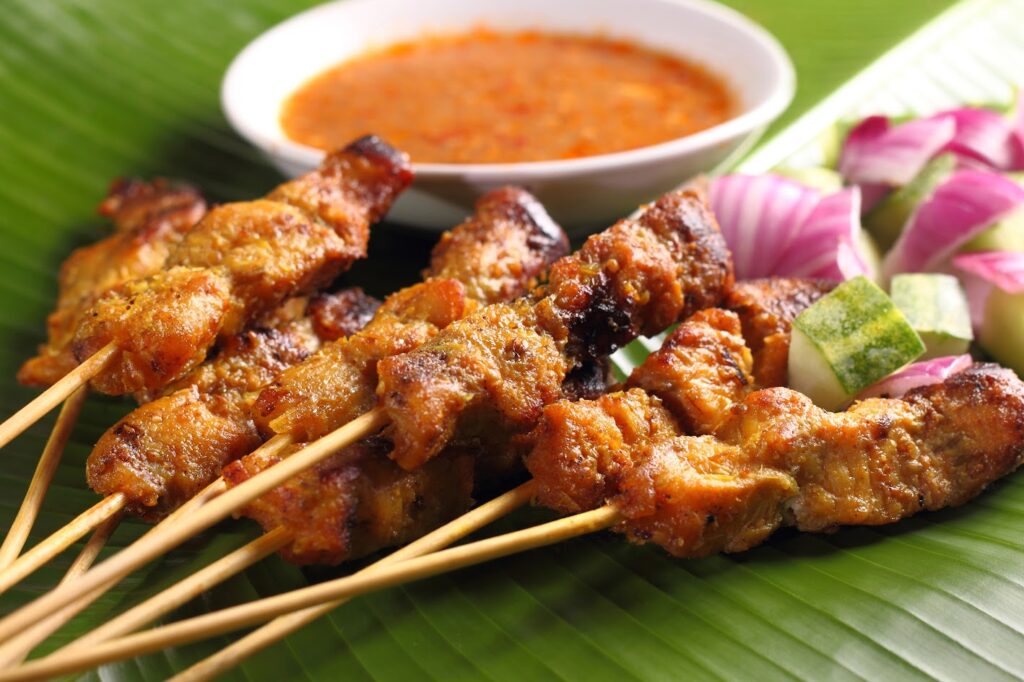
Satay is undoubtedly among the most beloved Malaysian dishes enjoyed by locals and visitors alike. Thin strips of chicken, beef, lamb, or even rabbit meat are marinated with turmeric, lemongrass, coriander, and spices before being skewered and grilled over charcoal flames.
The skewers are accompanied by a thick peanut sauce, compressed rice cakes known as ketupat, cucumbers, and onions. The smoky aroma created during grilling is often irresistible and can be detected from considerable distances at night markets.
Kajang, located in Selangor, is widely recognized as Malaysia's satay capital. Restaurants such as Satay Willy and Sate Kajang Haji Samuri attract diners from across the country seeking authentic Kajang-style satay with slightly larger portions and richer peanut sauces.
3. Beef Rendang – Slow-Cooked Perfection
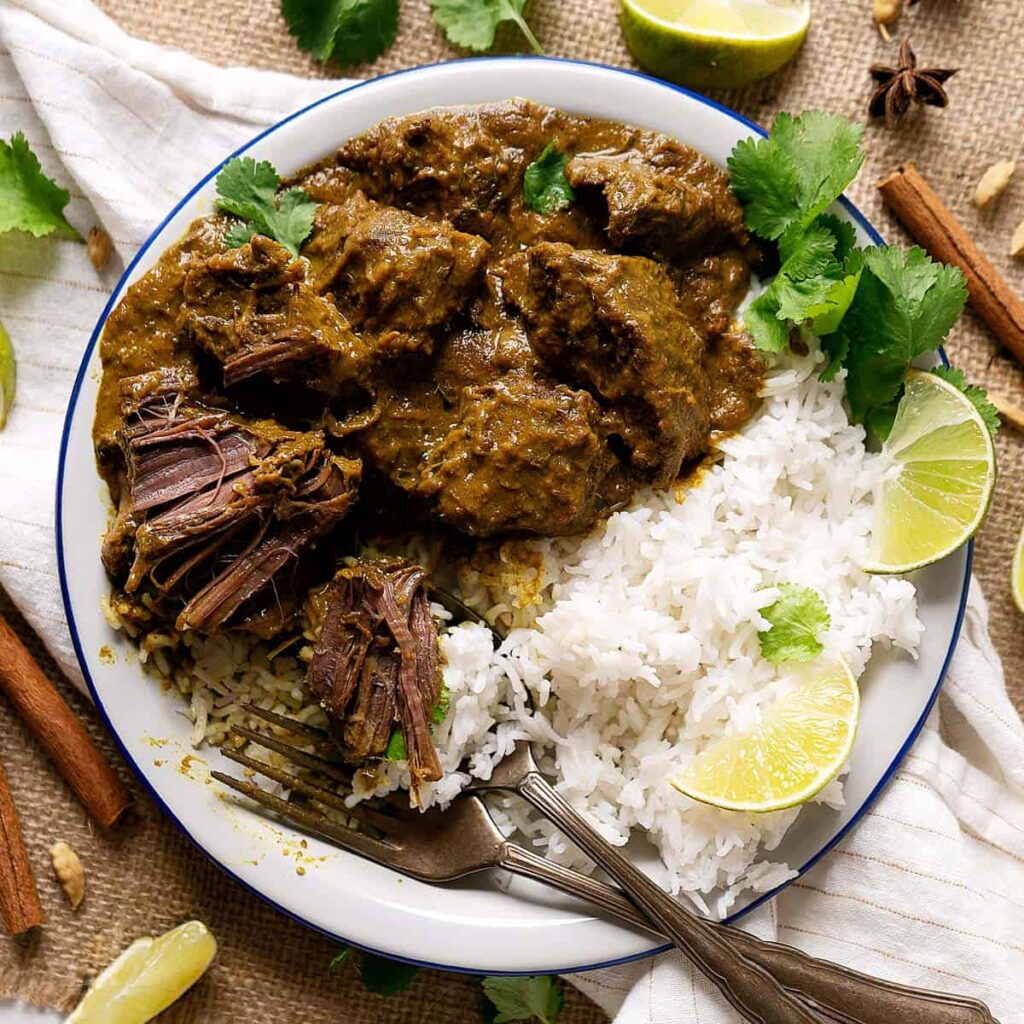
Rich, tender, and deeply flavorful, beef rendang is one of the most luxurious examples of Malaysian food. Originating from the Minangkabau people of Indonesia, rendang has become firmly embedded within Malaysian cuisine and is frequently prepared during festive celebrations such as Hari Raya Aidilfitri.
Chunks of beef are slowly simmered for several hours in coconut milk, lemongrass, galangal, ginger, garlic, turmeric, and chilies until the liquid evaporates and coats the meat in a thick caramelized spice mixture. The lengthy cooking process allows the meat to absorb the complex flavors while becoming exceptionally tender.
Rendang is commonly served alongside nasi lemak, steamed rice, or ketupat, transforming an ordinary lunch into an indulgent Malaysia meal enjoyed by families and guests during special occasions.
4. Char Kway Teow – Penang's Famous Noodles
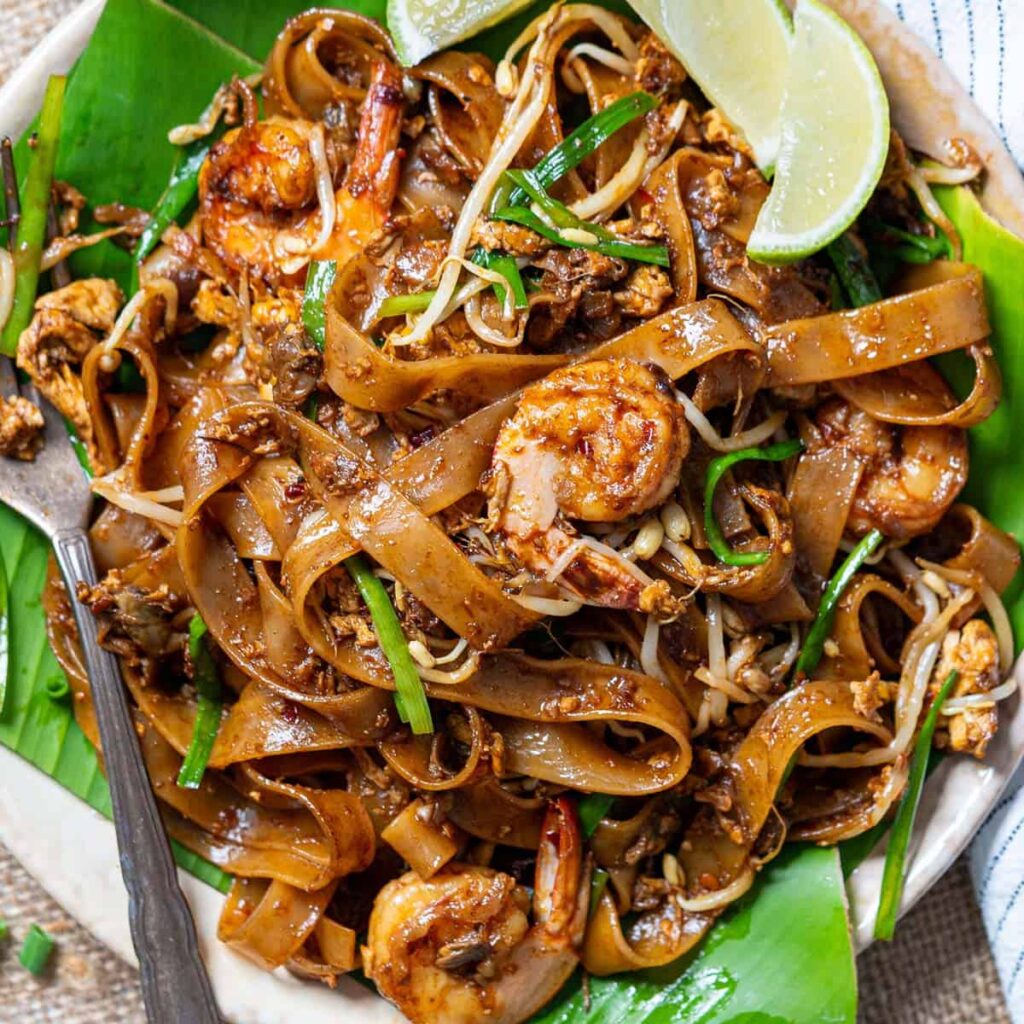
Char kway teow is one of Penang's most iconic Malaysian dishes and remains a favorite among street-food enthusiasts. Flat rice noodles are stir-fried at extremely high temperatures with prawns, Chinese sausage, bean sprouts, eggs, garlic chives, and soy sauce.
Skilled hawkers cook the dish quickly over powerful flames to create "wok hei," a smoky aroma considered essential for authentic char kway teow. Some vendors also include cockles, squid, or mantis shrimp for additional flavor.
Penang's Lorong Selamat and Siam Road are particularly famous for their long-established char kway teow stalls, where generations of families have perfected recipes passed down through decades. Many visitors consider tasting this noodle dish an indispensable part of exploring Malaysia's northern culinary traditions.
5. Penang Asam Laksa – A Tangy Seafood Delight
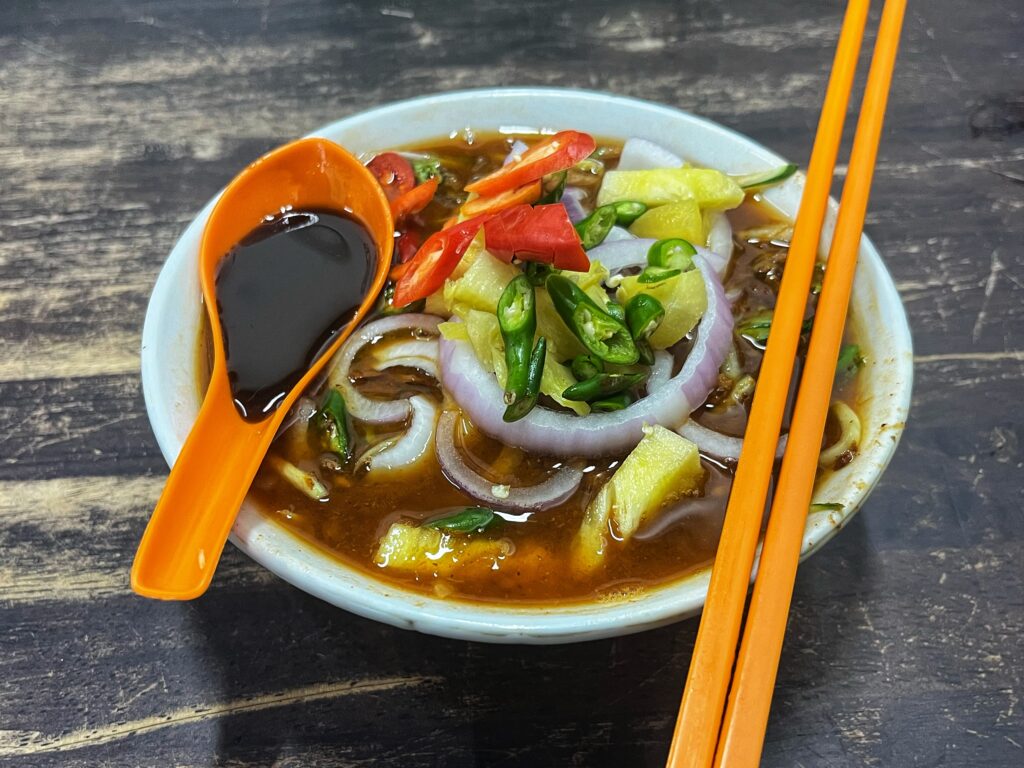
Penang Asam Laksa stands apart from other noodle soups and represents one of the most distinctive examples of Malaysian food. Unlike creamy curry-based laksa varieties, this version features a sour and spicy broth prepared using mackerel, tamarind, lemongrass, torch ginger flower, mint leaves, and chilies.
Thick rice noodles are topped with shredded fish, cucumber, onions, pineapple slices, and fresh herbs before being finished with a spoonful of shrimp paste. The combination of sweet, salty, sour, and spicy elements creates an extraordinary balance of flavors.
CNN Travel once included Penang Asam Laksa among the world's best foods, and many travelers specifically visit Air Itam Market near Kek Lok Si Temple to sample some of the city's most authentic bowls.
6. Curry Laksa – A Bowl of Creamy Comfort
Among the most satisfying Malaysian dishes, curry laksa is loved for its rich coconut-based broth and fragrant spices. Unlike Penang's sour asam laksa, curry laksa features a creamy soup prepared using coconut milk, turmeric, galangal, dried chilies, shrimp paste, and lemongrass. The bowl is usually filled with yellow noodles, vermicelli, tofu puffs, shrimp, chicken, bean sprouts, fish cakes, and boiled eggs.
Kuala Lumpur and Johor Bahru are particularly known for excellent curry laksa stalls, while Katong Laksa in neighboring Singapore showcases a slightly different variation. The combination of spicy, sweet, and savory flavors makes this noodle soup a comforting Malaysia meal, especially during rainy afternoons. Many locals enjoy pairing it with sambal for an extra layer of heat.
7. Roti Canai – Malaysia's Favorite Breakfast Bread
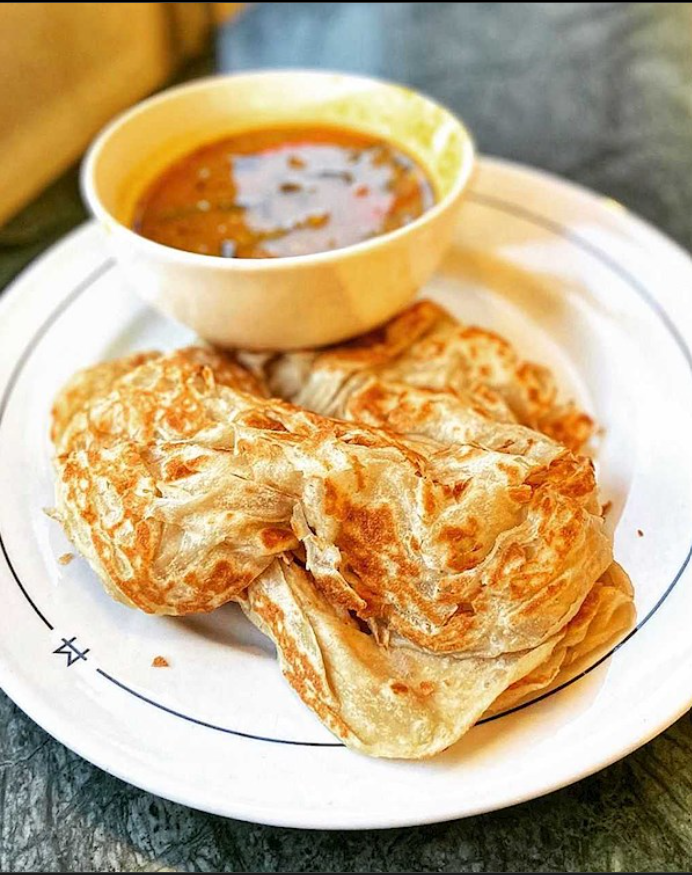
Flaky, crispy, and wonderfully buttery, roti canai remains one of the most recognizable examples of Malaysia food. Introduced by Indian Muslim communities, the flatbread is skillfully stretched, folded, and fried on a hot griddle until it develops delicate layers.
Traditionally, roti canai is served with dhal curry, chicken curry, or fish curry. Numerous modern versions are also available, including roti telur containing eggs, roti planta made with margarine, and sweet varieties filled with bananas, chocolate, or condensed milk.
Mamak restaurants across Malaysia prepare fresh roti throughout the day, although it is most commonly eaten for breakfast. Combined with a glass of frothy teh tarik, it creates one of the country's most iconic morning dining experiences. Malaysia's breakfast culture featuring roti canai has even received international recognition for its cultural significance.
8. Nasi Kandar – Penang's Legendary Rice Feast
Penang's celebrated nasi kandar represents one of the most indulgent Malaysian dishes available throughout the country. Originating from Tamil Muslim traders in Penang during the early twentieth century, the dish consists of steamed rice accompanied by numerous curries, fried chicken, seafood, vegetables, and boiled eggs.
One distinctive feature of nasi kandar is the practice known as banjir, meaning "flooded," where several curry gravies are generously poured over the rice to create an extraordinary mixture of flavors. Popular accompaniments include fried chicken, squid sambal, okra, beef curry, and papadums.
Hameediyah Restaurant in George Town, established in 1907, is often regarded as one of the oldest and most respected nasi kandar establishments in Malaysia. Sampling nasi kandar there transforms an ordinary lunch into an unforgettable Malaysia meal.
9. Hainanese Chicken Rice – Simplicity at Its Finest
Although originally introduced by Chinese immigrants from Hainan, chicken rice has become deeply integrated into Malaysian food culture. The dish consists of poached chicken served alongside fragrant rice cooked in chicken stock, garlic, ginger, and pandan leaves.
Accompaniments usually include cucumber slices, clear chicken broth, ginger paste, dark soy sauce, and chili sauce. Despite its simple appearance, preparing excellent chicken rice requires careful attention to cooking temperatures and seasoning balance.
Melaka and Ipoh are particularly famous for their chicken rice shops, while Melaka's unique chicken rice balls offer a distinctive regional twist. Visitors often appreciate the dish because it provides a lighter alternative to Malaysia's spicier specialties.
10. Mee Goreng Mamak – The Ultimate Street Noodles
Mee goreng mamak remains one of the most popular Malaysian dishes served at Indian Muslim eateries throughout the country. Thick yellow noodles are stir-fried with potatoes, tofu, tomatoes, eggs, bean sprouts, chilies, soy sauce, and lime juice to create a flavorful and slightly spicy noodle dish.
Many vendors add prawns, chicken, squid, or beef depending on customer preferences. The noodles acquire a characteristic reddish-orange hue from chili paste and tomato sauce, while the squeeze of lime adds refreshing acidity.
Mee goreng mamak is widely available at roadside stalls and twenty-four-hour mamak restaurants, making it a favorite late-night supper option. Combined with iced Milo or teh tarik, it becomes a comforting and affordable Malaysia meal enjoyed by students, families, and office workers alike.
11. Nasi Kerabu – Malaysia's Most Colorful Rice Dish
Originating from Kelantan and Terengganu on Malaysia's east coast, nasi kerabu is undoubtedly among the most visually striking examples of Malaysian food. The rice obtains its distinctive blue hue from butterfly pea flowers, creating a vibrant presentation rarely seen elsewhere.
The dish is accompanied by grilled fish or fried chicken, salted egg, fish crackers, fresh herbs, coconut, pickled vegetables, and spicy sambal. The abundance of herbs gives nasi kerabu a refreshing aroma and lighter flavor profile compared with heavier curry dishes.
Traditionally associated with Kelantanese cuisine, nasi kerabu has gained popularity throughout Malaysia in recent decades and is increasingly available in Kuala Lumpur cafés and restaurants.
Also Read - 15 Must-Try Chinese Cuisine Hong Kong Dishes: Ultimate Hong Kong Food Guide
12. Banana Leaf Rice – A South Indian Culinary Tradition
Banana leaf rice has become one of the most beloved dishes, particularly within the Tamil community. Steamed white rice is served directly on a fresh banana leaf and accompanied by dhal, vegetables, pickles, papadums, and aromatic curries. Diners may also add fried fish, mutton curry, chicken varuval, or squid sambal for a more substantial feast.
Restaurants specializing in banana leaf rice can be found throughout Kuala Lumpur, Brickfields, and Petaling Jaya. The banana leaf subtly enhances the aroma of the rice while also serving as an environmentally friendly plate. Eating with one's hands remains customary and is believed to enhance appreciation of textures and flavors.
13. Rojak – Malaysia's Unique Fruit and Vegetable Salad
Sweet, spicy, tangy, and refreshing, rojak is one of the most distinctive dishes found throughout the country. This colorful salad combines pineapple, cucumber, green mango, jicama, bean sprouts, tofu puffs, and fried dough fritters tossed in a thick dressing made from shrimp paste, palm sugar, lime juice, and crushed peanuts. In Penang, hawkers often add cuttlefish and local fruits to enhance the flavor profile.
Rojak perfectly demonstrates Malaysia's multicultural culinary identity, blending Chinese and Malay influences into a harmonious dish. It is usually enjoyed as a light afternoon snack rather than a full Malaysia meal and is particularly popular at Penang's famous hawker centers.
14. Otak-Otak – Malaysia's Aromatic Fish Delicacy
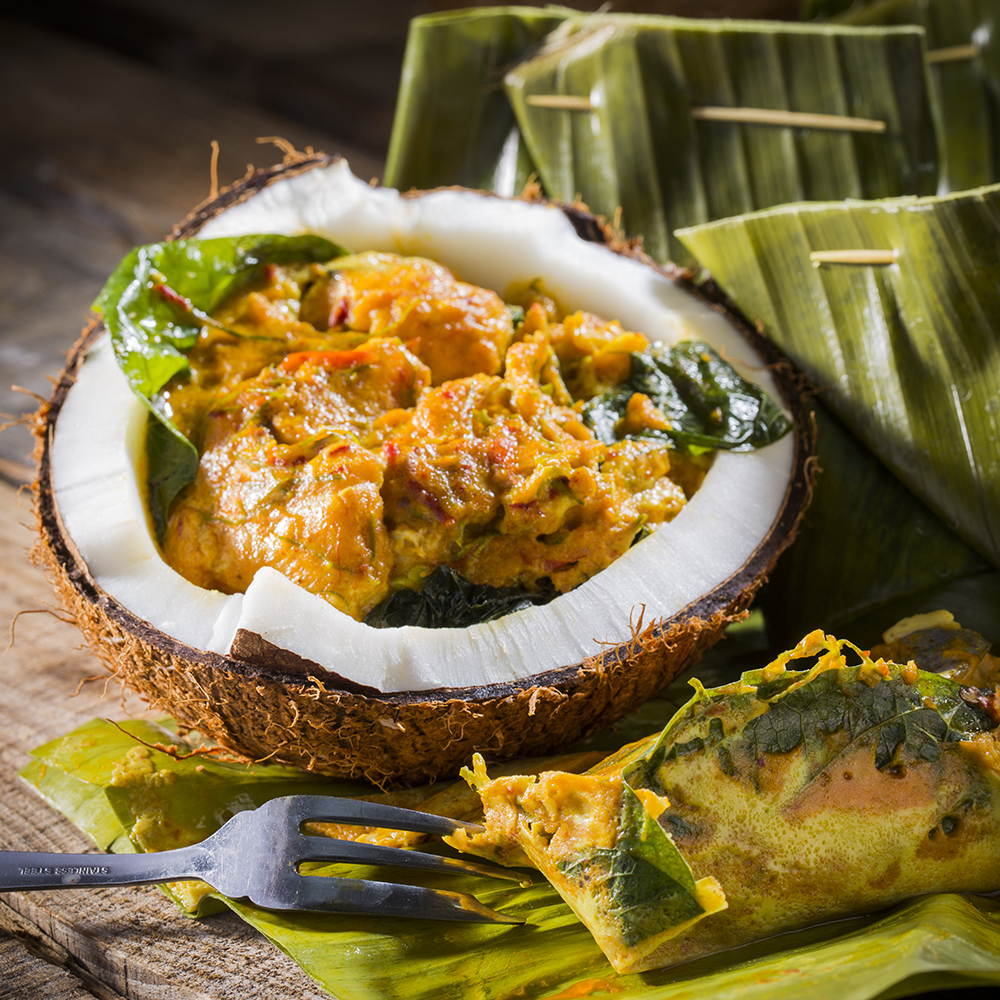
Wrapped in banana leaves or nipa palm leaves and grilled over charcoal, otak-otak is among the most flavorful examples of Malaysian food. The filling consists of finely minced mackerel mixed with coconut milk, turmeric, chili, lemongrass, garlic, and shallots before being steamed or grilled until fragrant. Southern Johor, especially the town of Muar, is widely recognized for producing some of Malaysia's finest otak-otak.
The smoky aroma from charred leaves enhances the delicate fish custard, creating a snack that is both savory and satisfying. Otak-otak may be eaten on its own or accompanied by steamed rice as a delicious Malaysian meal.
15. Apam Balik – Malaysia's Favorite Pancake Dessert
Apam balik is one of the country's most beloved sweet Malaysian dishes. Often described as a folded pancake, it features a crispy outer layer and a soft, fluffy interior filled with crushed peanuts, sweet corn, sugar, and occasionally grated coconut. Modern versions may include cheese, chocolate, Nutella, or even ice cream.
Street vendors usually prepare apam balik on large circular griddles, allowing customers to watch the batter rise before being folded in half. The combination of crunchy edges and creamy fillings makes it an irresistible treat. It is commonly purchased from night markets and roadside stalls as an afternoon snack rather than a substantial Malaysia meal.
16. Cendol – Malaysia's Most Refreshing Dessert
Few desserts represent Malaysian food better than cendol. This refreshing delicacy consists of green jelly strands made from rice or mung bean flour served with shaved ice, coconut milk, and gula Melaka syrup. Red beans, sweet corn, glutinous rice, and even durian are frequently added to create richer variations.
Melaka and Penang are especially renowned for excellent cendol vendors, many of whom have operated family businesses for decades. On hot tropical afternoons, a bowl of cendol offers welcome relief from Malaysia's humid climate. It is often enjoyed after a spicy Malaysia meal, helping balance the intense flavors associated with curries and sambals.
17. Teh Tarik – Malaysia's National Drink
No culinary exploration would be complete without tasting teh tarik, arguably the country's most iconic beverage. Literally translated as "pulled tea," this frothy drink is prepared by repeatedly pouring hot black tea mixed with condensed milk between two metal containers. The process creates a thick layer of foam while simultaneously cooling the drink.
Teh tarik accompanies countless Malaysian dishes, especially roti canai, mee goreng mamak, and nasi lemak. Watching skilled tea makers stretch streams of tea through the air has become a form of culinary entertainment at mamak restaurants. Whether served hot or iced, teh tarik remains an essential part of everyday Malaysian life.
18. Onde-Onde – Bite-Sized Sweet Perfection
Onde-onde are delightful pandan-flavored glutinous rice balls filled with molten palm sugar and coated with freshly grated coconut. When bitten into, the warm gula Melaka filling bursts into the mouth, creating a pleasant contrast between sweetness and the subtle saltiness of coconut. These colorful treats belong to the extensive family of traditional kuih enjoyed throughout Malaysia.
Onde-onde are commonly found at morning markets, festive celebrations, and neighborhood bakeries. They pair beautifully with tea or coffee and provide a fitting conclusion to a memorable Malaysia meal. Their small size encourages visitors to sample several at once, making them one of Malaysia's most addictive desserts.
Best Places and Times to Experience Malaysian Cuisine
Malaysia's culinary landscape changes from region to region, making food exploration an exciting journey. Penang is celebrated for char kway teow, asam laksa, and rojak, while Kuala Lumpur offers outstanding nasi lemak, banana leaf rice, and mamak specialties. Melaka is famous for cendol and Peranakan cuisine, whereas Johor is known for excellent otak-otak.
Breakfast hours between 7:00 AM and 10:00 AM are ideal for nasi lemak, roti canai, and teh tarik. Lunch is perfect for nasi kandar, chicken rice, and banana leaf rice, while evenings are best spent wandering through hawker centers and night markets. Ramadan bazaars, usually held annually before Hari Raya Aidilfitri, are particularly rewarding for travelers hoping to sample dozens of authentic Malaysian dishes in one place.
Conclusion
Food in Malaysia is much more than nourishment—it is a reflection of centuries of migration, cultural exchange, and shared traditions. Every recipe carries stories of families, communities, and regional identities that have shaped the nation's culinary heritage. Whether savoring fragrant nasi lemak at sunrise, enjoying smoky satay beneath glowing lanterns, or ending the evening with a bowl of icy cendol, travelers quickly understand why Malaysian food has earned global admiration.
The country's extraordinary diversity ensures that every meal introduces new flavors, aromas, and textures waiting to be discovered. More than simply eating, dining in Malaysia becomes an immersive cultural experience, leaving visitors with cherished memories and a longing to return for just one more unforgettable bite.




Comments 0
Only approved comments are shown here.