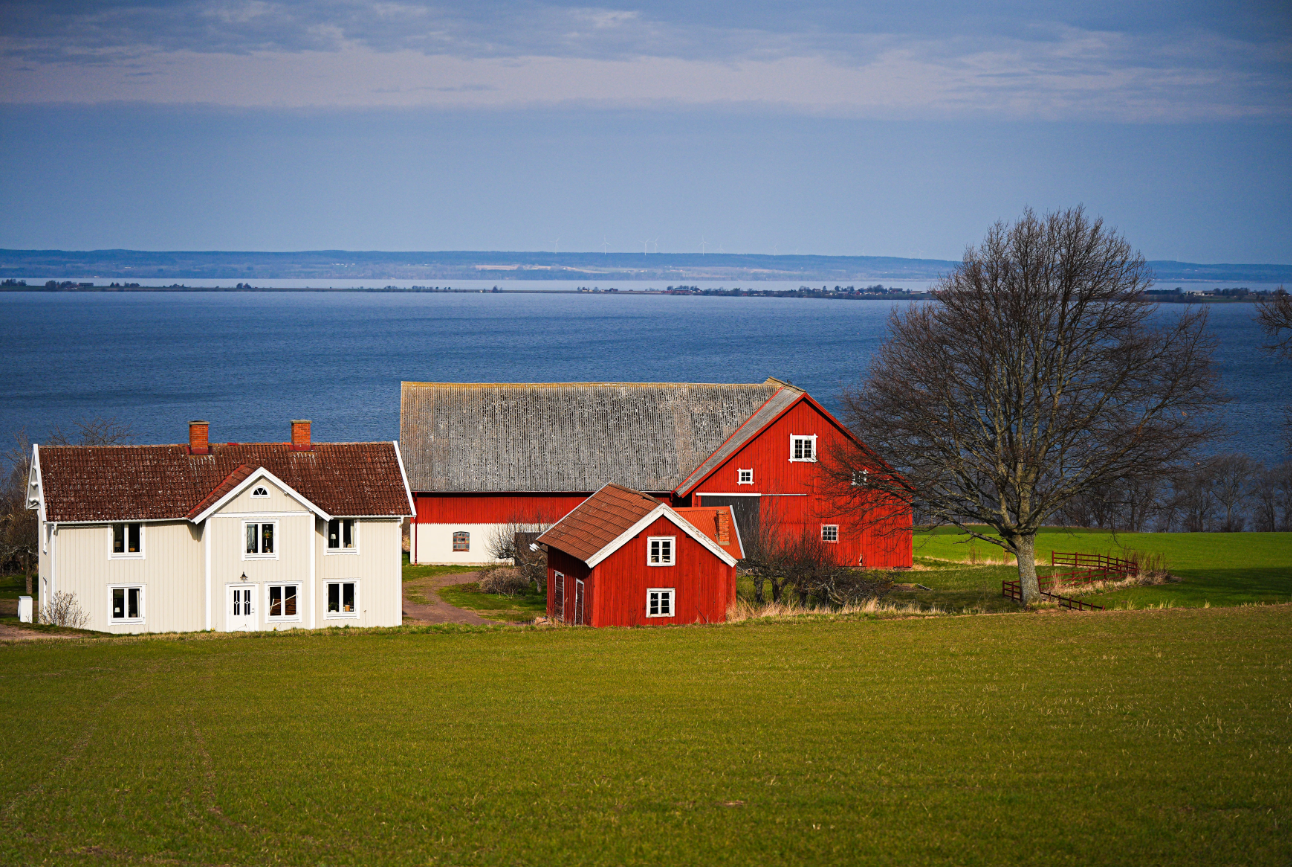
Planning a trip to Scandinavian countries means choosing between some of Europe's most distinctive destinations, where sophisticated cities meet forests, fjords, islands, lakes and Arctic landscapes. Strictly speaking, Scandinavia consists of Denmark, Norway and Sweden. Finland and Iceland belong to the wider Nordic region, although travelers frequently include all five countries when planning a Scandinavian-style itinerary.
Deciding on the best Nordic country to visit depends largely on what you want from your holiday. Norway excels in dramatic natural scenery, Sweden combines sophisticated cities with vast wilderness, Denmark offers compact cultural experiences, Finland specializes in lakes, forests and sauna culture, while Iceland delivers extraordinary volcanic landscapes.
This post contains affiliate links. If you choose to book through them, a small commission may be earned at no additional cost to you. Your support genuinely helps keep the blog running and allows continued creation of high-quality travel guides. Thank you for being here and supporting this journey.
1. Denmark – Best for Culture, Food and Easy Exploration
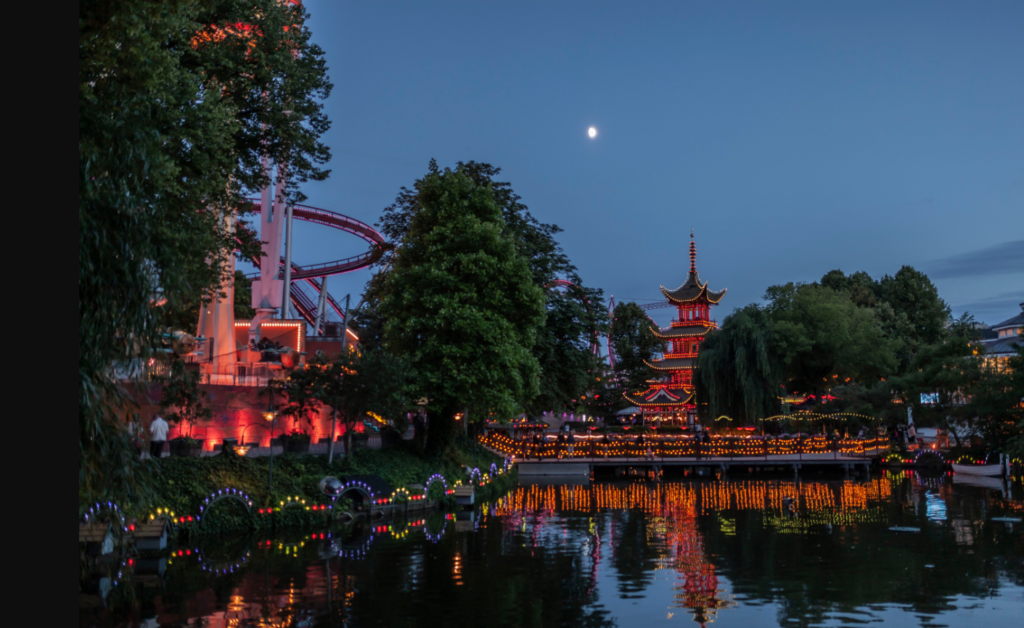
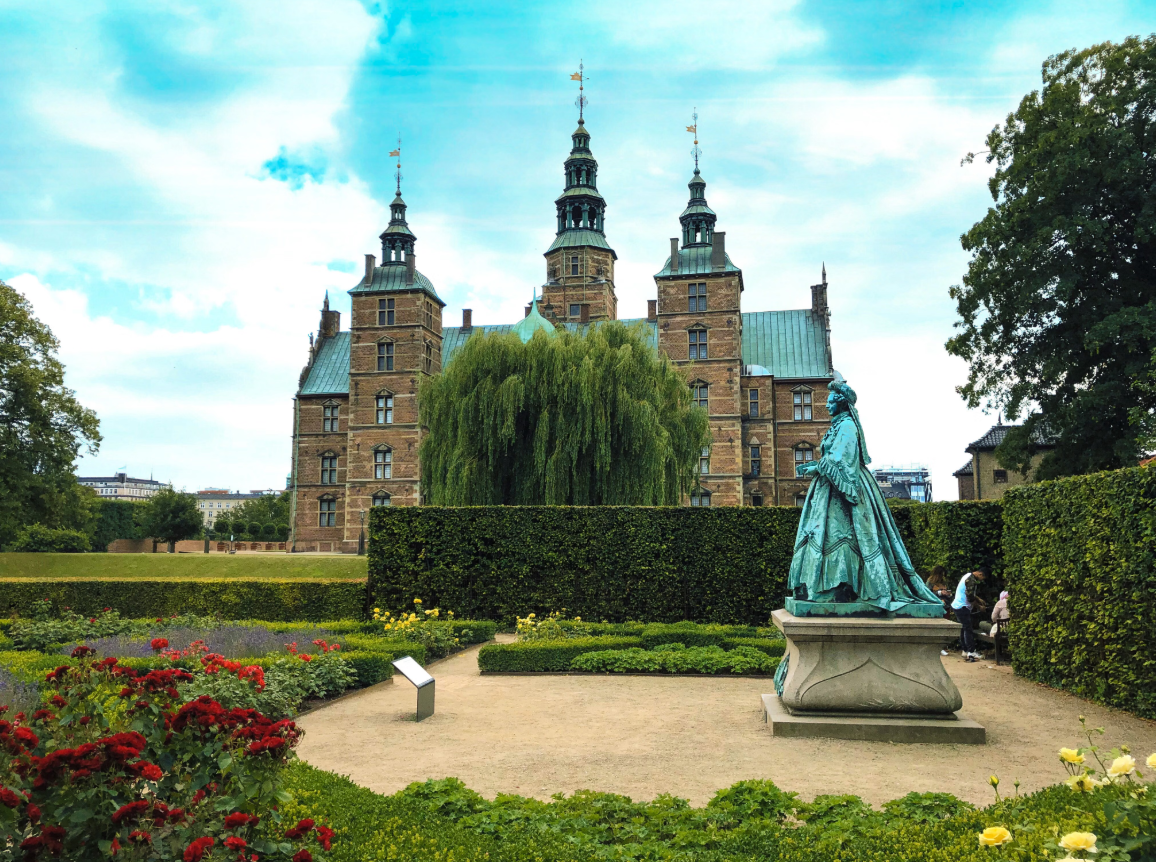
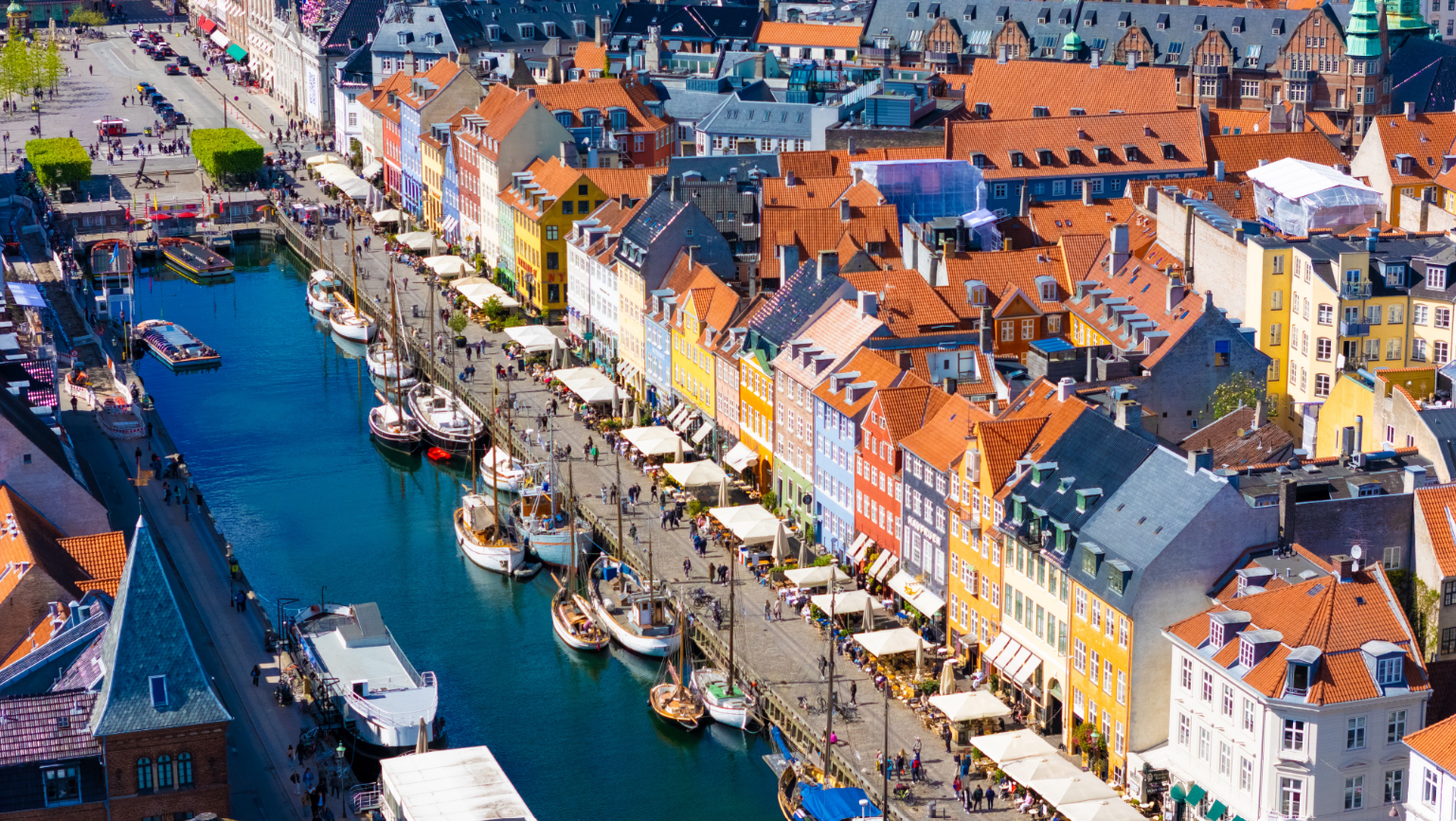
Denmark is an excellent starting point for a trip to Scandinavian countries, particularly for first-time visitors who want to combine culture, architecture, food and history without covering enormous distances. Copenhagen offers royal palaces, canals, colorful Nyhavn, Tivoli Gardens, museums and internationally renowned dining.
Outside the capital, travelers can discover Viking heritage in Roskilde and Jelling, Shakespearean associations at Kronborg Castle, the white cliffs of Møns Klint and the beaches and dunes of Jutland. Denmark's official tourism organization emphasizes the country's combination of Viking history, design, architecture and food as reasons to begin a Scandinavian journey there.
Denmark's relatively compact geography is another advantage. It is easier to combine cities, castles, countryside and coast within a shorter itinerary than in some larger Nordic destinations.
Best for: first visits, city breaks, food, cycling, castles and families.
2. Norway – Best for Spectacular Natural Scenery
For many nature enthusiasts, Norway is the best Nordic country to visit. Its defining attractions include enormous fjords, mountains, waterfalls, Arctic landscapes and some of Europe's most spectacular scenic roads and rail journeys.
Sognefjord, Geirangerfjord, Hardangerfjord and Lysefjord are among the country's celebrated fjord landscapes, while journeys such as the Flåm Railway add another dimension to sightseeing. Bergen provides a useful gateway to western Norway, while Tromsø is a major destination for Arctic experiences.
Summer brings long daylight hours and excellent hiking opportunities. Winter transforms northern Norway into a destination for aurora hunting, dog sledding and snowy landscapes.
Norway is particularly rewarding when travelers allow enough time to move beyond Oslo. The country's extraordinary geography is the main event, so rushing between cities can mean missing what makes Norway special.
Best for: fjords, hiking, photography, scenic railways and Arctic adventures.
3. Sweden – Best All-Round Nordic Experience
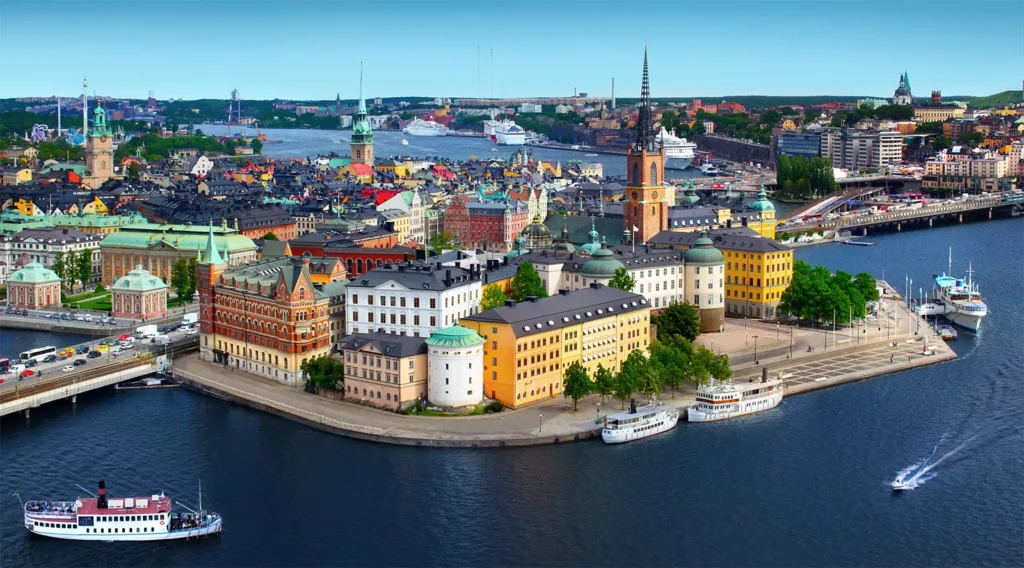
Sweden makes a compelling addition to a trip to Scandinavian countries because it offers an unusually balanced combination of cities, history, islands, forests and wilderness.
Stockholm is spread across islands and combines royal heritage, historic Gamla Stan, contemporary Scandinavian design and renowned museums. Beyond the capital lies an enormous archipelago, while destinations farther north offer increasingly remote landscapes.
Sweden's scale also allows very different holidays within the same country. Travelers can enjoy an urban weekend in Stockholm, escape to an island cabin, explore forests and lakes or travel north toward Swedish Lapland.
This variety makes Sweden particularly attractive to travelers who cannot decide between a city-focused and nature-focused Nordic holiday. It lacks Norway's concentration of dramatic fjords but compensates with breadth, accessibility and cultural variety.
Best for: city-and-nature combinations, islands, design, road trips and longer holidays.
4. Finland – Best for Lakes, Saunas and Winter Experiences
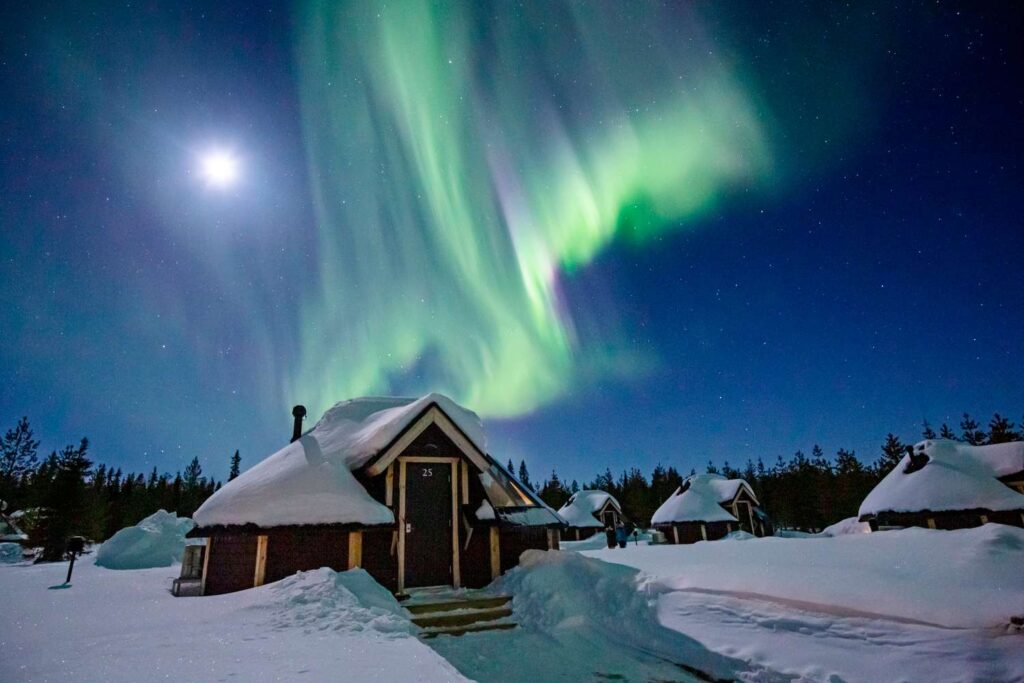
Finland could be the best Nordic country to visit for travelers seeking tranquility and immersive experiences in nature. Forests and lakes dominate much of its landscape, while sauna culture forms an important part of Finnish everyday life.
Helsinki provides architecture, museums, design and easy access to the UNESCO-listed Suomenlinna sea fortress. Farther north, Finnish Lapland delivers an entirely different experience, with snowy forests and opportunities for winter activities.
Finland is particularly attractive to travelers who prefer quiet landscapes to crowded sightseeing schedules. Summer offers extremely long northern days, while winter creates opportunities to experience snow-covered Lapland and the aurora.
The wider Nordic region is famous for seasonal natural phenomena: June through August is recommended for the Midnight Sun, while roughly October through March offers opportunities for Northern Lights experiences.
Best for: saunas, lakes, cabins, Lapland, winter holidays and slow travel.
5. Iceland – Best for Otherworldly Landscapes
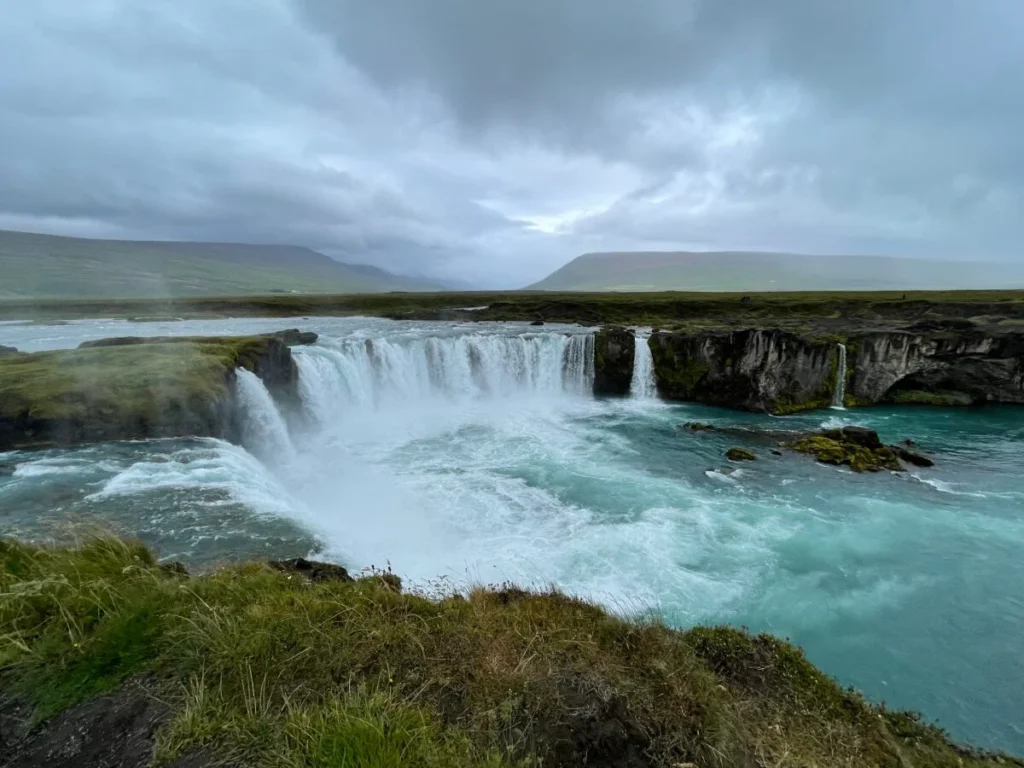
Although Iceland is Nordic rather than geographically Scandinavian, it frequently forms part of a broader trip to Scandinavian countries. For travelers prioritizing extraordinary landscapes, it is difficult to overlook.
Volcanoes, glaciers, geothermal areas, waterfalls, black-sand beaches and lava fields create scenery markedly different from mainland Scandinavia. The Golden Circle provides a convenient introduction, while the Ring Road enables visitors with more time to experience a much broader selection of landscapes.
Reykjavík serves as the country's cultural and transportation hub, but Iceland's strongest attractions generally lie beyond the capital. VisitNordic highlights Iceland's volcanoes, glaciers and waterfalls as defining features of the wider Nordic region.
Iceland works particularly well for road trips and travelers whose primary goal is outdoor photography and geological scenery rather than extensive urban sightseeing.
Best for: waterfalls, volcanoes, glaciers, road trips and photography.
Which Is the Best Nordic Country to Visit?
There is no single winner for every traveler. A useful way to choose is to match the country with your main travel priority:
| Country | Best For | Ideal First Stop |
|---|---|---|
| Denmark | Food, design, history, easy travel | Copenhagen |
| Norway | Fjords, mountains, scenery | Bergen/Oslo |
| Sweden | Cities, islands, nature | Stockholm |
| Finland | Lakes, sauna, Lapland | Helsinki |
| Iceland | Volcanoes, glaciers, road trips | Reykjavík |
For a first Nordic city break, Denmark is arguably the easiest introduction. For the most dramatic natural landscapes, Norway is difficult to beat. Sweden provides perhaps the most balanced combination of city and nature, while Finland excels at quiet wilderness and winter experiences. Iceland is the standout choice for geology and adventurous road trips.
Even Denmark's tourism authority acknowledges that Norway has the fjords, Sweden the forests and Finland the lakes, while positioning Denmark particularly strongly for food, design and accessible cultural experiences.
Best Time for a Trip to Scandinavian Countries
Timing should depend on the experience you want rather than simply looking for the warmest month.
June to August is ideal for long daylight hours, road trips, hiking, islands and the Midnight Sun in northern regions. Summer is also one of the easiest seasons for combining multiple Nordic capitals.
May and September can be attractive shoulder-season months for travelers hoping to avoid the busiest summer periods.
For snow, winter sports and Arctic landscapes, travel between approximately January and March. Aurora-focused travelers generally have a broader season extending from autumn into early spring, although sightings can never be guaranteed.
Suggested 14-Day Scandinavian Itinerary
Travelers wanting several countries rather than choosing only one could structure a two-week itinerary around the major capitals and one significant natural region:
Days 1–3: Copenhagen, Denmark
Explore Nyhavn, royal Copenhagen, Tivoli and nearby castles.
Days 4–6: Oslo and Norway
Explore Oslo before continuing toward a fjord region.
Days 7–9: Stockholm, Sweden
Discover Gamla Stan, museums and the Stockholm archipelago.
Days 10–11: Helsinki, Finland
Experience Finnish design, sauna culture and Suomenlinna.
Days 12–14: Add extra nature days in Norway, Sweden or Finland rather than rushing into another country.
Trying to cover Denmark, Norway, Sweden, Finland and Iceland properly within two weeks would generally result in too much time spent moving between destinations. Iceland is better treated as a separate extension unless the overall trip is longer.
Scandinavia or the Nordic Countries: What's the Difference?
The terminology can be confusing. In the conventional geographical and cultural definition, Scandinavia consists of Denmark, Norway and Sweden.
The Nordic countries encompass Denmark, Norway, Sweden, Finland and Iceland, along with associated territories including Greenland, the Faroe Islands and Åland.
Therefore, an itinerary through Copenhagen, Oslo and Stockholm is clearly Scandinavian. Adding Helsinki or Reykjavík turns it into a broader Nordic journey.
Final Thoughts
A trip to Scandinavian countries works best when it is designed around experiences rather than simply collecting countries. Copenhagen and Stockholm provide sophisticated urban culture, Norway introduces breathtaking fjords and mountains, while the wider Nordic region adds Finland's forests and lakes and Iceland's volcanic scenery.
Determining the best Nordic country to visit ultimately comes down to priorities. Choose Denmark for an accessible blend of food, history and design; Norway for dramatic landscapes; Sweden for a balanced city-and-nature holiday; Finland for peaceful wilderness and winter experiences; or Iceland for geological adventure.
For first-time travelers with around 10–14 days, visiting two or three countries usually creates a more rewarding itinerary than attempting all five. With more time, combining the capitals with fjords, archipelagos, countryside or Arctic landscapes reveals why Northern Europe offers much more than its famous cities.

Comments 0
Only approved comments are shown here.