
Europe travel guide cover

Europe Travel Guide

Explore Europe
Advertisement

TraveliciousBites' Europe Travel Guide covers the cities, countryside, and coastlines that make the continent one of the most popular destinations for US travelers. Whether you're planning a first-time trip through Western Europe's capitals or a slower, single-country exploration, this guide breaks down when to visit, what to budget, and how to plan a route across a continent with more countries and cultures than any single trip can cover, based on the same research standards we apply across every region we cover, with special attention to how regional value and climate differences should shape your itinerary.

Best Time to Visit Europe

April through June and September through October deliver Europe's most comfortable travel weather across most of the continent, avoiding both summer's peak crowds and winter's cold, short days. July and August bring the warmest weather and longest daylight hours but also the heaviest tourist crowds and highest prices, particularly in popular cities like Paris, Rome, and Barcelona.

Winter suits a dedicated Christmas market trip to Germany or Austria, or a ski trip to the Alps, but general sightseeing itineraries work better in the shoulder seasons. TraveliciousBites recommends booking accommodation in major cities like Paris and Rome months ahead for summer travel, since availability tightens significantly during peak season.

Europe weather and seasonal guidesTap to see articles matched to each season

Top Destinations by Region

  • Western Europe

    — Paris, London, and Amsterdam anchor most first-time itineraries, connected efficiently by train.

  • Southern Europe

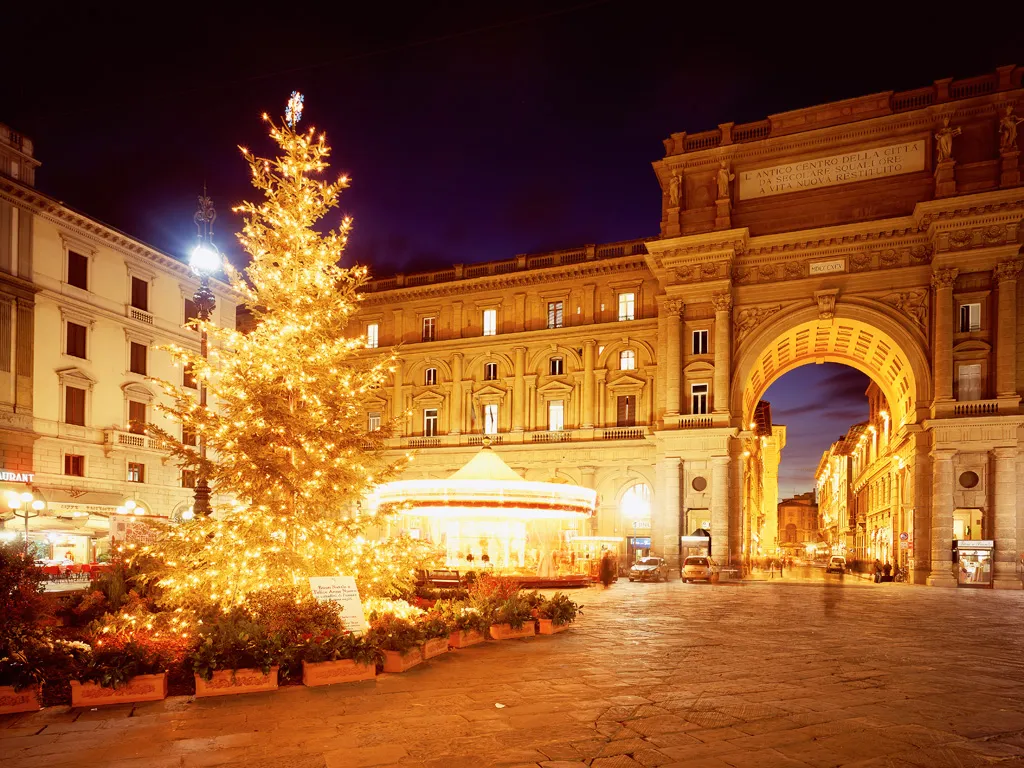
    — Italy, Spain, and Greece offer history, food, and coastline in a warmer climate than northern destinations.

  • Central Europe

    — Germany, Austria, and the Czech Republic combine strong value with rich history and architecture.

  • Scandinavia

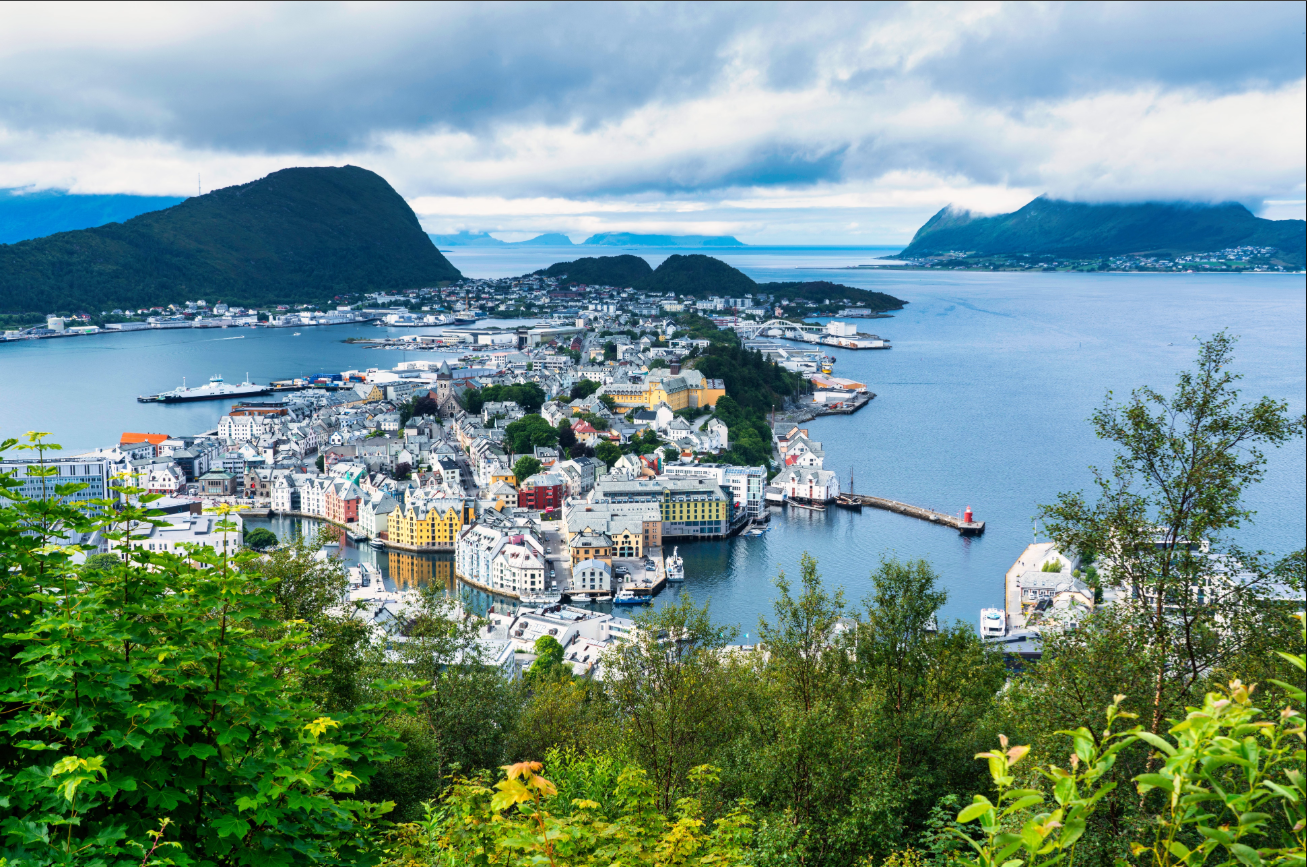
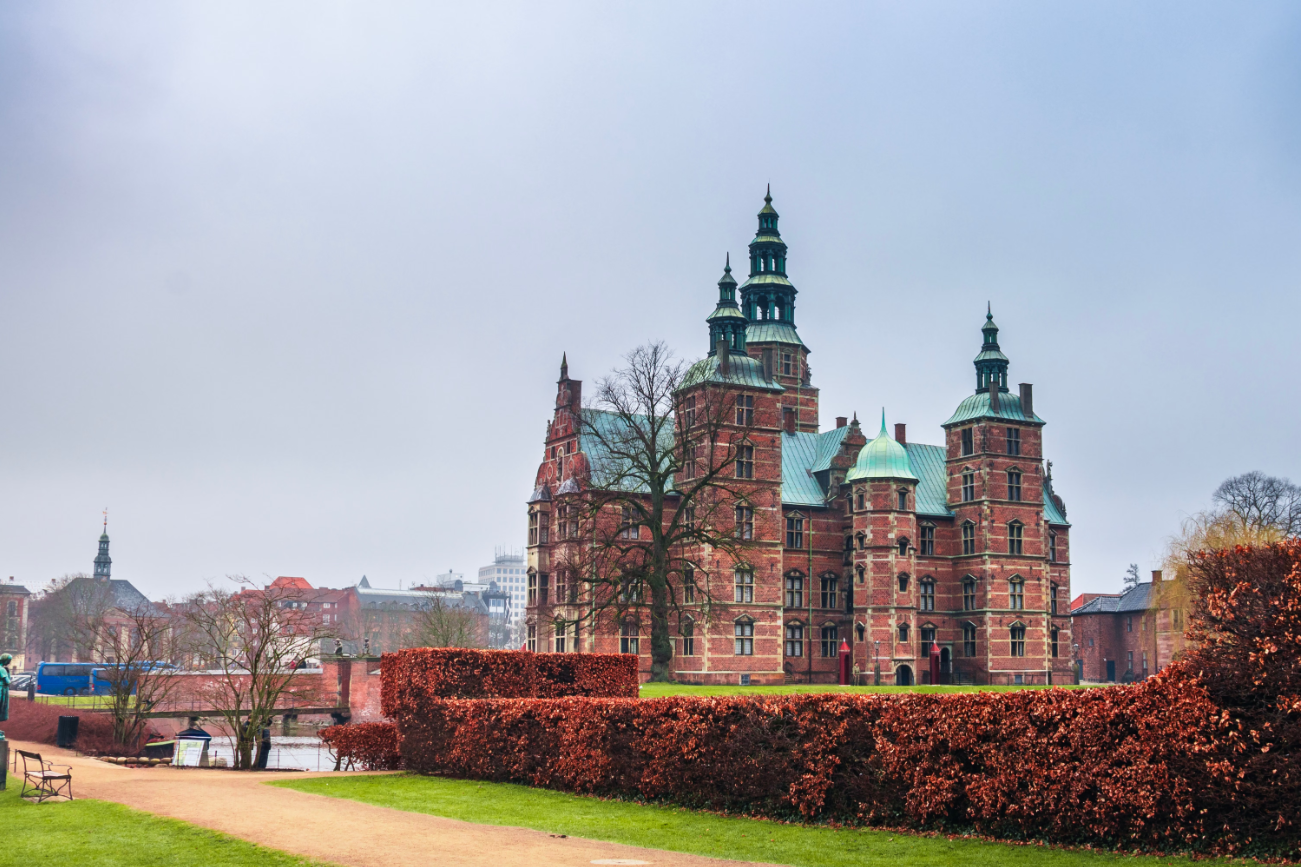
    — Norway, Sweden, and Denmark reward travelers seeking dramatic scenery and design-forward cities, at a higher cost.

  • Eastern Europe

    — Poland, Hungary, and Croatia offer strong value alternatives to Western Europe's pricier capitals.

  • The Mediterranean coast

    — the French Riviera, Amalfi Coast, and Greek islands anchor Europe's premier summer beach destinations.

More Europe destination guidesTap to see related guides
Europe accommodation

Where to Stay

TraveliciousBites recommends basing in each city's historic or central district for a first European trip, prioritizing proximity to major sights and train stations over cost savings on the outskirts.

Boutique hotels and well-located apartments both work well across most of Europe, with apartment rentals often offering better value for stays of four nights or longer.

Train station proximity matters more in Europe than in many other regions, given how central rail travel is to getting between cities.

Europe hotels and places to stayTap to see related guides

Food and Dining

Europe's food scene varies dramatically by region, from Italy's pasta and wine traditions to France's bakery culture and Germany's beer halls.

Southern Europe generally offers better value dining than Northern Europe and Scandinavia, where meals out run considerably more expensive.

Local markets throughout the continent offer an affordable, authentic way to sample regional specialties without relying solely on restaurant dining.

Europe food and dining articlesTap to see related guides

Getting There and Around

Direct flights from the US reach major European gateways like London, Paris, and Frankfurt in 6–9 hours, with connections extending to nearly anywhere else on the continent within a few additional hours. Entry requirements vary by country, though many European countries allow visa-free entry for US citizens for stays under 90 days within the Schengen Area.

Europe's extensive high-speed rail network connects major cities efficiently, often proving more convenient than flying once security and airport transfer time are factored in. Budget airlines offer an affordable alternative for longer intra-European distances not well served by rail.

Europe transport and arrival guidesTap to see related guides

How Much Does a Trip to Europe Cost

Budget$1,800–$2,600Eastern/Southern Europe, hostels & budget stays
Luxury$6,000+Western Europe & Scandinavia, boutique hotels & fine dining

A 12-day multi-country Europe trip typically runs $2,500–$4,000 per person mid-range, covering flights, trains, accommodation, and dining. Southern and Eastern Europe offer meaningfully better value than Western Europe and Scandinavia, so a trip weighted toward Italy, Spain, or Eastern Europe can bring costs down considerably compared to a Paris-London-Amsterdam route.

Europe budget and trip-planning articlesTap to see related guides

Local Tips

  • Book a Eurail pass or individual train tickets in advance for popular routes during peak summer season, since prices rise and seats sell out closer to travel dates.
  • Research each country's specific entry requirements before booking, since rules vary even between neighboring Schengen and non-Schengen countries.
  • Pack layers regardless of season and region, since Europe's climate varies significantly between its northern and southern halves.

Practical Essentials for Europe

  • Most of continental Europe uses two-pin plugs at 230V, though the UK and Ireland use a distinct three-pin type, so confirm your specific destinations before packing an adapter.

  • A European eSIM covering multiple countries offers the most convenient data option for a multi-country trip, typically beating per-country local SIM cards on convenience if not always on price.

  • Tipping customs vary by country but generally run lighter than in the US.

  • Tap water is safe to drink throughout most of Western and Central Europe, though bottled water is advisable in some Eastern European and rural areas.

Advertisement

Latest from Europe Travel

Frequently Asked Questions About Europe

Answers below draw on the same research TraveliciousBites uses across every destination and category guide.

What is the best time of year to visit Europe?

April through June and September through October offer Europe's most comfortable travel weather, avoiding summer's peak crowds and winter's cold, short days.

How many countries should I visit on a first trip to Europe?

Two to three countries work well for a first 10–14 day trip, since covering more risks turning the trip into a rushed transit exercise rather than genuine exploration.

Do US citizens need a visa to visit Europe?

Many European countries allow visa-free entry for US citizens for stays under 90 days within the Schengen Area, though the UK and a few others have their own separate rules.

Is it better to fly or take the train between European cities?

Trains often prove more convenient than flying for city pairs under 4–5 hours apart, once airport security and transfer time are factored into the total flying time.

Which European region offers the best value for budget travelers?

Eastern Europe and parts of Southern Europe, including Poland, Hungary, and Portugal, offer meaningfully better value than Western Europe and Scandinavia.

How much does a two-week Europe trip cost?

A 12-day multi-country Europe trip typically runs $2,500–$4,000 per person mid-range, covering flights, trains, accommodation, and dining.

Is tap water safe to drink in Europe?

Tap water is safe to drink throughout most of Western and Central Europe, though bottled water is advisable in some Eastern European and rural areas.

What is the best way to plan a multi-country Europe itinerary?

Group countries by region and use rail travel to connect them, since Europe's size makes a single trip covering distant regions like Scandinavia and Southern Europe impractical without significant travel time.

Should I get a Eurail pass for a Europe trip?

A Eurail pass makes sense for trips covering many countries with frequent train travel, though individual tickets booked in advance sometimes cost less for a simpler, single-route itinerary.

What should I pack for a multi-country Europe trip?

Pack layers regardless of season and region, since Europe's climate varies significantly between its northern and southern halves, along with a universal adapter for varying plug types.

Is it better to buy Europe flights as one trip or separate one-way tickets?

A single round-trip into one city with a separate return from another (an "open-jaw" ticket) often works better than backtracking to your entry city, especially for a linear multi-country route.

What is the best way to choose which European countries to visit first?

Choose based on personal priorities: Western Europe for iconic landmarks and easy first-time logistics, Southern Europe for food, history, and value, or Scandinavia for scenery and design at a higher cost.

Is Europe safe for solo travelers?

Yes, most of Europe is very safe for solo travelers, with strong tourism infrastructure and low violent crime rates in the regions most visited by first-time travelers.

Do all European countries use the Euro?

No, while most Eurozone countries share the Euro, the UK, Switzerland, and several Eastern European countries use their own separate currencies, so confirm before each border crossing.

What is the best way to save money on a Europe trip?

Traveling in the shoulder season, booking trains in advance, and weighting your itinerary toward Southern or Eastern Europe are the three most effective ways to reduce overall trip costs.

Advertisement