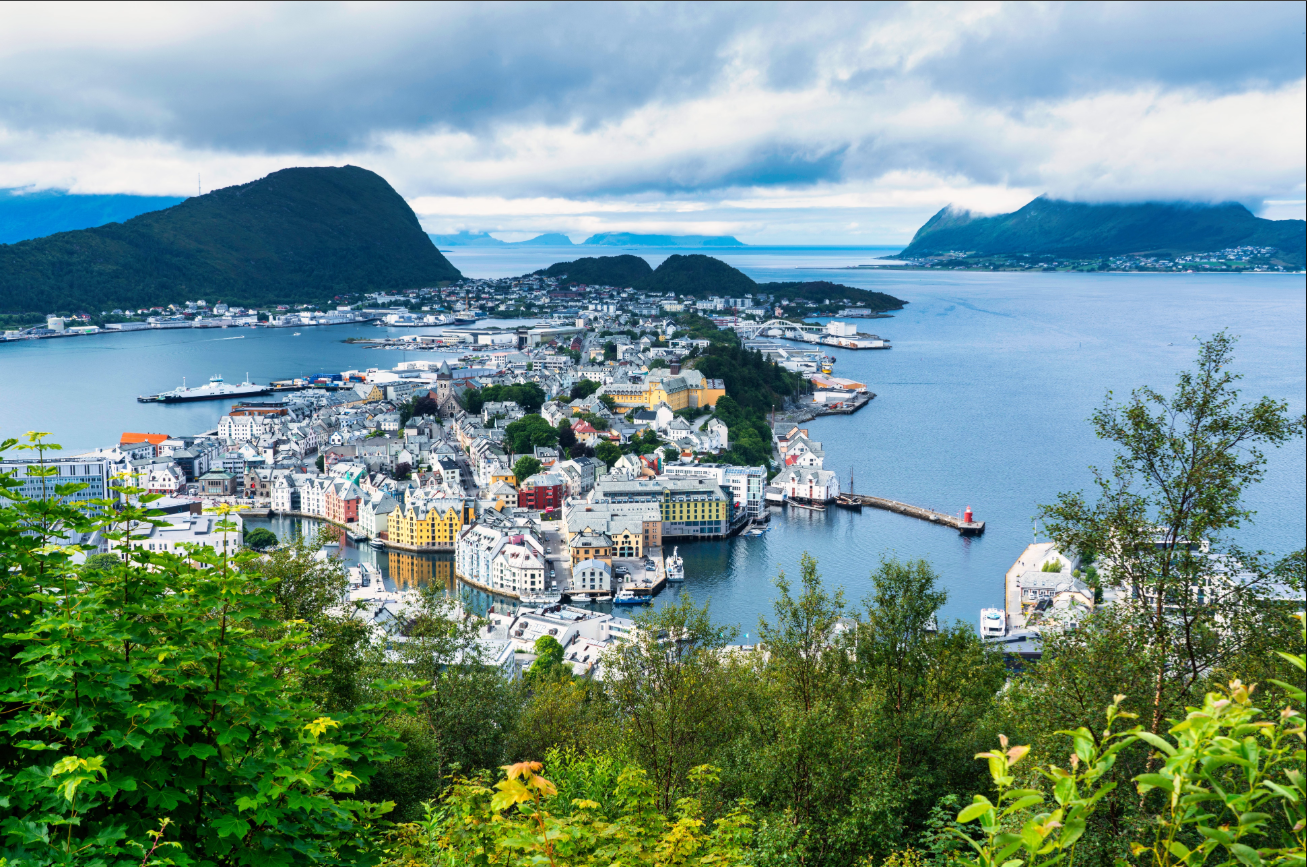
Choosing the best time to visit Scandinavian countries depends heavily on the experience you want. Scandinavia changes dramatically throughout the year, shifting from snowy landscapes and long winter nights to green countryside and exceptionally long summer days.
For most first-time travelers, May through September offers the easiest conditions for sightseeing, road trips, hiking and exploring cities. June to August provides the warmest weather and longest daylight, while May and September can offer a good compromise between favorable conditions and smaller crowds. VisitDenmark, for example, recommends May, early June and September for long days, pleasant temperatures and fewer visitors than the July–August peak.
However, the best time to visit Scandinavia changes completely if seeing the Northern Lights is your priority. Northern Sweden's aurora season generally extends from early September through late March, while Finland recommends September through March for Northern Lights trips in Lapland and other northern regions.
This post contains affiliate links. If you choose to book through them, a small commission may be earned at no additional cost to you. Your support genuinely helps keep the blog running and allows continued creation of high-quality travel guides. Thank you for being here and supporting this journey.
1. January – Snow and Arctic Adventures
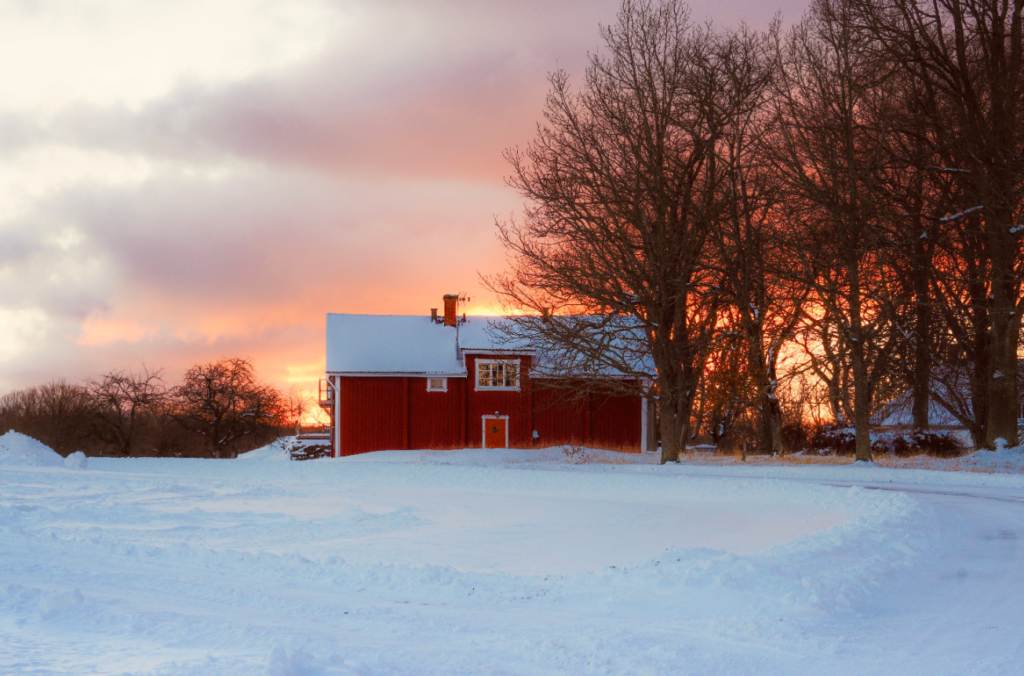
January can be the best time to visit Scandinavian countries for travelers dreaming of deep snow, winter landscapes and Arctic adventures.
Northern Sweden, Finland and Norway offer opportunities for activities such as dog sledding, skiing, snowmobiling and aurora hunting. Temperatures can be severe: Visit Finland notes that Lapland winters can reach around -30°C, making proper winter clothing essential.
The major drawback is daylight. Northern areas experience extremely short days, and locations above the Arctic Circle can encounter polar-night conditions. Stockholm also has limited January daylight compared with summer.
Copenhagen and other southern cities are more manageable, although conditions remain cold.
Best for: Snow, winter activities and Northern Lights.
2. February – Winter Without the Christmas Rush
February remains firmly within the Scandinavian winter and offers excellent conditions for snow-based adventures.
Travelers considering the best time of year to visit Scandinavia for Arctic scenery should seriously consider this period. Northern destinations remain snowy, while daylight gradually increases compared with December and January.
Swedish Lapland is especially appealing. Visit Sweden notes that early spring is considered one of the region's best seasons by many locals because returning sunshine combines with excellent conditions for skiing and snowmobile trips.
Northern Lights remain another major attraction. Clear, dark nights provide opportunities for aurora viewing across northern Sweden and Finland.
February can therefore offer a more balanced winter experience than December: substantial snow remains, but daylight is slowly returning.
Best for: Arctic adventures, snow and aurora hunting.
3. March – Sunshine, Snow and Northern Lights
March is an underrated contender for the best time to visit Scandinavia because northern destinations can combine snow with significantly longer daylight.
Travelers can spend daylight hours skiing, snowshoeing or exploring frozen landscapes before looking for the Northern Lights after dark. Finland's official tourism guidance identifies September through March as the principal Northern Lights period in northern regions.
Southern Scandinavian cities gradually move toward spring, although temperatures remain cool and weather can be unpredictable.
March is particularly attractive for travelers who want a genuine winter trip but find the extremely short days of December and January unappealing.
Accommodation and activity prices still vary significantly according to destination, particularly in popular Arctic resorts.
Best for: Late-winter trips, skiing, longer days and Northern Lights.
4. April – Scandinavia Begins to Change
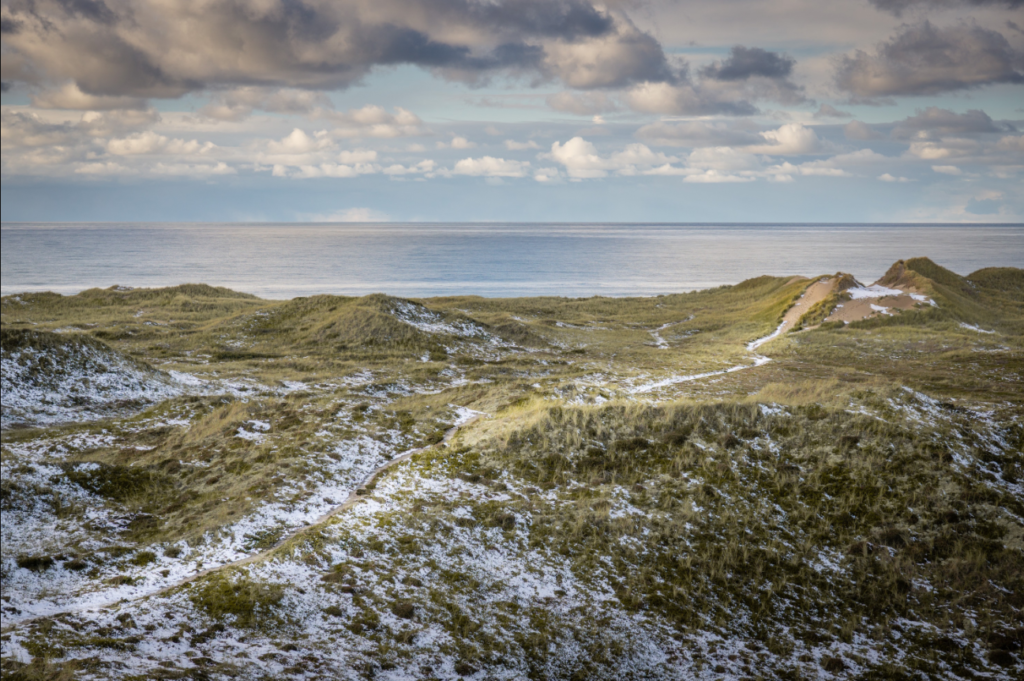
April represents a transition between winter and spring, making it an interesting best time to visit Scandinavian countries for travelers comfortable with unpredictable conditions.
Southern Denmark and Sweden begin becoming greener, while northern areas may still retain substantial snow. Denmark's official tourism guidance describes April and May as its spring months, although temperatures can vary significantly.
This difference between north and south is crucial when planning a Scandinavian itinerary. Copenhagen may feel unmistakably spring-like while northern Sweden remains much closer to winter.
April is therefore better for city breaks than extensive northern road trips. Mountain trails can remain snowy or muddy, while some seasonal tourism operations may be between winter and summer schedules.
Best for: City breaks, spring scenery and lower-season travel.
5. May – One of the Best Months Overall
May is arguably one of the strongest answers to best time to visit Scandinavia for travelers interested primarily in sightseeing.
Days become substantially longer, temperatures improve and landscapes turn increasingly green. Denmark's spring temperatures can reach typical highs around 15.5°C in May, although rain remains possible.
May also comes before the main July–August tourism peak. VisitNordic specifically recommends May as a shoulder-season option offering pleasant temperatures, long days, smaller crowds and potentially lower flight and accommodation prices.
Farther north, conditions remain cooler, and some mountain routes may not yet provide full summer accessibility.
For Copenhagen, Stockholm, Oslo and other southern destinations, however, May offers an excellent combination of spring atmosphere and extended daylight.
Best for: Cities, sightseeing, lower crowds and spring scenery.
6. June – Midnight Sun and Extraordinary Daylight
For many travelers, June is the best time to visit Scandinavian countries.
Summer has arrived, landscapes are green and daylight becomes one of the journey's greatest attractions. Above the Arctic Circle, visitors can experience the Midnight Sun.
In northern Sweden, the phenomenon occurs roughly from late May until mid-July. Northern Norway similarly offers summer nights when the sun does not set above the Arctic Circle.
The long days provide exceptional flexibility for hiking, sightseeing, photography and road trips.
June can also be slightly preferable to July for visitors hoping to enjoy summer before the busiest holiday period.
Best for: Midnight Sun, road trips, hiking and outdoor exploration.
7. July – Peak Scandinavian Summer
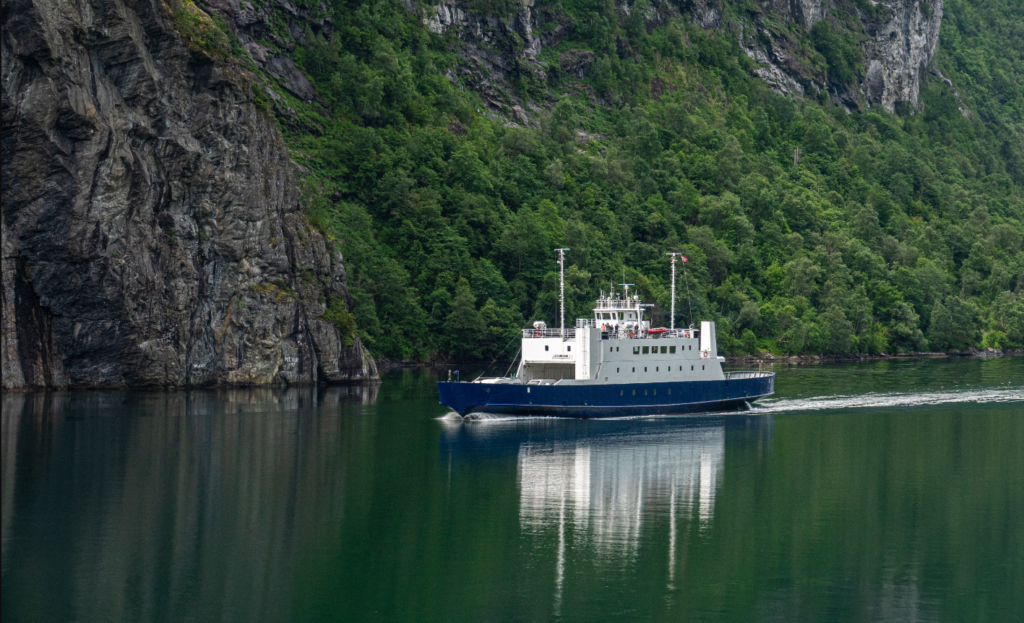
July is the classic best time of year to visit Scandinavia for travelers prioritizing warm weather and outdoor activities.
Norway's fjords become excellent for hiking, cruising and scenic road trips, while Sweden's lakes, islands and countryside are ideal for outdoor adventures. Copenhagen, Stockholm and Oslo become lively with outdoor restaurants, parks and waterfront activities.
Northern Sweden can even experience temperatures exceeding 20°C during summer despite its Arctic and subarctic location.
The disadvantage is popularity. July falls within the main Scandinavian holiday season, meaning accommodation in famous destinations can become more expensive or difficult to secure.
Book well ahead for Norway's fjord regions, popular islands and major cities.
Best for: Warm weather, fjords, hiking, islands and family holidays.
8. August – Warm Weather and Outdoor Adventures
August remains an excellent best time to visit Scandinavia for outdoor-focused travelers.
Denmark records August as statistically its warmest month, with a mean temperature of around 15.7°C, while surrounding seawater during June–August generally ranges from approximately 17°C to 22°C.
Sweden and Norway also retain favorable summer conditions, although evenings gradually become darker later in the month.
That returning darkness can actually be advantageous in northern areas because the transition toward aurora season begins.
August works particularly well for travelers who want to combine city sightseeing with hiking, kayaking, cycling or coastal exploration. Conditions can still change quickly, especially in mountainous and northern areas, so waterproof layers remain useful.
Best for: Outdoor activities, coastal trips and late-summer travel.
9. September – Excellent for Fewer Crowds
September may be the best time to visit Scandinavian countries for travelers who value quieter destinations over maximum warmth.
The peak summer period ends, autumn colors begin appearing and nights become sufficiently dark in northern regions for the Northern Lights to return.
In Swedish Lapland, auroras generally begin appearing around Kiruna in early September. Finland similarly identifies September as the beginning of its main northern aurora period.
Denmark recommends September as a shoulder-season month with pleasant conditions, smaller crowds and potentially better prices than July and August.
The trade-off is increasing rainfall, cooler evenings and shortening daylight.
Best for: Autumn colors, Northern Lights, hiking and smaller crowds.
10. October – Autumn Colors and Darker Nights
October provides a quieter interpretation of the best time to visit Scandinavia, particularly for travelers interested in atmospheric city breaks and autumn landscapes.
Temperatures continue falling and daylight becomes noticeably shorter. Denmark's autumn, extending from September through November, tends to be rainier and more overcast.
Northern Scandinavia can already feel distinctly wintry. Snow may begin appearing, while darker nights improve opportunities for aurora viewing.
October is less suitable for travelers wanting long hiking days or extensive mountain road trips. Instead, it works well for Copenhagen, Stockholm, Oslo and Helsinki, where museums, restaurants and cultural attractions remain accessible regardless of weather.
Pack waterproof clothing and layers rather than assuming autumn conditions will remain mild.
Best for: City breaks, autumn atmosphere and aurora trips.
11. November – Quiet Cities and Early Winter
November is not usually considered the universal best time of year to visit Scandinavia, but it offers some advantages.
Tourist numbers can be relatively low, while northern Scandinavia increasingly transforms into a winter landscape. Dark nights also provide substantial opportunities for Northern Lights hunting.
Southern cities can be cold, wet and dark rather than consistently snowy, so travelers should choose November primarily for cultural experiences rather than picturesque winter scenery.
Museums, cafés, restaurants and Scandinavian design attractions make Copenhagen, Stockholm and Oslo viable city-break destinations.
Toward the end of November, Christmas decorations and seasonal markets begin changing the atmosphere.
Best for: Low-season city breaks, early Christmas atmosphere and Northern Lights.
12. December – Christmas and Winter Magic
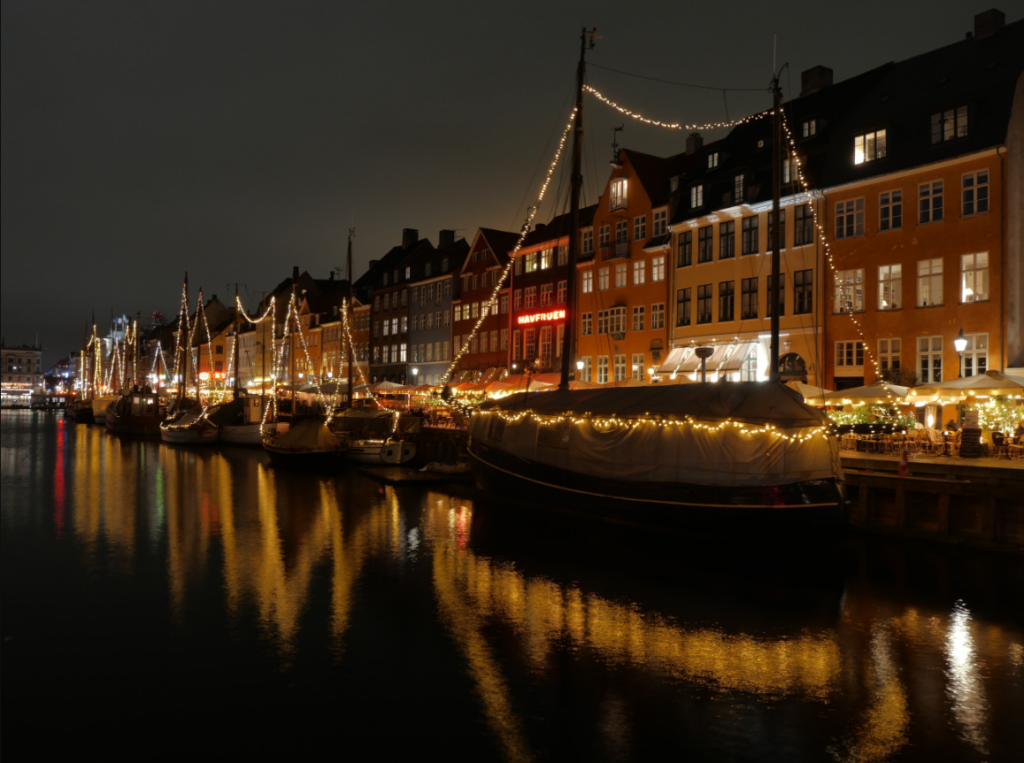
December can be the best time to visit Scandinavian countries for travelers seeking Christmas traditions, snow and winter atmosphere.
Copenhagen becomes particularly appealing for festive markets and hygge, while Swedish and Finnish destinations offer Christmas celebrations surrounded by wintry landscapes.
Finnish Lapland is especially popular during this period, although December's demand means travelers should expect peak-season conditions in famous Arctic resorts.
Daylight is extremely limited in the far north. Rather than treating this as entirely negative, many winter visitors embrace the darkness as part of the Arctic experience.
Aurora opportunities are another major attraction because long nights provide extended viewing windows.
Best for: Christmas, Lapland, winter landscapes and festive trips.
Best Time to Visit Scandinavia by Experience
| Travel Experience | Best Period |
|---|---|
| Best overall weather | June–August |
| Fewer crowds | May & September |
| Midnight Sun | Late May–mid-July |
| Northern Lights | September–March |
| Norway fjords | June–September |
| Scandinavian cities | May–September |
| Hiking | June–September |
| Arctic winter | December–March |
| Christmas atmosphere | Late November–December |
| Denmark | May–September |
| Sweden | May–September |
| Finland summer | June–August |
| Finnish Lapland | December–March |
| Autumn scenery | September–October |
These ranges are necessarily approximate because Scandinavia spans very different climates. Northern Sweden, for example, can fall below -30°C in winter while southern Sweden has a much milder climate.
Summer vs Winter: Which Should You Choose?
Summer is generally the safest choice for first-time visitors deciding on the best time to visit Scandinavian countries. June through August offers long daylight hours, greater access to outdoor attractions and more favorable conditions for road trips.
June has the additional advantage of the Midnight Sun in northern areas. Northern Sweden experiences continuous daylight around the summer solstice, while northern Norway offers similarly extraordinary conditions.
Winter should be chosen deliberately. December through March is ideal if snow, dog sledding, skiing and Arctic scenery are central to your plans.
For aurora seekers, September–March provides a broader window across northern Scandinavia, although sightings are never guaranteed because darkness, clear skies and solar activity must align.
What About Iceland?
Iceland is Nordic rather than geographically part of Scandinavia in the strict traditional definition, but travelers frequently combine it with Scandinavian itineraries.
Summer provides near-continuous daylight and better accessibility for outdoor exploration. Iceland's highland areas are generally snow-covered from September until May or longer, making highland roads inaccessible during winter.
Winter provides the opposite experience: dramatically shorter days but excellent conditions for aurora-focused travel. Iceland's official tourism organization identifies September through April as its main Northern Lights period.
Final Thoughts
The best time to visit Scandinavian countries ultimately depends on which version of the Nordic region you want to experience. For classic sightseeing, fjords, road trips and outdoor adventures, June through August provides the most convenient conditions and extraordinary daylight.
Travelers seeking a quieter balance may find May or September to be the best time to visit Scandinavia. These shoulder months can provide fewer crowds while retaining enough daylight for sightseeing, although weather becomes less predictable.
For Arctic experiences, the best time of year to visit Scandinavia shifts toward winter. September through March provides strong opportunities for Northern Lights trips, while December through March is better suited to snowy activities.
There is therefore no single perfect month. Choose June for the Midnight Sun, July for classic summer adventures, September for autumn scenery and returning auroras, or February and March for a snow-covered Scandinavian journey.


Comments 0
Only approved comments are shown here.