
The capital city of Iceland is Reykjavík, a compact and distinctive northern European capital where modern Nordic culture meets dramatic natural surroundings. Located on Iceland's southwest coast, Reykjavík combines colourful streets, contemporary architecture, museums, restaurants, geothermal swimming pools and a lively arts scene with mountains, ocean and volcanic landscapes close by.
For travellers searching for the Iceland capital, Reykjavík is much more than a convenient arrival point. It is the country's political, cultural and economic centre and an excellent base for exploring attractions such as the Golden Circle, South Coast and Reykjanes Peninsula. Official Icelandic tourism information describes Reykjavík as the world's northernmost capital and highlights its creative, culinary and cultural credentials.
For first-time visitors, understanding the history and character of Reykjavik city can make a visit considerably more rewarding.
Also Read - How Many Days in Iceland? A Complete Guide to Planning Your Trip
This post contains affiliate links. If you choose to book through them, a small commission may be earned at no additional cost to you. Your support genuinely helps keep the blog running and allows continued creation of high-quality travel guides. Thank you for being here and supporting this journey.
What Is the Capital City of Iceland?

The capital of Iceland is Reykjavík, situated at approximately 64.1° north latitude. This makes it the world's northernmost capital of a sovereign state.
Although Reykjavík is the country's largest city, it feels relatively small compared with capitals such as London, Paris or Berlin. Much of the central area can be explored comfortably on foot, with major landmarks, restaurants, museums, shops and the waterfront located relatively close together.
This compact scale is one of the most appealing characteristics of the Iceland capital. Travellers can experience architecture, history, food, art and geothermal culture within a relatively short walking distance.
The wider Reykjavík Capital Area is larger than the municipality itself and includes Reykjavík, Kópavogur, Hafnarfjörður, Garðabær, Mosfellsbær and Seltjarnarnes. The broader region has approximately 249,000 residents.
A Brief History of Reykjavík

The story of Reykjavik begins with Iceland's settlement era. Ingólfur Arnarson, traditionally regarded as Iceland's first settler, is believed to have arrived around 870 and named the area Reykjavík, meaning “Smoky Bay”, referring to steam rising from geothermal springs. Archaeological discoveries in the city centre support evidence of human settlement dating to around this period.
For centuries, the area remained primarily agricultural rather than urban. Reykjavík's transformation began during the 18th century, when efforts were made to establish a wool industry. This initiative helped the settlement develop into a small village.
A major turning point came in 1786, when Reykjavík received town rights. In the following decades, its political and administrative importance continued to grow.
The Alþingi, Iceland's parliament, was re-established in Reykjavík in 1845, strengthening the city's role as the country's political centre. Reykjavík officially developed into the capital that visitors recognise today through this gradual transition from rural settlement to modern city.
Reykjavík as Iceland's Political Centre
Today, the capital city of Iceland is the centre of national government and political life. Alþingishúsið, the historic Parliament House, stands beside Austurvöllur in central Reykjavík.
The city is also home to government institutions, embassies and national cultural organisations. This concentration of political institutions gives Reykjavík an importance that extends far beyond its relatively modest physical size.
For visitors interested in Icelandic history, walking through central Reykjavík provides opportunities to see Parliament House, Reykjavík Cathedral, historic streets and buildings alongside modern architecture.
The contrast between old and new is one of the defining characteristics of Reykjavik city.
Hallgrímskirkja: Reykjavík's Iconic Landmark

Hallgrímskirkja is arguably the most recognisable landmark in the Iceland capital. Its tall concrete structure dominates the city skyline and can be seen from many parts of central Reykjavík.
The church's architecture was designed by Guðjón Samúelsson and draws inspiration from Iceland's dramatic natural forms, including basalt columns and volcanic landscapes.
Visitors can admire the interior or, when open, travel up the tower for panoramic views across Reykjavik city, the surrounding mountains and the ocean.
Its position at the top of Skólavörðuholt also makes Hallgrímskirkja a convenient starting point for exploring the central shopping and dining streets.
Harpa Concert Hall

Another essential landmark in the capital city of Iceland is Harpa Concert Hall, situated beside the Old Harbour.
Harpa opened in 2011 and is home to the Iceland Symphony Orchestra and Icelandic Opera. Its distinctive geometric glass façade was developed by artist Ólafur Elíasson in collaboration with Henning Larsen Architects and draws visual inspiration from Iceland's basalt formations.
The building is not simply a concert venue. It has become an important cultural meeting point in Reykjavík, hosting concerts, festivals, conferences and exhibitions. Harpa welcomes more than 1.5 million guests to more than 1,400 events annually, according to the venue.
Even without attending a performance, visitors can enter the building, appreciate its architecture and enjoy views towards Faxaflói Bay.
Perlan and Reykjavík's Natural Story
Perlan offers another perspective on the Iceland capital by explaining the natural forces that have shaped the country.
Located on Öskjuhlíð hill, Perlan incorporates six former hot-water storage tanks beneath a large glass dome. Its exhibitions explore glaciers, volcanoes, oceans and other aspects of Icelandic nature.
The attraction includes a real indoor ice cave, an interactive volcano exhibition and the Áróra Northern Lights planetarium experience. Its observation deck provides a 360-degree panorama of Reykjavik city and its surroundings.
For first-time visitors, Perlan can be particularly useful at the beginning of an Iceland holiday because it provides scientific and visual context for landscapes you may later encounter outside the city.
Reykjavík's Geothermal Culture
One of the most distinctive aspects of the capital city of Iceland is its relationship with geothermal energy.
Geothermal heat is integrated into everyday life. It contributes to heating systems and supplies Reykjavík's many swimming pools and hot tubs. The city's public pools are not merely tourist attractions; they are important social spaces where residents meet and relax.
There are 18 geothermal swimming pools across Reykjavík, alongside other geothermal bathing experiences.
Sundhöllin, Laugardalslaug and Vesturbæjarlaug are among the pools visitors can experience. For a more luxurious alternative, travellers can visit Sky Lagoon.
The appeal of a Reykjavík swimming pool lies partly in its authenticity. Sitting in a warm outdoor pool while cold air surrounds you provides a direct connection to Iceland's geothermal environment and everyday culture.
Exploring Reykjavík's Waterfront
The waterfront is one of the most attractive areas of Reykjavik city. A walk can connect Harpa, the Old Harbour and the Sun Voyager sculpture while providing views across Faxaflói Bay.
The Sun Voyager, or Sólfar, is a stainless-steel sculpture designed to resemble a Viking ship. It has become one of Reykjavík's most photographed landmarks.
The Old Harbour provides another dimension. Once primarily associated with maritime activity, the area now contains restaurants, cafés, museums and tour operators.
It is also a departure point for whale-watching excursions, making the waterfront a useful starting point for exploring Iceland's marine environment.
Reykjavík's Food Scene
The Iceland capital has developed an increasingly sophisticated culinary identity. Restaurants range from casual cafés and bakeries to contemporary Nordic dining establishments.
Icelandic seafood naturally plays an important role, while lamb, dairy products, rye bread and locally sourced ingredients are also prominent.
Food is particularly important for understanding Reykjavik city because contemporary restaurants often combine traditional Icelandic ingredients with modern Nordic techniques.
Visitors should also experience everyday food culture rather than focusing exclusively on expensive restaurants. A local bakery, coffee shop or casual restaurant can provide a better sense of how residents eat and socialise.
Arts, Music and Culture
Despite its small population, the capital city of Iceland has a disproportionately active cultural scene.
Reykjavík contains museums, galleries, theatres, music venues and design shops. Visit Reykjavík describes the city as having a strong focus on arts and culture, with history, contemporary art and natural museums available across the capital area.
The music scene is particularly significant. Harpa hosts major performances, while smaller venues contribute to Reykjavík's reputation for live music.
The city also hosts festivals and cultural events throughout the year, meaning the atmosphere can change considerably depending on when you visit.
Museums in the Icelandic Capital
Travellers wanting to understand Iceland beyond its scenery should spend time in Reykjavík's museums.
The National Museum of Iceland provides insight into settlement, medieval society and the country's historical development. The Settlement Exhibition focuses specifically on archaeological evidence from Reykjavík's earliest settlement period.
Art lovers can explore Reykjavík Art Museum and other galleries, while natural-history-focused attractions such as Perlan explain the geological forces behind Iceland's landscapes.
Museums are particularly useful during winter or rainy days when outdoor sightseeing may be less comfortable.
Reykjavík as a Gateway to Iceland
One of the biggest advantages of the Iceland capital is its location. Travellers can use Reykjavík as a base for numerous day trips.
The Golden Circle is the most famous option, linking Þingvellir National Park, the Geysir geothermal area and Gullfoss waterfall.
The South Coast offers waterfalls, black-sand beaches and glacier scenery. The Reykjanes Peninsula provides volcanic and geothermal landscapes, while other excursions can focus on whale watching, horseback riding or geothermal bathing.
This makes Reykjavik city particularly convenient for short Iceland holidays. Visitors can explore the capital without giving up access to the country's famous natural attractions.
Getting Around Reykjavík
The compact nature of the capital city of Iceland makes central sightseeing straightforward. Visitors staying in the centre can walk to many major attractions.
Public buses connect central Reykjavík with surrounding neighbourhoods and the wider capital region. Cycling and walking are also increasingly practical options for exploring parts of the city.
The wider metropolitan area is more spread out, so visitors staying outside central Reykjavík may find public transport or a rental car more useful.
For a short city break, however, staying centrally can reduce transport requirements considerably.
Best Time to Visit Reykjavík
There is no single best season for visiting the Iceland capital because each season offers a different experience.
Summer provides extremely long daylight hours, making it ideal for walking, sightseeing and day trips. The city is lively, and surrounding landscapes are generally easier to explore.
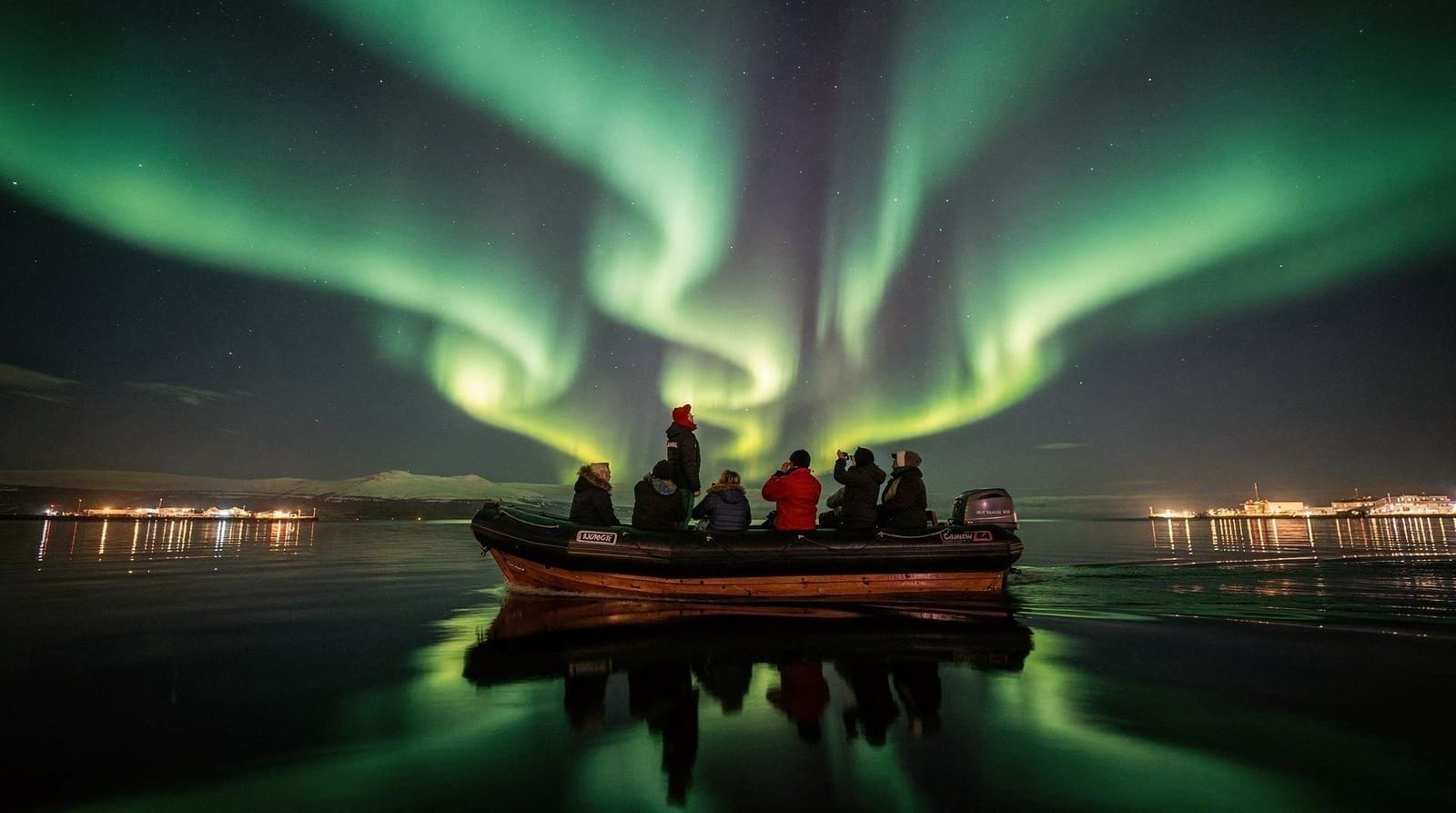
Winter brings short days and colder conditions but provides opportunities for Northern Lights viewing when darkness and weather conditions cooperate.
Spring and autumn offer changing weather and potentially quieter conditions. Travellers choosing these seasons should keep itineraries flexible because Icelandic weather can change quickly.
How Many Days Do You Need?
Two or three days are enough to experience the major attractions of Reykjavik city without excessive rushing.
A one-day itinerary can include Hallgrímskirkja, Laugavegur, Harpa, the waterfront and a geothermal pool.
With two days, add Perlan, a museum, the Old Harbour or a whale-watching excursion.
Three days provide enough time to explore the city's cultural attractions more slowly while also taking a day trip outside Reykjavík.
Travellers using the capital city of Iceland as a base for longer excursions may stay for four or more nights, particularly if they plan to visit the Golden Circle and South Coast through organised tours.
Why Reykjavík Is Worth Visiting?
The appeal of the Iceland capital lies in its balance. It is small enough to feel approachable but developed enough to offer excellent restaurants, cultural institutions, public transport and accommodation.
At the same time, nature is never far away. Mountains, ocean, geothermal energy and volcanic landscapes surround the city.
That combination makes Reykjavik city unusual among European capitals. The urban environment does not feel completely separated from the natural world.
For first-time visitors, Reykjavík provides an ideal introduction to Icelandic culture before travelling deeper into the country's countryside.
Final Thoughts
The capital city of Iceland, Reykjavík, is far more than an administrative centre or airport gateway. Its history stretches back to Iceland's settlement era, while its modern identity is shaped by design, music, food, geothermal culture and a close relationship with nature.
The Iceland capital offers famous landmarks such as Hallgrímskirkja, Harpa and Perlan alongside quieter experiences including neighbourhood swimming pools, waterfront walks, cafés and museums.
For travellers planning a wider Iceland holiday, Reykjavik city is also one of the country's most practical bases. Its compact centre can be explored on foot, while major natural attractions are accessible through day trips.
Ultimately, the capital city of Iceland succeeds because it brings together two seemingly different experiences: the energy and creativity of a modern Nordic city and the raw geological character of Iceland itself. That combination makes Reykjavík a destination worth exploring in its own right rather than simply a place to begin your Iceland adventure.

Comments 0
Only approved comments are shown here.