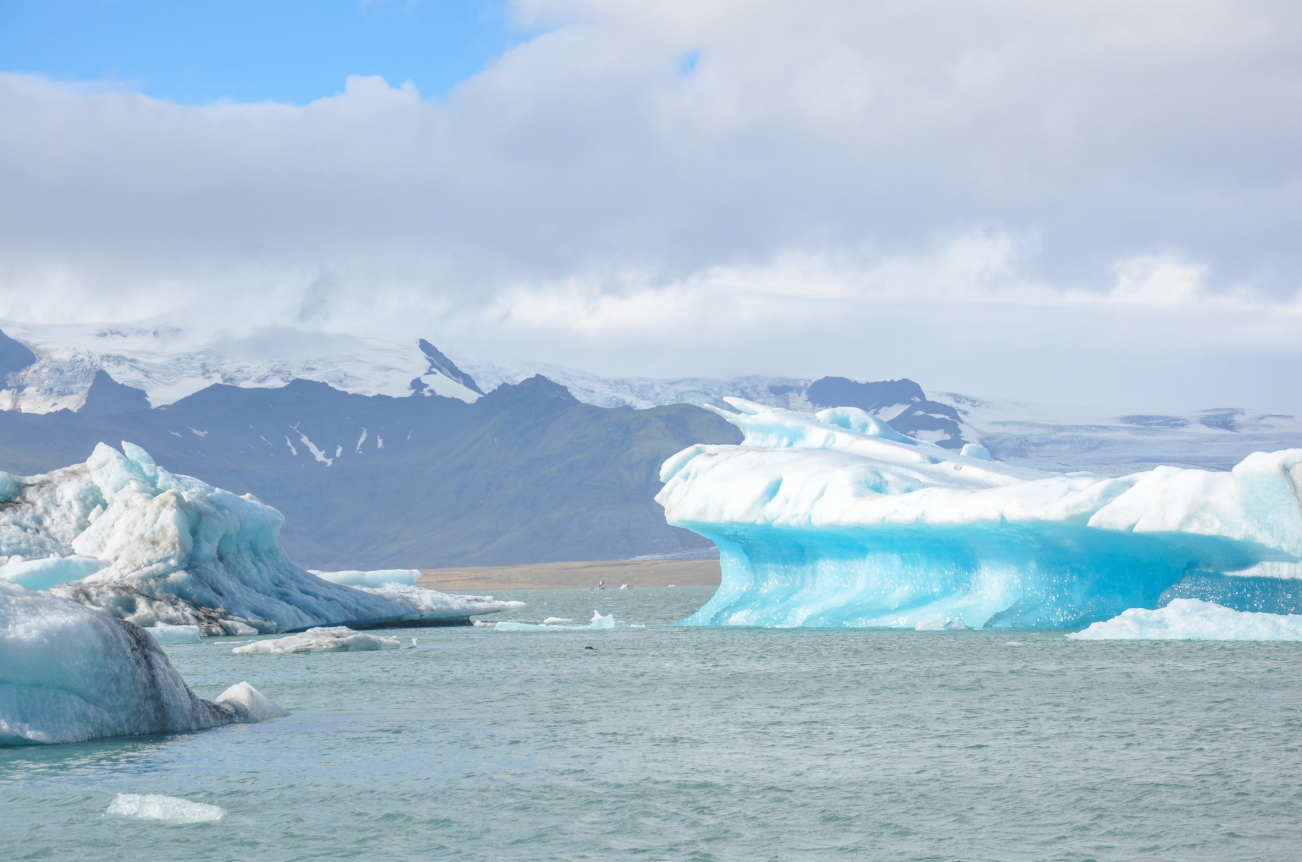
Jökulsárlón Glacier Lagoon is one of Iceland’s most spectacular natural landmarks, where enormous icebergs drift through deep blue water beneath the edge of Vatnajökull. Located beside Route 1 in southeast Iceland, the lagoon is part of Vatnajökull National Park and has become a must-stop on Iceland’s South Coast. The experience is constantly changing: ice calves from Breiðamerkurjökull, moves through the lagoon, passes towards the Atlantic and may eventually appear on the nearby black sands of Diamond Beach. This makes the Iceland glacier lagoon more than a scenic viewpoint; it is a living landscape shaped by glacial retreat, tides, weather and ocean currents.
Also Read - Day Trips from Reykjavik: Best Iceland Excursions and Day Tours
What Is Jökulsárlón Glacier Lagoon?
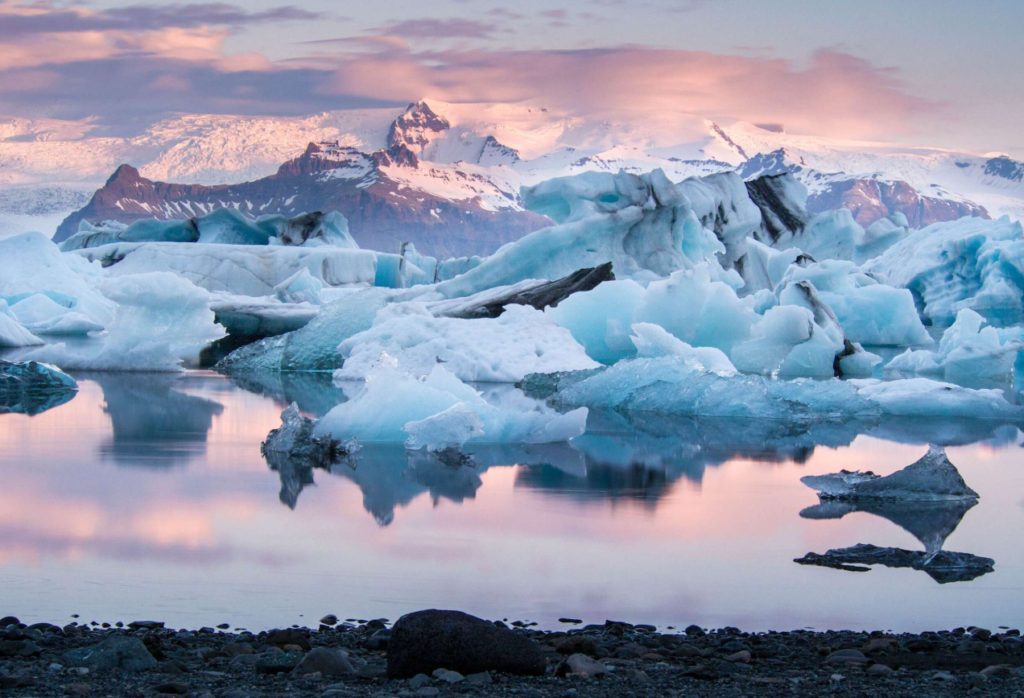
Jökulsárlón is a glacial lagoon formed by the retreat of Breiðamerkurjökull, an outlet glacier of Vatnajökull. As the glacier has retreated, the lagoon has expanded and deepened. It is connected to the sea through a narrow outlet, meaning the water is influenced by both freshwater from the glacier and seawater and tides.
The lagoon can reach depths of around 284 metres, according to the official Jökulsárlón visitor information. Its floating ice is not stationary. Icebergs break away from the glacier, rotate, melt, collide and gradually move towards the ocean. Some pieces are carried onto the black beach, creating the famous Diamond Beach.
This constant movement is what gives the Iceland glacier lagoon its unusual character. The view can look dramatically different from one hour to the next, and no two visits are exactly alike.
Where Is Jökulsárlón?
The lagoon lies in southeast Iceland, directly beside the Ring Road, approximately 370 kilometres east of Reykjavík. Its location makes it relatively straightforward to reach for travellers following the South Coast or Ring Road, although the journey from Reykjavík is long enough that an overnight stay is preferable to a rushed return trip.
Jökulsárlón Glacier Lagoon is situated between several major attractions. Skaftafell is about 60 kilometres away, while the town of Höfn is roughly 80 kilometres east. Fjallsárlón, another impressive glacial lagoon, is only a short drive west.
Because the lagoon is directly beside Route 1, visitors do not need a strenuous hike to reach the main viewing areas. The National Park confirms that Jökulsárlón and the nearby Breiðamerkursandur coastline are accessible year-round.
Also Read - Things to Do in Iceland: Best Things to Do, Attractions & Experiences
The Story Behind the Lagoon
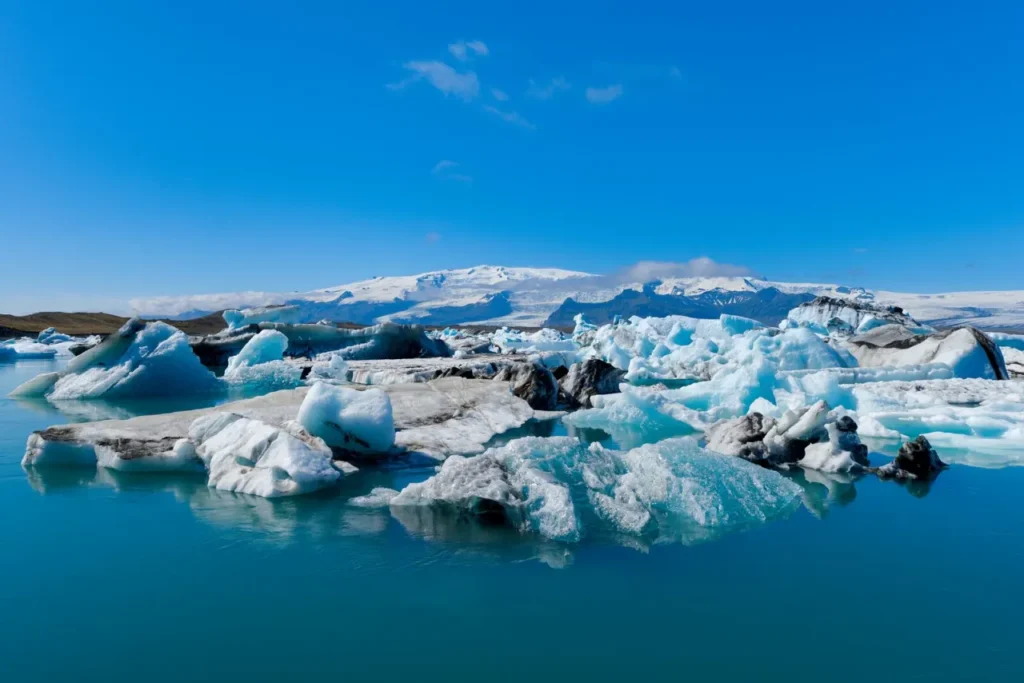
The geological story of Jökulsárlón Glacier Lagoon is essential to understanding its appearance. Breiðamerkurjökull is a tongue of the immense Vatnajökull ice cap. As the glacier has retreated, the space between the glacier and the coast has become an increasingly large lagoon.
This process is still visible today. Visitors are effectively observing a landscape in transition. The glacier continues to calve ice into the water, while currents and tides transport icebergs towards the sea.
The lagoon therefore provides a remarkable visual lesson in glacial dynamics. Rather than seeing a glacier as a static sheet of ice, visitors can observe its movement and interaction with water.
What Makes the Iceland Glacier Lagoon Special?
The colour and texture of the ice are among the most memorable features. Icebergs can appear white, blue, turquoise, grey or almost black depending on their density, age, trapped air, volcanic sediment and lighting.
Ancient compressed ice often appears intensely blue because dense ice absorbs longer wavelengths of visible light while allowing more blue light to be reflected. Some icebergs also contain dark volcanic material, producing dramatic stripes and patterns.
The Iceland glacier lagoon is also influenced by the surrounding mountains and glacier front. On calm days, reflections can create almost mirror-like scenes, while wind can transform the surface into waves and ripples.
Wildlife at Jökulsárlón
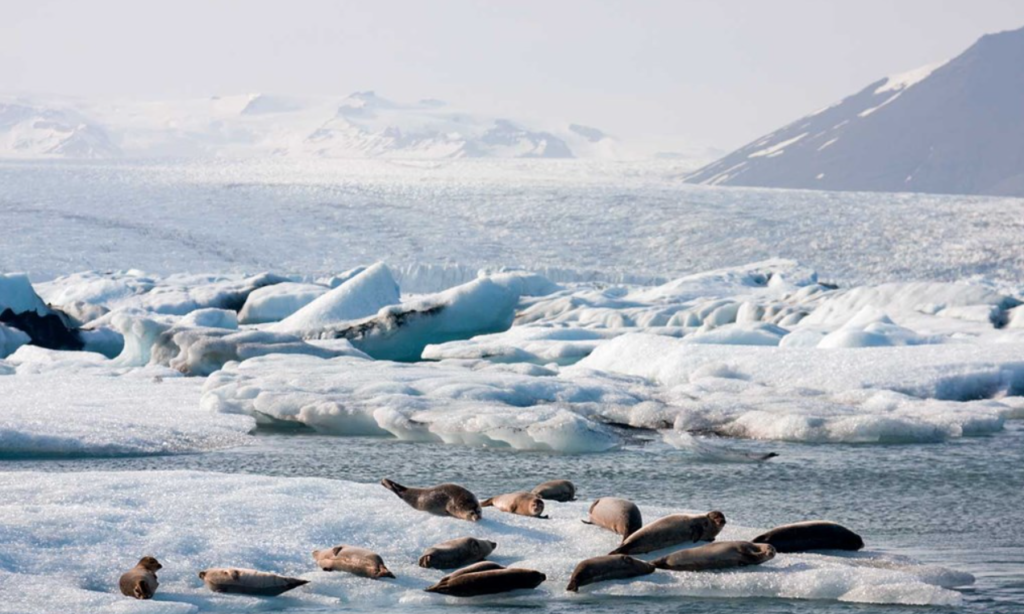
Although ice dominates the landscape, wildlife is another reason to visit. Seals are regularly associated with the lagoon and may be seen swimming between icebergs or resting on floating ice. Sightings are never guaranteed, however, because these are wild animals. The Vatnajökull region is also important for diverse animal life because of the interaction between glacial landscapes, freshwater and the coast.
The surrounding coastal environment also supports birdlife. The connection between the lagoon and Atlantic Ocean creates a productive ecosystem where marine and freshwater influences meet.
Visitors should observe wildlife from a respectful distance. The lagoon is not a place for approaching seals, feeding animals or entering the water.
Diamond Beach
No visit to Jökulsárlón Glacier Lagoon is complete without crossing the road to Diamond Beach. The beach, part of Breiðamerkursandur, receives icebergs that have travelled through the lagoon and been carried into the Atlantic.
Waves break the ice into smaller pieces and wash them onto the black volcanic sand. When sunlight catches the clear ice, it resembles scattered diamonds, explaining the popular name.
The appearance of Diamond Beach changes constantly. Some days the shoreline contains dozens of pieces of ice; on others, there may be fewer. The size and shape of the ice also vary considerably.
For photographers, the contrast between transparent ice, black sand and white surf is extraordinary. However, visitors should never turn their backs on the sea because powerful waves can reach much farther up the beach than expected.
Boat Tours on the Lagoon
One of the most memorable ways to experience the Iceland glacier lagoon is from the water. Amphibian boat tours generally last 30 to 40 minutes and travel among the floating icebergs with a guide providing information about the lagoon and its geology.
Zodiac tours offer a longer experience of approximately 75 minutes and can cover a larger area of the lagoon. When conditions permit, the Zodiac can approach Breiðamerkurjökull more closely than the amphibian boats.
Official 2026 information lists amphibian tours at 7,100 ISK for adults aged 13 and above, while Zodiac tours are listed at 16,600 ISK. Prices and operating schedules can change, so visitors should verify details before booking.
Boat tours are seasonal and depend on weather and ice conditions. Advance booking is recommended during the busy summer period.
Best Time to Visit
Jökulsárlón Glacier Lagoon can be visited throughout the year, and each season creates a different atmosphere.
Summer offers long daylight hours, easier driving conditions and the greatest availability of boat excursions. The landscape is also easier to explore without winter’s limited daylight.
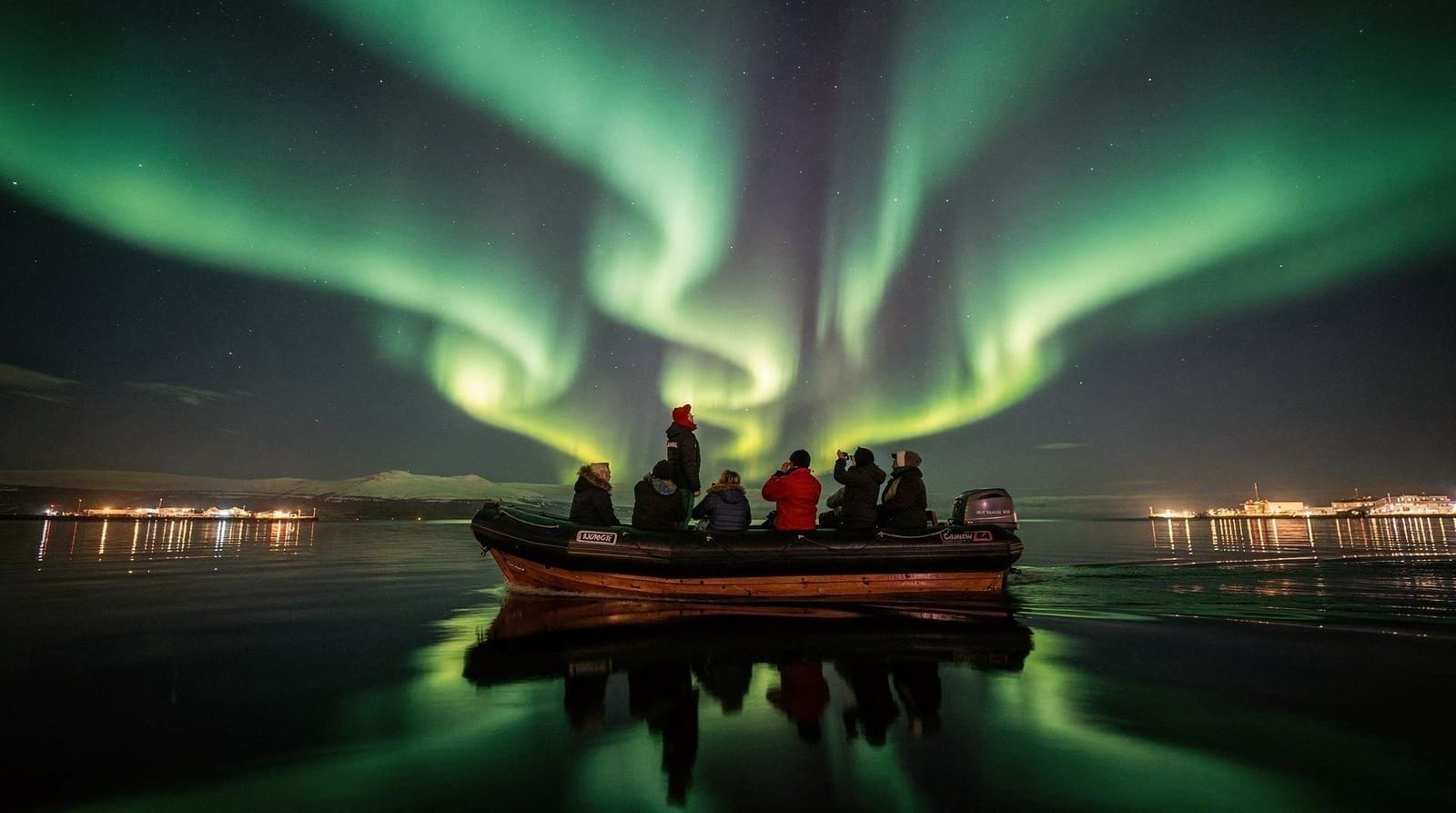
Autumn brings changing colours and fewer visitors, although weather becomes increasingly unpredictable. Winter can be especially atmospheric, with low-angle light, snow-covered mountains and opportunities to combine the lagoon with Northern Lights viewing.
Spring provides longer daylight and changing ice conditions. Regardless of season, the lagoon remains visually compelling because the ice is constantly moving.
The lagoon’s visitor facilities operate year-round, although schedules vary by month. Boat tours generally operate from spring into autumn, depending on conditions.
How Long Should You Spend?
A quick visit can take around 30 to 60 minutes if you only explore the main viewpoints. However, allowing two or three hours creates a much better experience. This gives enough time to visit the lagoon, cross to Diamond Beach, take photographs and, during the operating season, join a boat tour.
Travellers following the Ring Road should consider staying overnight nearby rather than treating Jökulsárlón as a very long day trip from Reykjavík. This allows more time for Skaftafell, Fjallsárlón and other South Coast attractions.
Getting to Jökulsárlón
Driving is the most flexible way to reach Jökulsárlón Glacier Lagoon. From Reykjavík, follow Route 1 east through the South Coast. The route passes major attractions including Seljalandsfoss, Skógafoss, Reynisfjara and Vík before continuing towards the glacier region.
Long-distance guided tours are another option. These can be convenient for travellers who do not want to drive, particularly during winter. However, day tours from Reykjavík can involve many hours on the road.
Always check official road and weather information before travelling. Icelandic conditions can change rapidly, and winter storms may affect driving even when the weather appears reasonable in Reykjavík.
Nearby Attractions
The Iceland glacier lagoon is best incorporated into a broader southeast Iceland itinerary. Skaftafell, part of Vatnajökull National Park, offers hiking opportunities and spectacular views of glacial landscapes.
Fjallsárlón provides a quieter alternative to Jökulsárlón. The lagoon is closer to its glacier front and can feel more enclosed and intimate. The two lagoons are close enough to combine in one itinerary, making this region particularly rewarding for travellers interested in glacial landscapes.
Höfn is a useful base for exploring the region and is known for its connection with Icelandic seafood. Travellers with more time can continue east towards the Eastfjords or west towards the South Coast.
Photography Tips
The lagoon is photogenic throughout the day, but early morning and late afternoon often provide softer light and fewer visitors. Winter’s low sun can create long shadows and enhance the blue tones within the ice.
A telephoto lens is useful for isolating icebergs and wildlife, while a wide-angle lens captures the relationship between glacier, lagoon and mountains. A tripod can help in low light, particularly during winter.
Do not sacrifice safety for photographs. Stay behind barriers where provided and keep a safe distance from the water and unstable ice.
Safety and Responsible Travel
Jökulsárlón Glacier Lagoon may look calm, but icebergs can roll or break apart unexpectedly. Visitors should never climb onto floating ice or enter the lagoon. The National Park specifically warns against stepping onto floating ice because it can roll or break without warning.
At Diamond Beach, powerful waves create another hazard. Stay well back from the shoreline and follow local signs.
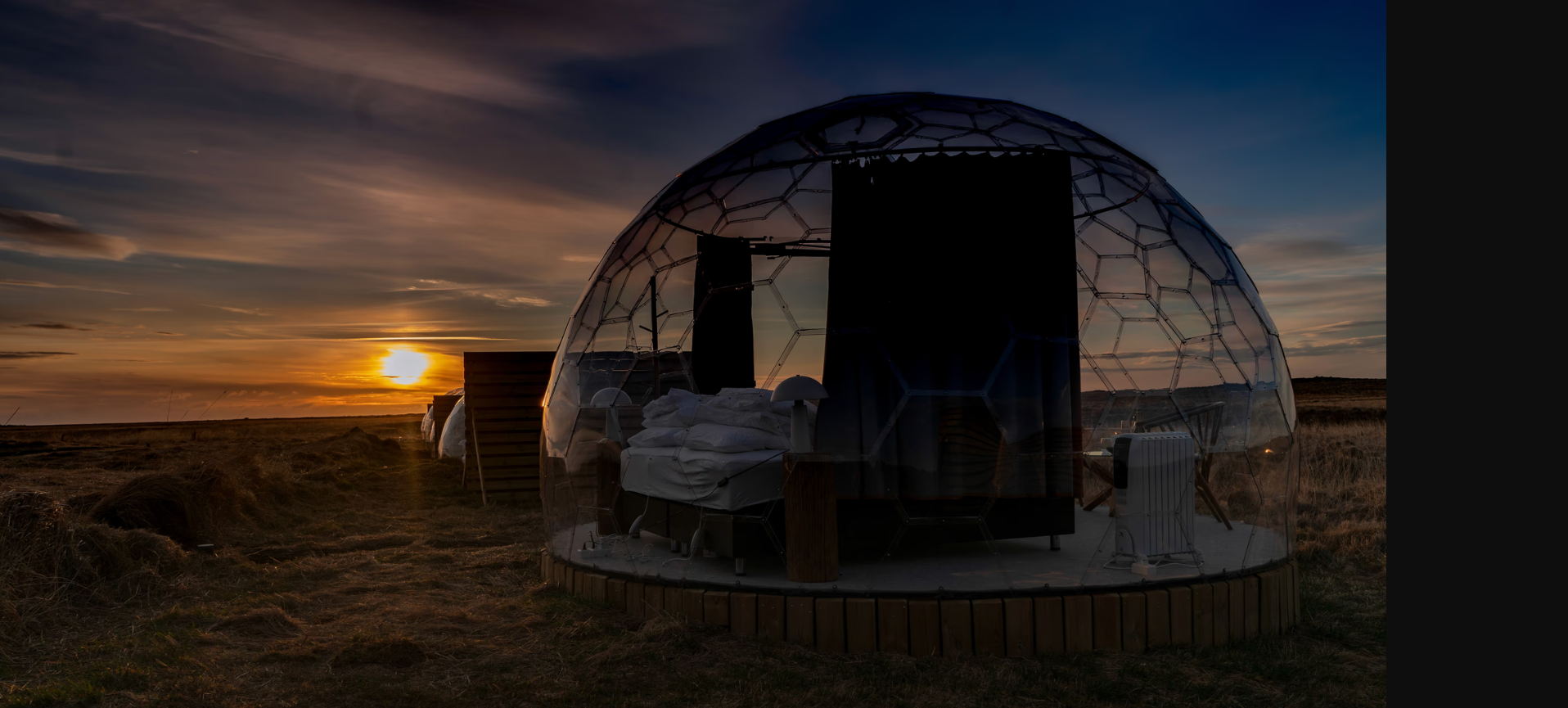
Drones also require permission from Vatnajökull National Park. Respecting restrictions helps protect wildlife, other visitors and the fragile landscape. Camping is not permitted at the lagoon itself because it lies within the National Park.
Why Visit Jökulsárlón?
The real appeal of Jökulsárlón Glacier Lagoon is its combination of beauty and geological significance. Few places allow travellers to watch ancient glacial ice break away, float through a lagoon and eventually return to the ocean.
The Iceland glacier lagoon also demonstrates how landscapes can change. Its expanding waters and retreating glacier provide a visible reminder that glaciers are dynamic systems rather than permanent features.
For photographers, nature lovers and first-time visitors to Iceland, Jökulsárlón offers a rare combination of accessibility and extraordinary scenery. It is possible to see the lagoon from the roadside, walk along its shore, visit Diamond Beach and, in season, travel among icebergs by boat.
Final Thoughts
Jökulsárlón Glacier Lagoon deserves its reputation as one of Iceland’s defining natural attractions. Its floating icebergs, glacier views, wildlife, tidal waters and neighbouring Diamond Beach create an experience that is both beautiful and scientifically fascinating.
The Iceland glacier lagoon is best experienced slowly. Give yourself time to watch the ice move, listen to the water, explore the black-sand coast and appreciate the changing light. Combine the visit with nearby Vatnajökull landscapes and, where conditions permit, a boat tour.
Most importantly, approach the area responsibly. Respect safety barriers, wildlife, weather conditions and National Park regulations. When treated with care, Jökulsárlón offers something rare: a chance to witness an immense natural process unfolding directly in front of you.

Comments 0
Only approved comments are shown here.