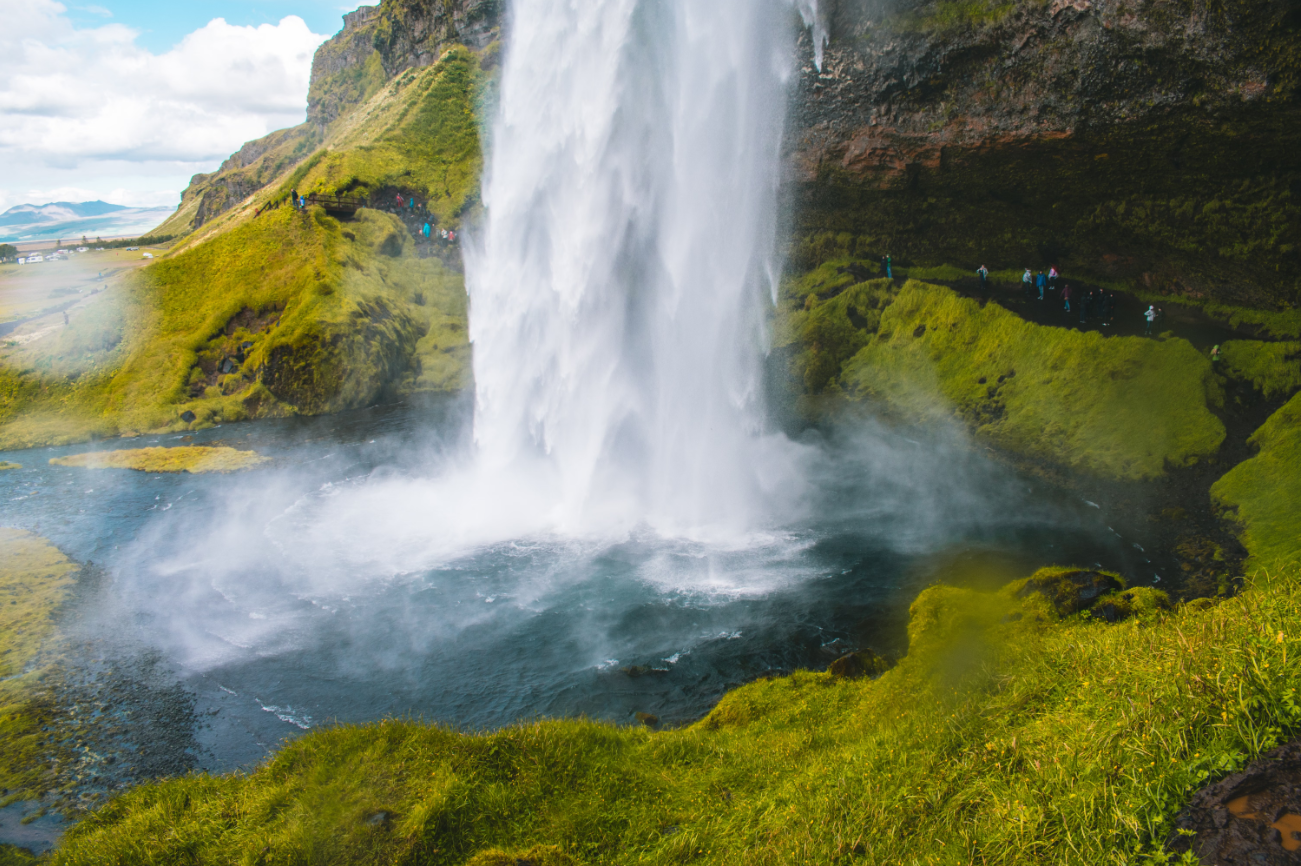
Planning 7 days in Iceland gives you enough time to experience many of the country's iconic landscapes without attempting an exhausting tour of every region. Iceland is geographically compact compared with many countries, but its weather, road conditions and long distances between attractions mean that thoughtful planning is essential. The country's official tourism organisation specifically provides trip suggestions for travellers wanting to drive around Iceland in seven days, while noting that the 1,322-kilometre Ring Road requires at least seven days.
For a first visit, the most rewarding approach is to concentrate on Reykjavík, the Golden Circle and the South Coast, continuing east towards Jökulsárlón Glacier Lagoon. This route combines waterfalls, geothermal areas, black-sand beaches, glaciers, volcanic landscapes and Icelandic culture. It also avoids trying to squeeze the Westfjords or remote northern regions into a schedule that is already fairly ambitious.
If you are searching for the best places to visit in Iceland, this seven-day route provides a strong balance between famous landmarks and time to actually experience them.
This post contains affiliate links. If you choose to book through them, a small commission may be earned at no additional cost to you. Your support genuinely helps keep the blog running and allows continued creation of high-quality travel guides. Thank you for being here and supporting this journey.
Day 1: Reykjavík – Iceland's Cultural Gateway
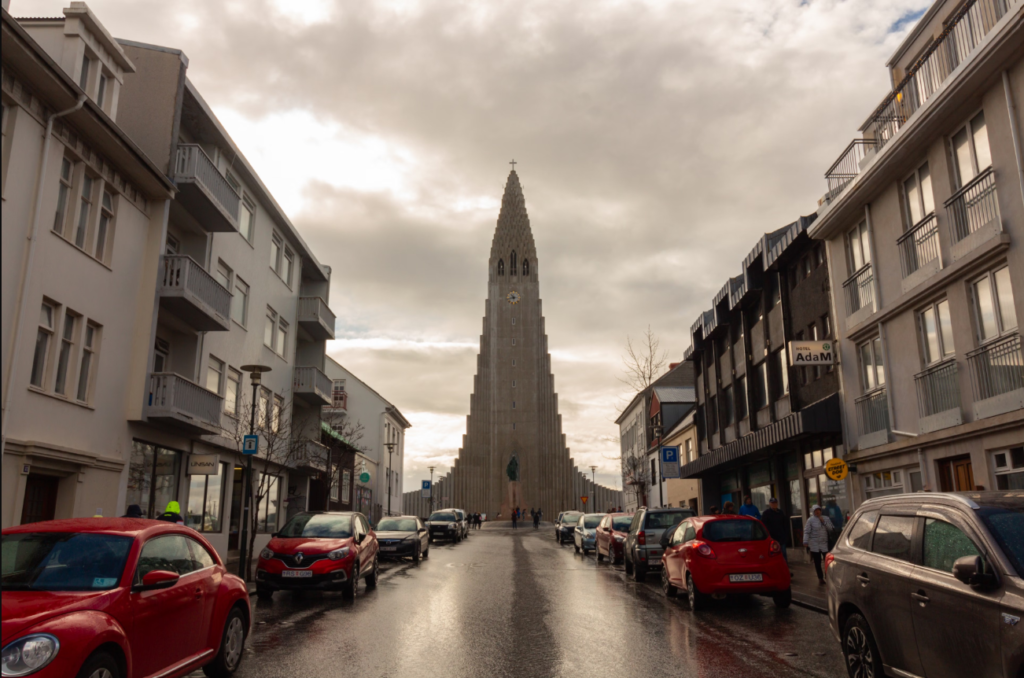
Begin your 7 days in Iceland in Reykjavík. Although it is Iceland's largest city, the central area is compact enough to explore largely on foot. Visit Hallgrímskirkja, walk along Skólavörðustígur, see the Sun Voyager sculpture and explore the waterfront around Harpa Concert Hall.
Reykjavík is worth more than simply an overnight stop. Its museums, restaurants, cafés, galleries and geothermal swimming pools provide context for the landscapes you will encounter during the road trip. The official tourism organisation highlights attractions including Perlan, the National Museum, Harpa, Grótta Lighthouse and the Old Harbour.
Spend your first evening enjoying Icelandic food rather than immediately beginning a long drive. Seafood, lamb, rye bread and modern Nordic cuisine are all worth exploring.
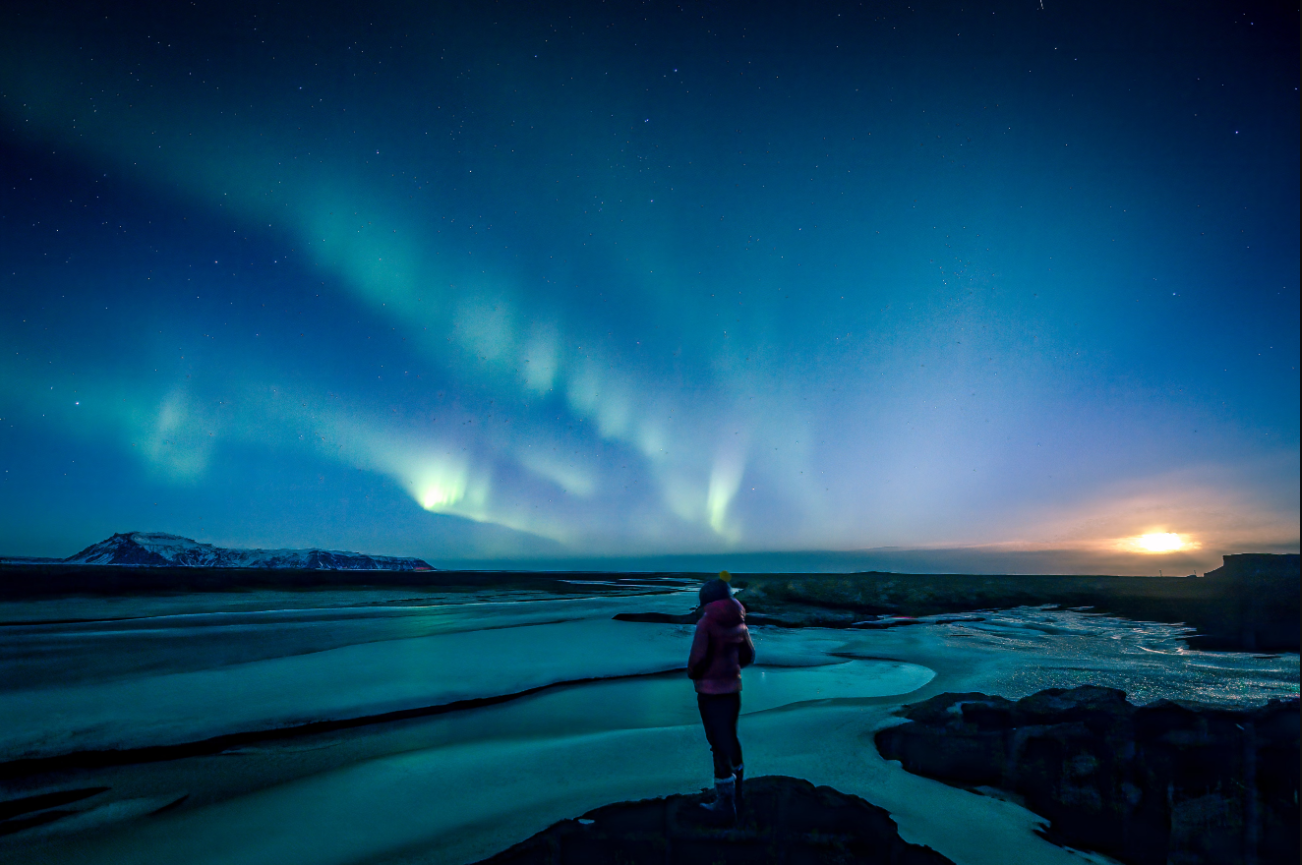
If you are travelling during the darker months, keep the evening flexible for a possible Northern Lights excursion. The aurora is never guaranteed, but Iceland's long winter nights create favourable viewing opportunities when skies are clear.
Also Read - Day Trips from Reykjavik: Best Iceland Excursions and Day Tours
Day 2: Golden Circle – Geology, History and Geothermal Power
The Golden Circle should be near the top of any list of the best places to visit in Iceland. It is one of the country's most accessible scenic routes and combines Þingvellir National Park, the Geysir geothermal area and Gullfoss waterfall.
Start at Þingvellir, where Iceland's geological and political history meet. The area is associated with the historic Alþingi parliament and sits within a tectonic rift landscape. Walking through Almannagjá provides an opportunity to see the dramatic geological structure of the region.
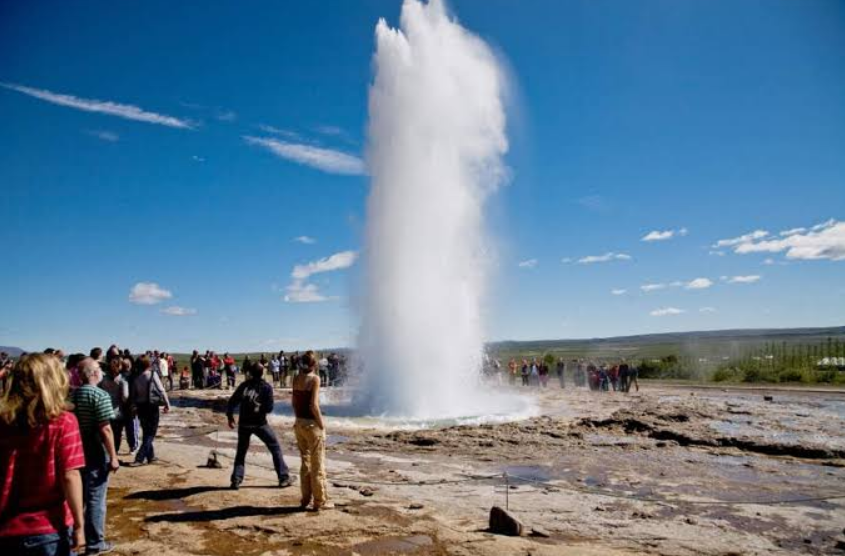
Continue to the Geysir geothermal area, where Strokkur regularly erupts. Allow enough time to walk around the geothermal field rather than simply watching one eruption. Steam vents, bubbling pools and colourful mineral deposits make the entire area interesting.
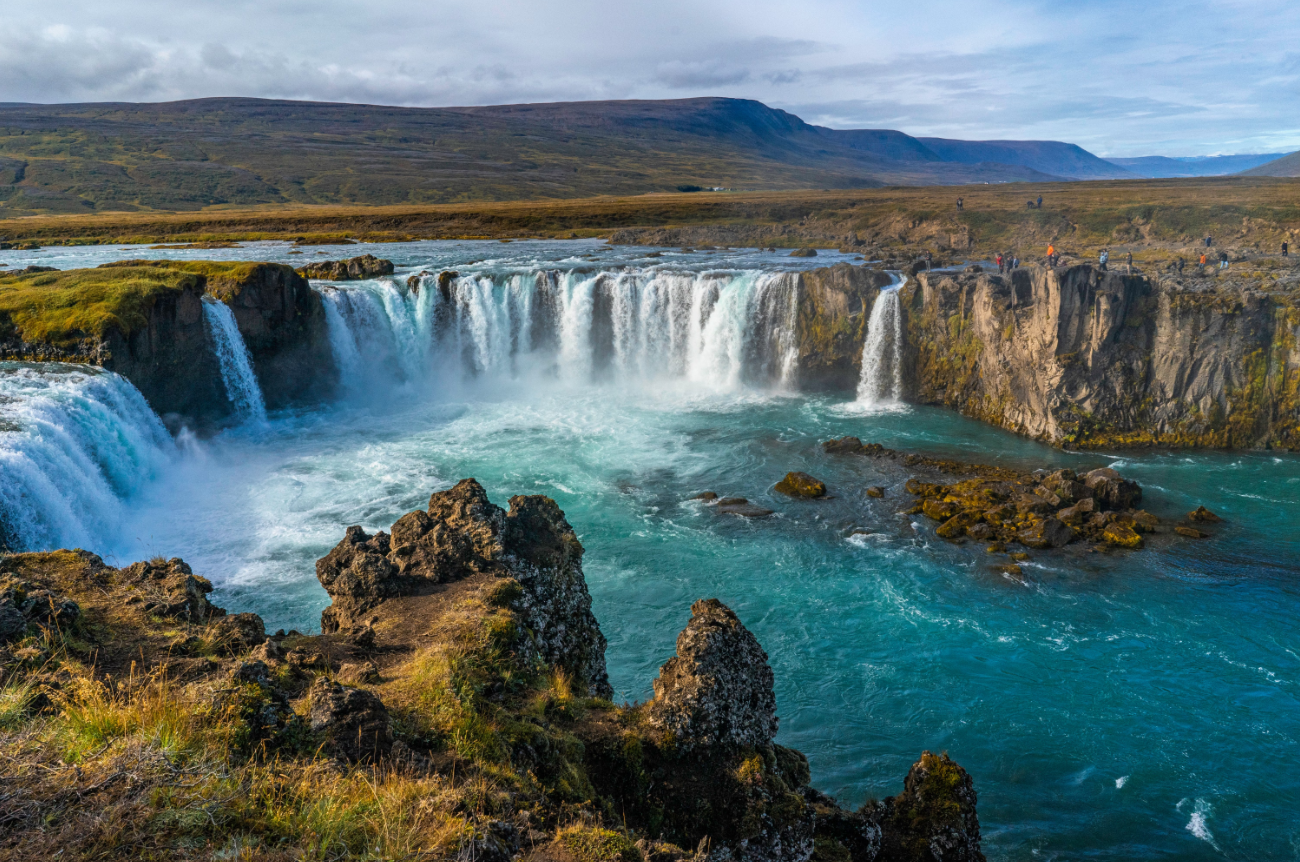
Finish at Gullfoss, one of Iceland's most powerful waterfalls. The Hvítá river drops through a dramatic canyon, creating enormous spray and, in suitable weather, rainbows.
If time allows, add Kerið volcanic crater or a geothermal bathing experience. The Golden Circle can be visited year-round, although winter conditions require additional driving caution.
Day 3: Reykjavík to the South Coast
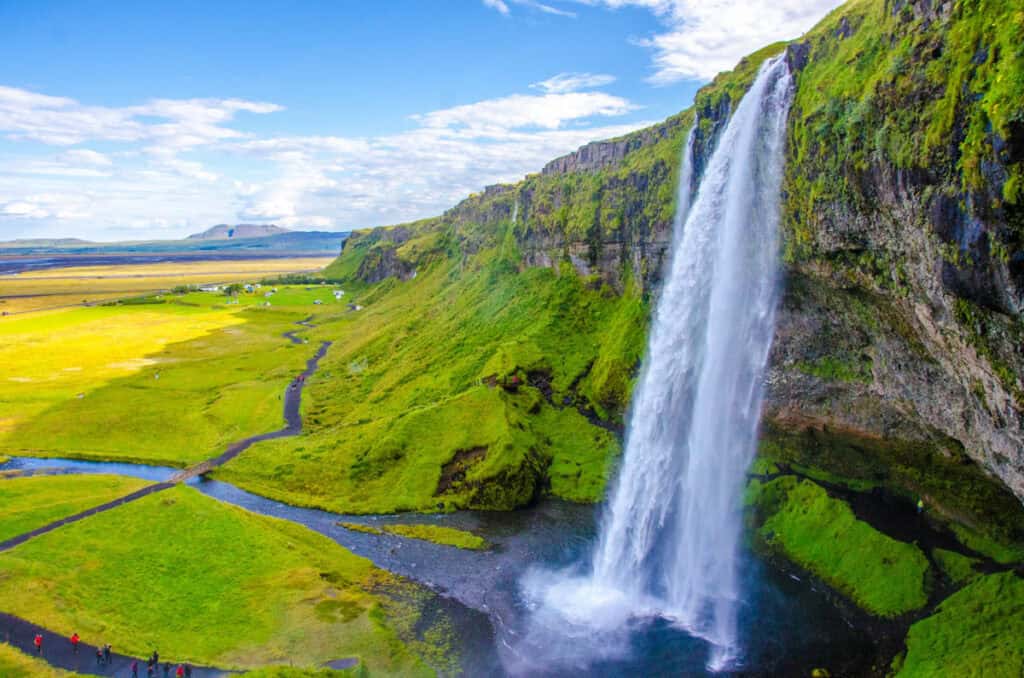
Day three of your 7 days in Iceland itinerary begins the journey east along the South Coast. This is where the landscape becomes increasingly dramatic.
Your first major stops can be Seljalandsfoss and Skógafoss. Seljalandsfoss is famous for its distinctive waterfall and, when conditions allow, the viewpoint behind the falling water. Skógafoss is broader and more powerful, with a staircase providing an elevated view.
Continue towards Vík, stopping at Dyrhólaey if access and weather conditions permit. The coastline here combines cliffs, sea stacks and sweeping ocean views.
Reynisfjara is another essential stop, but it requires particular caution. The black volcanic beach is famous for basalt columns and offshore sea stacks, but powerful waves can reach unexpectedly far up the beach. Stay well back from the water and obey local warnings.
South Iceland's official tourism organisation identifies Seljalandsfoss, Skógafoss, Reynisfjara, glaciers and Jökulsárlón among the route's principal attractions.
Spend the night around Vík or further east, depending on your pace.
Day 4: Vík to Skaftafell and Jökulsárlón
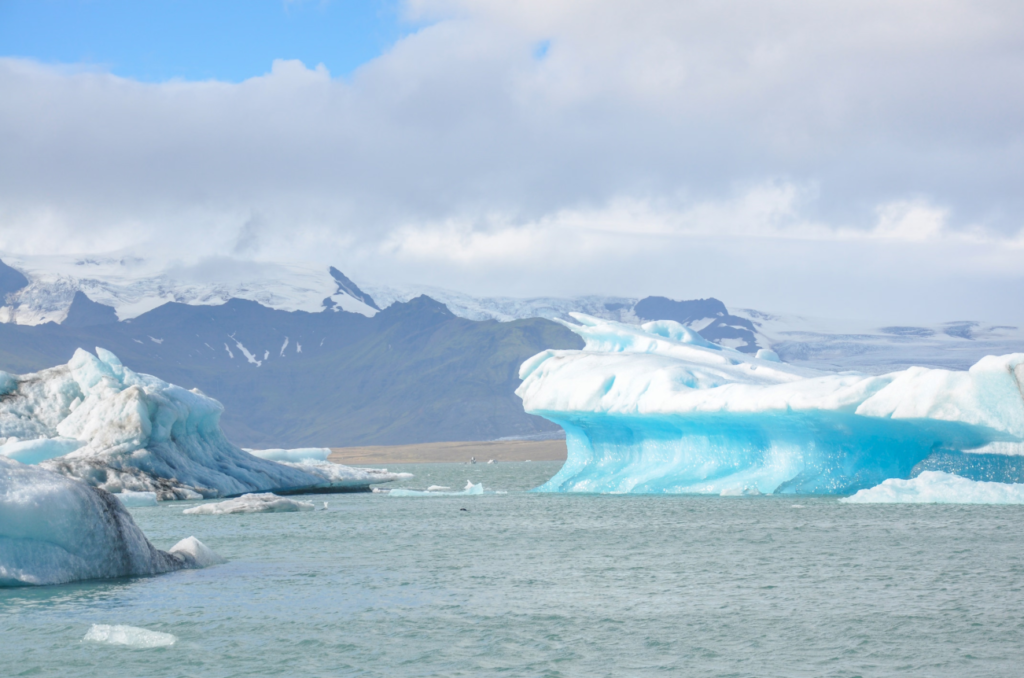
Day four reveals some of the best places to visit in Iceland for glacier and wilderness scenery. Continue east from Vík towards Skaftafell, part of Vatnajökull National Park.
Skaftafell offers hiking opportunities and access to dramatic glacial landscapes. If you have enough time and suitable conditions, consider a guided glacier experience rather than attempting glacier travel independently.
Continue towards Jökulsárlón Glacier Lagoon. Here, icebergs calve from the glacier and drift through the lagoon towards the Atlantic. The nearby Diamond Beach provides an extraordinary contrast between translucent ice fragments and black volcanic sand.
The official Ring Road guide identifies the southern stretch between Reykjavík and Höfn as particularly scenic, with waterfalls, glacial scenery, Vatnajökull National Park and Jökulsárlón among its major highlights.
Stay near Jökulsárlón, Höfn or another nearby settlement. This reduces driving pressure and allows you to experience the landscape in different light conditions.
Day 5: Explore Southeast Iceland and Return West
Use day five to enjoy the southeast rather than immediately turning the journey into a race back to Reykjavík.
If you missed Fjallsárlón, consider visiting this quieter glacier lagoon. It provides a different perspective from Jökulsárlón and is particularly interesting for travellers fascinated by glacial landscapes.
Höfn makes a useful stopping point for lunch and is known for its fishing heritage. From here, begin travelling west again, stopping at places you may have passed too quickly earlier in the trip.
This slower approach is one reason 7 days in Iceland can work well: you are not required to spend every day driving to a completely new region. Instead, you can revisit selected landscapes and allow time for weather-related changes.
If conditions are good, consider an evening stop around Vík. Winter travellers may also have another opportunity to look for the Northern Lights away from city lights.
Day 6: South Coast Experiences and Geothermal Relaxation
On day six, continue west along the South Coast. If you skipped attractions earlier because of weather or crowds, this is your opportunity to revisit them.
You could explore the Skógar area, visit the Skógar Museum or take a shorter hike. The region provides a useful combination of natural and cultural attractions rather than relying exclusively on waterfalls.
Another option is to include a geothermal experience. Iceland's geothermal water is not simply a tourist attraction; heated swimming pools are an important part of everyday Icelandic life. A spa or local swimming pool can provide a relaxing contrast to several days of outdoor sightseeing.
For travellers interested in less conventional destinations, Hveragerði is an appealing stop. The town sits within a geothermal area and demonstrates how Iceland's volcanic energy influences agriculture, food production and daily life.
The official South Iceland tourism organisation recommends slower exploration because the region contains numerous natural, cultural and local experiences beyond its most famous landmarks.
Return to Reykjavík for your final night.
Day 7: Reykjavík and Departure
Your final day of 7 days in Iceland should remain deliberately flexible. If your flight departs late, use the morning for anything you missed in Reykjavík.
Visit Perlan for an overview of Iceland's natural environment, explore the Old Harbour or spend time in one of the city's geothermal pools. Alternatively, keep the morning relaxed with breakfast and shopping for Icelandic products.
If your flight leaves from Keflavík International Airport, allow sufficient time for the journey from Reykjavík. Keflavík is Iceland's principal international gateway.
Travellers with a late departure can also consider a stop on the Reykjanes Peninsula, provided current road, weather and volcanic conditions make it appropriate.
The Best Places to Visit in Iceland on This Route
The strength of this itinerary is its variety. Reykjavík provides culture and urban life; Þingvellir offers history and geology; Geysir demonstrates geothermal power; Gullfoss delivers dramatic waterfalls; the South Coast combines waterfalls, beaches and volcanoes; and the Jökulsárlón region introduces glaciers and floating ice.
These are among the best places to visit in Iceland because they represent different aspects of the country's natural character rather than simply being famous photographic locations.
However, Iceland has many other destinations that deserve consideration if you return. North Iceland offers Mývatn, Akureyri and the Diamond Circle, while West Iceland includes Snæfellsnes and the Westfjords. The official tourism organisation divides Iceland into seven broad regions, each with its own landscapes, culture and attractions.
Trying to include all of them in one week would compromise the quality of the trip.
Should You Drive the Ring Road in Seven Days?
A common question is whether 7 days in Iceland is enough for the complete Ring Road. Technically, yes. The official tourism guide gives the Ring Road a total distance of 1,322 kilometres and states that at least seven travel days are required.
However, “possible” does not necessarily mean “ideal”.
A full Ring Road journey in seven days involves substantial driving and leaves less time for hiking, photography, unexpected stops and weather delays. The official guide notes that the southern route is particularly scenic and recommends monitoring conditions, especially outside summer.
For a first-time visitor, the Reykjavík–Golden Circle–South Coast route is therefore often a more rewarding choice. You will see fewer regions but experience the major landscapes more deeply.
When to Plan 7 Days in Iceland
The ideal season depends on what you want from the trip. Summer provides long daylight hours and generally easier access to outdoor attractions. It is excellent for road trips, hiking and extended sightseeing.
Autumn and spring offer changing landscapes and potentially fewer visitors, but conditions can be less predictable.
Winter creates opportunities for Northern Lights viewing and gives waterfalls, mountains and glaciers a dramatically different appearance. However, limited daylight and challenging road conditions require greater flexibility.
Iceland's official tourism information emphasises that the country has extreme seasonal contrasts, from very long summer days to short winter days.
Driving and Safety Tips
If your 7 days in Iceland itinerary involves driving, treat weather and road conditions as part of the planning rather than an afterthought.
Safetravel, operated by Iceland's Association for Search and Rescue, advises travellers to check weather and road conditions because they can change quickly. It specifically warns drivers to adjust speed to conditions, respect road closures, avoid stopping in unsafe locations for photographs and never drive off-road.
Winter driving requires particular caution because snow, ice and reduced visibility can make familiar roads difficult.
Do not plan an itinerary that requires reaching a specific destination at all costs. Iceland rewards flexibility, and changing your route because of weather is sometimes the safest and most enjoyable decision.
Accommodation Strategy for Seven Days
A sensible accommodation pattern is to spend the first night in Reykjavík, then move east through the South Coast before staying around Jökulsárlón or Höfn. From there, gradually travel west again and finish in Reykjavík.
This approach prevents unnecessary backtracking while avoiding extremely long driving days.
Book accommodation well ahead for summer travel, especially around popular South Coast locations. The official Ring Road guidance notes that accommodation between Selfoss and Höfn can be difficult to secure during peak summer.
How to Make the Most of Seven Days?
The key to successful 7 days in Iceland is prioritisation. Choose several major experiences and allow enough time for each rather than attempting to visit every marked attraction.
Build some flexibility into every day. A waterfall might deserve twenty minutes on one day and an hour on another because of changing light or weather. A road closure could require a completely different route.
Pack waterproof clothing, warm layers and sturdy footwear regardless of season. Keep electronics protected from rain and waterfall spray, and always stop the vehicle safely before taking photographs.
Most importantly, remember that some of the best places to visit in Iceland are not official attractions at all. A quiet viewpoint, a small village, a geothermal pool or an unexpected stretch of coastline can become one of the most memorable parts of the journey.
Final Thoughts
For travellers with only one week, this itinerary offers a realistic introduction to Iceland without turning the holiday into a driving marathon. The route covers Reykjavík, the Golden Circle, South Coast waterfalls, Reynisfjara, Skaftafell, Jökulsárlón and the country's distinctive geothermal culture.
The best places to visit in Iceland are spread across an extraordinary landscape, but seven days can still provide an impressive first taste. The most important decision is not how many kilometres you can cover; it is how much time you can give to the places you reach.
A carefully paced 7 days in Iceland itinerary therefore focuses on the southwest and southeast, leaves room for changing conditions and balances famous landmarks with slower local experiences. Whether you travel in the bright Icelandic summer or the darker Northern Lights season, this approach provides a strong foundation for discovering Iceland—and a compelling reason to return for the regions you could not reach in one week.

Comments 0
Only approved comments are shown here.