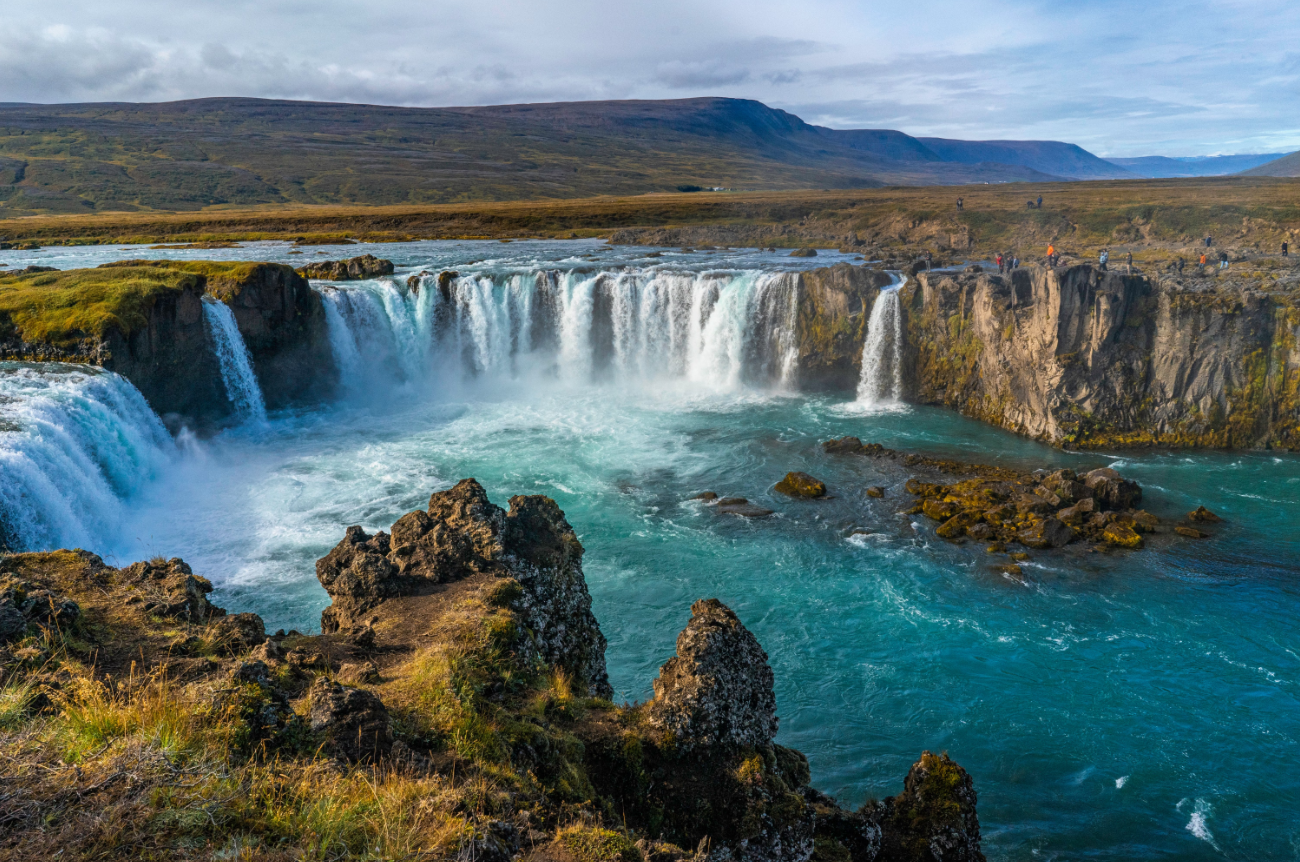
Is Iceland worth visiting? For travellers who enjoy dramatic landscapes, outdoor adventures, geothermal experiences and destinations that feel genuinely different from everyday life, the answer is a strong yes. Iceland combines glaciers, volcanoes, waterfalls, black-sand beaches, lava fields, hot springs and vast open landscapes within a relatively compact country. Its official tourism organisation describes Iceland as a destination of glaciers, volcanoes, hot springs, geysers, black-sand beaches and distinctive cultural experiences.
But Iceland is not perfect for every traveller. It can be expensive, weather can change rapidly, and a self-drive holiday requires more preparation than an ordinary European city break. Understanding these advantages and limitations is therefore essential before deciding is Iceland a good place to visit.
Also Read - Best Places to Visit in Iceland: A Complete 7 Days in Iceland Itinerary
This post contains affiliate links. If you choose to book through them, a small commission may be earned at no additional cost to you. Your support genuinely helps keep the blog running and allows continued creation of high-quality travel guides. Thank you for being here and supporting this journey.
Why Is Iceland Worth Visiting?
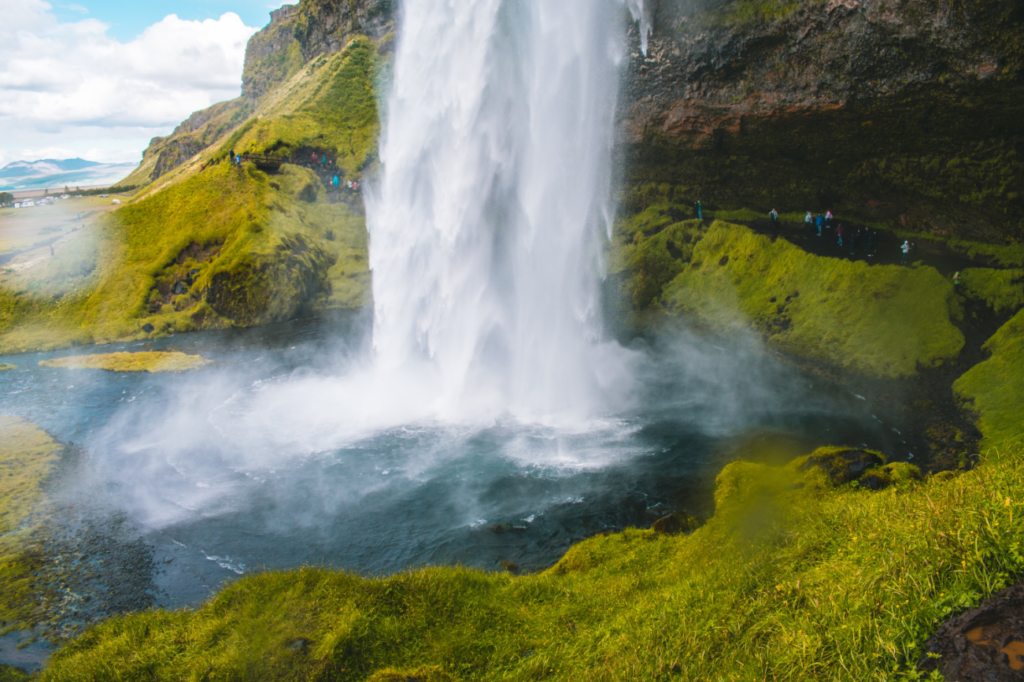
The biggest reason is Iceland worth visiting is the extraordinary variety of landscapes available in a single trip. You can walk beside a waterfall in the morning, explore a volcanic landscape in the afternoon and relax in naturally heated water in the evening.
Unlike destinations where major attractions are concentrated around historic cities, Iceland's greatest attractions are largely natural. This makes the journey itself part of the experience. Roads pass lava fields, mountains, coastlines, glaciers and remote settlements, often producing spectacular scenery without requiring a major detour.
The country's landscape also changes dramatically with the seasons. Summer brings exceptionally long days, while autumn, winter and spring provide opportunities for Northern Lights viewing. Official tourism information describes Iceland as a country of extreme contrasts, with almost continuous summer daylight balanced by very short winter days.
Is Iceland a Good Place to Visit for Nature Lovers?
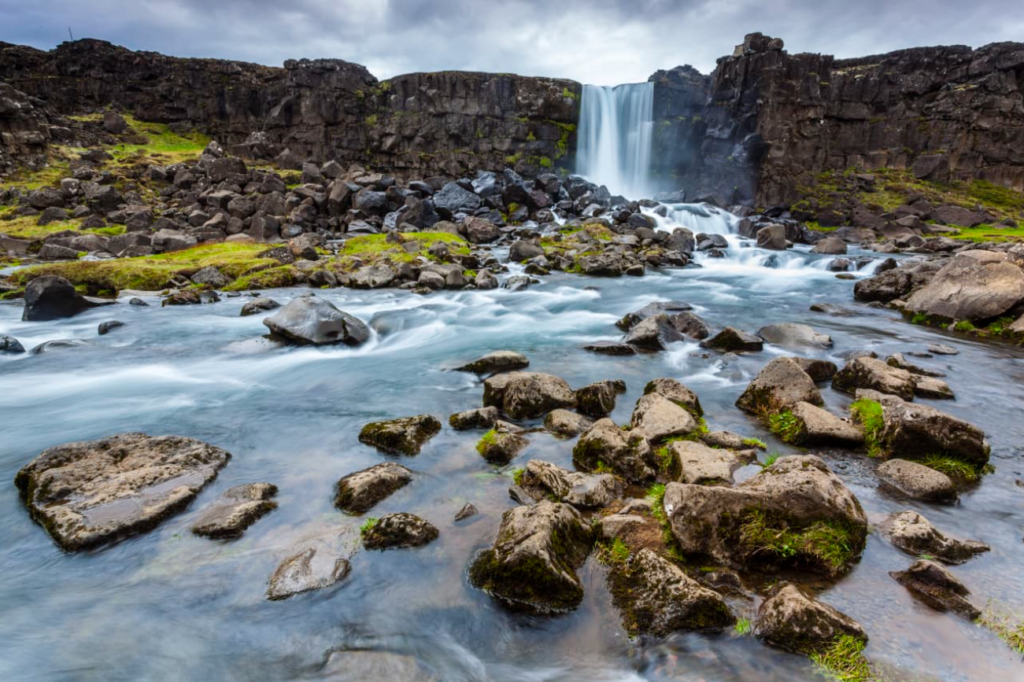
If nature is your priority, is Iceland a good place to visit is an easy question to answer. Iceland offers an unusually concentrated collection of geological and natural features.
The Golden Circle provides three classic experiences: Þingvellir National Park, the Geysir geothermal area and Gullfoss waterfall. Þingvellir combines geological significance with Icelandic history, while Geysir demonstrates the country's geothermal energy and Gullfoss showcases the power of glacial water.
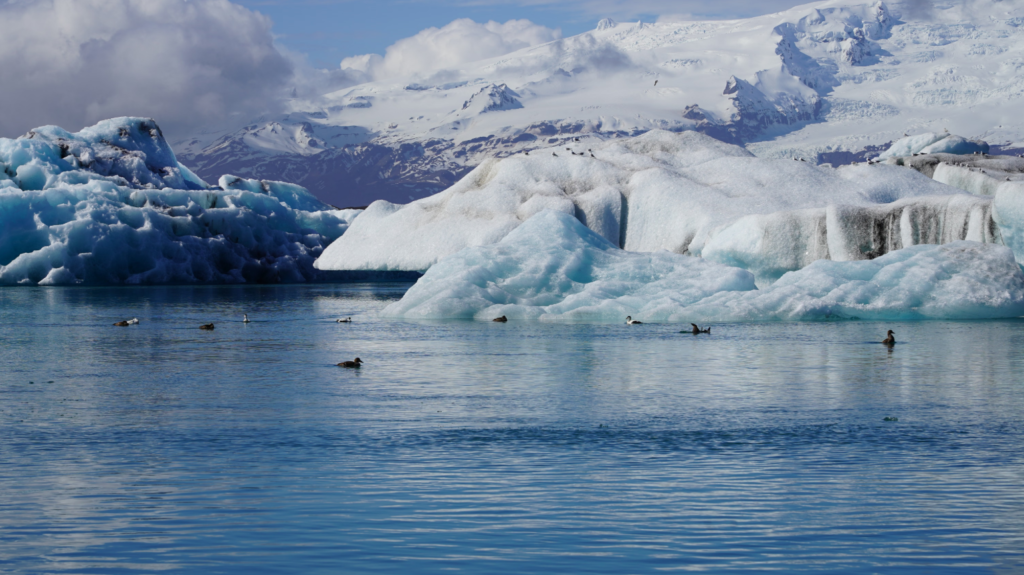
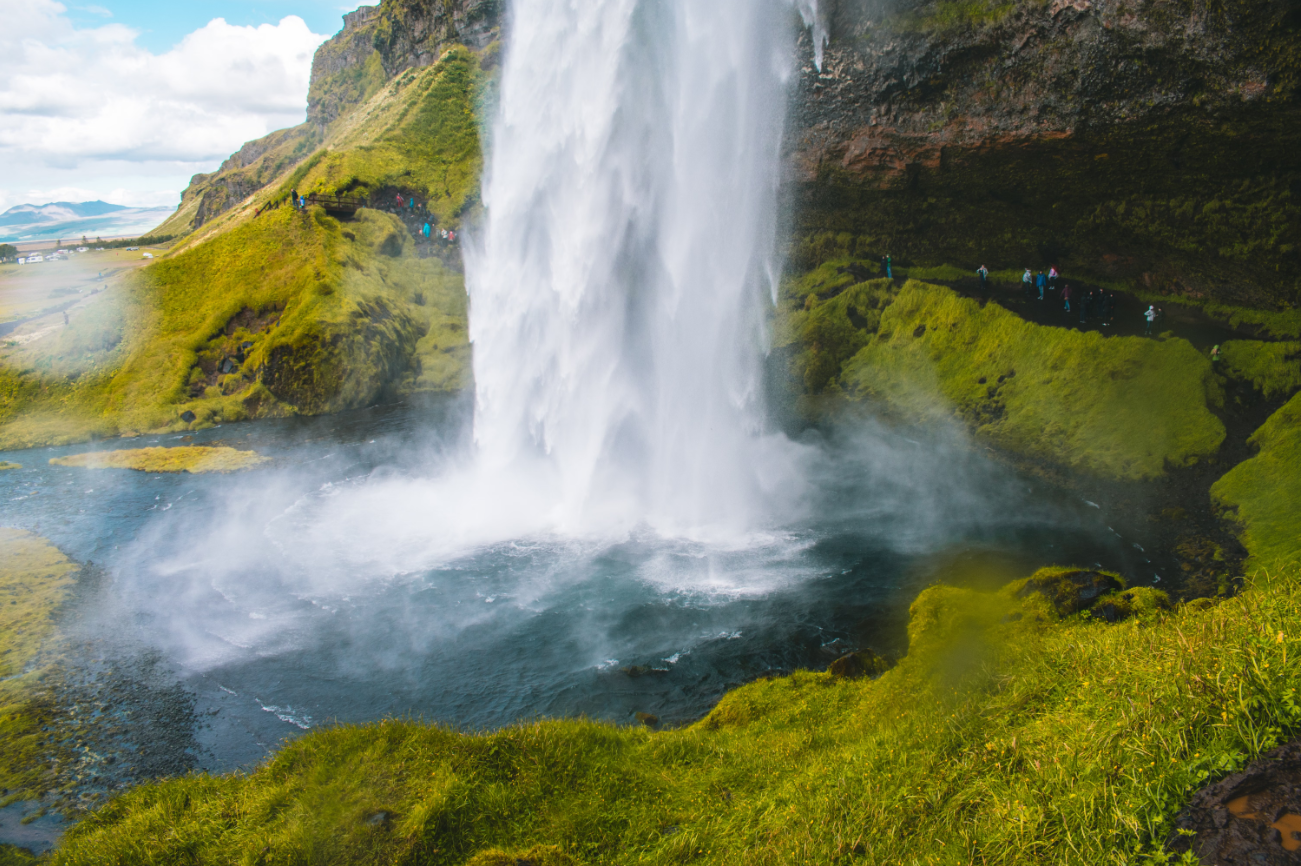
Further along the South Coast, travellers encounter Seljalandsfoss, Skógafoss, Reynisfjara and extensive volcanic scenery. Continuing east leads towards Vatnajökull National Park and Jökulsárlón Glacier Lagoon, where icebergs float towards the Atlantic.
This concentration of different environments is one of Iceland's strongest advantages.
Glaciers and Ice Landscapes
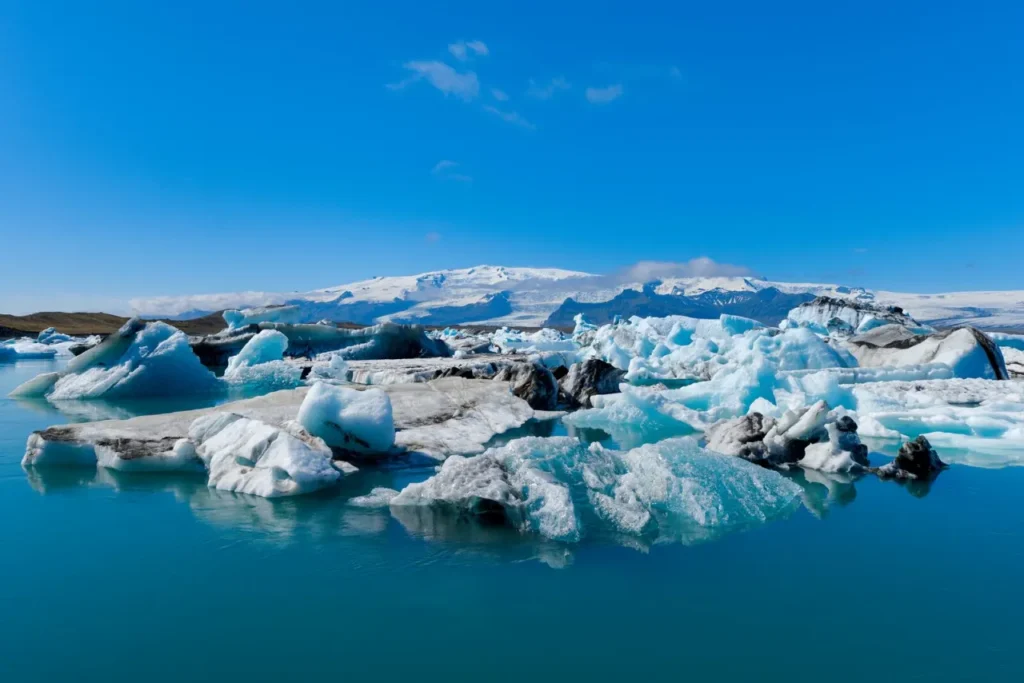
One of the clearest answers to is Iceland worth visiting is Iceland's accessibility to glacial landscapes. Travellers do not necessarily need mountaineering experience to appreciate glaciers.
Jökulsárlón Glacier Lagoon provides one of the most memorable experiences. Icebergs break away from the glacier, drift through the lagoon and eventually move towards the sea. Nearby Diamond Beach creates an extraordinary contrast between pieces of clear ice and black volcanic sand.
For more active travellers, guided glacier walks and ice-cave experiences provide a closer encounter with Iceland's frozen landscape. Such activities should always be undertaken with qualified guides because crevasses, unstable ice and rapidly changing conditions can create genuine hazards.
Volcanoes and Geothermal Landscapes
Iceland's volcanic character is another major reason is Iceland a good place to visit receives such a positive answer. The country's location along active geological zones has produced lava fields, volcanic craters, geothermal areas and dramatic mountains.
Geothermal energy is not simply a sightseeing attraction. It plays a significant role in Icelandic life, including heating and bathing. Visitors can experience this through public swimming pools, natural hot springs and commercial spas.
The Blue Lagoon is the country's most internationally recognised geothermal attraction, but it is only one option. Iceland's official tourism organisation highlights geothermal wellness as an important year-round experience, with geothermal pools and spas available across the country.
The Northern Lights
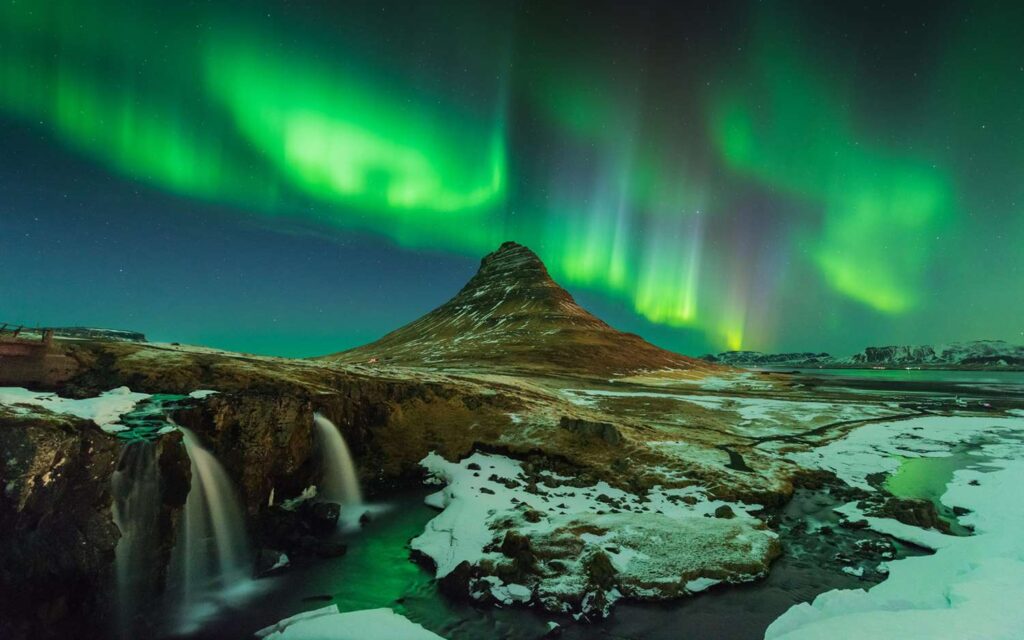
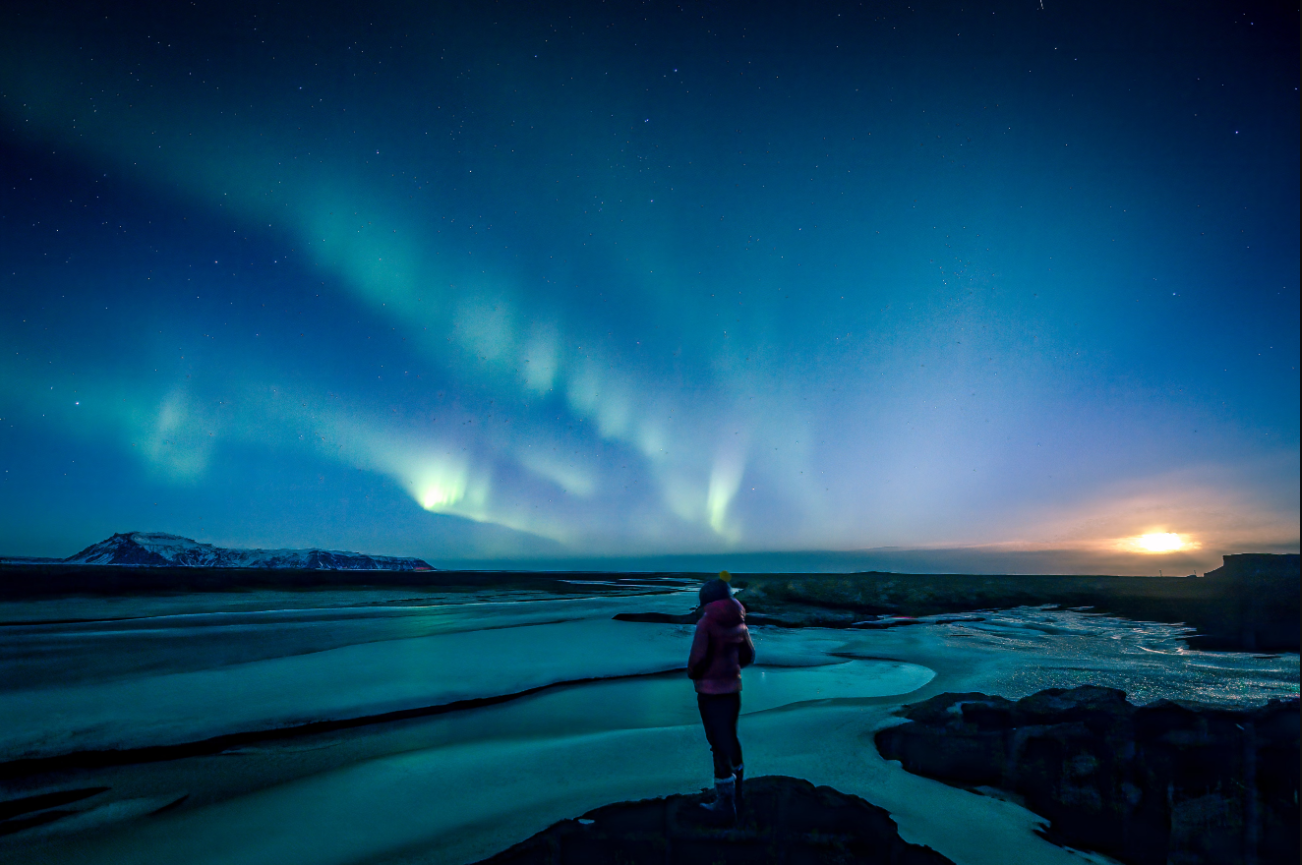
For many travellers, the Northern Lights alone can make Iceland worth visiting. The aurora is visible during the darker part of the year, with the official tourism organisation identifying the aurora season as approximately late August through late April.
However, it is important to have realistic expectations. The Northern Lights are a natural phenomenon rather than a scheduled attraction. Cloud cover, darkness and solar activity all influence visibility.
This means travellers should not book an entire holiday solely around seeing the aurora. Instead, combine Northern Lights opportunities with daytime sightseeing. If conditions are poor one evening, there may be another opportunity later in the trip.
For photographers and nature enthusiasts, standing beneath an illuminated Icelandic sky can be one of the most memorable travel experiences imaginable.
Is Iceland Worth Visiting in Summer?
Summer is arguably the easiest season for a first Iceland trip. Long daylight hours provide more time for sightseeing, hiking and driving, while many outdoor routes are easier to access.
Summer is particularly attractive for road trips because travellers can spend considerably longer outdoors. Waterfalls are powerful, landscapes are greener and hiking opportunities are extensive.
The disadvantage is popularity. Major attractions can become busy, and accommodation and rental cars can be more expensive. Travellers seeking solitude may prefer spring or autumn.
Nevertheless, if you are asking is Iceland worth visiting for a first-time road trip, summer provides a relatively straightforward introduction.
Is Iceland Worth Visiting in Winter?
Winter offers a completely different experience. Snow-covered landscapes, frozen waterfalls, low-angle sunlight and long nights create a dramatic atmosphere.
It is also the prime season for pursuing the Northern Lights. However, winter requires greater flexibility. Snow, ice, strong winds and reduced visibility can affect driving and outdoor activities.
Safetravel, Iceland's official safety organisation, specifically warns that weather and road conditions can change rapidly and recommends checking conditions frequently. Its guidance also states that winter driving requires extra caution because of snow, ice and reduced visibility.
Therefore, is Iceland a good place to visit in winter depends partly on your travel style. It is excellent for travellers comfortable with flexible schedules, guided excursions and changing weather. It is less suitable for anyone expecting guaranteed road conditions or a tightly scheduled itinerary.
Iceland for Adventure Travellers
Adventure is another strong reason is Iceland worth visiting. Activities range from relatively gentle experiences to physically demanding excursions.
Visitors can hike around waterfalls, explore lava landscapes, snorkel between tectonic plates, ride Icelandic horses, walk on glaciers, explore ice caves and join snowmobile excursions.
The country's official tourism organisation describes Iceland as an outdoor enthusiast's destination, with mountains, volcanoes, glaciers, rivers, caves and rugged terrain providing numerous adventure opportunities.
Importantly, you do not have to be an extreme adventurer. Many experiences can be adapted to different fitness levels, and Reykjavík itself provides cultural and wellness alternatives for days when you want something less strenuous.
Iceland for Families
Families may also find Iceland a good destination because many experiences are educational as well as entertaining. Children can see geysers erupt, waterfalls, glaciers, volcanic rocks and geothermal steam rather than learning about geology only from textbooks.
Reykjavík's attractions provide indoor alternatives when weather is poor. Perlan, for example, combines interactive exhibitions with experiences focused on glaciers, volcanoes and the Northern Lights.
However, families should avoid overloading the itinerary with long driving days. Younger children may enjoy a slower route centred on Reykjavík, the Golden Circle and selected South Coast attractions rather than attempting the entire Ring Road.
Is Iceland Expensive?
One of the strongest arguments against is Iceland worth visiting for budget travellers is cost. Iceland can be expensive compared with many European destinations, particularly for accommodation, restaurant meals, car rental and organised excursions.
However, costs can be controlled with careful planning. Travellers can choose guesthouses, apartments or campsites, prepare some meals themselves and prioritise free natural attractions.
Many of Iceland's greatest experiences do not require an expensive admission ticket. Waterfalls, beaches, viewpoints and much of the country's dramatic scenery can be enjoyed without paying an entrance fee.
The best strategy is to identify the experiences that matter most and allocate the budget accordingly. Paying for a memorable glacier walk or geothermal experience may be more worthwhile than spending heavily on numerous smaller attractions.
Is Iceland Safe for Tourists?
For ordinary crime and personal security, Iceland has an excellent reputation. The country's official tourism organisation describes it as having one of the world's lowest crime rates.
The bigger risks come from nature and weather. Ocean waves at beaches can be dangerous, geothermal water can be extremely hot, glaciers contain hidden hazards and rapidly changing weather can affect roads and hiking trails.
Safetravel is operated by ICE-SAR, Iceland's Association for Search and Rescue, and provides official travel-condition information. It recommends checking conditions and creating a travel plan, particularly for outdoor journeys.
Responsible preparation therefore matters more than simply assuming Iceland is completely risk-free.
Driving in Iceland
A self-drive trip is one of the best ways to experience Iceland, but it requires sensible planning. The scenery can be distracting, roads can change from paved to gravel and weather can deteriorate quickly.
Safetravel advises drivers to check weather and road conditions several times a day, slow down when approaching gravel roads and respect road closures. Off-road driving is strictly prohibited.
This is particularly important when deciding is Iceland a good place to visit for a road-trip holiday. Confident drivers who are willing to adjust their plans can have an exceptional experience. Travellers uncomfortable with unfamiliar conditions may prefer guided tours.
Is Iceland Good for Culture and Food?
Iceland is sometimes marketed primarily through landscapes, but its cultural identity adds considerable depth. Reykjavík has museums, galleries, restaurants, music venues and architectural landmarks, while smaller communities reveal Iceland's maritime and rural traditions.
Icelandic culture has been shaped by Norse heritage, literature, isolation and a close relationship with the natural environment. The official tourism organisation highlights everything from ancient sagas and Viking history to contemporary art, design, film and creative industries.
Food is another way to understand the country. Seafood, lamb, dairy products, rye bread and modern Nordic cuisine feature prominently. Local geothermal energy also influences food production, including greenhouse agriculture.
Who Should Visit Iceland?
Is Iceland worth visiting if you enjoy nature, photography, road trips, outdoor experiences, wellness or unusual landscapes? Absolutely.
It is particularly well suited to travellers who prefer experiences over conventional sightseeing. Instead of spending most of the holiday inside museums or historic buildings, you spend significant time outdoors experiencing geological and climatic landscapes.
Couples can combine scenic drives with geothermal spas. Families can explore waterfalls and museums. Photographers can pursue changing light and landscapes. Adventure travellers can hike glaciers or explore volcanic terrain.
Conversely, Iceland may be less suitable if your ideal holiday revolves around hot weather, beaches, nightlife or inexpensive luxury.
How Long Should You Stay?
A long weekend can provide a taste of Reykjavík and the Golden Circle, but a week is considerably better for a first visit.
Seven days allows travellers to combine Reykjavík, the Golden Circle, South Coast waterfalls, Reynisfjara, Skaftafell and Jökulsárlón without trying to cover every corner of the country.
Longer trips allow deeper exploration of North Iceland, the Snæfellsnes Peninsula, Eastfjords and Westfjords. The important point is to avoid turning the holiday into a race between attractions.
The Biggest Reasons to Visit
So, is Iceland worth visiting? The strongest reasons include extraordinary scenery, geological diversity, geothermal culture, accessible outdoor adventures and the possibility of seeing the Northern Lights.
The country also feels different from conventional European destinations. Its landscapes are enormous, its settlements are relatively small and the relationship between nature and daily life is unusually visible.
The official tourism organisation describes Iceland as a destination where adventure, culture, wellness, food and sustainable travel can all form part of the experience.
That variety means you can build very different holidays around the same destination.
Final Verdict
So, is Iceland a good place to visit? Yes—but it is best for travellers who appreciate nature, changing weather and active exploration.
Iceland's waterfalls, glaciers, volcanoes, geothermal pools and Northern Lights create experiences that are difficult to replicate elsewhere. The country also offers excellent opportunities for road trips, photography, hiking, wildlife watching and cultural discovery.
The main drawbacks are cost, unpredictable weather and the need for careful planning. These are genuine considerations rather than reasons to avoid the destination. With appropriate preparation, they become manageable.
Ultimately, is Iceland worth visiting depends on what you expect from a holiday. If you want predictable sunshine and inexpensive relaxation, there may be better choices. If you want dramatic landscapes, geological wonders, geothermal bathing and the feeling of standing somewhere genuinely extraordinary, Iceland is one of the most compelling destinations in Europe.
For a first trip, focus on Reykjavík, the Golden Circle and South Coast, leave flexibility in your schedule and check official conditions before driving or hiking. Do that, and is Iceland a good place to visit becomes less a question and more an invitation to experience one of the world's most distinctive landscapes.

Comments 0
Only approved comments are shown here.