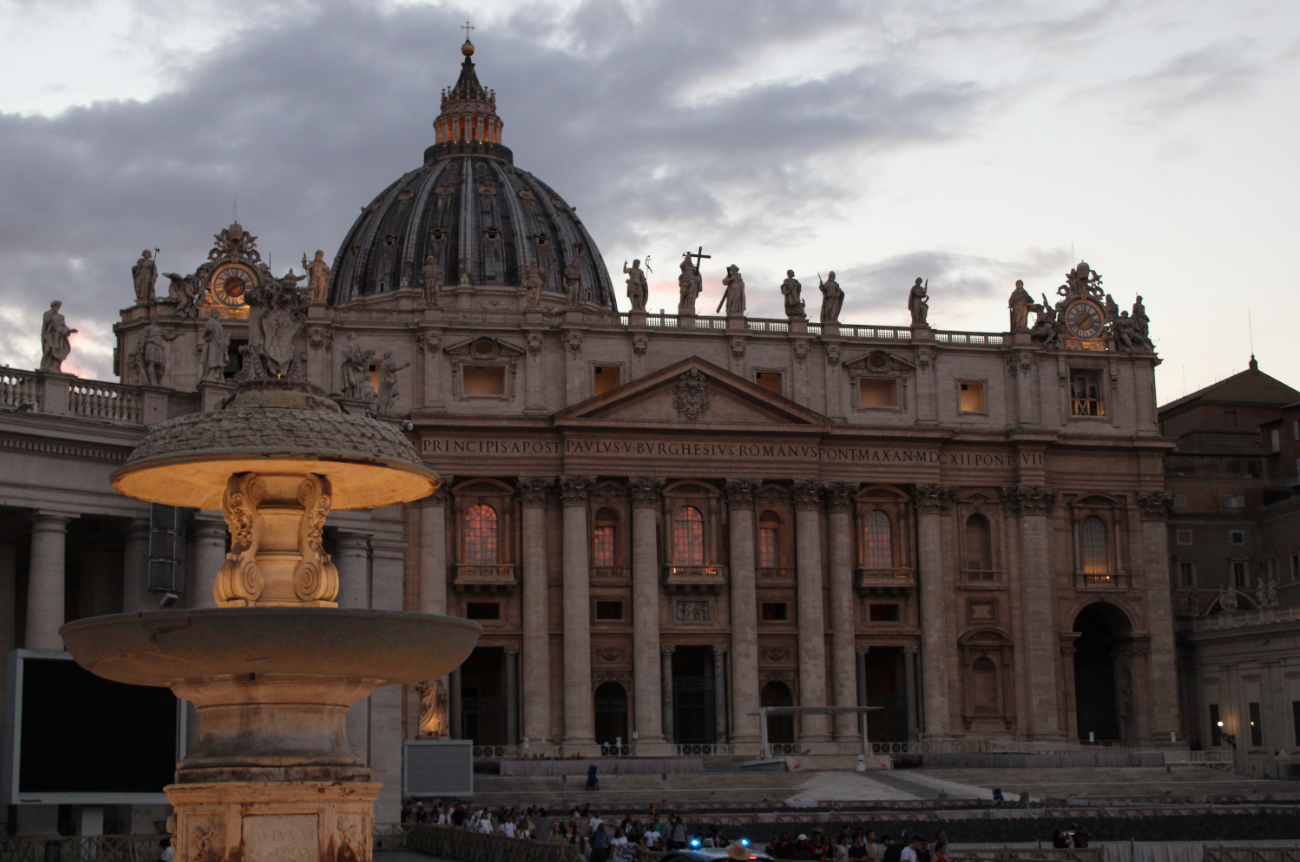
Vatican City is one of the world's most fascinating travel destinations, attracting millions of visitors with its extraordinary religious heritage, magnificent architecture and priceless artistic collections. Located within Rome, Italy, this independent city-state is the smallest country in the world by area and serves as the spiritual centre of the Roman Catholic Church. The Vatican City attractions offer an incredible combination of historical landmarks, Renaissance masterpieces, religious monuments and beautiful gardens.
From Michelangelo's breathtaking Sistine Chapel ceiling to the grandeur of St. Peter's Basilica, every corner reveals remarkable artistic and cultural significance. Whether you are interested in history, architecture, religion or art, exploring the Vatican City attractions is an essential experience when visiting Rome. This guide covers 12 remarkable places to include in your itinerary.
Also Read - Rome Travel Guide: How to Plan a Smooth and Memorable Trip
12 Best Vatican City Attractions to Explore
1. St. Peter's Basilica – A Magnificent Renaissance Masterpiece
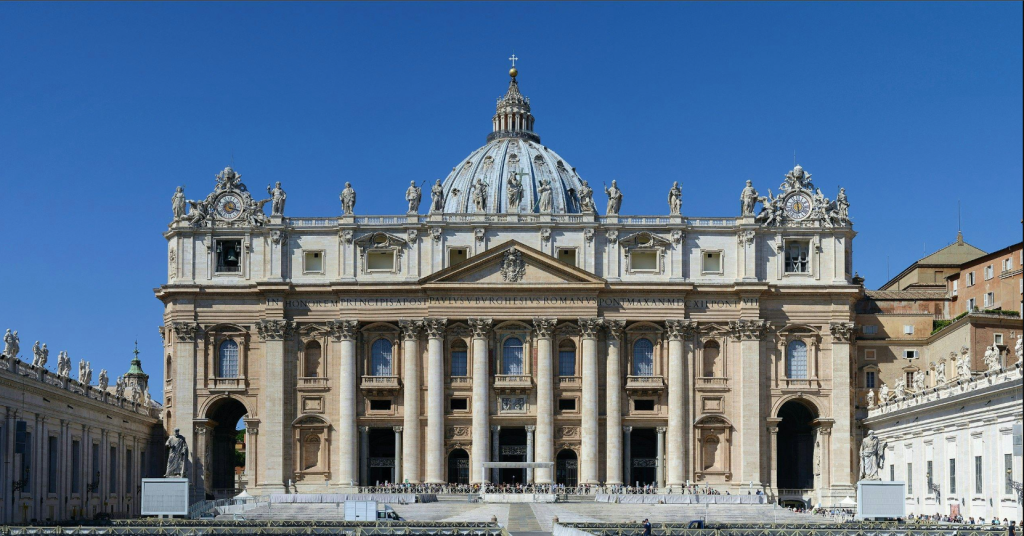
St. Peter's Basilica is one of the most extraordinary Vatican City attractions, renowned for its impressive Renaissance architecture, enormous dome and exceptional artistic heritage. Built over the traditional burial site of Saint Peter, the basilica is one of Christianity's most important pilgrimage destinations. Visitors can admire Michelangelo's famous Pietà, Bernini's magnificent bronze Baldachin and the elaborate interior decorated with sculptures, mosaics and marble details. The basilica's vast interior creates an unforgettable experience for visitors interested in religious history and architecture. Entry to the main basilica is generally free, although security queues can be lengthy. Appropriate clothing is required, and visitors should check official visiting arrangements before arriving.
Best for: Architecture, religious history, sculptures and cultural exploration.
2. Vatican Museums – Discover Extraordinary Art Collections
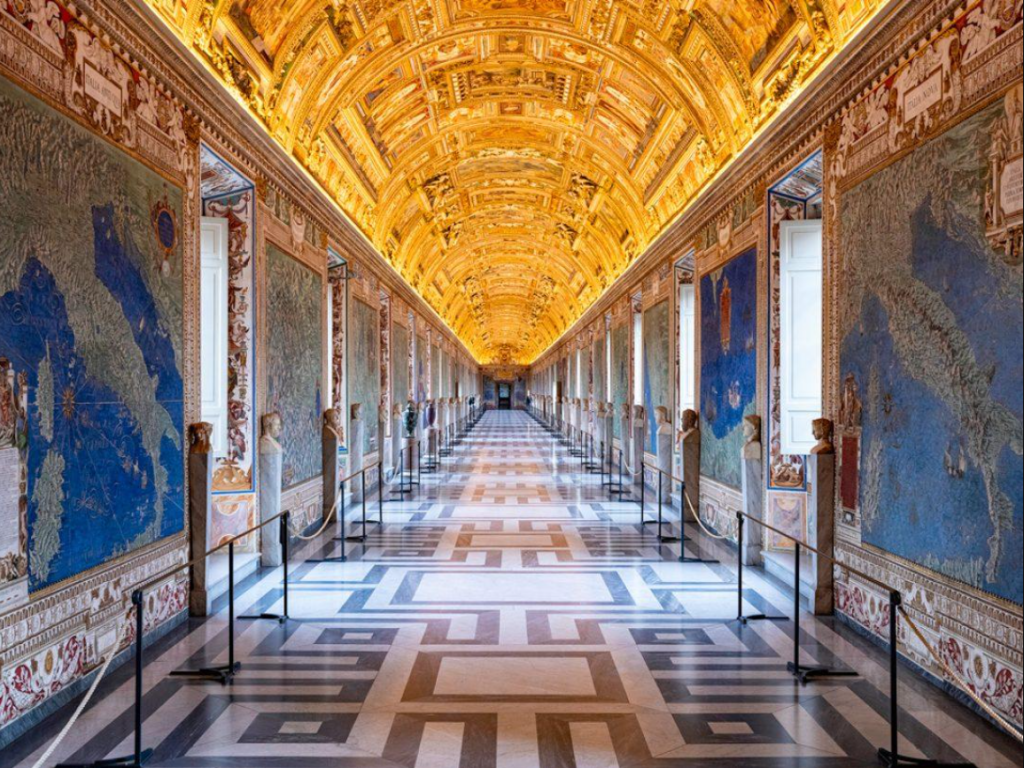
The Vatican Museums are among the most celebrated Vatican City attractions, housing an extraordinary collection of artworks, sculptures, historical objects and religious treasures. Established by the popes over several centuries, the museums contain remarkable collections from ancient Egypt, Greece and Rome, alongside Renaissance masterpieces. Popular highlights include the Gallery of Maps, Raphael Rooms, Pio-Clementino Museum and the Gallery of Tapestries. Visitors can explore impressive frescoes, ancient sculptures and intricately decorated galleries while discovering the history of European art. Allow at least three hours to explore the major collections, although art enthusiasts may want considerably longer. Advance booking through the official Vatican Museums ticket website is recommended.
Best for: Art enthusiasts, history lovers, Renaissance collections and museum experiences.
3. Sistine Chapel – Admire Michelangelo's Iconic Frescoes
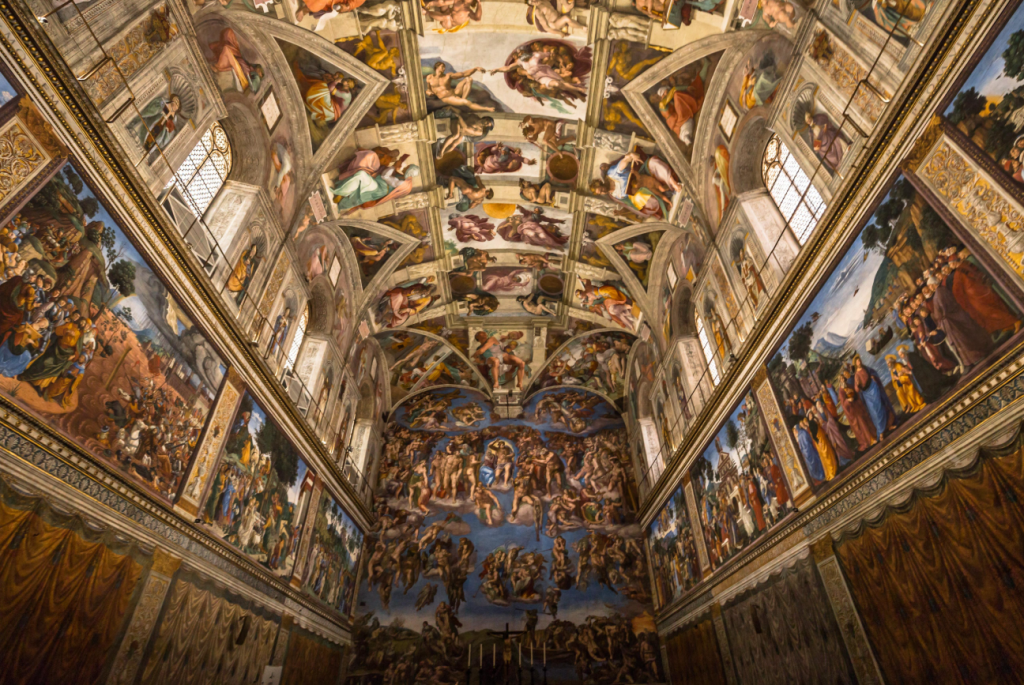
The Sistine Chapel is one of the most famous Vatican City attractions, celebrated for Michelangelo's extraordinary ceiling frescoes and the monumental Last Judgment. Located within the Vatican Museums, the chapel is also an important religious space where papal conclaves take place to elect a new pope. The Creation of Adam, depicting God reaching towards Adam, is among the most recognisable artworks in Western art history. Visitors can admire the extraordinary detail and artistic composition of the frescoes while experiencing the chapel's spiritual significance. Photography and filming are prohibited inside, and visitors are expected to maintain silence. The Sistine Chapel is included in the standard Vatican Museums admission.
Best for: Renaissance masterpieces, Michelangelo, religious history and art appreciation.
4. St. Peter's Square – Experience the Heart of Vatican City
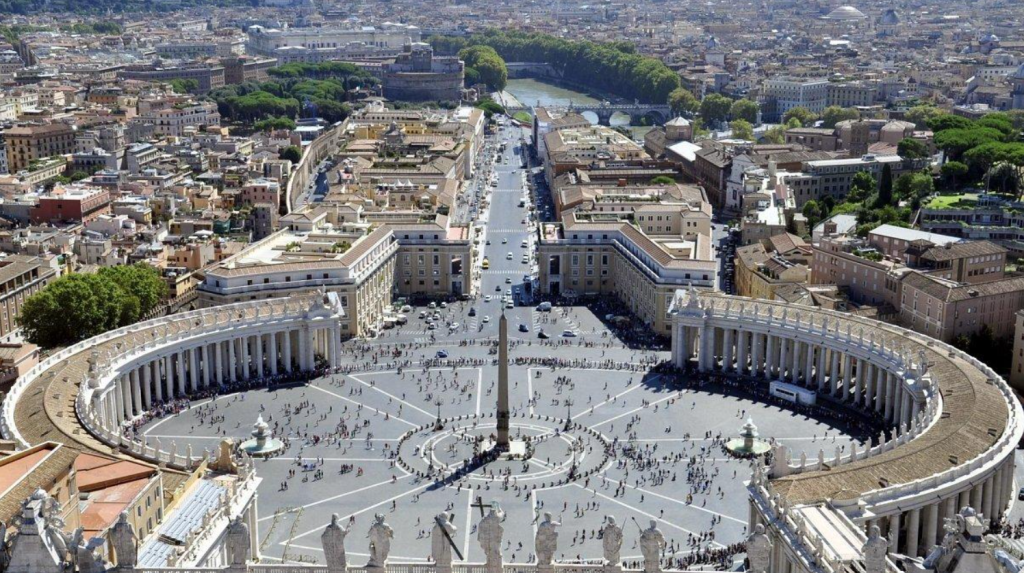
St. Peter's Square is one of the most recognisable Vatican City attractions, famous for its enormous open space, elegant colonnades and impressive Egyptian obelisk. Designed primarily by Gian Lorenzo Bernini during the 17th century, the square creates a spectacular approach to St. Peter's Basilica. Its sweeping rows of columns symbolically embrace visitors and pilgrims arriving from around the world. Visitors can admire the architecture, photograph the basilica's magnificent façade and experience the atmosphere of this important religious gathering place. The square also hosts major papal ceremonies and public audiences. Entry is free, although security checks may be required during busy periods and special events.
Best for: Photography, architecture, religious gatherings and sightseeing.
5. St. Peter's Dome – Enjoy Panoramic Views Over Rome
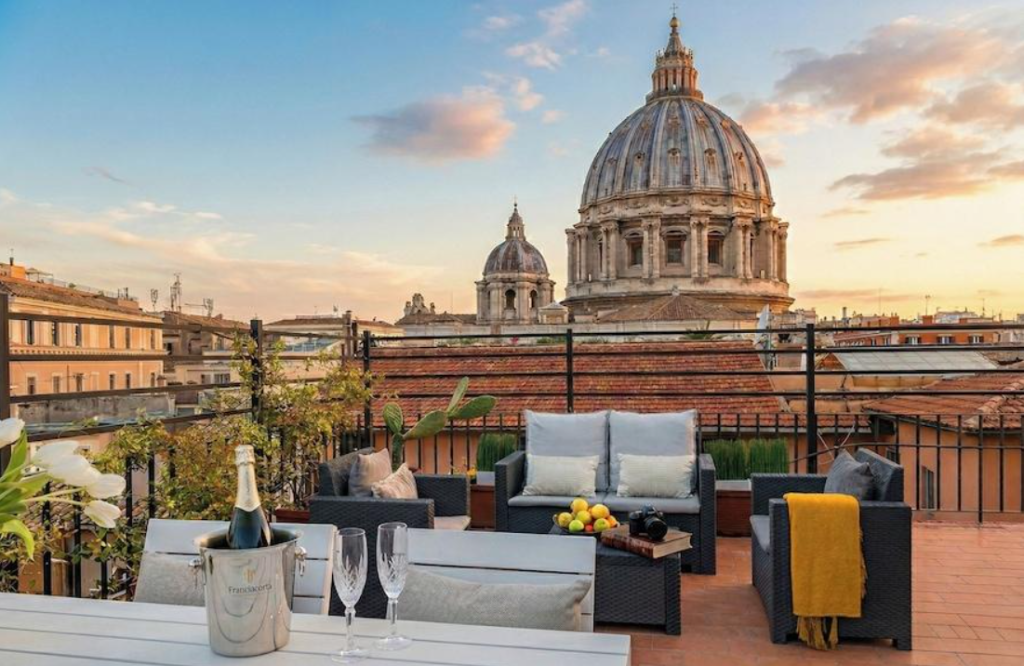
Climbing the magnificent dome of St. Peter's Basilica Dome is one of the most rewarding Vatican City attractions for visitors who enjoy spectacular views. Designed by Michelangelo and completed after his death, the dome dominates the Vatican skyline and represents an extraordinary achievement of Renaissance architecture. Visitors can climb towards the upper viewing terrace, where they are rewarded with panoramic views of St. Peter's Square, Vatican Gardens and the historic rooftops of Rome. The experience includes a closer look at the basilica's interior mosaics from above. Access requires a separate paid ticket, and visitors can choose between stairs-only access and a lift-assisted option for part of the climb.
Best for: Panoramic photography, architecture and unforgettable city views.
6. Vatican Gardens – Discover a Peaceful Green Retreat
The Vatican Gardens offer a peaceful contrast to the busy museums and religious landmarks, making them particularly interesting Vatican City attractions for visitors seeking a quieter experience. Covering a significant part of the tiny city-state, these beautifully maintained gardens feature fountains, sculptures, landscaped lawns, historic monuments and impressive views of St. Peter's Basilica. Their history stretches back several centuries, with different popes contributing to their development. Visitors can discover Italian, French and English garden styles while enjoying the peaceful atmosphere. Access is generally organised through official guided tours or authorised visitor experiences, so advance reservations are essential.
Best for: Nature lovers, photography, guided tours and peaceful sightseeing.
7. Vatican Grottoes – Explore the Papal Burial Chambers
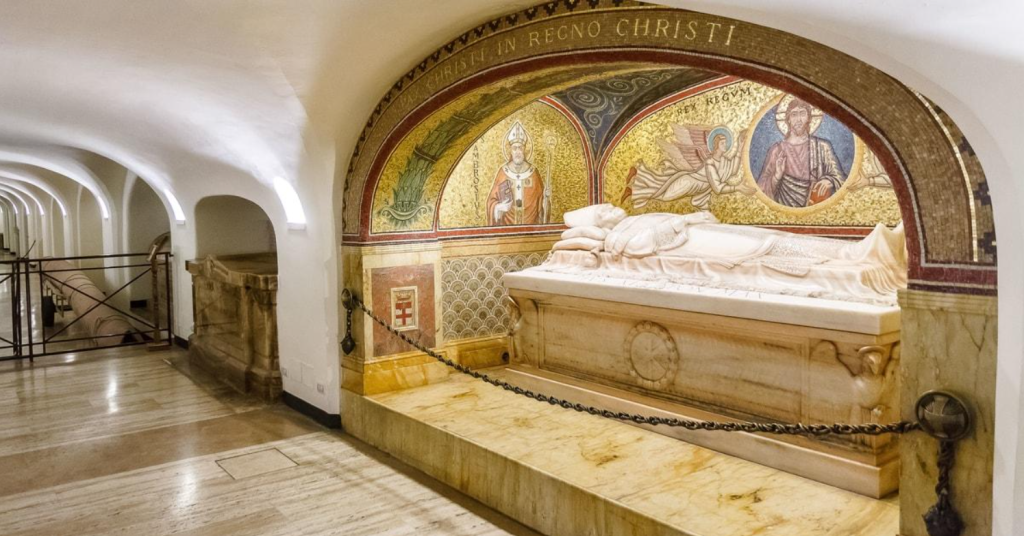
The Vatican Grottoes are among the most historically significant Vatican City attractions, located beneath St. Peter's Basilica. These underground chambers contain the tombs of several popes and important religious figures, creating a deeply meaningful experience for visitors interested in Catholic history. The grottoes also contain historic monuments, chapels and architectural remains associated with earlier periods of the basilica. Visitors can explore the area as part of the basilica's visiting arrangements, subject to access restrictions and religious activities. Photography rules and opening arrangements should be checked before visiting, particularly during special liturgical events.
Best for: Religious history, papal heritage and historical exploration.
8. Raphael Rooms – Admire Extraordinary Renaissance Paintings
The Raphael Rooms are an essential stop among the Vatican City attractions for anyone interested in Renaissance art. These rooms are decorated with remarkable frescoes created by Raphael and his workshop for Pope Julius II. Their most celebrated masterpiece, The School of Athens, depicts important philosophers and thinkers from ancient Greece, including Plato and Aristotle. Other impressive paintings explore themes of theology, philosophy, literature and justice. The rooms demonstrate Raphael's exceptional ability to combine artistic beauty with intellectual and historical subjects. Located within the Vatican Museums, they are included in the standard museum admission ticket.
Best for: Renaissance painting, art history and cultural exploration.
9. Gallery of Maps – Discover Italy Through Historic Cartography
The Gallery of Maps is one of the most visually impressive Vatican City attractions, featuring an extraordinary collection of large geographical maps depicting different regions of Italy. Created during the late 16th century under Pope Gregory XIII, the gallery is famous for its detailed cartographic paintings and richly decorated ceiling. Visitors can admire the historical representation of Italian cities, coastlines, islands and landscapes while learning how geographical knowledge developed during the Renaissance. Its long corridor, decorative frescoes and elaborate artistic details make it particularly popular with photography enthusiasts and history lovers. The gallery is located inside the Vatican Museums and is included in the standard admission ticket.
Best for: History, cartography, Renaissance decoration and photography.
10. Vatican Pinacoteca – Explore the Vatican's Art Gallery
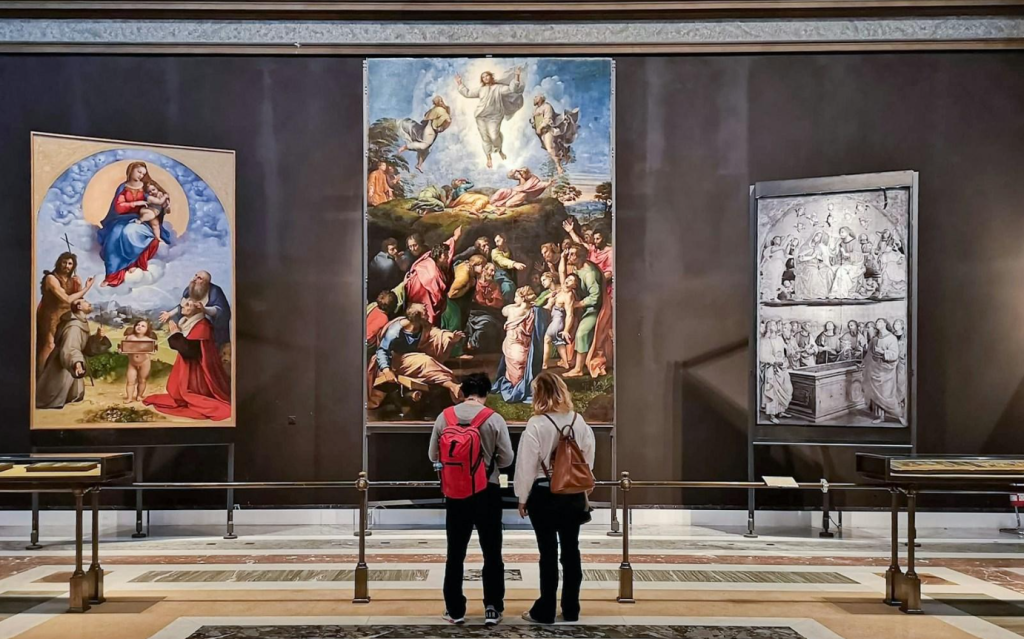
The Vatican Pinacoteca is an excellent destination for art enthusiasts exploring the Vatican City attractions. This picture gallery houses an impressive collection of paintings from different periods, including works by celebrated Italian artists such as Raphael, Leonardo da Vinci, Caravaggio and Giotto. The collection provides an opportunity to understand the development of European religious painting and artistic techniques across several centuries. Visitors can admire elaborate altarpieces, portraits and biblical scenes displayed in carefully arranged galleries. The Pinacoteca is part of the Vatican Museums, making it convenient to include alongside the Sistine Chapel and Raphael Rooms during the same visit.
Best for: Fine art, Renaissance paintings and art enthusiasts.
11. Vatican Necropolis – Discover the Ancient Tomb of St. Peter
The Vatican Necropolis, also known as the Scavi, is one of the most fascinating Vatican City attractions for visitors interested in archaeology and early Christian history. Located beneath St. Peter's Basilica, this ancient burial ground contains Roman-era tombs, archaeological remains and sites associated with early Christian traditions. The area is particularly significant because of its connection to the traditional burial place of Saint Peter. Unlike the main basilica, access is highly restricted and available only through separately arranged guided visits with limited visitor numbers. Reservations should be requested well in advance through the official Vatican archaeological office. Visitors should also be aware that the underground route can be physically demanding and is not suitable for everyone.
Best for: Archaeology, early Christian history and specialist guided tours.
12. Bramante Staircase – Admire an Architectural Masterpiece
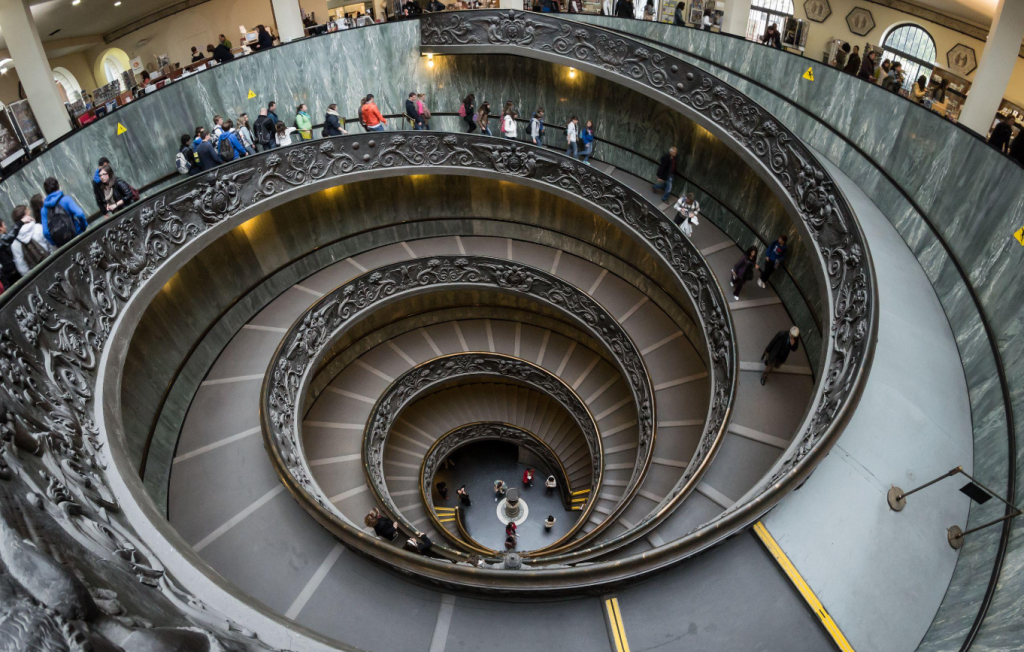
The Bramante Staircase is one of the most visually distinctive Vatican City attractions, attracting visitors with its remarkable spiral design and architectural elegance. The original staircase was commissioned by Pope Julius II in 1505 and designed by Donato Bramante. It features an innovative helical structure that allows movement between different levels without conventional steps. The famous staircase often photographed by visitors is the modern double-helix version designed by Giuseppe Momo in 1932. Its striking geometric arrangement creates a beautiful visual effect when viewed from above. Access to the modern staircase is generally part of selected Vatican Museums routes, so visitors should check whether it is included in their chosen tour.
Best for: Architecture, photography, Renaissance history and design enthusiasts.
Quick Comparison of the Best Vatican City Attractions
| Attraction | Main highlight | Suggested time |
|---|---|---|
| St. Peter's Basilica | Michelangelo's Pietà and architecture | 1–1.5 hours |
| Vatican Museums | Historic art collections | 3–4 hours |
| Sistine Chapel | Michelangelo's frescoes | 30–45 minutes |
| St. Peter's Square | Bernini's colonnades | 30–45 minutes |
| St. Peter's Dome | Panoramic Rome views | 45–60 minutes |
| Vatican Gardens | Landscaped gardens | 1–2 hours |
| Vatican Grottoes | Papal tombs | 30–45 minutes |
| Raphael Rooms | School of Athens | 30–45 minutes |
| Gallery of Maps | Historic Italian maps | 20–30 minutes |
| Vatican Pinacoteca | Renaissance paintings | 45–60 minutes |
| Vatican Necropolis | Ancient burial grounds | 1–1.5 hours |
| Bramante Staircase | Spiral architectural design | 10–15 minutes |
Times are approximate and depend on queues, guided tours and individual interests. Some attractions require separate reservations or tickets.
Best Time to Visit Vatican City
The best time to explore the Vatican City attractions is generally during spring (April–June) and autumn (September–October), when temperatures are relatively comfortable for sightseeing.
| Season | Months | Travel experience |
|---|---|---|
| Spring | March–June | Pleasant sightseeing and outdoor exploration |
| Summer | July–August | Hot weather and larger tourist crowds |
| Autumn | September–October | Comfortable temperatures and sightseeing |
| Winter | November–February | Cooler weather and Christmas celebrations |
Seasonal recommendations:
- For comfortable sightseeing: April, May, September and October.
- For Christmas celebrations: December, particularly around St. Peter's Square.
- For fewer crowds: Consider January and February, avoiding major religious events.
- For photography: Early mornings offer attractive light and generally fewer visitors.
Check the official calendar before visiting because papal ceremonies, religious celebrations and special events can affect access to certain areas.
Essential Travel Tips for Visiting Vatican City
Planning ahead can make exploring the Vatican City attractions much easier, particularly during peak tourist periods.
- Book museum tickets early: Reserve Vatican Museums tickets through the official website to avoid unofficial resellers.
- Dress appropriately: Cover shoulders and knees when entering religious sites.
- Arrive early: Morning visits can help reduce waiting times at popular attractions.
- Allow enough time: Allocate at least one full day to explore the main museums, basilica and surrounding landmarks.
- Carry identification: Some guided tours and restricted visits may require identification.
- Avoid oversized luggage: Museum cloakroom restrictions apply.
- Respect photography rules: Photography is prohibited inside the Sistine Chapel.
- Check religious schedules: Basilica access may change during papal ceremonies and special services.
- Wear comfortable footwear: Expect considerable walking and standing.
The Vatican Museums also specify clothing and luggage requirements in their official visitor guidance.
How to Reach Vatican City?
Vatican City is located in central Rome and is accessible by public transport, taxi and walking routes.
- By metro: Take Metro Line A to Ottaviano or Cipro, followed by a short walk.
- By bus: Several Rome bus routes serve the Vatican and surrounding Prati neighbourhood.
- By train: Roma San Pietro railway station is within walking distance of St. Peter's Square.
- By taxi: Licensed taxis can drop visitors near the Vatican entrances, depending on local traffic restrictions.
- On foot: Visitors staying in central Rome can walk towards the Vatican through the historic city centre.
Allow extra time for security checks, particularly at St. Peter's Basilica and the Vatican Museums.
Frequently Asked Questions (FAQs)
1. What are the best Vatican City attractions to visit?
St. Peter's Basilica, Vatican Museums, Sistine Chapel, St. Peter's Square, St. Peter's Dome and Vatican Gardens are among the most popular attractions.
2. Is one day enough to explore Vatican City?
Yes. One full day is generally sufficient to visit the major attractions, including the Vatican Museums, Sistine Chapel, St. Peter's Basilica and St. Peter's Square. Additional time is recommended for the Vatican Gardens or Necropolis.
3. Is entry to Vatican City free?
Entering Vatican City and visiting St. Peter's Square is free. Entry to St. Peter's Basilica is also generally free, although access to the dome and Vatican Museums requires separate paid tickets. Special guided experiences may have additional charges.
4. Do I need to book Vatican Museums tickets in advance?
Advance booking is strongly recommended, particularly during spring, summer and holiday periods. Purchase tickets through the official Vatican Museums website.
5. What is the dress code for visiting Vatican City?
Visitors should dress modestly, covering their shoulders and knees. Sleeveless tops, low-cut garments, short skirts and shorts above the knee are not permitted under the visitor dress requirements.
6. Can tourists visit the Sistine Chapel?
Yes. The Sistine Chapel is accessible to visitors through the Vatican Museums. It is included in the standard museum admission ticket.
7. What is the best month to visit Vatican City?
April, May, September and October generally offer comfortable sightseeing conditions. December is particularly attractive for visitors interested in Christmas celebrations.
8. Is Vatican City a separate country?
Yes. Vatican City is an independent sovereign city-state surrounded by Rome, Italy. It is the smallest independent state in the world by area and population.
Conclusion
Vatican City is an extraordinary destination where religious heritage, Renaissance art and architectural brilliance come together. From the magnificent St. Peter's Basilica and the iconic Sistine Chapel to the remarkable Vatican Museums, peaceful gardens and historic underground chambers, the Vatican City attractions offer unforgettable experiences for visitors of every interest.
Whether you are passionate about history, fascinated by Michelangelo's masterpieces or interested in exploring one of the world's most important religious destinations, Vatican City deserves a place on your Rome itinerary. Plan your visit carefully, book popular attractions in advance and allow enough time to appreciate the remarkable history and artistic treasures of this unique city-state.

Comments 0
Only approved comments are shown here.