Rome travel guide cover

Rome Travel Guide

Explore Rome
Advertisement

TraveliciousBites' Rome Travel Guide goes deeper than our Italy Travel Guide to cover Rome specifically — the Colosseum, Vatican City, and the neighborhoods that make the Eternal City one of the most historically dense destinations in the world. Whether you're visiting for a long weekend or a full week, this guide breaks down when to visit, what to see, and how to navigate a city where ancient ruins sit beside everyday apartment buildings, based on the same research standards we apply across every destination we cover.

Best Time to Visit Rome

April-May and September-October deliver Rome's most comfortable weather, avoiding both summer's intense heat, which regularly exceeds 95°F, and the year's biggest crowds at the Colosseum and Vatican Museums. Summer brings the longest days and liveliest piazza atmosphere but also the harshest midday heat, making early morning or evening sightseeing far more comfortable.

Winter offers Rome's thinnest crowds and lowest hotel rates, with mild daytime temperatures suitable for museum-focused itineraries even if outdoor piazza lounging loses some appeal. TraveliciousBites recommends booking Colosseum and Vatican Museums tickets online for a specific time slot regardless of season, since both sights sell out even during quieter months.

Rome weather and seasonal guidesTap to see articles matched to each season

Top Things to Do in Rome

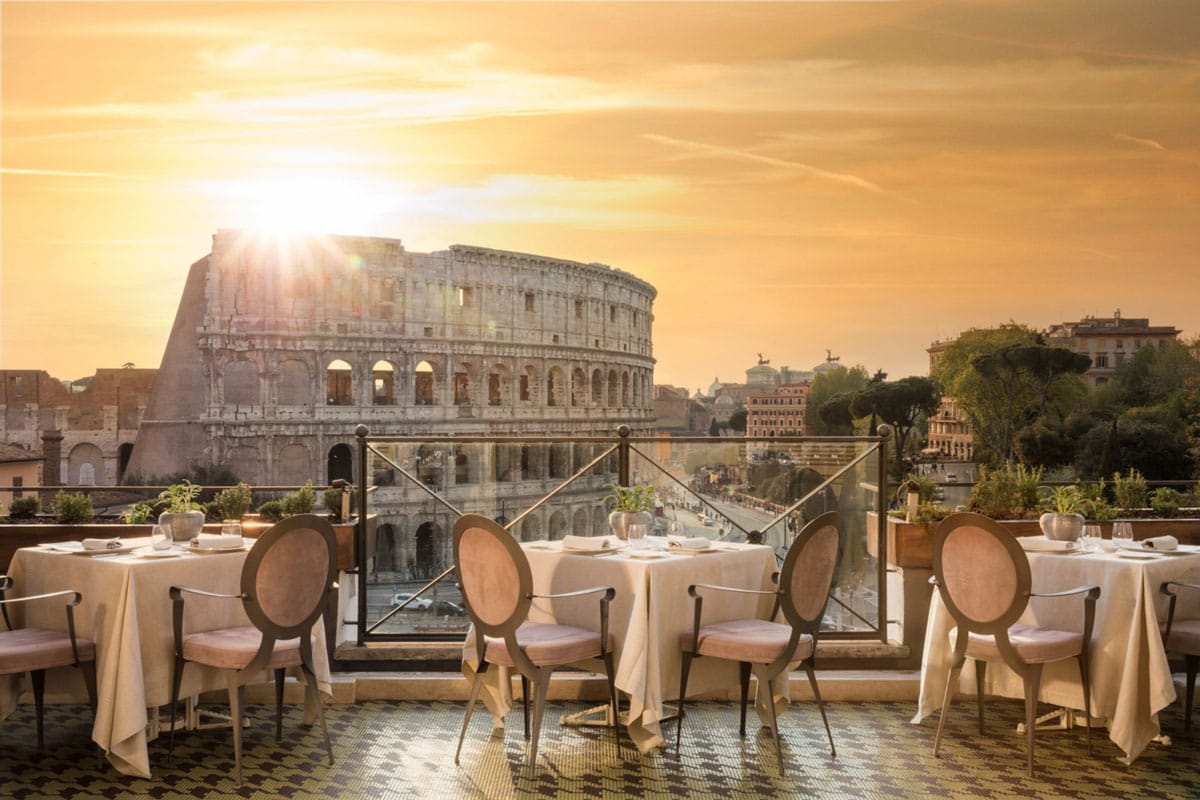
  • The Colosseum and Roman Forum

    — Rome's ancient heart, best explored with a combined ticket covering both sites.

  • Vatican City

    — St. Peter's Basilica and the Vatican Museums, home to the Sistine Chapel, require significant time and advance booking.

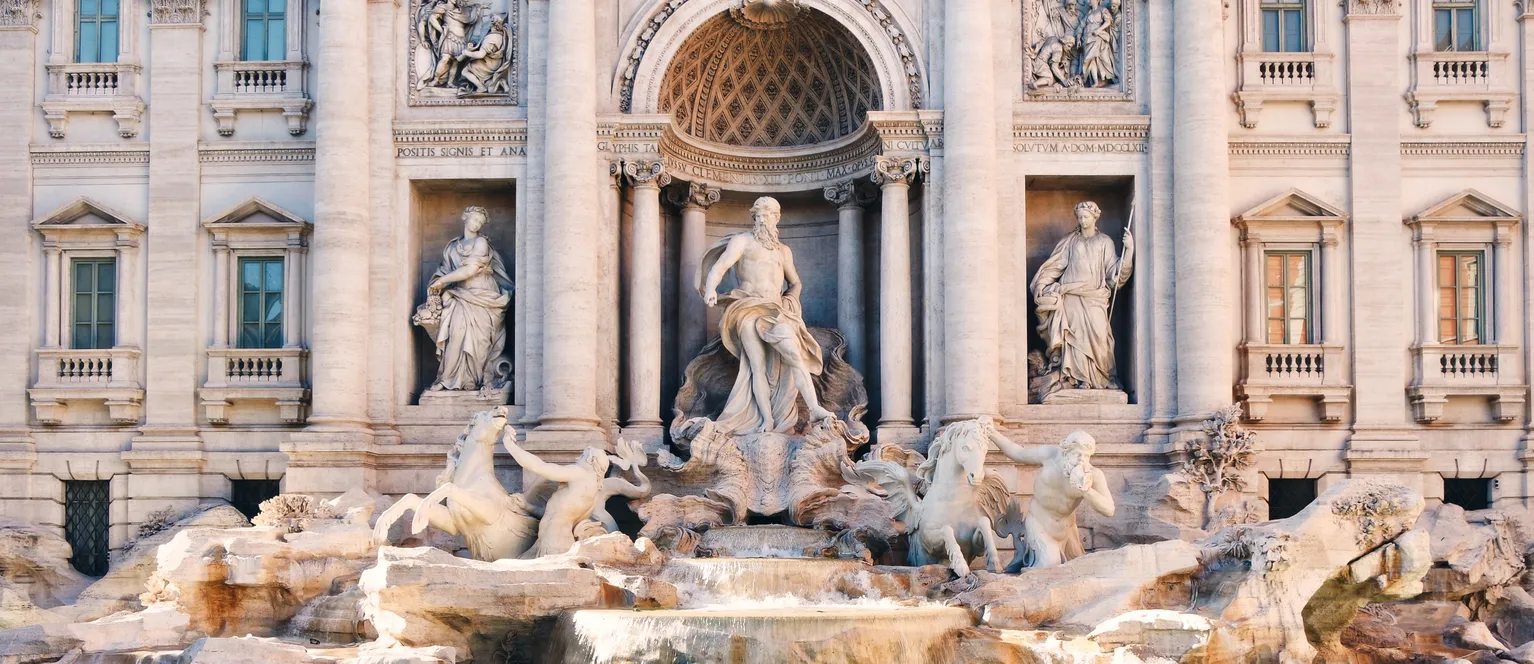
  • The Trevi Fountain

    — Rome's most famous fountain, best visited early morning or late evening to avoid crowds.

  • The Pantheon

    — a remarkably preserved ancient temple, free to enter and centrally located.

  • Trastevere

    — a charming, cobblestone neighborhood across the Tiber known for its dining and nightlife.

  • The Spanish Steps and Villa Borghese

    — a shopping and park combination offering a break from ancient ruins.

More things to do in RomeTap to see related guides
Rome accommodation

Where to Stay

TraveliciousBites recommends Rome's historic center, particularly near the Pantheon or Piazza Navona, for first-time visitors, putting major sights within walking distance of nearly everything.

Trastevere offers a livelier, more local alternative with strong dining, still a manageable walk or short taxi from the center.

Staying near the Vatican suits travelers prioritizing early access to St.

Peter's Basilica and the Vatican Museums before daily crowds build.

Food and Dining

Roman cuisine centers on a handful of iconic pasta dishes — carbonara, cacio e pepe, amatriciana, and gricia — each built around simple, high-quality ingredients rather than heavy sauces.

Trastevere and the Testaccio neighborhood both offer strong concentrations of traditional trattorias away from the most tourist-heavy areas near major sights.

Roman-style pizza, thinner and crispier than its Neapolitan counterpart, represents a distinct regional style worth trying.

Rome food and dining articlesTap to see related guides

Getting There and Around

Direct flights or one-connection routes from the US reach Rome in 9-11 hours, landing at Fiumicino Airport, which connects to the city center by train in about 30 minutes. Rome's historic center is highly walkable, with most major ancient sites within a compact core.

The metro covers longer distances efficiently, though its two main lines don't reach every historic neighborhood directly, so walking or a taxi fills the gaps. Renting a car is impractical and unnecessary for a Rome-focused trip, given the city's narrow streets and limited parking.

Rome transport and arrival guidesTap to see related guides

How Much Does a Trip to Rome Cost

Budget$800–$1,200Hostels, self-guided sightseeing
Luxury$3,500+Historic-center hotel & private tours

A 5-day Rome trip typically runs $1,200–$2,000 per person mid-range, covering flights, a centrally located hotel, museum and site tickets, and dining. Combined tickets for the Colosseum, Roman Forum, and Palatine Hill offer meaningful savings over separate admission.

Local Tips

  • Book the Colosseum and Vatican Museums online well in advance, since both routinely sell out same-day and even several-days-ahead tickets during peak season.
  • Dress modestly for St.
  • Peter's Basilica, since bare shoulders and knees result in denied entry.
  • Validate any paper metro tickets before boarding, since Rome's transit system still issues fines for unvalidated tickets.

Practical Essentials for Rome

  • Italy uses European-style two-pin plugs at 230V, so US travelers need a plug adapter and, for some devices, a voltage converter.

  • Mobile data works reliably throughout the city, and a European eSIM purchased before departure typically beats roaming charges through a US carrier.

  • Tipping in Rome runs lighter than in the US, with rounding up considered generous, since a coperto (cover charge) is often already added to restaurant bills.

  • Tap water from Rome's public fountains (nasoni) is safe to drink and a genuinely useful free resource around the city.

Advertisement

Latest from Rome

Frequently Asked Questions About Rome

Answers below draw on the same research TraveliciousBites uses across every destination and category guide.

What is the best time of year to visit Rome?

April-May and September-October offer Rome's most comfortable weather, avoiding summer's intense heat and peak crowds.

How many days do you need in Rome?

Plan four to five days to cover major ancient sites and the Vatican without rushing.

Do I need to book the Colosseum in advance?

Yes, book the Colosseum and Vatican Museums online well in advance, since both routinely sell out even several days ahead during peak season.

Is Rome walkable?

Yes, Rome's historic center is highly walkable, with most major ancient sites within a compact core, though the metro helps for longer distances.

What should I wear to visit St. Peter's Basilica?

Dress modestly with covered shoulders and knees, since bare shoulders and knees result in denied entry at St. Peter's Basilica.

Is tap water safe to drink in Rome?

Yes, tap water from Rome's public fountains (nasoni) is safe to drink and a genuinely useful free resource around the city.

What is Roman food known for?

Roman food is known for a handful of iconic pasta dishes, including carbonara, cacio e pepe, amatriciana, and gricia.

Is Rome expensive to visit?

A 5-day Rome trip typically runs $1,200–$2,000 per person mid-range, with combined tickets offering savings on major sites.

Should I stay near the Vatican or the historic center?

The historic center puts most major sights within walking distance, while staying near the Vatican suits travelers prioritizing early access to St. Peter's Basilica.

Is it worth visiting Trastevere?

Yes, Trastevere offers a livelier, more local neighborhood atmosphere with strong dining, a worthwhile contrast to the historic center's ancient sites.

Do I need a car in Rome?

No, renting a car is impractical and unnecessary for a Rome-focused trip, given the city's narrow streets and limited parking.

What is the best way to see the Colosseum and Roman Forum?

A combined ticket covering both sites is the most efficient way to see Rome's ancient heart in a single visit.

Should I visit Rome or explore more of Italy too?

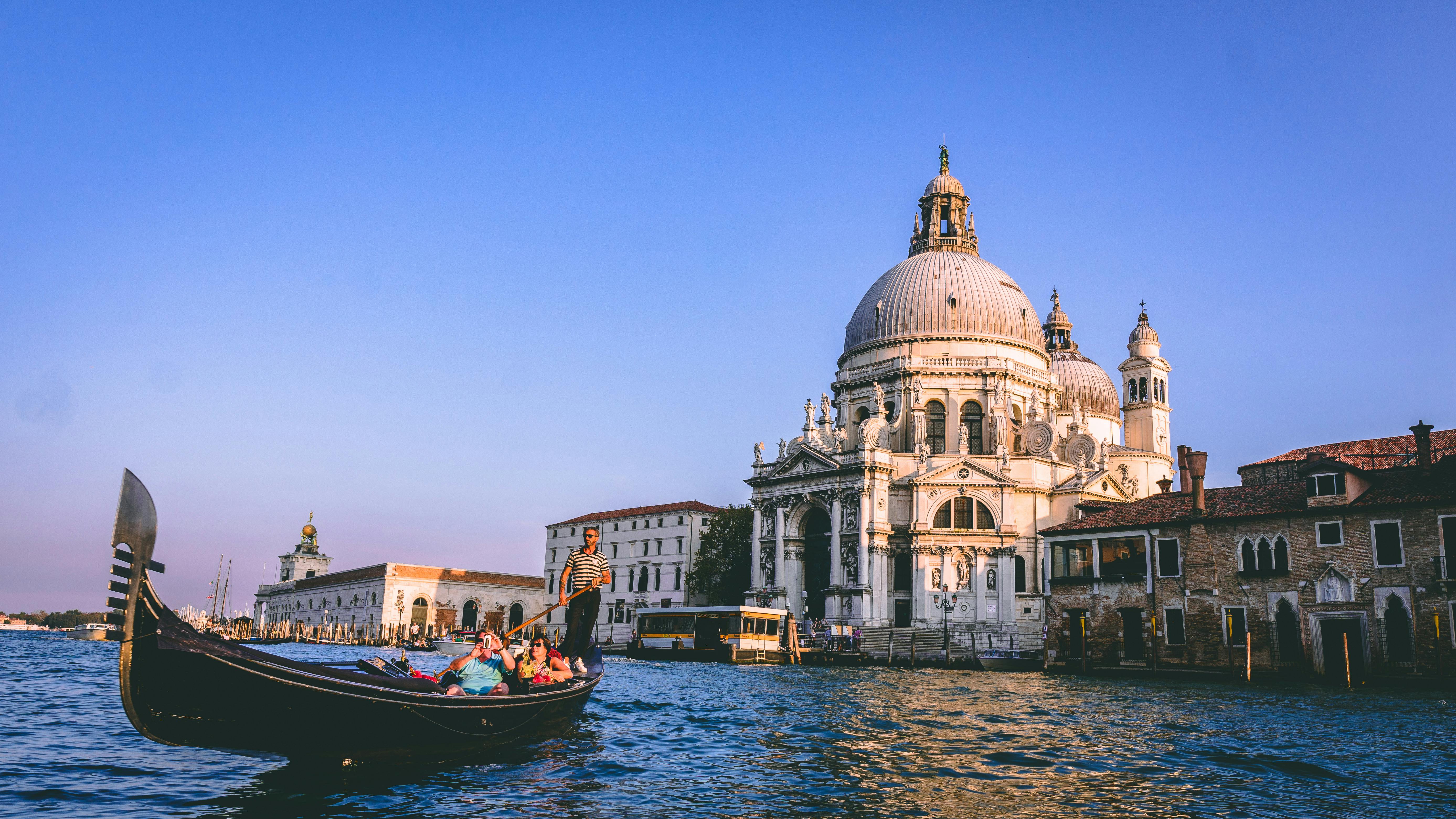
Rome stands well on its own for a shorter trip, though our Italy Travel Guide covers combining it with Florence, Venice, and other regions.

Advertisement