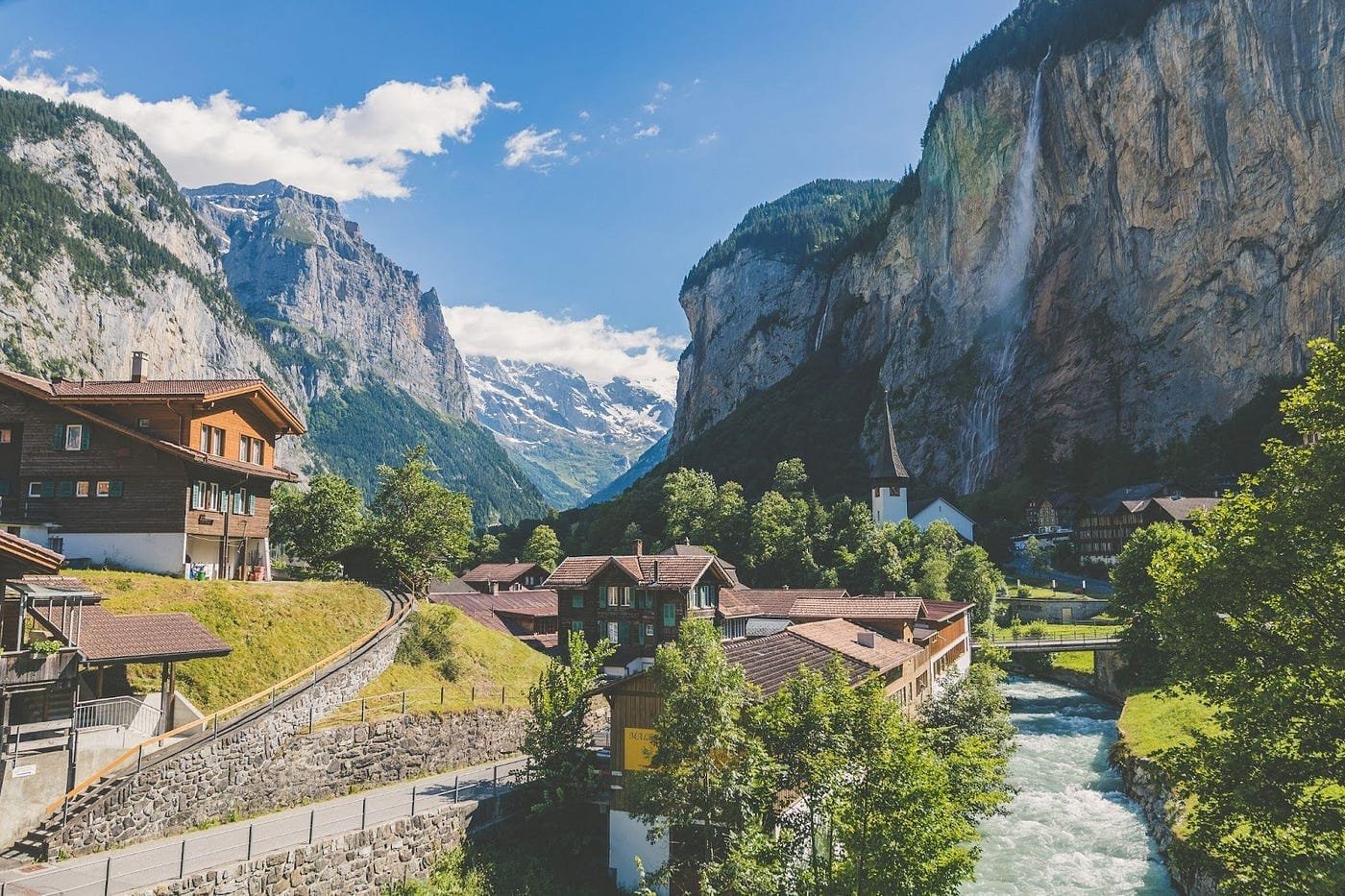
Switzerland is a destination that rewards travelers who plan with intention. From snow-capped Alpine giants to emerald lakes and impeccably preserved medieval cities, every experience here is shaped by seasonality—making the Best Time to Visit Switzerland a key part of travel planning.
The country experiences four distinct seasons, each offering unique advantages. Winter (December to February) transforms Switzerland into a global skiing hub, with world-class resorts like Zermatt and St. Moritz drawing snow sports enthusiasts. Spring (March to May) brings melting snow, blooming valleys, and fewer tourists, ideal for sightseeing in cities and lower-altitude hikes. Summer (June to August) is widely considered the Best Time to Visit Switzerland for outdoor lovers, thanks to warm temperatures, crystal-clear lakes, scenic train journeys, and alpine trekking routes in full swing. Autumn (September to November) offers golden landscapes, wine harvests, and crisp air—perfect for photographers and slow travellers.
Understanding the Best Time to Visit Switzerland also helps travellers manage budgets and crowds, as peak summer and winter months come with higher prices, while shoulder seasons offer better value without compromising experiences. Weather patterns vary by region and altitude, influencing everything from lake cruises to mountain accessibility. Whether the goal is cultural exploration, culinary indulgence, scenic rail travel, or adventure in the Alps, timing shapes the journey. Think of Switzerland as a beautifully choreographed performance—arrive at the right moment, and every detail falls effortlessly into place.
Some links in this article are affiliate links. If you book through them, it won’t cost anything extra, but it helps support this site and keep the content coming — thank you for the love! 💙
Also Read - Best Tourist Cities in Switzerland
Location and Geography of Switzerland
Switzerland is a landlocked country positioned in the heart of Europe, bordered by France to the west, Germany to the north, Italy to the south, and Austria and Liechtenstein to the east. Its geography is strikingly diverse, dominated by the Swiss Alps in the south and southeast, which shape the nation’s dramatic landscapes and climate. North of the Alps lies the fertile Swiss Plateau, home to major cities and economic centres, while the Jura Mountains form the natural boundary in the northwest. Iconic waterways such as the Rhine, Lake Geneva, and Lake Constance further define Switzerland’s natural borders.
Best Time to Visit Switzerland
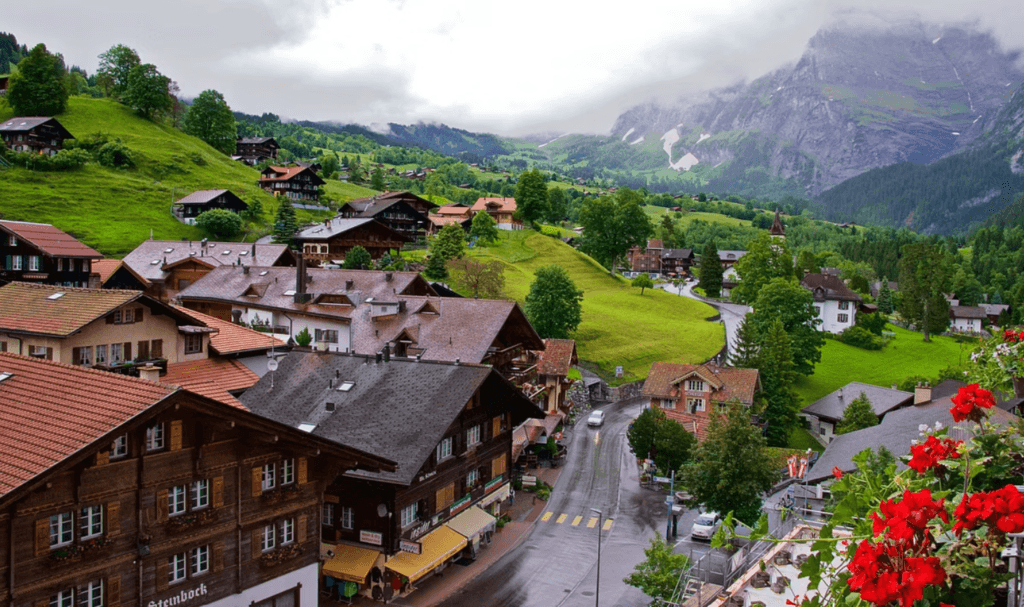
White Swiss Alps, glistening snow, and starlit alpine nights—Switzerland truly feels like a living fairy tale. When it comes to planning a trip, the best time to visit Switzerland isn’t a one-size-fits-all answer. Everything depends on what kind of traveler you are. Chasing powdery slopes and winter wonderlands? Dreaming of emerald meadows and lakeside picnics? Or hoping to time your visit with music festivals and cultural celebrations? Each season reveals Switzerland in a completely different shade.
For most travelers, the best time to visit Switzerland is during the peak summer months from June to August. This period offers comfortably warm temperatures, long daylight hours, and full access to scenic train routes, mountain trails, and alpine lakes. However, shoulder months like May and early June strike a balance between pleasant weather and fewer crowds, while the low season from October to March appeals to snow lovers and budget-conscious travelers. No matter when you go, Switzerland never loses its charm—only its colors change.
Also Read - Best Places to Travel in Switzerland: Your Ultimate Adventure Guide
Switzerland Travel Seasons at a Glance
| Travel Season | Months | Min / Max Temperature | Weather & Experience Highlights |
|---|---|---|---|
| Peak Season (Summer) | June – August | 19°C – 32°C | Warm, sunny days ideal for hiking, lake cruises, scenic train journeys, festivals |
| Shoulder Season (Late Spring) | May – June | 12°C – 20°C | Mild weather, blooming landscapes, fewer crowds, great for sightseeing |
| Low Season (Autumn & Winter) | October – March | -1°C – 15°C | Snowfall in winter, skiing and snow sports, quiet towns, off-season savings |
| Autumn | September – October | 8°C – 15°C | Golden landscapes, wine harvests, crisp air, scenic photography |
| Winter | December – February | -1°C – 4°C | Snow-covered Alps, festive markets, world-class skiing and alpine charm |
Each season offers a distinct rhythm, and choosing when to visit simply depends on which version of Switzerland you want to experience first.
Summer Peak Season in Switzerland (June to August)
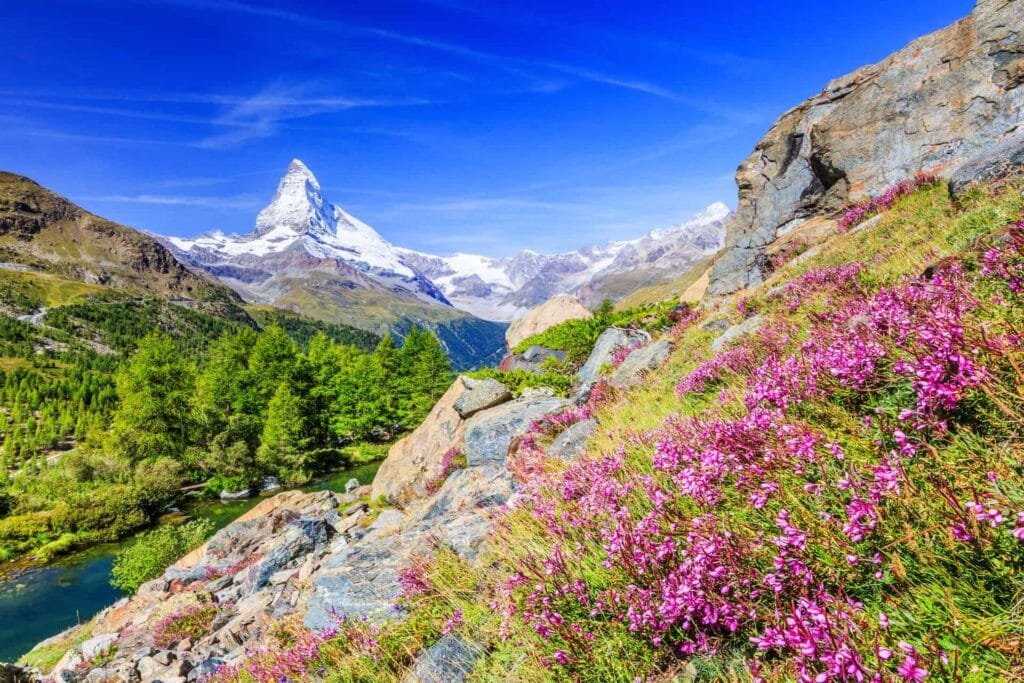
Summer is when Switzerland is at its most animated—sunlit Alpine ridges, jewel-toned lakes, and towns humming with life. For travellers keen on outdoor exploration and cultural immersion, this period is often regarded as the best time to visit Switzerland, thanks to long daylight hours and near-universal accessibility across the country.
Temperature & Weather
During summer, temperatures typically range between 19°C and 32°C, creating pleasantly warm days, especially in cities and lake regions. Higher altitudes remain cooler, offering relief from the heat. Clear skies and gentle alpine breezes make conditions ideal for hiking, scenic train journeys, paragliding, and lakeside leisure.
Highlight Locations
Summer opens up Switzerland’s most iconic landscapes. Mountain viewpoints such as Schilthorn deliver sweeping Alpine panoramas, while serene natural wonders like Blausee shimmer in striking shades of blue. The Lavaux Vineyards flourish during this season, combining lush greenery with uninterrupted views over Lake Geneva—perfect for wine tastings and slow travel experiences.
Why You Should Visit Now
This season radiates energy. Festivals, music events, open-air markets, and street performances fill cities and lakeside promenades. Whether the plan is to unwind by the water or challenge oneself on mountain trails, summer delivers variety and vibrancy, making it the best time to visit Switzerland for travellers who want to experience everything at once.
Things to Know Before the Visit
As peak season, summer attracts large crowds and higher prices. Early booking for flights, trains, and accommodation is strongly recommended. Public transport remains efficient and scenic, allowing seamless travel across regions.
Tips for Travelers
Pack light layers to adapt to temperature changes between cities and mountains. Carry sunscreen, stay hydrated, and plan popular attractions early in the day. Centrally located accommodation helps maximise time and minimise travel fatigue during this bustling season.
Autumn in Switzerland: A Season of Golden Calm (September to December)
Autumn drapes Switzerland in a palette of amber, gold, and rust, creating a quieter, more contemplative version of the country. With daytime temperatures ranging between 8°C and 15°C, the weather remains cool and comfortable, marked by crisp mornings and gently chilling evenings. As summer slowly retreats, mist settles over valleys and forests glow with fall foliage, making this period ideal for unhurried exploration. Gentle boat rides near Rhine Falls, scenic walks, and lakeside moments feel especially atmospheric during this season. For travellers seeking tranquility and visual splendor, many consider this phase the best time to visit Switzerland away from the summer crowds.
Highlight Locations
Autumn brings out Switzerland’s softer beauty. Oeschinensee transforms into a dreamlike canvas with fiery reflections dancing on turquoise waters. Valle Verzasca enchants with its Roman stone bridge and emerald river framed by golden trees, while Gruyères becomes a haven for food lovers eager to savour cheese traditions amid medieval charm.
Why You Should Visit Now
With fewer tourists and a slower pace, Switzerland feels intimate and serene. Families and slow travellers appreciate the sense of space, while nature lovers enjoy forest walks and seasonal harvests, including chestnuts in Ticino. This calm atmosphere makes autumn the best time to visit Switzerland for meaningful, crowd-free experiences.
Things to Know Before the Visit
Weather can shift quickly, so checking forecasts is essential. Some mountain routes may begin to close as winter approaches, though transport remains reliable.
Tips for Travelers
Pack warm layers, sturdy walking shoes, and a Swiss Rail Pass for scenic travel. Nights can be cold, but days reward with unforgettable autumnal beauty.
Winter in Switzerland: A Snow-Draped Fairytale (December to February)
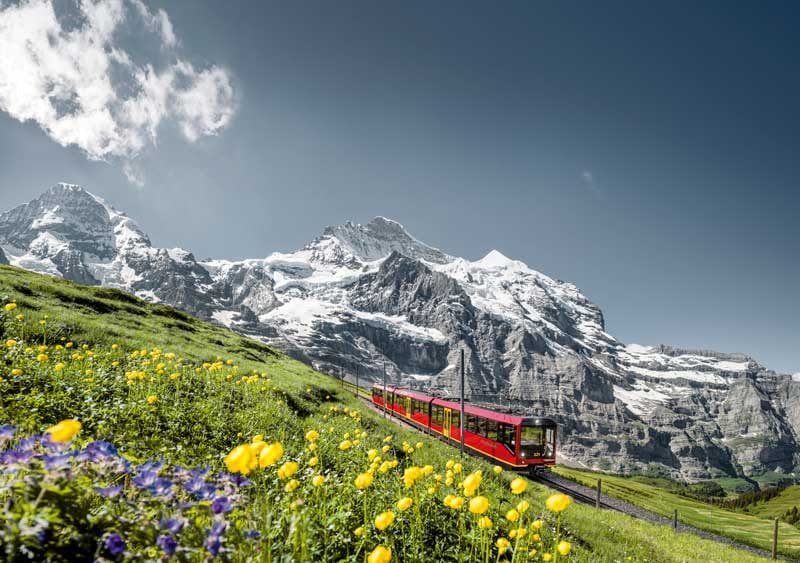
Winter casts Switzerland in an enchanting hush, where snow-laden peaks, frozen lakes, and softly lit villages feel lifted straight from a storybook. During this season, temperatures typically range between -1°C and 4°C, with colder conditions in alpine regions. Snowfall transforms the landscape into a playground for winter sports, while crisp air and clear skies heighten the drama of the Alps. For travellers drawn to skiing, snowboarding, and cosy mountain towns, many regard this as the best time to visit Switzerland for a classic alpine experience.
Weather & Atmosphere
Days are cold but invigorating, especially in the mountains, while cities glow with festive lights and seasonal markets. Sunshine reflecting off snow can be surprisingly intense, making sunglasses and sunblock essential despite the chill.
Highlight Locations
Winter reveals Switzerland at its most magical. Jungfraujoch delivers a true high-altitude winter spectacle with glaciers and ice palaces, while Arosa excels in ski culture paired with snug chalets and refined hospitality. In December, the Montreux Christmas Market enchants visitors with mulled wine, artisan crafts, and a lakeside festive ambience.
Why You Should Visit Now
Crowds thin outside ski hubs, prices drop, and the country feels intimate. Christmas traditions, hearty alpine cuisine, and snow-filled adventures make this the best time to visit Switzerland for travellers seeking charm over bustle.
Things to Know Before the Visit
Weather can disrupt mountain routes, so itineraries should remain flexible. Centrally heated accommodation is essential.
Tips for Travelers
Pack thermal layers, gloves, and sturdy boots. Plan travel around weather forecasts, stay hydrated, and embrace warm Swiss comfort foods to complete the winter experience.
Final Thoughts: Choosing the Perfect Time to Experience Switzerland
Switzerland is a destination that transforms beautifully with every season, offering something memorable year-round. From sunlit alpine summers to golden autumn calm and snow-draped winter wonderlands, timing shapes the experience. Understanding the best time to visit Switzerland allows travelers to match their journey with personal interests, pace, and budget. No matter the season chosen, Switzerland rewards visitors with breathtaking scenery, rich culture, and moments that linger long after the journey ends.

Comments 0
Only approved comments are shown here.