Japan travel guide cover

Japan Travel Guide

Explore Japan
Advertisement

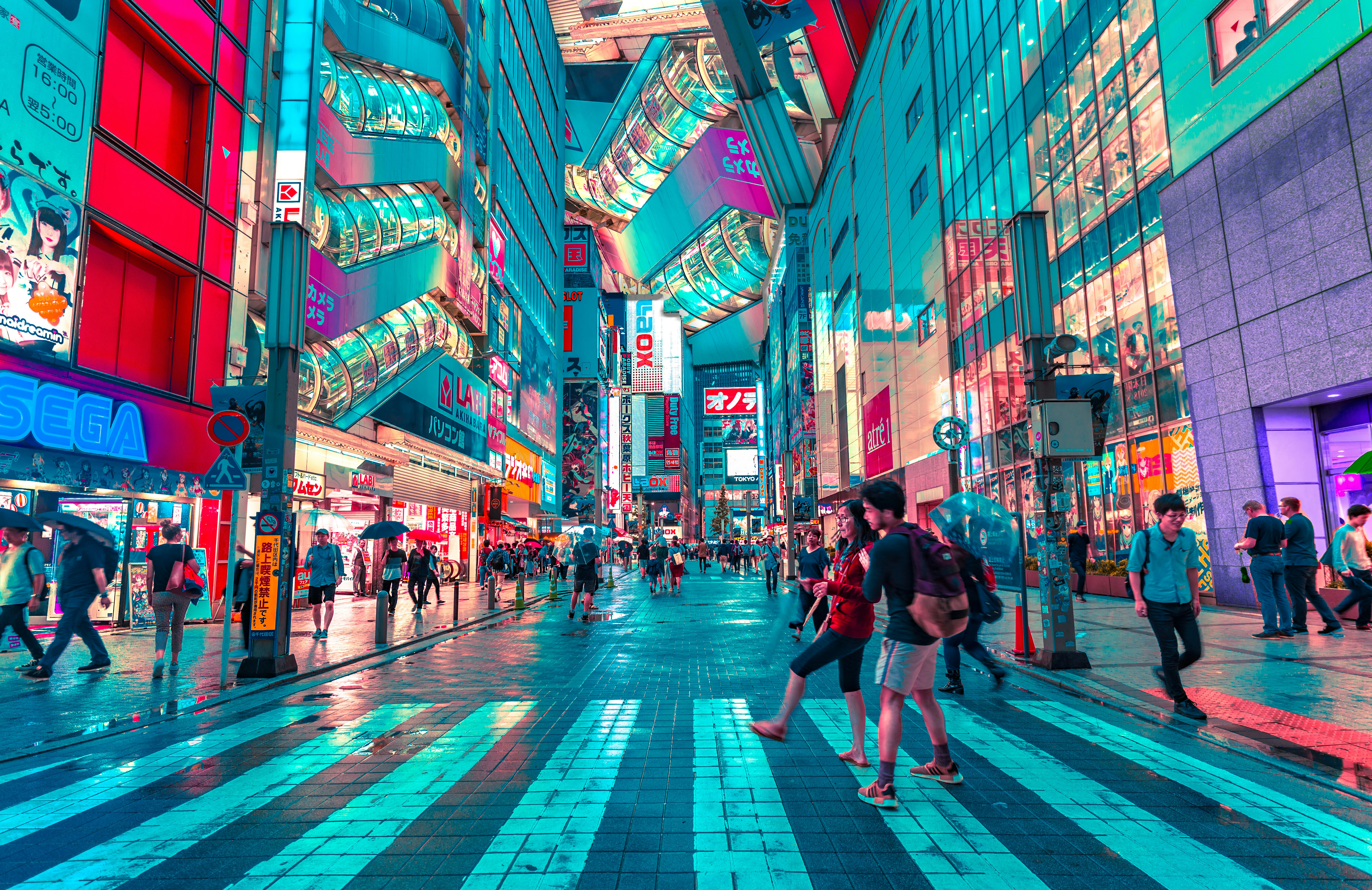
TraveliciousBites' Japan Travel Guide covers Tokyo's neon energy, Kyoto's temples, and the bullet trains that make multi-city Japan travel remarkably efficient. Whether you're planning a classic Tokyo-Kyoto-Osaka route or extending into Hokkaido or Okinawa, this guide breaks down when to visit, what to budget, and how to navigate a country that rewards careful planning, based on the same research standards we apply across every destination we cover.

Best Time to Visit Japan

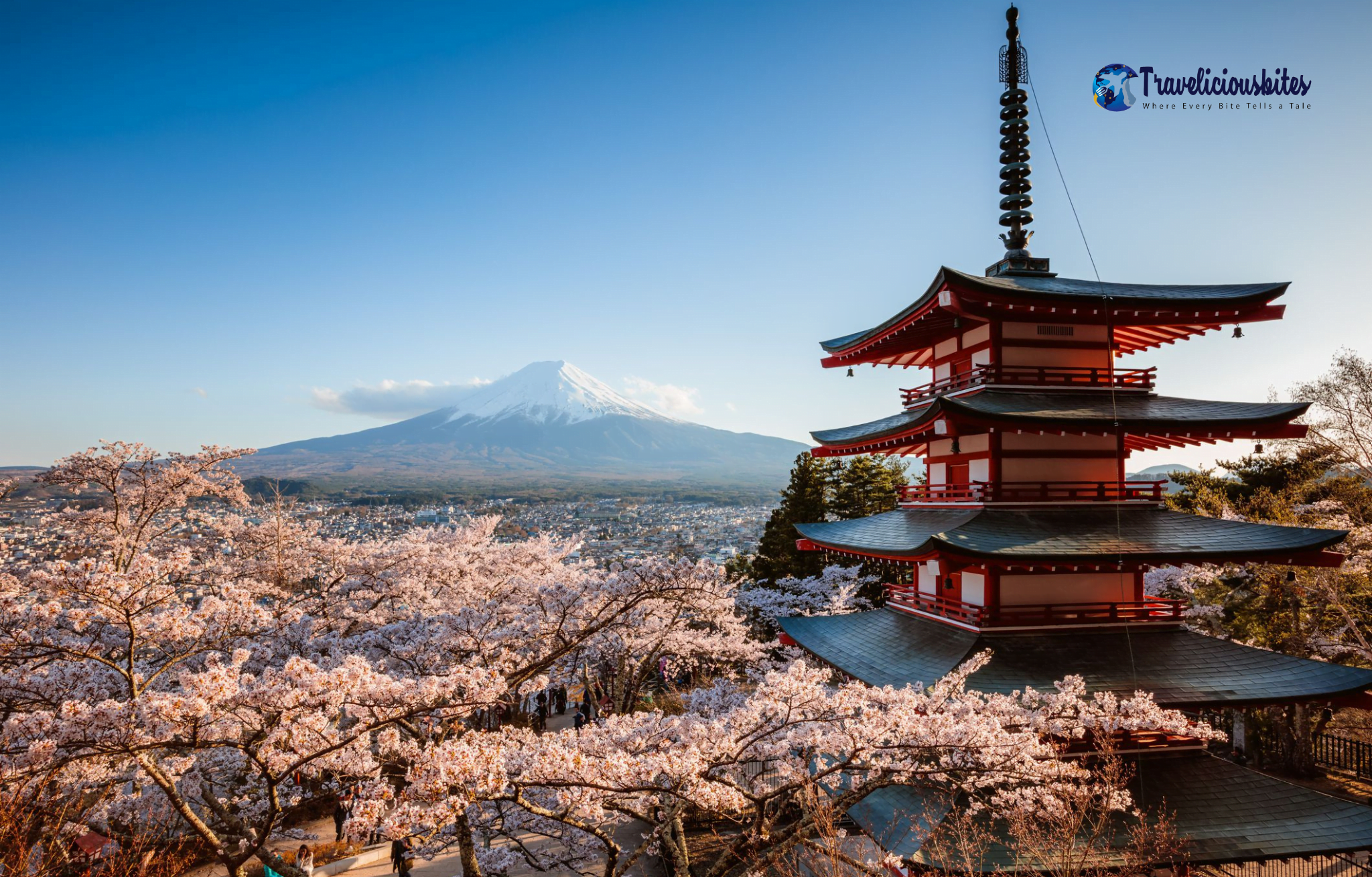
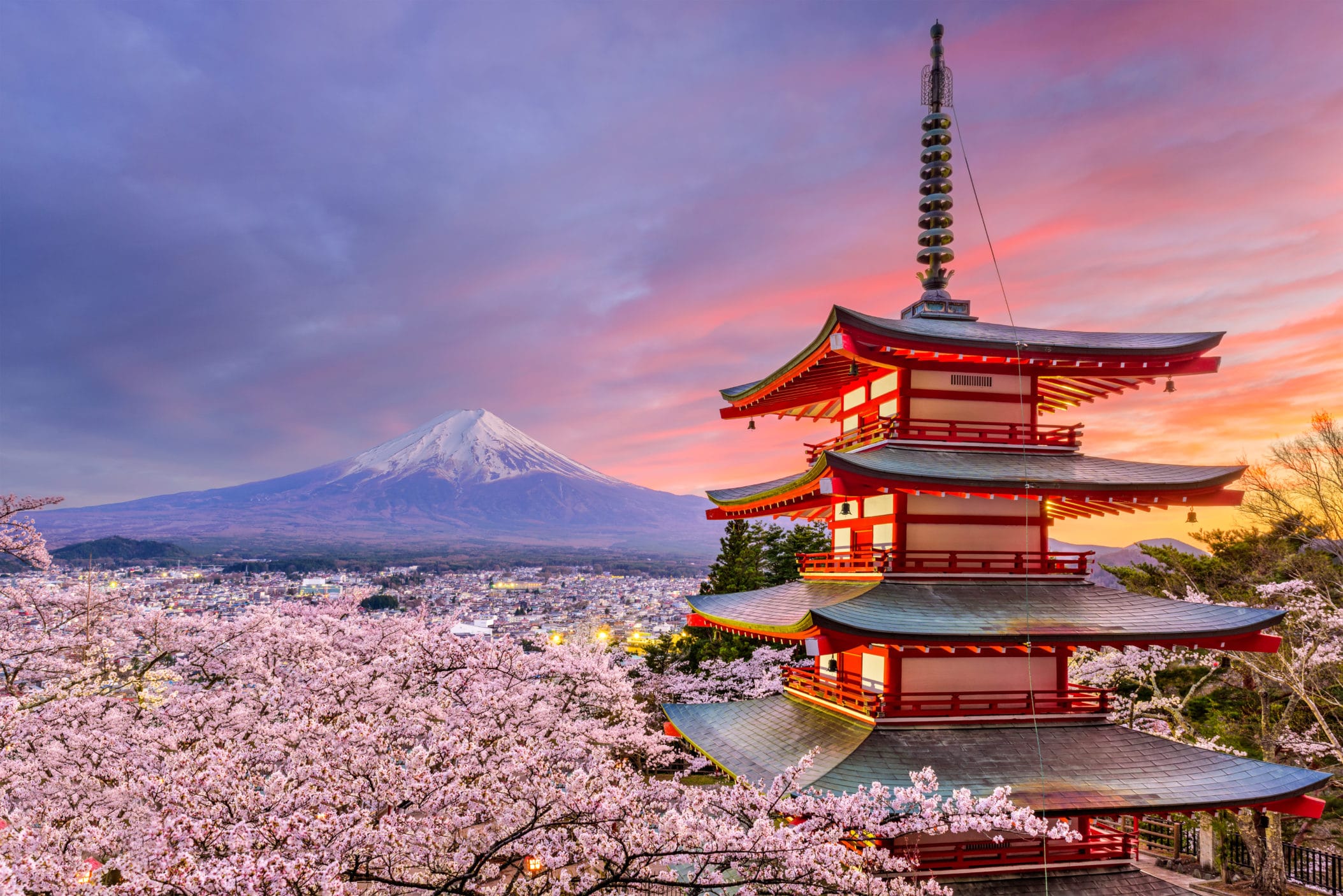
March through May delivers Japan's famous cherry blossom season, though exact bloom timing shifts year to year and requires some flexibility to catch at its peak. September through November brings equally spectacular fall foliage, particularly around Kyoto's temples, with more predictable timing than cherry blossoms.

Summer, June through August, brings heat, humidity, and typhoon risk, particularly uncomfortable for temple-heavy sightseeing in Kyoto. Winter offers thinner crowds and the chance to combine city sightseeing with skiing in Hokkaido or Nagano, though cherry blossom and fall foliage seasons remain Japan's most popular windows.

TraveliciousBites recommends booking accommodation months ahead for cherry blossom season, since both flights and hotels sell out early for this narrow, weather-dependent window.

Japan weather and seasonal guidesTap to see articles matched to each window

Top Things to Do in Japan

  • Tokyo

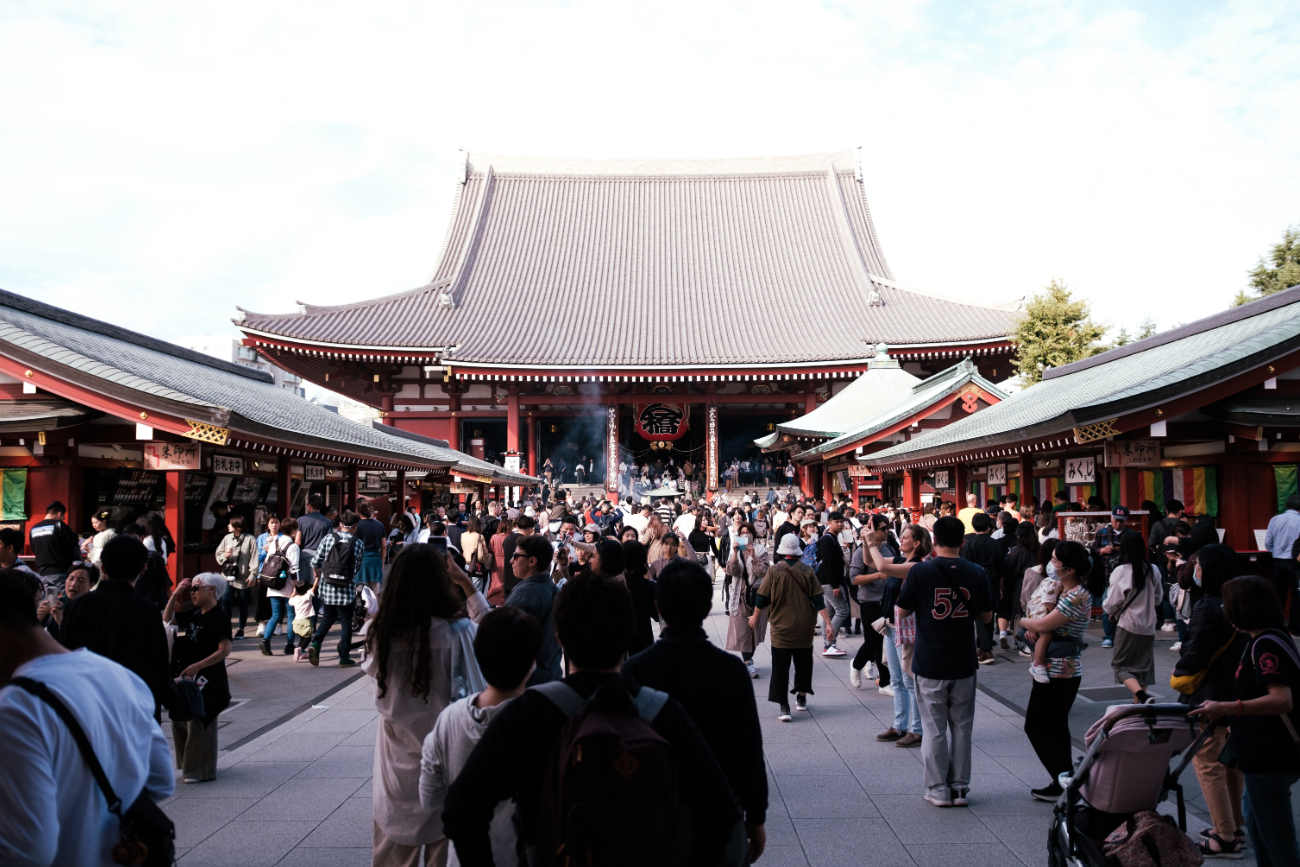
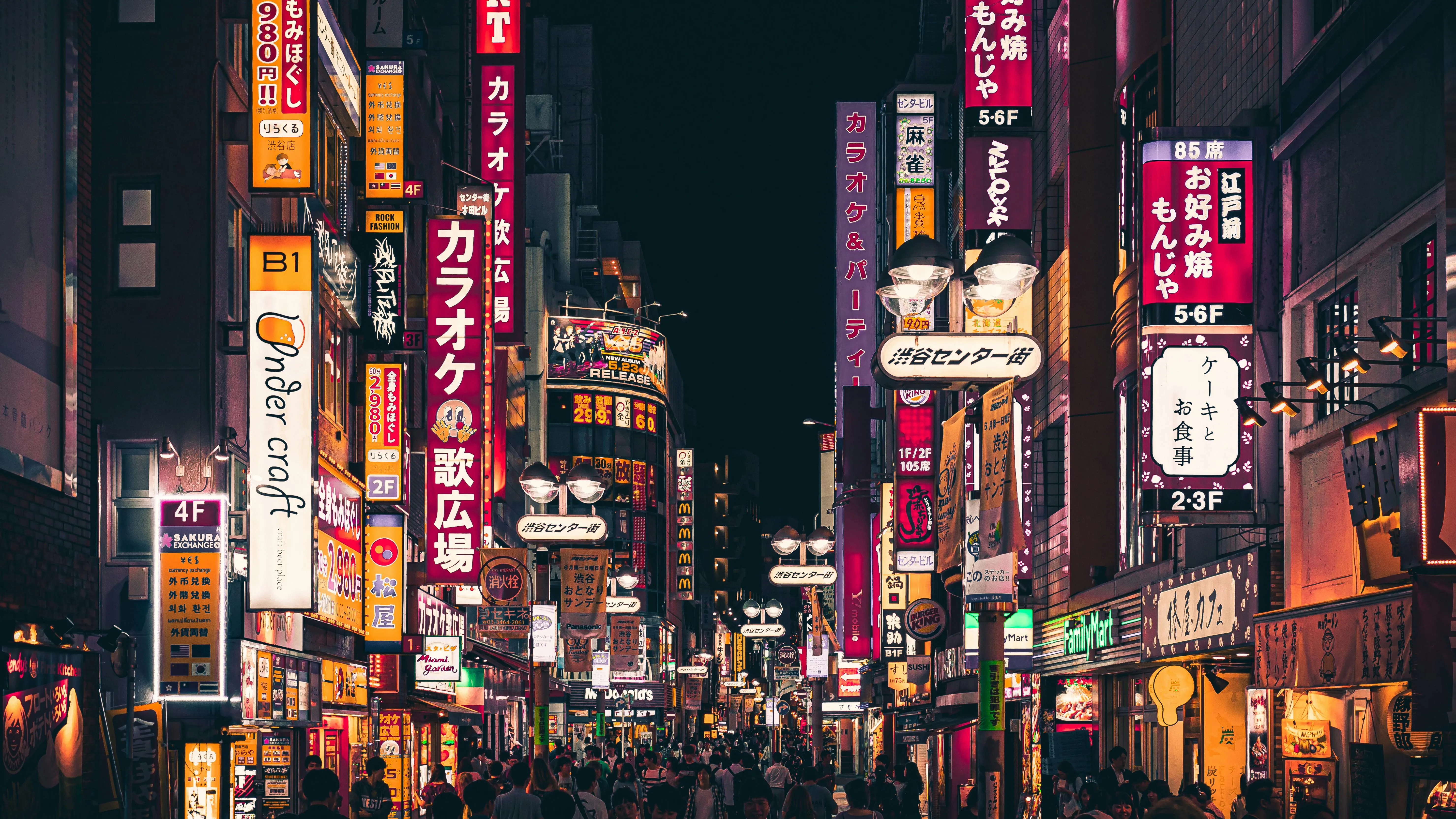
    — Shibuya Crossing, Senso-ji Temple, and a world-class food scene anchor Japan's capital and largest city.

  • Kyoto

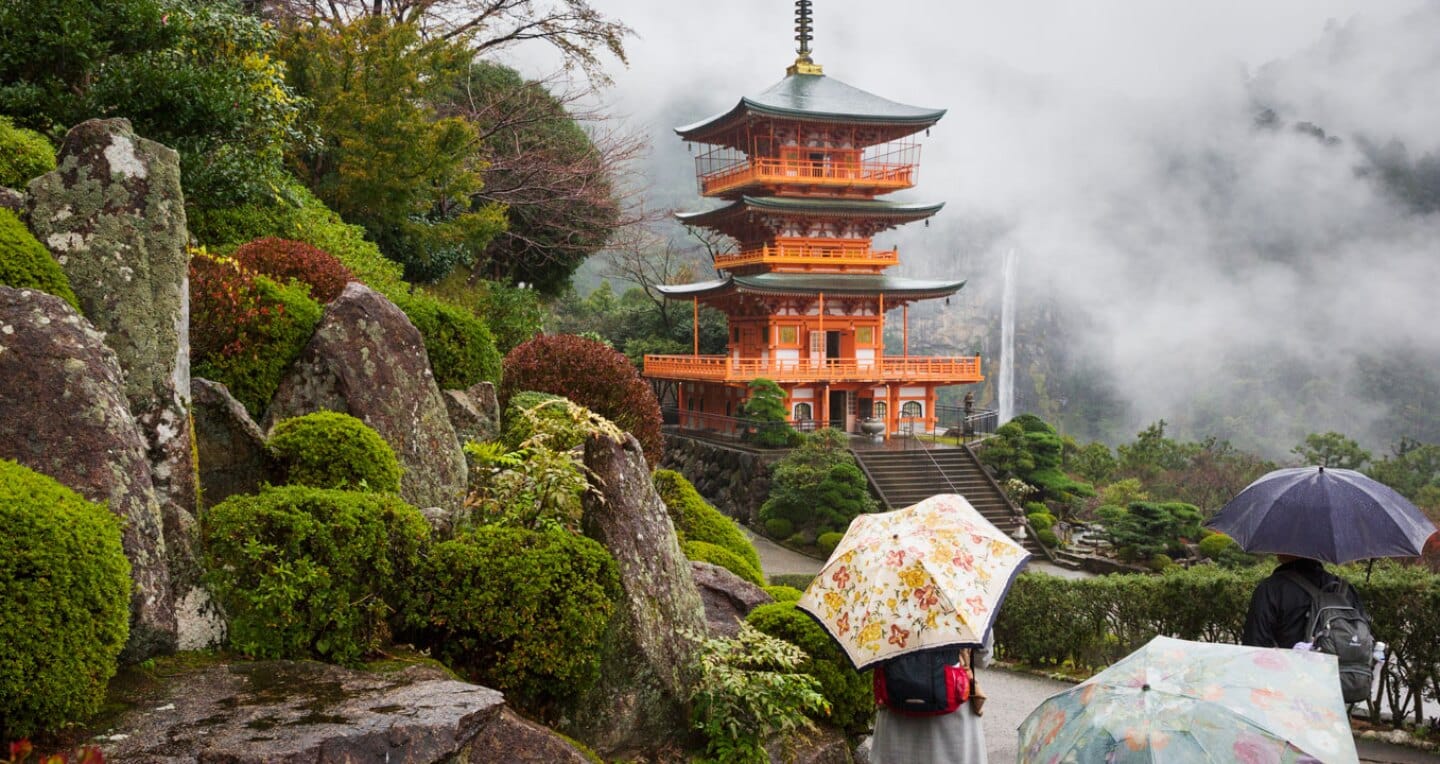
    — thousands of temples and shrines, including Fushimi Inari's iconic torii gate pathway.

  • Osaka

    — Japan's food capital, known for street food like takoyaki and okonomiyaki.

  • Mount Fuji

    — Japan's iconic peak, viewable from the Fuji Five Lakes region or climbable in summer season.

  • Hiroshima and Miyajima

    — the Peace Memorial Park and the floating torii gate at Itsukushima Shrine.

  • Nara

    — a day trip from Kyoto or Osaka, known for free-roaming deer and Todai-ji Temple's giant Buddha.

More things to do in JapanTap to see related guides

Food and Dining

Japan's food scene ranges from Michelin-starred sushi to affordable, excellent ramen and convenience store food that rivals many sit-down restaurants elsewhere.

Osaka's street food scene, particularly takoyaki and okonomiyaki, has earned the city its reputation as Japan's culinary capital.

Depachika, the elaborate food halls found in department store basements, offer an approachable way to sample high-quality prepared foods without a full restaurant commitment.

Japan food and dining articlesTap to see related guides

Getting There and Around

Direct flights from major US hubs reach Tokyo in 11–14 hours. Japan's Shinkansen bullet trains connect major cities efficiently, reaching Kyoto from Tokyo in about 2.5 hours, making a Japan Rail Pass worth considering for multi-city itineraries covering significant distances.

City transit within Tokyo and Osaka runs extensive and reliable, though the network's complexity takes some initial adjustment for first-time visitors. Renting a car is unnecessary and often impractical in major cities, though it becomes useful for exploring rural regions like the Japanese Alps.

Japan transport and arrival guidesTap to see related guides

How Much Does a Trip to Japan Cost

Budget$1,800–$2,600Hostels & budget ryokans, self-guided
Luxury$6,000+Luxury ryokans, first-class rail & fine dining

A 12-day Japan trip covering Tokyo, Kyoto, and Osaka typically runs $2,800–$4,200 per person mid-range, including flights, a rail pass, accommodation, and dining. Japan offers surprisingly strong value for food specifically, even at a mid-range budget, given the quality and affordability of ramen and convenience store options.

Japan budget and trip-planning articlesTap to see related guides

Local Tips

  • Carry cash, since many smaller restaurants and shops in Japan still don't accept credit cards despite the country's technological reputation.
  • Learn basic etiquette like removing shoes when indicated and not eating while walking, both commonly observed local customs.
  • Purchase a Japan Rail Pass before departure if your itinerary includes several cities, since it must be bought outside Japan for the best value.

Practical Essentials for Japan

  • Japan uses a two-pin plug type similar to the US but at 100V, so most US electronics work without a voltage converter, though a plug shape adapter may still be needed for three-pronged devices.

  • A pocket WiFi rental or local SIM card offers reliable data coverage throughout your trip.

  • Tipping is not customary in Japan and can cause confusion or be considered rude if offered.

  • Tap water is safe to drink throughout Japan.

Advertisement

Latest from Japan

Frequently Asked Questions About Japan

Answers below draw on the same research TraveliciousBites uses across every destination and category guide.

What is the best time of year to visit Japan?

March–May offers cherry blossom season, while September–November brings equally spectacular fall foliage with more predictable timing.

How many days do you need for a Japan trip?

Plan 10–14 days to cover a multi-city route through Tokyo, Kyoto, and Osaka without rushing.

Is a Japan Rail Pass worth buying?

Yes, if your itinerary includes several cities connected by Shinkansen, a Japan Rail Pass typically offers meaningful savings, though it must be purchased before arriving in Japan.

Do I need cash in Japan?

Yes, carry cash, since many smaller restaurants and shops in Japan still don't accept credit cards despite the country's technological reputation.

Is tipping expected in Japan?

No, tipping is not customary in Japan and can cause confusion or be considered rude if offered to service staff.

Is tap water safe to drink in Japan?

Yes, tap water is safe to drink throughout Japan, so bringing a refillable bottle saves money over buying bottled water.

What is the best way to see Mount Fuji?

The Fuji Five Lakes region offers the best accessible views of Mount Fuji, while climbing the mountain itself is only possible during the official summer season.

Is Japan expensive to visit?

A 12-day Japan trip covering Tokyo, Kyoto, and Osaka typically runs $2,800–$4,200 per person mid-range, with food offering surprisingly strong value.

What is Osaka known for?

Osaka is known as Japan's food capital, particularly for street food like takoyaki and okonomiyaki.

Is it worth staying in a traditional ryokan?

Yes, a ryokan stay with an onsen hot spring adds a distinctly Japanese experience worth building into at least one or two nights of any itinerary.

Do I need a car in Japan?

No, a car is unnecessary and often impractical in major Japanese cities, though it becomes useful for exploring rural regions like the Japanese Alps.

What is the best day trip from Kyoto or Osaka?

Nara, known for free-roaming deer and Todai-ji Temple's giant Buddha, ranks as the most popular day trip from either city.

Is Japan safe for tourists?

Yes, Japan is considered one of the safest countries in the world for tourists, with low crime rates and a strong culture of public order.

Advertisement