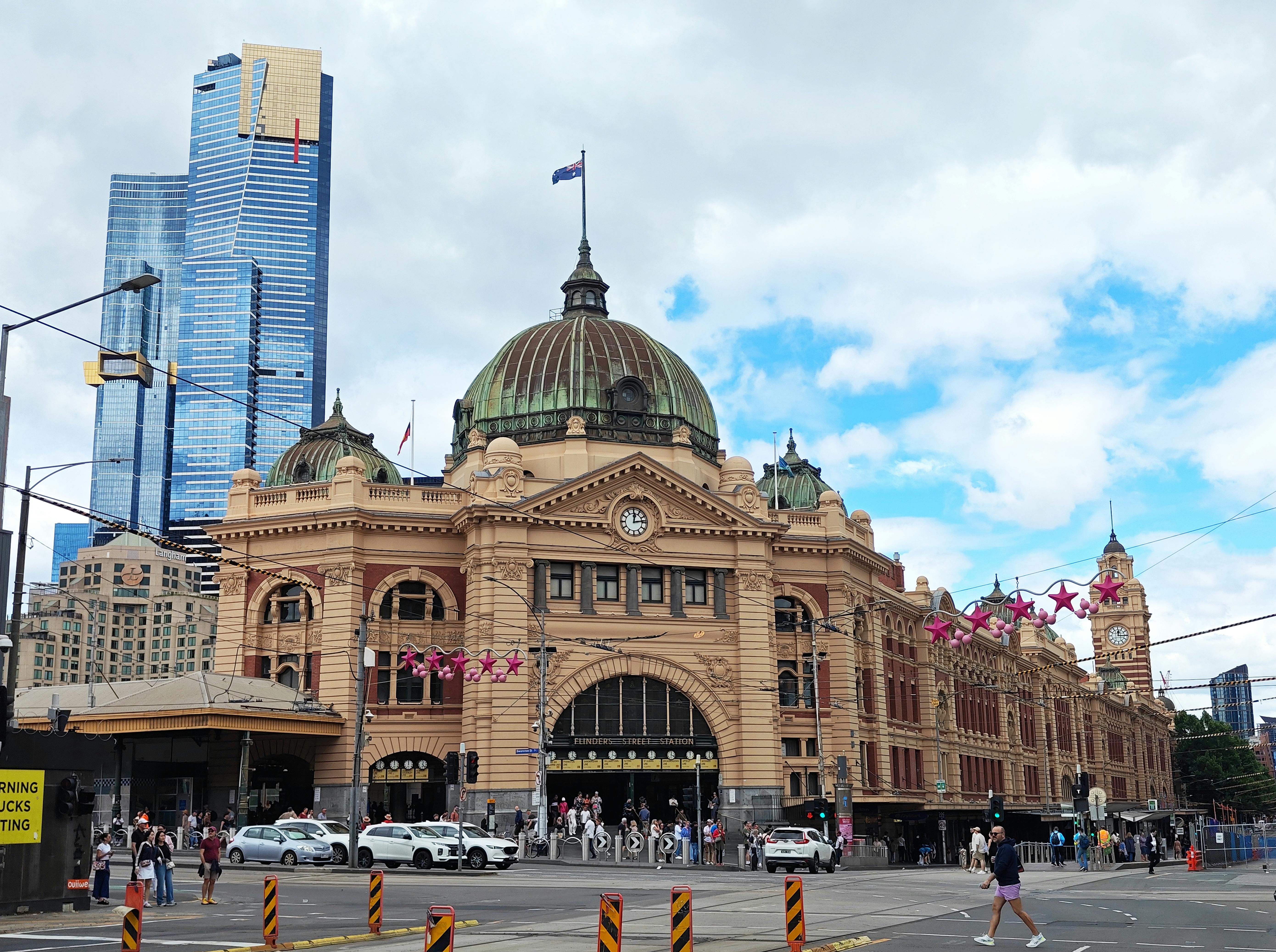
Melbourne travel guide cover

Melbourne Travel Guide

Explore Melbourne
Advertisement

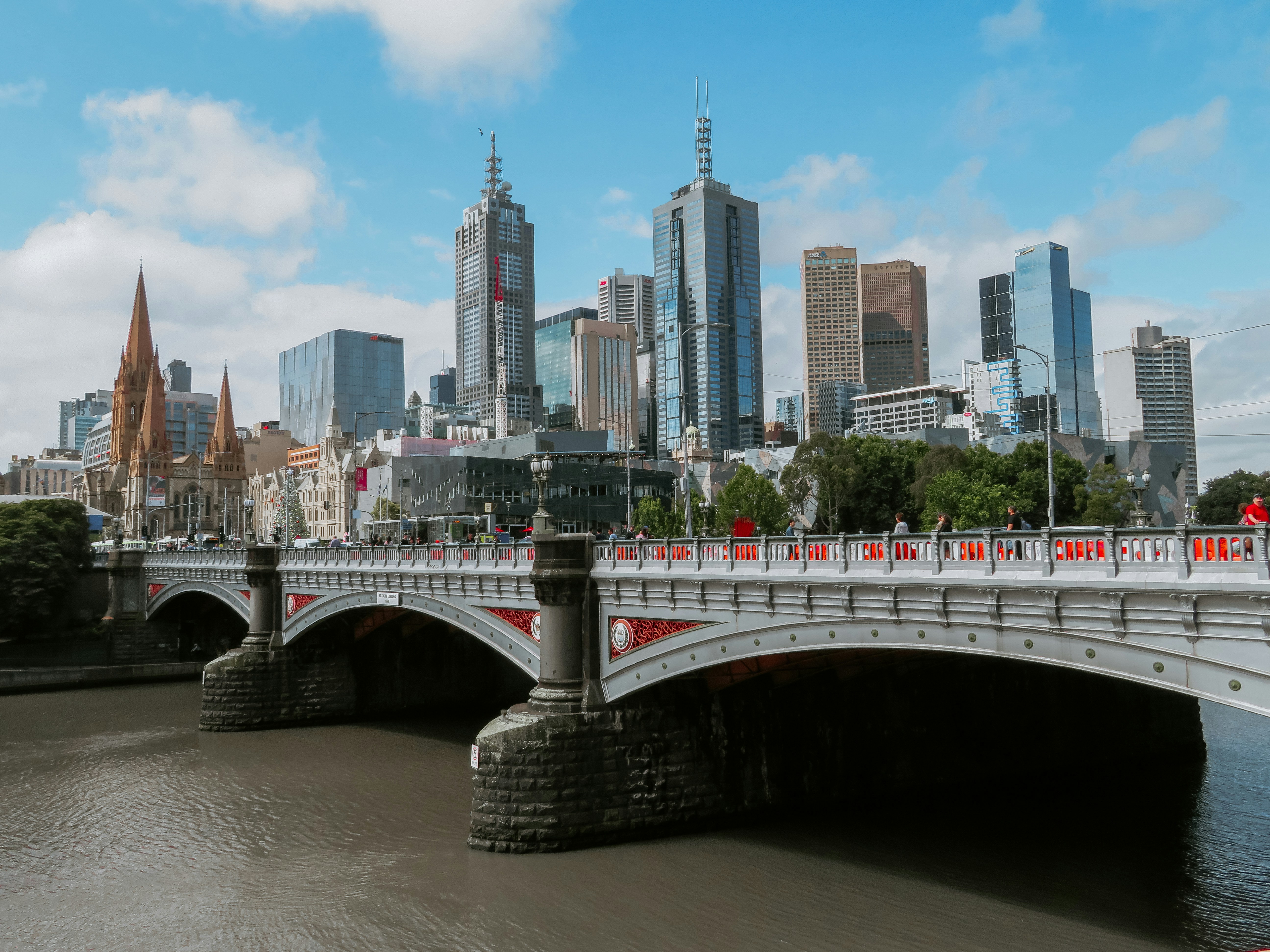
TraveliciousBites' Melbourne Travel Guide goes deeper than our Australia Travel Guide to cover Melbourne specifically — its laneway culture, coffee scene, and the neighborhoods that make it Australia's cultural capital. Whether you're visiting as part of a broader Australia trip or focusing solely on the city, this guide breaks down when to visit, what to eat, and how to navigate Melbourne's tram network, based on the same research standards we apply across every destination we cover.

See our Australia Travel Guide for help planning a broader east coast itinerary.

Best Time to Visit Melbourne

March through May (autumn) and September through November (spring) deliver Melbourne's most comfortable weather, avoiding both summer's occasional extreme heat days and winter's cooler, wetter conditions. Melbourne's weather is famously changeable regardless of season, with a local saying that the city can experience four seasons in one day, so layers remain a wise choice year-round.

Summer, December through February, brings warm weather and major events like the Australian Open, though it can also bring uncomfortable heat spikes. TraveliciousBites recommends packing for temperature swings regardless of when you visit, given Melbourne's genuinely unpredictable daily weather patterns.

Top Things to Do in Melbourne

  • The laneways

    — Melbourne's famous network of graffiti-lined alleys hiding cafes, bars, and boutiques throughout the CBD.

  • Queen Victoria Market

    — a historic market offering fresh produce, food stalls, and souvenirs in the city center.

  • The Royal Botanic Gardens

    — expansive gardens along the Yarra River, ideal for a relaxed afternoon walk.

  • St Kilda

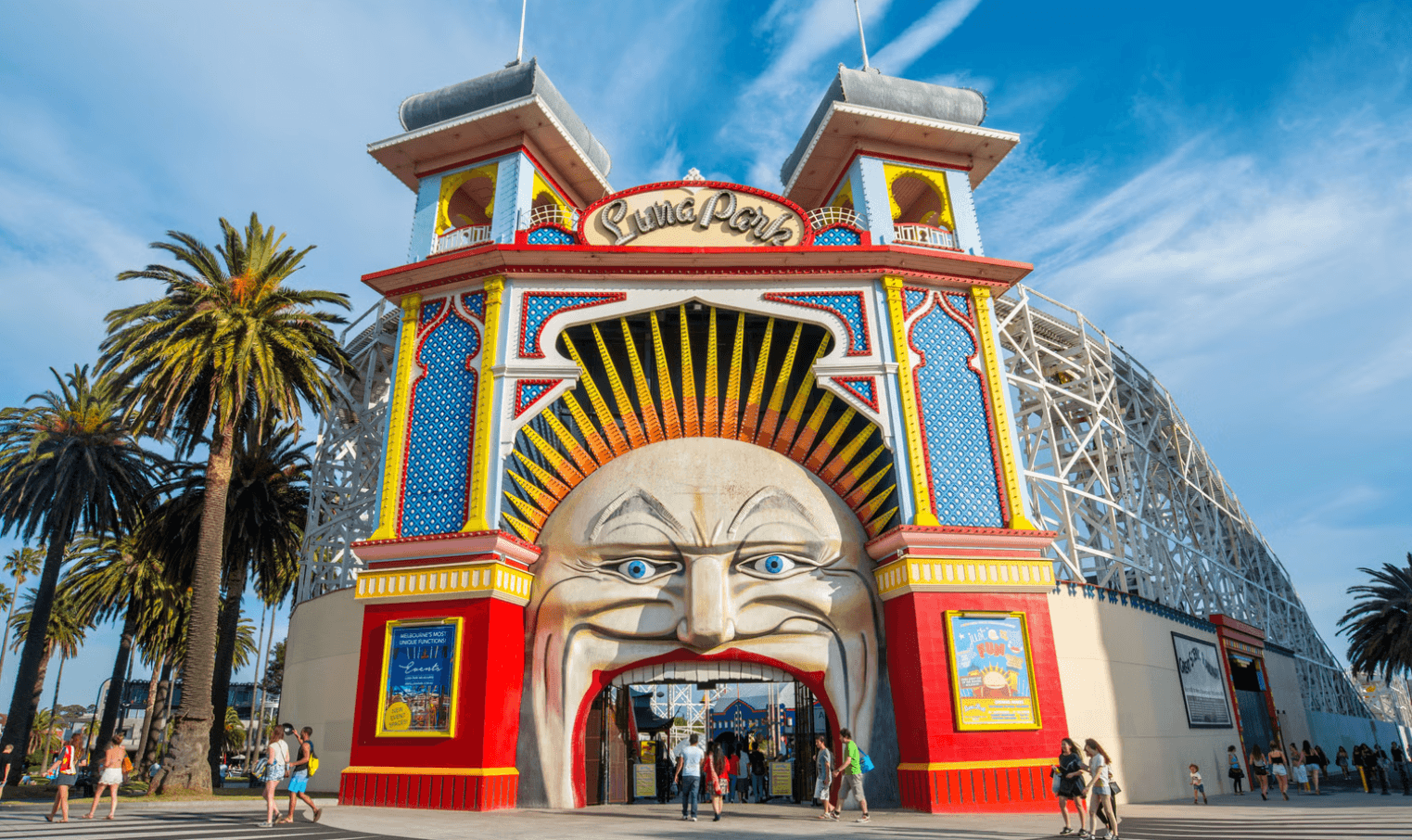
    — a beachside neighborhood known for its pier, penguin colony, and Luna Park amusement park.

  • The Great Ocean Road

    — a scenic coastal drive starting from Melbourne, reaching the Twelve Apostles rock formations.

  • Melbourne's coffee culture

    — independent cafes throughout the city represent one of Melbourne's defining cultural traits.

More things to do in MelbourneTap to see related guides
Melbourne accommodation

Where to Stay

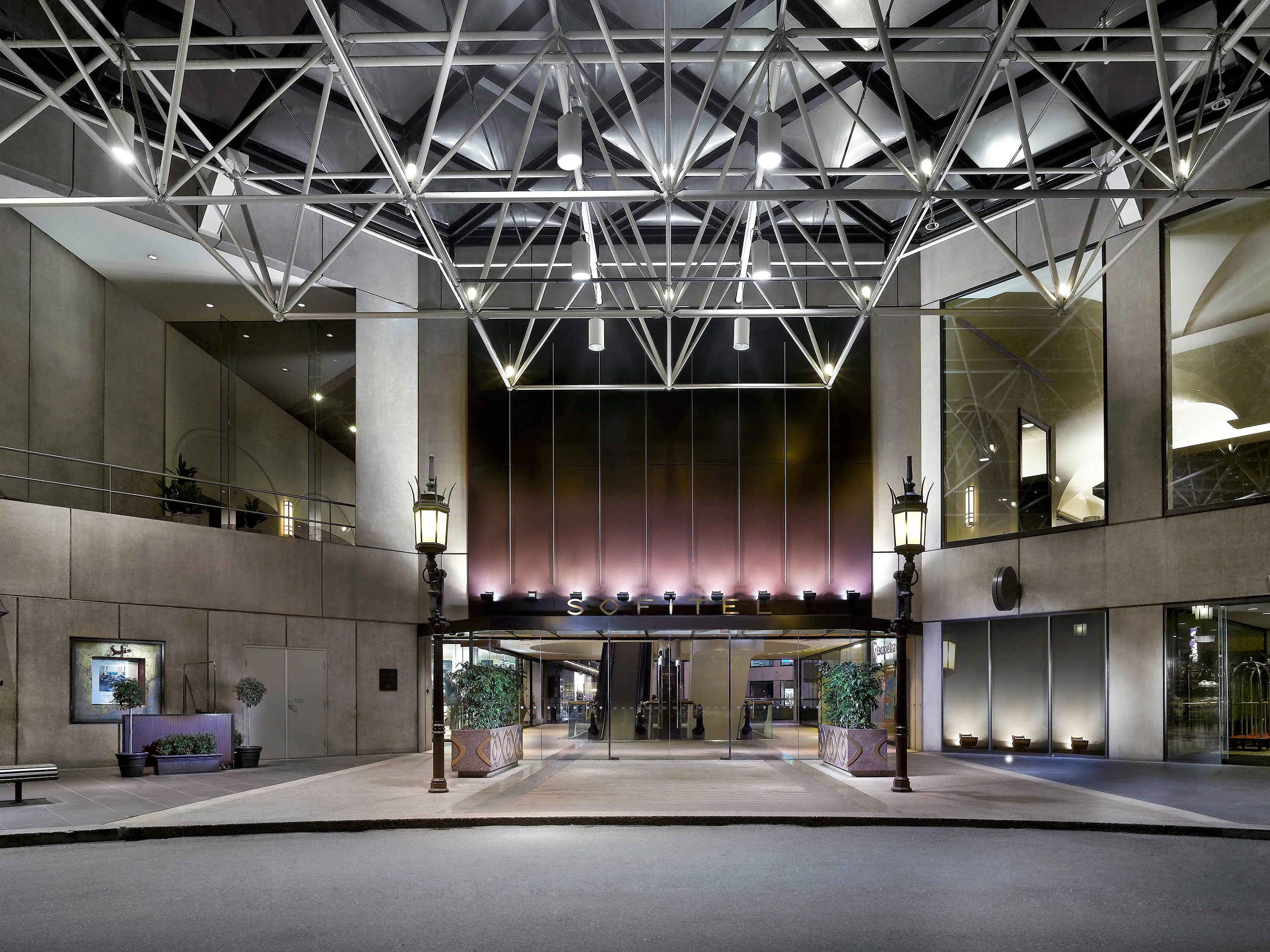
TraveliciousBites recommends Melbourne's CBD for first-time visitors, putting laneways, Queen Victoria Market, and tram connections within easy reach.

Fitzroy and Collingwood offer a trendier, more local alternative with strong independent dining and nightlife.

St Kilda suits travelers wanting a beachside base still connected to the city center by tram.

Melbourne hotels and places to stayTap to see related guides

Food and Dining

Melbourne's food scene reflects decades of immigration-driven diversity, spanning Vietnamese, Greek, Italian, and Chinese communities alongside a globally recognized coffee culture that originated much of Australia's flat white tradition.

The laneways hide some of the city's best small restaurants and bars, often unmarked from the street.

Queen Victoria Market's night market, running seasonally, offers a lively way to sample multiple food stalls in one visit.

Melbourne food and dining articlesTap to see related guides

Getting There and Around

Most flights from the US require at least one connection, with total travel time running 15–17 hours to Melbourne. Melbourne's tram network covers the city center extensively, including a free tram zone within the CBD that makes short trips cost nothing.

The train network connects the city to outer suburbs and, via connecting bus, to the start of the Great Ocean Road. Melbourne's city center is highly walkable once you arrive, with the laneways specifically rewarding exploration on foot rather than any form of transit.

How Much Does a Trip to Melbourne Cost

Budget$800–$1,200Hostel or budget hotel
Luxury$3,000+CBD luxury hotel & fine dining

A 4-day Melbourne trip typically runs $1,200–$2,000 per person mid-range, covering flights, a CBD hotel, dining, and activities. Melbourne's strong cafe and laneway dining culture means food often represents a larger share of the budget here than in many other city destinations.

Local Tips

  • Use the free tram zone within the CBD for short trips at no cost, a genuinely useful money-saving option most visitors don't realize exists.
  • Explore laneways without a strict plan, since many of Melbourne's best finds are unmarked and best discovered by wandering.
  • Pack layers regardless of season, given Melbourne's famously unpredictable daily weather.

Practical Essentials for Melbourne

  • Australia uses a distinct three-pin plug type at 230V, so US travelers need a specific Australian adapter rather than a generic universal one.

  • Mobile coverage is excellent throughout the city.

  • Tipping is not customary in Melbourne, since service staff earn a legally mandated minimum wage that already accounts for service.

  • Tap water is safe to drink throughout Melbourne.

Advertisement

Latest from Melbourne

Frequently Asked Questions About Melbourne

Answers below draw on the same research TraveliciousBites uses across every destination and category guide.

What is the best time of year to visit Melbourne?

March–May and September–November offer Melbourne's most comfortable weather, avoiding summer's occasional heat spikes and winter's cooler conditions.

How many days do you need in Melbourne?

Plan three to four days to cover the city center and inner suburbs like Fitzroy and St Kilda without rushing.

What is Melbourne's tram free zone?

Melbourne offers a free tram zone within the CBD, letting visitors take short trips at no cost, a genuinely useful money-saving option.

Is Melbourne walkable?

Yes, Melbourne's city center is highly walkable, with the laneways specifically rewarding exploration on foot rather than any form of transit.

Is tap water safe to drink in Melbourne?

Yes, tap water is safe to drink throughout Melbourne, so bringing a refillable bottle saves money over buying bottled water.

Is Melbourne good for coffee lovers?

Yes, Melbourne's coffee culture is world-renowned, with independent cafes throughout the city representing one of its defining cultural traits.

Can I drive the Great Ocean Road from Melbourne?

Yes, the Great Ocean Road starts from Melbourne, making it a practical day trip or overnight drive reaching the Twelve Apostles rock formations.

Is Melbourne expensive to visit?

A 4-day Melbourne trip typically runs $1,200–$2,000 per person mid-range, with food often representing a larger share of the budget given the city's strong dining culture.

Is tipping expected in Melbourne?

No, tipping is not customary in Melbourne, since service staff earn a legally mandated minimum wage that already accounts for service.

What is Melbourne known for?

Melbourne is known for its laneway culture, coffee scene, and status as Australia's cultural and culinary capital.

Is Melbourne or Sydney better for a first Australia trip?

Sydney suits travelers wanting iconic landmarks, while Melbourne appeals more to those prioritizing food, coffee, and a laneway-driven arts scene.

What should I pack for Melbourne?

Pack layers regardless of season, given Melbourne's famously unpredictable daily weather that can shift several times within a single day.

Is St Kilda worth visiting?

Yes, St Kilda offers a beachside neighborhood with a pier, penguin colony, and Luna Park, all easily reached from the city center by tram.

Advertisement