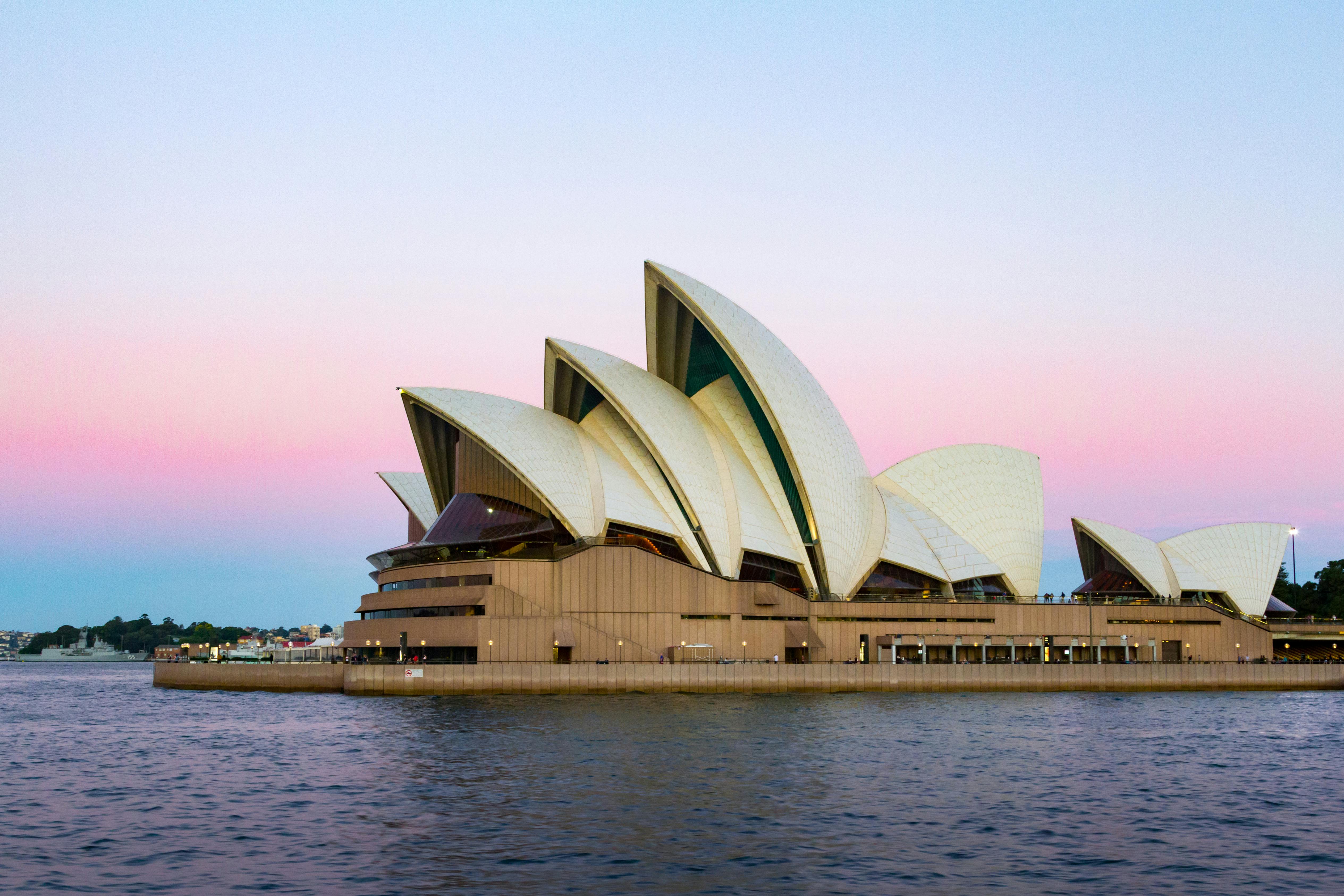
Australia travel guide cover

Australia Travel Guide

Explore Australia
Advertisement

TraveliciousBites' Australia Travel Guide covers the country's east coast cities, the Great Barrier Reef, and the outback destinations that anchor most first-time itineraries. Whether you're planning a two-week east coast trip or extending into Western Australia, this guide breaks down when to visit, how to get around a country the size of a continent, and what a realistic budget looks like, based on the same planning standards we apply across every destination guide we publish.

Best Time to Visit Australia

Australia's size means weather varies dramatically by region and season, and its Southern Hemisphere calendar runs opposite the US. September–November (spring) and March–May (autumn) offer the most comfortable weather across the east coast, avoiding both summer's intense heat and winter's cooler temperatures in the south.

December–February brings Australian summer, ideal for beach time in Sydney and Melbourne but uncomfortably hot and humid in the tropical north around Cairns and the Great Barrier Reef, where box jellyfish season also runs through these warmer months. The reef itself is best visited April–October, outside the wet season's heaviest rains and stinger risks in northern Queensland waters.

Winter (June–August) suits a trip focused on Uluru and the outback, where cooler daytime temperatures make hiking far more comfortable than the scorching summer heat. TraveliciousBites recommends shoulder-season travel for most first-time itineraries covering multiple regions.

Australia weather and seasonal guidesTap to see articles matched to each season

Top Things to Do in Australia

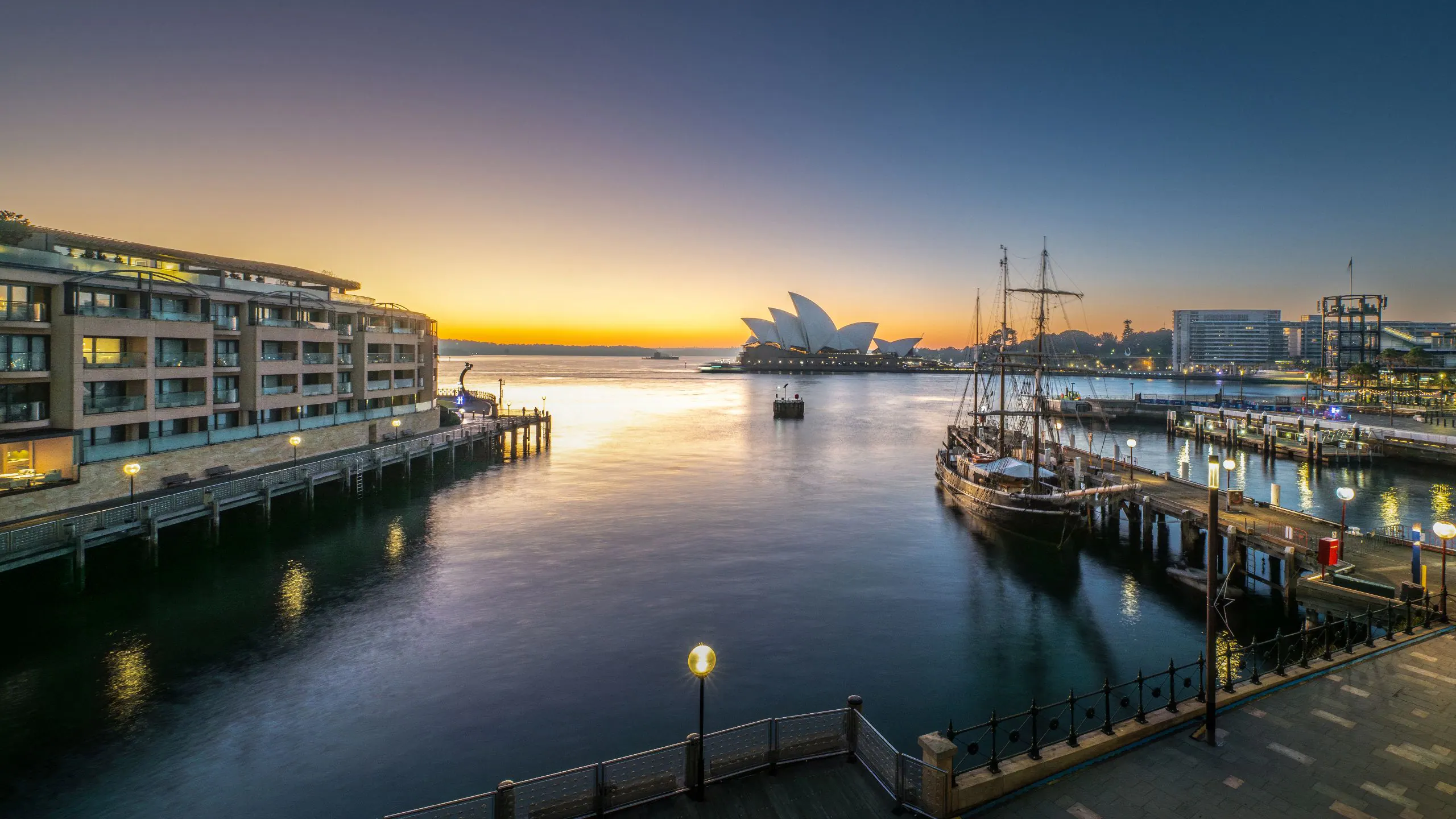
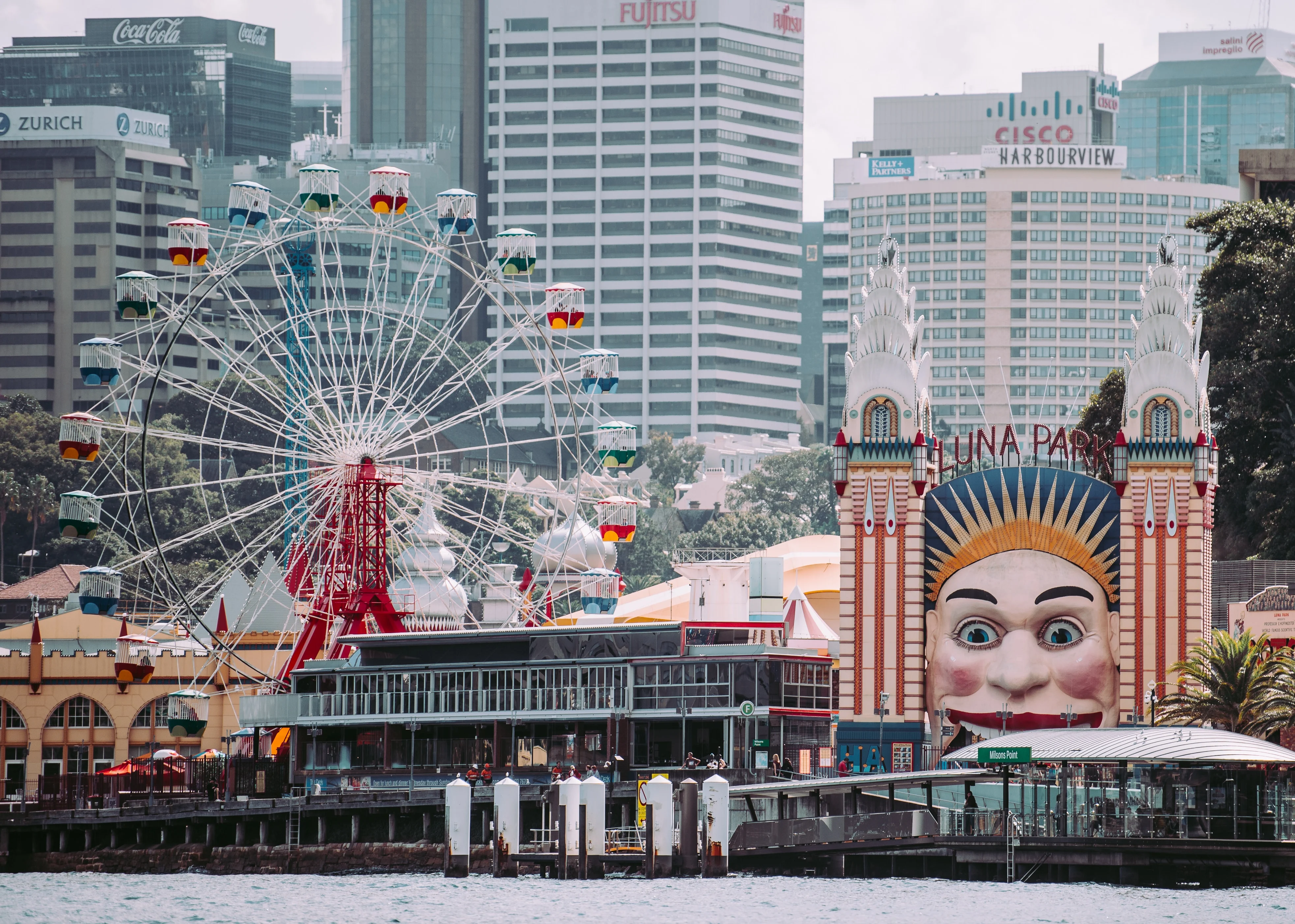
  • Sydney

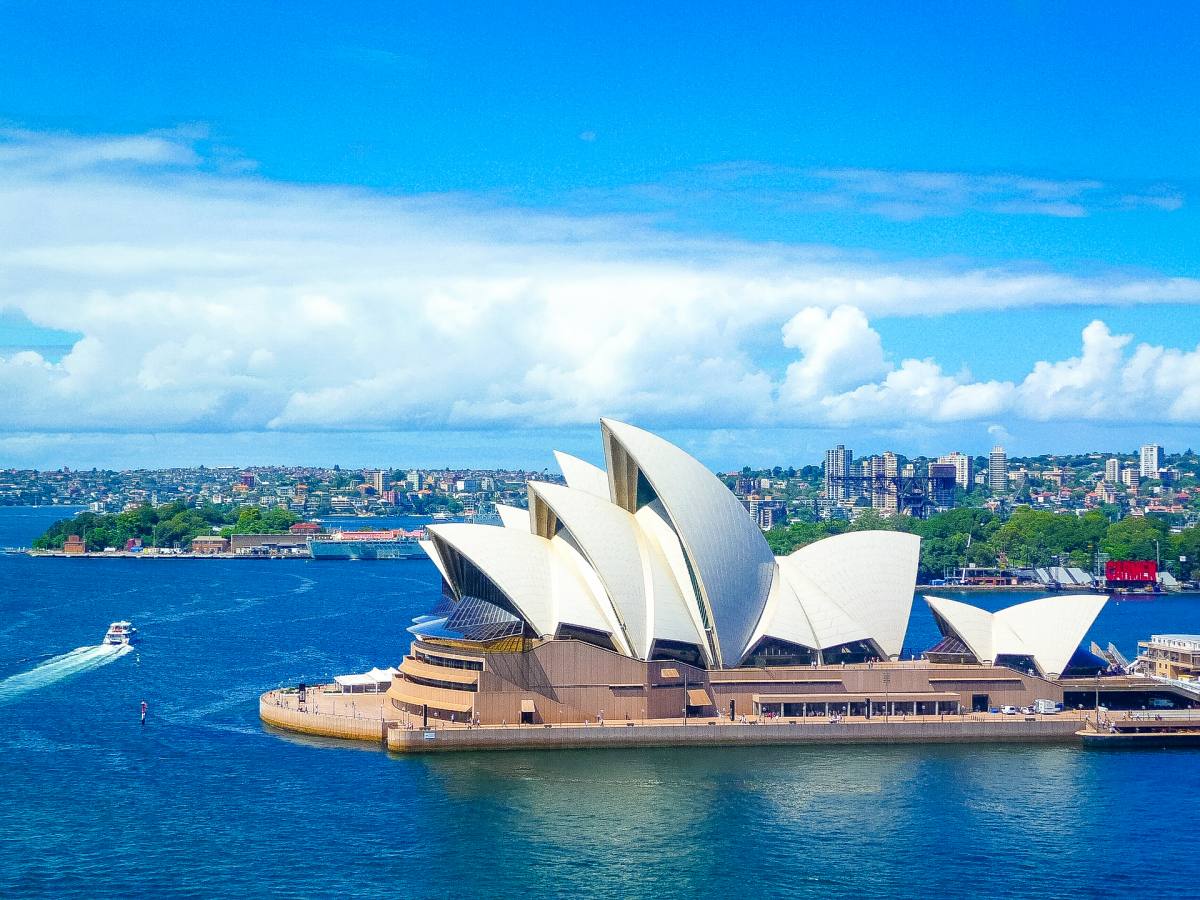
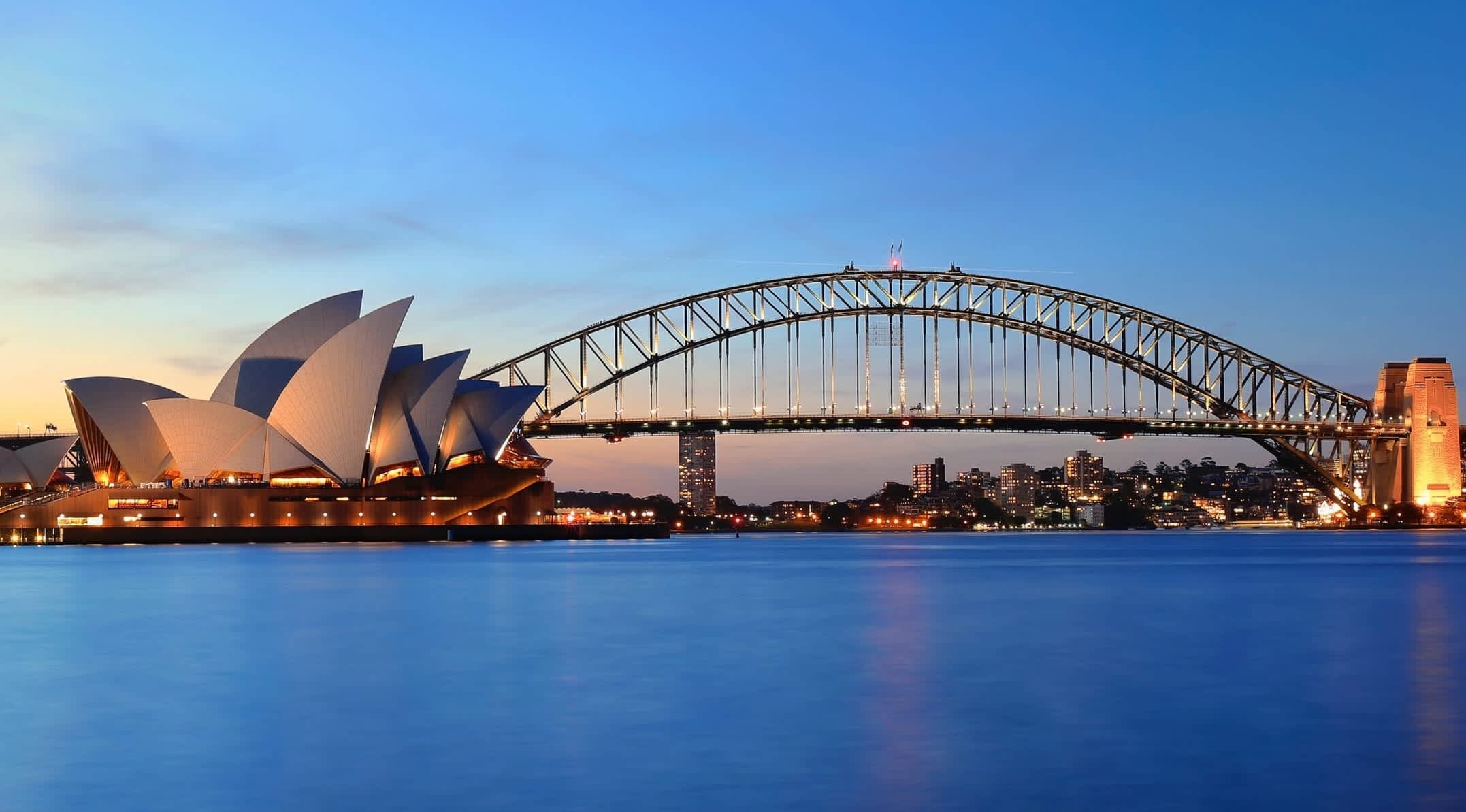
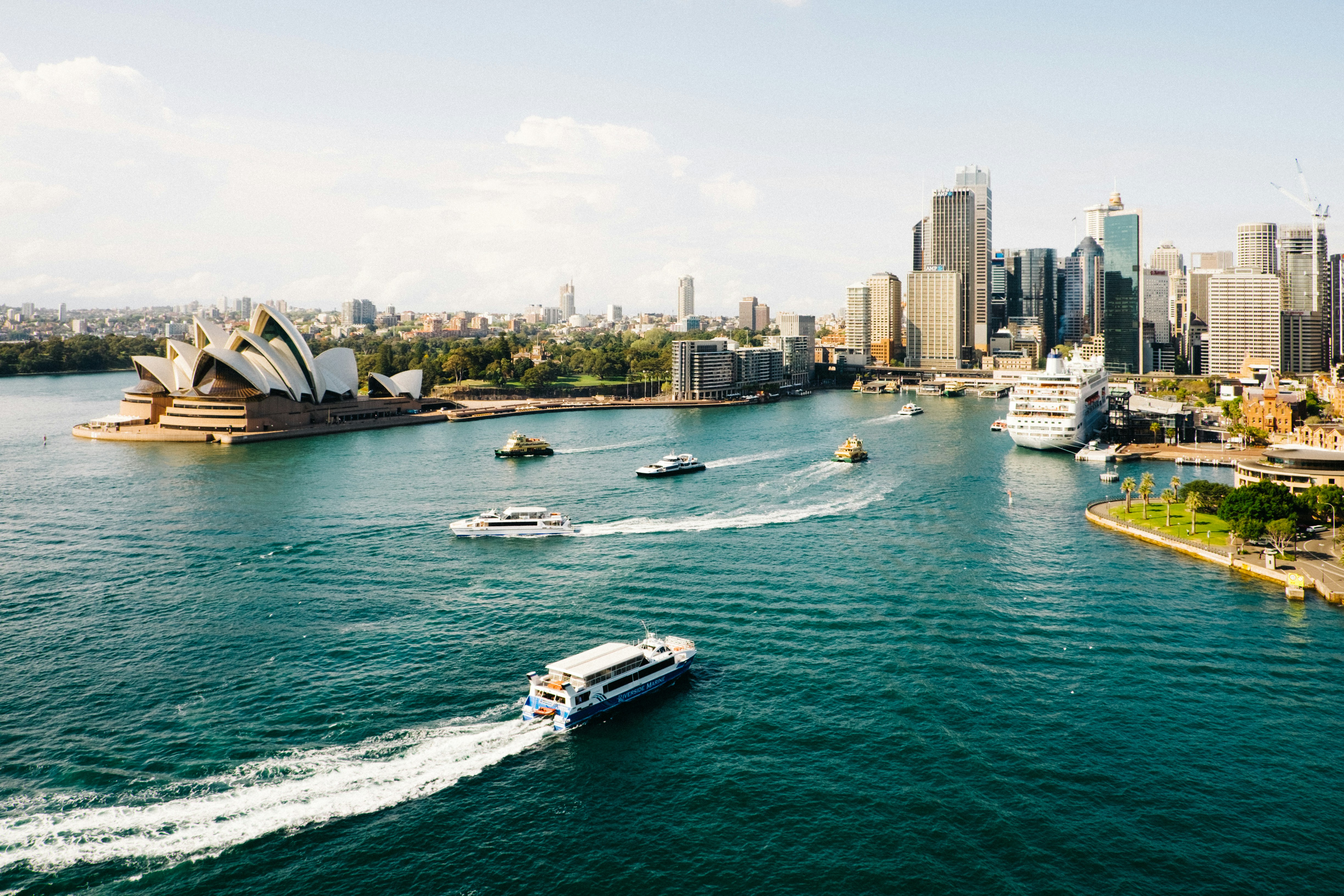
    — the Opera House, Harbour Bridge, and Bondi Beach anchor most first-time visits.

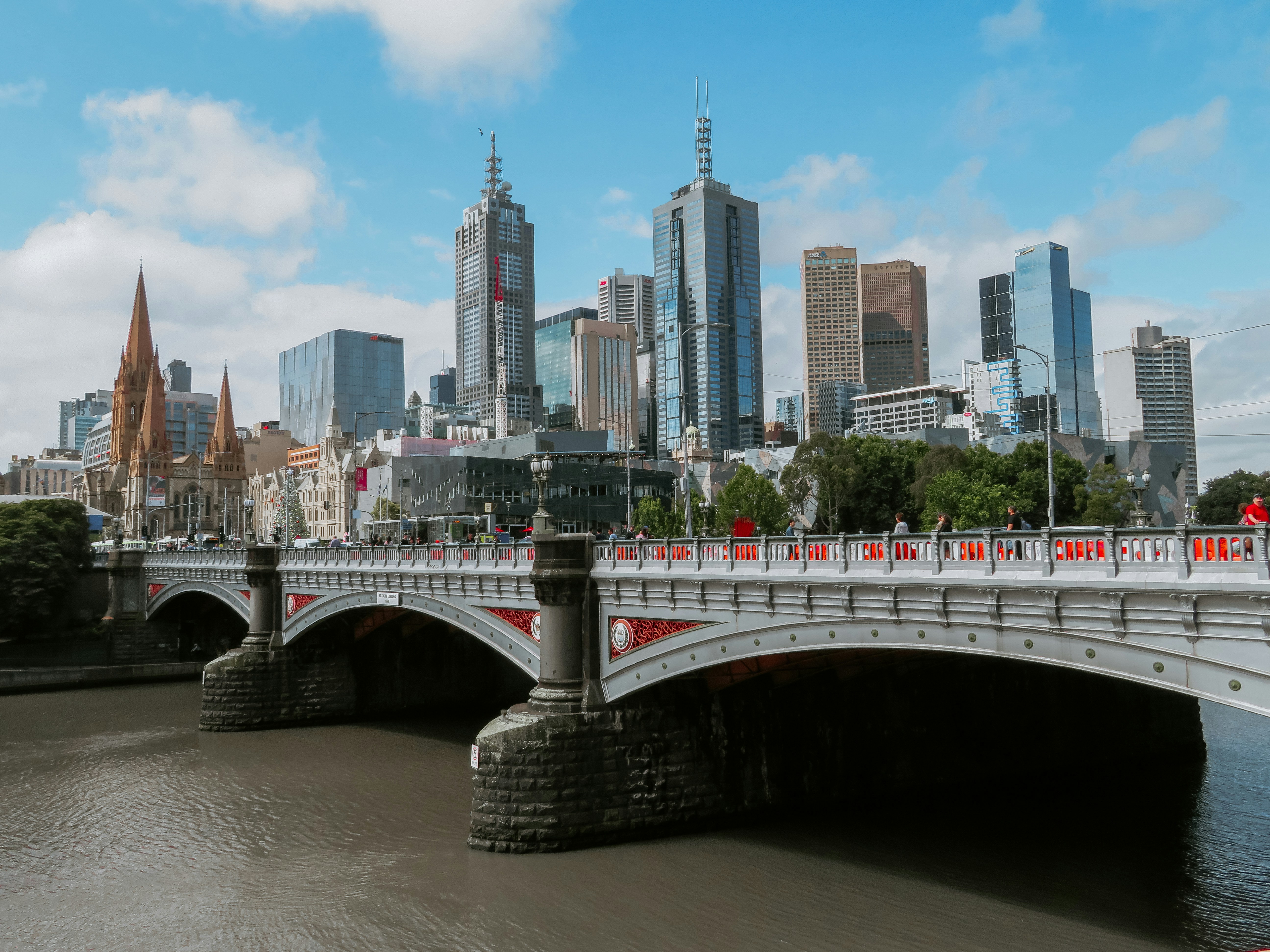
  • Melbourne

    — Australia's cultural capital, known for laneway cafes, street art, and a strong food and coffee scene.

  • Great Barrier Reef

    — accessible from Cairns or the Whitsunday Islands, both offering day-trip and liveaboard diving options.

  • Uluru

    — the outback's iconic red rock, best visited as a dedicated 2–3 day trip from Sydney or Melbourne.

  • Great Ocean Road

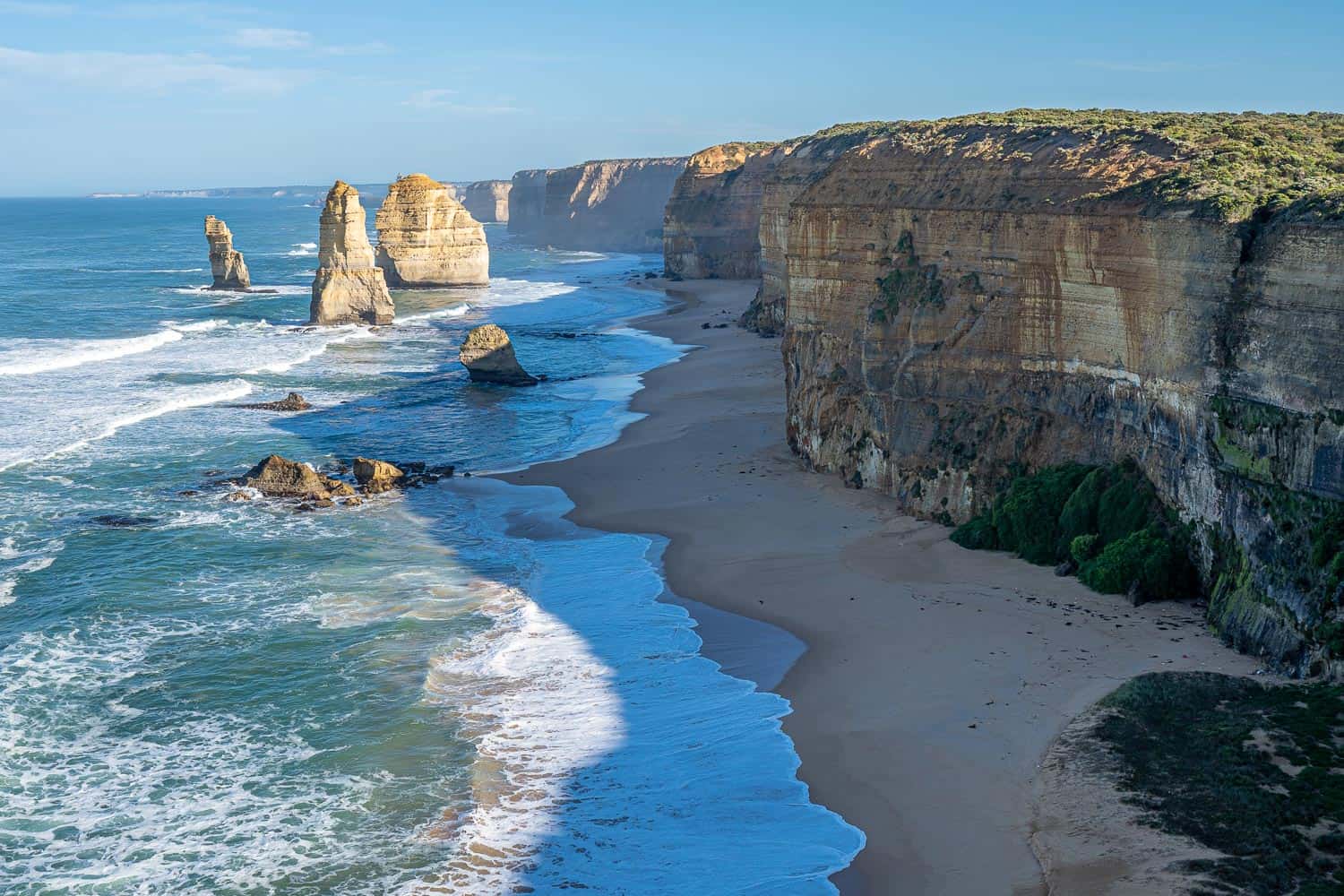
    — a scenic coastal drive from Melbourne past the Twelve Apostles rock formations.

  • Whitsunday Islands

    — for sailing and Whitehaven Beach, widely considered one of Australia's best beaches.

  • Tasmania

    — a less-visited add-on for travelers with extra time, known for wilderness hikes and a growing food and wine scene around Hobart.

More things to do in AustraliaTap to see related guides
Australia accommodation

Where to Stay

TraveliciousBites recommends basing in Sydney's Circular Quay or Melbourne's CBD for first-time visitors, both putting major attractions within walking distance or a short transit ride and offering easy access to ferries and trams.

Cairns serves as the standard base for Great Barrier Reef trips, with accommodation ranging from budget hostels to reef-view resorts, and many properties include shuttle service to the marina for reef tour departures.

Book Uluru accommodation well in advance, since the resort area near the rock operates as a single, limited-supply hub with no independent lodging alternative nearby, and prices rise noticeably during the cooler, more comfortable winter months.

Australia hotels and places to stayTap to see related guides

Food and Dining

Australia's food scene centers on fresh seafood, a strong multicultural influence from Asian and Mediterranean immigration, and an internationally regarded coffee culture, particularly in Melbourne, where flat whites originated and independent cafes outnumber chain coffee shops significantly.

Sydney's fish markets and harbor-side restaurants showcase the country's seafood strength, while Melbourne's laneway cafes and restaurants reflect decades of immigration-driven culinary diversity, spanning everything from Vietnamese banh mi to Greek and Italian family-run restaurants.

Meat pies round out Australia's more casual, classic food identity, widely available from bakeries and corner shops nationwide.

Australia food and dining articlesTap to see related guides

Getting There and Around

US citizens need an Electronic Travel Authority (ETA), arranged online before departure, to enter Australia. Direct flights from West Coast hubs run 14–17 hours to Sydney or Melbourne, with the return trip typically shorter due to tailwinds.

Given Australia's size, domestic flights connect major cities and regions far more efficiently than driving — a Sydney-to-Cairns flight takes about three hours versus a multi-day drive. Renting a car works well for the Great Ocean Road and other short regional trips, but isn't practical as a way to connect Australia's major cities, given the multi-day drive times between them and the added cost of one-way rental fees.

Australia transport and arrival guidesTap to see related guides

How Much Does a Trip to Australia Cost

Budget$2,000–$3,000Hostels & self-guided sightseeing
Luxury$7,000+Reef liveaboards & premium hotels

A two-week east coast trip typically runs $3,000–$5,000 per person mid-range, covering flights, domestic transport, mid-range hotels, and activities like reef tours. Adding Uluru or Western Australia extends both the trip length and budget meaningfully, given the additional domestic flights required to reach the outback and the west coast, often adding $500–$800 per person just in extra internal flights.

Australia budget and trip-planning articlesTap to see related guides

Local Tips

  • Book domestic flights and Great Barrier Reef tours in advance during Australian summer, December–February, when both run at peak demand from domestic travelers.
  • Sun protection matters more in Australia than most destinations, given some of the world's highest UV index readings — reapply sunscreen more often than you would elsewhere, even on overcast days.
  • Tipping is not customary in Australia the way it is in the US, since service staff earn a legally mandated minimum wage that already accounts for service.

Practical Essentials for Australia

  • Australia uses a distinct three-pin plug type at 230V, so US travelers need a specific Australian adapter rather than a generic European or UK adapter.

  • Mobile coverage is excellent in cities and along the east coast but drops off significantly in the outback and remote national parks, so download offline maps before heading to Uluru or other remote areas.

  • Tap water is safe to drink throughout Australia, including in Sydney and Melbourne, making a refillable water bottle a practical addition to any daypack.

  • Australia's strict biosecurity laws prohibit bringing most food, plant, and wood items into the country, so declare anything questionable on arrival to avoid fines.

Advertisement

Latest from Australia

Frequently Asked Questions About Australia

Answers below draw on the same research TraveliciousBites uses across every destination and category guide.

What is the best time of year to visit Australia?

September–November and March–May offer Australia's most comfortable weather across the east coast, avoiding summer's intense heat in the north and winter's cooler temperatures in the south.

How many days do you need to see Australia's east coast?

Plan two to three weeks to cover Sydney, Melbourne, the Great Barrier Reef, and a stop like the Great Ocean Road without rushing between destinations.

Which Australian city is best for first-time visitors, Sydney or Melbourne?

Sydney suits first-time visitors seeking iconic landmarks like the Opera House and Bondi Beach, while Melbourne appeals more to travelers prioritizing food, coffee culture, and a laneway-driven arts scene.

Do US citizens need a visa to visit Australia?

US citizens need an Electronic Travel Authority (ETA), arranged online before departure, rather than a traditional visa, and it typically processes within minutes to a few days.

What is the best way to travel between Australian cities?

Domestic flights connect Australia's major cities far more efficiently than driving, given the country's size — a Sydney-to-Cairns flight takes about three hours compared to a multi-day drive.

Is the Great Barrier Reef better visited from Cairns or the Whitsunday Islands?

Cairns offers more day-trip and budget diving options, while the Whitsunday Islands suit travelers prioritizing sailing trips and Whitehaven Beach alongside reef access.

Is Tasmania worth adding to an Australia itinerary?

Tasmania rewards travelers with extra time who want wilderness hikes and a growing food and wine scene, though it works best as an addition to, rather than a replacement for, an east coast itinerary.

What is the best way to see Uluru?

Most travelers fly directly into Uluru's regional airport from Sydney or Melbourne for a dedicated two- to three-day visit, since driving from the east coast adds several days of desert travel.

Is tap water safe to drink in Australia?

Yes, tap water is safe to drink throughout Australia, including in Sydney and Melbourne, making a refillable water bottle a practical addition to any daypack during your trip.

What should I know about Australia's biosecurity rules before arriving?

Australia's strict biosecurity laws prohibit bringing most food, plant, and wood items into the country, so declare anything questionable on your arrival card to avoid fines at customs.

Is it worth renting a car for a Great Ocean Road trip?

Yes — a rental car is the most practical way to see the Great Ocean Road at your own pace, with Melbourne serving as the standard starting and ending point for the drive.

What wildlife can I expect to see in Australia?

Kangaroos, koalas, and wallabies appear in wildlife parks and some rural areas nationwide, while the Great Barrier Reef and coastal waters add marine wildlife like sea turtles and reef sharks to the mix.

Is Australia expensive to visit compared to other long-haul destinations?

Australia runs on the higher end for a long-haul trip, comparable to Western Europe for hotels and dining, with the long flight distance from the US adding meaningfully to the total trip cost.

Do I need travel insurance for a trip to Australia?

Travel insurance is strongly recommended given the trip's cost and distance from the US, particularly if your itinerary includes adventure activities like diving or reef tours that standard policies may exclude.

Advertisement