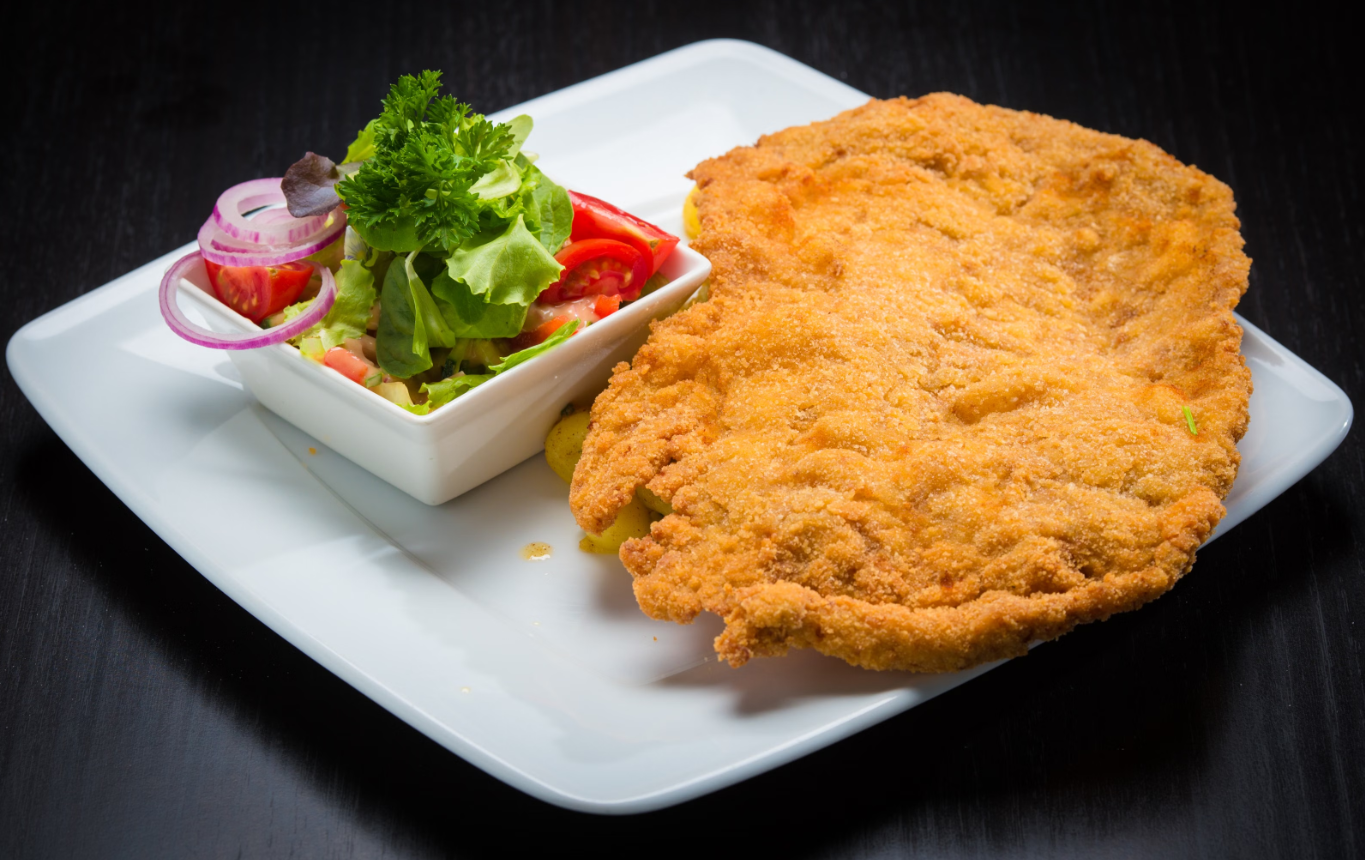
Germany is celebrated for a rich culinary heritage that reflects centuries of regional traditions, seasonal ingredients, and hearty home cooking. From slow-cooked roasts and world-famous sausages to freshly baked pretzels and handmade noodles, every region contributes unique flavours to the country's diverse food culture.
While many travellers associate Germany with beer and bratwurst, its cuisine extends far beyond these classics, offering comforting dishes that have been passed down through generations. This guide explores the finest Germany main food, highlights authentic German traditional cuisine, introduces typical German food, and showcases the most common food in Germany that every visitor should experience during their culinary journey.
Also Read - Malaysian Food Guide: 18 Traditional Malaysian Dishes and Meals to Savor
1. Sauerbraten
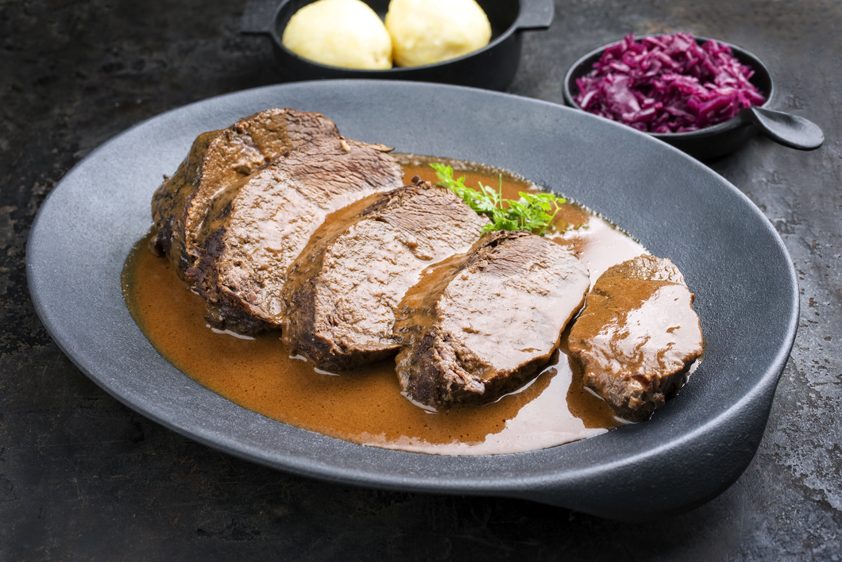
Among the most iconic examples of Germany main food, Sauerbraten is widely regarded as Germany's national dish. This traditional pot roast is prepared by marinating beef, veal, venison, or pork in a mixture of vinegar or wine, herbs, spices, and vegetables for five to fifteen days, producing exceptionally tender meat and a distinctive sweet-and-sour flavour.
The roast is slowly cooked and served with a rich gravy alongside potato dumplings (Kartoffelklöße), Spätzle, potato pancakes, or braised red cabbage. Regional variations exist across the Rhineland, Franconia, Swabia, and Thuringia, each using slightly different marinades and accompaniments. Sauerbraten perfectly represents Germany's emphasis on slow cooking, regional recipes, and hearty family meals.
2. Schnitzel
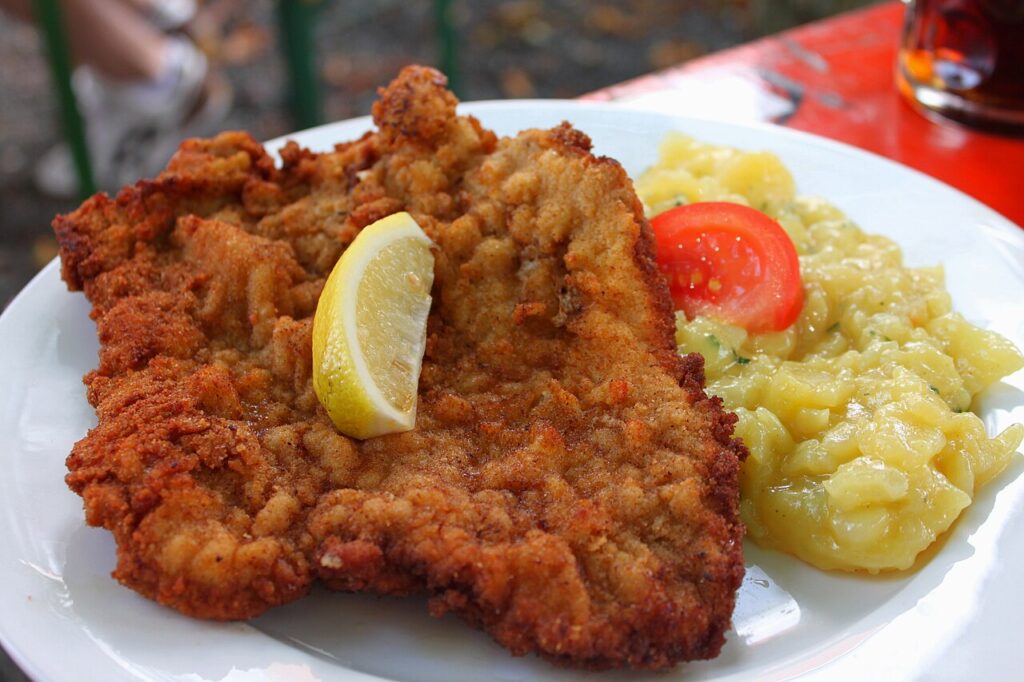
One of the best-known dishes in German traditional cuisine is Schnitzel, a thin slice of pork or veal that is pounded, coated in flour, egg, and breadcrumbs, then fried until perfectly crisp and golden. Although Wiener Schnitzel originated in Austria, numerous regional German variations have become staples throughout the country. Schnitzel is commonly served with potato salad, French fries, buttered potatoes, or fresh green salads, often accompanied by a slice of lemon.
Variants such as Jägerschnitzel feature creamy mushroom sauce, while others include pepper or paprika sauces. Its crispy texture, simple preparation, and satisfying flavour make Schnitzel one of Germany's most beloved everyday meals.
3. Bratwurst & Currywurst
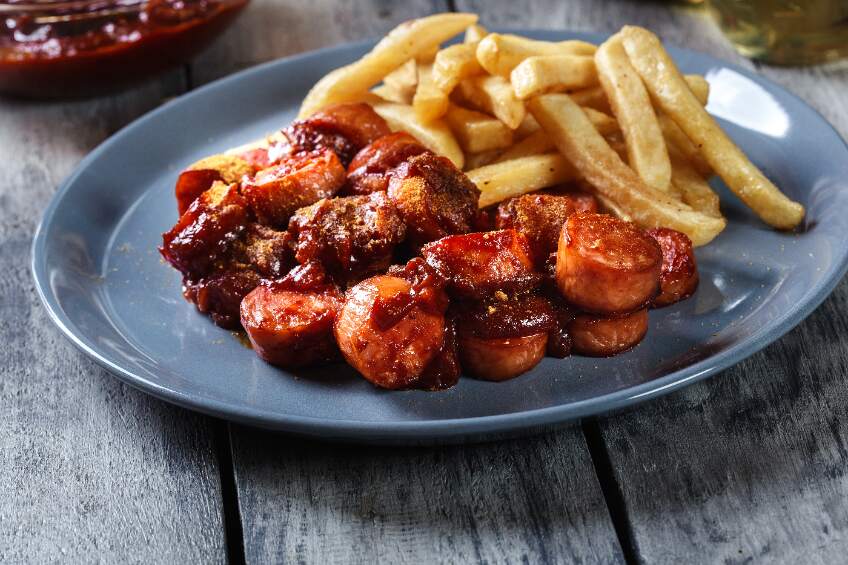
No guide to typical German dish would be complete without Bratwurst and Currywurst. Germany produces more than 1,500 varieties of sausage, making sausages an essential part of the nation's culinary identity. Bratwurst consists of seasoned pork, veal, or beef sausages that are grilled or pan-fried and traditionally served with mustard, sauerkraut, and bread rolls. Currywurst, originally developed in Berlin after the Second World War, features sliced pork sausage topped with tomato sauce and curry powder, often accompanied by crispy fries. Both dishes are available at street-food stalls, beer gardens, restaurants, and festivals throughout Germany, making them among the country's most recognisable culinary experiences.
4. Rouladen
Among the most common dish in Germany served during family gatherings and Sunday lunches is Rouladen. This comforting dish consists of thin slices of beef rolled around bacon, onions, pickles, and mustard before being slowly braised until tender. The cooking process creates a rich gravy that perfectly complements side dishes such as potato dumplings, mashed potatoes, Spätzle, or braised red cabbage. Although recipes vary slightly between regions, Rouladen remains a cherished symbol of traditional German home cooking. Its deep flavours and slow preparation reflect Germany's culinary traditions, where patience and quality ingredients produce satisfying meals enjoyed across generations.
5. Kartoffelsalat (German Potato Salad)
Kartoffelsalat is one of the most versatile examples of Germany main food, appearing alongside grilled meats, schnitzels, sausages, and festive meals throughout the country. Unlike many international potato salads, German versions differ significantly by region. Southern Germany often prepares the salad with warm potatoes, vinegar, onions, herbs, and broth, while northern regions favour creamy mayonnaise-based recipes. Additional ingredients such as bacon, cucumber, mustard, chives, or boiled eggs may also be included depending on local traditions. Served either warm or chilled, Kartoffelsalat demonstrates how simple ingredients can become an essential part of Germany's rich culinary heritage.
6. Pretzels (Brezeln)
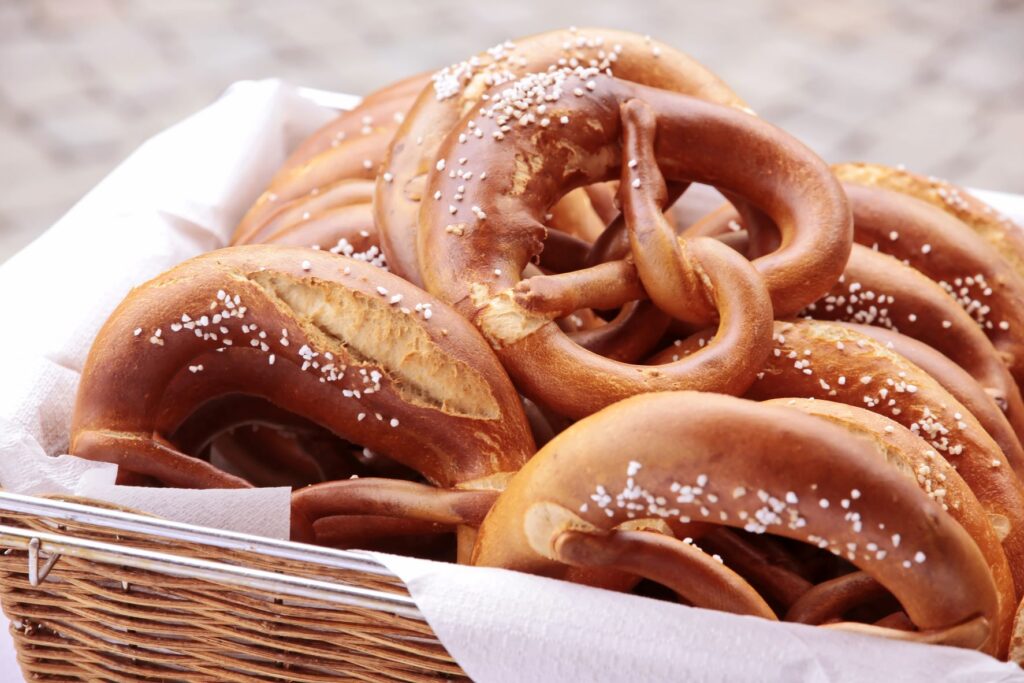
Few baked goods represent German traditional cuisine as perfectly as the Brezel, or pretzel. Recognisable by its distinctive twisted shape, glossy brown crust, and coarse salt topping, the pretzel has been enjoyed in Germany for centuries. Fresh pretzels are sold daily in bakeries, beer gardens, cafés, railway stations, and markets across the country. Particularly associated with Bavaria, they are often served alongside Weisswurst, sausages, cheese spreads, or traditional German beer. Soft on the inside and crisp on the outside, pretzels are enjoyed as breakfast, snacks, or accompaniments to larger meals, making them one of Germany's most iconic baked specialities.
7. Spätzle
Among the finest examples of typical German food, Spätzle is a soft egg noodle originating from the Swabian region of southern Germany. Made from flour, eggs, water, and salt, the dough is pressed into boiling water to create delicate noodles with a wonderfully tender texture. Spätzle is commonly served alongside Sauerbraten, Rouladen, or roasted meats, where it absorbs rich gravies beautifully.
One of the most popular variations, Käsespätzle, combines the noodles with melted cheese and crispy fried onions, creating a comforting dish often compared to macaroni and cheese. Its versatility and regional importance have made Spätzle a beloved staple of German cuisine.
8. Schweinshaxe (Pork Knuckle)
Among the most common food in Germany, Schweinshaxe is a hearty Bavarian favourite that showcases the country's love for slow-roasted meat. This traditional pork knuckle is seasoned with herbs and spices before being roasted for several hours until the meat becomes incredibly tender and the skin turns irresistibly crispy. It is commonly served with potato dumplings, sauerkraut, red cabbage, or rich gravy, creating a satisfying meal that is especially popular in Munich's beer halls and during Oktoberfest celebrations. Schweinshaxe reflects Bavaria's rich culinary traditions and remains one of the most iconic comfort foods enjoyed by both locals and international visitors.
9. Königsberger Klopse
A classic example of German traditional cuisine, Königsberger Klopse consists of delicate meatballs made from minced veal or beef mixed with onions, breadcrumbs, eggs, and herbs. The meatballs are gently simmered before being served in a creamy white sauce flavoured with capers and lemon juice, creating a unique balance of richness and acidity. Traditionally accompanied by boiled potatoes or mashed potatoes, this dish originated in the historic city of Königsberg (now Kaliningrad) and continues to be enjoyed throughout Germany. Its refined flavours and elegant presentation distinguish it from many of Germany's heartier meat dishes while preserving centuries of culinary tradition.
10. Black Forest Cake (Schwarzwälder Kirschtorte)

Among the sweetest examples of typical German food, Black Forest Cake is Germany's most internationally recognised dessert. Originating from the Black Forest region, this celebrated cake features layers of rich chocolate sponge, whipped cream, sour cherries, and Kirsch (cherry brandy), finished with chocolate shavings and whole cherries. The combination of moist sponge, creamy filling, tart fruit, and subtle cherry flavour creates one of Europe's most beloved desserts. It is traditionally served in cafés during Germany's famous Kaffee und Kuchen afternoon coffee tradition and remains a popular choice for birthdays, celebrations, and festive occasions across the country.
11. German Bread Culture
One of the defining features of Germany main food is its extraordinary bread culture. Germany is home to more than 3,000 varieties of bread and over 1,200 types of bread rolls, making it one of the world's richest baking traditions. Popular varieties include rye bread, pumpernickel, sourdough, wholegrain loaves, multigrain breads, and freshly baked Brezeln (pretzels). Bread plays an essential role in daily life, appearing at breakfast, lunch, and the traditional evening meal known as Abendbrot. Local bakeries remain central to German communities, where freshly baked bread is valued for its quality, craftsmanship, and regional diversity.
12. Regional Food Differences
The most common food in Germany varies significantly between regions, reflecting local history, climate, and agricultural traditions. Bavaria is famous for Weisswurst, pretzels, pork knuckle, and beer, while Swabia specialises in Spätzle and Maultaschen. Northern Germany is renowned for seafood dishes such as herring and smoked fish, whereas the Rhineland is celebrated for Sauerbraten and hearty meat dishes.
Baden combines French influences with regional wines and seasonal produce, and the Black Forest is known for Black Forest ham and its world-famous cake. These regional specialities make German cuisine remarkably diverse despite its shared emphasis on hearty, high-quality ingredients.
13. Best Time to Experience German Cuisine
The ideal time to experience German traditional cuisine depends on the type of culinary journey you seek. Autumn (September and October) is especially popular thanks to Oktoberfest, wine festivals, and seasonal dishes featuring mushrooms, game, roasted meats, and fresh harvest produce.
Winter offers festive Christmas markets where visitors can enjoy bratwurst, roasted almonds, gingerbread (Lebkuchen), mulled wine (Glühwein), and freshly baked pastries. Spring highlights asparagus season, while summer brings outdoor beer gardens, local food festivals, and regional markets serving authentic German classics. Every season presents unique opportunities to explore Germany's diverse and evolving food culture.
Final Thoughts
Exploring Germany main food offers far more than simply tasting hearty meals—it provides an insight into the country's rich history, regional diversity, and enduring culinary traditions. From the slow-cooked flavours of Sauerbraten and Rouladen to the comforting simplicity of Spätzle, Pretzels, and Kartoffelsalat, every dish tells a story shaped by local culture and generations of family recipes.
Germany's celebrated bread culture, regional specialities, and world-famous desserts such as Black Forest Cake further enrich the dining experience. Whether visiting bustling beer halls, cosy village restaurants, or traditional bakeries, travellers will discover that German cuisine combines authenticity, quality ingredients, and warm hospitality, making every meal an unforgettable part of their journey.



Comments 0
Only approved comments are shown here.