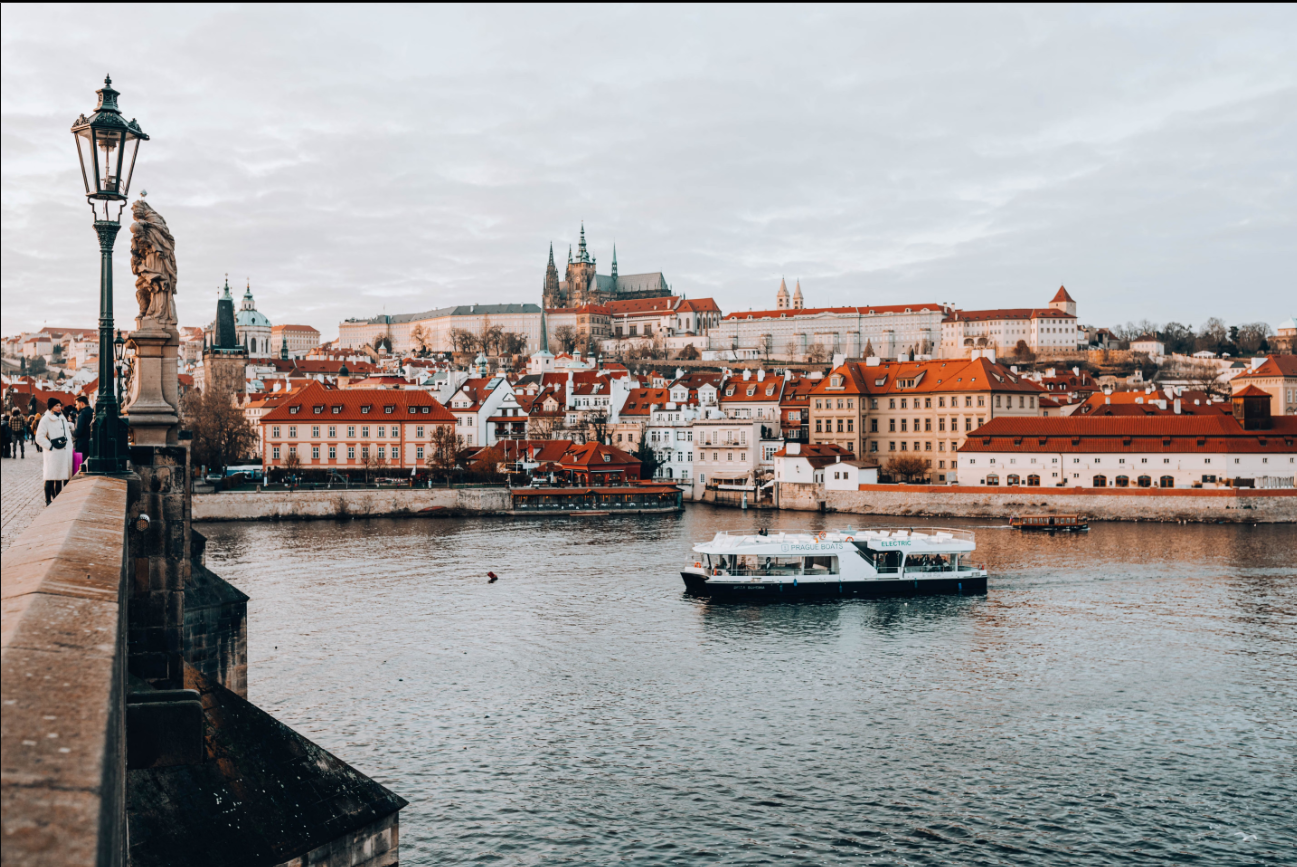
Choosing the best time to visit Europe is not as simple as selecting one month. Europe stretches from the Mediterranean beaches of Greece and Spain to the Arctic landscapes of Scandinavia, meaning weather and tourism seasons vary enormously between regions.
For many travelers, May, June, September and October provide the strongest balance of comfortable weather, manageable visitor numbers and good availability. September is particularly attractive because temperatures remain pleasant across much of the continent while the busiest summer crowds begin to disappear. Recent travel guidance continues to identify September and October as excellent shoulder-season months.
Travelers searching for the best time to visit Europe to avoid crowds should generally look beyond July and August. Those months are Europe's main summer peak, bringing higher prices, busy attractions and significant queues in destinations such as Italy, Spain and Greece.
The ideal best season to visit Europe ultimately depends on whether your priorities are sightseeing, beaches, skiing, Christmas markets, hiking or saving money.
This post contains affiliate links. If you choose to book through them, a small commission may be earned at no additional cost to you. Your support genuinely helps keep the blog running and allows continued creation of high-quality travel guides. Thank you for being here and supporting this journey.
1. January – Best for Skiing and Quiet City Breaks

January can be the best time to visit Europe for travelers interested in snow, skiing and relatively quiet major cities. Alpine destinations across France, Switzerland, Austria and Italy enter their winter-sports season, while northern Scandinavia offers snowy landscapes and opportunities for Arctic activities.
Cities such as Paris, Rome and Amsterdam generally receive far fewer leisure tourists than during summer, although weather can be cold, wet and unpredictable. Short daylight hours are another consideration, particularly in Northern Europe.
January suits museum-focused city breaks because travelers spend less time queuing outside major attractions. Accommodation can also offer better value away from ski resorts. However, coastal resorts and smaller seasonal destinations may have restaurants, hotels and visitor facilities closed during winter.
Best for: Skiing, museums, winter scenery and quieter cities.
2. February – Romance, Snow and Winter Experiences
February remains winter across most of the continent, but it can be the best time to go to Europe for couples, winter-sports enthusiasts and travelers comfortable with colder temperatures.
The Alps remain busy with skiing, while destinations farther north provide opportunities to experience snowy forests and long winter nights. Cities such as Vienna, Prague, Budapest and Copenhagen offer museums, cafés and historic architecture without summer's intense visitor numbers.
Southern destinations can be significantly milder, although February should not generally be considered beach weather across Mediterranean Europe.
Carnival celebrations also create seasonal reasons to travel. Venice is particularly famous for its elaborate carnival atmosphere, while celebrations occur in several other European destinations.
Travelers prioritizing low crowds should avoid major festival dates and ski-school holiday periods, when specific destinations can become considerably busier.
Best for: Romantic breaks, skiing, winter culture and photography.
3. March – Beginning of Europe's Spring Shoulder Season

March marks the beginning of spring in many regions and can be the best time to visit Europe to avoid crowds while still experiencing increasingly pleasant conditions.
Shoulder season across much of Europe generally falls around March–April and September–October, although exact timing differs by destination.
Southern Europe starts warming earlier than northern destinations. Rome, Lisbon, Seville and Athens can therefore be appealing for cultural sightseeing before summer heat arrives. Northern Europe remains cooler, and mountain regions can still experience significant snow.
March also brings longer daylight hours, budding vegetation and gradually increasing outdoor activity. Travelers should nevertheless pack layers and waterproof clothing because spring weather can change rapidly.
The month is particularly suitable for visitors whose priorities are museums, architecture, historical sites and food rather than beaches.
Best for: Lower crowds, sightseeing and southern European cities.
4. April – Spring Flowers and Pleasant Sightseeing
April is a strong candidate for the best season to visit Europe, especially for travelers interested in spring landscapes and comfortable sightseeing.
The Netherlands becomes particularly famous for tulips and other spring flowers, while parks and gardens across Europe begin filling with color. Mediterranean cities are also increasingly pleasant for outdoor exploration.
Temperatures between March and May can broadly range from approximately 10°C to 25°C depending on latitude and destination. Spring also generally provides fewer crowds and opportunities for shoulder-season value.
Easter can significantly change this picture. Rome, Seville and other destinations with major Easter traditions can become extremely busy around Holy Week, while school holidays can increase family travel.
Visit outside major holiday periods to enjoy April's strongest combination of spring scenery and manageable crowds.
Best for: Flowers, walking tours, city breaks and cultural trips.
5. May – One of Europe's Best Overall Months
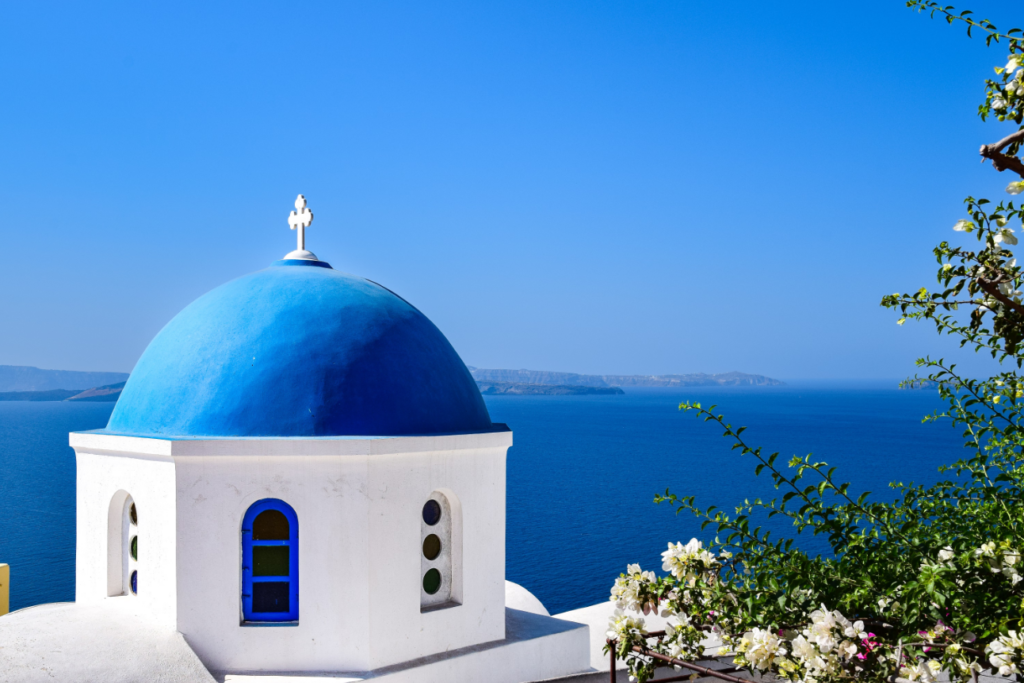
For many travelers, May is the best time to visit Europe. Temperatures are increasingly warm, daylight hours are long and the largest summer crowds have generally not yet arrived.
Mediterranean destinations such as Italy, Greece, Portugal and Spain are particularly appealing because travelers can explore archaeological sites and historic cities without the extreme heat sometimes experienced in July and August.
Central European destinations including Austria, Germany, Hungary and the Czech Republic also become increasingly attractive for outdoor sightseeing.
Recent travel advice identifies May–June and September–October as useful shoulder-season periods across much of Europe, offering opportunities to save money while avoiding peak crowds.
Beach conditions vary according to destination, and sea temperatures may remain relatively cool. For sightseeing, road trips, cycling and cultural itineraries, however, May is difficult to beat.
Best for: Overall travel, sightseeing, road trips and pleasant weather.
6. June – Summer Weather Before Peak Crowds
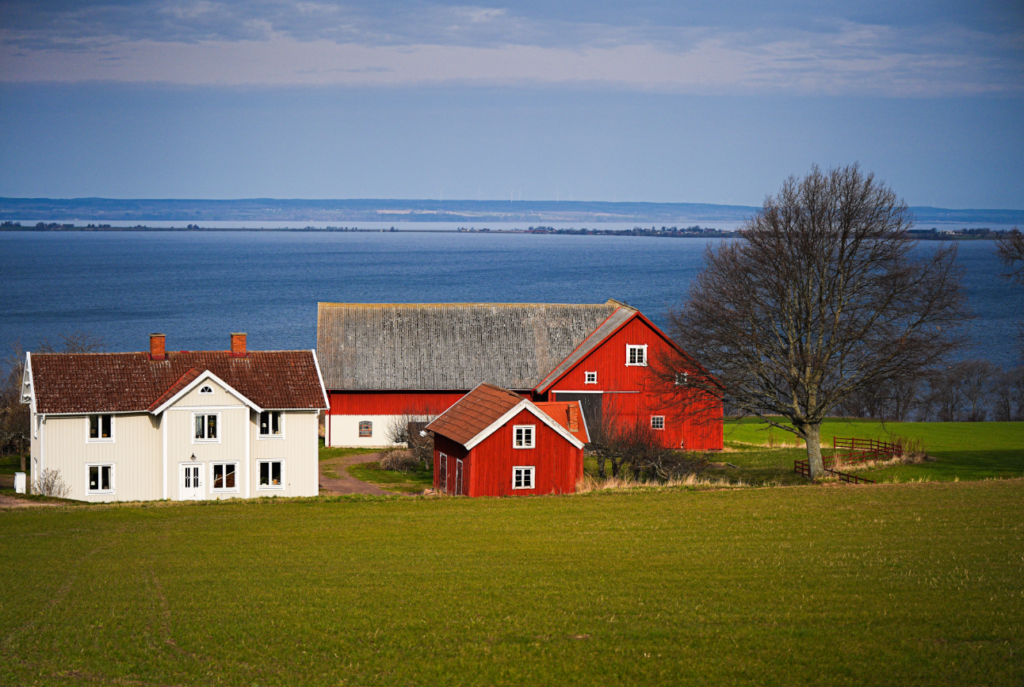
June can be the best time to go to Europe for travelers wanting summer conditions without experiencing the absolute peak of July and August.
Days become exceptionally long, particularly in Northern Europe. Temperatures across much of the continent commonly sit around 20°C–30°C, although regional differences remain substantial.
Mediterranean beaches become increasingly attractive, while Scandinavia benefits from extremely long daylight hours. Cities are lively with festivals, outdoor dining and cultural events.
June is no longer genuinely quiet in major tourist destinations, but it can still be easier than the peak school-holiday period. Accommodation and airfare should nevertheless be reserved well ahead for popular cities and coastal destinations.
Best for: Long days, beaches, Scandinavia, festivals and outdoor activities.
7. July – Peak European Summer
July is generally not the best time to visit Europe to avoid crowds, but it remains extremely popular for understandable reasons. Warm weather, long daylight hours, beaches, festivals and fully operating seasonal attractions make it ideal for classic summer vacations.
The disadvantage is demand. July and August are widely considered Europe's hottest, busiest and most expensive travel months, particularly around Mediterranean destinations.
Southern European cities can also become extremely hot. Sightseeing ancient ruins or walking extensively through urban centers during midday can be uncomfortable during heatwaves.
July works better for alpine hiking, Scandinavian road trips and beach-focused holidays where warm conditions are the priority. Reservations for accommodation, trains and major attractions should be made early.
Best for: Beaches, mountains, festivals and family summer holidays.
8. August – Beaches, Festivals and Heavy Crowds
August continues Europe's peak tourism season and is another challenging month for travelers whose priority is avoiding crowds.
Popular destinations across Italy, Spain, France, Greece and Croatia can become exceptionally busy. Prices frequently reflect peak demand, while famous attractions may require advance timed-entry reservations.
However, August can still represent the best season to visit Europe for travelers primarily interested in swimming, island hopping and summer nightlife. Mediterranean resorts are fully active, and sea temperatures are generally highly inviting.
The Alps, Dolomites and Pyrenees also provide excellent hiking opportunities, with high-altitude trails more accessible during summer.
Travelers visiting cities should consider early-morning sightseeing and indoor attractions during the hottest afternoon hours.
Best for: Island holidays, beaches, nightlife and high-altitude hiking.
9. September – Best Balance of Weather and Crowds
September may be the single strongest answer to best time to visit Europe for travelers seeking balance.
Summer weather often continues, particularly in southern Europe, while the heaviest crowds begin easing as school holidays end. A June 2026 European travel guide specifically highlights September for cooling temperatures and diminishing summer crowds.
Average conditions can remain around 15°C–25°C across many regions, making hiking, cycling and city exploration comfortable. September also marks grape-harvest season in many European wine regions.
Italy, Croatia, Portugal, Spain and Greece can still offer warm conditions, while France and Central Europe begin transitioning toward autumn.
September has become increasingly popular, so famous destinations will not necessarily feel empty. Even so, it usually provides a better balance than July or August.
Best for: Almost everything—cities, food, wine, coastlines and road trips.
10. October – Best for Fewer Crowds and Autumn Scenery
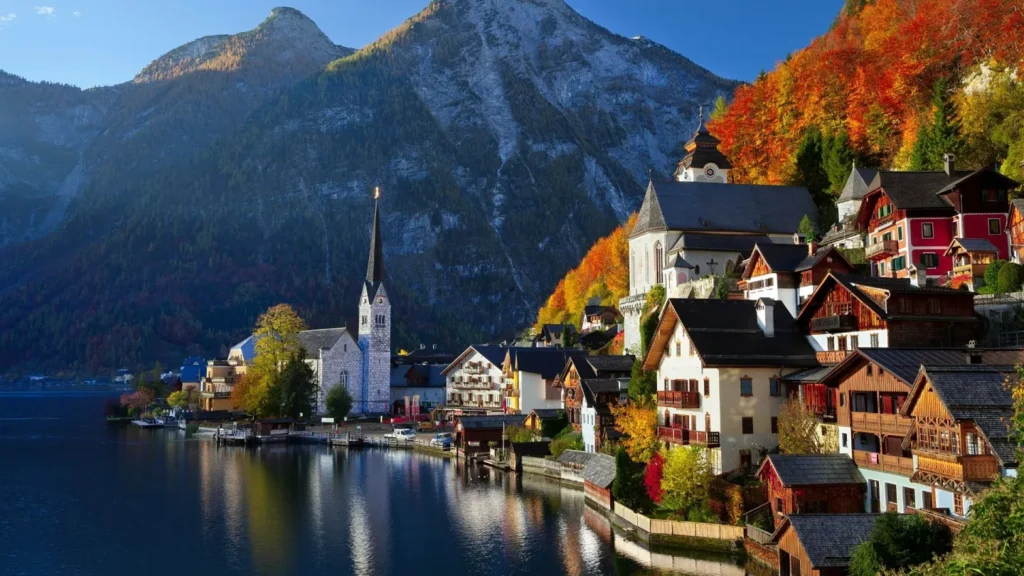
October is arguably the best time to visit Europe to avoid crowds without entering the coldest part of the off-season.
Across many destinations, peak summer visitors have departed, accommodation availability improves and popular attractions become easier to explore. Euronews describes October as a shoulder-season sweet spot offering fewer crowds, milder weather and autumn landscapes.
Southern Europe remains particularly appealing. Cities such as Rome, Seville and Athens are generally much more comfortable for walking than during midsummer.
Farther north, travelers should expect cooler temperatures, increased rainfall and shorter daylight hours. Autumn foliage, however, can make rural areas and historic cities exceptionally photogenic.
Some island resorts and seasonal businesses begin reducing operations later in the month, so check opening schedules before booking.
Best for: Fewer crowds, autumn colors, cities, food and culture.
11. November – Best for Off-Season City Travel
November can be the best time to go to Europe for travelers who prioritize low visitor numbers and cultural attractions over sunshine.
It is firmly off-season across many destinations. Major cities remain active, but beaches and seasonal Mediterranean resorts become much quieter, with some businesses closing temporarily.
Temperatures broadly average around 5°C–15°C across many areas, although Europe is too geographically diverse for one temperature range to describe every destination.
Paris, Vienna, Amsterdam, Copenhagen, Budapest and Rome remain attractive because museums, restaurants and cultural institutions operate year-round.
By late November, Christmas markets begin opening in several Central European destinations, gradually bringing visitors back to cities famous for festive travel.
Best for: Museums, low-season city breaks, cafés and cultural travel.
12. December – Best for Christmas Markets and Winter Atmosphere
December offers a completely different interpretation of the best season to visit Europe. Instead of beaches and long evenings, travelers come for illuminated historic centers, Christmas markets, festive food and snowy mountain destinations.
Germany, Austria, the Czech Republic, France and several Central European countries are particularly famous for seasonal markets. Vienna, Strasbourg, Nuremberg, Prague and Dresden are popular choices.
This means December should not automatically be considered a low-crowd month. Christmas-market destinations can experience a substantial seasonal tourism peak, particularly during weekends.
Northern Europe offers extremely short days but atmospheric winter experiences, while Alpine regions enter another ski season.
Travel around Christmas and New Year can also become expensive, making early reservations particularly important.
Best for: Christmas markets, festive city breaks, skiing and winter atmosphere.
Best Time to Visit Europe by Travel Style
| Travel Priority | Best Period |
|---|---|
| Best overall | May–June & September |
| Avoiding crowds | March–April & October–November |
| Mediterranean beaches | June–September |
| City sightseeing | April–May & September–October |
| Scandinavia | June–August |
| Alpine hiking | July–September |
| Skiing | January–March |
| Christmas markets | Late November–December |
| Wine regions | September–October |
| Spring flowers | March–May |
| Lower-cost travel | November and parts of winter |
| Longest daylight | June |
What Is the Best Time to Visit Europe to Avoid Crowds?
For the strongest combination of pleasant conditions and reduced crowds, target late April to May or mid-September through October.
September and October are particularly useful because summer crowds decline while many restaurants, hotels and seasonal attractions remain operational. Shoulder season can also bring better accommodation availability and lower prices.
Travelers wanting even quieter conditions can consider November, January or February for major European cities. The trade-off is colder weather, shorter daylight hours and seasonal closures.
Avoid July and August if crowd reduction is your main priority. They remain the heart of Europe's summer peak season.
Final Thoughts
There is no universal best time to visit Europe because the continent changes dramatically with the seasons. However, May, June and September offer particularly strong combinations of weather, daylight and accessibility.
For travelers specifically seeking the best time to visit Europe to avoid crowds, September–October and parts of spring provide a better balance than peak summer. Autumn is especially rewarding because temperatures remain comfortable in many regions while visitor numbers begin falling.
The best season to visit Europe therefore depends on your priorities: summer for beaches, winter for skiing and Christmas markets, spring for flowers and sightseeing, and autumn for food, wine and fewer tourists.
Ultimately, the best time to go to Europe is when the season matches your itinerary. A Mediterranean beach holiday and a Scandinavian adventure require completely different timing, so choosing destinations first—and travel dates second—usually produces the most rewarding trip.


Comments 0
Only approved comments are shown here.