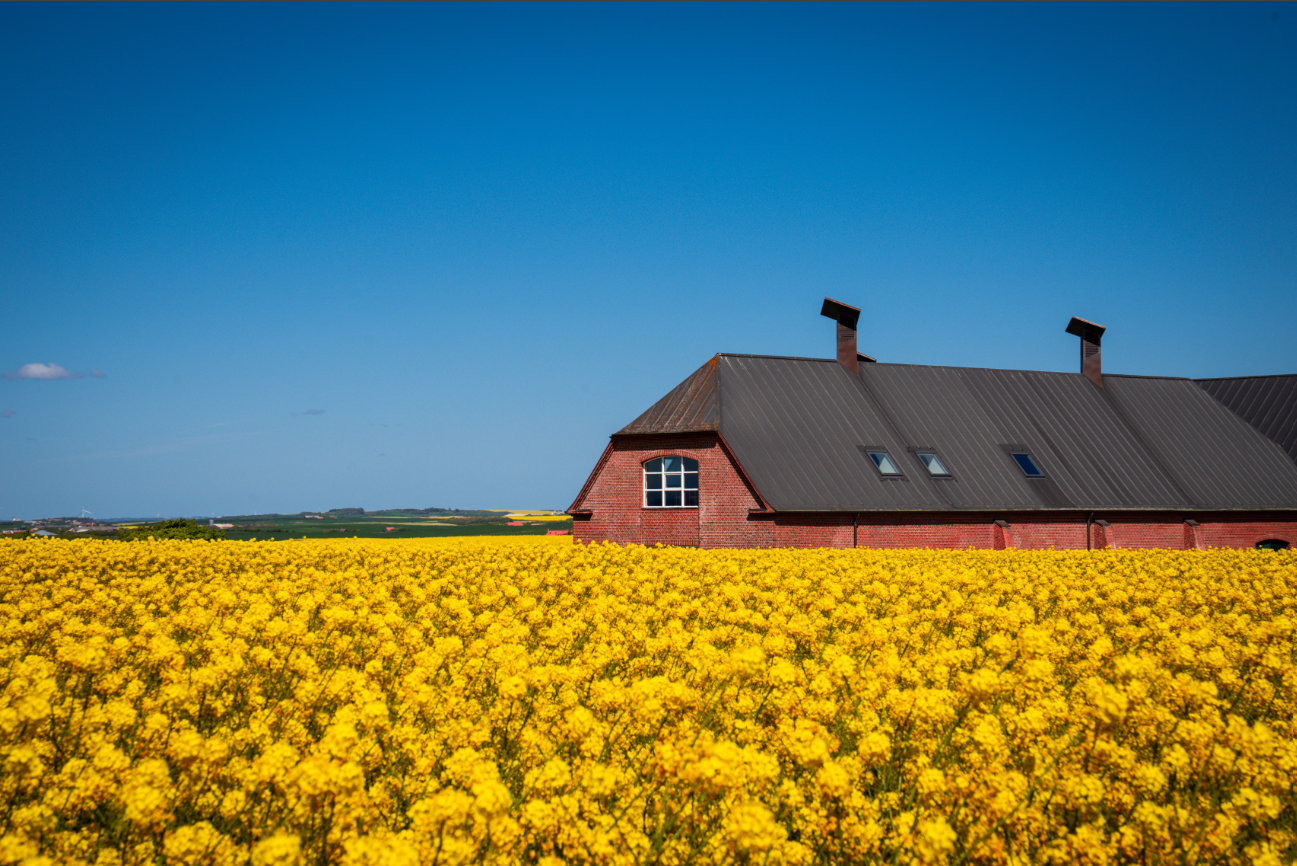
The Denmark countryside reveals a quieter side of the country that can easily be missed by travelers who spend their entire trip in Copenhagen. Beyond the capital are windswept dunes, agricultural landscapes, forests, lakes, chalk cliffs, tiny islands, historic villages and seemingly endless stretches of coastline. Denmark may lack towering mountain ranges, but its subtle landscapes are perfectly suited to cycling, walking, island-hopping and slow travel.
Exploring the Danish countryside also brings travelers closer to small-town life. Historic communities such as Ribe, peaceful islands in the South Funen Archipelago and traditional seaside villages provide an appealing contrast to Denmark's modern cities. The country's official tourism organization highlights destinations ranging from Thy National Park and the West Jutland coast to Søhøjlandet and the South Funen islands among its outstanding natural areas.
Also Read - Italian Countryside Delights: 5 Unforgettable Stays Await!
1. South Funen – Islands, Farms and Coastal Villages
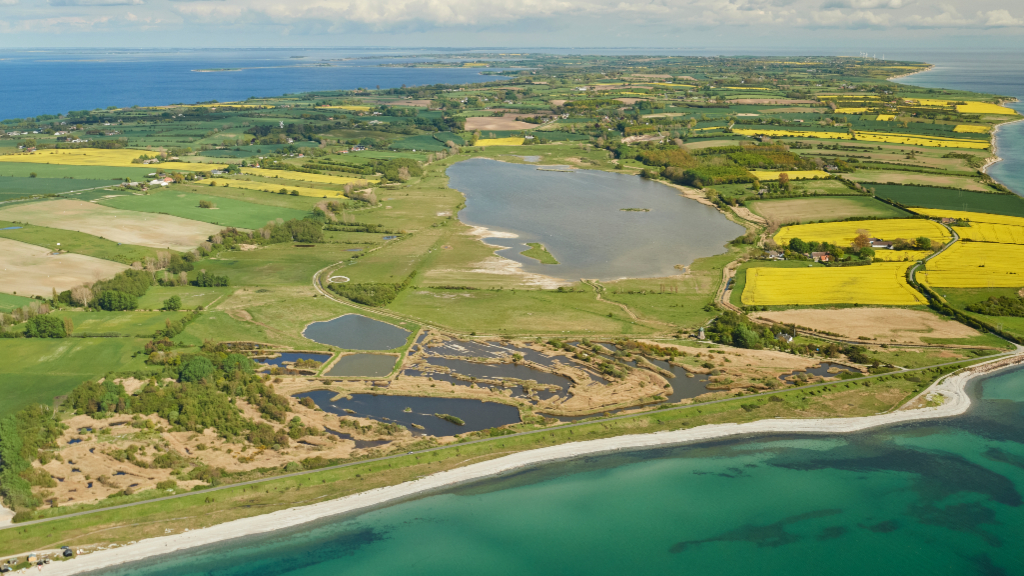
South Funen provides an idyllic introduction to the Denmark countryside, combining rolling agricultural landscapes with manor houses, woodland and small coastal communities. The wider South Funen Archipelago contains numerous islands that can be reached by ferry, allowing travelers to build an island-hopping itinerary rather than remaining in one destination. VisitDenmark describes the islands as peaceful places characterized by cozy villages and quaint harbors.
Cycling is particularly rewarding because the relatively gentle terrain allows visitors to move slowly between fields, villages and coastal viewpoints. Historic estates and traditional architecture add cultural interest to the scenery. Travelers with several days available can combine mainland Funen with smaller islands, creating a rural itinerary that feels remarkably removed from Copenhagen despite Denmark's relatively compact geography.
2. Ærø – Classic Island Countryside
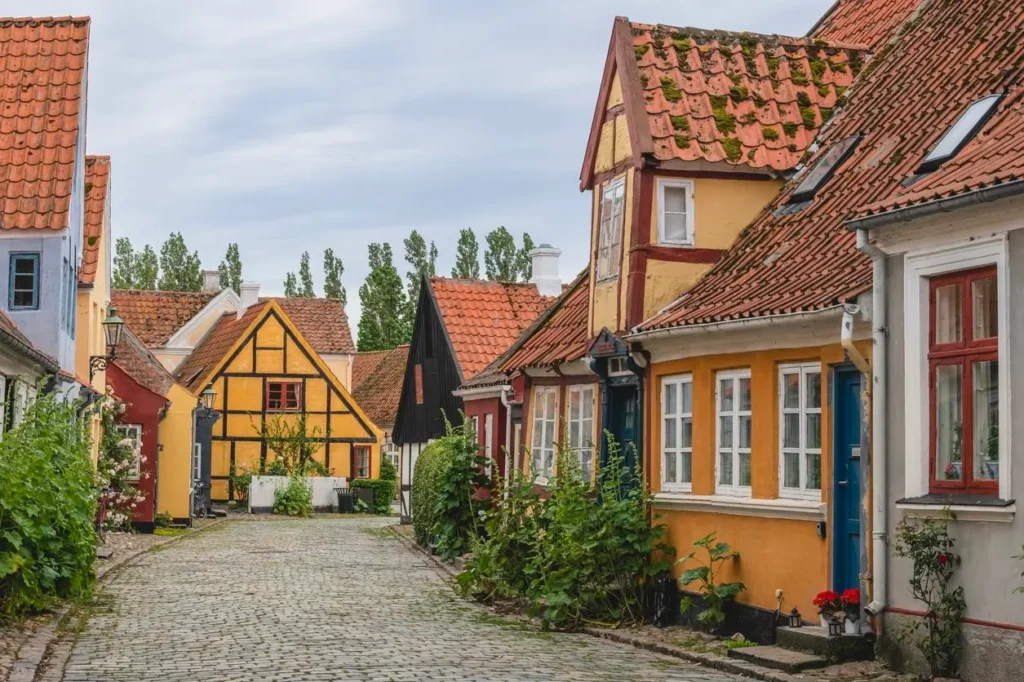
Ærø captures many of the qualities travelers imagine when picturing the Danish countryside. Traditional houses, narrow lanes, farmland, beaches and small harbors create a distinctly relaxed island atmosphere. Cycling is one of the best ways to explore because distances are manageable and traveling slowly allows visitors to appreciate the changing scenery between settlements.
Ærøskøbing is particularly known for its historic character, but the island's appeal extends beyond one picturesque town. Rural roads pass fields and farmhouses before reaching the coast, while small communities provide opportunities to experience local island life.
The destination works especially well for couples, photographers and slow travelers who want to spend several days away from large cities. Ærø can be incorporated into a broader exploration of the South Funen Archipelago.
3. Thy National Park – Denmark's Wild West
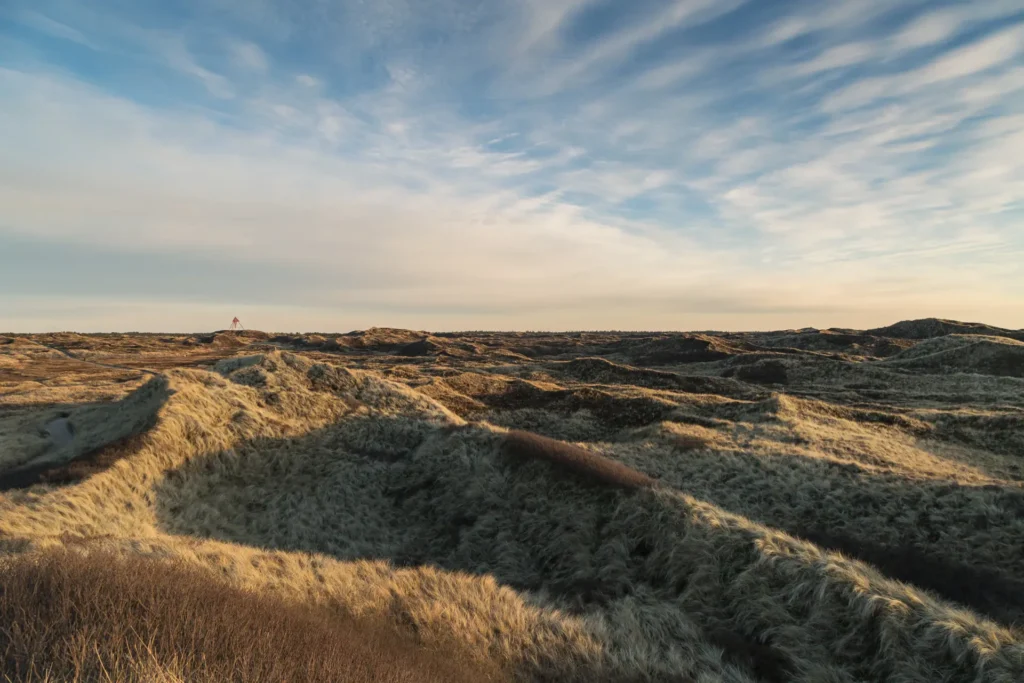
Thy National Park presents a dramatically different version of the Denmark countryside. Situated in northwest Jutland, the landscape combines windswept dunes, forests, heathland, lakes and North Sea coastline. VisitDenmark describes Thy as Denmark's wildest national park and highlights wildlife including red deer and eagles.
The region is particularly suitable for hiking, cycling, birdwatching and nature photography. Small seaside communities provide convenient bases for exploring, while the exposed coastline creates excellent conditions for surfing and other watersports.
Thy demonstrates why rural Denmark should not be dismissed as simply flat farmland. Its open skies, coastal weather and vast dune landscapes provide a sense of wilderness that contrasts strongly with the carefully designed urban environments travelers experience in Copenhagen and Aarhus.
4. Møn – Cliffs and Peaceful Rural Landscapes
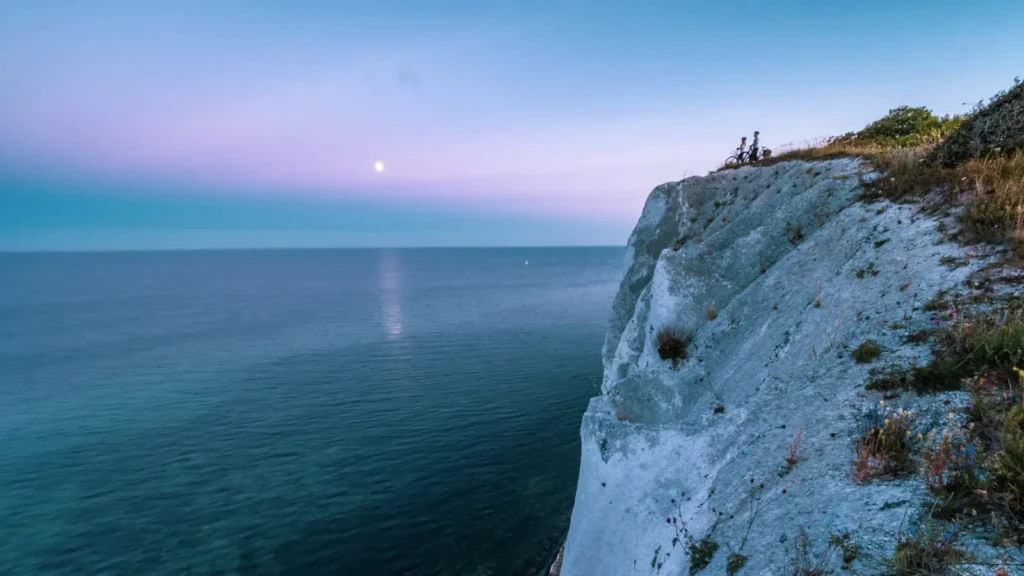
Møn provides some of the most spectacular scenery in the Danish countryside. Its internationally recognized highlight is Møns Klint, where brilliant white chalk cliffs rise dramatically above the Baltic Sea. Away from the cliffs, however, travelers encounter farmland, forests, small settlements and quiet country roads.
The island is particularly rewarding for walkers and cyclists because natural attractions can be combined with rural communities during the same trip. Møns Klint's cliffs reach up to approximately 128 meters above the beach and extend for several kilometers, creating one of Denmark's most striking landscapes.
Visitors interested in a slower experience can stay overnight rather than treating Møn as a rushed day trip. Clear nighttime skies also add another dimension to a countryside stay.
5. Nyord – A Tiny Car-Free Village Escape
Tiny Nyord offers an unusually peaceful experience of the Denmark countryside. Located near Møn, the island covers only about five square kilometers and combines open meadows, protected nature, historic houses, a harbor and an intimate village environment.
Cars are left outside the village, encouraging visitors to explore on foot. Without constant traffic, the sounds of the harbor, birds and surrounding countryside become much more noticeable. VisitDenmark specifically emphasizes Nyord's open meadows, old houses and slower pace of life.
Nyord works particularly well as an addition to a Møn itinerary. Rather than offering a checklist of major tourist attractions, its appeal comes from walking slowly, observing traditional architecture and enjoying the feeling of being somewhere small enough to explore without rushing.
6. Samsø – Denmark's Green Island
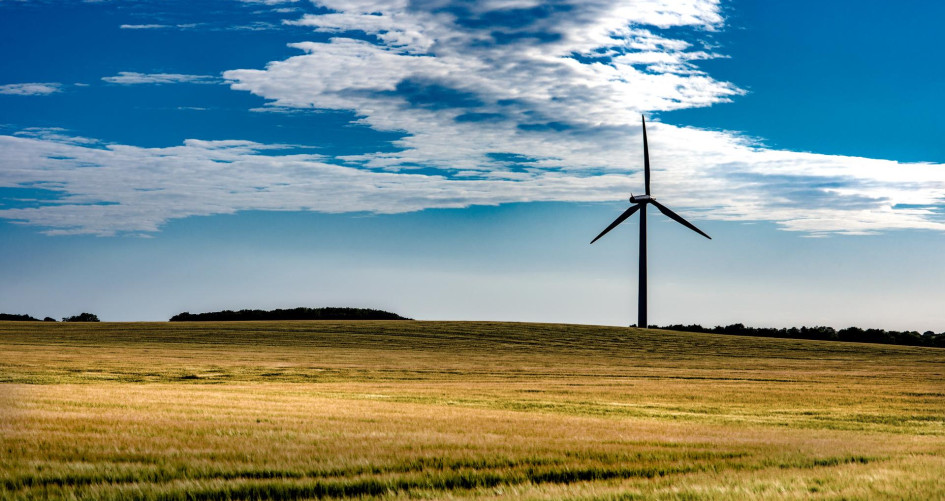
Samsø combines agriculture, beaches and sustainability in one of the most distinctive Danish countryside settings. Located in the Kattegat, the island is known for its agricultural produce and renewable-energy initiatives. Its relatively flat landscape also makes cycling an excellent way to explore.
VisitDenmark highlights Samsø for its quiet surroundings, sandy beaches, fishing opportunities and cycling-friendly terrain. A 2026 travel feature also emphasized the island's fertile agricultural landscape, local produce and community-led renewable-energy initiatives.
Visitors can cycle between villages, beaches, farm shops and coastal landscapes without needing an intensive sightseeing schedule. Samsø is therefore especially suitable for travelers interested in sustainable tourism and experiencing everyday rural Denmark rather than simply photographing famous attractions.
7. Søhøjlandet – Denmark's Lake District
Søhøjlandet around Silkeborg offers a greener and more wooded interpretation of the Denmark countryside. Often described as Denmark's Lake District, the region contains interconnected lakes, forests and the Gudenå river system.
Outdoor activities form the heart of the experience. Visitors can canoe, swim, fish, cycle or follow walking trails through forests and along the lakeshores. VisitDenmark specifically highlights Lake Almindsø and the surrounding woodland as part of the region's appeal.
The area is an excellent choice for travelers who prefer freshwater landscapes to Denmark's more familiar beaches and islands. Silkeborg provides convenient urban facilities while still placing visitors close to forests and lakes, making Søhøjlandet particularly practical for families and outdoor enthusiasts.
8. West Jutland – Dunes and Endless Beaches
The West Jutland coast introduces visitors to the wilder side of the Danish countryside. Long sandy beaches meet enormous dune systems, while the North Sea creates a noticeably more dramatic environment than Denmark's sheltered eastern coast.
VisitDenmark describes the region as having expansive dunes and wide beaches that can be explored for days. The rougher sea also makes parts of the coastline particularly popular for watersports.
Small coastal communities such as Hvide Sande provide practical bases for exploring the area. Walking over dunes at sunset, cycling along the coast and experiencing changing North Sea weather are among the simplest but most memorable activities. Travelers wanting quieter swimming conditions can consider more sheltered coastal areas around Limfjord.
9. Ribe and the Surrounding Countryside
Ribe combines rural surroundings with one of Denmark's most historically important towns, making it an excellent base for exploring the Denmark countryside without sacrificing cultural attractions.
VisitDenmark identifies Ribe as Denmark's oldest town and highlights its preserved medieval center and Viking heritage. Cobbled streets, historic buildings and Ribe Cathedral give the center considerable character, while surrounding landscapes quickly become quieter and more open.
Ribe is particularly useful for travelers interested in combining architecture, history and nature rather than choosing between them. The nearby Wadden Sea region adds another dimension through its coastal environment and birdlife. Staying overnight also allows visitors to experience the historic center after many day-trippers have departed.
10. Bornholm – Granite, Forests and Coastal Villages
Bornholm presents one of the most geographically distinctive versions of the Danish countryside. Situated in the Baltic Sea, the island combines beaches, farmland, forests, fishing communities and exposed granite formations rarely encountered elsewhere in Denmark.
Northern Bornholm is especially striking. VisitDenmark highlights Hammerknuden, or The Hammer, where granite landscapes, rift valleys and lakes create excellent walking territory.
Bornholm deserves several days rather than a hurried visit because its attractions are spread across the island. Cycling and driving both work well for exploring, while picturesque communities provide convenient places to stop for local food. The combination of unusual geology and traditional island settlements gives Bornholm an identity quite distinct from mainland Denmark.
11. Skagen – Where Countryside Meets Two Seas
At Denmark's northern tip, Skagen combines coastal Denmark countryside scenery with artistic and maritime heritage. The surrounding landscape is characterized by dunes, beaches, open skies and distinctive northern light that historically attracted generations of painters.
The wider region is particularly appealing to photographers and travelers interested in coastal walks. Nearby natural landscapes make it possible to combine galleries and restaurants with long periods outdoors.
Skagen also works well as the northern endpoint of a Jutland road trip. Rather than visiting only the town center, allow enough time to explore the surrounding beaches and dune landscapes. The combination of fishing heritage, artistic traditions and windswept nature makes northern Denmark feel noticeably different from the country's more fertile southern islands.
12. Råbjerg Mile – Denmark's Migrating Dune
Råbjerg Mile offers one of the most unusual landscapes found in the Danish countryside. Located in North Jutland near Skagen, this enormous migrating dune creates an almost desert-like environment of shifting sand.
Walking across the dune provides a dramatically different experience from Denmark's forests, farmland and green islands. Because sand is constantly being moved by the wind, the landscape itself gradually changes position over time.
The surrounding region can easily be combined with Skagen and North Jutland's coastal attractions, making Råbjerg Mile an excellent stop on a road trip. It is particularly appealing for photographers, families and travelers looking for natural scenery that challenges the common perception that rural Denmark consists almost entirely of flat agricultural land.
13. Mols Bjerge – Hills, Coast and Woodland
Mols Bjerge National Park offers a varied Denmark countryside experience in eastern Jutland. The region's glacial landscape contains hills, grassland, forests and coastal scenery, making it particularly suitable for walking and cycling.
The landscape feels surprisingly varied within relatively short distances. Elevated viewpoints reveal stretches of coastline and countryside, while trails move through woodland and more open terrain. Nearby historic communities can be incorporated into a broader itinerary through the Djursland region.
Mols Bjerge is especially worthwhile for travelers staying around Aarhus who want to experience rural Denmark without traveling to the country's farthest corners. A car provides considerable flexibility, although serious walkers may prefer concentrating on one section of the national park rather than trying to cover the entire area quickly.
14. North Zealand – Countryside Near Copenhagen
Travelers do not have to journey far from Copenhagen to experience the Danish countryside. North Zealand combines forests, lakes, beaches, small coastal communities and historic estates within relatively easy reach of the capital.
The region is sometimes associated with Denmark's Riviera because of its attractive coastline and seaside towns. Its greatest advantage is variety: travelers can spend part of the day walking through nature before visiting a castle, gallery or coastal community.
North Zealand is particularly practical for visitors with limited time who want to add countryside experiences to a Copenhagen-focused holiday. Traveling by car provides the greatest freedom for linking smaller villages and natural areas, although several important towns and attractions can also be reached using public transport.
15. South Jutland – Rural Denmark and Historic Villages
South Jutland provides a rewarding conclusion to a Denmark countryside journey. The region combines agricultural landscapes, historic communities, coastline and cultural influences shaped by its position close to Germany.
Rather than one defining natural monument, its appeal comes from the overall experience of traveling between small towns, fields and coastal landscapes. Ribe can form part of a wider South Jutland itinerary, while quieter communities provide opportunities to experience Denmark away from its major tourist centers.
Road trips work particularly well because travelers can stop spontaneously at villages, coastal viewpoints and countryside cafés. This style of travel suits visitors who are less interested in rushing between famous sights and more interested in experiencing the everyday landscapes and communities that shape rural Danish life.
Best Time to Explore the Danish Countryside
Late spring through early autumn is generally the easiest period for countryside travel. Longer daylight hours make cycling, hiking, coastal exploration and island-hopping more enjoyable, while ferry connections and seasonal visitor services are typically more convenient.
Summer is particularly suitable for beaches and islands, although popular destinations can become busier. Spring brings fresh green landscapes, while early autumn can offer quieter trails and attractive countryside scenery.
Weather in Denmark remains changeable, especially around exposed coastal regions, so waterproof layers and suitable walking footwear are sensible even during warmer months.
Final Thoughts
The Denmark countryside is defined less by dramatic mountains and more by subtle landscapes: rolling farmland, ancient forests, windswept dunes, peaceful lakes, chalk cliffs and hundreds of islands. This diversity means travelers can move from the North Sea coast to quiet agricultural communities and sheltered island villages within a relatively compact country.
Experiencing the Danish countryside is also about slowing down. Cycling between villages, taking a small ferry to an island, walking through a national park or staying near a historic town reveals a side of Denmark that city-focused itineraries often overlook.
For a balanced trip, combine Copenhagen with at least one rural region. South Funen and Møn suit picturesque escapes, Thy and West Jutland provide wilder coastal scenery, while Samsø, Bornholm and the smaller islands reward travelers who have time for a slower journey.

Comments 0
Only approved comments are shown here.