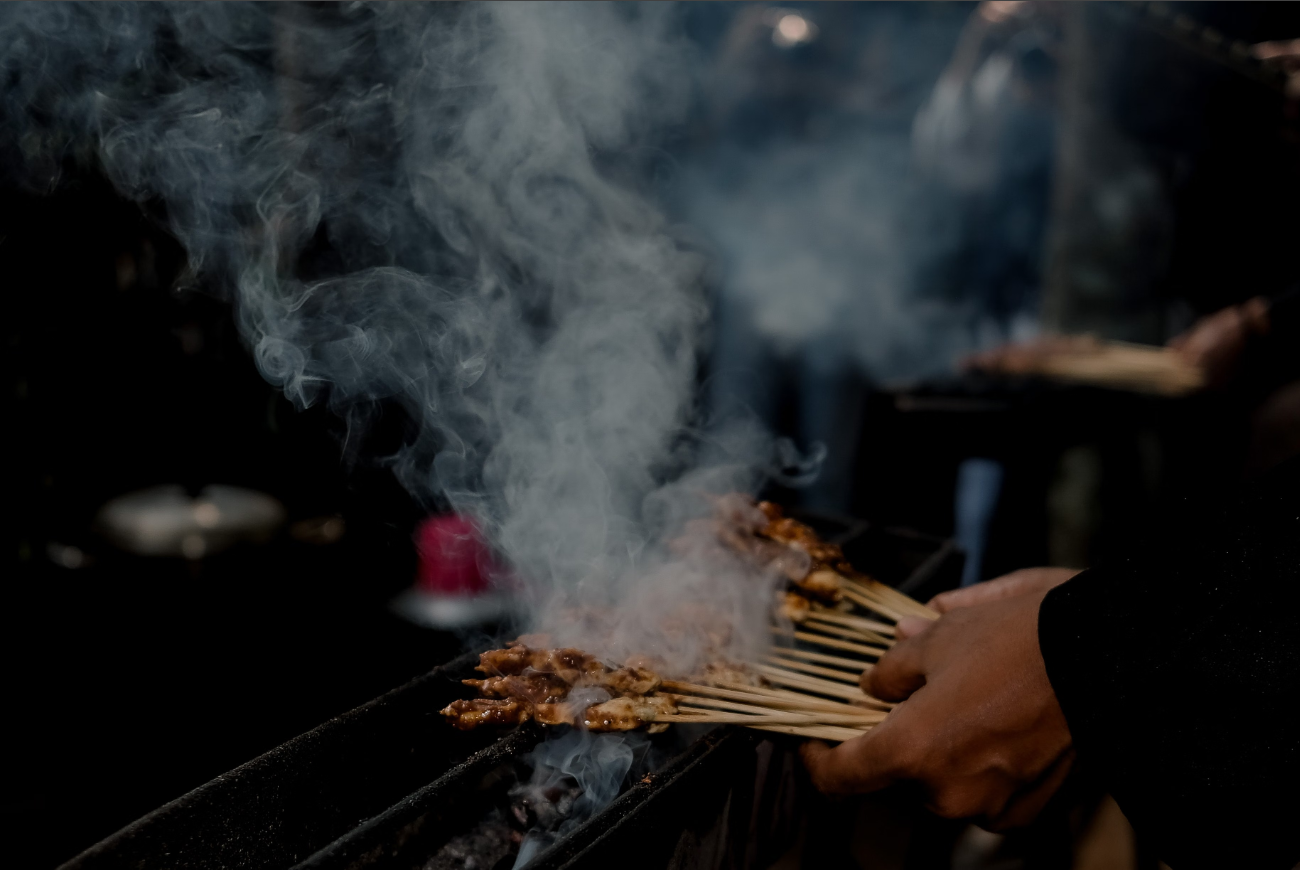
Malaysia's capital city is often celebrated as one of Southeast Asia's greatest culinary destinations, where Malay, Chinese, Indian, and Peranakan influences have shaped an extraordinary gastronomic landscape. Yet, among this diverse food culture, traditional Malay cuisine remains deeply rooted in the country's heritage and identity. Rich spices, coconut milk, aromatic herbs, and slow-cooking techniques define many of these beloved recipes, creating meals that are both comforting and intensely flavorful.
Visitors searching for food to eat at Kuala Lumpur will quickly realize that the city offers countless opportunities to sample authentic dishes, from humble roadside stalls and bustling night markets to elegant restaurants and family-run eateries. Exploring malay food in malaysia is not simply about satisfying hunger but understanding centuries of traditions, family recipes, and communal dining customs that continue to bring people together.
1. Nasi Lemak – Malaysia's National Treasure
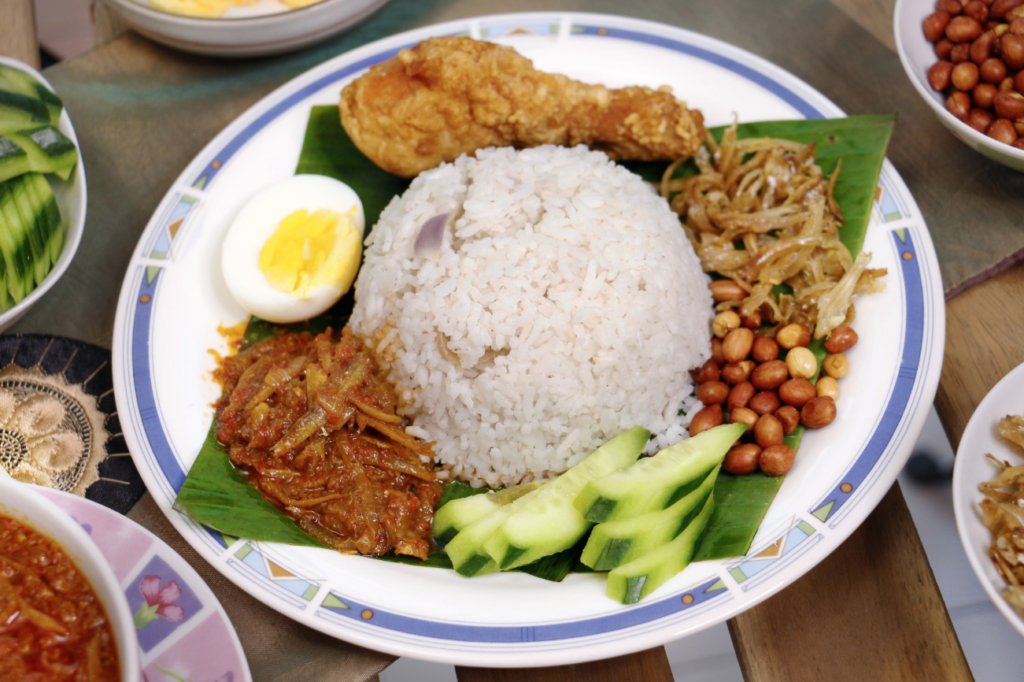
No list of malay food in malaysia can begin without nasi lemak. Considered the country's national dish, it consists of fragrant rice cooked with coconut milk and pandan leaves, accompanied by spicy sambal, crispy anchovies, roasted peanuts, cucumber slices, and boiled eggs. Many restaurants also serve fried chicken, beef rendang, sambal squid, or cockles as additional toppings.
For travelers looking for iconic food to eat at Kuala Lumpur, Village Park Restaurant in Damansara Utama is frequently recommended by both locals and international food writers. The restaurant opens daily from 6:30 AM until 5:30 PM and has gained a reputation for its crispy fried chicken nasi lemak, often attracting long queues during breakfast and lunch hours.
2. Satay – Malaysia's Favorite Charcoal-Grilled Snack
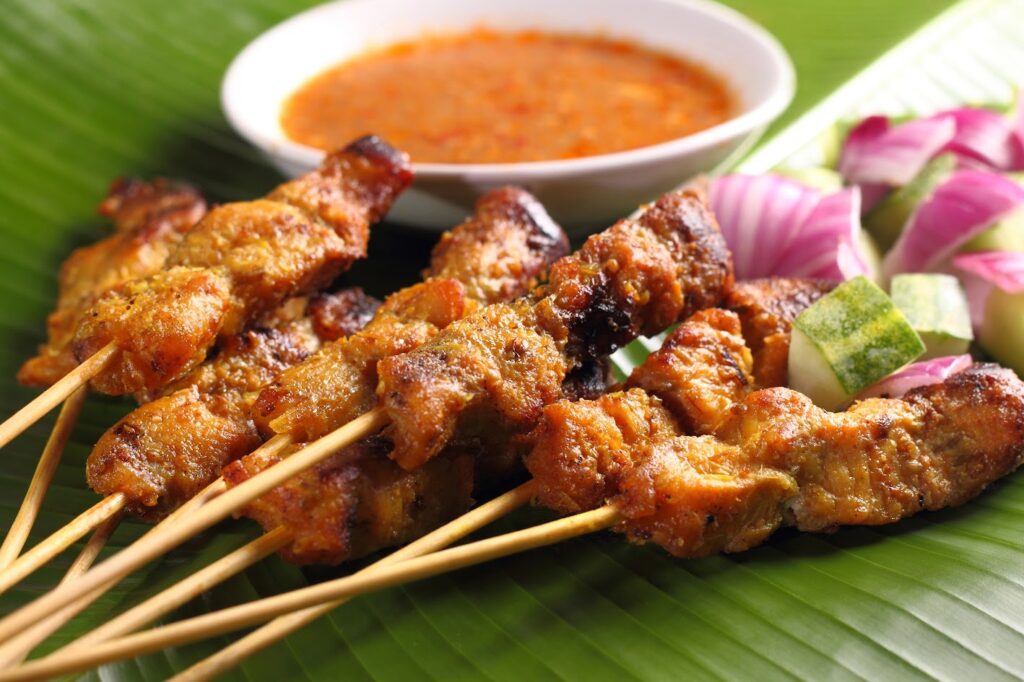
Satay remains one of the most popular examples of malay food and is loved for its smoky aroma and tender meat. Chicken, beef, lamb, and occasionally venison are marinated with turmeric, lemongrass, coriander, and spices before being grilled over charcoal.
The skewers are traditionally served with ketupat rice cakes, cucumbers, onions, and a thick peanut sauce enhanced with sambal. Travelers searching for memorable food to savor at Kuala Lumpur often visit branches of Sate Kajang Haji Samuri, a legendary establishment that helped popularize Kajang-style satay throughout Malaysia. Their juicy chicken and lamb skewers remain favorites among locals and tourists alike.
3. Beef Rendang – A Celebration Dish Full of Flavor
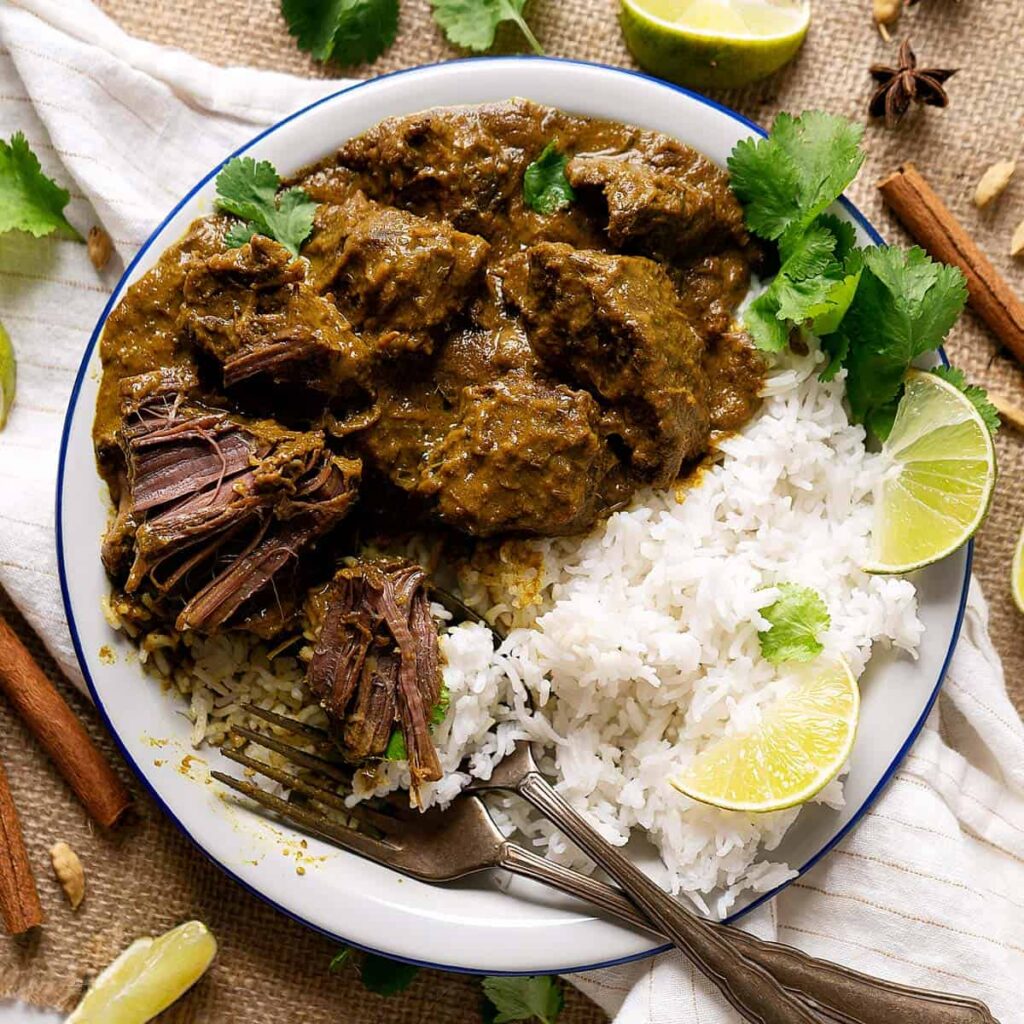
Few dishes showcase the complexity of malay food in malaysia as beautifully as beef rendang. Chunks of beef are simmered for hours in coconut milk, galangal, ginger, turmeric, garlic, chilies, and lemongrass until the liquid evaporates, leaving behind a thick, caramelized coating of spices.
Originally associated with festive occasions such as Hari Raya Aidilfitri, rendang is now widely available throughout Kuala Lumpur. It is commonly served alongside nasi lemak, steamed rice, or ketupat. The tender meat and deeply aromatic sauce make it one of the most satisfying dishes for travelers exploring authentic food to eat at Kuala Lumpur.
4. Roti Canai and Teh Tarik – Malaysia's UNESCO-Recognized Breakfast Culture
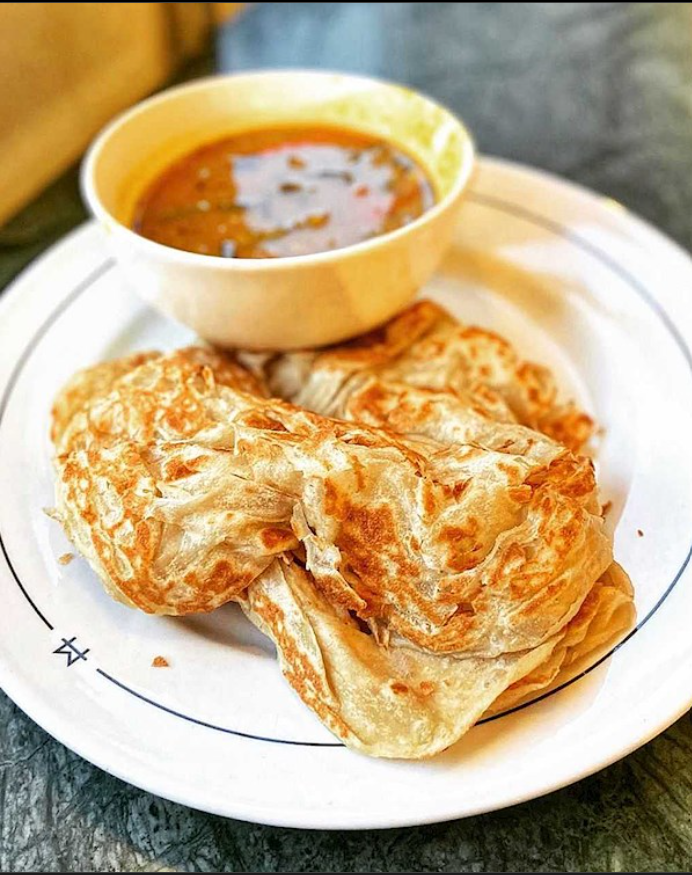
Malaysia's breakfast traditions were recently recognized by UNESCO for their cultural importance, and roti canai plays a significant role in this culinary heritage.
This flaky flatbread, introduced by Indian Muslim communities, is stretched by hand and fried until golden brown. It is usually accompanied by dhal curry, chicken curry, or fish curry. Sweet versions filled with bananas or condensed milk are also available.
A glass of frothy teh tarik perfectly complements the meal. Together, these classics remain among the most popular food to eat at Kuala Lumpur, particularly at twenty-four-hour mamak restaurants where residents gather throughout the day and night.
5. Nasi Kerabu – Malaysia's Most Colorful Rice Dish
Originating from Kelantan on Malaysia's east coast, nasi kerabu is among the most visually striking malay food. Its signature blue rice obtains its vibrant color from butterfly pea flowers and is served alongside grilled fish, salted eggs, fish crackers, coconut, sambal, fresh herbs, and pickled vegetables.
The abundance of herbs gives nasi kerabu a lighter and more refreshing flavor profile compared with heavier curry-based meals. Although traditionally associated with Kelantanese cuisine, many restaurants in Kuala Lumpur now offer excellent versions of this dish, allowing visitors to experience another distinctive regional specialty while discovering the best food to eat at Kuala Lumpur.
6. Nasi Dagang – The East Coast's Coconut Rice Specialty
Originating from Terengganu and Kelantan, nasi dagang is one of the most cherished examples of Malaysian food. Unlike nasi lemak, this dish uses rice steamed with coconut milk and fenugreek seeds, creating a slightly nutty aroma and softer texture. It is traditionally accompanied by tuna curry prepared with coconut milk, chilies, shallots, garlic, and spices, alongside pickled vegetables and boiled eggs.
Although nasi dagang is more commonly associated with Malaysia's east coast, several restaurants in Kuala Lumpur serve authentic versions for those seeking unique food to eat. Warung Nasi Dagang Atas Tol in Kampung Baru has become particularly popular among locals who crave traditional flavors without traveling to Terengganu.
7. Soto Ayam – Malaysia's Comforting Chicken Soup
Soto ayam is a fragrant chicken soup enjoyed throughout Malaysia and Indonesia, making it one of the most comforting Malay food dishes. The broth is infused with turmeric, lemongrass, ginger, coriander, and garlic, producing a rich golden color and warming aroma.
The soup is served with shredded chicken, vermicelli noodles, bean sprouts, boiled eggs, fried shallots, and fresh herbs. Some establishments also include compressed rice cakes known as ketupat. Soto ayam is often consumed for breakfast or lunch, particularly during rainy days. Travelers searching for hearty food to eat at kuala lumpur frequently visit Kampung Baru restaurants, where traditional recipes have been preserved for generations.
8. Mee Rebus – Sweet and Spicy Noodle Delight
Mee rebus is another beloved malay food in malaysia specialty that combines thick yellow noodles with a creamy sweet-and-spicy gravy. The sauce is typically prepared from sweet potatoes, dried shrimp, fermented soybean paste, chilies, garlic, and aromatic spices.
The noodles are garnished with boiled eggs, fried tofu, bean sprouts, green chilies, fried shallots, and fresh lime wedges. The contrasting flavors create a satisfying balance between sweetness, acidity, and mild heat. Mee rebus can be found at numerous hawker stalls and family-owned eateries throughout Kuala Lumpur, making it an excellent choice for travelers eager to experience traditional food to eat at kuala lumpur beyond the city's more famous dishes.
9. Ayam Masak Merah – Festive Chicken in Rich Tomato Sauce
Ayam masak merah is commonly prepared during weddings, festive celebrations, and family gatherings, making it one of the most significant malay food in malaysia recipes. Chicken pieces are first fried until golden before being simmered in a vibrant sauce containing tomatoes, chilies, garlic, ginger, onions, and coconut milk.
The resulting dish offers a delightful combination of sweetness, tanginess, and gentle spice. It is usually served alongside nasi minyak, a fragrant rice dish cooked with ghee, raisins, and spices. Numerous Malay restaurants in Kuala Lumpur feature ayam masak merah during lunch buffets, allowing visitors to sample this celebratory dish while exploring authentic food to eat at kuala lumpur.
10. Gulai Tempoyak – A Unique Durian-Based Curry
For adventurous food lovers, gulai tempoyak presents one of the most distinctive examples of malay food in malaysia. The dish incorporates fermented durian pulp known as tempoyak, which lends a creamy texture and tangy flavor to the curry.
Freshwater fish, particularly patin, is commonly cooked in the sauce alongside turmeric, lemongrass, bird's eye chilies, and daun kesum leaves. Although the fermented durian aroma can initially seem overwhelming to newcomers, many diners eventually appreciate its complex and surprisingly balanced taste.
Restaurants specializing in Pahang cuisine often prepare authentic gulai tempoyak in Kuala Lumpur, making it a memorable choice for visitors seeking unusual food to eat at kuala lumpur.
11. Ikan Bakar – Malaysia's Smoky Grilled Fish
Ikan bakar, meaning grilled fish, remains one of the most beloved seafood dishes in malay food in malaysia. Fresh stingray, seabass, snapper, or mackerel is marinated with sambal, turmeric, garlic, and shallots before being wrapped in banana leaves and grilled over charcoal.
The banana leaves help retain moisture while imparting a subtle smoky fragrance. Diners typically enjoy ikan bakar with steamed rice, fresh vegetables, and spicy dipping sauces. Jalan Bellamy near Perdana Botanical Gardens has earned a reputation for serving some of Kuala Lumpur's finest grilled seafood, attracting residents and tourists searching for authentic food to eat at kuala lumpur.
12. Sambal Udang – Spicy Prawns Packed with Flavor
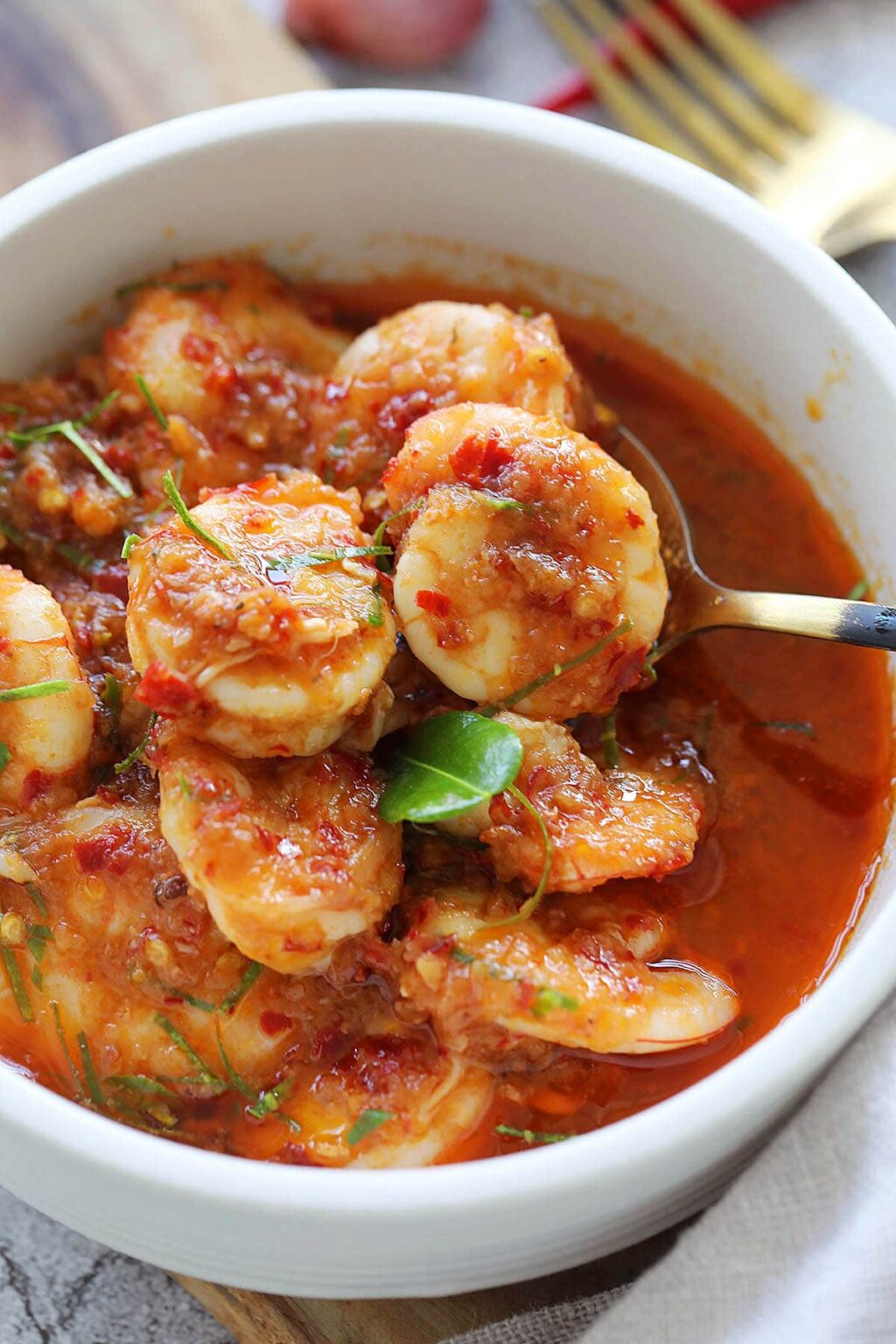
Sambal udang is another highly regarded malay food in malaysia specialty. Large prawns are cooked in a thick sambal sauce prepared from dried chilies, shallots, garlic, tamarind juice, and shrimp paste. The sweet and spicy sauce coats each prawn beautifully, creating a dish bursting with flavor.
Sambal udang is commonly included in nasi campur buffets and festive meals. Combined with steamed rice and fresh vegetables, it transforms an ordinary lunch into an unforgettable dining experience. Travelers hoping to sample outstanding seafood should consider adding sambal udang to their list of essential food to eat at kuala lumpur.
13. Ketupat and Lemang – Traditional Festive Staples
Ketupat and lemang are inseparable from Malaysian festive celebrations, particularly Hari Raya Aidilfitri. Ketupat consists of rice compressed inside woven palm leaf pouches and boiled until firm, while lemang is glutinous rice cooked with coconut milk inside bamboo tubes lined with banana leaves.
Both items accompany rendang, satay, and curries, creating some of the most iconic festive platters in malay food in malaysia. Although traditionally associated with celebrations, visitors can still find ketupat and lemang at Kampung Baru markets and specialty stalls throughout the year, allowing travelers to experience yet another classic food to eat at kuala lumpur.
14. Kuih Melayu – Malaysia's Traditional Sweet Treats
No exploration of malay food in malaysia would be complete without tasting traditional Malay kuih. These colorful bite-sized snacks are prepared using coconut milk, pandan leaves, glutinous rice, palm sugar, and tapioca flour, creating delightful textures and subtle sweetness. Popular varieties include kuih lapis with its rainbow-colored layers, kuih seri muka featuring sticky rice topped with pandan custard, and kuih ketayap filled with grated coconut and palm sugar.
Visitors seeking authentic food to eat at kuala lumpur should visit Kampung Baru Market or Chow Kit Market, where vendors display dozens of freshly prepared kuih every morning. These traditional delicacies are often enjoyed with tea during breakfast or afternoon gatherings and remain an important symbol of Malaysia's culinary heritage.
15. Cendol – Malaysia's Most Refreshing Dessert
Among the most beloved desserts in malay food in malaysia, cendol provides welcome relief from Kuala Lumpur's tropical climate. This refreshing treat combines shaved ice, coconut milk, green rice flour jelly strands, red beans, and rich gula Melaka syrup derived from palm sugar.
The contrasting flavors of creamy coconut, smoky palm sugar, and icy sweetness make cendol an irresistible dessert after spicy meals. One of the best places to enjoy cendol in Kuala Lumpur is Cendol Durian Runtuh in Kampung Baru, which offers classic versions alongside premium durian-infused variations.
Travelers exploring food to eat at kuala lumpur often consider cendol an essential culinary experience, particularly during warm afternoons when temperatures frequently exceed 30°C.
16. Apam Balik – Malaysia's Crispy Pancake Delight
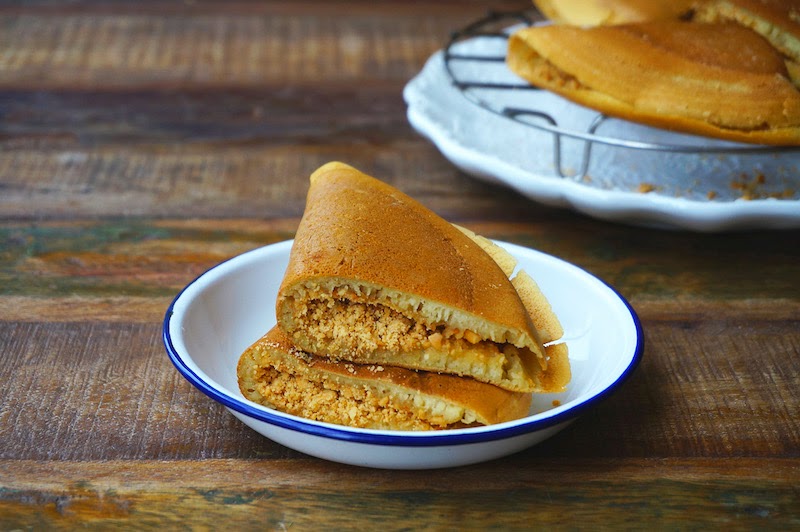
Apam balik remains one of the most popular street snacks within malay food in malaysia. This folded pancake features a crispy exterior and fluffy interior filled with crushed peanuts, sweet corn, sugar, and butter. Contemporary versions may include chocolate, cheese, Nutella, or ice cream.
Night markets throughout Kuala Lumpur prepare apam balik fresh to order, allowing visitors to watch the batter cook on large circular griddles before being folded in half. The aroma alone is enough to attract long queues. Taman Connaught Night Market and Jalan Alor frequently host vendors selling excellent apam balik, making it another memorable option among food to eat at kuala lumpur.
17. Onde-Onde – A Burst of Sweetness
These delightful pandan-flavored glutinous rice balls are among the most addictive desserts in malay food in malaysia. Filled with molten gula Melaka and coated with freshly grated coconut, onde-onde deliver an explosion of sweetness with every bite.
They are commonly sold at traditional bakeries, wet markets, and festive events. Their small size encourages visitors to sample several pieces at once, while the combination of warm palm sugar and fragrant coconut leaves a lasting impression. Travelers hoping to experience authentic food to eat at kuala lumpur should look for freshly made onde-onde at Kampung Baru and local neighborhood markets.
Also Read - Cameron Highlands Malaysia: Complete Guide to Tea Plantations, Mossy Forests and Scenic Attractions
Must-Visit Food Streets in Kuala Lumpur
Beyond individual restaurants, some of Kuala Lumpur's neighborhoods have become culinary landmarks where visitors can sample numerous traditional specialties within a single evening. For travelers searching for authentic food to eat at kuala lumpur, these food districts provide an immersive dining experience.
Kampung Baru remains one of the city's most important Malay enclaves and preserves a traditional village atmosphere despite being located beside the Petronas Twin Towers. Established in 1899, the neighborhood is famous for nasi lemak, grilled fish, kuih Melayu, cendol, and satay. Jalan Raja Muda Musa and Jalan Raja Alang are particularly popular among local diners.
Jalan Alor, situated near Bukit Bintang, transforms into a vibrant open-air dining destination after sunset. Visitors can enjoy grilled seafood, chicken wings, apam balik, fresh fruit juices, and various Malaysian street snacks while soaking in the lively atmosphere.
For those seeking an extensive night market experience, Taman Connaught Night Market in Cheras operates every Wednesday from 5:00 PM until 1:00 AM. Stretching for nearly two kilometers, it is considered one of Malaysia's longest night markets and offers everything from satay and asam laksa to traditional desserts and local beverages.
How Much Does Malay Food Cost in Kuala Lumpur?
One reason many travelers appreciate malay food in malaysia is its affordability. Whether dining at roadside stalls, neighborhood cafés, or established restaurants, visitors can enjoy generous portions without spending excessively.
| Dish | Average Price (RM) |
|---|---|
| Nasi Lemak | RM 6–15 |
| Satay (10 sticks) | RM 12–20 |
| Beef Rendang Set | RM 15–25 |
| Roti Canai | RM 2–4 |
| Mee Rebus | RM 8–12 |
| Soto Ayam | RM 8–15 |
| Ikan Bakar | RM 20–50 |
| Cendol | RM 5–10 |
| Kuih Melayu | RM 1–3 each |
| Teh Tarik | RM 3–6 |
Street food stalls and hawker centres generally offer the best value, while upscale Malay restaurants may charge slightly higher prices due to premium ingredients, air-conditioned dining spaces, and buffet-style service.
Dining Etiquette in Malaysia
Experiencing malay food also means appreciating local dining customs and traditions. Meals are often shared among family members, allowing everyone to sample multiple dishes at once.
Many Malays prefer eating with their right hand, especially when enjoying nasi lemak, rendang, or banana leaf rice. Washing facilities are commonly available in traditional restaurants for this purpose. The left hand is generally avoided when handling food.
Malaysia is predominantly Muslim, and halal dietary practices play an important role in food preparation. Alcohol is usually not served in Malay restaurants, and pork is absent from halal establishments.
Unlike some countries, tipping is appreciated but not obligatory because many restaurants already include a service charge. Showing gratitude to restaurant staff and vendors is always welcomed and contributes to Malaysia's renowned hospitality.
Best Places to Enjoy Malay Cuisine in Kuala Lumpur
Kuala Lumpur offers countless opportunities to experience authentic Malay flavors. Kampung Baru remains one of the city's most important culinary districts, preserving traditional wooden houses and family-run restaurants despite rapid urban development.
Village Park Restaurant in Damansara Utama is renowned for nasi lemak, while Sate Kajang Haji Samuri serves some of the country's most famous satay. Restoran Rebung, founded by celebrity chef Dato' Chef Ismail, specializes in buffet-style Malay dishes including rendang, gulai tempoyak, and ayam masak merah.
Jalan Alor attracts visitors with grilled seafood and street snacks, whereas Chow Kit Market and Kampung Baru Market provide excellent opportunities to sample kuih Melayu, cendol, and freshly prepared local delicacies.
Best Time to Explore Kuala Lumpur's Food Culture
Unlike seasonal destinations, Kuala Lumpur's food scene thrives throughout the year. Breakfast between 7:00 AM and 10:00 AM is ideal for nasi lemak, roti canai, and teh tarik. Lunchtime introduces travelers to nasi campur buffets, rendang, sambal udang, and banana leaf rice.
Evenings become particularly exciting as night markets and food streets begin operating. Jalan Alor is busiest after sunset, while Ramadan bazaars held annually before Hari Raya Aidilfitri provide extraordinary opportunities to sample dozens of traditional dishes in a single visit. During this festive period, visitors can discover unique specialties rarely available at other times of the year.
Conclusion
Food remains one of the most meaningful ways to understand Malaysia's cultural identity, and nowhere showcases this diversity better than Kuala Lumpur. Whether savoring fragrant nasi lemak at sunrise, enjoying smoky satay beneath glowing lanterns, discovering heritage desserts at local markets, or sharing a hearty plate of rendang with friends, every meal tells a story about community, history, and tradition.
Exploring malay food in malaysia is far more than a culinary adventure; it is an opportunity to connect with generations of recipes lovingly preserved by families and vendors. Long after leaving the city behind, travelers often find themselves remembering not only the flavors but also the warmth, hospitality, and joy that accompany every unforgettable dining experience.
Frequently Asked Questions About Malay Cuisine
What is the national dish of Malaysia?
Nasi lemak is widely regarded as Malaysia's national dish. It consists of coconut rice served with sambal, anchovies, peanuts, cucumber, and eggs, often accompanied by fried chicken or rendang.
Is Malay food spicy?
Many Malay dishes incorporate chilies and sambal, but spice levels vary considerably. Visitors who prefer milder flavors can request less sambal or select dishes such as chicken rice and roti canai.
What food is Kuala Lumpur famous for?
Kuala Lumpur is best known for nasi lemak, satay, beef rendang, roti canai, ikan bakar, banana leaf rice, cendol, and kuih Melayu.
Where can I eat authentic Malay food in Kuala Lumpur?
Some of the best places include Kampung Baru, Village Park Restaurant, Restoran Rebung, Jalan Alor, Chow Kit Market, and ICC Pudu Food Court.
Is Malaysian food halal?
Most Malay restaurants and eateries are halal-certified or halal-friendly. However, Chinese and international restaurants may serve pork or alcohol, so checking certification signs is advisable.
What desserts should I try in Malaysia?
Popular desserts include cendol, onde-onde, apam balik, kuih lapis, kuih seri muka, and ais kacang.
What is the difference between Malay food and Malaysian food?
Malay cuisine represents the culinary traditions of Malaysia's ethnic Malays and emphasizes coconut milk, sambal, herbs, and halal ingredients. Malaysian cuisine is broader and includes Chinese, Indian, Peranakan, indigenous, and international influences.



Comments 0
Only approved comments are shown here.