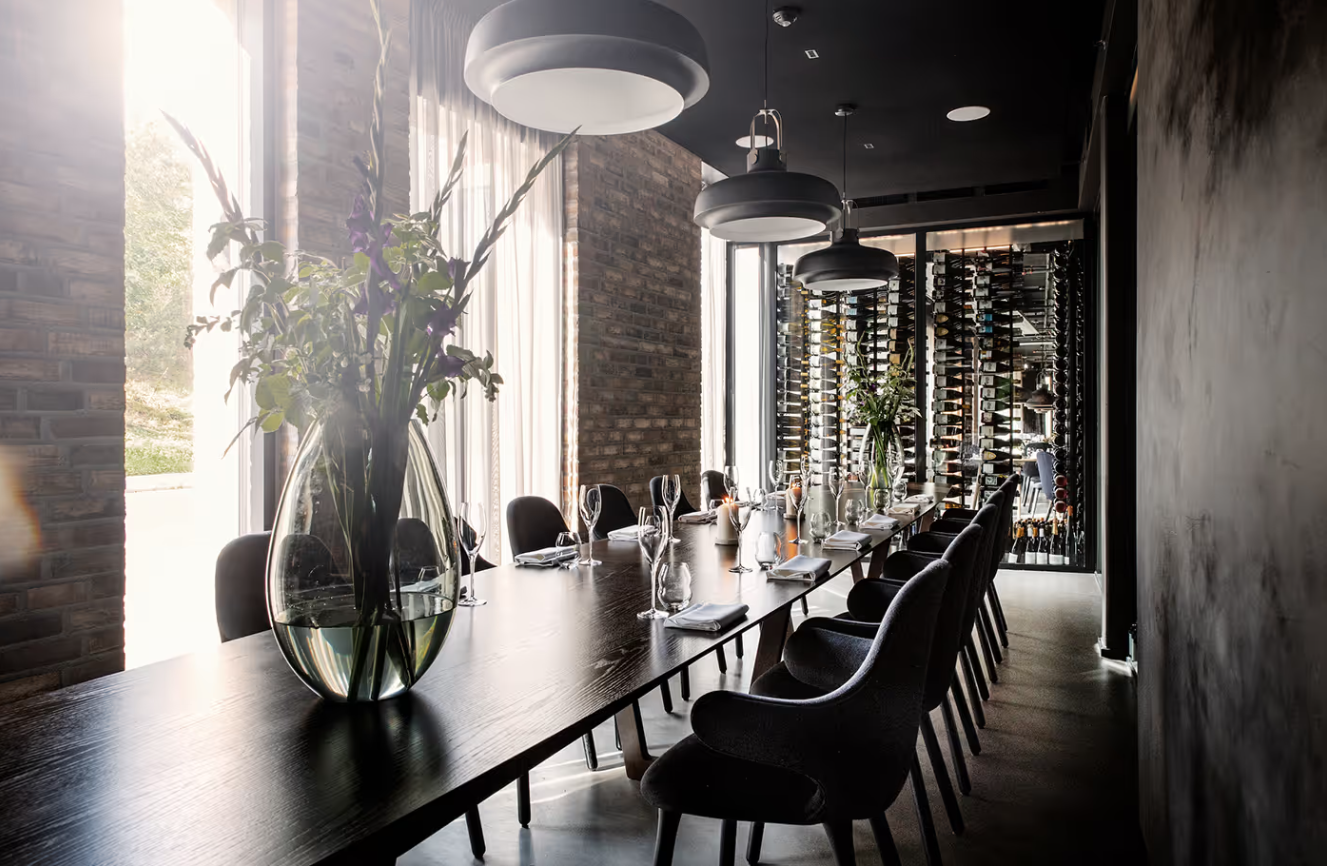
Norway has developed into one of Europe's most exciting culinary destinations. Its restaurants combine exceptional seafood, Arctic ingredients, traditional recipes, wild herbs, game and seasonal produce with contemporary Nordic techniques. For travellers researching restaurants in Norway, the choice ranges from Michelin-starred tasting-menu restaurants in Oslo and Stavanger to seafood restaurants beside fjords and intimate dining rooms in remote northern communities.
The country's culinary identity is strongly connected to geography. The long coastline supplies cod, salmon, shellfish and king crab, while forests and mountains provide berries, mushrooms, herbs and game. Modern Norwegian restaurants increasingly combine these ingredients with fermentation, preservation, smoking and other techniques that intensify their natural flavours.
Norway's Michelin scene is particularly impressive. In 2026, 22 Norwegian restaurants have one or more Michelin stars, including Maaemo and RE-NAA, which retain three stars, while Bergen's Gaptrast was promoted to two stars. Three restaurants—Credo, Mirabelle by Ørjan Johannessen and Kvitnes Gård—received their first stars in 2026.
Below are 15 restaurants that demonstrate the extraordinary diversity of Norwegian restaurants, from world-class fine dining to unforgettable destination restaurants.
Also Read - Things to Do in Oslo Norway: Best Attractions and Places to Visit
1. Maaemo — Oslo
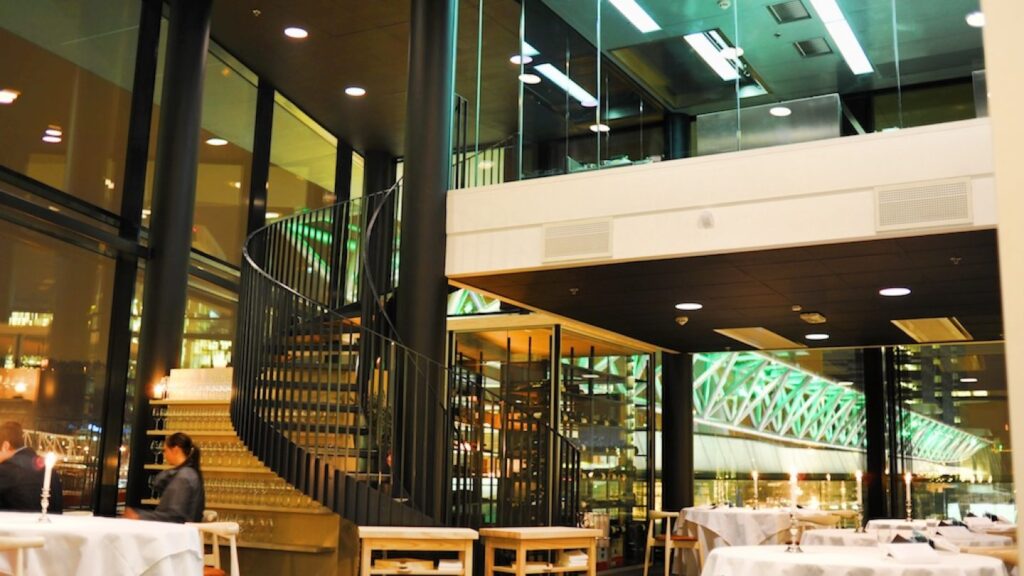
Maaemo is the obvious starting point when discussing the best restaurants in Norway. Located in Oslo, it holds three Michelin stars and is recognised for its highly refined interpretation of Norwegian ingredients.
The restaurant's cooking focuses on organic and foraged Norwegian produce, with menus changing according to season and availability. The experience is designed as a complete culinary journey rather than a conventional meal.
Maaemo is particularly interesting for visitors who want to understand how Norwegian ingredients can be transformed into highly sophisticated contemporary cuisine. Seafood, vegetables, herbs and other locally sourced ingredients are treated with extraordinary precision.
Visit Norway describes Maaemo as serving seasonal dishes made exclusively from organic and foraged Norwegian ingredients.
Because it is one of the country's most sought-after Norwegian restaurants, advance reservations are essential.
2. RE-NAA — Stavanger
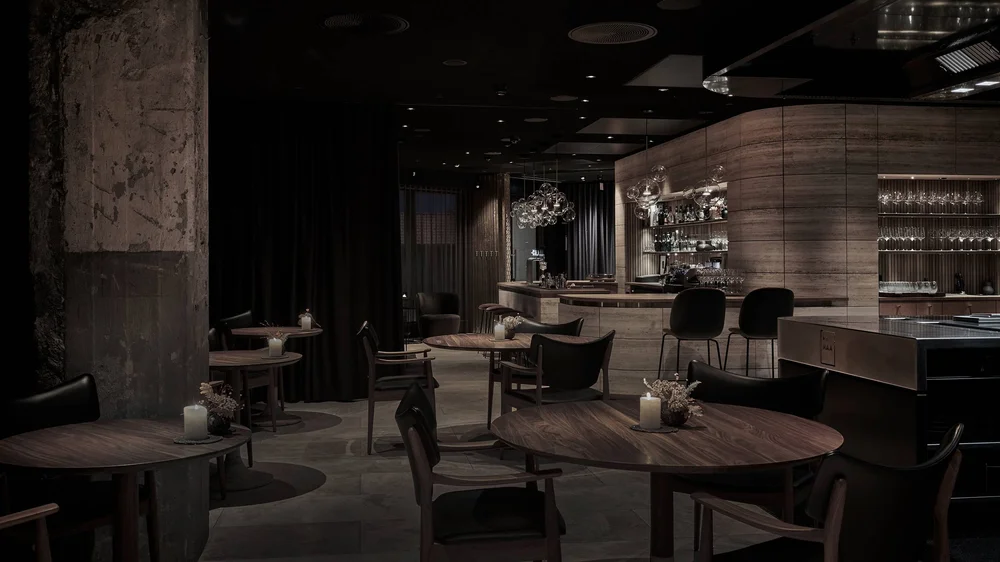
RE-NAA is another three-Michelin-starred restaurant and one of the most important names in Norwegian gastronomy. Located in Stavanger, it offers an ambitious tasting-menu experience built around Norwegian ingredients.
The restaurant's location in southwestern Norway is significant because Stavanger provides access to excellent seafood, agricultural produce and ingredients from the surrounding coast and countryside.
RE-NAA demonstrates that the country's finest restaurants in Norway are not concentrated exclusively in Oslo. Its three-star status places Stavanger firmly on the international culinary map.
The Michelin Guide currently lists RE-NAA among Norway's two three-star restaurants alongside Maaemo.
3. Kontrast — Oslo
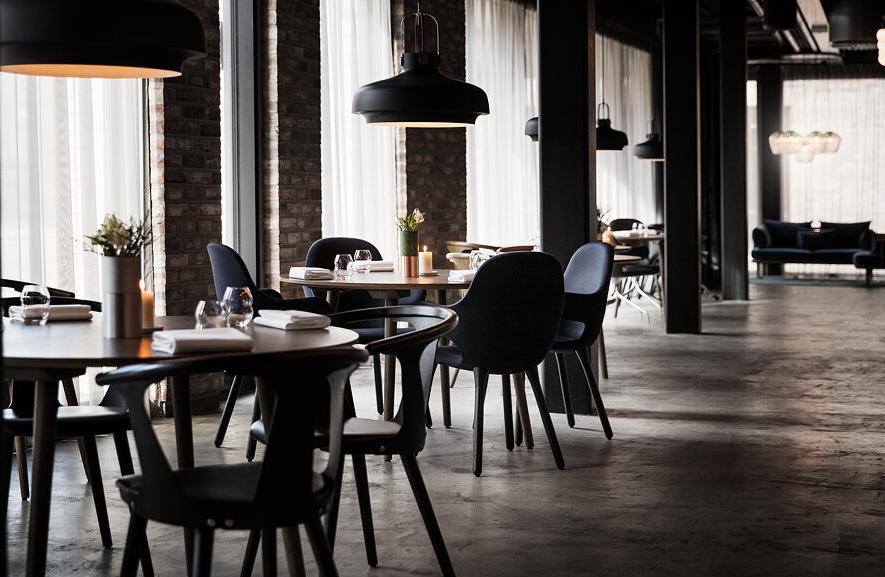
Kontrast is one of the leading modern Norwegian restaurants in Oslo and currently holds two Michelin stars.
Its philosophy combines Scandinavian simplicity with creative cooking and a strong emphasis on ethical sourcing. Seasonal ingredients are central to the restaurant's menus.
Rather than relying on heavy sauces or elaborate presentation alone, the kitchen focuses on the quality and character of individual ingredients.
For travellers looking for sophisticated Nordic dining without leaving Oslo, Kontrast is one of the strongest choices.
Visit Norway describes the restaurant as combining Scandinavian purity with creative techniques, ethical sourcing and bold seasonal flavours.
4. Gaptrast — Bergen
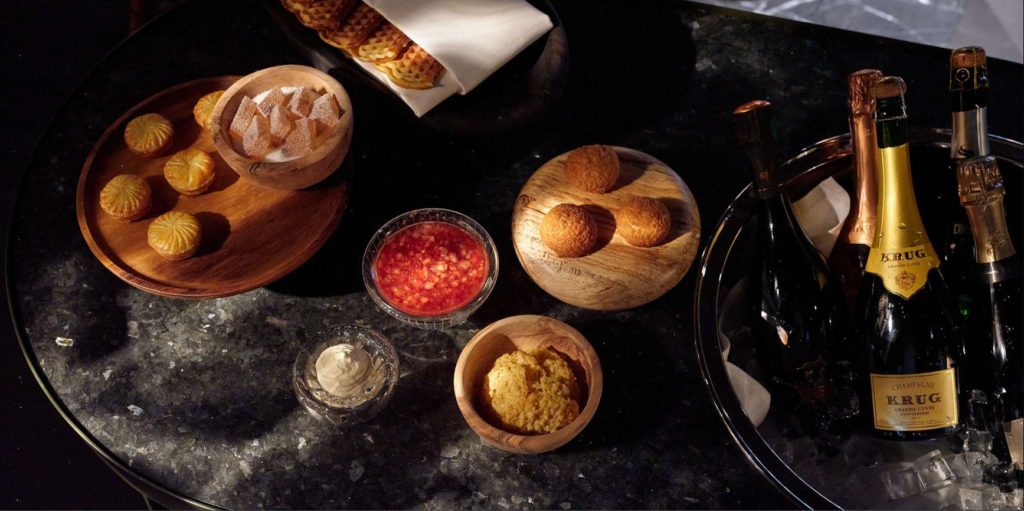
Gaptrast has become one of the most exciting restaurants in Norway in a remarkably short period.
Located in Bergen, the restaurant received its first Michelin star in 2025 and was promoted to two stars in 2026.
Chef Kristian Vangen and his team focus on ingredients from Bergen's surrounding landscape, including produce supplied by local fishermen, farmers and hunters.
The restaurant uses techniques such as preservation and charcoal cooking to create complex dishes while retaining strong connections to the region.
For travellers visiting Bergen, Gaptrast demonstrates how the city's culinary reputation now extends well beyond its traditional seafood heritage.
5. Lysverket — Bergen
Lysverket provides another sophisticated option among Norwegian restaurants in Bergen.
The Michelin-starred restaurant focuses on modern interpretations of Western Norwegian cuisine. Seafood naturally plays a major role, but the menu also incorporates seasonal meat and vegetarian ingredients.
Its culinary style combines regional traditions with international influences, making it a particularly interesting choice for travellers who want a contemporary interpretation of Bergen's food culture.
The restaurant is centrally located, making it relatively easy to incorporate into a Bergen sightseeing itinerary.
6. Omakase by Sergey Pak — Bergen
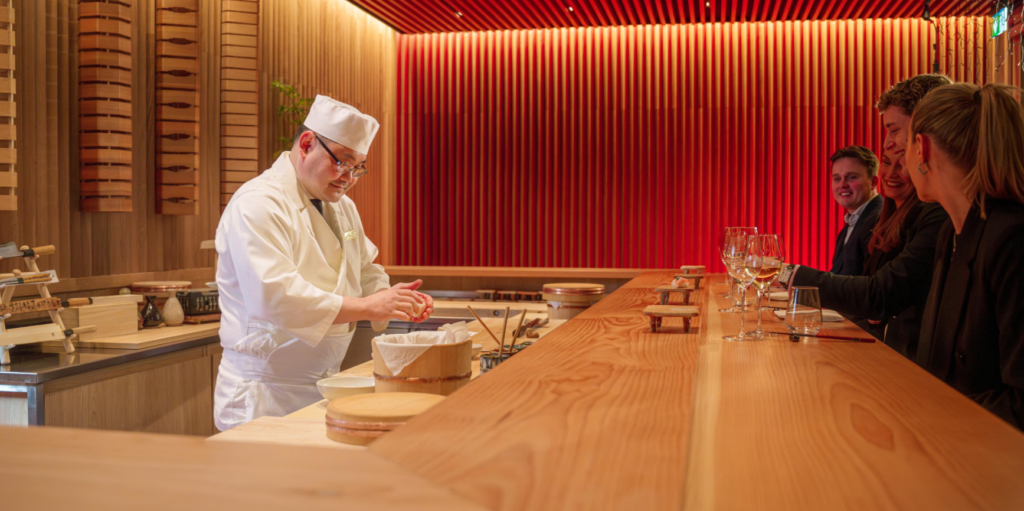
Not all of the best restaurants in Norway specialise in traditional Norwegian cuisine. Omakase by Sergey Pak demonstrates how international techniques can work beautifully with Norwegian ingredients.
This intimate Bergen restaurant focuses on Japanese omakase, particularly precise Edomae-style sushi.
The concept is particularly interesting because Norwegian seafood provides the raw material for a Japanese culinary tradition. The result is a meeting of two strong food cultures: Norway's fishing heritage and Japan's meticulous approach to seafood.
The restaurant currently holds one Michelin star.
7. Statholdergaarden — Oslo
Statholdergaarden is one of the most established restaurants in Norway and offers a more classical interpretation of fine dining.
Located in a historic building in central Oslo, the restaurant combines traditional Norwegian influences with sophisticated European techniques.
Its importance lies partly in its longevity. While contemporary Norwegian cuisine often focuses on experimentation, Statholdergaarden demonstrates that heritage and refinement can coexist.
Visit Norway describes it as a classic fine-dining institution offering traditional Norwegian dishes with gourmet finesse.
It is a particularly good option for travellers interested in history as well as gastronomy.
8. Credo — Oslo
Credo is an important addition to the current list of Norwegian restaurants because it returned to the Michelin-starred scene in Oslo in 2026.
Originally associated with Trondheim, the restaurant moved to Oslo and now operates within the National Library. Chef Heidi Bjerkan continues to focus on Norwegian ingredients and sustainable principles.
The Michelin Guide highlights ingredients including white asparagus, rhubarb, seafood and lamb.
Credo is particularly relevant for travellers interested in sustainability and Norwegian food culture. Its cooking demonstrates how modern gastronomy can maintain a strong connection to farmers, producers and seasonal ingredients.
9. Speilsalen — Trondheim
Trondheim is one of the most interesting food destinations outside Norway's two largest cities, and Speilsalen is central to that reputation.
Located inside the Britannia Hotel, Speilsalen offers polished fine dining with a strong Norwegian identity. The restaurant currently holds one Michelin star.
Its elegant surroundings make it particularly appropriate for special occasions.
The restaurant is also a good choice for travellers exploring Trøndelag, a region recognised for its strong agricultural and culinary traditions.
10. Fagn — Trondheim
Fagn provides another reason to include Trondheim when exploring restaurants in Norway.
The Michelin-starred restaurant focuses on tasting menus that combine wild ingredients, seasonal produce and contemporary presentation.
Trondheim's location between coastline, farmland and forest gives chefs access to an unusually broad range of ingredients.
Fagn therefore offers a useful introduction to modern Trøndelag cuisine while demonstrating the creativity of contemporary Norwegian restaurants.
The restaurant currently holds one Michelin star.
11. Under — Lindesnes
Under is arguably the most unusual restaurant on this list.
Located in Lindesnes in southern Norway, the restaurant is partially submerged beneath the sea. Visit Norway describes it as the world's largest underwater restaurant and Europe's only underwater restaurant.
Guests dine approximately five and a half metres below sea level while viewing marine life through a large underwater window.
The food focuses strongly on seafood and the marine environment, making the setting an integral part of the dining experience.
For travellers searching for unique restaurants in Norway, Under is an obvious choice. It is less about a conventional restaurant visit and more about an immersive architectural and culinary experience.
12. Mirabelle by Ørjan Johannessen — Bekkjarvik
Mirabelle provides an excellent example of how outstanding Norwegian restaurants can exist outside major cities.
Located in Bekkjarvik on Norway's west coast, the restaurant received its first Michelin star in 2026.
Chef Ørjan Johannessen brings considerable culinary experience to the restaurant, with menus showcasing high-quality ingredients from the surrounding region.
Its location makes the restaurant particularly attractive for travellers who want to combine fine dining with a coastal Norwegian escape.
The experience also demonstrates that Norway's culinary scene is becoming increasingly decentralised.
13. Kvitnes Gård — Northern Norway
Kvitnes Gård is one of the most significant new additions to restaurants in Norway.
Located in Vesterålen, Northern Norway, the restaurant received its first Michelin star in 2026 and became the first Michelin-starred restaurant in Northern Norway.
The restaurant operates from a historic farm and focuses heavily on ingredients produced around the property.
Chef Halvar Ellingsen uses vegetables grown locally and animals raised on the land, while traditional techniques such as smoking, outdoor baking and meat pressing feature in the cooking.
This is one of the most interesting Norwegian restaurants for travellers who want to understand the connection between food, farming and landscape.
14. Hermetikken — Stavanger
Hermetikken offers another distinctive perspective on contemporary Norwegian cuisine.
Located in Stavanger, the restaurant is known for its focus on fermentation, preservation and seasonal ingredients. These techniques are particularly appropriate to Norwegian food culture because preserving food has historically been essential in a country with long winters.
The restaurant currently holds one Michelin star.
For adventurous diners, Hermetikken provides an opportunity to experience Norwegian ingredients through techniques that connect traditional preservation methods with contemporary gastronomy.
It is particularly suitable for travellers who enjoy tasting menus that emphasise unusual textures and flavours.
15. Sabi Omakase Oslo — Oslo
Sabi Omakase Oslo provides another international dimension to the country's food scene.
The restaurant specialises in Japanese omakase and currently holds one Michelin star. Michelin describes its approach as minimalist and focused on precision and purity.
Although Japanese rather than traditionally Norwegian, it belongs on a list of the best restaurants in Norway because it demonstrates the quality of seafood available in the country and the diversity of its restaurant culture.
For visitors who have already experienced traditional Nordic food, an omakase dinner provides a completely different culinary experience.
Traditional Norwegian Food to Try
Fine dining is only one part of the country's culinary identity. The best Norwegian restaurants also draw inspiration from traditional foods.
Fårikål, made with lamb, cabbage and pepper, is widely recognised as Norway's national dish.
Brunost, or brown cheese, has a distinctive sweet, caramel-like flavour and is commonly eaten with bread or waffles.
Skrei, the migratory Arctic cod, is especially associated with northern Norway during its seasonal period.
Reindeer is another important northern ingredient with strong connections to Sami food traditions.
King crab is particularly associated with Finnmark and northern coastal communities.
Norway's long coastline also means that salmon, cod, halibut, shellfish and other seafood appear throughout the country's restaurants in Norway.
Best Restaurants in Norway for Seafood
Travellers who love seafood have an enormous choice.
Bergen is one of the best places to explore seafood because of its historic connection with fishing and maritime trade. Northern Norway is particularly strong for king crab, skrei and Arctic seafood.
Southern Norway also has exceptional seafood, while restaurants such as Under make the marine environment central to the dining experience.
For a less formal experience, Visit Norway specifically highlights Cornelius Seafood Restaurant near Bergen, located on a small island and offering a destination-style seafood experience.
Best Restaurants in Norway by City
Oslo
Oslo is the strongest choice for Michelin-starred Norwegian restaurants, with Maaemo, Kontrast, Credo, Statholdergaarden, Stallen and Sabi Omakase Oslo among its current Michelin-listed options.
Bergen
Bergen is particularly strong for seafood and contemporary Nordic cuisine. Gaptrast, Lysverket and Omakase by Sergey Pak provide very different interpretations of the region's ingredients.
Trondheim
Speilsalen and Fagn demonstrate why Trøndelag has become one of Norway's important culinary regions.
Stavanger
RE-NAA and Hermetikken make Stavanger an essential destination for serious food travellers.
Northern Norway
Kvitnes Gård offers a particularly distinctive experience by combining fine dining, agriculture and Arctic geography.
When Should You Visit?
Seasonality is crucial when exploring restaurants in Norway.
Winter is particularly interesting for skrei in northern regions, while autumn brings game, mushrooms and berries. Summer offers abundant seafood, vegetables and fruit.
A restaurant's menu can therefore change substantially depending on when you visit.
This seasonal approach is central to modern Norwegian restaurants, where chefs increasingly build menus around what producers, fishermen, farmers and foragers can supply.
Booking Norwegian Restaurants
The most prestigious restaurants in Norway should be booked well ahead of your trip.
This is especially important for Maaemo, RE-NAA, Gaptrast, Under and other Michelin-starred restaurants with limited seating.
Check the restaurant's official booking conditions carefully because tasting menus can require substantial advance notice and may have cancellation policies.
For destination restaurants such as Kvitnes Gård or Under, plan transportation as carefully as the reservation itself.
How Expensive Are Restaurants in Norway?
Norway is an expensive dining destination compared with many European countries, particularly at Michelin-starred establishments.
However, travellers do not need to eat at fine-dining restaurants every day.
A good strategy is to combine one major tasting-menu experience with casual cafés, bakeries, food halls and local restaurants.
This approach provides a much broader understanding of Norwegian food culture while keeping the overall budget manageable.
Final Thoughts
The best restaurants in Norway demonstrate that Norwegian cuisine is no longer simply about salmon, cod and traditional home cooking.
Maaemo and RE-NAA represent the highest level of contemporary gastronomy. Gaptrast shows Bergen's rapidly growing culinary reputation. Under transforms the act of dining into an architectural experience, while Kvitnes Gård demonstrates how exceptional food can emerge from a remote Arctic farm.
At the same time, traditional Norwegian restaurants continue to celebrate ingredients such as lamb, reindeer, seafood, berries, mushrooms and brown cheese.
The country's culinary strength ultimately comes from its geography. Coastline, mountains, forests, farms and Arctic wilderness all contribute different ingredients and traditions.
For a first Norwegian food trip, consider combining Oslo's sophisticated dining scene with Bergen's seafood culture, Trondheim's regional cuisine or Stavanger's Michelin-starred restaurants. If you want something truly distinctive, travel farther to Under in Lindesnes or Kvitnes Gård in Vesterålen.
That regional diversity is what makes exploring restaurants in Norway so rewarding: every destination offers a different interpretation of what Norwegian food can be.



Comments 0
Only approved comments are shown here.