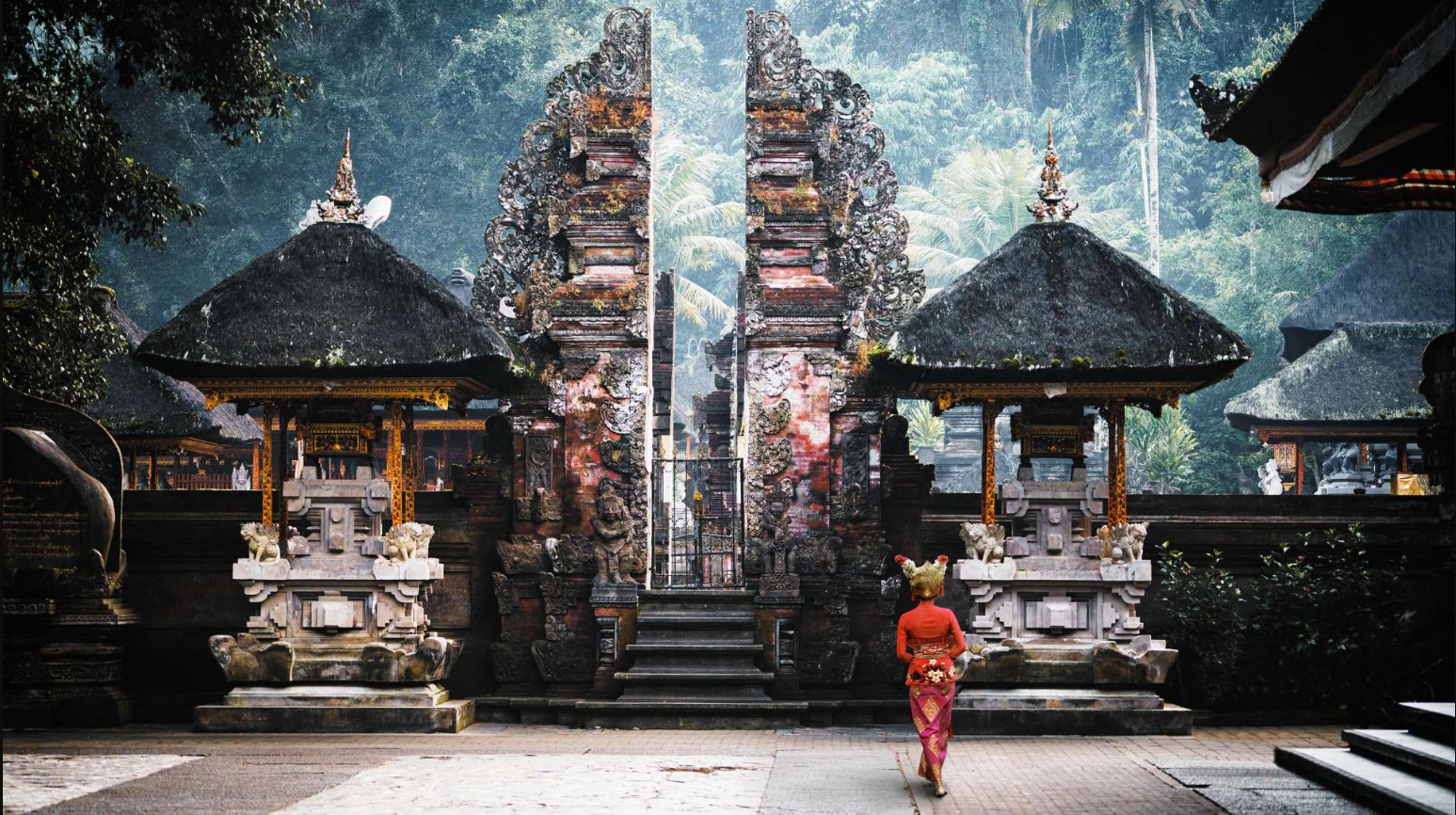
Planning a holiday to Indonesia's most famous island requires more than choosing a beautiful beach and booking a hotel. Bali combines Hindu temples, volcanic mountains, rice terraces, surf beaches, traditional villages, nightlife, wellness retreats and distinctive cuisine. This Bali travel guide explains how to organise your trip around the island's different regions, what to see, how to travel between destinations and what cultural details first-time visitors should understand. If you are planning to travel to Bali, this Bali travel information guide will help you create a more realistic itinerary rather than simply following a checklist of attractions.
Also Read - Famous Attractions in Indonesia: Best Sightseeing Places & Travel Guide
This post contains affiliate links. If you choose to book through them, a small commission may be earned at no additional cost to you. Your support genuinely helps keep the blog running and allows continued creation of high-quality travel guides. Thank you for being here and supporting this journey.
Understanding Bali Before You Travel
Bali is relatively compact, but traffic can make journeys considerably longer than distances on a map suggest. The island's attractions are also geographically spread out. Ubud sits inland, Uluwatu is in the south, Tanah Lot is on the southwest coast, and destinations such as Besakih and Lempuyang are in the east.
A good Bali travel guide therefore starts with geography. Instead of changing hotels every night, choose two or three bases and explore nearby attractions from each.
The island combines beaches, volcanic scenery, rice terraces and religious heritage. Indonesia's official tourism information highlights Ubud, Besakih, Tanah Lot, Uluwatu, Tirta Empul, Lempuyang, Jatiluwih and Nusa Penida among its key attractions.
Best Areas to Stay in Bali
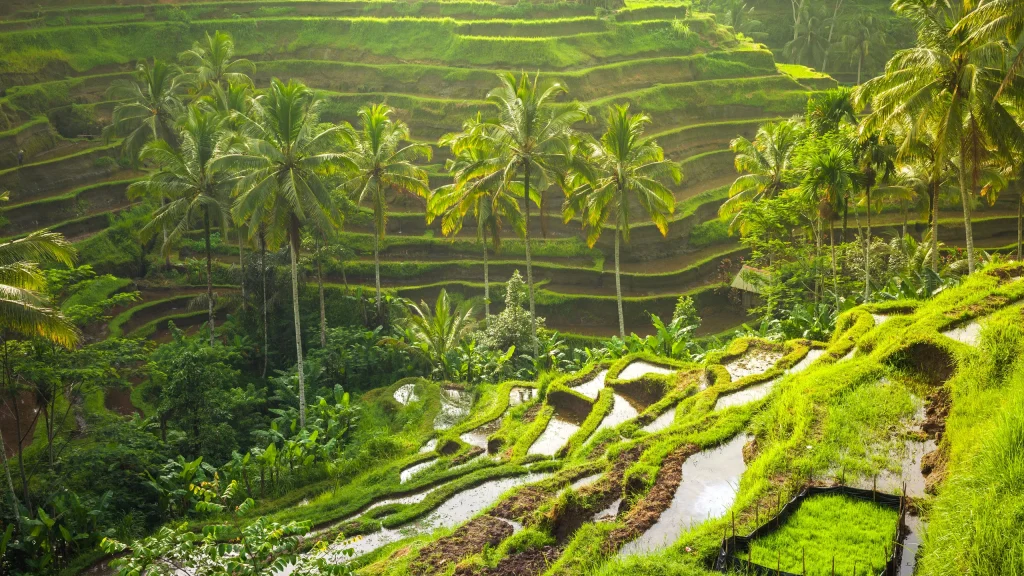
Choosing the right base can transform your experience.
Ubud
Ubud is the strongest choice for travellers interested in culture, rice terraces, yoga, wellness, art and inland scenery. Tegallalang, the Monkey Forest and numerous temples can be reached from the area.
Indonesia's tourism authority describes Ubud as Bali's cultural and artistic heart, surrounded by rice fields and traditional landscapes.
For a quieter experience, consider accommodation outside the busiest central streets.
Seminyak
Seminyak suits travellers looking for stylish hotels, restaurants, cafés, shopping and nightlife. It is convenient for exploring the southwest coast but can feel busy.
Canggu
Canggu has a younger, café-oriented atmosphere with restaurants, beach clubs and surf culture. It works particularly well for longer stays, although traffic can be frustrating at busy times.
Sanur
Sanur is calmer and more relaxed than many southwest beach areas. It is also strategically useful for boat connections towards Nusa Penida and the Nusa Lembongan area.
Uluwatu
Uluwatu is ideal for dramatic cliffs, surfing, beaches and sunset experiences. The area is also home to Uluwatu Temple and traditional Kecak performances.
Nusa Dua
Nusa Dua is better suited to travellers seeking large resorts, beaches and a more polished holiday environment.
How to Travel to Bali
Most international visitors arrive through Ngurah Rai International Airport, near Denpasar.
When you travel to Bali, airport transfers are worth arranging in advance if you arrive late or are unfamiliar with the island. Taxis, private drivers and app-based transport are commonly used, while scooter rental is popular among experienced riders.
For longer sightseeing days, a private driver can be more practical than repeatedly arranging individual journeys. The important consideration is not just the distance but the number of stops and traffic conditions.
A bali travel guide should always account for travel time. Trying to visit northern Bali, Ubud and southern beaches on the same day is rarely an efficient plan.
Getting Around Bali
Scooters are convenient for confident and legally qualified riders, particularly for short journeys. However, traffic, road conditions and unfamiliar routes make them unsuitable for everyone.
Private cars with drivers are useful for full-day sightseeing. Taxis and ride-hailing services work well for shorter journeys where available.
For Nusa Penida and neighbouring islands, boats are required. Indonesia Travel notes that Nusa Lembongan is around a 45-minute boat journey from areas such as Sanur and Nusa Dua, although actual journey times depend on the service and conditions.
Best Things to See in Ubud
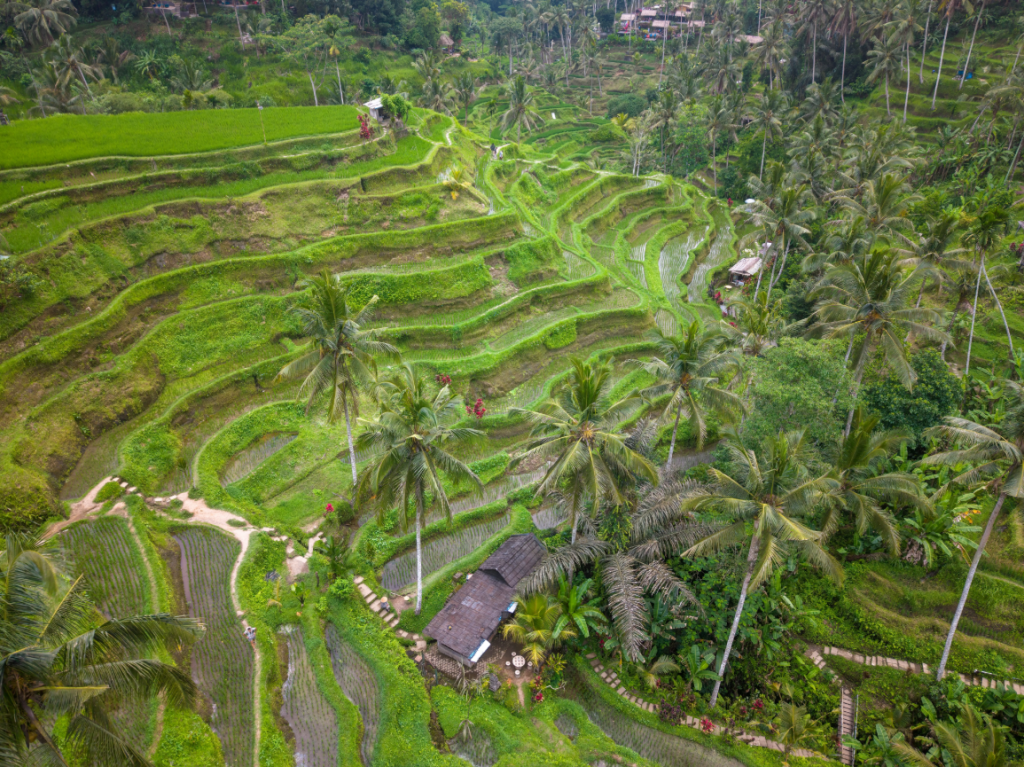
Ubud should be central to almost every first-time bali island travel itinerary.
Start with Tegallalang Rice Terrace, particularly in the morning when temperatures are more comfortable. Then visit the Ubud Monkey Forest, where a forested landscape combines wildlife, temples and cultural heritage.
The official tourism guide notes that the Monkey Forest contains hundreds of long-tailed macaques alongside temple structures and extensive vegetation.
Other worthwhile experiences include traditional Balinese dance, art galleries, local markets, cooking classes, yoga and spa treatments.
Visit Bali's Sacred Temples
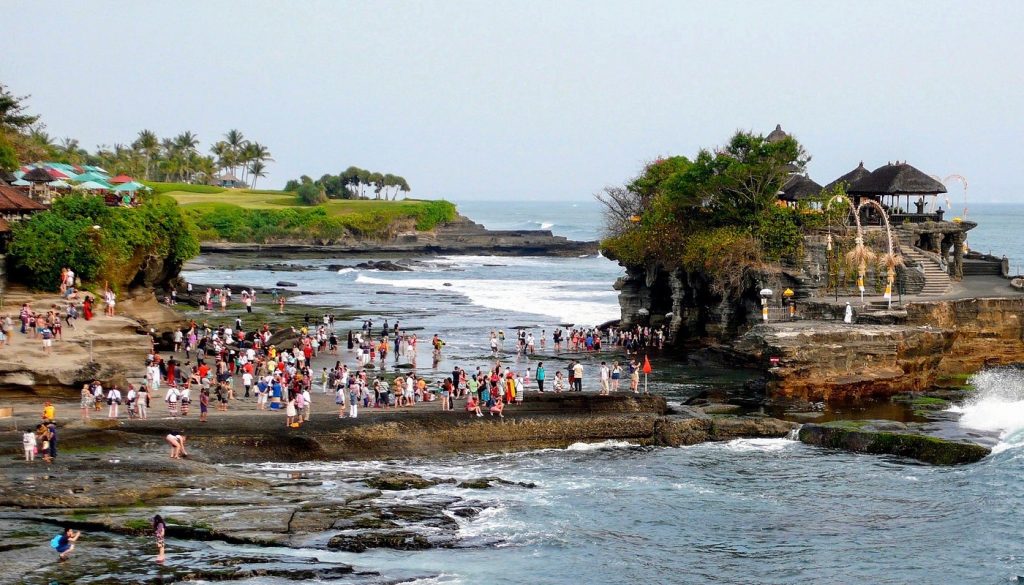
Religion is woven into everyday Balinese life, making temples much more than tourist attractions.
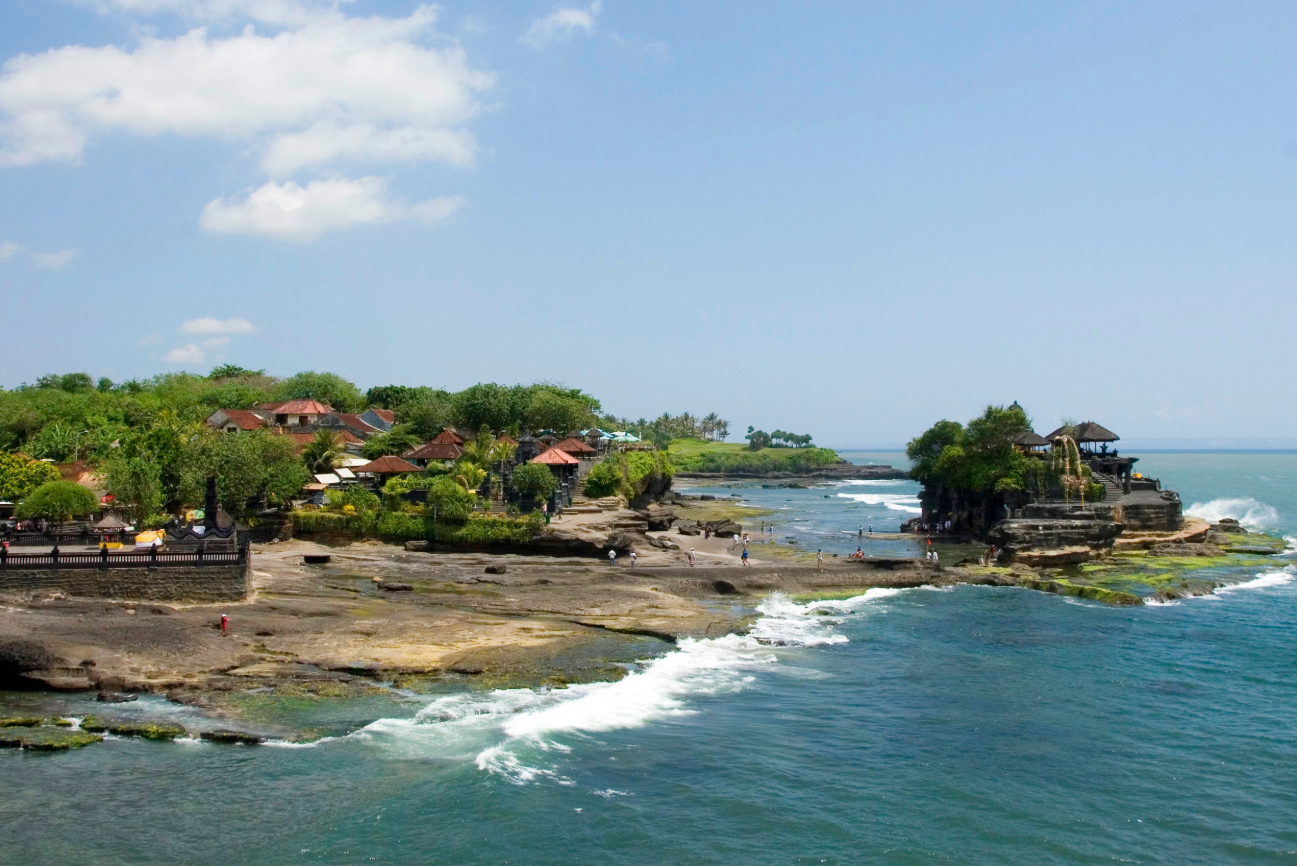
Tanah Lot is one of the island's most recognisable sea temples. Its offshore rocky setting makes sunset particularly popular. The temple is an active sacred site, so visitors should treat religious ceremonies and restricted areas respectfully.
Uluwatu Temple sits dramatically on a cliff above the Indian Ocean and can be paired with a Kecak dance performance.
Tirta Empul is famous for its sacred spring and melukat purification tradition.
Besakih Temple, located on the slopes of Mount Agung, is Bali's largest temple complex.
Ulun Danu Beratan provides a completely different setting beside a mountain lake.
A useful bali travel information guide should emphasise that visitors need to dress appropriately at temples and follow local instructions.
Explore Bali's Beaches
Bali's coastline offers very different experiences depending on where you stay.
Kuta is lively and strongly associated with surfing and tourism.
Sanur offers a more relaxed atmosphere and attractive sunrise views.
Jimbaran is known for seafood dining beside the beach.
Nusa Dua focuses heavily on resort tourism.
Uluwatu attracts surfers and travellers looking for dramatic cliffs and coastal scenery.
Dreamland and other southern beaches provide additional options for swimming, surfing and photography. Indonesia Travel identifies Kuta, Sanur, Nusa Dua, Jimbaran and several southern beaches among Bali's notable coastal destinations.
Take a Trip to Nusa Penida
Nusa Penida has become one of the most popular additions to a bali travel guide.
Kelingking Beach, Broken Beach and Atuh Beach are among the island's best-known locations. The surrounding waters also provide opportunities for diving and snorkelling.
However, Nusa Penida is not a destination where you should judge travel time solely by distance. Roads and terrain can make transfers slow, and a crowded day-trip itinerary can become exhausting.
For travellers with more time, staying overnight allows a slower exploration of the island.
Discover Bali's Mountains and Rice Terraces

Bali is not only a tropical beach destination.
Mount Batur provides one of the island's most popular sunrise hiking experiences. The volcano overlooks Lake Batur and the surrounding highlands.
For a more agricultural and cultural landscape, visit Jatiluwih, famous for its extensive terraced rice fields.
The eastern part of the island offers Mount Agung, Besakih and Lempuyang, while Bedugul provides cooler mountain scenery around Lake Beratan.
This variety is one of the strongest reasons to travel to Bali rather than staying exclusively on the coast.
Food You Should Try
Food deserves a major section in any bali travel information guide.
Try nasi campur, ayam betutu, lawar, satay and, for travellers who eat pork, babi guling.
Balinese food is generally characterised by aromatic herbs, spices, chillies and complex seasoning. Ubud is particularly useful for travellers wanting both traditional dishes and contemporary restaurants.
Local warungs can provide inexpensive meals and a more everyday dining experience, while beach areas offer international cuisine and higher-end restaurants.
Indonesia Travel specifically highlights Babi Guling, Ayam Betutu and Lawar as notable Balinese dishes.
Bali Shopping and Local Crafts
Shopping is another enjoyable part of bali island travel.
Ubud Art Market and Sukawati Art Market are known for handicrafts, artwork, textiles and souvenirs. Look for wood carvings, woven products, batik and other locally produced crafts.
Bargaining may be expected in some traditional markets, but it should remain friendly rather than aggressive.
How Much Does Bali Cost?
Your Bali budget depends heavily on accommodation and travel style.
| Expense | Budget traveller | Mid-range traveller |
|---|---|---|
| Accommodation per night | ₹1,500–₹3,500 | ₹4,000–₹9,000+ |
| Local meal | ₹150–₹400 | ₹400–₹1,000+ |
| Local transport/day | ₹300–₹800 | ₹1,000–₹2,500+ |
| Sightseeing/activities | ₹500–₹1,500 | ₹1,500–₹4,000+ |
| Approx. daily spend | ₹2,500–₹6,000 | ₹6,000–₹15,000+ |
These are planning estimates rather than fixed prices. International flights, premium resorts, diving, private tours and shopping can increase the total considerably.
International visitors should also check Bali's current tourism levy requirements before arrival and use official provincial information because exemptions and administrative requirements can apply to certain visa categories.
Best Time to Visit Bali
Bali is a year-round destination, but weather should influence your itinerary.
The drier months are generally more convenient for beach days, hiking and outdoor sightseeing. Wetter periods can still provide excellent holidays, particularly for travellers interested in culture, food, spas and flexible schedules.
Peak travel periods can mean higher accommodation prices and heavier crowds. A shoulder-season trip can therefore provide a useful balance between weather, availability and cost.
For boat trips and mountain activities, always consider local weather conditions rather than relying solely on seasonal averages.
A Practical 7-Day Bali Itinerary
A first-time bali travel guide can be organised efficiently into three bases.
Days 1–3: Ubud
Explore Tegallalang, Ubud Monkey Forest, Tirta Empul and local temples. Keep one afternoon for a spa, café or rice-field walk.
Days 4–5: Seminyak or Canggu
Move towards the southwest coast. Enjoy beaches, restaurants, shopping and sunset.
Days 6–7: Uluwatu
Explore southern beaches, visit Uluwatu Temple and watch a Kecak performance. Alternatively, replace one day with Nusa Penida if island scenery is a priority.
For a longer bali island travel experience, add East Bali, North Bali, Nusa Lembongan or several days in Lombok.
Cultural Etiquette and Responsible Travel
Bali's tourism economy exists alongside a living Hindu culture. Visitors should avoid entering restricted temple areas, dress respectfully at religious sites and never interrupt ceremonies for photographs.
Be particularly careful around offerings placed on roads, pavements and entrances. They are part of daily religious practice and should not be deliberately stepped on.
Responsible tourism also means reducing single-use plastics, avoiding activities that exploit wildlife and choosing local businesses where possible.
Essential Bali Travel Tips
A useful bali travel information guide should also include a few practical reminders:
- Carry some Indonesian rupiah for small purchases.
- Use sunscreen and stay hydrated.
- Allow additional travel time during busy periods.
- Keep valuables secure around beaches and crowded attractions.
- Check weather conditions before boat trips.
- Use reputable operators for diving and adventure activities.
- Respect temple rules and local ceremonies.
- Do not overcrowd your itinerary.
- Keep some flexibility for weather and traffic.
- Check current entry, visa and tourism requirements before departure.
Final Thoughts
A successful bali travel guide should not encourage you to rush through twenty attractions in a few days. Bali is most rewarding when you experience its different environments at a sensible pace.
Spend several days in Ubud for culture and rice terraces, explore the southern coastline for beaches and nightlife, and dedicate time to temples and mountain landscapes. Add Nusa Penida or another island only if your schedule allows.
For anyone planning to travel to bali, the key is to balance famous attractions with slower experiences: eat at a local warung, walk through rice fields, watch a temple ceremony from a respectful distance, enjoy a Balinese massage and leave room for unexpected discoveries.
That is ultimately what makes bali island travel so distinctive. The island is not simply a collection of beaches and resorts; it is a destination where landscape, spirituality, food, art and everyday community life remain closely connected.

Comments 0
Only approved comments are shown here.