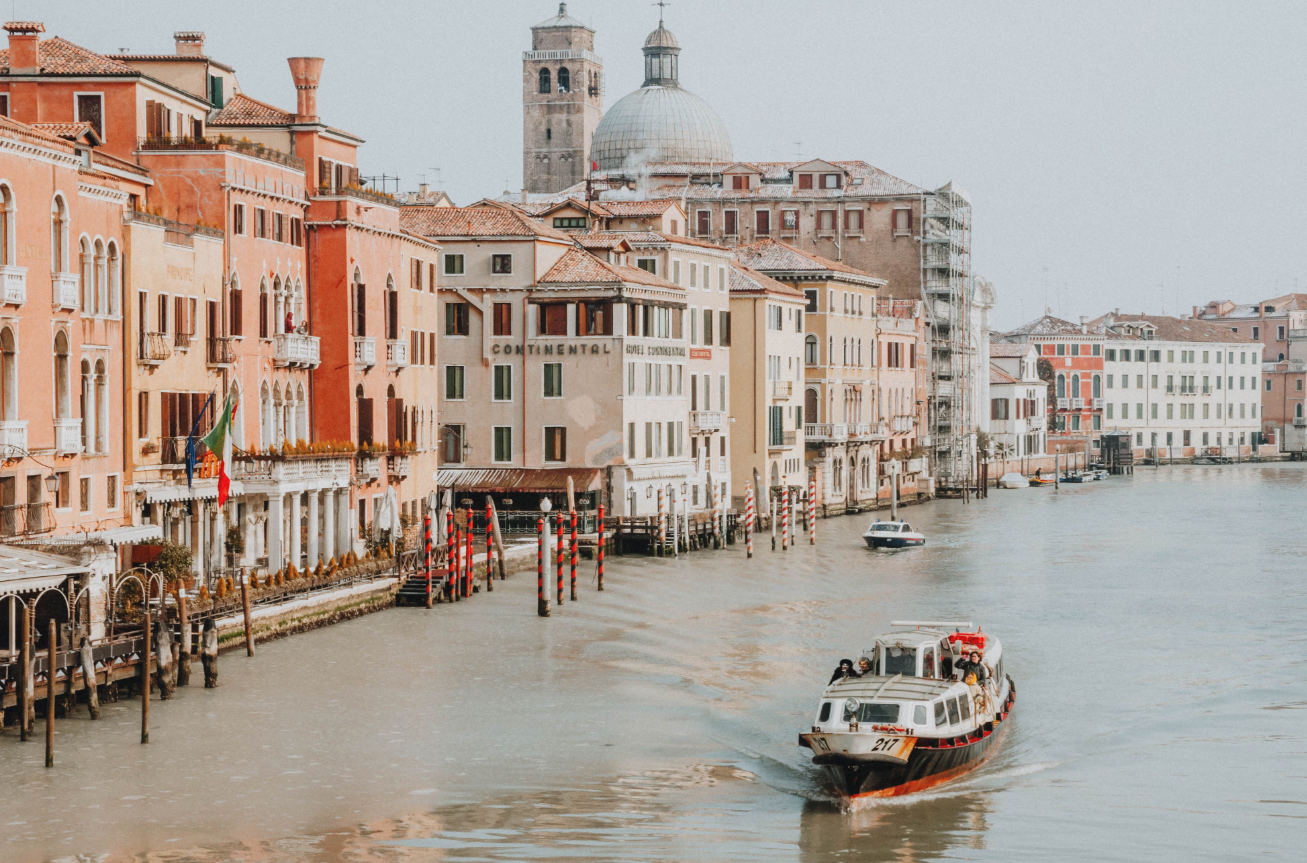
The best time to visit venice depends on whether you prefer mild weather, fewer crowds, cultural festivals or lower hotel prices. For most travellers, April, May, late September and October offer a good balance of comfortable sightseeing conditions and seasonal atmosphere. Spring brings longer days and pleasant walking weather, while autumn offers softer light, cooler temperatures and opportunities to explore the canals at a relaxed pace.
Summer is lively but can be hot, humid and crowded, whereas winter provides quieter streets and potentially better accommodation deals, with a greater chance of high tides and fog. Choosing the best time to visit Venice also means considering events such as Carnival, the Venice Biennale and the Venice Film Festival, which can influence availability and prices.
This post contains affiliate links. If you choose to book through them, a small commission may be earned at no additional cost to you. Your support genuinely helps keep the blog running and allows continued creation of high-quality travel guides. Thank you for being here and supporting this journey.
Also Read - 12 Unmissable Rome Attractions for History, Art and City Views
1. Spring (March to May): Ideal for Sightseeing
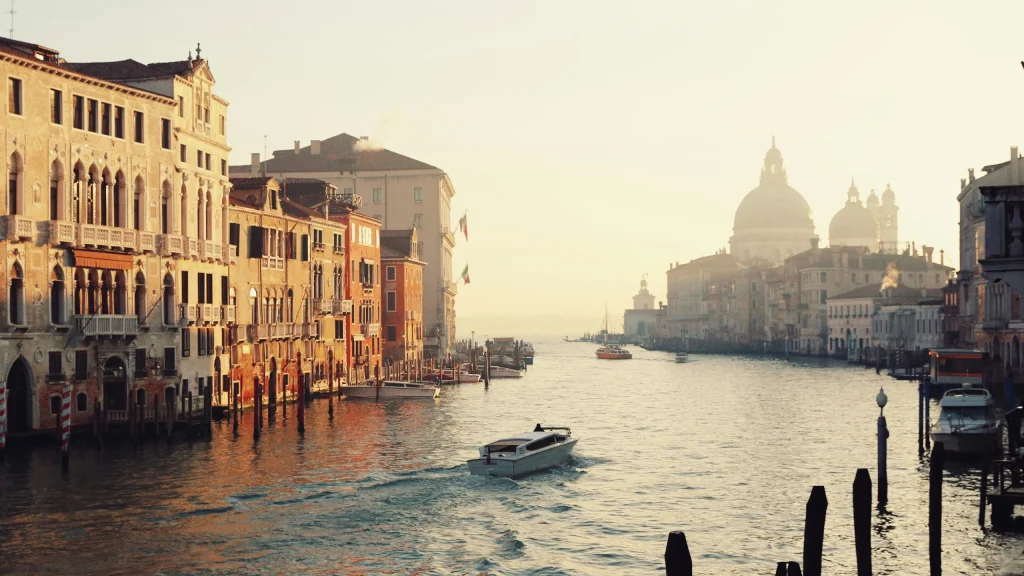
Spring is often the best time to visit Venice if you want to explore historic landmarks, walk beside canals and enjoy outdoor cafés without peak summer heat.
March
March brings the first signs of spring, with temperatures gradually becoming milder. Early in the month, mornings can still feel cold, and rain or fog may affect visibility. Tourist numbers are generally more manageable than during the busiest spring holidays.
Best for: Budget-conscious visitors, museum lovers and couples seeking a quieter city break.
April
April offers longer daylight hours and comfortable conditions for exploring St Mark's Square, the Rialto Bridge and the quieter neighbourhoods of Cannaregio and Dorsoduro. Easter and public holidays can bring a sharp increase in visitor numbers.
May
May is one of the most attractive months for outdoor sightseeing, photography and island excursions. Gardens and waterfront areas feel lively, but demand for hotels and popular attractions increases.
Spring travel tip: Reserve accommodation early, wear comfortable walking shoes and check whether your dates coincide with major holidays or the city's access-fee calendar. For many visitors, spring is the best time to visit venice because it combines pleasant walking conditions with an active cultural calendar.
2. Summer (June to August): Festivals, Sunshine and Crowds
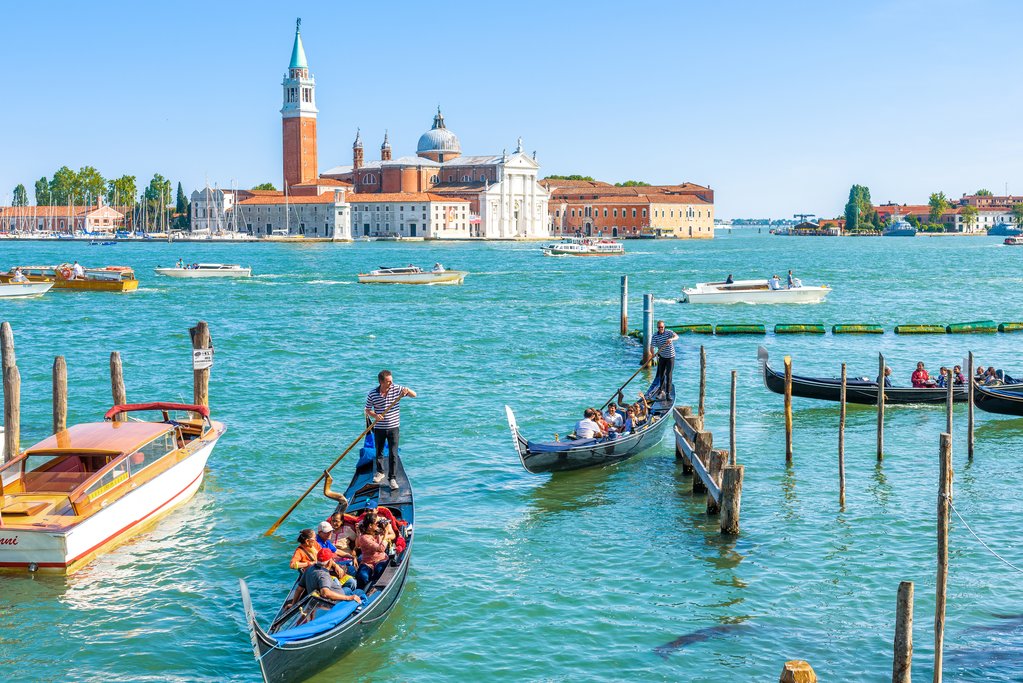
Summer is the best time to visit Venice for travellers who enjoy long days, outdoor dining, lively squares and nearby beaches. However, it is also one of the busiest and warmest periods.
June
June brings long daylight hours and generally warm conditions. You can spend more time exploring the lagoon islands, taking boat trips and enjoying evening walks along the waterfront.
Best for: Couples, photographers and travellers planning a longer stay.
July
July can be hot and humid, particularly in the middle of the day. Venice also hosts the Festa del Redentore, a major local celebration featuring a temporary bridge and spectacular fireworks over the lagoon.
Best for: Festival enthusiasts and travellers who enjoy a lively atmosphere.
August
August is typically hot, and some smaller local businesses may close for holidays. Tourist areas remain busy, and accommodation can be expensive. Plan outdoor sightseeing early in the morning and take breaks indoors during the hottest hours.
Summer travel tip: Carry water, wear sun protection and book popular attractions in advance. Summer may be the best time to visit Venice if your priorities are festivals and long evenings, but it is less suitable if you dislike heat and crowds.
3. Autumn (September to November): Comfortable Weather and Beautiful Light
Autumn is often considered the best time to visit Venice for travellers who want pleasant sightseeing temperatures and a more relaxed atmosphere after the summer rush.
September
September is usually warm enough for long walks and lagoon excursions, while evenings gradually become cooler. The Venice International Film Festival takes place on the Lido, and the historic Regata Storica brings traditional boats and rowing races to the Grand Canal.
Best for: Culture lovers, photography and island visits.
The first half of September can still be busy, so consider late September if you prefer a calmer trip.
October
October offers cooler temperatures, softer light and a more atmospheric city. It is an excellent month for walking between landmarks, visiting museums and enjoying long meals in traditional restaurants.
However, rainfall and high tides become more relevant in autumn. Venice's acqua alta, or high-water phenomenon, can temporarily affect low-lying areas, especially around St Mark's Square.
November
November is quieter and can be less expensive, but it is also one of the wetter months. Fog, rain and high tides are more likely than in summer, so flexible plans are helpful.
Autumn travel tip: Pack layers and a waterproof jacket, and check tide forecasts during your stay. October may be the best time to visit venice if you value comfortable walking weather and atmospheric photography, while September is better for warmer evenings.
4. Winter (December to February): A Quieter, More Atmospheric Venice
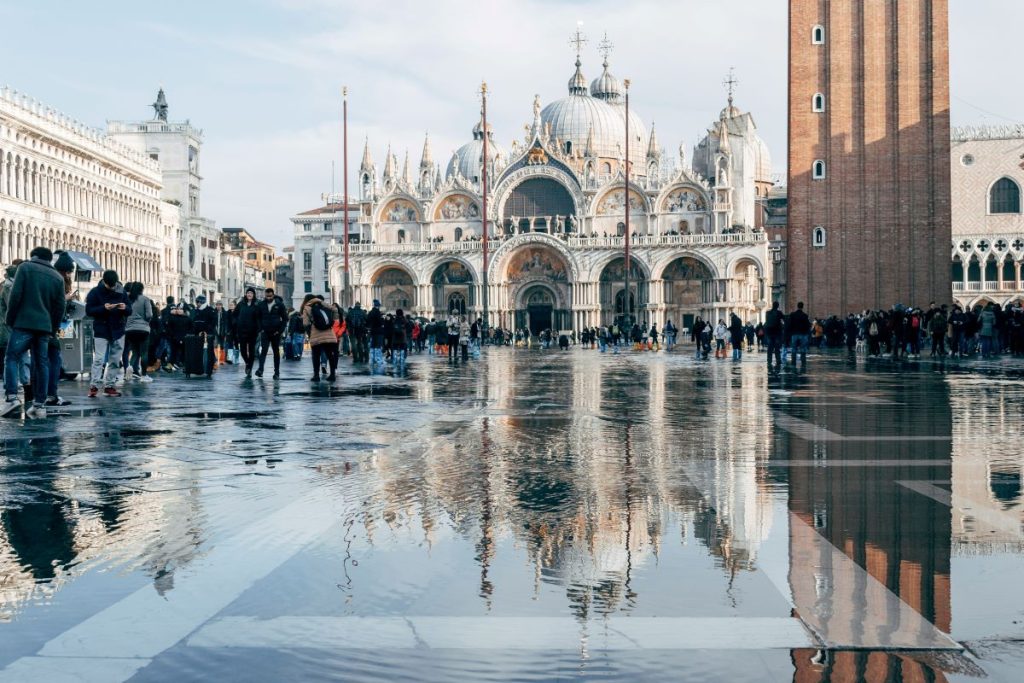
Winter can be the best time to visit venice for travellers who prioritise lower visitor numbers, museums and the city's quieter side streets over warm weather.
December
December brings festive decorations, seasonal food and a quieter atmosphere outside the Christmas and New Year period. Days are short, and temperatures can feel colder because of damp air and wind.
January
January is often one of the quieter months after the New Year holidays. It can be attractive to budget travellers who want to explore museums, churches and traditional cafés without the crowds of spring and summer.
February
February is associated with the Venice Carnival, when costumes, masks and special events transform the city. Carnival dates vary each year, and the most popular days can bring higher hotel prices and crowded streets.
Winter travel tip: Pack a warm coat, layers and waterproof footwear. Check event dates before booking because Carnival can make February significantly busier. Winter may be the best time to visit venice if you enjoy cultural experiences and quieter sightseeing, provided you are prepared for cold weather and possible high tides.
5. Best Time to Visit Venice by Travel Preference
The best time to visit venice can vary depending on what you want from your holiday.
| Travel preference | Recommended period | Why |
|---|---|---|
| First-time sightseeing | April, May or late September | Generally comfortable walking weather |
| Lower hotel prices | January or November | Usually quieter, outside major events |
| Photography | April, October or winter mornings | Atmospheric light and canal views |
| Festivals and events | February, June or September | Carnival, Redentore and Film Festival |
| Island excursions | May to September | Longer days and warmer conditions |
| Fewer crowds | Mid-January or late November | Lower demand outside holiday periods |
| Beach time at the Lido | June to early September | Warmer conditions for coastal activities |
These are general seasonal patterns, not guarantees. Public holidays, exhibitions and major events can change prices and crowd levels considerably. The best time to visit venice is the period that matches your priorities while allowing some flexibility for weather.
6. How Weather Affects a Venice Trip
Venice has a humid climate influenced by the Adriatic Sea. Summers can feel hot and sticky, while winter brings damp cold, fog and shorter daylight hours.
- Spring: Pack layers and a light waterproof jacket.
- Summer: Bring breathable clothing, sun protection and a refillable water bottle.
- Autumn: Prepare for rain and monitor high-tide forecasts.
- Winter: Take a warm coat and waterproof shoes.
Acqua alta does not mean the entire city becomes inaccessible. High water usually affects certain low-lying areas for limited periods, although conditions can vary. Follow local warnings and use raised walkways where provided.
For a walking-focused holiday, the best time to visit venice is generally spring or early autumn. If you travel in late autumn or winter, keep indoor attractions available as alternatives and avoid scheduling every activity tightly.
7. How to Avoid Crowds and Save Money
Even during busy months, you can make your Venice trip more comfortable with a few practical choices.
Stay overnight: Venice becomes noticeably different after day-trippers leave. An early morning walk along the canals can be one of the most rewarding experiences of your visit.
Explore beyond the main landmarks: Cannaregio, Dorsoduro and parts of Castello offer quieter streets, local cafés and opportunities to discover everyday Venetian life.
Book major attractions ahead: Check official ticket websites for St Mark's Basilica, the Doge's Palace and other popular sights.
Travel midweek where possible: Weekends and public holidays can be busier than ordinary weekdays.
Check access requirements: Venice has operated an access fee on selected peak dates. Rules, dates, prices and exemptions may change, so consult the city's official visitor information for your travel year.
For travellers balancing comfort and cost, the best time to visit venice is often a shoulder-season weekday outside major festivals and public holidays.
8. How Many Days Should You Spend in Venice?
Two days are enough to see major highlights such as St Mark's Square, the Doge's Palace, the Rialto Bridge and the Grand Canal. Three days allow more time for neighbourhood walks, museums and a visit to Murano or Burano.
With four days, you can explore at a slower pace, spend time in less-visited districts and adjust your plans around weather or high tides.
The best time to visit venice also depends on your itinerary. A short weekend during Carnival or a major holiday may feel crowded, while a longer spring or autumn stay gives you more flexibility to explore the city beyond its busiest attractions.
Final Thoughts
The best time to visit Venice for most travellers is April, May, late September or October, when conditions are generally suitable for walking, sightseeing and exploring the lagoon. Spring offers longer days and fresh seasonal energy, while autumn brings softer light and a more relaxed atmosphere after summer.
Summer is ideal for festivals and long evenings, but visitors should prepare for heat and crowds. Winter offers a quieter and often more affordable experience, with cold weather and a greater chance of high tides.
Ultimately, the best time to visit Venice depends on your budget, preferred activities and tolerance for crowds. Check event calendars, book key attractions early and leave room in your itinerary for spontaneous discoveries. Venice is best enjoyed slowly, with time to wander along its canals and appreciate the beauty of its historic streets.


Comments 0
Only approved comments are shown here.