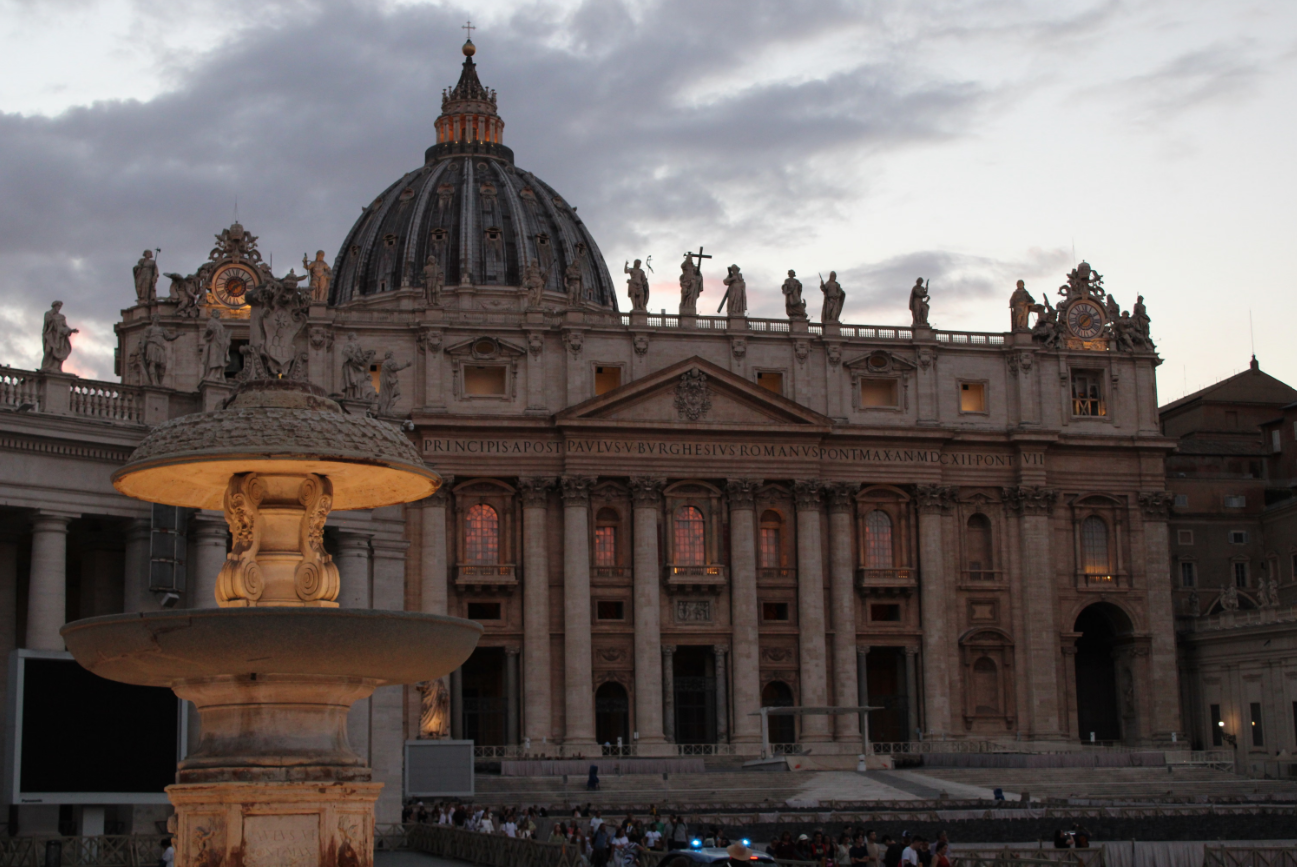
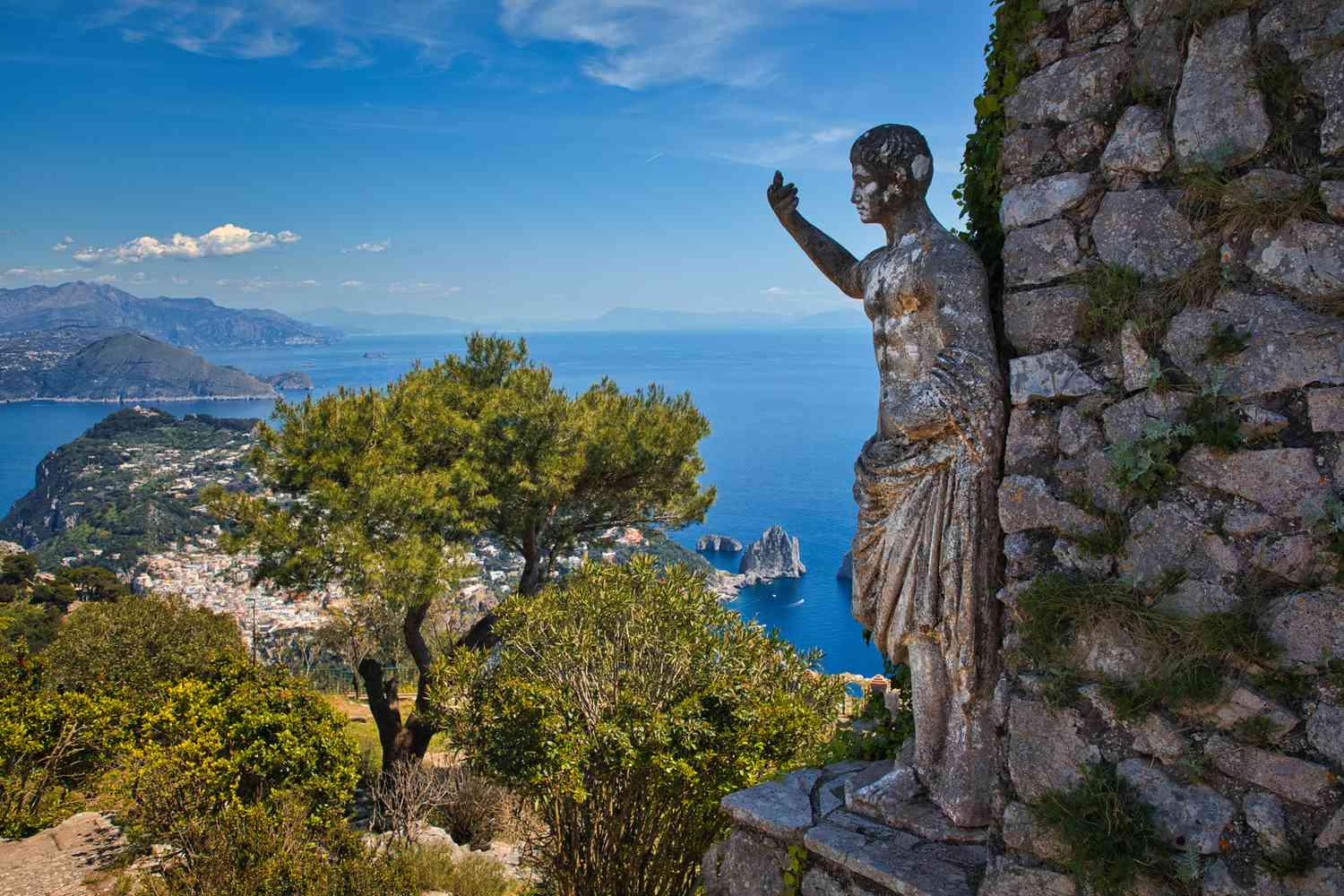
Italy travel guide cover

Italy Travel Guide

Explore Italy
Advertisement

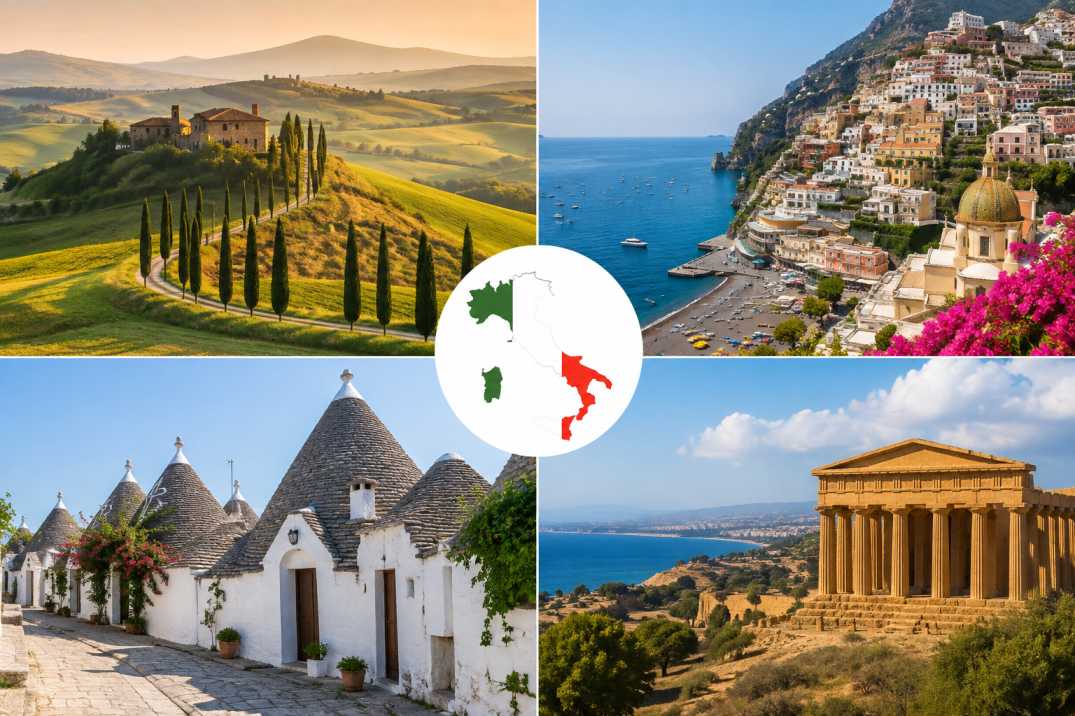
TraveliciousBites' Italy Travel Guide covers Rome's ancient ruins, Venice's canals, and the coastal drives that make Italy one of the world's most visited countries. Whether you're planning a Rome-Florence-Venice classic route or a longer trip including the Amalfi Coast, this guide breaks down when to visit, what to budget, and how Italy's excellent train network makes multi-city travel manageable, based on the same research standards we apply across every destination we cover.

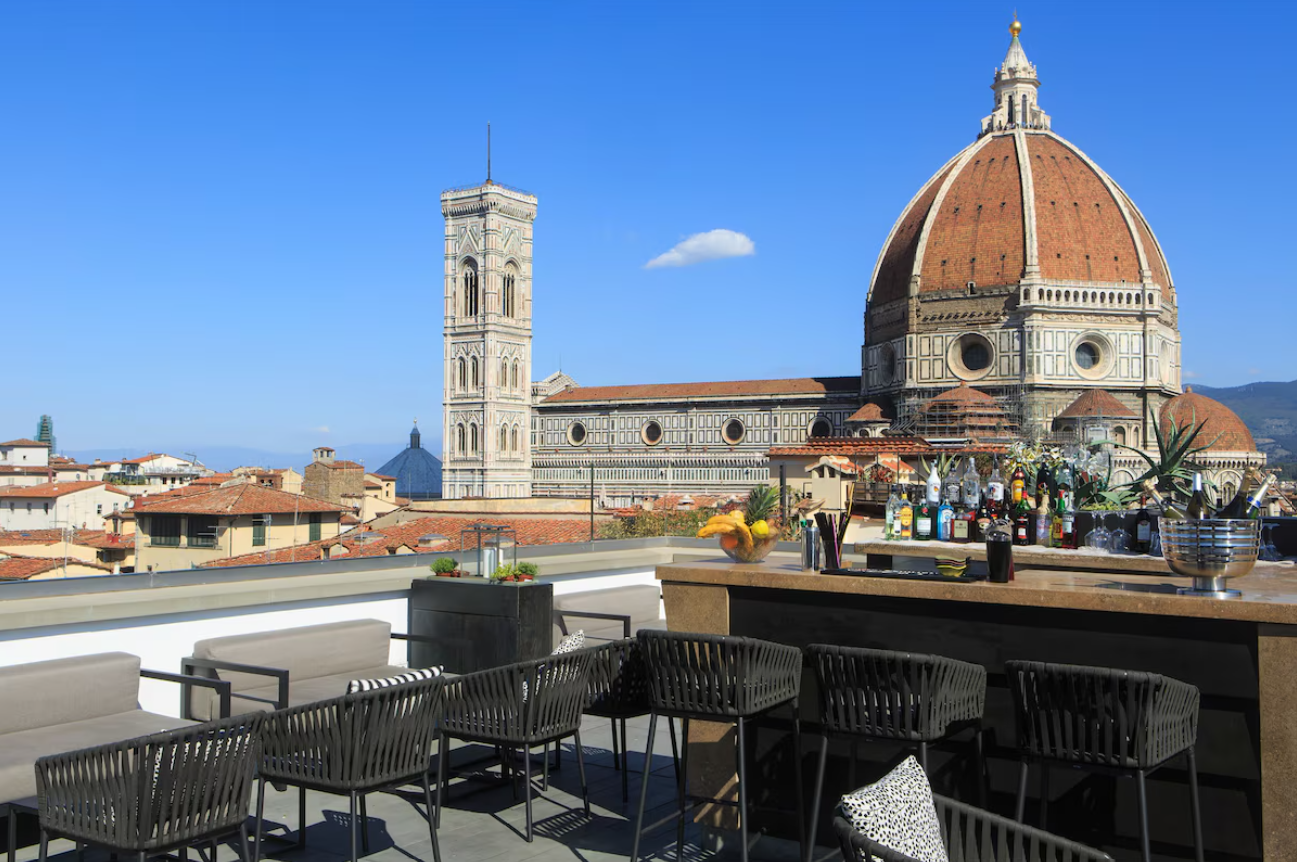
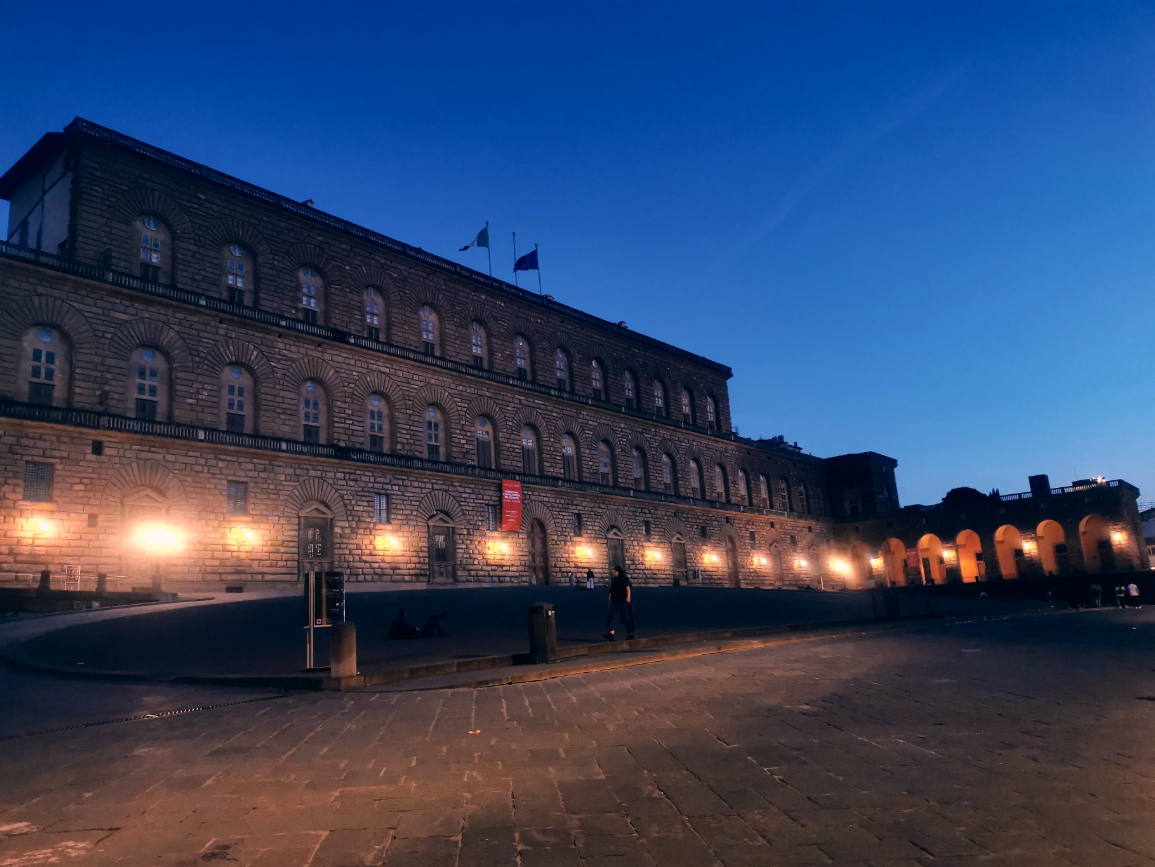
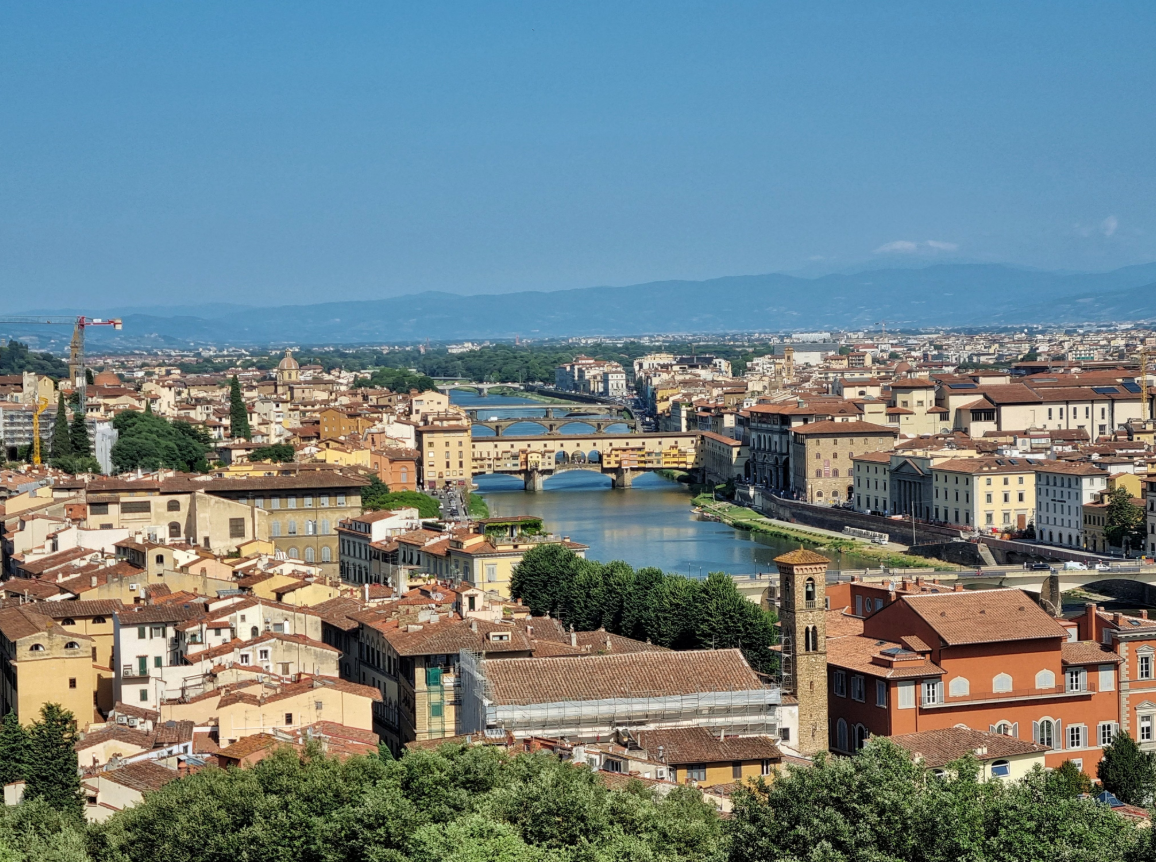
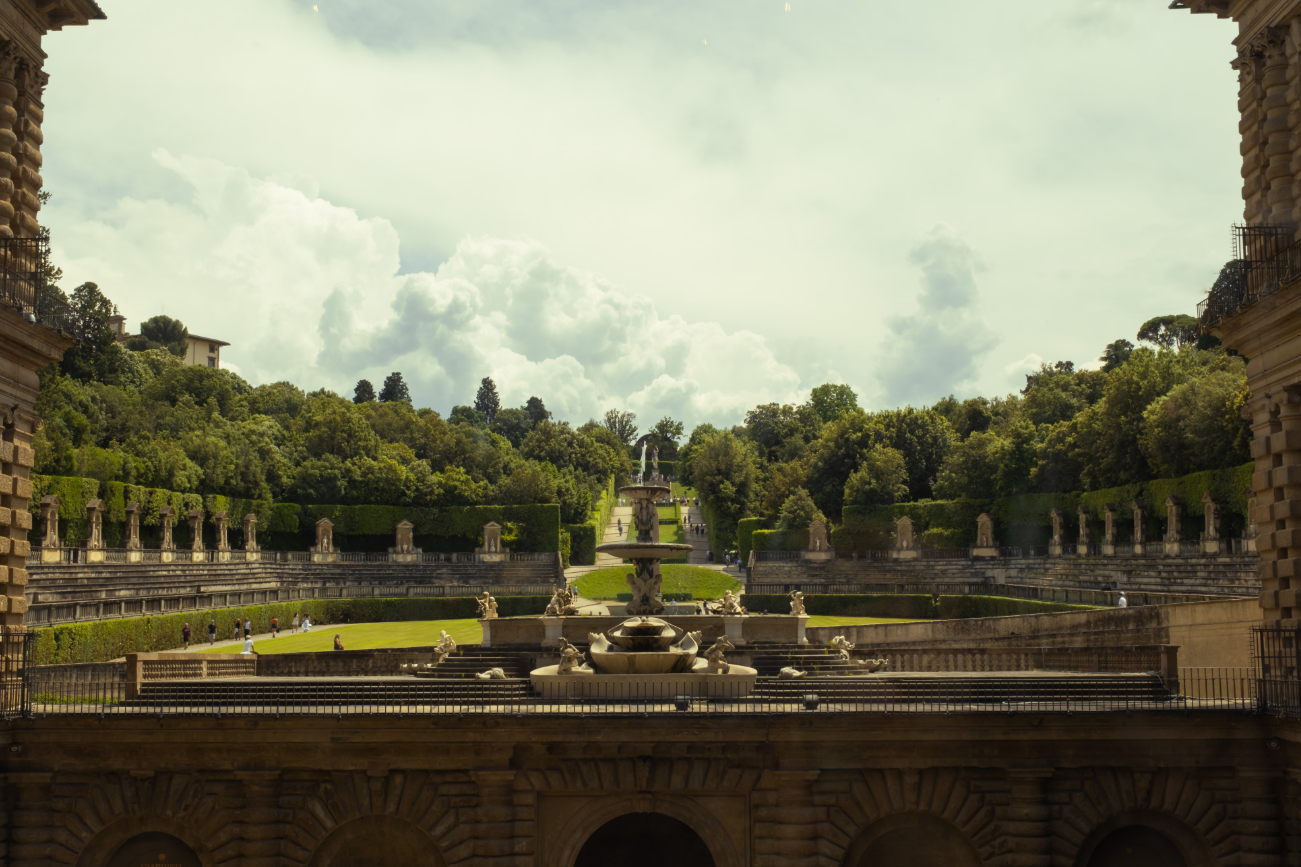
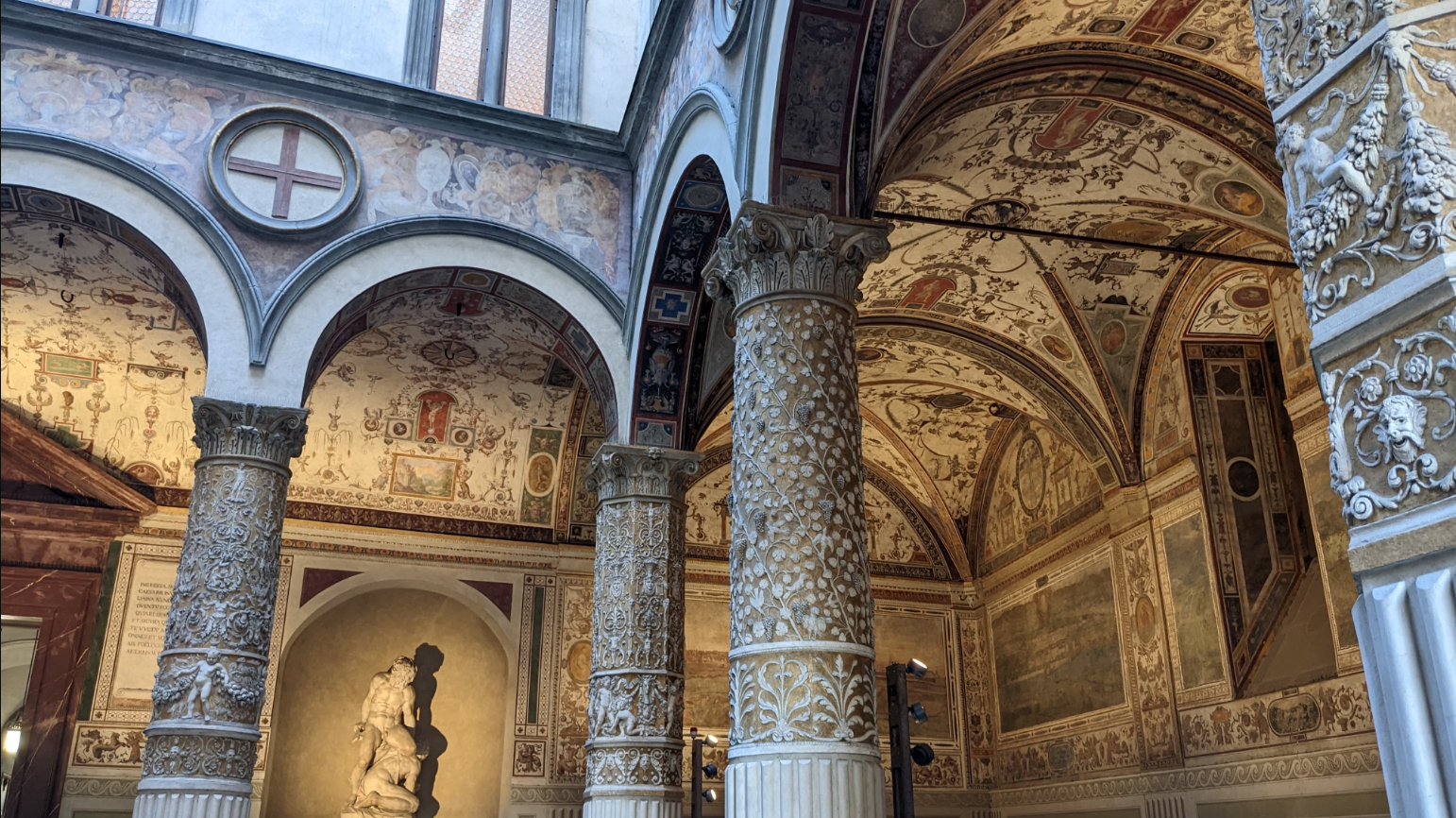
See our dedicated Florence Travel Guide for city-specific planning on that stop.

Best Time to Visit Italy

April through June and September through October deliver Italy's most comfortable travel weather, avoiding both summer's intense heat and the peak crowds that pack Rome's Colosseum and Venice's canals during July–August. Summer brings the warmest weather and longest days but also the year's biggest crowds and highest prices, particularly in Venice and the Amalfi Coast.

Winter offers Italy's thinnest crowds and lowest rates, with Rome and Florence remaining comfortable for museum-focused travel even in cooler months, though the Amalfi Coast and many island destinations effectively shut down outside the main season. TraveliciousBites recommends booking Vatican Museums and Colosseum tickets online well in advance regardless of season, since both sights sell out even during shoulder months.

Italy weather and seasonal guidesTap to see articles matched to each season

Top Things to Do in Italy

  • Rome

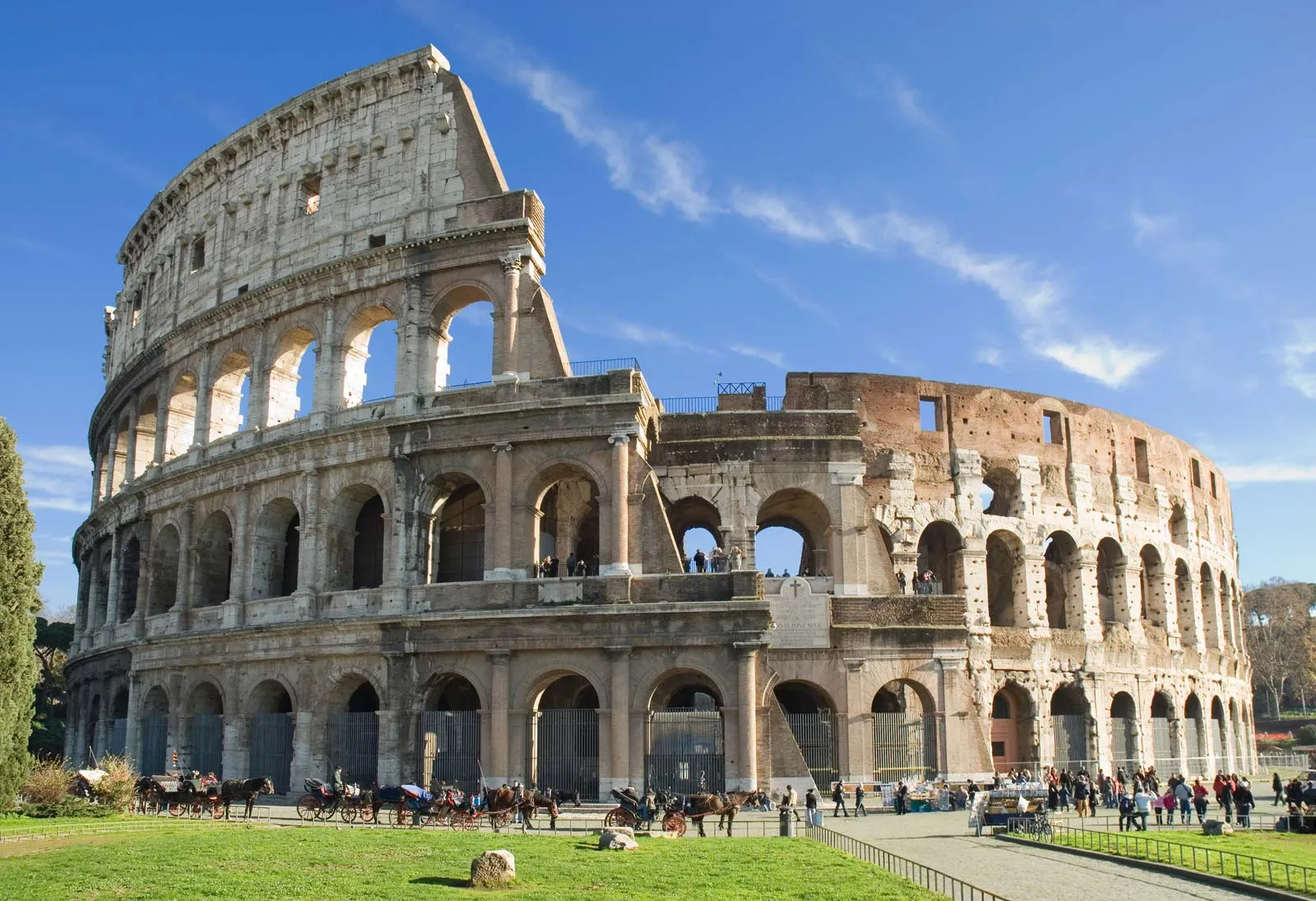
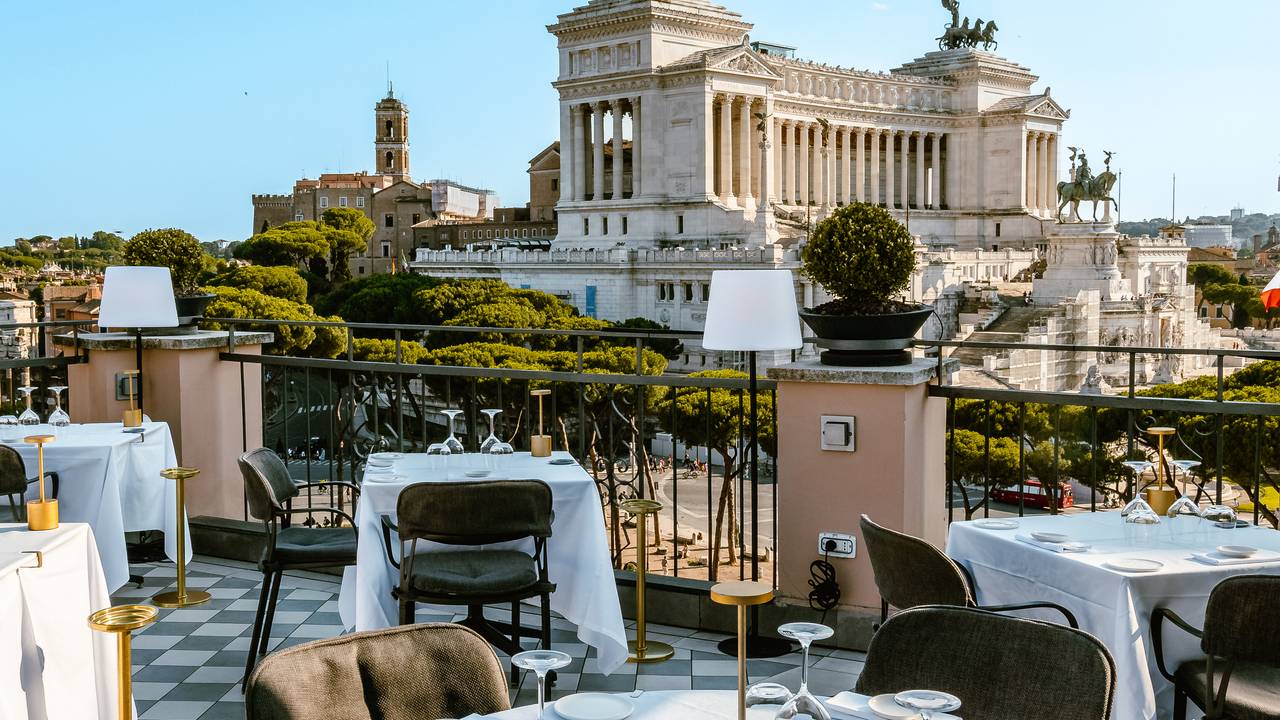
    — the Colosseum, Vatican Museums, and Roman Forum anchor Italy's capital and require at least 3–4 days.

  • Venice

    — canals, gondola rides, and St. Mark's Square make Venice one of the world's most distinctive cities.

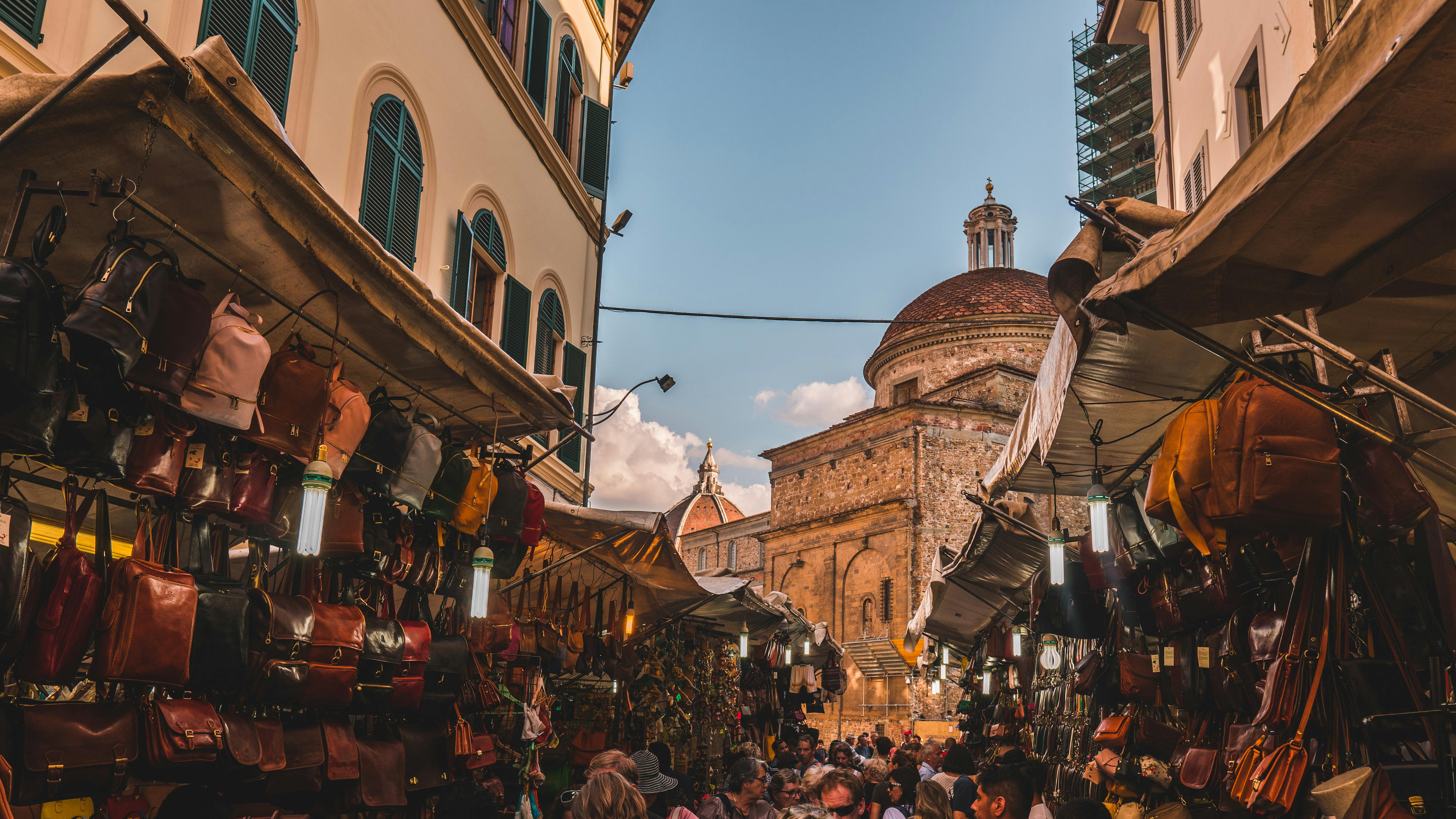
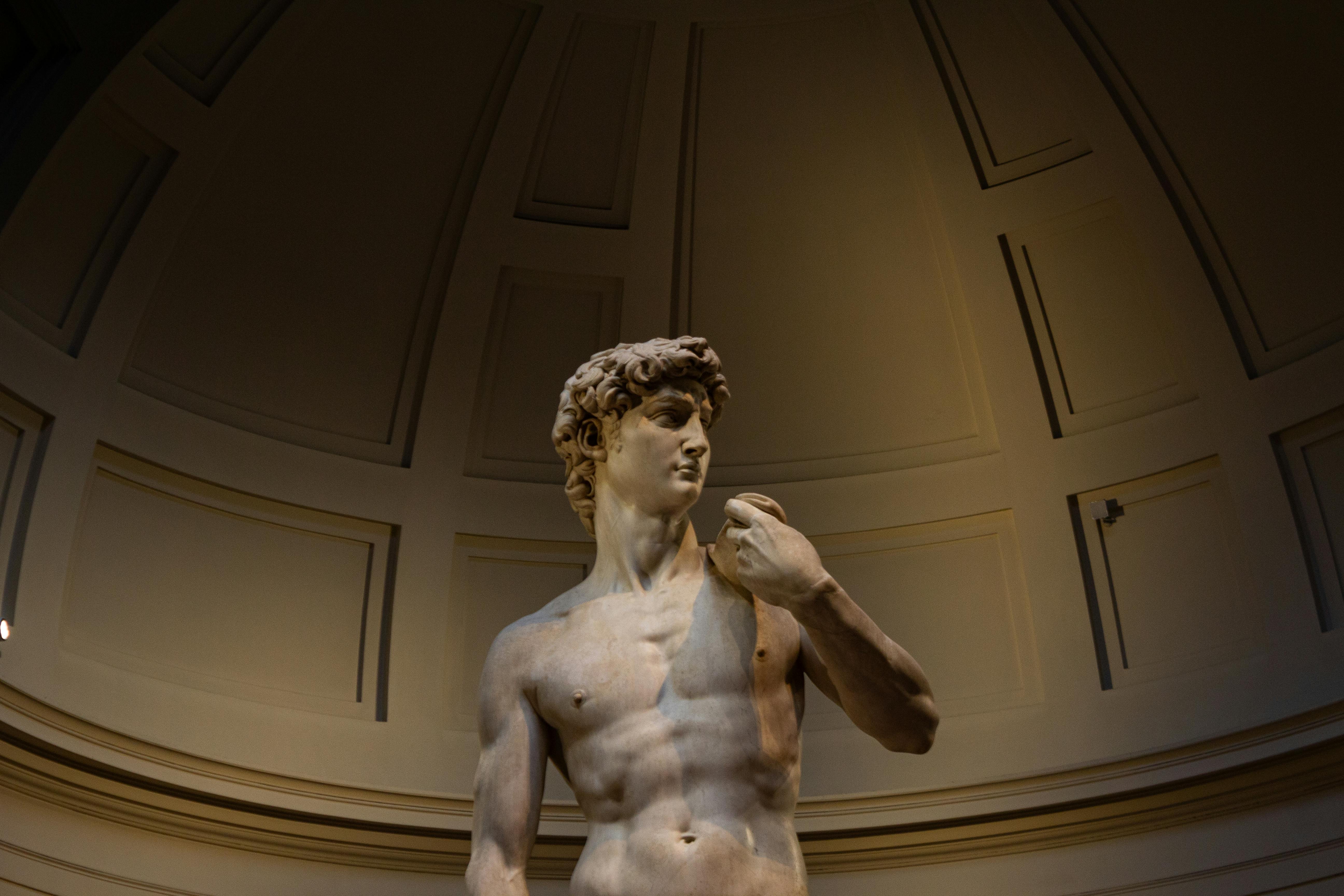
  • Florence

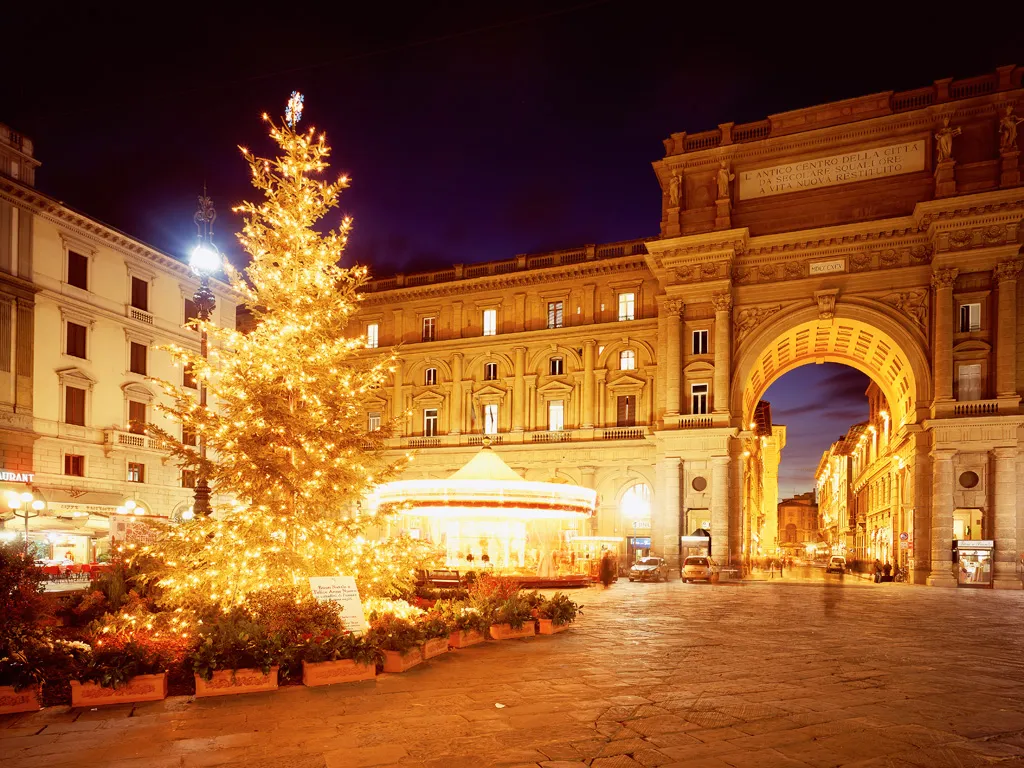
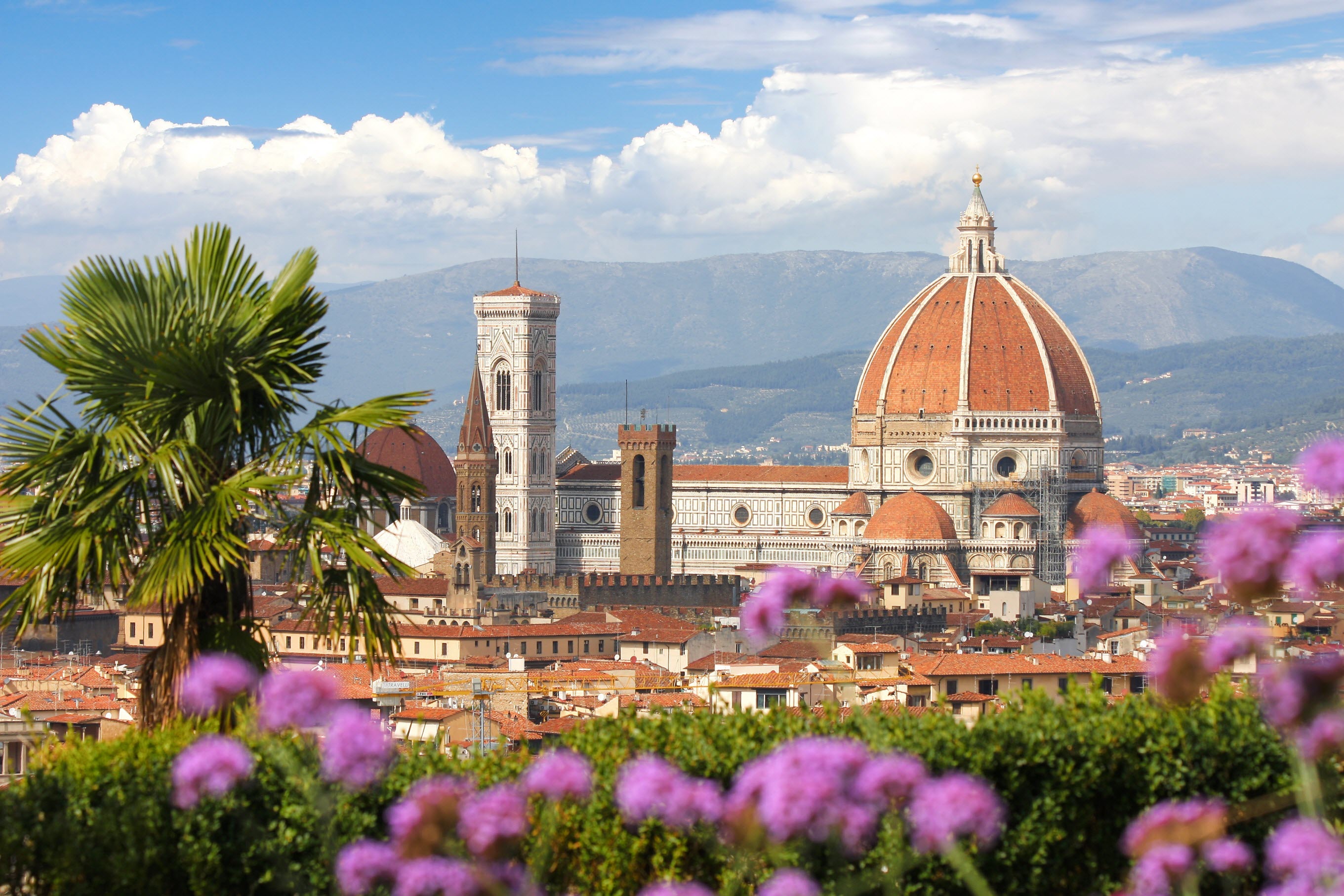
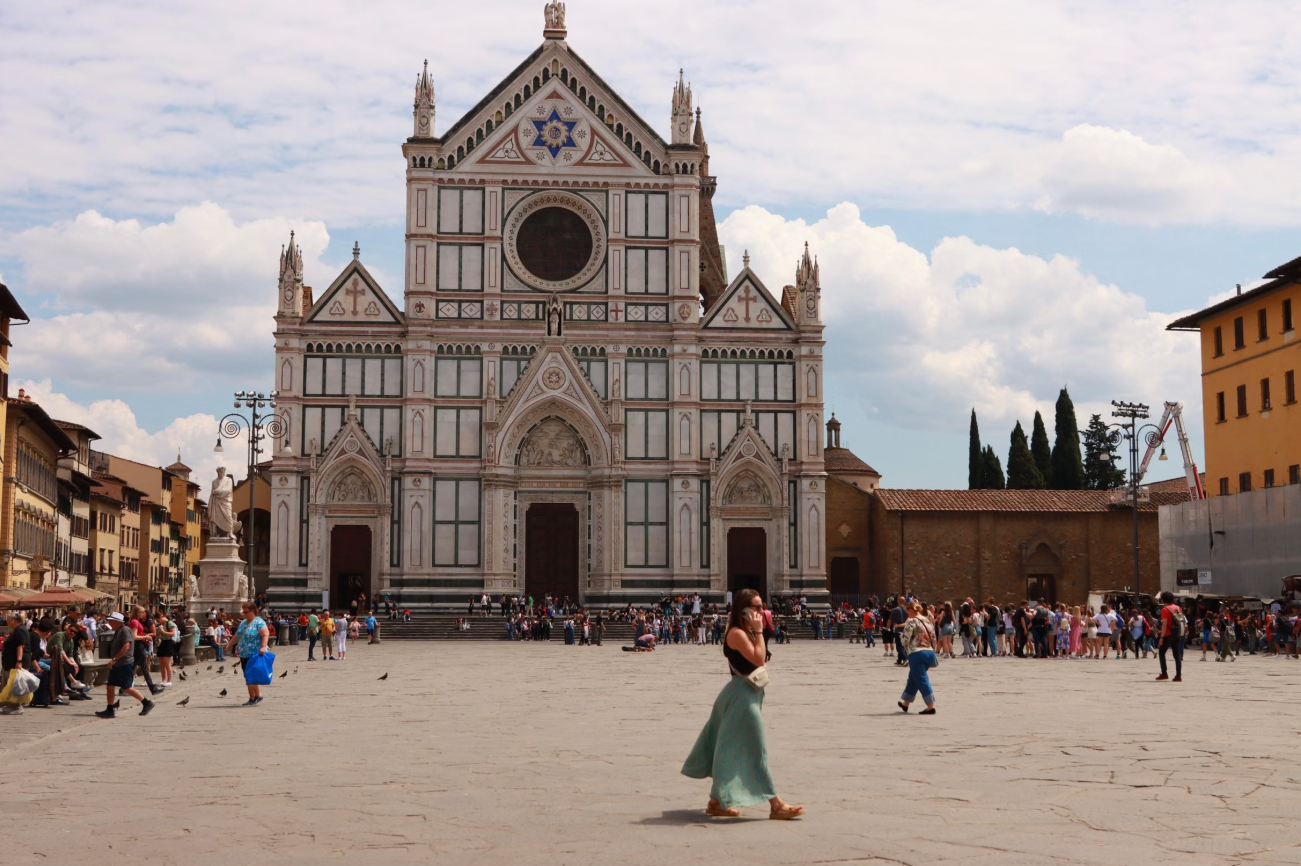
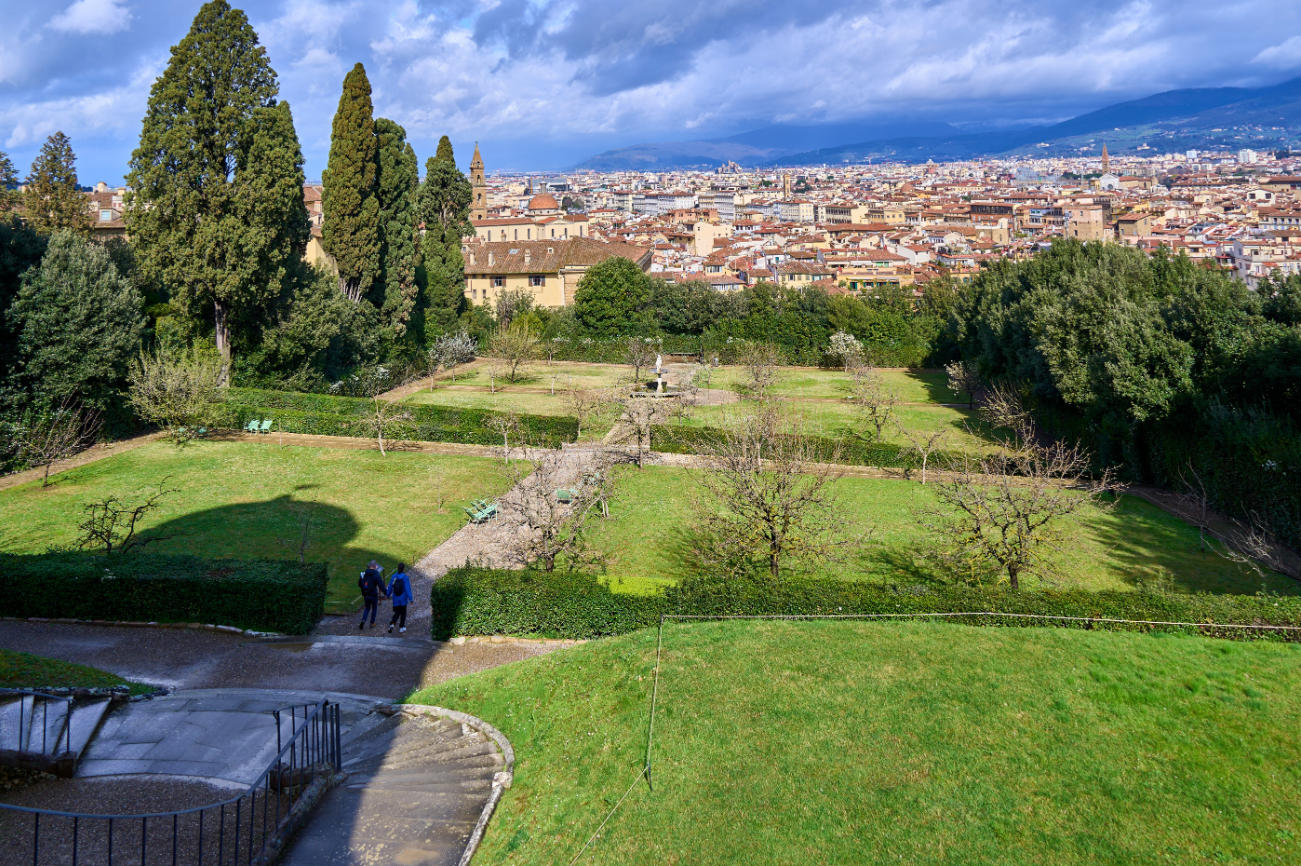
    — Renaissance art and Tuscan countryside access; see our dedicated Florence guide for full details.

  • The Amalfi Coast

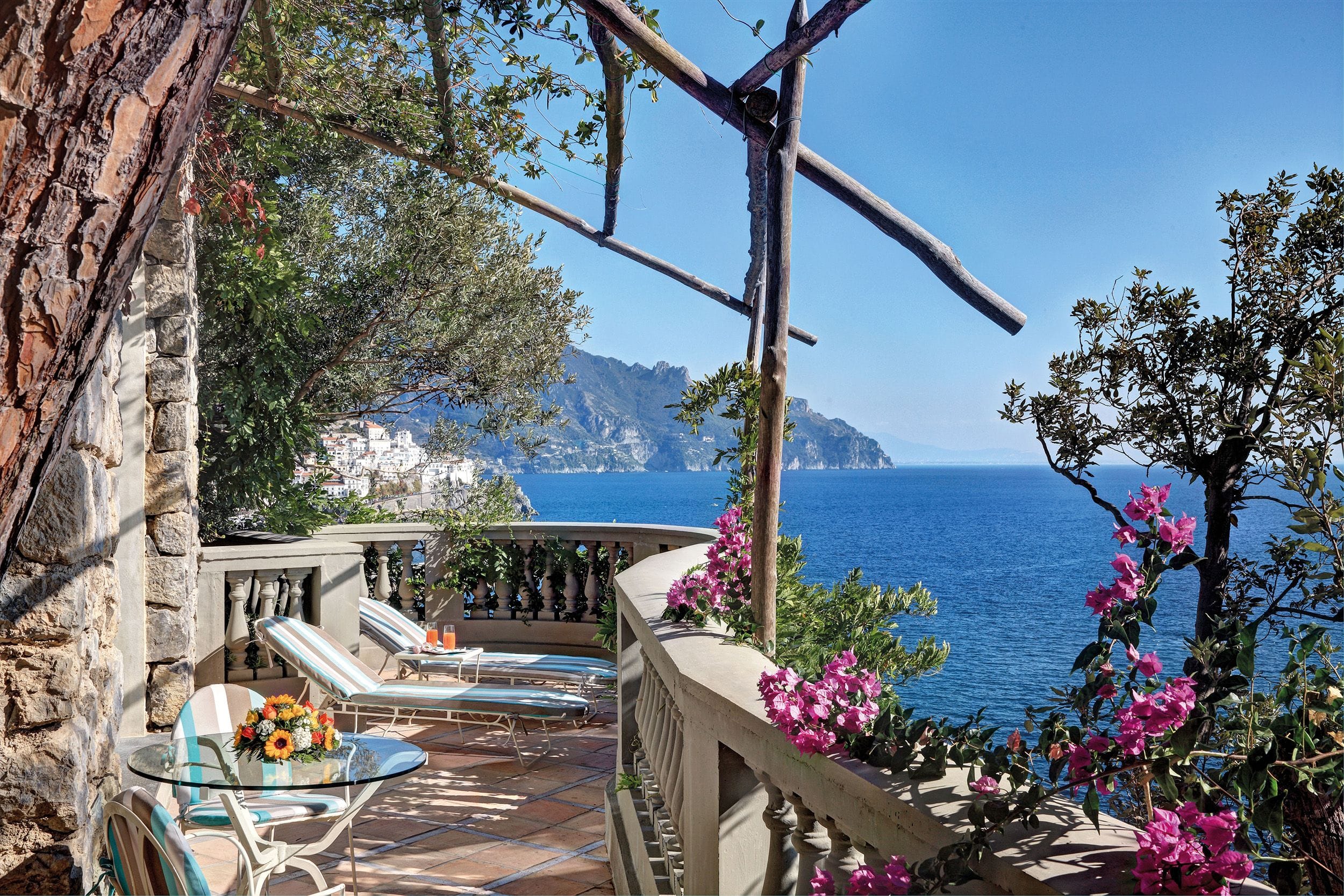
    — dramatic cliffside towns like Positano and Amalfi along Italy's southern coastline.

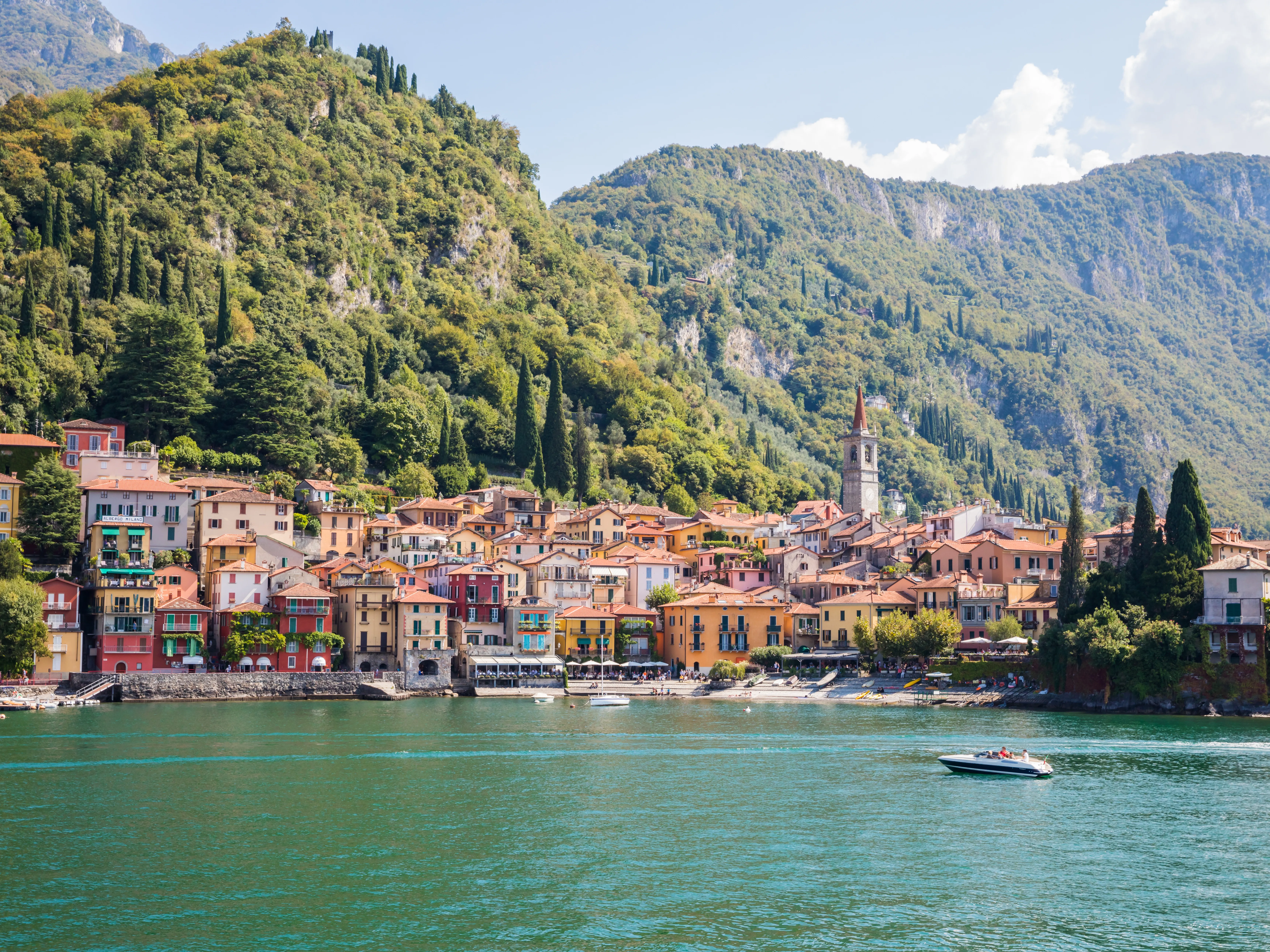
  • Cinque Terre

    — five colorful coastal villages connected by hiking trails and a scenic train line.

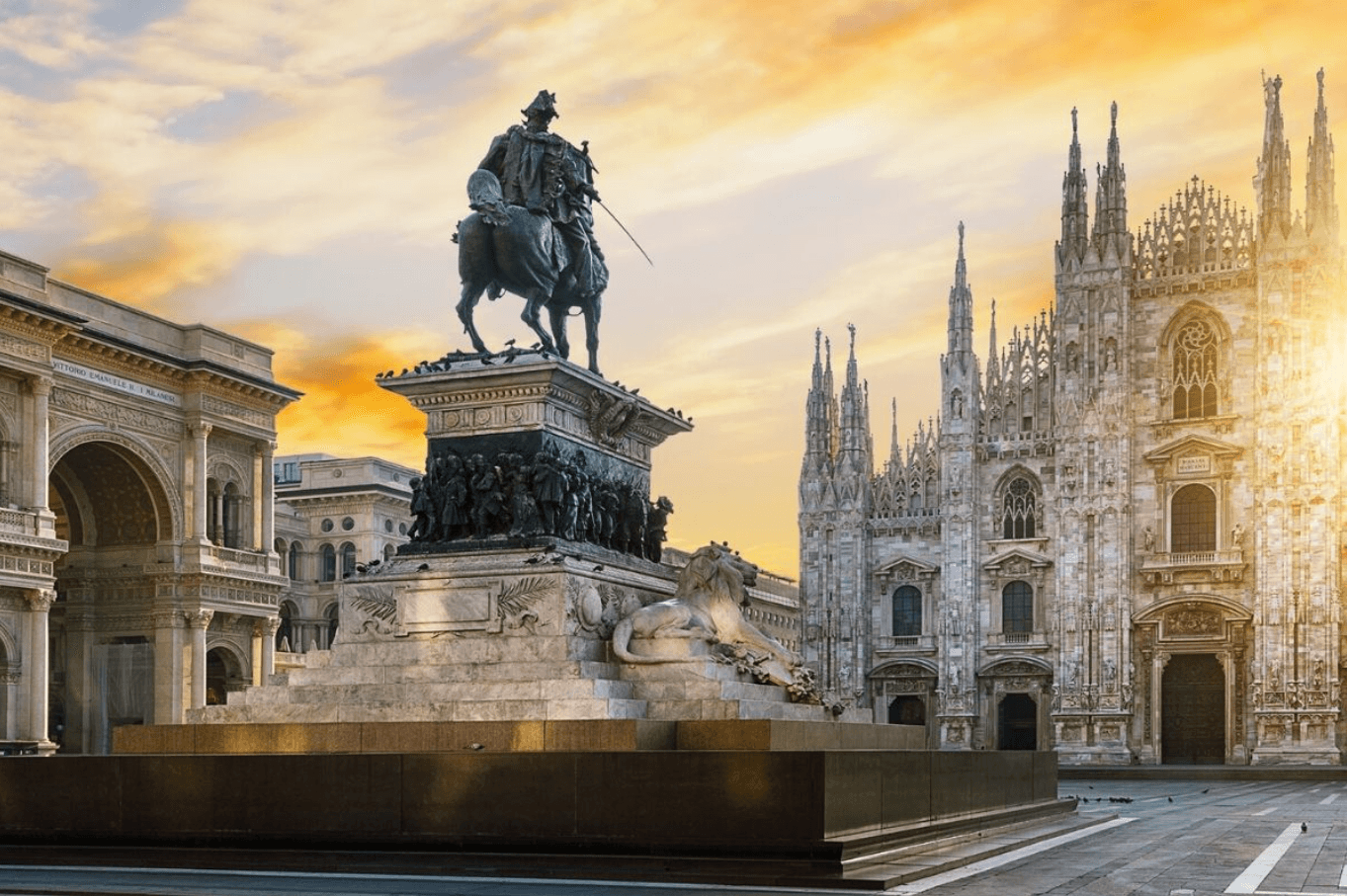
  • Milan

    — Italy's fashion and design capital, home to the Duomo and da Vinci's Last Supper.

More things to do in ItalyTap to see related guides
Italy accommodation

Where to Stay

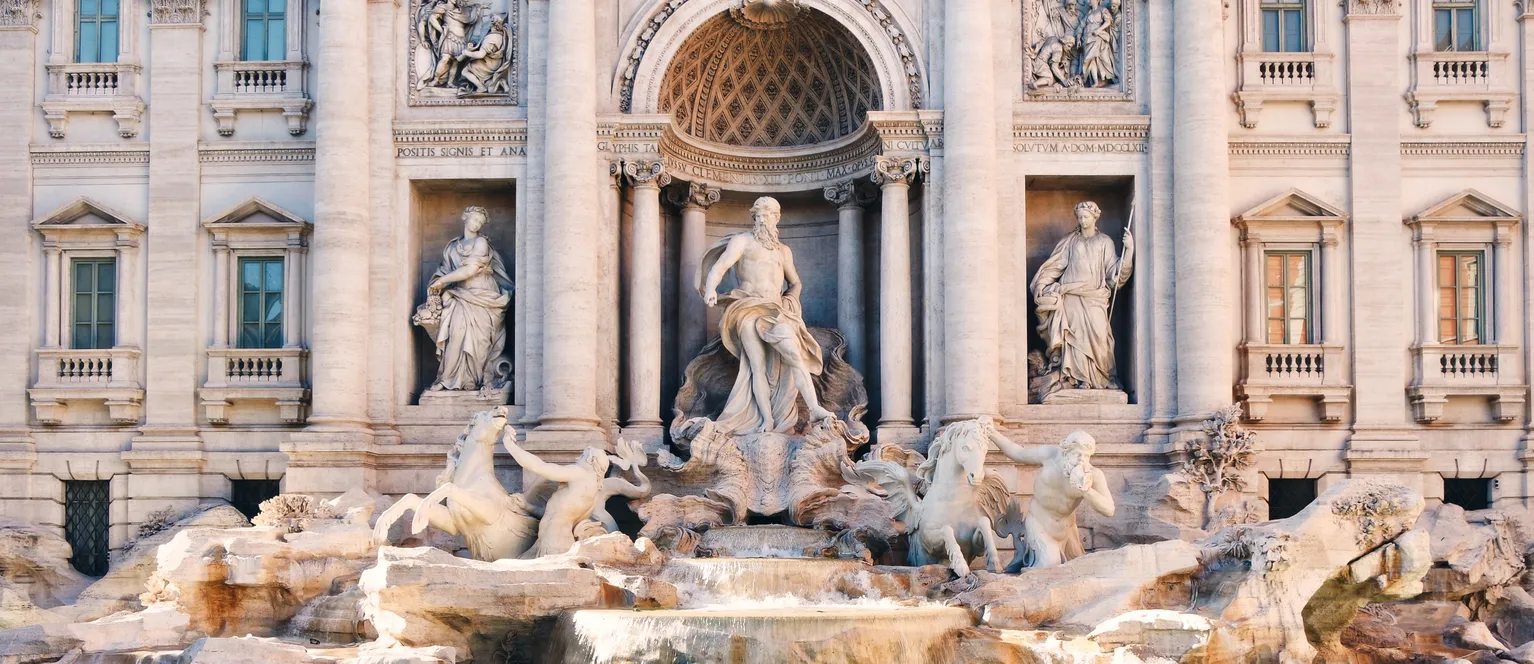
TraveliciousBites recommends Rome's Centro Storico for first-time visitors, putting the Pantheon, Trevi Fountain, and major sights within walking distance.

Venice's San Marco district offers the most central base despite premium pricing, while Cannaregio provides a quieter, more local alternative.

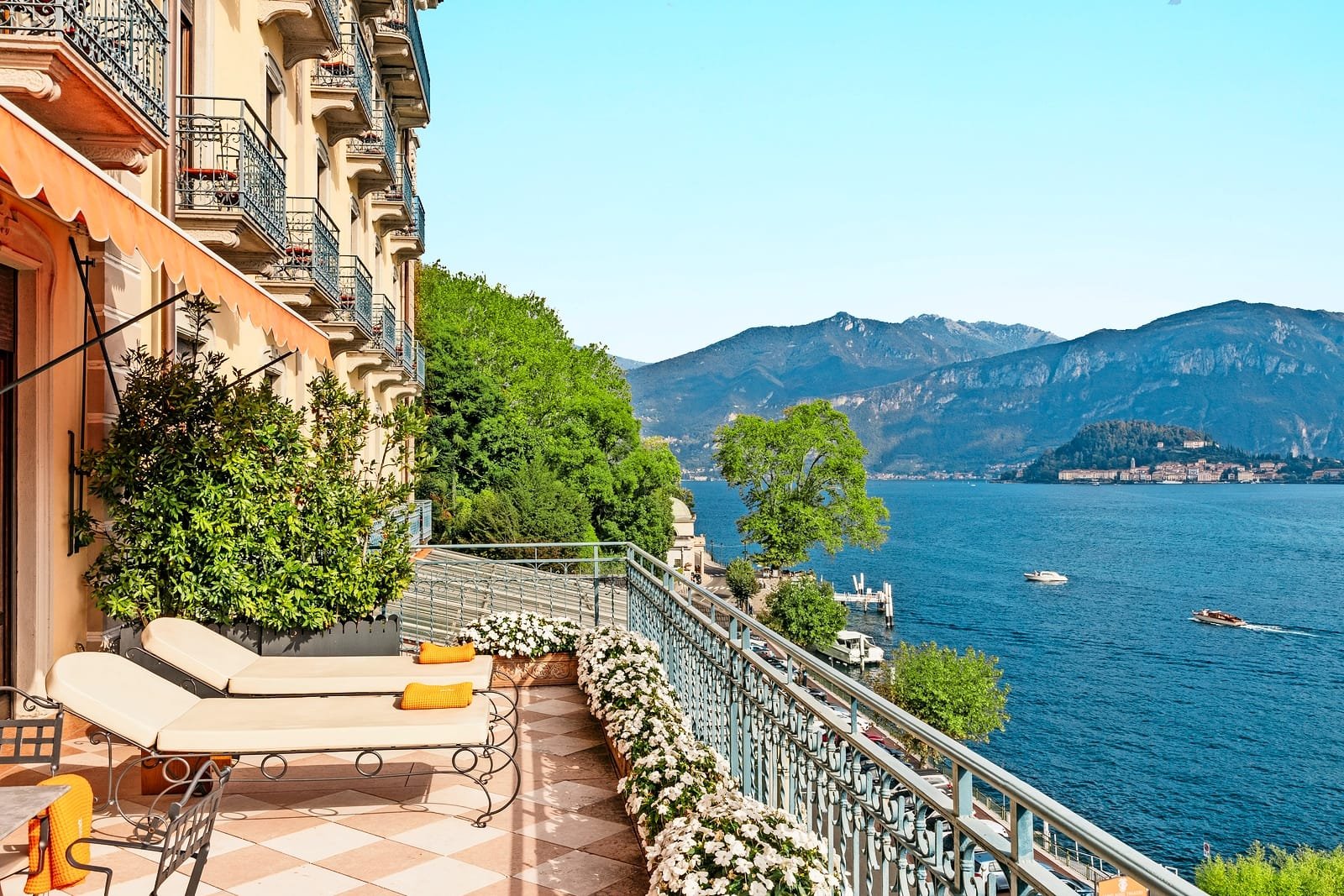
The Amalfi Coast rewards choosing one town as a base — Positano for glamour, Amalfi for convenience — rather than attempting to see the whole coast from a single stop.

Italy hotels and places to stayTap to see related guides

Food and Dining

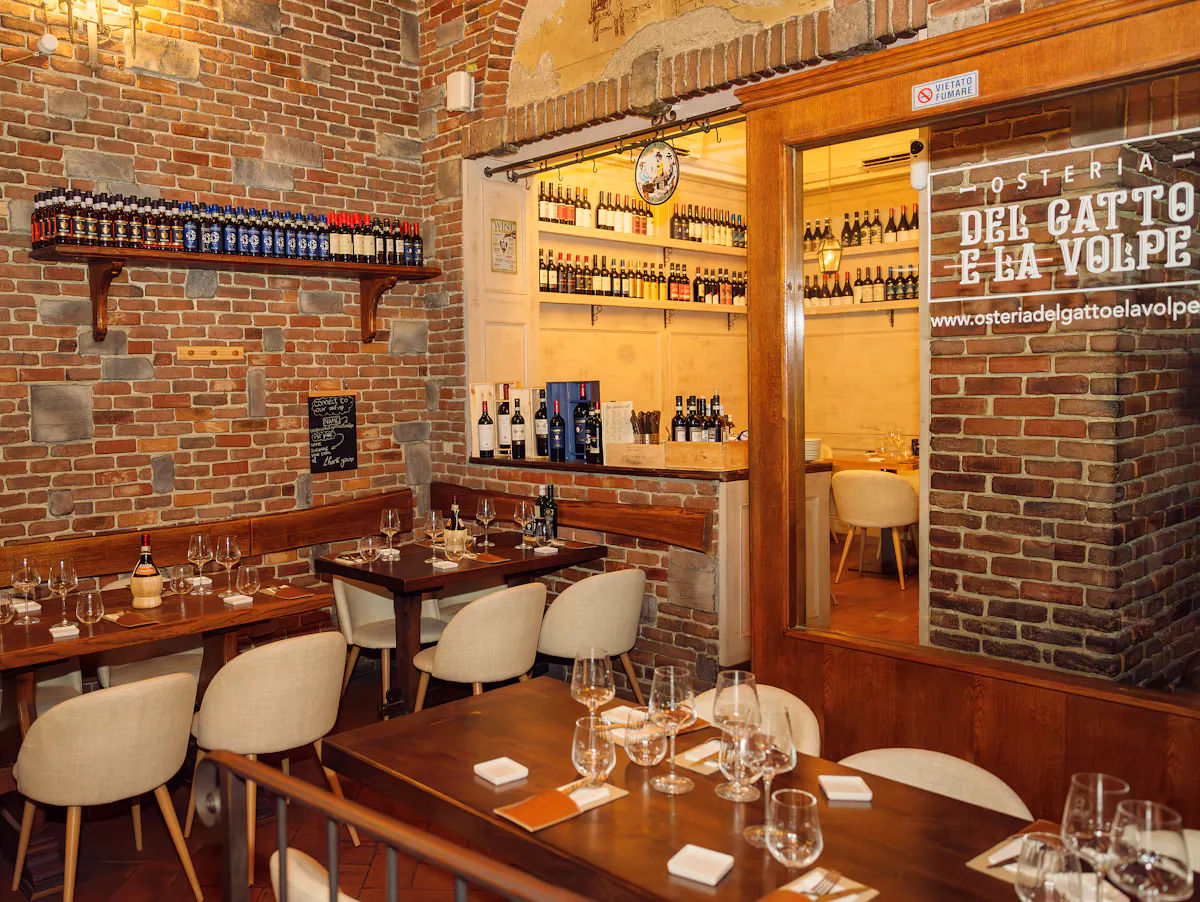
Italian cuisine varies dramatically by region, from Rome's pasta classics like carbonara and cacio e pepe to Naples' original pizza and the Amalfi Coast's fresh seafood and lemon-based dishes.

Milan's food scene reflects its wealth and sophistication, with a strong aperitivo culture built around pre-dinner drinks and small bites.

Regional wine pairs naturally with each area's cuisine, from Tuscany's Chianti to Piedmont's Barolo further north.

Italy food and dining articlesTap to see related guides

Getting There and Around

Direct flights from major US hubs reach Rome or Milan in 9–11 hours. Italy's high-speed Frecciarossa trains connect major cities efficiently, reaching Florence from Rome in about 1.5 hours and Venice in under 4 hours from Rome.

City centers throughout Italy are generally walkable once you arrive, though Rome's size makes its metro useful for longer crossings. Renting a car becomes valuable for the Amalfi Coast and Tuscan countryside, both poorly served by rail, though Italy's narrow coastal roads require confident driving.

Italy transport and arrival guidesTap to see related guides

How Much Does a Trip to Italy Cost

Budget$1,800–$2,500Hostels & budget rail travel
Luxury$5,500+Amalfi Coast stays & fine dining

A 12-day Italy trip covering Rome, Florence, and Venice typically runs $2,500–$3,800 per person mid-range, including flights, trains, accommodation, and dining. The Amalfi Coast and Cinque Terre both run considerably more expensive per night than the major cities, given limited accommodation supply in each.

Italy budget and trip-planning articlesTap to see related guides

Local Tips

  • Book the Vatican Museums and Colosseum online well ahead of your visit, since both routinely sell out same-day tickets.
  • Validate any paper train tickets before boarding, since Italy's rail system still fines unvalidated tickets during checks.
  • Dress modestly when visiting churches, since bare shoulders and knees are often turned away.

Practical Essentials for Italy

  • Italy uses European-style two-pin plugs at 230V, so US travelers need a plug adapter and, for some devices, a voltage converter.

  • Mobile data works reliably throughout the country, and a European eSIM purchased before departure typically beats roaming charges through a US carrier.

  • Tipping in Italy runs lighter than in the US, with rounding up considered generous, since a coperto (cover charge) is often already added to restaurant bills.

  • Tap water is safe to drink throughout Italy.

Advertisement

Latest from Italy

Frequently Asked Questions About Italy

Answers below draw on the same research TraveliciousBites uses across every destination and category guide.

What is the best time of year to visit Italy?

April–June and September–October offer Italy's most comfortable weather, avoiding summer's intense heat and peak crowds.

How many days do you need for an Italy trip?

Plan 10–14 days to cover a multi-city route through Rome, Florence, and Venice without rushing.

Is it better to fly or take the train within Italy?

Italy's high-speed Frecciarossa trains often prove more convenient than flying for routes like Rome to Florence or Venice, given short journey times.

Do I need to book the Vatican Museums in advance?

Yes, book the Vatican Museums and Colosseum online well ahead of your visit, since both routinely sell out same-day tickets.

Is tap water safe to drink in Italy?

Yes, tap water is safe to drink throughout Italy, so bringing a refillable bottle saves money over buying bottled water.

Is the Amalfi Coast worth adding to an Italy itinerary?

Yes, the Amalfi Coast offers dramatic cliffside towns and coastline distinct from Italy's major cities, though it runs more expensive and requires careful driving.

What is Italy known for food-wise?

Italy is known for regional specialties like Rome's pasta classics, Naples' original pizza, and Tuscany's wine, varying significantly by area.

Is Italy expensive to visit?

A 12-day multi-city Italy trip typically runs $2,500–$3,800 per person mid-range, with the Amalfi Coast and Cinque Terre running more expensive per night.

Do I need a car in Italy?

A car is unnecessary for Rome, Florence, or Venice, but becomes valuable for the Amalfi Coast and Tuscan countryside, both poorly served by rail.

What should I wear when visiting Italian churches?

Dress modestly with covered shoulders and knees, since many churches turn away visitors in more revealing clothing.

Is Venice worth the higher prices?

Yes, Venice's unique canal-based layout and architecture make it worth experiencing at least once despite running more expensive than most other Italian cities.

What is the best way to see Cinque Terre?

A combination of hiking trails and the regional train line connects Cinque Terre's five villages, making both walking and train travel practical ways to explore.

Is it worth visiting Milan on an Italy trip?

Milan suits travelers interested in fashion, design, and da Vinci's Last Supper, though it offers a different, more modern experience than Rome, Florence, or Venice.

Advertisement