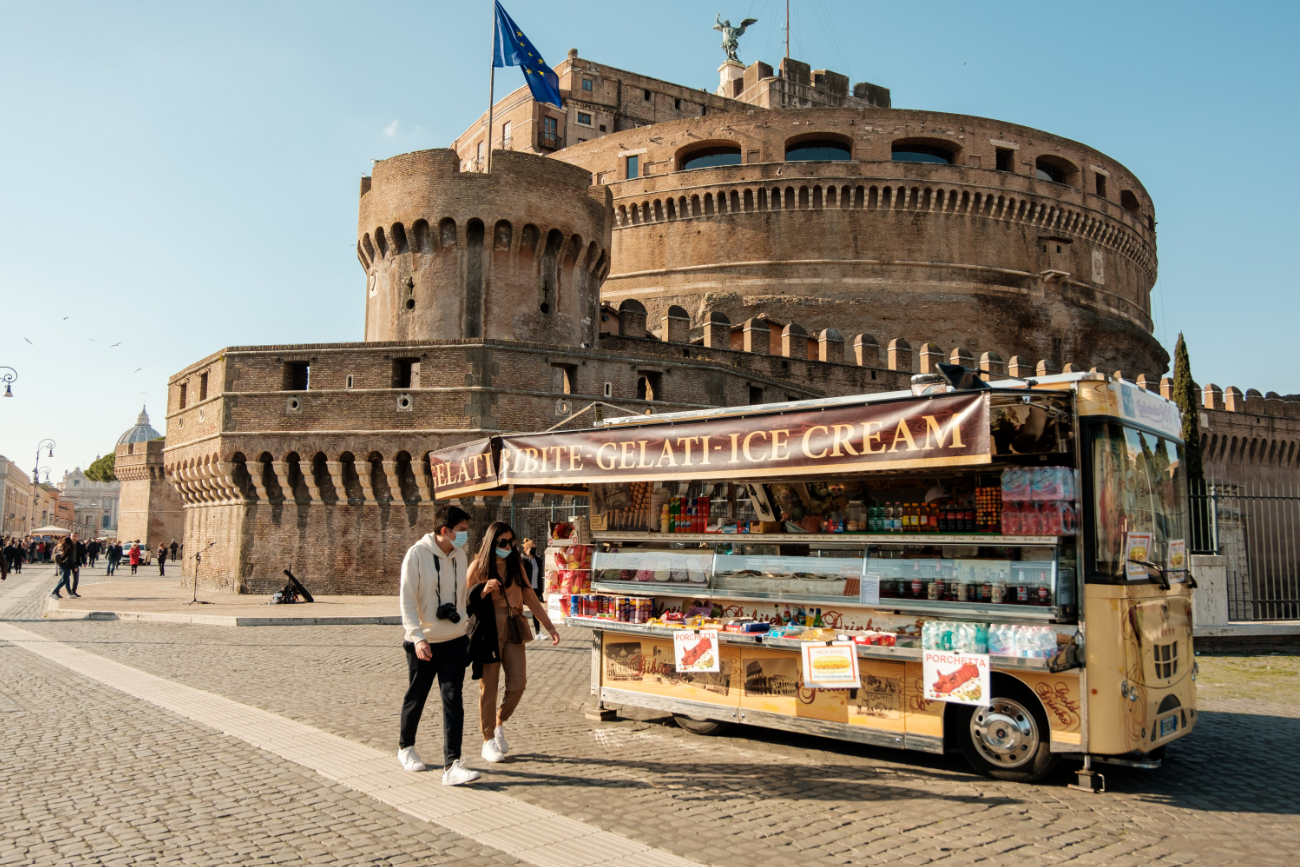
A rome food tour is one of the most enjoyable ways to discover the Italian capital beyond its famous monuments. Rome's culinary identity is built around simple ingredients, traditional recipes, neighbourhood markets and family-run trattorias. From creamy carbonara and crispy supplì to freshly baked pizza al taglio and artisan gelato, every stop offers a taste of local life. The best rome food tour combines food tasting with stories about Roman culture, regional ingredients and the neighbourhoods where residents eat.
Trastevere is ideal for atmospheric evening walks, Testaccio offers a closer look at traditional market culture, and the historic centre is convenient for first-time visitors. Choosing the right route helps you enjoy more than a meal: it gives you a deeper understanding of Rome through its food.
Also Read - 15 Best Restaurants in Rome (Local-Approved & Tourist-Friendly!)
This post contains affiliate links. If you choose to book through them, a small commission may be earned at no additional cost to you. Your support genuinely helps keep the blog running and allows continued creation of high-quality travel guides. Thank you for being here and supporting this journey.
1. Explore Trastevere: Traditional Food and Evening Atmosphere
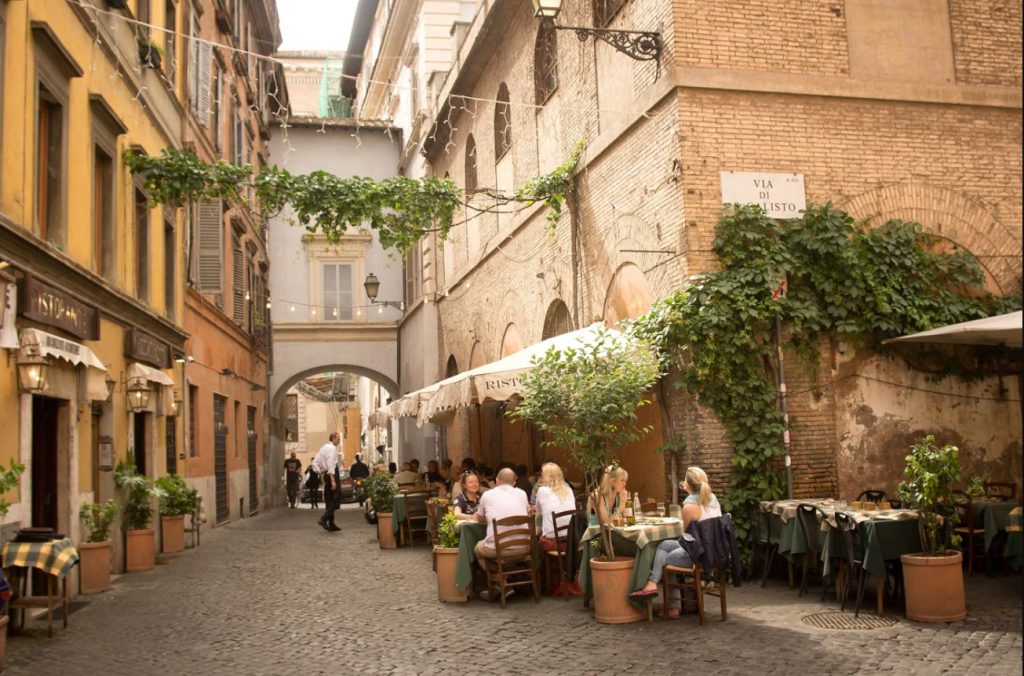
Trastevere is one of the most atmospheric neighbourhoods for a rome food tour, with cobbled lanes, traditional trattorias, wine bars and small food shops. Its lively evening atmosphere makes it particularly appealing to first-time visitors who want to combine food with sightseeing.
What to taste: Supplì, pizza al taglio, pasta dishes, porchetta sandwiches and gelato.
Experience to look for: A guided walking tour that includes several tastings and explains the difference between everyday Roman food and dishes adapted for tourists.
Trastevere is ideal for couples and travellers who enjoy social dining. It can become busy after sunset, so a small-group tour may provide a more comfortable experience. A well-planned rome food tour here should include a mixture of street-food counters and traditional establishments rather than relying entirely on restaurant stops.
2. Visit Testaccio Market: Where Food Meets Local Life
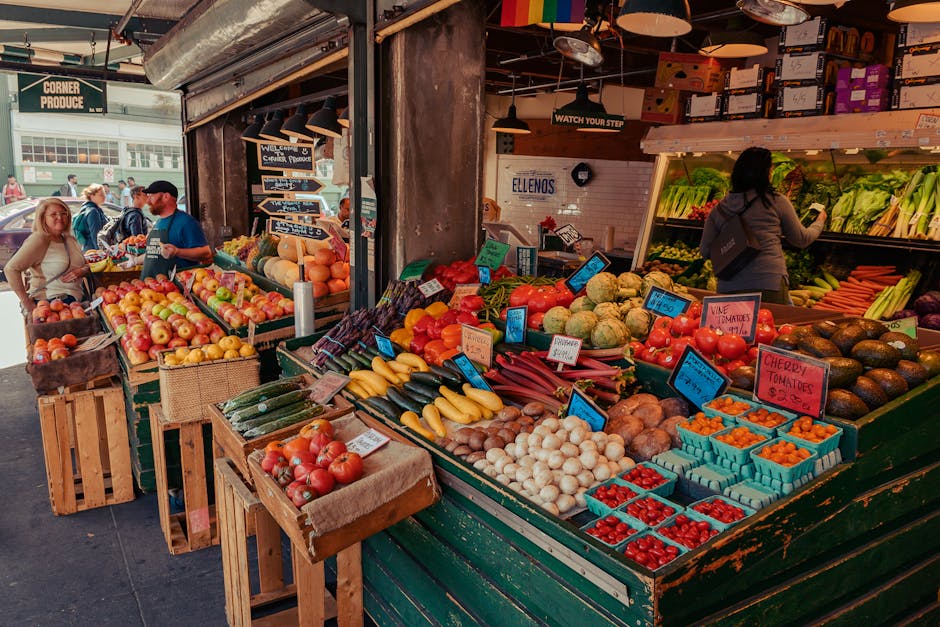
For a more market-focused rome food tour, head to Testaccio, a neighbourhood with strong connections to traditional Roman cooking. Mercato Testaccio combines fresh produce, butcher counters, specialist food stalls and places to eat.
What to taste: Pizza bianca, Roman sandwiches, cheeses, cured meats and seasonal produce. Some stalls serve dishes inspired by Rome's traditional offal-based cuisine.
Best time to visit: Morning or lunchtime, when the market is operating.
Testaccio is especially valuable for visitors who want to understand the ingredients and food traditions behind Roman dishes. Market hours and individual stall schedules can differ, so check the latest information before travelling. Compared with the historic centre, this rome food tour experience can feel more connected to everyday neighbourhood life.
3. Try Carbonara, Rome's Iconic Pasta Dish
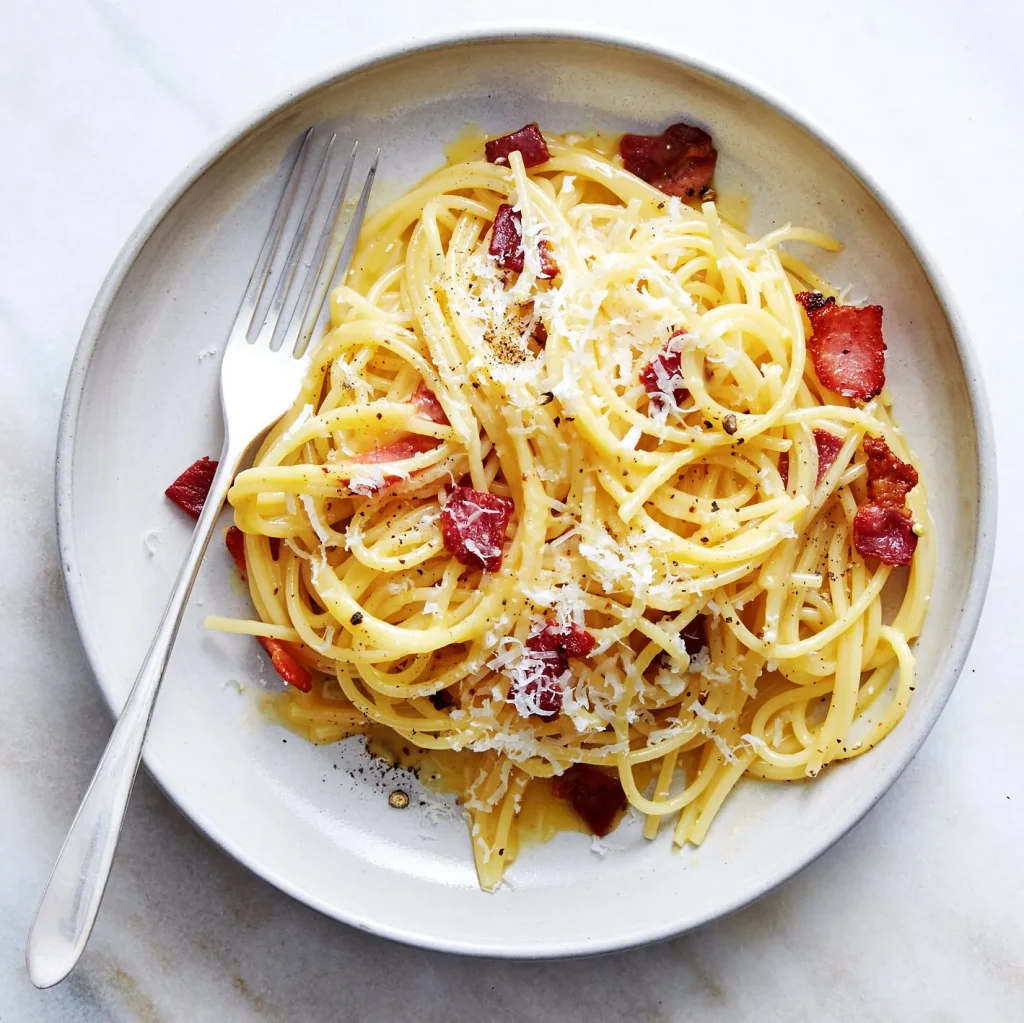
No rome food tour is complete without sampling carbonara, one of the city's most recognisable pasta dishes. The traditional recipe uses pasta, eggs, Pecorino Romano cheese, guanciale and black pepper. Authentic versions generally do not rely on cream.
The sauce should be smooth and glossy rather than heavy. Its texture comes from carefully combining the egg-and-cheese mixture with hot pasta and cooking water.
Where to try it: Look for a traditional trattoria in Testaccio, Trastevere or another established neighbourhood known for Roman cooking.
Ordering tip: Ask whether the restaurant prepares carbonara using guanciale and Pecorino Romano if you want to try a traditional version.
A good rome food tour explains why a dish that appears simple can depend so heavily on ingredient quality and technique. Compare carbonara with other local pasta classics to understand how Roman cooks create different flavours from a relatively small collection of ingredients.
4. Taste Cacio e Pepe and Amatriciana
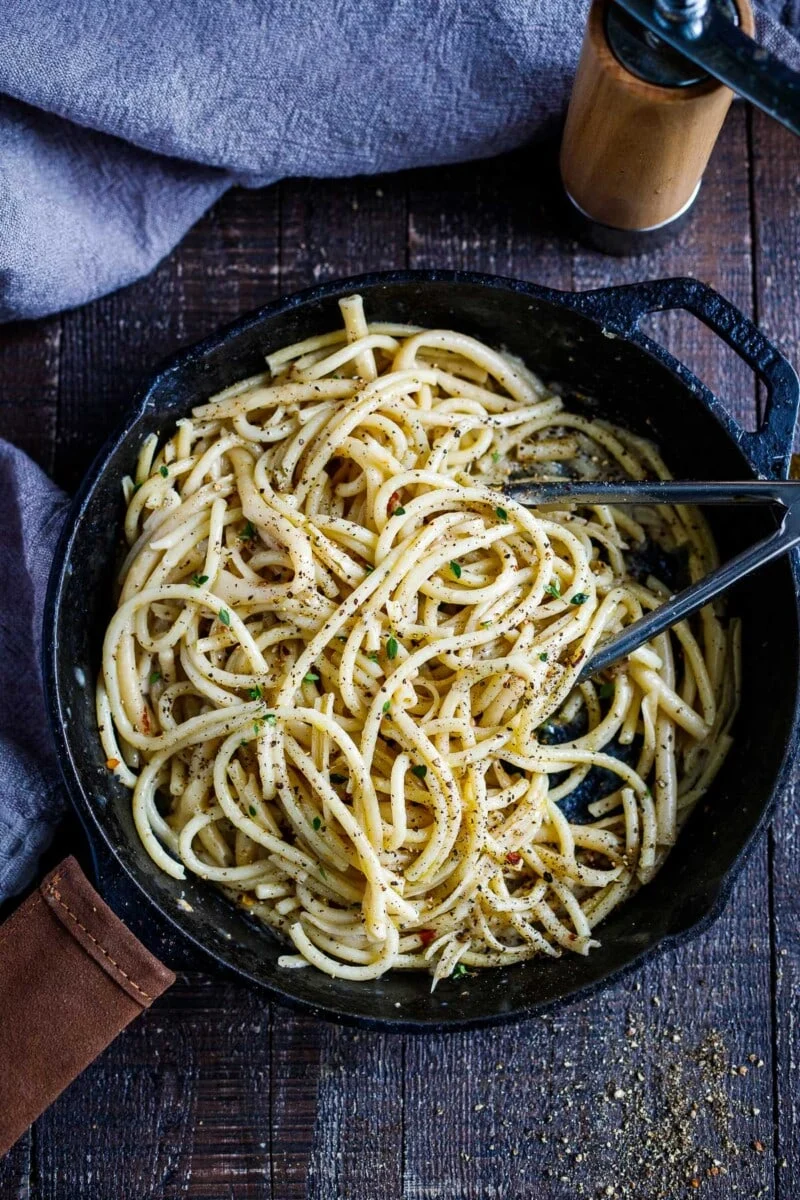
A second pasta stop adds depth to a rome food tour. Cacio e pepe combines pasta, Pecorino Romano and black pepper, while amatriciana traditionally features tomato, guanciale and Pecorino Romano.
Cacio e pepe: Its defining feature is a creamy texture created without conventional cream. Getting the emulsion right requires careful control of heat and cheese.
Amatriciana: The combination of tomato, cured pork and cheese creates a richer, tangier flavour.
These dishes demonstrate the importance of technique in Roman cuisine. Restaurants may offer different pasta shapes, but tonnarelli and spaghetti are common choices for these recipes.
When comparing eateries on your rome food tour, look for menus that focus on a few Roman specialities rather than offering an enormous range of unrelated international dishes. A smaller, carefully prepared menu can be a useful sign of a kitchen with a clear culinary identity.
5. Sample Supplì and Roman Street Food
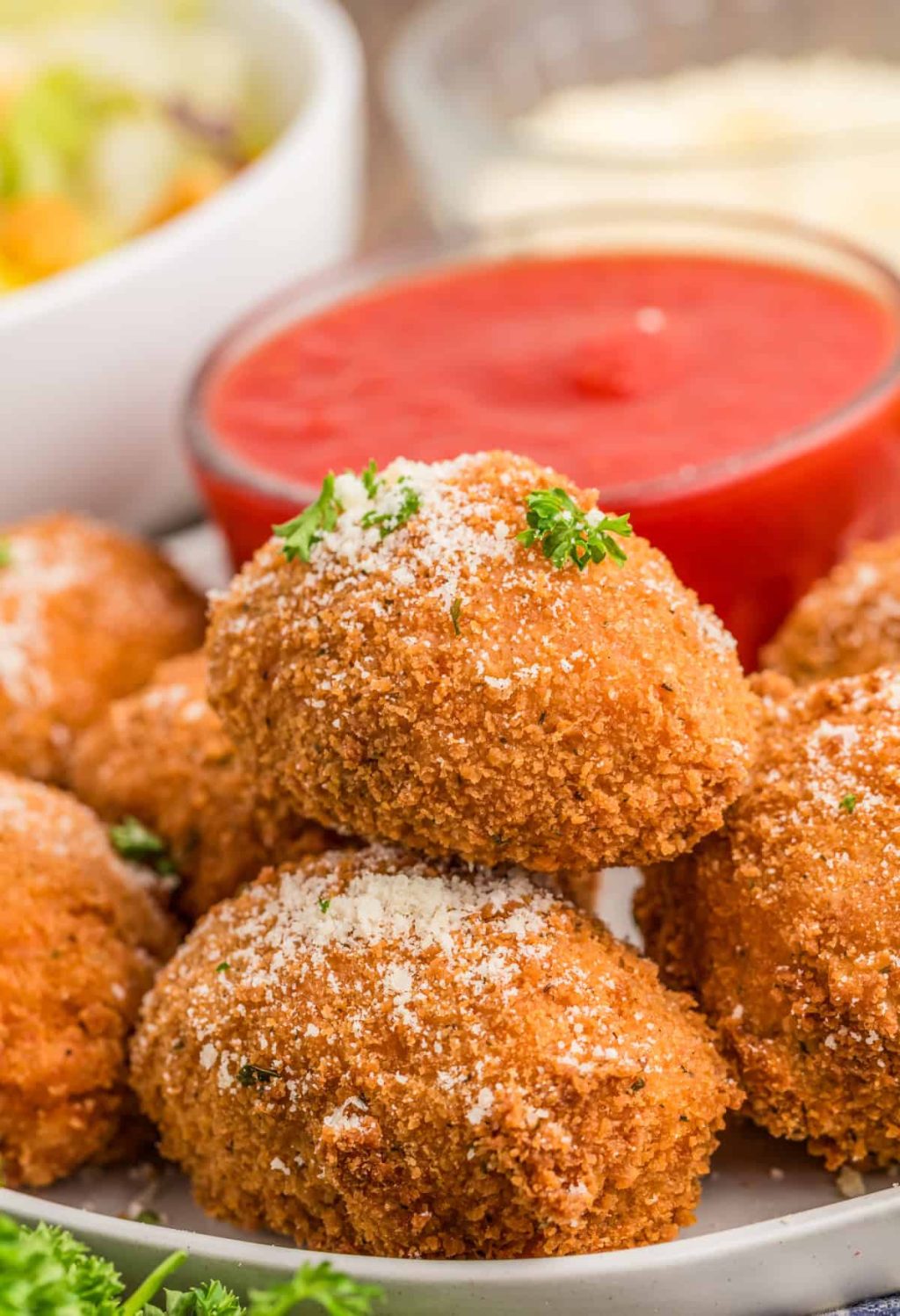
Supplì is a classic Roman snack made from a rice mixture, commonly with tomato sauce, shaped into an oval, coated in breadcrumbs and fried. A traditional version often contains mozzarella, which stretches when the snack is broken open.
It is an excellent choice for a street-food-focused food tour, especially when you want a quick bite between attractions.
Other foods worth looking for include:
- Pizza al taglio: Rectangular pizza sold by the slice or by weight, with toppings that vary by bakery.
- Pizza bianca: A simple Roman flatbread, often eaten plain or filled with mortadella.
- Trapizzino: A triangular pocket made from pizza dough and filled with traditional Roman-style stews.
- Filetti di baccalà: Fried battered salt cod, associated with Rome's culinary traditions.
For the best experience, buy street food from busy specialist shops where items are freshly prepared. A balanced rome food tour includes different textures and flavours instead of filling up on several similar fried snacks.
6. Discover Roman-Jewish Cuisine in the Historic Centre
The Jewish Ghetto offers a distinctive food experience for visitors who want to explore the historical influences behind Rome's cuisine. The area's Jewish-Roman culinary tradition includes dishes that have developed over generations.
What to taste: Carciofi alla giudia, a preparation of artichokes traditionally fried until crisp, and filetti di baccalà. Seasonal menus may include other local specialities.
Artichokes are particularly associated with Roman cooking, but availability varies throughout the year. Spring is generally a rewarding season to look for fresh artichoke dishes.
A guided rome food tour through this area can connect culinary traditions with the neighbourhood's history and architecture. Visitors should be respectful when exploring religious and cultural sites, and should distinguish restaurants serving traditional Jewish-Roman cuisine from establishments simply using the neighbourhood's name for marketing.
7. Explore Campo de' Fiori and Its Food Market
Campo de' Fiori is a historic square known for its open-air market, where visitors can browse produce, herbs, flowers, cheeses and other food products. It can be a convenient stop on a central rome food tour because it sits within walking distance of several major sights.
What to do: Arrive in the morning, browse the stalls and observe the ingredients commonly used in Italian cooking.
What to know: The market is primarily a daytime experience. It is not the same as a dedicated indoor food hall, and stall offerings vary.
The square is also a popular visitor destination, so not every stall is aimed at local shoppers. Browse thoughtfully and compare prices before purchasing packaged goods or souvenirs.
A central rome food tour can combine Campo de' Fiori with the Jewish Ghetto and nearby historic streets, making this route particularly practical if you have limited time in the city.
8. Finish with Authentic Italian Gelato
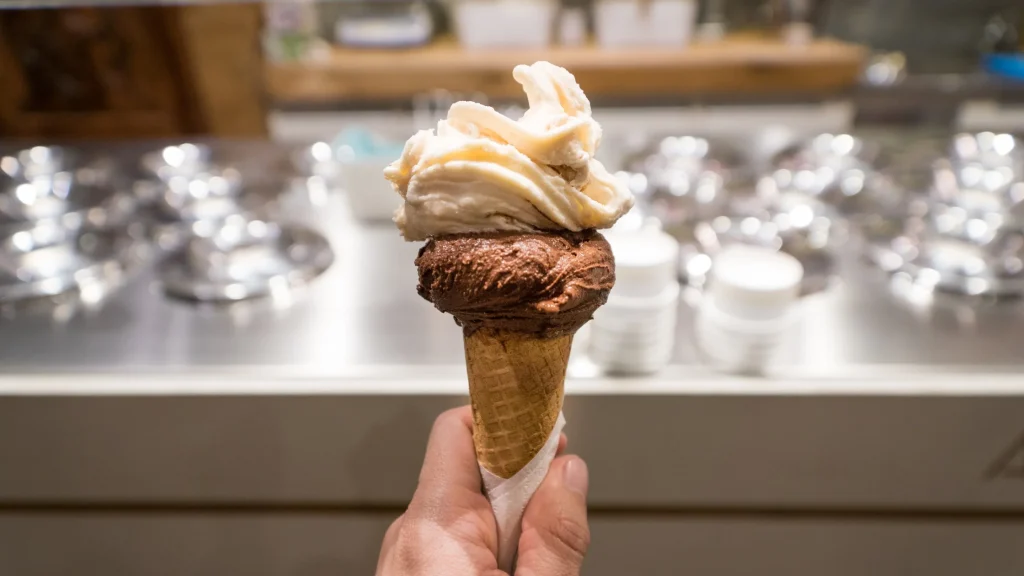
Gelato is an essential sweet stop on a food tour in Rome, especially after several savoury tastings. Although gelato resembles ice cream, its texture, serving temperature and preparation methods can differ.
Flavours to try: Pistachio, hazelnut, chocolate, stracciatella and seasonal fruit flavours.
How to choose a gelateria: Look for clear ingredient information, a manageable selection of flavours and signs that products are prepared and stored carefully. Bright colours alone do not establish quality, particularly with fruit flavours.
Ask about allergens if you have dietary restrictions. Some gelaterias offer dairy-free fruit sorbets, but ingredients and cross-contact practices vary.
A final gelato stop provides a pleasant ending to a food tour, and it is worth allowing time to sit down rather than rushing immediately to the next attraction.
9. Choose Between a Guided Tour and a Self-Guided Route
A guided food tour is useful for visitors who want a planned route, tastings and explanations of local food traditions. A guide may introduce smaller establishments, explain unfamiliar dishes and help with ordering.
Guided tours suit you if:
- You are visiting Rome for the first time.
- You want several tastings in a short period.
- You are interested in food history and neighbourhood culture.
- You prefer a fixed itinerary and organised group experience.
A self-guided route suits you if:
- You prefer to choose your own pace.
- You have specific dietary needs.
- You want to spend more time in markets or specialist shops.
- You enjoy discovering restaurants independently.
Before booking a rome food tour, check the duration, number of tastings, group size, drinks policy, walking distance and cancellation conditions. Food tastings do not always include a full meal, and alcoholic drinks may cost extra. Prices vary by operator and season, so check the current listing instead of relying on old guidebook estimates.
10. Practical Tips for Planning Your Rome Food Tour
A little preparation can make a rome food tour more enjoyable and help you avoid common mistakes.
- Choose your neighbourhood: Trastevere works well for an atmospheric evening; Testaccio is a strong choice for market culture and traditional food.
- Check opening hours: Markets and individual food shops may close on Sundays or operate limited hours.
- Arrive hungry: Several tastings can add up to a substantial meal.
- Mention dietary requirements: Tell the operator about allergies or restrictions before booking, and confirm what can be accommodated.
- Wear comfortable shoes: Many tours involve walking on cobbled streets and standing at food counters.
- Check what is included: Confirm the number of tastings, drinks and sit-down courses.
- Respect local dining customs: Some establishments have limited seating or expect customers to order at the counter.
For the strongest experience, plan your rome food tour around a few neighbourhoods rather than trying to cross the entire city for every tasting. This gives you more time to enjoy the food and understand the places you visit.
Final Thoughts
A rome food tour offers much more than a list of dishes to sample. It introduces the character of Roman neighbourhoods, the role of markets in daily life and the traditions behind pasta, fried snacks, seasonal vegetables and gelato.
Trastevere is ideal for an atmospheric evening, Testaccio for a market-centred experience, and the historic centre for Roman-Jewish cuisine and convenient sightseeing. Choose a guided tour if you want expert explanations and an organised route, or create your own itinerary if flexibility matters most.
Ultimately, the best rome food tour is one that balances iconic dishes with local discoveries. Take your time, ask questions about the food and leave room for an unexpected bakery, trattoria or gelateria along the way.



Comments 0
Only approved comments are shown here.