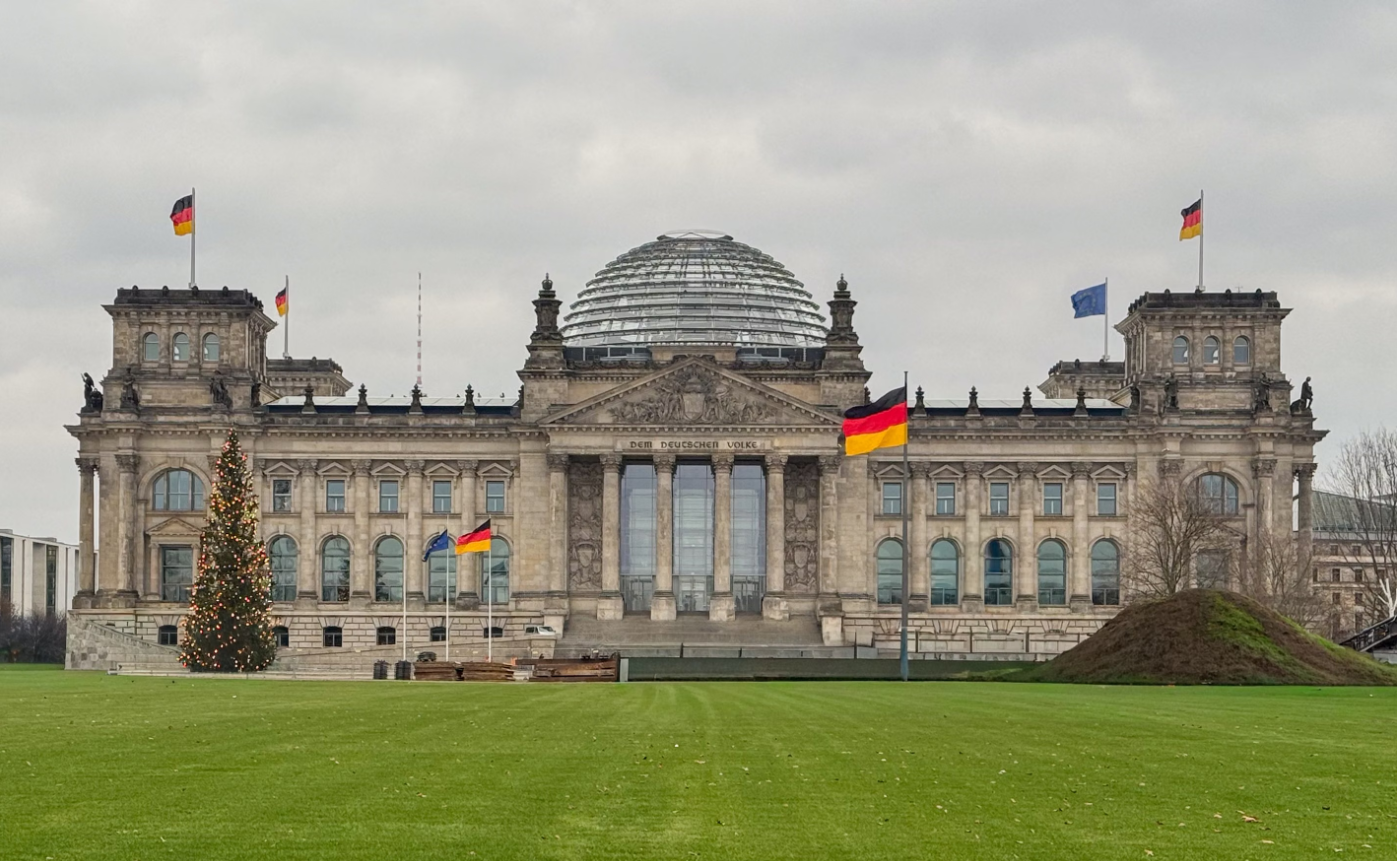
Berlin is a city where every street, monument, and memorial tells a remarkable story. From the rise and fall of empires to the Cold War and Germany's reunification, the German capital preserves centuries of history through its world-famous landmarks. Exploring Berlin historical sites offers visitors an opportunity to understand the events that shaped not only Germany but also modern Europe. Grand neoclassical monuments stand alongside moving memorials and preserved sections of the Berlin Wall, creating a unique journey through triumph, tragedy, and resilience.
Whether you're passionate about World War II history, Cold War landmarks, or architectural heritage, the most significant historical places in Berlin Germany provide unforgettable insights into one of Europe's most influential cities.
This post contains affiliate links. If you choose to book through them, a small commission may be earned at no additional cost to you. Your support genuinely helps keep the blog running and allows continued creation of high-quality travel guides. Thank you for being here and supporting this journey.
1. Visit the Brandenburg Gate
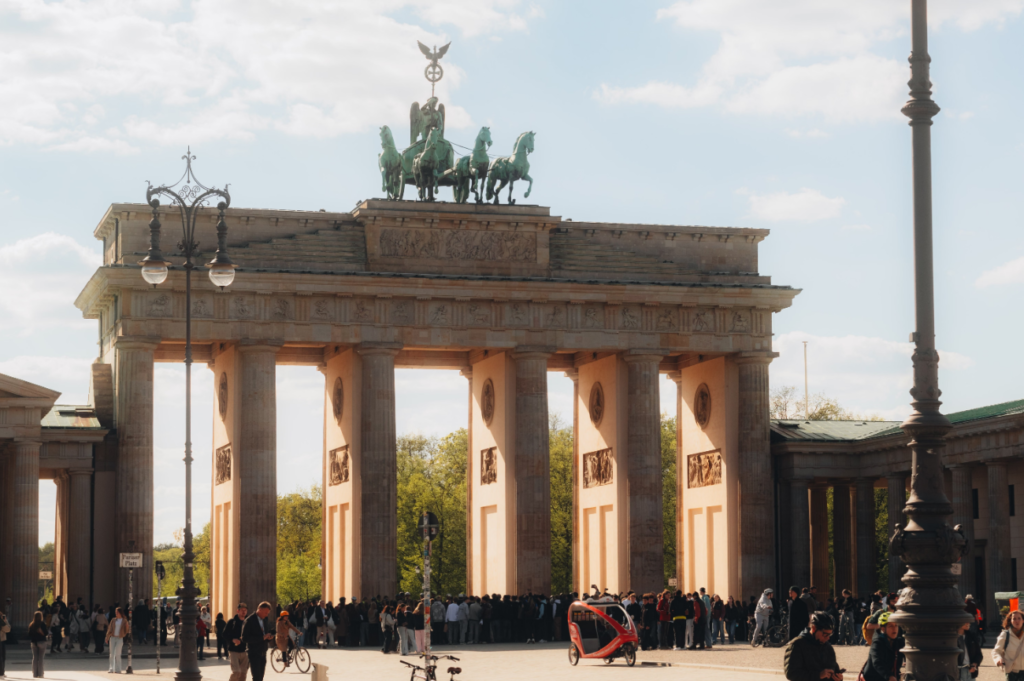
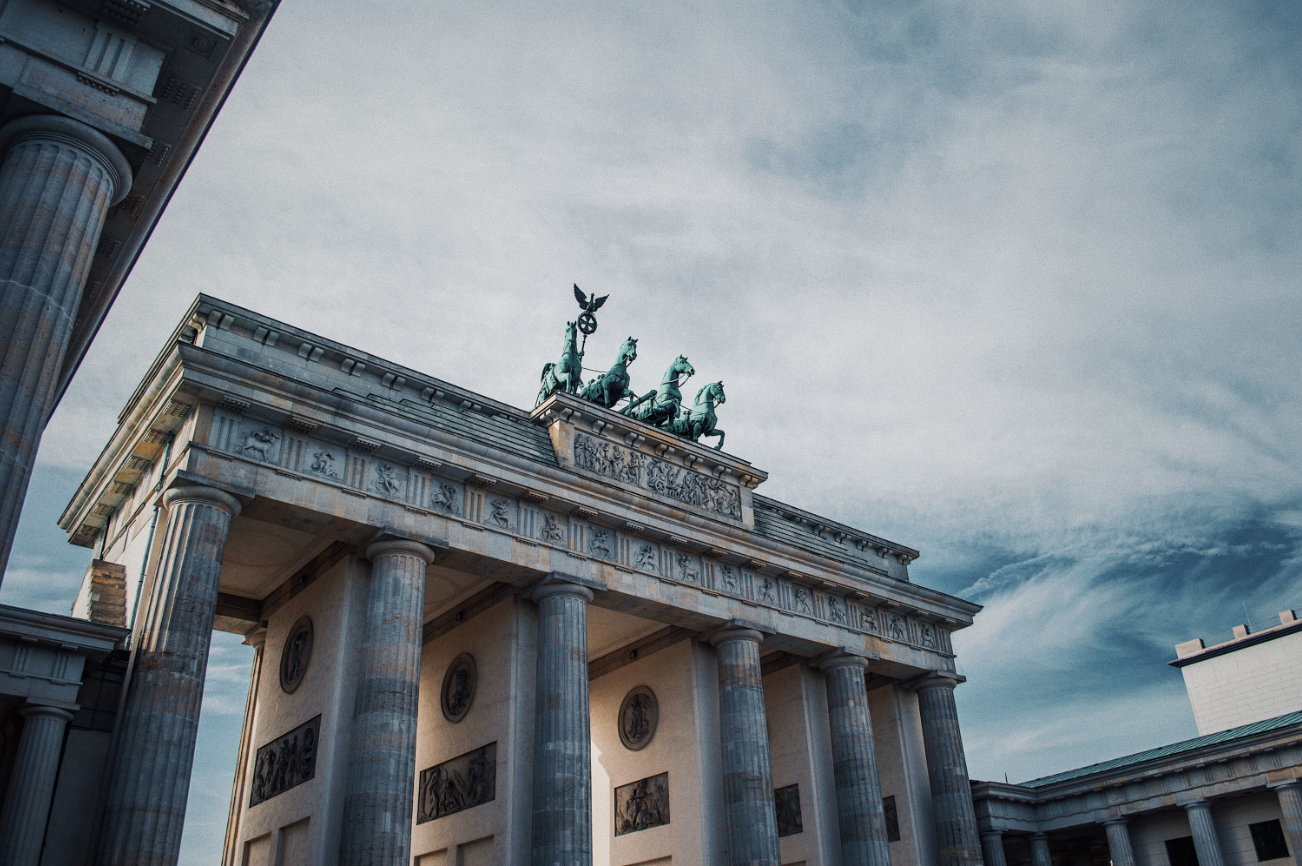
Among all Berlin historical sites, the Brandenburg Gate remains the city's most recognisable landmark and a powerful symbol of German unity. Built between 1788 and 1791 under King Frederick William II, this magnificent neoclassical monument was inspired by the Propylaea of the Acropolis in Athens. During the Cold War, the gate stood within the restricted border zone created by the Berlin Wall, becoming a symbol of division between East and West Berlin.
Following the fall of the Wall in 1989, it emerged as a global symbol of peace, freedom, and reunification. Located at Pariser Platz, visitors can easily combine their visit with nearby attractions such as the Reichstag, Holocaust Memorial, and Tiergarten, making it one of Berlin's essential historical landmarks.
2. Explore the Berlin Wall Memorial
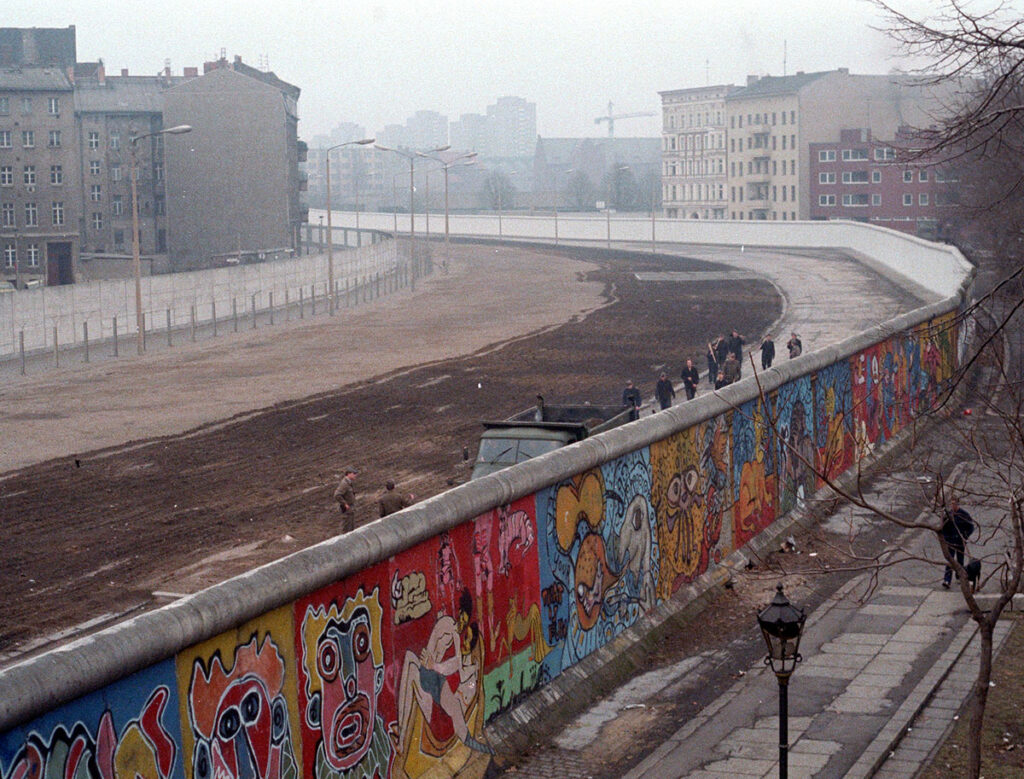
One of the most moving historical places in Berlin Germany is the Berlin Wall Memorial on Bernauer Straße. This preserved section of the former border offers visitors a powerful insight into the division that separated East and West Berlin from 1961 until 1989. The memorial includes an original stretch of the Berlin Wall, watchtower, border fortifications, documentation centre, and remembrance chapel dedicated to those who lost their lives attempting to cross the border.
Informative exhibitions, photographs, and multimedia presentations explain how the Wall affected everyday life for millions of Berliners. Visitors can also walk along parts of the Berlin Wall Trail, gaining a deeper understanding of one of the twentieth century's most significant political events.
3. Tour the Reichstag Building
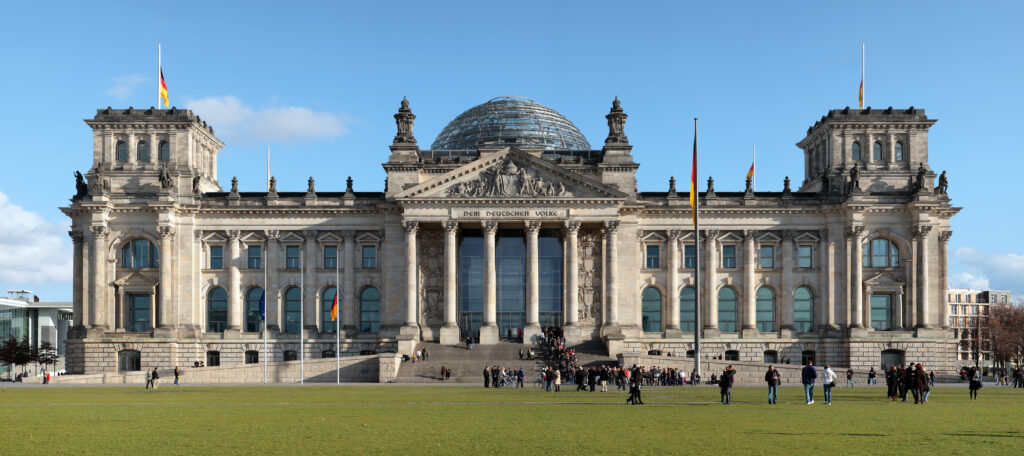
The Reichstag Building is one of the most significant Berlin historical sites, serving as the home of Germany's Parliament (Bundestag). Completed in 1894, the building has witnessed many defining moments in German history, including the infamous Reichstag Fire of 1933, extensive wartime damage, and its remarkable reconstruction following reunification. Today, architect Sir Norman Foster's striking glass dome symbolises transparency in Germany's modern democracy.
Visitors who reserve free tickets in advance can explore the rooftop terrace, walk through the dome, and enjoy spectacular panoramic views across Berlin's skyline. Interactive displays explain the history of German democracy and the building's transformation from imperial parliament to one of Europe's most iconic government buildings.
4. Discover Checkpoint Charlie
Few historical places in Berlin Germany are as internationally recognised as Checkpoint Charlie, the most famous border crossing between East and West Berlin during the Cold War. Located on Friedrichstraße, this checkpoint became the principal crossing point for Allied personnel, diplomats, and foreign visitors between 1961 and 1990.
Today, visitors can view the reconstructed guardhouse, historical information panels, and nearby museums documenting dramatic escape attempts, espionage activities, and daily life in divided Berlin. Original photographs and preserved artefacts vividly illustrate the tension that existed during the Cold War, while the surrounding area continues to attract history enthusiasts from around the world interested in Berlin's extraordinary political past.
5. Reflect at the Holocaust Memorial
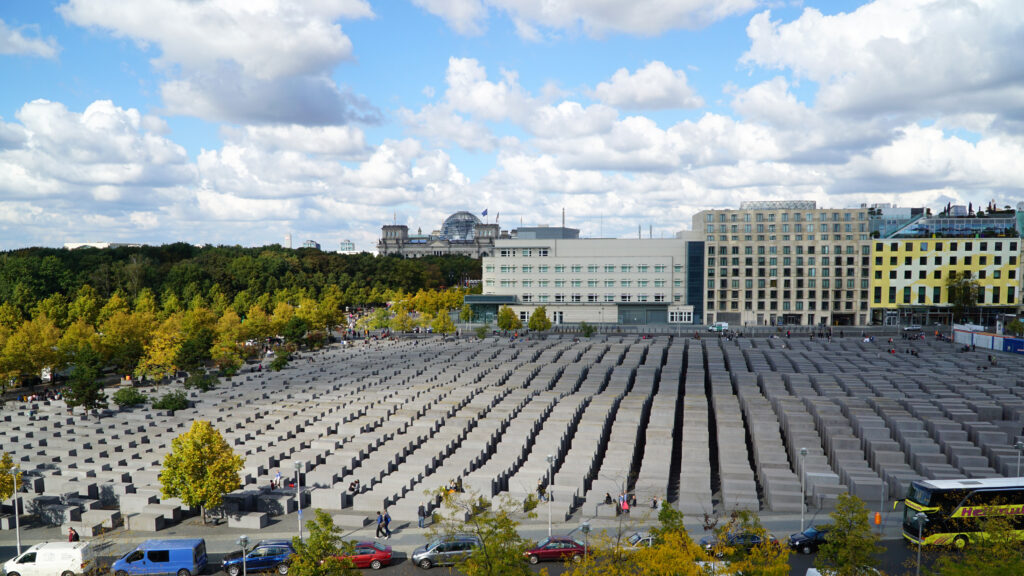
Among the most profound Berlin historical sites is the Memorial to the Murdered Jews of Europe, commonly known as the Holocaust Memorial. Located near the Brandenburg Gate, the memorial was inaugurated in 2005 and consists of 2,711 concrete stelae arranged across an undulating landscape designed by architect Peter Eisenman.
Walking through the towering stone blocks creates a powerful and deeply reflective experience that encourages visitors to contemplate the immense tragedy of the Holocaust. Beneath the memorial lies an Information Centre featuring personal stories, historical documents, photographs, and educational exhibitions that provide essential historical context. The memorial stands as one of Berlin's most important places of remembrance and education, attracting millions of visitors each year.
6. Explore Charlottenburg Palace
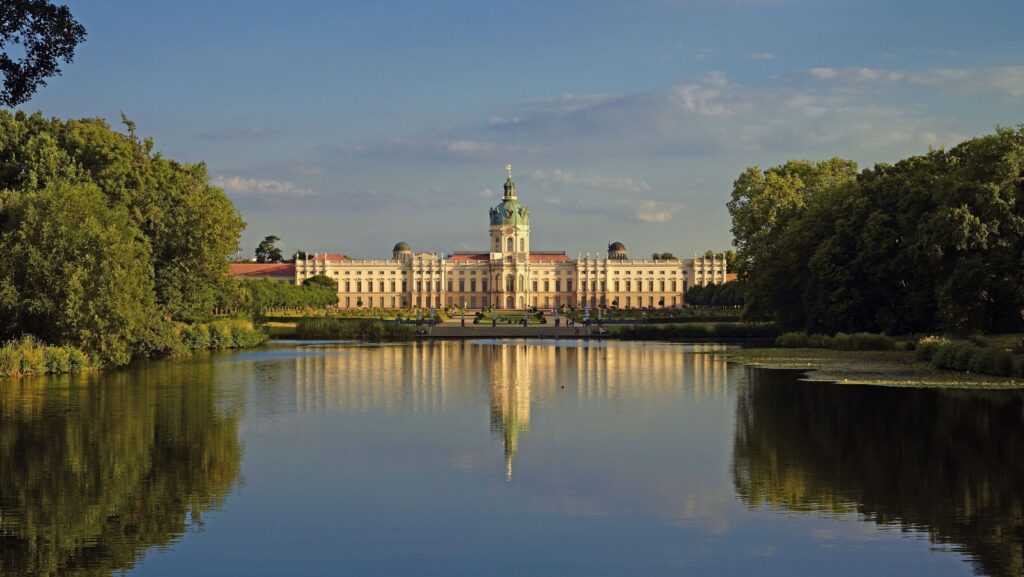
Among the grandest historical places in Berlin Germany, Charlottenburg Palace is the largest surviving royal palace in the city and a magnificent example of Baroque and Rococo architecture. Originally built in 1695 as the summer residence of Queen Sophie Charlotte, the palace later became the principal residence of Prussian royalty. Visitors can explore lavish State Apartments, the Golden Gallery, the Palace Chapel, and an impressive collection of royal porcelain and decorative arts.
Outside, beautifully landscaped gardens, inspired by the Palace of Versailles, feature elegant fountains, sculptures, and tranquil walking paths. The palace complex also includes the Belvedere Tea House and the New Pavilion, offering fascinating insights into Prussian royal life and Berlin's aristocratic heritage.
7. Visit Gendarmenmarkt
One of the most elegant Berlin historical sites is Gendarmenmarkt, widely regarded as Berlin's most beautiful public square. Developed during the late 17th and early 18th centuries, the square is surrounded by three architectural masterpieces: the French Cathedral (Französischer Dom), the German Cathedral (Deutscher Dom), and the magnificent Konzerthaus Berlin designed by Karl Friedrich Schinkel.
The square has witnessed centuries of political, cultural, and social events while remaining one of Berlin's most photographed landmarks. Throughout the year, Gendarmenmarkt hosts open-air concerts, cultural festivals, and one of Germany's most famous Christmas markets, combining historical significance with vibrant modern city life. Its harmonious architecture makes it an essential destination for visitors exploring Berlin's historic centre.
8. Discover Nikolaikirche & Nikolaiviertel
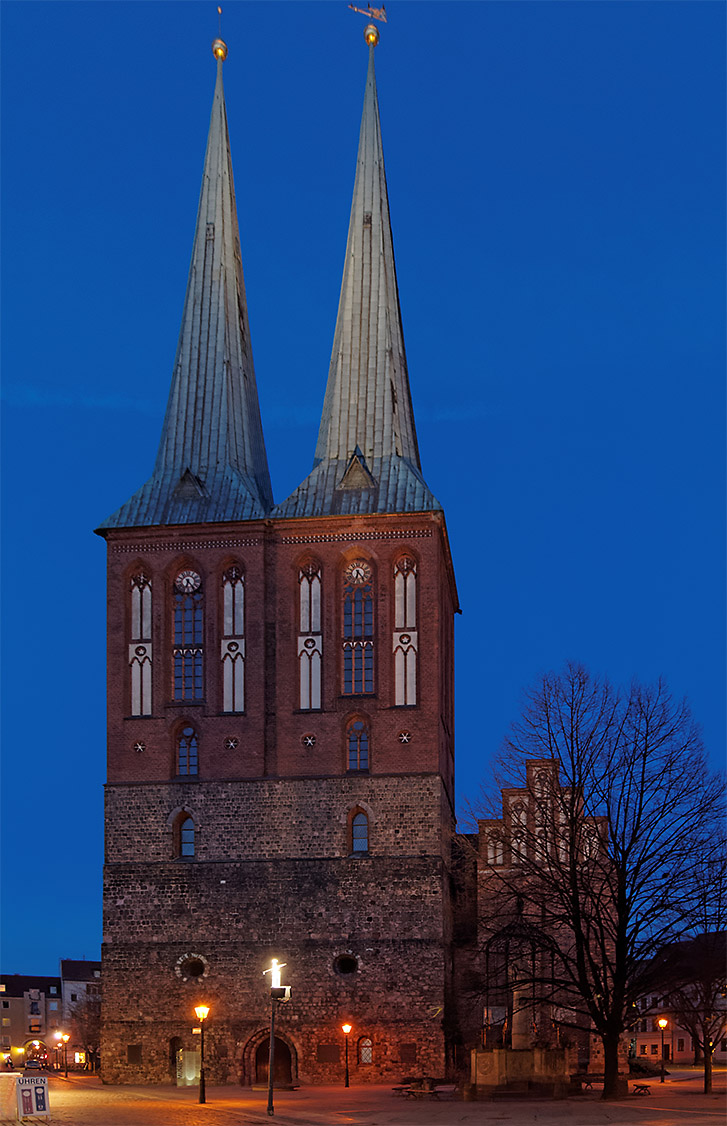
Among the oldest historical places in Berlin Germany, Nikolaikirche (St. Nicholas Church) and the surrounding Nikolaiviertel preserve the origins of medieval Berlin. Dating back to approximately 1230, Nikolaikirche is considered Berlin's oldest church and now operates as a museum managed by the Stadtmuseum Berlin. The surrounding Nikolaiviertel was carefully reconstructed after World War II, recreating the atmosphere of Berlin's medieval old town with cobbled streets, traditional houses, charming courtyards, cafés, and artisan shops.
Visitors can learn about Berlin's earliest history through exhibitions, historical artefacts, and architectural displays while enjoying one of the city's most picturesque neighbourhoods. The district offers a fascinating contrast to Berlin's modern skyline and provides valuable insight into the city's medieval beginnings.
9. Explore the Humboldt Forum
The Humboldt Forum has quickly become one of the most significant Berlin historical sites, combining history, culture, science, and architecture within the reconstructed Berlin Palace. Opened in 2021, the complex stands on the historic site of the former royal palace and now houses world-class museums, temporary exhibitions, cultural events, and the acclaimed BERLIN GLOBAL exhibition.
Visitors can explore collections from Asia, Africa, Oceania, and the Americas while learning about the site's remarkable transformation from royal residence to modern cultural centre. The palace's reconstructed Baroque façades contrast beautifully with contemporary interiors, symbolising Berlin's ability to preserve history while embracing innovation. The rooftop terrace also offers spectacular panoramic views across Museum Island, Berlin Cathedral, and the city's historic centre.
10. Nearby Attractions
Many of the finest historical places in Berlin Germany are located within Berlin's compact historic centre, making it easy to explore several landmarks in one day. Visitors can comfortably walk between the Brandenburg Gate, Reichstag Building, Holocaust Memorial, Gendarmenmarkt, Museum Island, Berlin Cathedral, and the Humboldt Forum.
Nearby, the River Spree offers scenic boat cruises that provide unique perspectives of Berlin's historic architecture, while Unter den Linden boulevard connects many of the city's most important cultural and political landmarks. Those interested in Cold War history can continue to the Berlin Wall Memorial, East Side Gallery, and Checkpoint Charlie. Berlin's excellent U-Bahn, S-Bahn, tram, and bus networks ensure convenient travel between all major historical attractions.
11. Best Time to Visit
The best time to explore Berlin historical sites is during May to June and September to October, when mild temperatures create ideal conditions for walking tours and outdoor sightseeing. Spring brings blooming gardens around Charlottenburg Palace and pleasant weather for exploring historic squares, while autumn offers colourful scenery in Tiergarten and fewer crowds at major attractions.
Summer provides long daylight hours and numerous open-air cultural events, although popular landmarks become busier. Winter offers a unique atmosphere with festive Christmas markets, particularly around Gendarmenmarkt, where historic buildings are beautifully illuminated. Booking tickets online for popular attractions such as the Reichstag and Humboldt Forum can help visitors save time during peak travel seasons.
12. How to Reach
Visiting the major historical places in Berlin Germany is straightforward thanks to Berlin's efficient public transportation system. Berlin Brandenburg Airport (BER) is connected to the city centre by Airport Express trains, S-Bahn services, regional trains, buses, taxis, and ride-hailing options. Brandenburg Gate and the Reichstag are easily reached via Brandenburger Tor Station, while Museum Island, Humboldt Forum, and Nikolaiviertel are accessible from Museumsinsel, Hackescher Markt, or Alexanderplatz stations.
Gendarmenmarkt is conveniently served by Stadtmitte and Hausvogteiplatz stations, and Charlottenburg Palace is accessible by bus, U-Bahn, and S-Bahn services. Many historic landmarks are located within walking distance of one another, making self-guided walking tours particularly enjoyable.
Final Thoughts
The remarkable collection of Berlin historical sites offers visitors an unforgettable journey through centuries of European history. From royal palaces and medieval churches to Cold War landmarks and moving memorials, every monument reflects a different chapter in Berlin's extraordinary past. Exploring these iconic locations provides valuable insight into Germany's political evolution, cultural achievements, and enduring resilience.
Whether admiring the grandeur of Charlottenburg Palace, reflecting at the Holocaust Memorial, discovering the medieval Nikolaiviertel, or experiencing the modern Humboldt Forum, travellers encounter a city that honours its history while continually shaping its future. Berlin remains one of Europe's most compelling destinations for anyone fascinated by history, architecture, and culture.

Comments 0
Only approved comments are shown here.