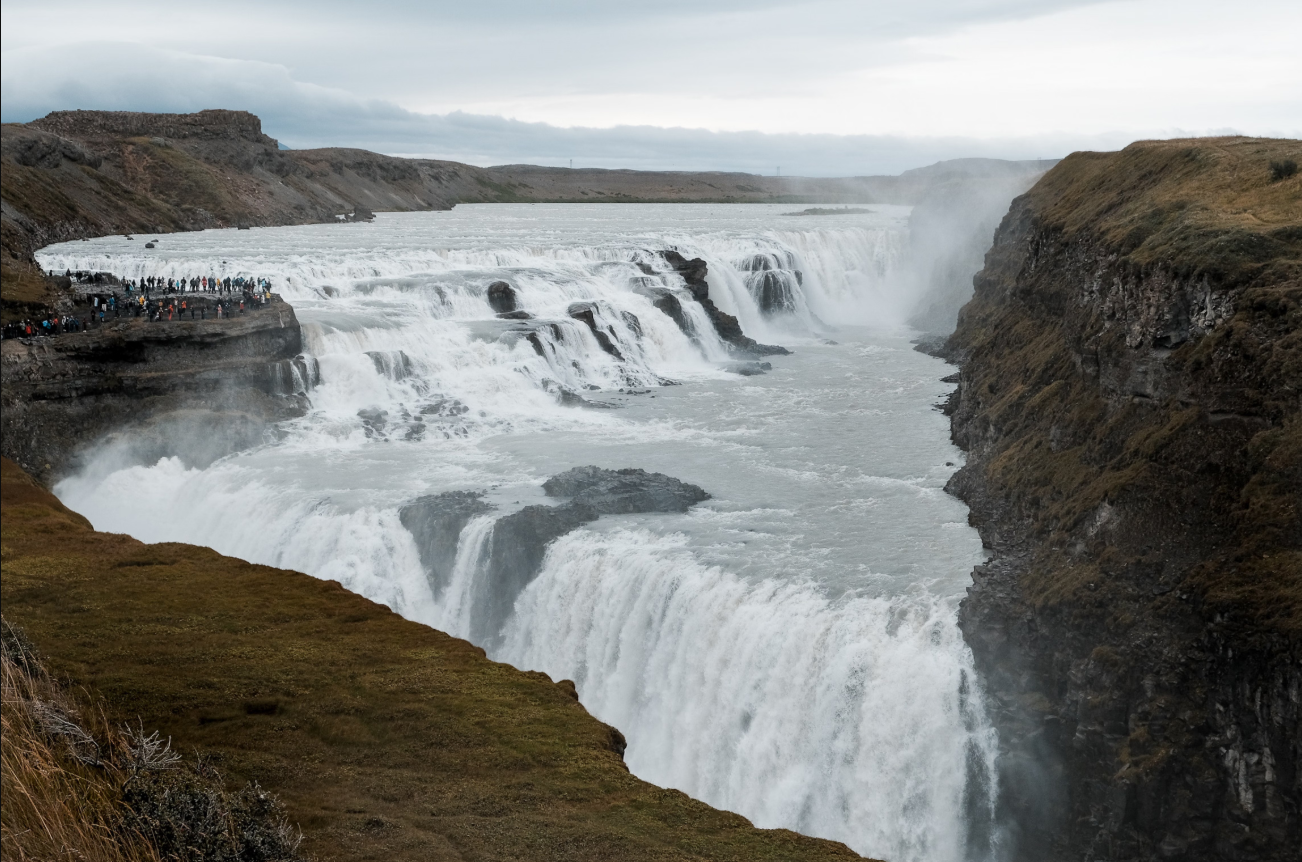
A Golden Circle tour Iceland experience is one of the easiest ways to discover the country's remarkable combination of geological landscapes, geothermal activity, waterfalls and cultural history in a single day. Located within practical reach of Reykjavík, the Golden Circle connects three internationally recognised attractions: Þingvellir National Park, the Geysir geothermal area and Gullfoss waterfall. The route can be explored independently by rental car or through a guided excursion, making it suitable for both first-time visitors and experienced Iceland travellers.
The classic route is accessible throughout the year, although weather, daylight and road conditions vary significantly between seasons. South Iceland's official tourism organisation describes the Golden Circle as one of Iceland's most popular travel routes and confirms that both self-drive and guided options are available.
Also Read - Day Trips from Reykjavik: Best Iceland Excursions and Day Tours
What Is the Golden Circle?
The Golden Circle is a sightseeing route through southwest Iceland rather than a single attraction. The classic journey links Þingvellir, Geysir and Gullfoss, although many modern itineraries add volcanic craters, geothermal baths, farms, restaurants and smaller waterfalls.
A typical loop from Reykjavík covers approximately 230–300 kilometres, depending on the precise route and additional stops. Without sightseeing stops, the driving portion can take roughly three and a half to four hours, while a comfortable full-day itinerary generally requires six to eight hours.
This combination of manageable distance and extraordinary scenery explains why the Golden Circle tour Iceland route is particularly popular. Visitors can experience tectonic landscapes, erupting geothermal features and a powerful glacial waterfall without undertaking a multi-day road trip.
Þingvellir National Park
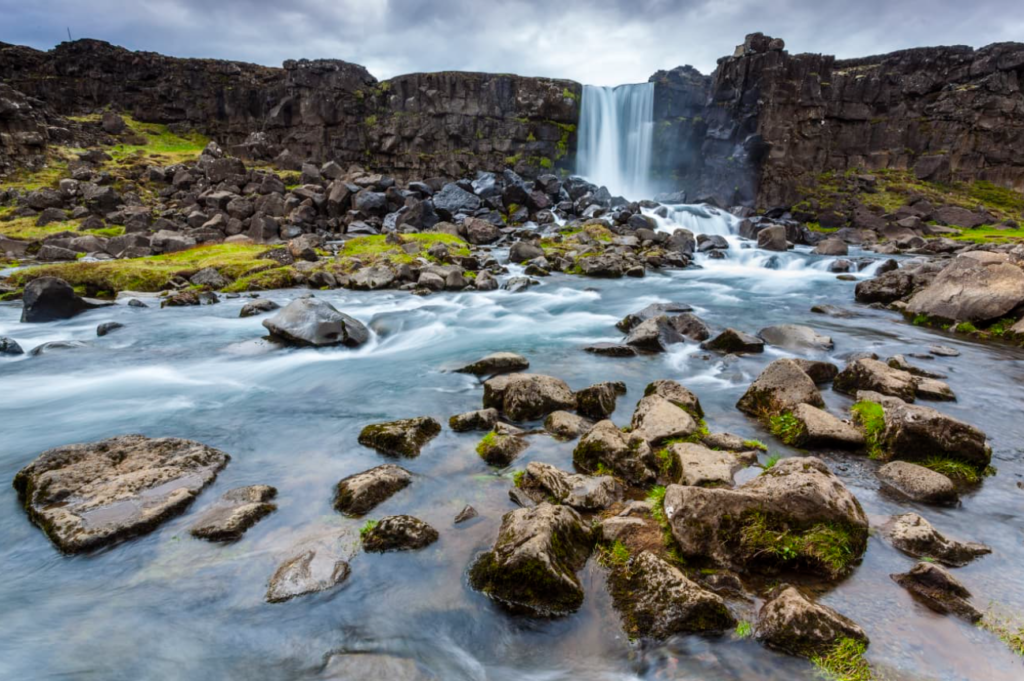
The first major stop on most Golden Circle excursion Iceland itineraries is Þingvellir National Park. Its importance extends far beyond scenery because it connects Iceland's geological history with its political heritage.
Þingvellir was the site of the Alþingi, Iceland's historic parliamentary assembly, established in 930. The area is also situated within a tectonic rift where the North American and Eurasian plates are gradually moving apart. Visitors can walk through dramatic rock formations and along Almannagjá while learning about the country's early political development.
The landscape changes with the seasons. Summer brings long daylight and green vegetation, while winter can transform the valley into a snow-covered landscape. Because Þingvellir combines history, geology and accessible walking routes, it provides an excellent introduction to Iceland's character.
For travellers choosing a Golden Circle tour Iceland package, check how much time is allocated here. Very short tours may provide only a brief walk, whereas slower small-group or private tours can allow more time for viewpoints and historical interpretation.
Geysir Geothermal Area
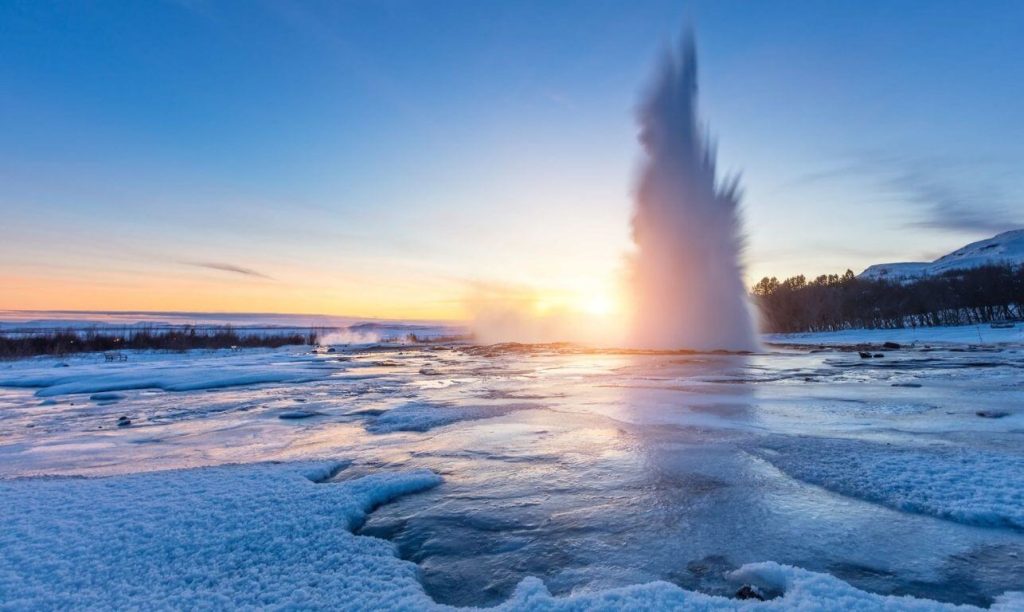
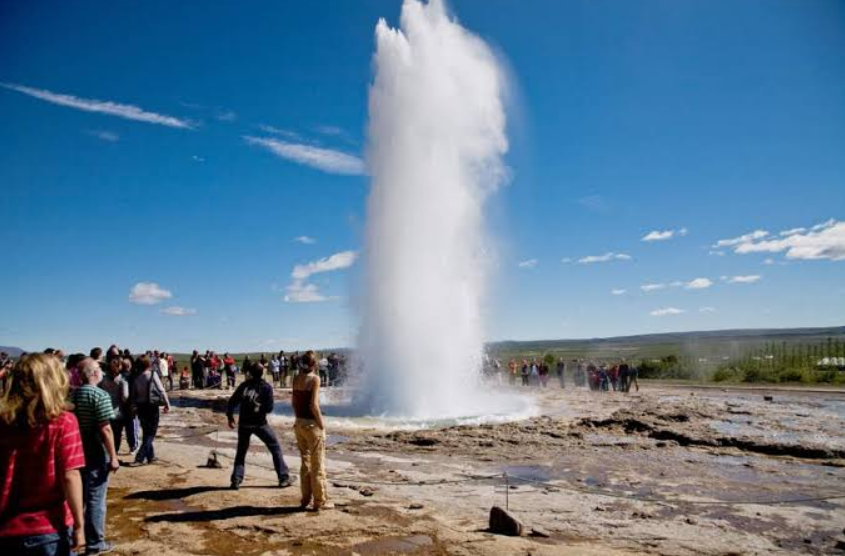
The second essential stop is the Geysir geothermal area, located in the Haukadalur valley. This is where the English word “geyser” originated, although the original Great Geysir is now largely dormant.
The star attraction is Strokkur, an active geothermal feature that erupts regularly. Visitors can watch boiling water shoot upwards before the pool settles and begins building pressure again. Current tour information commonly describes eruptions occurring every five to ten minutes, although the exact interval naturally varies.
Walking around the geothermal area reveals much more than the main eruption. Steam vents, bubbling pools and colourful mineral deposits demonstrate the heat beneath Iceland's surface.
A good Golden Circle excursion Iceland itinerary should allow enough time to walk around the entire designated area rather than simply waiting for Strokkur to erupt. The changing textures, steam and surrounding mountains make the landscape interesting even between eruptions.
Gullfoss Waterfall
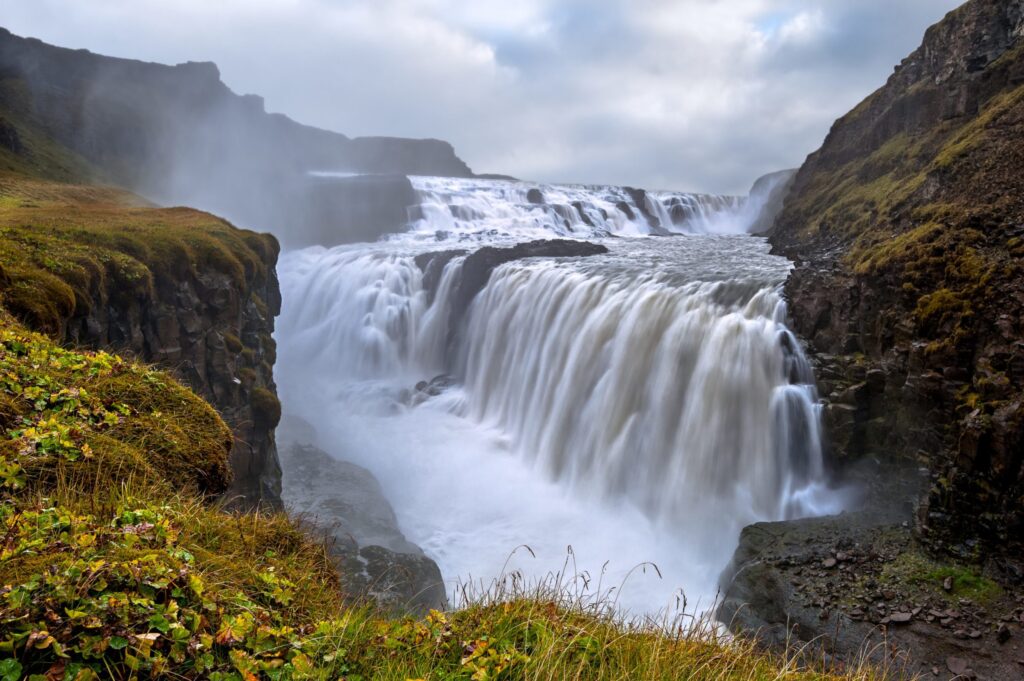
Gullfoss is usually the dramatic finale of the classic Golden Circle tour Iceland route. Its name means “Golden Falls”, and the waterfall consists of two major stages through a deep canyon.
The water originates from the Hvítá river, which is fed by glacial meltwater. At the viewpoint, visitors can appreciate both the enormous volume of water and the geological forces that created the canyon.
Gullfoss changes dramatically with the weather and season. During summer, spray rises above the falls and creates rainbows when sunlight is present. Winter can produce snow and ice around the canyon, giving the waterfall an entirely different appearance.
Visitors should remain on designated paths because spray can make surfaces slippery and weather conditions can change quickly. Waterproof outer layers and sturdy shoes are particularly useful.
Kerið Volcanic Crater
Kerið is not part of the original three-stop Golden Circle but is frequently incorporated into expanded itineraries. The volcanic crater contains a striking blue-green lake surrounded by red and orange volcanic rock.
The contrast between the coloured crater walls and water makes Kerið particularly attractive to photographers. A walking path allows visitors to view the crater from above and, where access is permitted, walk closer to the lake.
A current guided Golden Circle excursion Iceland itinerary may include Kerið alongside Þingvellir, Geysir and Gullfoss. Some tours add approximately 30 minutes or more for the stop, so travellers should compare the itinerary carefully rather than assuming every Golden Circle tour includes it.
Friðheimar and Icelandic Food
One of the most interesting ways to expand a Golden Circle tour Iceland itinerary is by adding a food or farm experience. Friðheimar, a tomato greenhouse, demonstrates how Iceland's geothermal energy can support agriculture despite the country's cool climate.
The greenhouse experience provides useful insight into sustainable food production and offers a welcome break during a long sightseeing day. Some private tours combine Friðheimar with Kerið and the three classic attractions.
Other travellers may prefer traditional Icelandic food at a local café or restaurant. Adding a culinary stop makes the journey less focused on photography and more connected to everyday Icelandic life.
Geothermal Baths Along the Route
Geothermal bathing can turn an ordinary Golden Circle excursion Iceland into a more relaxed experience. Laugarvatn Fontana and the Secret Lagoon in Flúðir are among the better-known options associated with the wider route.
Laugarvatn Fontana combines geothermal bathing with views of the surrounding landscape, while the Secret Lagoon provides a more traditional hot-spring atmosphere.
Not every standard tour includes bathing, so visitors should check the exact itinerary. If you want to include a spa, choose a tour specifically designed around wellness or allow additional time if travelling independently.
Golden Circle by Guided Tour
A guided Golden Circle tour Iceland is usually the simplest choice for travellers staying in Reykjavík. Operators provide transportation, route planning and, depending on the tour, a professional guide who explains the geology and history behind each attraction.
Shared coach tours are generally suitable for travellers prioritising value. Small-group tours offer a more intimate experience, while private tours provide greater flexibility over timing and additional stops.
Current tour offerings range from approximately six-hour afternoon trips to eight-hour small-group or private itineraries. Some include only the three classic sights, while others add Kerið, Friðheimar or other experiences.
When comparing tours, look beyond the headline price. Consider pickup arrangements, group size, duration, admission fees, meal arrangements and how much free time you receive at each attraction.
Golden Circle Self-Drive
A self-drive Golden Circle excursion Iceland is attractive to travellers who value independence. The principal roads are paved and the route is clearly established, making it one of Iceland's more straightforward sightseeing drives.
Self-driving allows you to arrive early, stay longer at favourite viewpoints and add less-touristed stops. You can also adjust the route around weather and daylight, provided conditions remain safe.
However, winter requires greater caution. Snow, ice, strong winds and rapidly changing weather can make driving considerably more difficult. South Iceland's official tourism guidance confirms that the route is accessible year-round but advises travellers to consider seasonal driving conditions.
Before departure, check road conditions and weather forecasts and be prepared to change your plans.
Best Time for a Golden Circle Tour
There is no single perfect season for a Golden Circle tour Iceland experience because each period offers a different atmosphere.
Summer provides long daylight hours, relatively straightforward driving and easy access to outdoor viewpoints. It is also the busiest period, so popular locations can feel crowded.
Spring and autumn offer a balance between daylight and visitor numbers. These seasons can provide beautiful transitional landscapes but more variable weather.
Winter transforms the Golden Circle into a snowy landscape. Short daylight hours create a different sightseeing rhythm, while clear nights can provide opportunities to see the Northern Lights. However, winter driving can be demanding and itineraries may need to change because of weather.
Recent seasonal guidance identifies June to August as the easiest period for travel, while September through March provides stronger Northern Lights possibilities.
How Long Do You Need?
A full day is ideal for the classic Golden Circle excursion Iceland route. A rushed half-day trip can cover the main attractions, but it leaves less time for walking, photography and unexpected discoveries.
A six-to-eight-hour itinerary provides a better balance. Travellers adding Kerið, geothermal bathing or a farm visit should expect the day to become longer.
If you are travelling independently, avoid filling every minute with attractions. Iceland's weather and landscapes are part of the experience, and a flexible schedule is more enjoyable than constantly watching the clock.
What to Pack
Even on a summer Golden Circle tour Iceland, weather can change quickly. Pack waterproof outerwear, warm layers and sturdy shoes. A hat and gloves are useful outside the warmer months.
Bring water and snacks if your tour does not include meals. A camera or smartphone is essential for the landscapes, while a waterproof bag can protect electronics from waterfall spray and rain.
In winter, additional warm layers are particularly important. The combination of wind, precipitation and standing outdoors at waterfalls can make conditions feel considerably colder than the temperature suggests.
Responsible Travel
The popularity of the Golden Circle excursion Iceland route means responsible behaviour is increasingly important. Stay on marked paths, respect barriers and never approach geothermal pools or unstable cliff edges.
Geothermal water can be dangerously hot, while waterfalls and winter ice create additional hazards. Do not leave rubbish behind, disturb vegetation or attempt to enter restricted areas for photographs.
Choosing smaller local businesses, spending money in communities and allowing adequate time at each destination can also contribute to a more sustainable experience.
How to Build the Perfect Itinerary
For a classic Golden Circle tour Iceland, begin at Þingvellir, continue to Geysir and finish at Gullfoss. Add Kerið if time allows.
For a food-focused journey, include Friðheimar. For relaxation, choose a geothermal bath. For photography, begin early or choose a smaller afternoon tour when lighting and visitor numbers may be more favourable.
A private Golden Circle excursion Iceland provides the greatest flexibility, while a shared tour offers convenience and generally lower costs. Self-driving is ideal for confident travellers who want complete control.
The important point is to avoid treating the Golden Circle as a checklist. Each stop represents a different element of Iceland: Þingvellir reveals tectonic and political history, Geysir demonstrates geothermal power, and Gullfoss shows the force of glacial water.
Final Thoughts
The Golden Circle tour Iceland experience remains popular because it delivers an exceptional concentration of natural and cultural highlights within one manageable route. Þingvellir, Geysir and Gullfoss form the essential foundation, while Kerið, Friðheimar and geothermal baths can add greater depth.
For first-time visitors, a guided Golden Circle excursion Iceland offers an easy introduction to the country, particularly when time is limited. Independent travellers can instead use the route as a flexible self-drive adventure.
Ultimately, the best experience depends less on seeing the greatest number of attractions and more on allowing enough time to understand them. Slow down at Þingvellir, watch several Strokkur eruptions, listen to Gullfoss and appreciate the changing Icelandic landscape. With sensible planning, appropriate clothing and respect for local safety guidance, the Golden Circle becomes far more than a convenient day trip—it becomes an introduction to the geological, cultural and natural forces that define Iceland.

Comments 0
Only approved comments are shown here.