
Rome rewards travellers who balance its famous landmarks with time to explore its neighbourhoods, cafés and historic streets. This rome travel guide brings together practical tips for visiting rome to help you plan transport, book major attractions, manage your budget and avoid common tourist mistakes.
From the Colosseum and Vatican Museums to small trattorias in Trastevere, a little preparation makes sightseeing smoother. Rome is a walkable city in many central areas, but distances, crowds and cobbled streets can make an overpacked itinerary tiring. These tips for visiting rome focus on the details that matter most: when to book, how to get around, what to wear, how to eat well and how to respect local customs.
Also Read - What to See in Rome in 3 Days: Top Attractions and Travel Tips
1. Book Major Attractions in Advance
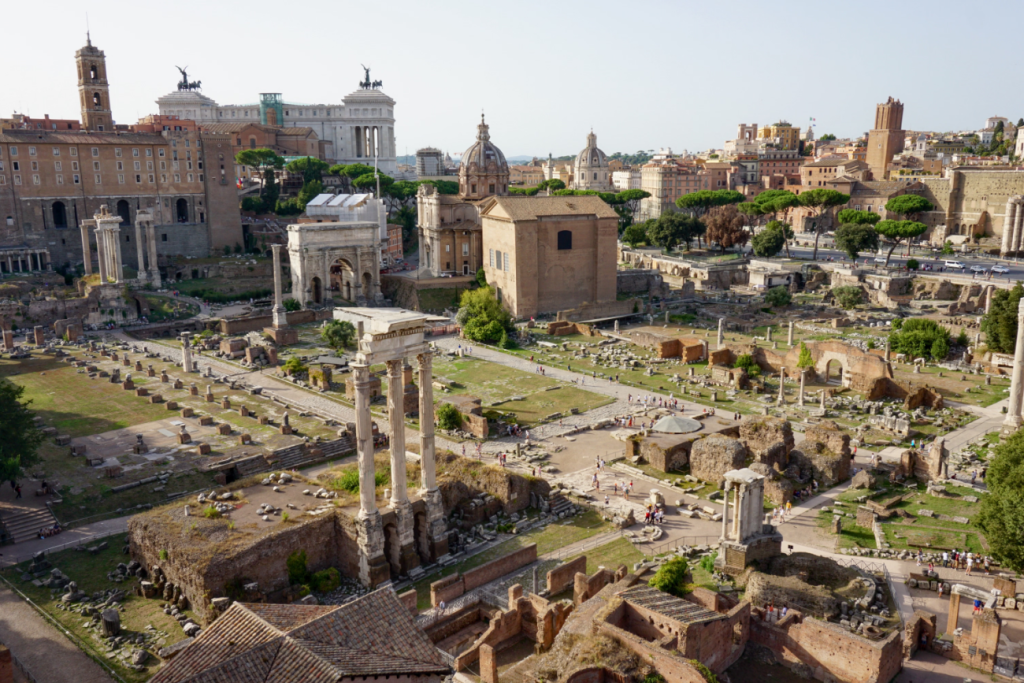
One of the most important tips for visiting Rome is to reserve timed-entry tickets for popular attractions before travelling. The Colosseum, Roman Forum, Vatican Museums and Borghese Gallery can become busy, particularly during spring, summer and holiday periods.
Use official websites wherever possible to avoid misleading listings and unnecessary booking fees. Check the ticket type carefully: entry to a museum, access to a special area and guided tours may require different reservations.
This Rome travel guide recommends planning one or two major attractions each day rather than trying to visit everything at once. Keep confirmation emails accessible on your phone and check opening days before finalising your itinerary.
2. Explore Rome on Foot, but Wear Comfortable Shoes
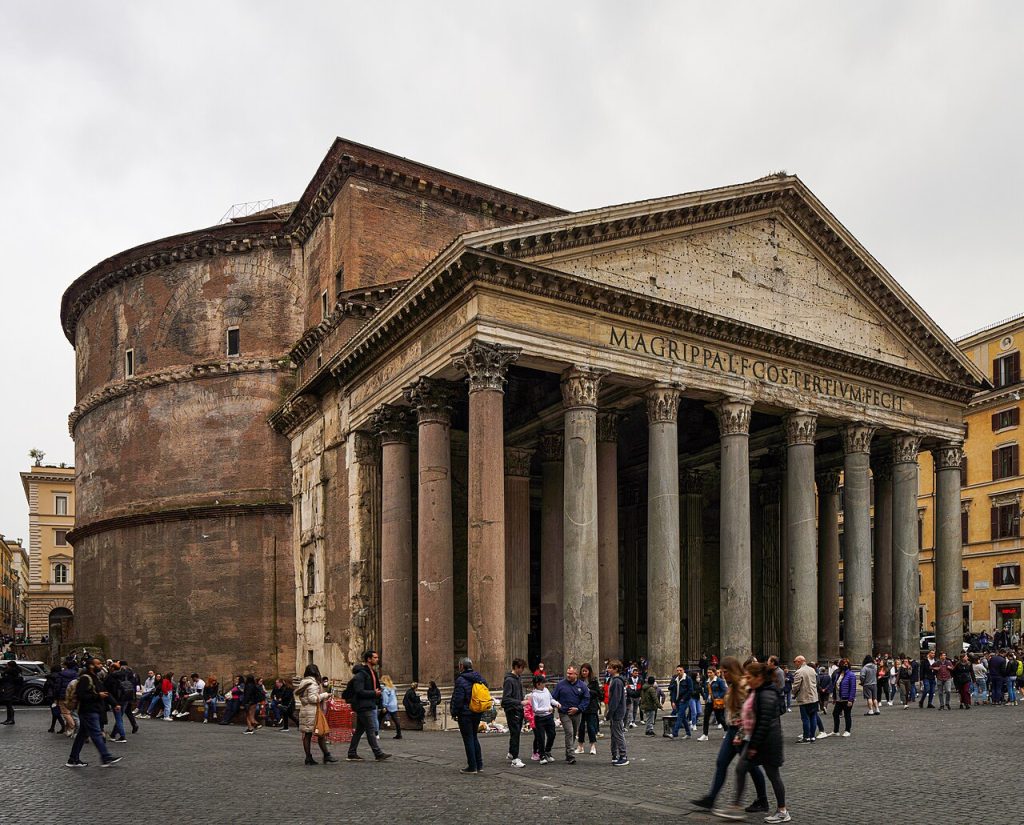
Many central attractions are close enough to connect on foot. The Pantheon, Piazza Navona, Trevi Fountain and Spanish Steps can fit into a walking route, allowing you to discover small streets along the way.
However, Rome's cobbled pavements can be uneven, and archaeological sites often involve steps and rough surfaces. Comfortable walking shoes are essential. Carry a refillable water bottle, particularly during warm weather.
Among the most useful tips for visiting Rome is to group sights by neighborhood. Explore Ancient Rome on one day, Vatican City on another and the historic centre separately. This reduces travel time and leaves room for spontaneous discoveries.
3. Understand Public Transport and Ticket Options
Rome has a network of metro lines, buses and trams that can save time when attractions are too far apart to walk comfortably.
According to the official ATAC transport website, the standard 100-minute ticket costs €1.50, while the Roma 24H ticket costs €8.50, the 48-hour ticket €15 and the 72-hour ticket €22. Check current fares before travelling, as prices and conditions can change.
A practical rome travel guide tip is to compare individual journeys with a multi-day pass based on how often you expect to travel. Keep your ticket valid and follow the relevant validation or contactless-payment instructions. Public transport is useful for longer journeys, but walking is often the best way to experience the historic centre.
4. Choose the Right Area to Stay
Your accommodation location can make a significant difference to your trip. Staying near the historic centre is convenient for first-time visitors who want to walk between major sights, although prices may be higher.
- Centro Storico: Convenient for the Pantheon, Piazza Navona and Trevi Fountain.
- Monti: A good base for the Colosseum, independent shops and restaurants.
- Trastevere: Popular for its evening atmosphere, food and narrow streets.
- Prati: Useful for Vatican visits and a more residential feel.
- Near Termini: Practical for rail connections and transport links; check the immediate surroundings and accommodation reviews.
One of the most useful tips for visiting rome is to compare the total cost of accommodation with the time and transport expenses saved by staying centrally. Read recent reviews and check air conditioning availability if travelling in summer.
5. Visit During the Right Season
Spring and autumn often offer a good balance of comfortable sightseeing weather and lively city life. April, May, late September and October are popular periods, so accommodation and attraction tickets may still be expensive.
Summer brings long days but can be hot and crowded. Winter is often quieter, although rain, cold weather and shorter daylight hours may affect outdoor plans.
This Rome travel guide recommends choosing dates based on your priorities rather than weather alone. If you want to attend a major event, check its schedule before booking. Allow flexibility for unexpected rain or delays, and plan outdoor sightseeing for cooler parts of the day during summer.
6. Eat Like a Local
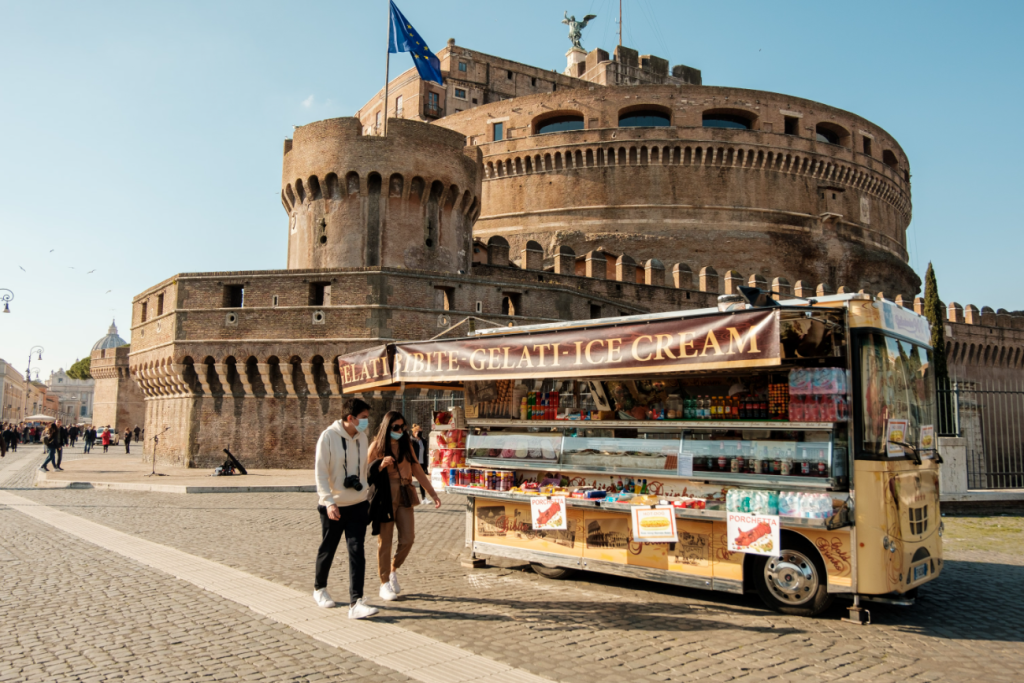
Roman food is an essential part of the experience. Try carbonara, cacio e pepe, amatriciana, supplì and Roman-style pizza. Traditional recipes often rely on a few carefully prepared ingredients rather than complicated sauces.
For a more enjoyable meal, move away from the busiest monuments and compare menus before sitting down. Look for seasonal dishes and restaurants that specialise in Roman cooking. At lunch, a bakery or market stall can provide a quick, affordable alternative to a full restaurant meal.
These tips for visiting rome also include learning a few polite Italian expressions. Buongiorno means good morning, buonasera means good evening and il conto, per favore means the bill, please. A friendly greeting can make everyday interactions more pleasant.
Also Read - Where to Eat in Trastevere: 12 Restaurants for Authentic Roman Food
7. Dress Appropriately for Churches and Religious Sites
Rome's churches are major cultural attractions, but many remain active places of worship. Cover your shoulders and knees when visiting St Peter's Basilica and other religious sites where modest dress is required.
Carry a light scarf or extra layer during warmer months. Check access arrangements for religious ceremonies, as visiting hours may change.
A reliable Rome travel guide should also remind visitors to be respectful around religious services, avoid loud conversations and follow photography restrictions. These simple precautions help you enjoy the city's artistic heritage without disrupting worshippers.
8. Keep Your Belongings Secure
Rome is generally a rewarding city to explore, but busy tourist areas and crowded public transport can attract pickpockets. Pay particular attention around Termini station, major monuments, busy buses and crowded queues.
Keep your phone and wallet secure, use a crossbody bag with a reliable fastening and avoid placing valuables in an open back pocket. Be cautious if strangers approach with unexpected offers or distractions.
Among the practical tips for visiting rome, this advice is especially important when photographing landmarks or boarding transport. Keep a copy of essential travel documents separately and know how to contact your bank if a payment card is lost.
9. Know the Local Rules
Rome's historic sites are protected, and visitor behaviour matters. Do not climb on monuments, enter fountains, leave litter or damage historic structures. Follow signs around the Spanish Steps and other protected public spaces.
A particularly useful current detail for this Rome travel guide concerns Trevi Fountain. Since 2 February 2026, non-residents have needed a €2 ticket to enter the inner area closest to the basin during designated hours; viewing the fountain from the surrounding piazza remains free. Check the official Trevi Fountain website for current hours and conditions.
10. Plan a Realistic Itinerary
Rome has enough attractions to fill several days, but trying to see everything can make the experience exhausting. For a three-day visit, consider Ancient Rome on Day 1, Vatican City on Day 2 and the historic centre on Day 3.
Reserve time for lunch, breaks and neighbourhood walks. If a museum visit takes longer than expected, move a less essential attraction rather than rushing through it.
The best tips for visiting rome encourage a balance between planning and flexibility. A realistic itinerary lets you appreciate the city's architecture, food and atmosphere instead of treating each landmark as a quick photo stop.
Final Thoughts
These tips for visiting rome can help you enjoy the city with less stress, from booking major attractions and choosing accommodation to navigating transport and discovering traditional food. A well-planned rome travel guide should make room for both famous landmarks and quieter neighbourhood experiences.
Book key tickets early, wear comfortable shoes, check local rules and protect your belongings in crowded areas. Most importantly, allow yourself time to wander. Rome's appeal lies not only in its monuments but also in its cafés, markets, piazzas and everyday street life.


Comments 0
Only approved comments are shown here.