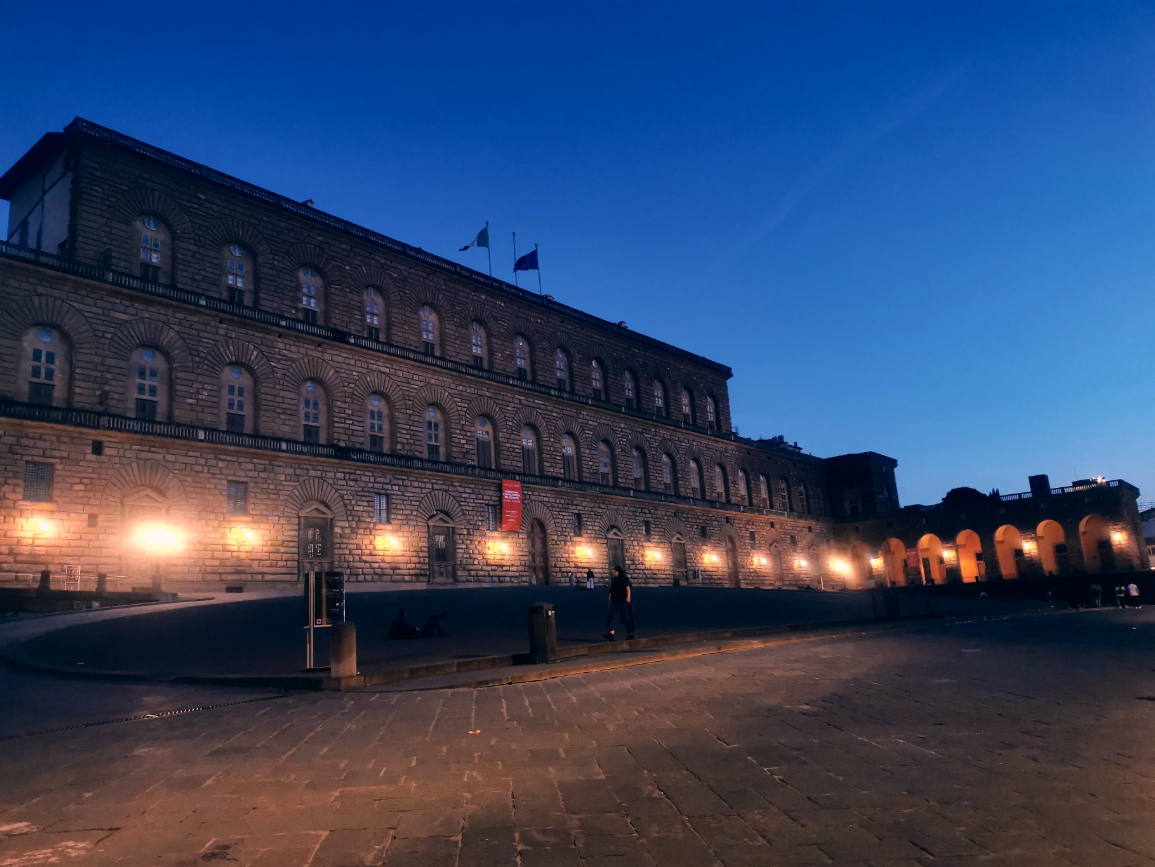
Italy is one of the world's most rewarding destinations for art lovers. From Renaissance masterpieces and ancient sculptures to Baroque paintings and modern collections, the country's museums offer an extraordinary journey through centuries of creativity. For travellers planning an art-focused holiday, the art museums in Italy provide opportunities to see works by Michelangelo, Leonardo da Vinci, Raphael, Botticelli, Caravaggio and many other influential artists.
The famous art museums in Italy are spread across cities including Florence, Rome, Milan, Venice and Naples. Some are housed in historic palaces, while others occupy purpose-built galleries or former royal residences. Whether you are passionate about Renaissance painting, classical sculpture, religious art or contemporary works, Italy has a museum to suit almost every interest.
Here are 15 of the most impressive museums to include in an Italian itinerary.
Also Read - Museums in Florence Italy: Best Museums for Art, History and Culture
1. Uffizi Gallery, Florence
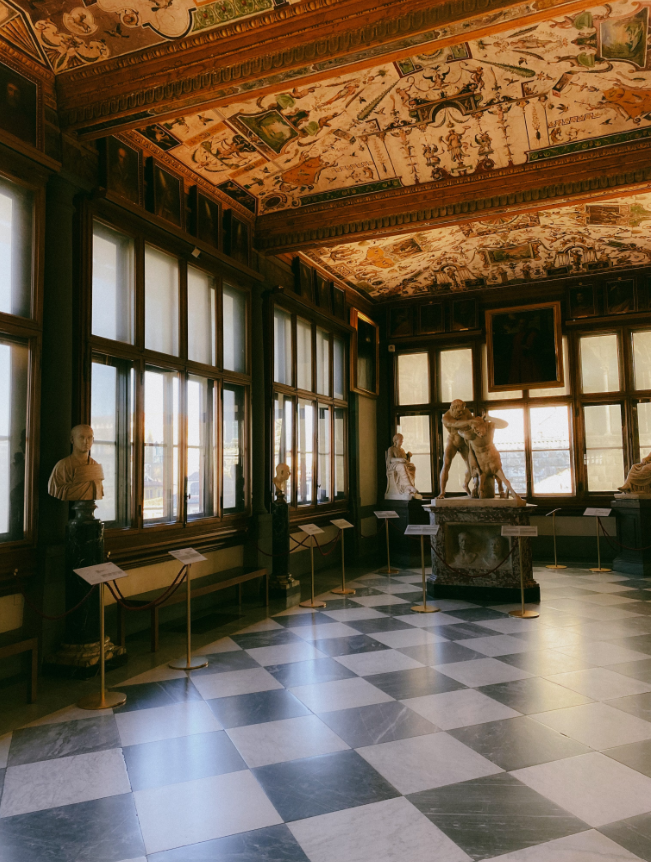
The Uffizi Gallery is one of the most important destinations for anyone interested in Renaissance art. Located in the historic centre of Florence, the museum contains an outstanding collection of paintings and sculptures spanning the Middle Ages through the modern period. Its Renaissance holdings include works associated with Giotto, Botticelli, Leonardo da Vinci, Raphael, Michelangelo and Caravaggio.
Among the highlights are Botticelli's The Birth of Venus and Primavera, making the Uffizi particularly important for visitors interested in Florentine Renaissance art.
The gallery is part of the wider Uffizi Galleries complex, which also includes Pitti Palace and the Boboli Gardens.
2. Vatican Museums, Rome
The Vatican Museums are among the world's most famous cultural attractions and an essential stop in Rome. Their collections contain artworks accumulated over centuries, including sculpture, painting, decorative arts and archaeological objects.
The Sistine Chapel is one of the major highlights, particularly for visitors wanting to see Michelangelo's celebrated ceiling frescoes. The museum complex also includes the Raphael Rooms and extensive collections of classical sculpture.
The official Vatican Museums website provides current information about collections, opening times and tickets, making it useful to check before visiting.
3. Galleria Borghese, Rome
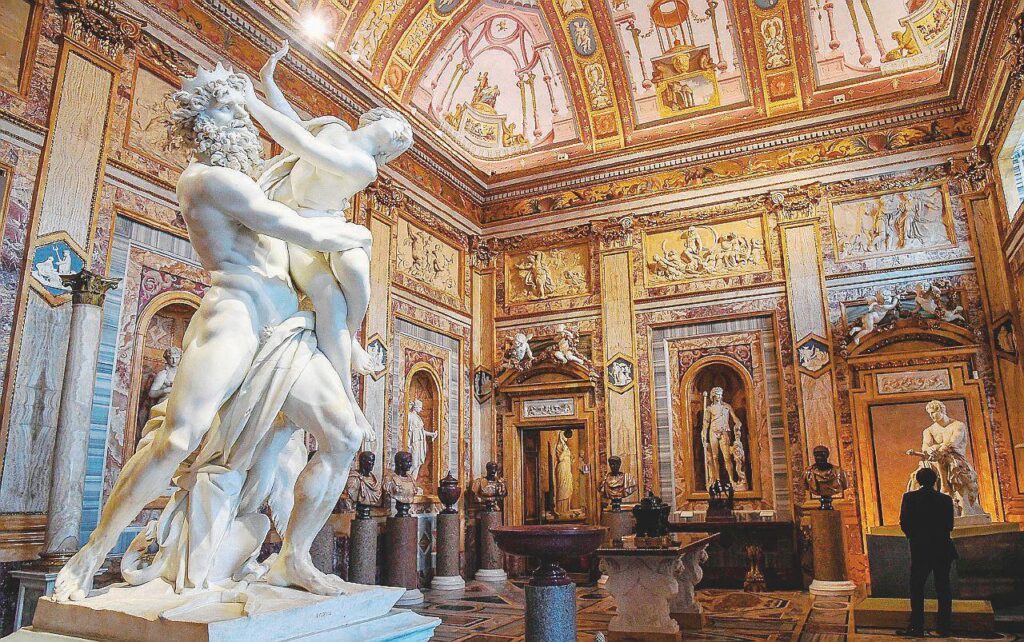
For travellers searching for famous art museums in Italy, Rome's Galleria Borghese deserves a place near the top of the list. The museum is located within Villa Borghese and combines important paintings and sculpture with an elegant historic setting.
Its collection includes works by Caravaggio, Raphael, Titian and Bellini, alongside celebrated sculptures by Gian Lorenzo Bernini and Antonio Canova.
The museum has a particularly strong connection with Cardinal Scipione Borghese, whose collecting played a major role in establishing the collection.
4. Galleria dell'Accademia, Florence
The Galleria dell'Accademia is best known as the home of Michelangelo's David. The enormous marble sculpture is one of the defining works of Renaissance Florence and makes the museum a popular choice for first-time visitors.
Beyond David, the museum contains other works by Michelangelo and a broader collection of Florentine paintings and sculptures. Its relatively focused collection means that travellers can experience some major works without spending an entire day inside the museum.
For anyone building a Florence itinerary around Renaissance landmarks, this is one of the most important art museums in Italy to consider.
5. Pinacoteca di Brera, Milan
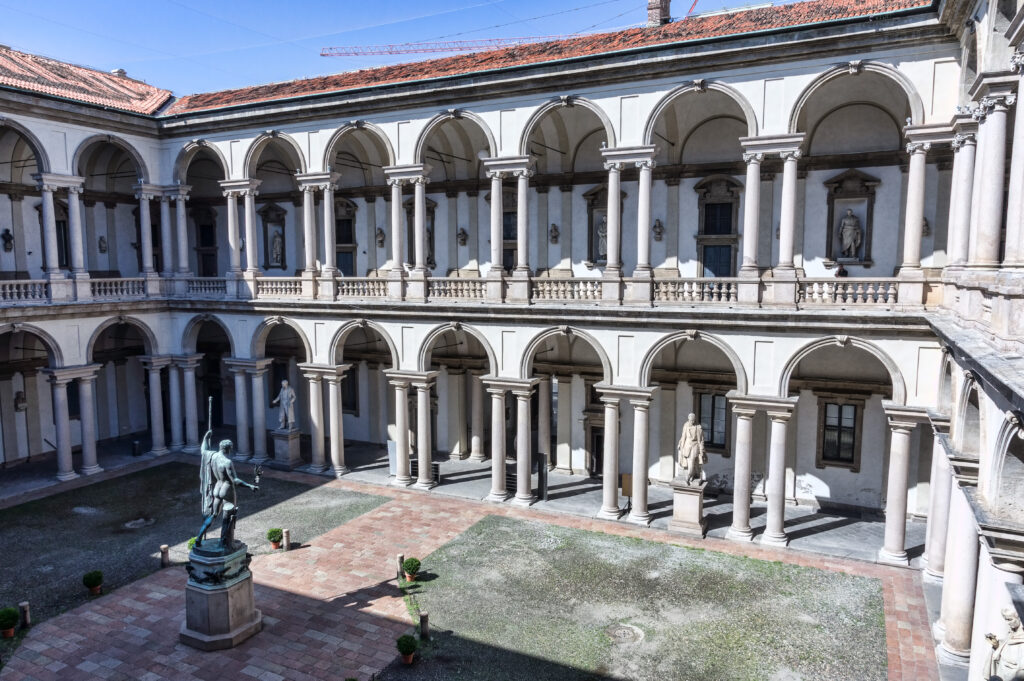
Milan offers a different artistic experience from Florence and Rome. The Pinacoteca di Brera is particularly significant for its collection of Italian paintings.
Visitors can explore works representing different periods of Italian art, including important Renaissance and later masterpieces. The museum forms part of Milan's historic Brera district, an area known for its artistic atmosphere, galleries, cafés and cultural attractions.
It is an excellent choice for travellers who want to combine major artworks with a relaxed exploration of central Milan.
6. Gallerie dell'Accademia, Venice
Venice has an extraordinary artistic identity, and the Gallerie dell'Accademia is one of the best places to explore it. The museum houses an important collection of Venetian paintings representing centuries of artistic development.
Works associated with artists such as Bellini, Giorgione, Titian and Tintoretto demonstrate the distinctive character of the Venetian school.
The museum is especially appealing to visitors fascinated by colour, light, religious compositions and portraiture. It also provides useful historical context for understanding how Venice became one of Europe's most influential artistic centres.
For travellers building an itinerary around art museums in Italy, the Accademia adds an important Venetian perspective.
7. Museo e Real Bosco di Capodimonte, Naples
Naples offers an impressive alternative to Italy's better-known art destinations. Museo e Real Bosco di Capodimonte occupies a former royal residence and combines art, architecture and a large historic park.
The museum's collections span several centuries and include important European paintings. Its royal setting adds another dimension to the experience, allowing visitors to explore both artistic collections and the history of the Bourbon royal residence.
Capodimonte is particularly valuable for travellers who want to explore art museums in Italy beyond Florence, Rome, Venice and Milan.
The museum demonstrates the extraordinary cultural importance of Naples and southern Italy. It is an excellent choice for travellers who have enough time to explore the city beyond its historic centre.
8. Museo Nazionale del Bargello, Florence
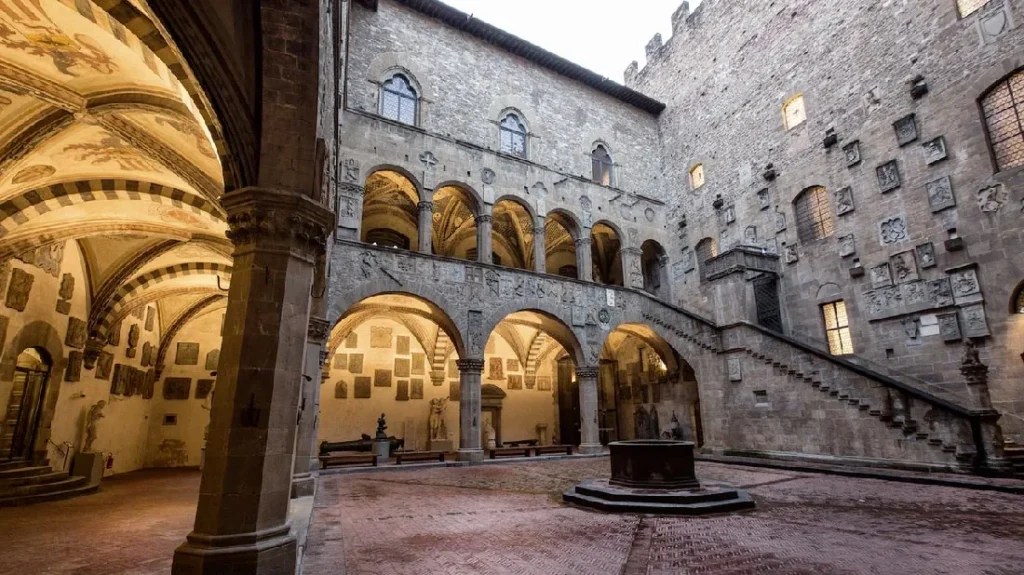
Florence has many important museums, and the Museo Nazionale del Bargello is especially significant for sculpture. Housed in a historic building, it contains works associated with some of Florence's most important sculptors.
The museum is particularly useful for understanding the development of Renaissance sculpture. Visitors can explore works by artists including Donatello, Michelangelo and other important figures from the Florentine tradition.
For travellers whose interests extend beyond paintings, the Bargello is one of the famous art museums in Italy worth adding to a Florence itinerary.
Its historic architecture also contributes to the experience, making the museum feel like a journey through Florence's artistic and civic history.
9. Museo dell'Opera del Duomo, Florence
Museo dell'Opera del Duomo provides a fascinating connection between art, architecture and religion. The museum houses original masterpieces that once decorated Florence Cathedral, Giotto's Campanile and the Baptistery.
Its collection includes important works associated with Michelangelo, Donatello, Brunelleschi and Ghiberti. The official museum describes its collection as covering more than seven centuries of history and includes masterpieces connected with the monumental complex.
The museum is therefore particularly valuable for visitors who want to understand the artistic context behind Florence's famous cathedral complex.
Among the art museums in Italy, this is one of the strongest choices for travellers interested in the relationship between Renaissance art and architecture.
10. Palazzo Pitti and the Palatine Gallery, Florence
Palazzo Pitti offers much more than a traditional gallery visit. The historic palace contains several museums, including the Palatine Gallery, the Gallery of Modern Art, the Museum of Costume and Fashion and the Treasury of the Grand Dukes.
The Palatine Gallery is particularly impressive for its European paintings. Its collection includes major works by Raphael, Titian, Tintoretto, Caravaggio and Rubens. The gallery also retains its lavish historic interiors, including richly decorated rooms and Baroque frescoes.
The palace's connection with the Medici dynasty makes it particularly significant for understanding Florence's political, cultural and artistic history.
For travellers searching for famous art museums in Italy, Palazzo Pitti offers the advantage of combining art with historic royal interiors and gardens.
11. Galleria Nazionale d'Arte Moderna e Contemporanea, Rome
Not every Italian museum focuses on Renaissance or Baroque art. Rome's Galleria Nazionale d'Arte Moderna e Contemporanea offers an important introduction to modern and contemporary artistic movements.
The museum holds approximately 20,000 works, including paintings, drawings, sculptures, installations, photographs, films and design objects. Its collection covers artistic developments from Neoclassicism and Romanticism through Impressionism, the avant-garde, Pop Art and later movements.
The collection also includes international artists such as Van Gogh, Klimt, Warhol and Twombly.
For travellers who want to see how Italian and international art developed beyond the Renaissance, this is one of the most interesting art museums in Italy.
12. Museo Nazionale di Capodimonte, Naples
Museo Nazionale di Capodimonte deserves particular attention because it represents the artistic heritage of Naples and southern Italy. Rather than repeating the same Renaissance experience found in Florence, visitors can discover a broader European collection within a former royal setting.
The museum is ideal for travellers who want to combine art appreciation with history and architecture. Its location also encourages visitors to explore a less conventional side of Naples.
When creating an itinerary around famous art museums in Italy, travellers often focus on Rome and Florence. Adding Capodimonte provides a valuable opportunity to experience another major centre of Italian culture.
Note: Museo e Real Bosco di Capodimonte and Museo Nazionale di Capodimonte refer to the same Capodimonte museum complex; it is not necessary to count them as two separate museums.
13. Palazzo Ducale, Mantua
Palazzo Ducale in Mantua provides an exceptional combination of Renaissance art, historic architecture and court history. The vast complex was closely associated with the Gonzaga family and developed over centuries.
The official museum describes the complex as one of Europe's major Renaissance court complexes, with more than 1,000 rooms, courtyards, gardens and other architectural spaces.
One of its most celebrated attractions is the Camera Picta, decorated by Andrea Mantegna.
Palazzo Ducale is particularly rewarding for travellers who want to discover art museums in Italy away from the busiest tourist destinations.
14. Gallerie Estensi, Modena
The Gallerie Estensi in Modena provides another opportunity to explore Italy's rich regional art heritage. The collection was accumulated by the Este dukes and includes paintings, sculpture, decorative arts, drawings, ceramics, medals and other objects.
The official museum collection includes Italian paintings dating from the fourteenth to eighteenth centuries, as well as works associated with artists including Velázquez, El Greco, Correggio and Bernini.
For travellers exploring Emilia-Romagna, this museum provides a fascinating alternative to Italy's most heavily visited cultural institutions.
It is one of the famous art museums in Italy worth considering for a deeper exploration of regional artistic traditions.
15. Museo di San Marco, Florence
Museo di San Marco offers a more intimate experience than Florence's largest galleries. The museum occupies a former Dominican convent and is strongly associated with Fra Angelico.
Its religious paintings and frescoes remain closely connected with the building's original purpose, creating an experience in which architecture and art are difficult to separate.
The museum is particularly suitable for travellers interested in religious art and the spiritual dimension of the Renaissance.
For those exploring art museums in Italy, San Marco demonstrates that some of the country's most meaningful artistic experiences can be found in smaller historic institutions.
How to Choose the Best Art Museums in Italy
Choosing between Italy's many museums depends largely on your artistic interests and travel itinerary.
For Renaissance art
Florence is the obvious choice. The Uffizi, Accademia, Bargello and Museo dell'Opera del Duomo provide an outstanding introduction to Renaissance painting, sculpture and architecture.
For Baroque art
Rome is particularly strong. Galleria Borghese provides an excellent combination of Bernini and Caravaggio, while the Vatican Museums offer a much broader historical collection.
For sculpture
The Bargello and Accademia in Florence are excellent choices. Galleria Borghese in Rome is another essential destination.
For Venetian painting
The Gallerie dell'Accademia in Venice is the strongest choice for understanding the development of Venetian painting.
For modern and contemporary art
Rome's Galleria Nazionale d'Arte Moderna e Contemporanea provides a valuable contrast to the Renaissance collections found elsewhere.
For regional Italian art
Naples, Mantua and Modena offer excellent opportunities to explore artistic traditions beyond Italy's most famous tourist cities.
Tips for Visiting Art Museums in Italy
Planning ahead can make museum visits considerably easier.
First, check the official website before travelling. Opening hours, ticket arrangements, temporary exhibitions and access conditions can change. For example, the Uffizi Galleries provide dedicated visitor information for their museums, while individual institutions such as the GNAMC publish current opening information. (Uffizi Galleries ; GNAMC )
Second, consider booking ahead for the most popular famous art museums in Italy. Major attractions can become particularly busy during summer, weekends and public holidays.
Third, avoid planning too many museums on one day. Looking closely at paintings, sculptures and historic interiors requires time and concentration.
It can also be helpful to research the major artists before your visit. Understanding who created a particular masterpiece and why it matters can make the museum experience much more rewarding.
Finally, combine museum visits with the surrounding city. Florence, Rome, Venice, Naples and Milan all have historic neighbourhoods, churches, squares and architecture that provide additional artistic context.
Final Thoughts
The art museums in Italy offer an extraordinary journey through European artistic history. From Michelangelo and Botticelli in Florence to Caravaggio and Bernini in Rome, Titian in Venice and important regional collections in Naples and Modena, every destination provides something different.
The famous art museums in Italy deserve their international reputations, but travellers should not overlook smaller or less internationally recognised institutions. Museums such as the Bargello, San Marco, Gallerie Estensi and Palazzo Ducale demonstrate how widely Italy's artistic heritage extends.
Whether you are interested in Renaissance masterpieces, Baroque sculpture, Venetian painting, modern art or historic architecture, Italy provides countless opportunities to explore creativity and culture.
For a first art-focused trip, Florence and Rome offer particularly strong starting points. Venice, Milan and Naples can then add distinctive regional perspectives. With careful planning and enough time to appreciate each collection, exploring the art museums in Italy can become one of the most memorable parts of an Italian holiday.

Comments 0
Only approved comments are shown here.