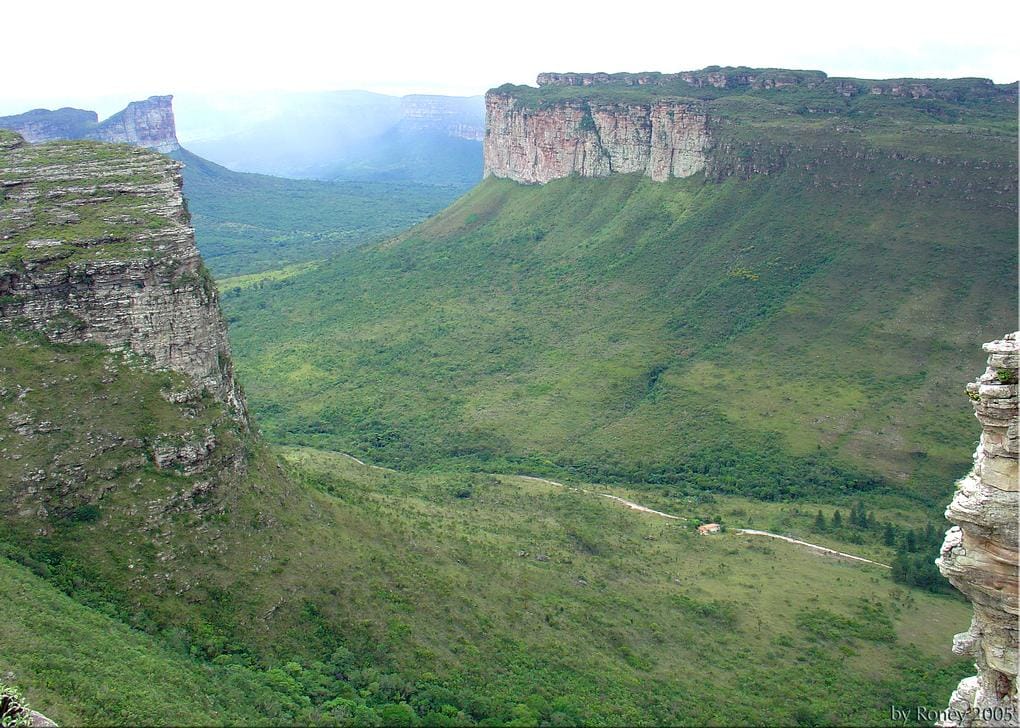
If Brazil’s beaches feel too predictable, it’s time to explore something truly extraordinary—Chapada Diamantina National Park. Located about 430 km inland from Salvador, this vast protected region covers over 152,000 hectares, while the broader Chapada dos Diamantina landscape stretches nearly 38,000 km², making it one of the largest and most diverse natural regions in the country.
What sets this destination apart is its raw, untouched beauty. You’ll find towering waterfalls like Cachoeira da Fumaça (over 340 metres high), more than 130 caves, and over 300 km of hiking trails cutting through valleys, plateaus, and forests.
This is not a typical tourist stop—it’s an immersive experience designed for travellers who crave adventure, solitude, and landscapes that feel almost otherworldly.
A Landscape Larger Than You Expect
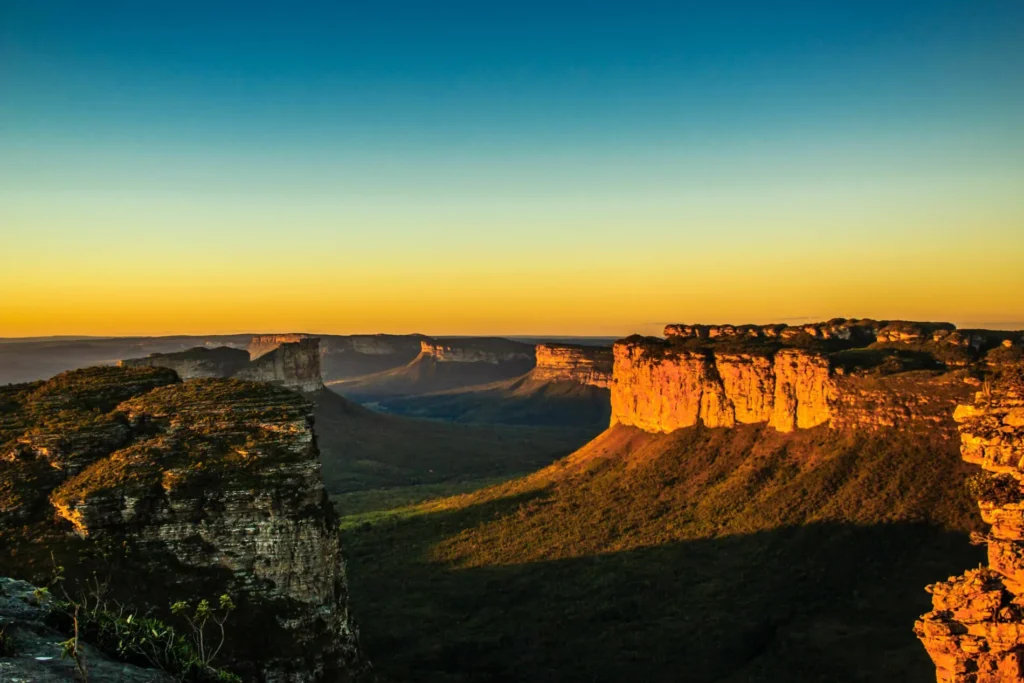
One of the most surprising aspects of Chapada Diamantina National Park is its sheer scale. The broader Chapada dos Diamantina region spans around 38,000 km², making it larger than some European countries.
This vast terrain includes cliffs, canyons, valleys, and rivers, all formed over millions of years through erosion and geological shifts. The park itself sits within the Espinhaço mountain range, with elevations exceeding 2,000 metres in some areas.
Because of this scale, every part of the region feels different—some areas resemble desert landscapes, while others are lush and green. It’s this variety that makes exploration here feel endless and unpredictable.
2. Home to One of Brazil’s Tallest Waterfalls
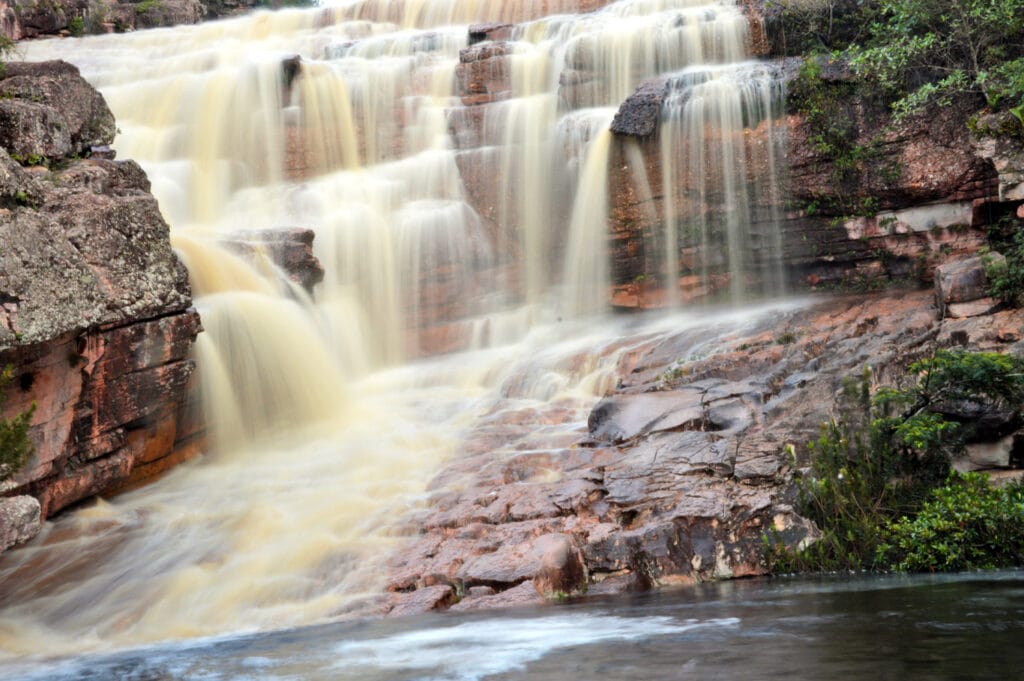
Cachoeira da Fumaça is one of the most iconic attractions in Chapada Diamantina National Park, with a drop of approximately 340–380 metres, making it one of the tallest waterfalls in Brazil.
What makes it unique is the “smoke effect”—during dry months, strong winds disperse the falling water into mist before it reaches the ground. This phenomenon gives the waterfall its name, meaning “smoke.”
Reaching the viewpoint requires a moderate hike of about two hours, but the panoramic views of the surrounding plateau make it one of the most rewarding experiences in the Chapada dos Diamantina region.
3. A Trekking Paradise (Vale do Pati)
For adventure seekers, Vale do Pati is considered one of the best trekking routes in Brazil and even ranked among the world’s top hikes.
Located within Chapada Diamantina National Park, this multi-day trek (typically 3–5 days) takes travellers through remote valleys, waterfalls, and small local communities.
Unlike commercial trekking routes, this experience is raw and immersive. Accommodation is often in simple local homes, giving insight into rural life in the Chapada dos Diamantina region.
The combination of dramatic landscapes and cultural interaction makes this trek one of the most authentic outdoor experiences in Brazil.
Also Read - Discover 8 National Parks in Thailand For Scenic Hikes and Wildlife Encounter
4. Over 130 Caves and Underground Wonders
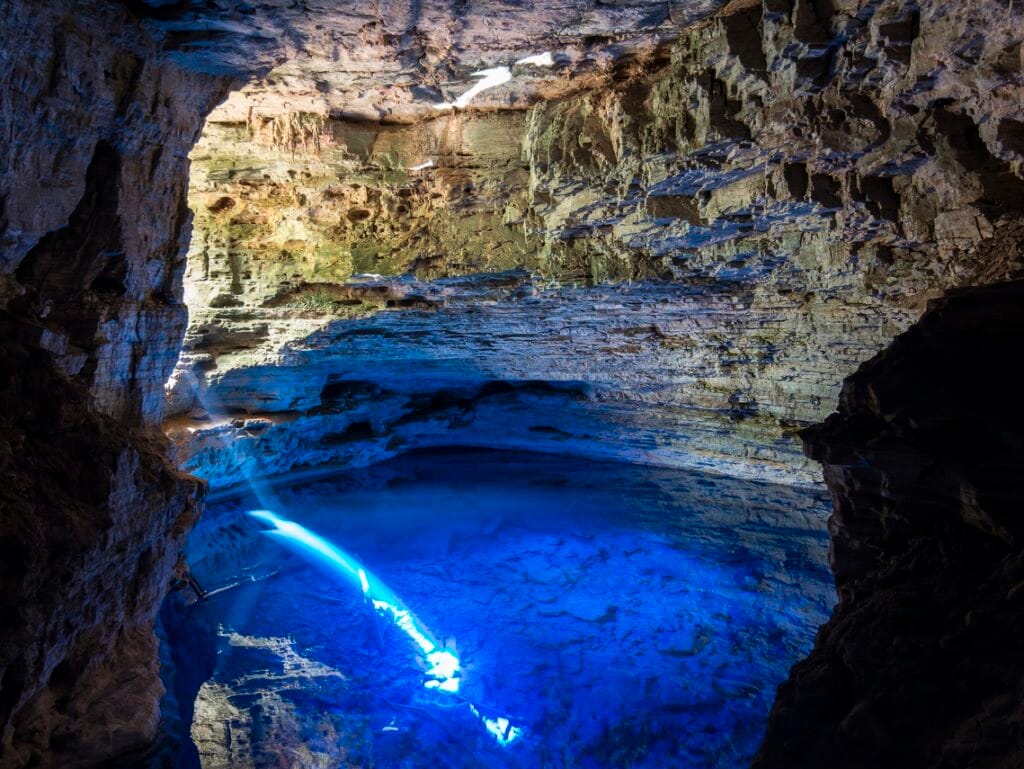
The region is home to more than 130 caves, making it one of the richest cave systems in Brazil.
In Chapada National Park, caves like Poço Azul and Poço Encantado are famous for their crystal-clear waters and surreal blue light reflections, caused by sunlight entering at specific angles.
Some caves, such as Lapa Doce, extend for over 25 kilometres, showcasing massive underground chambers.
Exploring these caves offers a completely different perspective of the Chapada Diamantina National Park landscape—one that exists beneath the surface.
Also Read - Facts About the Amazon Rainforest: Secrets of the South America Rain Forest
5. A Unique Mix of Ecosystems
One of the most remarkable features of Chapada National Park is its rare ecological diversity. The region sits at the intersection of multiple biomes—Caatinga, Cerrado, and remnants of the Atlantic Forest—creating a unique environmental mosaic. This transition zone supports thousands of plant species, including endemic orchids and bromeliads, many of which are found nowhere else in Brazil.
Altitude variations ranging from 500 to over 2,000 metres create distinct microclimates, allowing different ecosystems to coexist within short distances.
This biodiversity attracts researchers, ecologists, and nature enthusiasts alike. Unlike more uniform ecosystems like the Amazon, the landscape here constantly shifts—offering travellers a rare opportunity to experience multiple ecological environments in a single destination.
6. A Rich History of Diamond Mining
The name Chapada Dos Diamantina originates from its past as one of the world’s most significant diamond mining regions during the 18th and 19th centuries.
Towns such as Lençóis, Mucugê, and Igatu still preserve this legacy through colonial architecture, cobbled streets, and abandoned mining sites. Igatu, often called the “Machu Picchu of Brazil,” features stone ruins built entirely by miners.
At its peak, the region attracted thousands of prospectors, shaping both the economy and culture of Bahia. Although large-scale mining ended in the late 20th century, traces of this history remain embedded in the landscape.
Today, this historical depth adds cultural richness to the natural beauty, offering travellers a deeper understanding of how human activity shaped the region.
7. Over 300 km of Hiking Trails
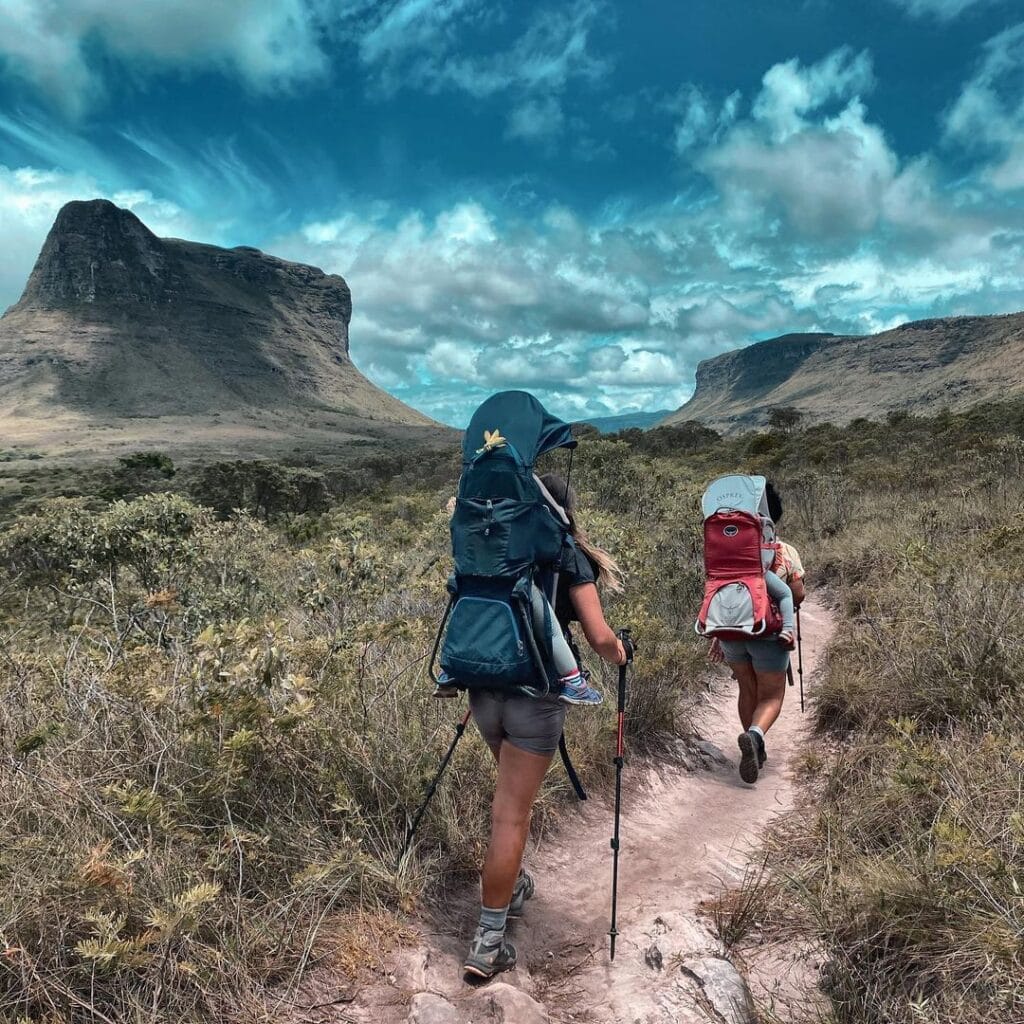
With nearly 300 kilometres of trails, Chapada Diamantina National Park is one of Brazil’s premier trekking destinations.
These trails vary significantly in difficulty, from short scenic walks like Ribeirão do Meio to multi-day expeditions such as Vale do Pati, often considered the best trek in Brazil.
Many routes follow historical paths once used by diamond miners, adding a sense of heritage to the journey. Along the way, hikers encounter waterfalls, natural pools, caves, and panoramic viewpoints.
The terrain ranges from rocky plateaus to lush valleys, ensuring constant variation. This diversity makes the park suitable for both beginners and experienced trekkers, while guided tours are recommended for remote routes due to navigation challenges.
8. A Digital Detox Destination
One of the most underrated aspects of chapada dos diamantina is its limited connectivity. Mobile networks are weak or completely unavailable in many parts of the region, especially along trekking routes and remote valleys.
While this may seem inconvenient at first, it becomes one of the most rewarding aspects of the experience. Without constant notifications or digital distractions, travellers can fully engage with the environment—whether hiking, swimming in natural pools, or simply enjoying silence.
This makes the region ideal for those seeking a mental reset or a break from fast-paced urban life. In a world dominated by technology, the ability to disconnect and immerse in nature is increasingly rare, and this destination offers exactly that.
9. A Year-Round Destination with Changing Landscapes
The experience of chapada diamantina national park changes dramatically with the seasons, making it a year-round destination. During the rainy season (October to April), waterfalls reach peak flow, creating powerful cascades and lush green landscapes.
In contrast, the dry season (May to September) offers clearer water in caves and natural pools, ideal for swimming and photography. The famous blue pools become especially vibrant due to increased water clarity.
This seasonal variation allows travellers to tailor their experience—whether prioritising dramatic scenery or accessibility for trekking. Regardless of timing, the landscape remains visually striking, ensuring a unique experience on every visit.
Final Thoughts
Chapada Diamantina offers a completely different perspective of Brazil—one defined not by cities or coastlines, but by vast landscapes, geological history, and raw natural beauty. It stands out as a destination where adventure and tranquillity coexist, allowing travellers to explore at their own pace.
What makes this region truly special is its ability to feel untouched despite its size and accessibility. From dramatic cliffs and waterfalls to quiet valleys and hidden caves, every part of the journey feels immersive and authentic.
For those seeking meaningful travel experiences rather than crowded attractions, this destination delivers both depth and diversity. With proper planning and a willingness to explore beyond the obvious, it becomes one of the most rewarding places to visit in South America—offering memories that feel both personal and unforgettable.

Comments 0
Only approved comments are shown here.