
Brazil travel guide cover

Brazil Travel Guide

Explore Brazil
Advertisement

TraveliciousBites' Brazil Travel Guide covers Rio de Janeiro's beaches, the Amazon rainforest, and Brazil's vibrant carnival culture across South America's largest country. Whether you're planning a beach-focused Rio trip or a longer route including Iguazu Falls and the Amazon, this guide breaks down when to visit, what to budget, and how to navigate a country of continental scale, based on the same research standards we apply to every destination we cover, with special attention to the logistics that make Brazil's size feel manageable rather than overwhelming.

Best Time to Visit Brazil

Brazil's size spans multiple climate zones, though most first-time visitors focus on Rio and the southeast, where April–June and September–November offer comfortable temperatures without summer's peak crowds and prices. December–March brings Brazilian summer and Carnival season, Rio's most famous event but also its most crowded and expensive period.

The Amazon region follows a different pattern, with the dry season, June–November, offering easier wildlife viewing along lower water levels. Iguazu Falls flows most dramatically during the wet season, October–March, though the falls remain impressive year-round.

TraveliciousBites recommends booking Rio accommodation months ahead for Carnival, since prices and demand spike dramatically during the festival.

Brazil weather and seasonal guidesTap to see articles matched to each season

Top Things to Do in Brazil

  • Rio de Janeiro

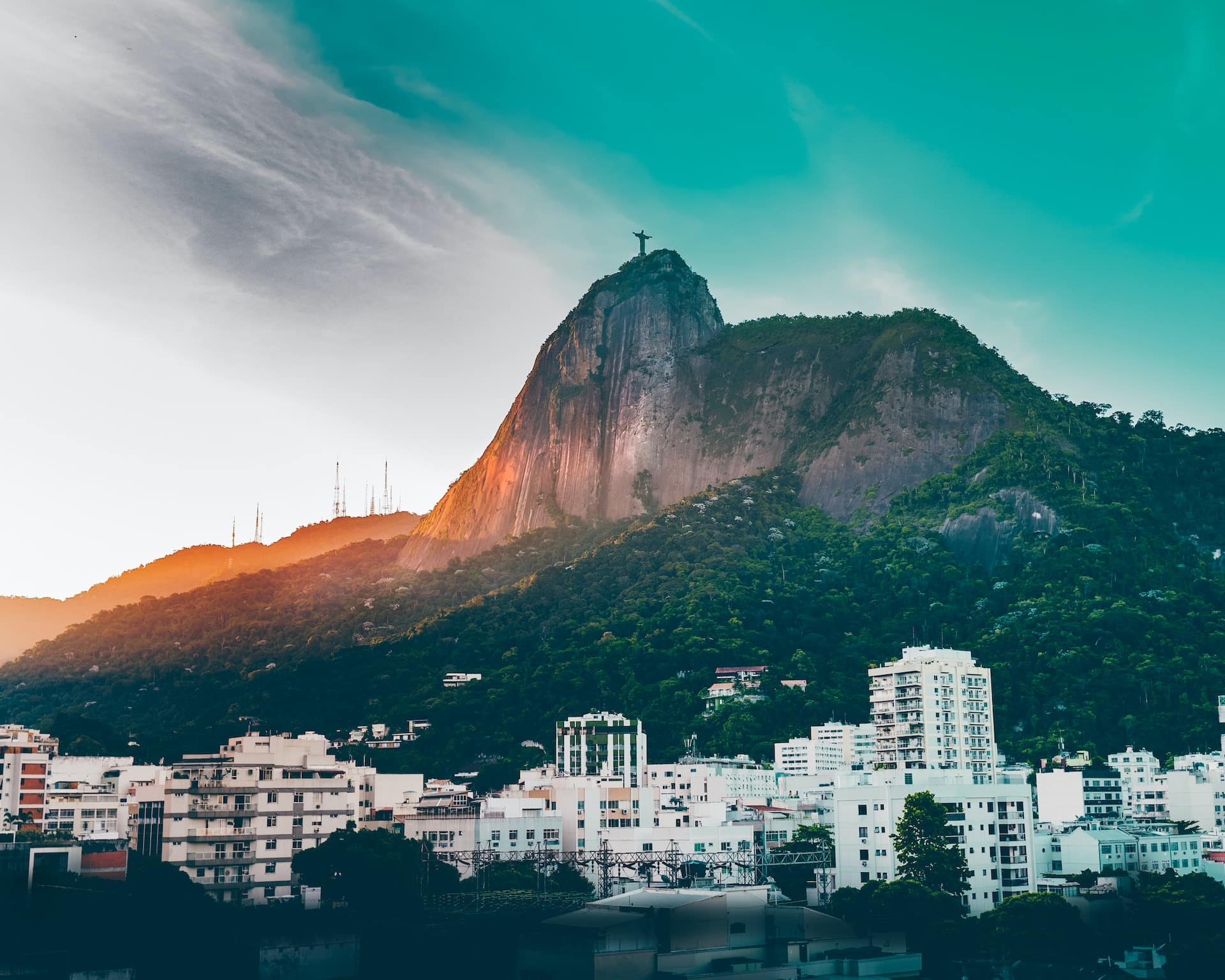
    — Christ the Redeemer, Copacabana and Ipanema beaches, and Sugarloaf Mountain anchor Brazil's most visited city.

  • Iguazu Falls

    — one of the world's largest waterfall systems, viewable from both the Brazilian and Argentine sides.

  • Amazon Rainforest

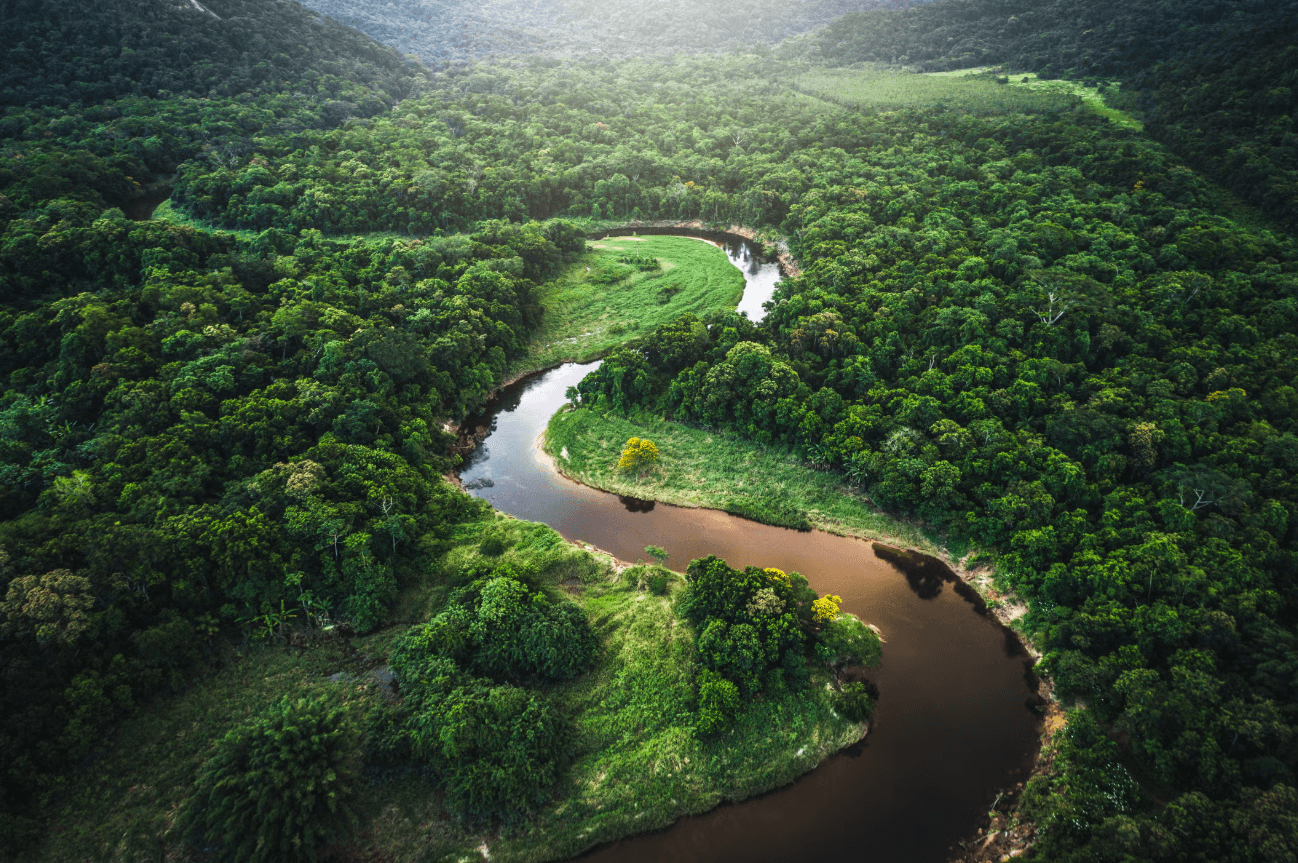
    — accessible via Manaus, offering guided lodge stays and river excursions into the world's largest rainforest.

  • Salvador

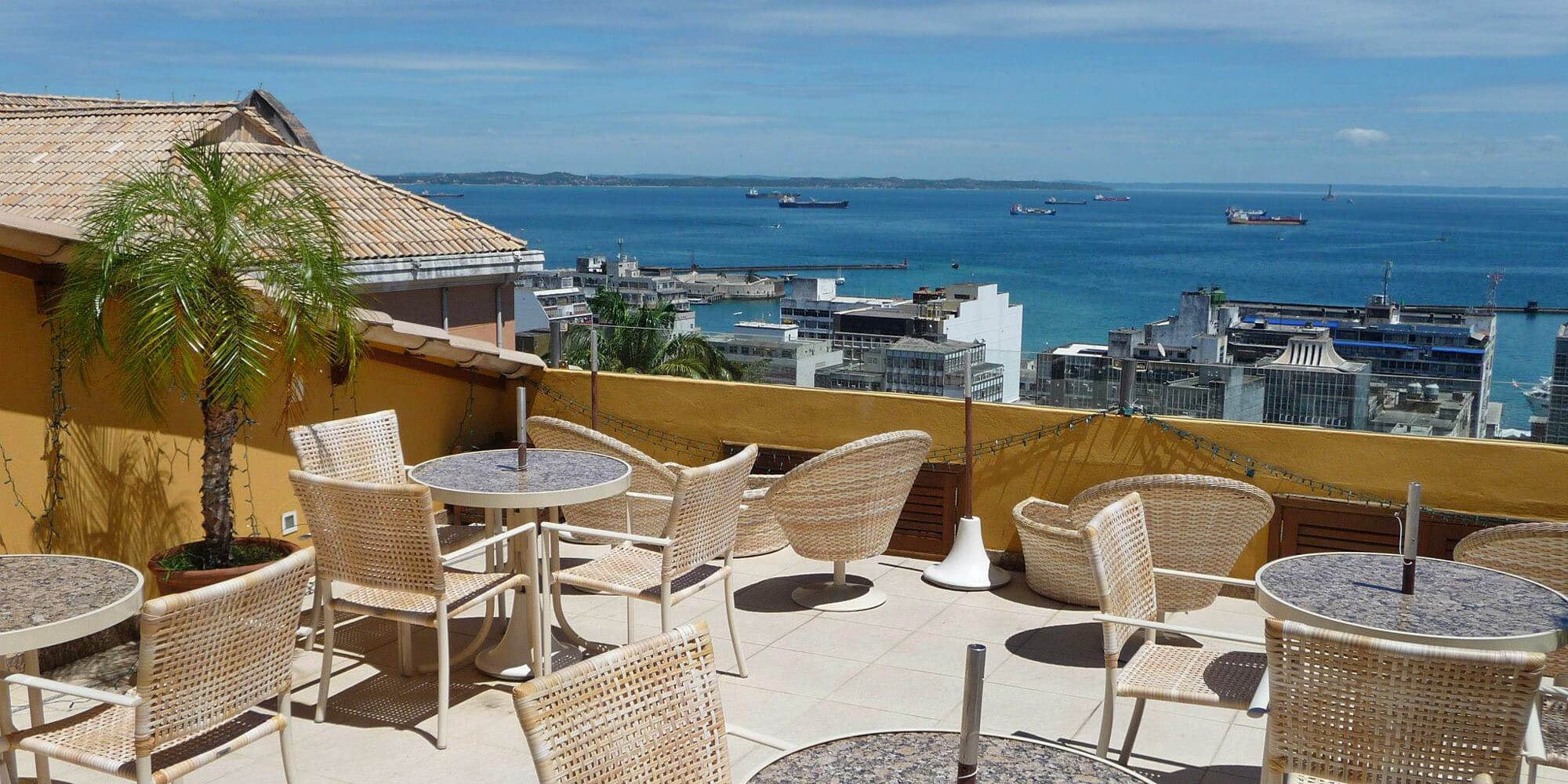
    — Brazil's Afro-Brazilian cultural capital, known for colonial architecture and a distinct culinary and music scene.

  • Carnival in Rio

    — Brazil's most famous festival, held in February or March depending on the year.

  • Paraty

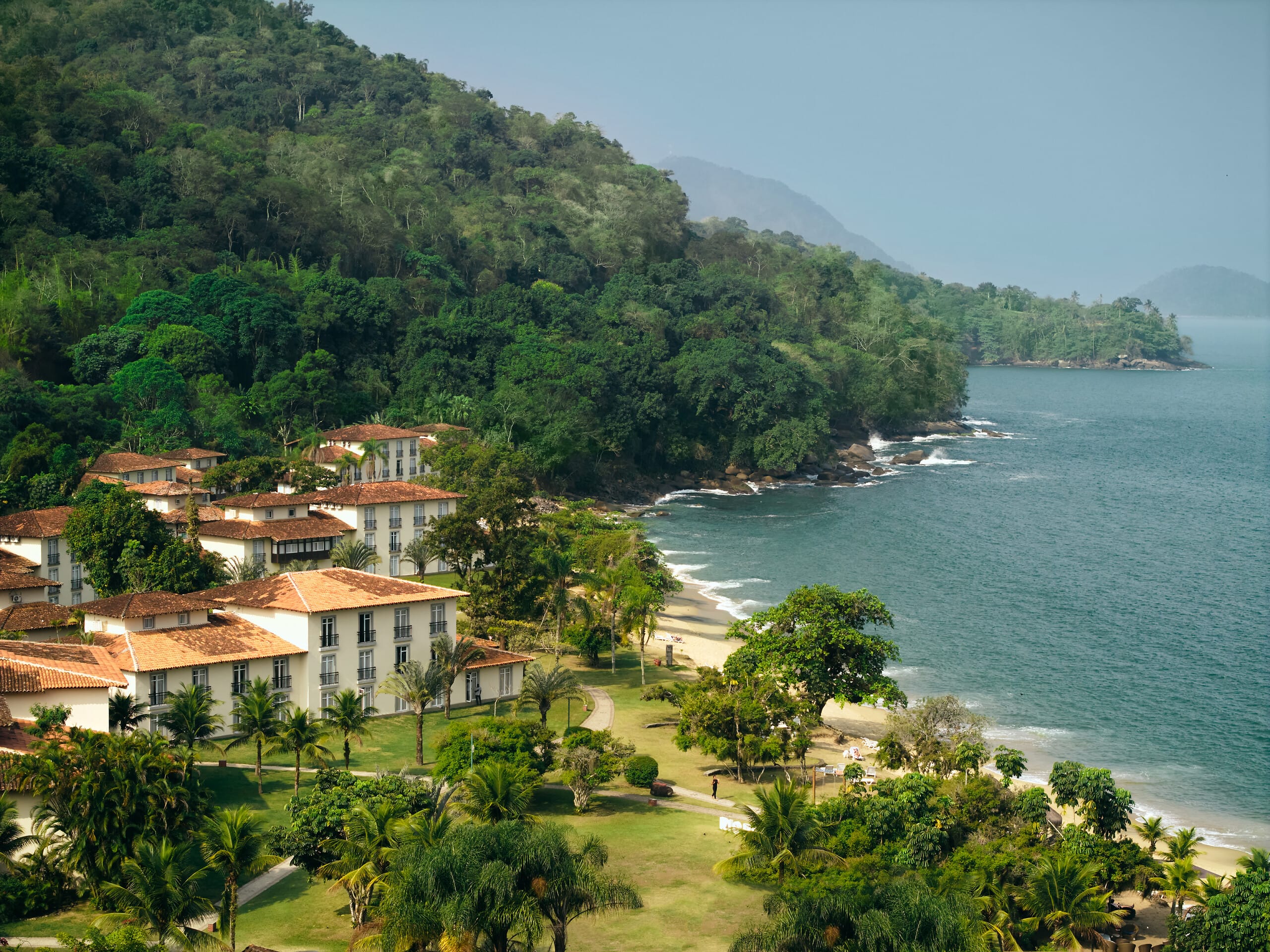
    — a preserved colonial coastal town, popular for a slower-paced add-on to a Rio-based trip.

More things to do in BrazilTap to see related guides
Brazil accommodation

Where to Stay

TraveliciousBites recommends Ipanema or Copacabana for first-time Rio visitors, both putting beaches and major sites within walking or short taxi distance.

Manaus serves as the standard gateway for Amazon lodge stays, with most operators including transportation from the city as part of a multi-day package.

Salvador's Pelourinho district offers boutique, colonial-era accommodation for travelers extending their trip north.

Brazil hotels and places to stayTap to see related guides

Getting There and Around

Direct flights from the US reach Rio de Janeiro or São Paulo in 9–11 hours, with most other regions requiring a domestic connection. US citizens currently enter Brazil visa-free for stays under 90 days, though reciprocity-based visa policy has shifted before, so confirm current requirements before booking.

Given Brazil's size, domestic flights connect major regions far more efficiently than overland travel — reaching the Amazon or Iguazu Falls from Rio typically requires a domestic flight rather than a drive. Rio itself is navigable by metro and taxi, with rideshare apps widely used and generally reliable.

How Much Does a Trip to Brazil Cost

Budget$1,200–$2,000Rio-only · 7 days
Luxury$5,000+Amazon lodges & premium stays

A 10-day Brazil trip covering Rio and one additional region typically runs $2,000–$3,500 per person mid-range, including domestic flights, accommodation, and activities. A Rio-only trip costs considerably less, around $1,200–$2,000 for a week, while adding an Amazon lodge stay increases the budget meaningfully given premium all-inclusive lodge pricing.

Brazil budget and trip-planning articlesTap to see related guides

Local Tips

  • Keep valuables minimal and out of sight on Rio's beaches, since petty theft targets tourists in crowded areas.
  • Learn basic Portuguese phrases, since English proficiency runs lower in Brazil than in many other major tourist destinations.
  • Book Amazon lodge stays through reputable operators with proper licensing, given the remote nature of the region.

Practical Essentials for Brazil

  • Brazil uses a mix of plug types depending on the region, so a universal adapter covers the safest bet, paired with a voltage converter for non-dual-voltage devices given Brazil's 127V/220V split by state.

  • A local SIM card offers the most affordable data option, widely available at airport kiosks on arrival.

  • Tipping around 10% is customary in restaurants, often already included as a service charge on the bill.

  • Tap water is best avoided in favor of bottled or filtered water throughout most of Brazil.

Advertisement

Latest from Brazil

Frequently Asked Questions About Brazil

Answers below draw on the same research TraveliciousBites uses across every destination and category guide.

What is the best time of year to visit Brazil?

April–June and September–November offer Brazil's most comfortable weather in the southeast, avoiding both Carnival season's crowds and the heaviest rains.

Do US citizens need a visa to visit Brazil?

US citizens currently enter Brazil visa-free for stays under 90 days, though this reciprocity-based policy has changed before, so confirm current requirements before booking.

How many days do you need for a Brazil trip?

Plan 10–14 days to cover Rio de Janeiro plus one additional region like Iguazu Falls or the Amazon without rushing.

Is Rio de Janeiro safe for tourists?

Rio is generally safe in well-traveled tourist areas like Ipanema and Copacabana, though standard precautions against petty theft apply, especially on beaches.

What is the best way to see the Amazon rainforest from Brazil?

Manaus serves as the standard gateway for Amazon lodge stays, with most operators including transportation and guided excursions as part of a multi-day package.

Is it better to visit Iguazu Falls from the Brazilian or Argentine side?

The Brazilian side offers panoramic views of the falls, while the Argentine side provides closer, more immersive walkways; many travelers visit both sides for the fullest experience.

When is Carnival in Rio de Janeiro?

Carnival falls in February or March depending on the year, timed to the 40 days before Easter, and requires booking accommodation months in advance.

Is tap water safe to drink in Brazil?

No, tap water is best avoided in most of Brazil in favor of bottled or filtered water throughout your trip.

Do I need to speak Portuguese to travel in Brazil?

Basic Portuguese phrases help significantly, since English proficiency runs lower in Brazil than in many other major tourist destinations, especially outside Rio and São Paulo.

How do I get between major regions in Brazil?

Domestic flights connect Brazil's major regions far more efficiently than overland travel, since reaching areas like the Amazon or Iguazu Falls from Rio typically requires a flight rather than a drive.

Is Brazil expensive to visit?

Brazil offers strong value for US travelers in most regions, with accommodation and dining generally more affordable than in the US, though Amazon lodges and Rio's beachfront hotels run higher.

What vaccinations do I need for Brazil?

Yellow fever vaccination is recommended for travelers heading to the Amazon region specifically, so consult a travel clinic 4–6 weeks before departure to confirm current guidance.

Is Sao Paulo worth visiting alongside Rio?

São Paulo offers a stronger food and arts scene than Rio but fewer iconic beaches and landmarks, making it a worthwhile addition for travelers with extra time rather than a replacement for Rio.

What should I pack for a Brazil trip?

Pack lightweight, breathable clothing for the coast, layers for higher-altitude regions like parts of Minas Gerais, and quick-dry fabrics if your itinerary includes the Amazon.

Is Iguazu Falls a day trip or does it need more time?

Plan at least two full days at Iguazu Falls to see both the Brazilian and Argentine sides properly, rather than treating it as a rushed single-day stop.

Advertisement