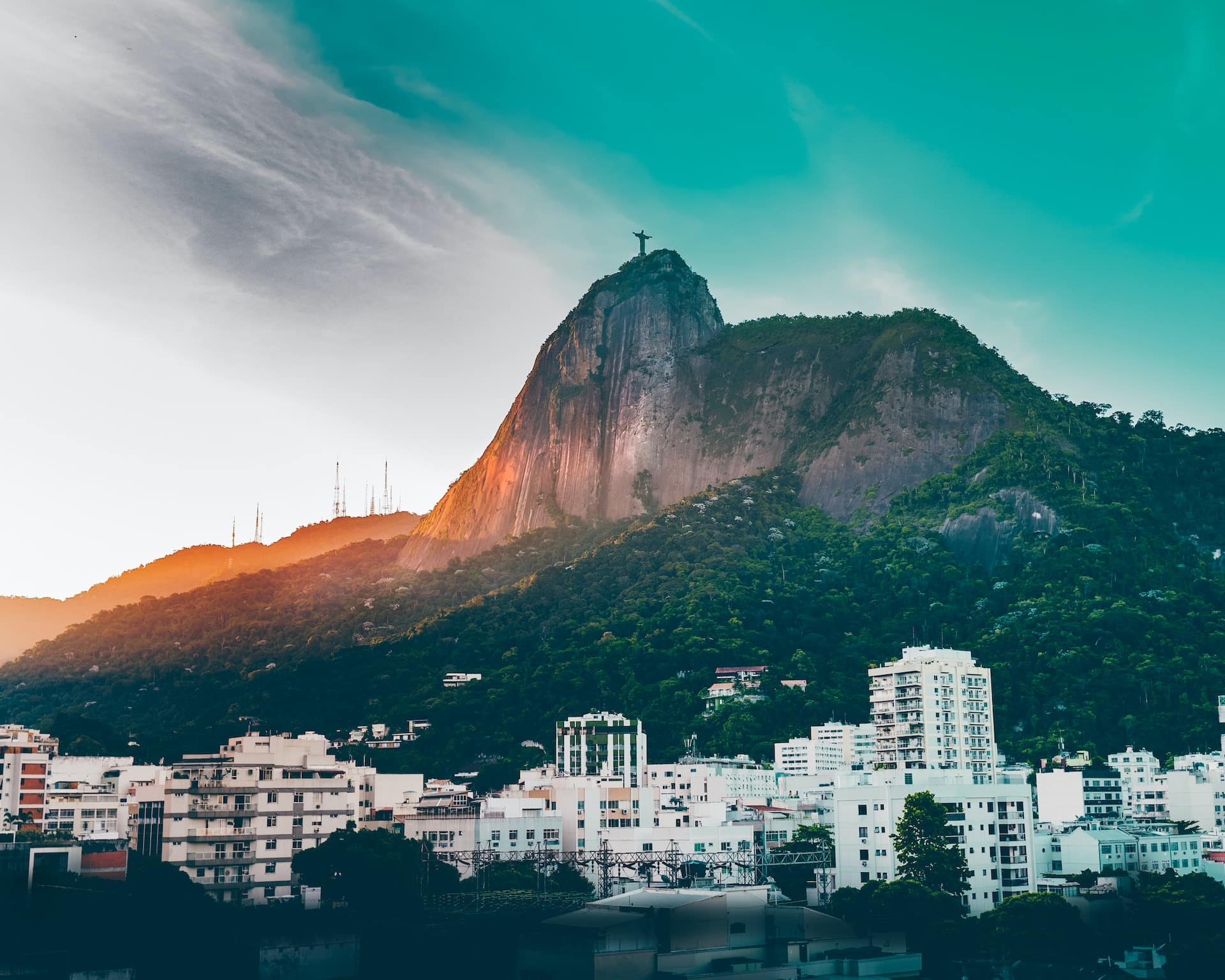
Travelers frequently ask is Rio de Janeiro safe before planning their trip—and rightly so. Rio is one of the most iconic cities in the world, but it also has a complex safety profile shaped by economic inequality, urban density, and regional differences. At the same time, a broader concern remains: is Brazil safe to visit for international travelers overall.
The reality is nuanced. Millions of tourists visit Brazil every year without major issues, especially in well-developed tourist zones. However, official travel advisories consistently recommend caution due to crime risks in urban areas.
Understanding where to go, what to avoid, and how to behave as a traveler makes a significant difference. With informed planning, Brazil can be explored safely and confidently.
Also Read - Best South American Countries to Visit: Top Destinations & Hidden Gems
Safety Rankings & Global Context
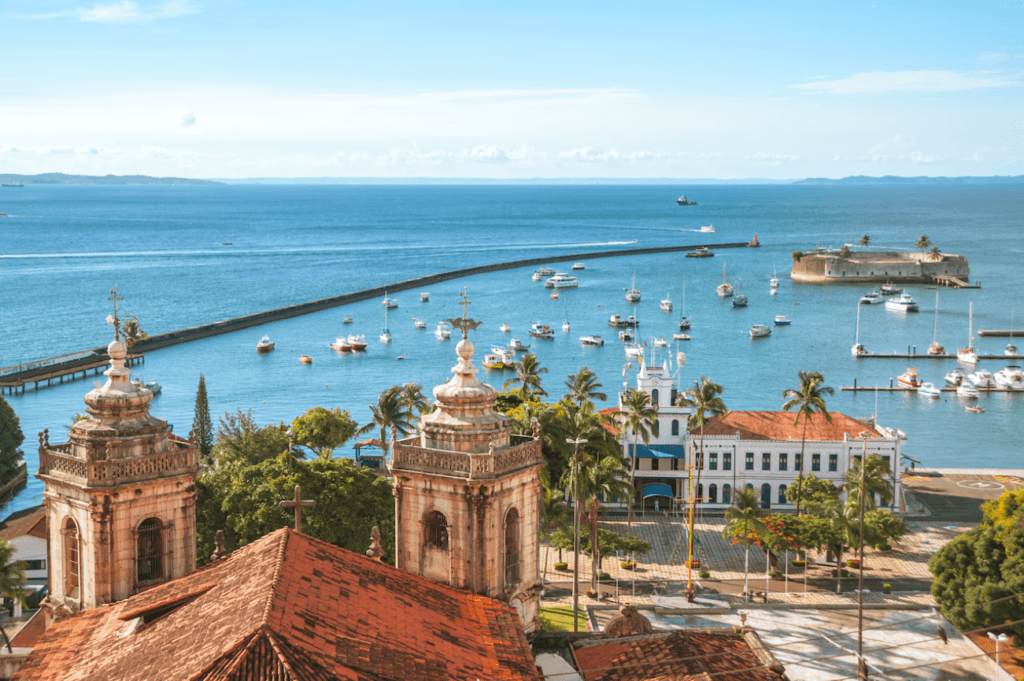
To answer is Brazil safe to visit, it is important to look at global safety indicators rather than perception alone.
- Brazil is classified as “Exercise Increased Caution” due to crime risks
- Rio de Janeiro has a high crime index (~75) compared to global cities
- National crime levels have improved, but regional variation remains significant
These rankings indicate that Brazil is not among the safest countries globally, but it is also not uniquely dangerous. It falls into a category similar to other large tourist destinations where awareness is essential.
For Rio specifically, crime perception remains high due to visible inequality and the presence of favelas, but tourist areas are generally safer than headlines suggest.
Also Read - When to Visit Brazil: Complete Seasonal Travel Guide
Is Rio de Janeiro Safe for Tourists?
The answer to is Rio de Janeiro safe depends largely on location. Rio is a city where safety varies significantly between neighborhoods.
Safer Areas
- Copacabana
- Ipanema
- Leblon
- Barra da Tijuca
These areas are well-policed, heavily visited, and designed for tourism. Most incidents here involve petty theft rather than violent crime.
Higher-Risk Zones
- Unregulated favelas
- Northern districts
- Isolated streets at night
Authorities advise avoiding favelas without local guidance, as they may be controlled by organised crime groups.
In practice, travellers who stay in the southern zones (Zona Sul) and follow precautions rarely encounter serious issues.
Is Brazil Safe to Visit Overall?

When considering is Brazil safe to visit, it is essential to recognise that Brazil is geographically vast and diverse. Safety levels vary widely by region.
Tourist-friendly destinations such as Rio, Salvador, Florianópolis, and Foz do Iguaçu are generally well-prepared for international visitors. Infrastructure, policing, and tourism services are strongest in these areas.
However, crime risks remain higher in major urban centres, particularly in densely populated areas. Violent crime, including robbery and carjacking, can occur in cities, though tourists are more commonly affected by non-violent theft.
Overall, Brazil is considered safe for travelers who take precautions and avoid high-risk areas.
Crime Reality: What the Data Shows
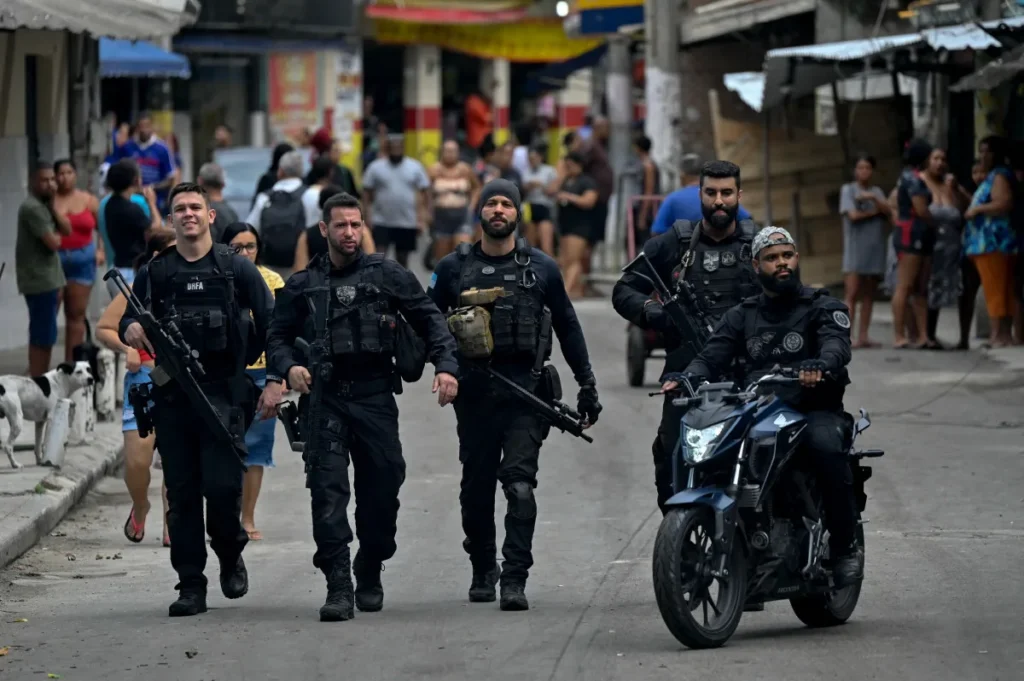
Understanding crime statistics provides a clearer answer to both is Rio de Janeiro safe and Is Brazil safe to visit.
- Crime is concentrated in specific urban areas, not evenly distributed
- Rio’s crime index is high, but incidents are often localised
- National homicide rates have declined in recent years
Importantly, most crimes affecting tourists are opportunistic rather than targeted.
Common incidents include:
- Phone snatching
- Pickpocketing
- Bag theft
Violent crime exists but is less likely in tourist-heavy districts during normal travel activities.
Common Risks Travelers Should Know
1. Petty Theft
Petty theft is by far the most common issue travellers face in Brazil, especially in major cities like Rio de Janeiro and São Paulo. It typically includes pickpocketing, phone snatching, and bag theft, particularly in crowded environments such as beaches, public transport, festivals, and markets.
Tourists are often targeted because they may appear unfamiliar with their surroundings or carry visible valuables like smartphones and cameras. Theft frequently happens quickly and without confrontation—for example, someone grabbing a phone while it is being used on the street.
Large events such as Carnival or New Year celebrations increase the risk due to dense crowds. The key pattern is opportunistic crime, meaning thieves act when they see an easy opportunity rather than targeting individuals specifically.
2. Scams & Drink Spiking
Scams in Brazil have become more sophisticated, particularly in nightlife areas. One of the most serious concerns is drink spiking, where substances are added to drinks to make victims disoriented or unconscious.
These incidents often occur in bars, clubs, beaches, or even through social interactions (including dating apps). Victims may be robbed, forced to withdraw money, or have their bank cards misused.
Authorities have also reported cases involving methanol poisoning, where unsafe alcohol is consumed unknowingly.
A key risk factor is accepting drinks from strangers or leaving drinks unattended. This type of crime is less frequent than petty theft but more serious, requiring heightened awareness in social settings.
3. Transport Safety
Transport-related risks are a key factor when evaluating is Brazil safe to visit, especially in large cities like Rio de Janeiro and São Paulo. Public buses, while widely used, are considered higher-risk environments—particularly at night—due to reported incidents of robbery and assault.
Criminal activity often occurs in crowded transport hubs or during peak hours, where thieves operate in groups and target distracted passengers. Additionally, road conditions and driving behaviour can be unpredictable, increasing accident risks.
Unlicensed taxis are another concern. Travellers have reported cases of overcharging, scams, and in rare instances, robbery. Licensed taxis and ride-hailing services like Uber are significantly safer because they provide driver verification, GPS tracking, and trip-sharing features.
For those wondering is Rio de Janeiro safe, transport choice plays a major role. The safest approach is to use metro systems where available, book transport through apps, avoid buses at night, and remain alert—especially in busy or unfamiliar areas.
4. Favela Entry Risks
Favelas are a defining part of Brazil’s urban landscape, but they also raise important concerns when discussing is Rio de Janeiro safe. While some favelas have developed community-led tourism, many remain under the influence of organised crime groups or militias, creating unpredictable conditions.
Violence in these areas is typically linked to conflicts between gangs or police operations rather than tourists. However, the unpredictability of such incidents poses serious risks, even for visitors who enter unintentionally. Authorities have reported cases where tourists were harmed after accidentally entering these neighbourhoods.
For travelers asking is Brazil safe to visit, favelas highlight the importance of understanding local geography. Navigation apps may sometimes route drivers through these areas, increasing risk if not monitored carefully.
Limited infrastructure, restricted emergency access, and language barriers can further complicate situations. As a result, official travel advice strongly recommends avoiding favelas entirely unless visiting with experienced, reputable guides—and even then, caution is essential.
Safety Features & Improvements
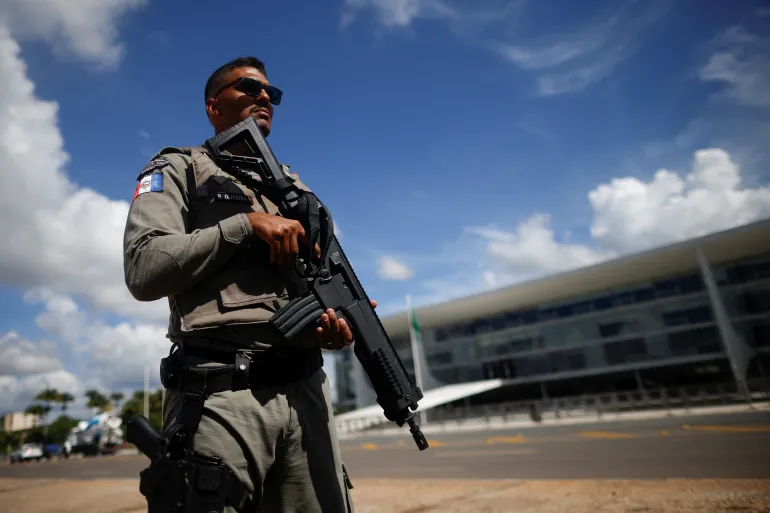
Despite its challenges, Brazil has introduced several safety measures that improve the travel experience:
- Tourist police units in Rio and major cities
- Increased surveillance systems in urban areas
- Enhanced policing in high-traffic tourist zones
- Declining crime trends in certain regions
These improvements have made key tourist areas safer than in previous decades, particularly during peak seasons and major events.
Practical Safety Tips for Travelers
To confidently navigate is Rio de Janeiro safe, travelers should follow these essential tips:
- Avoid displaying expensive items like jewellery or phones
- Use Uber or licensed taxis instead of random street taxis
- Stay in well-reviewed hotels in safe neighbourhoods
- Avoid walking alone late at night
- Keep valuables in hotel safes
- Stay alert in crowded areas
For those asking is Brazil safe to visit, these simple precautions significantly reduce risk.
Solo Travel & Female Traveler Safety
Rio and Brazil are popular among solo travelers, but caution is necessary.
- Stick to well-lit, busy areas
- Avoid isolated beaches after dark
- Be cautious when socialising with strangers
- Share travel plans with someone
Solo female travellers can explore safely, but should exercise heightened awareness, particularly in nightlife environments.
When Does Brazil Feel Safest?
- Peak season (Dec–March): More police presence, higher crowd density
- Shoulder seasons: Balanced safety with fewer tourists
- Daytime exploration is generally safer than late-night activities
Timing can influence perceived safety, especially in busy tourist areas.
Final Thoughts
Safety in Brazil, particularly in Rio de Janeiro, is best understood through context rather than assumptions. The country presents a blend of world-class travel experiences and real urban challenges, much like many major global destinations. While crime exists, it is often concentrated in specific areas and rarely affects travelers who plan wisely and remain aware of their surroundings.
Choosing the right neighbourhoods, using reliable transport, and avoiding unnecessary risks can significantly enhance personal safety. Most visitors experience Brazil without major issues and leave with lasting impressions of its culture, landscapes, and vibrant atmosphere.
Rather than avoiding the destination, a more effective approach is to travel with informed caution and practical awareness. This mindset allows visitors to experience Brazil authentically while maintaining a strong sense of security, turning potential concerns into manageable considerations.




Comments 0
Only approved comments are shown here.