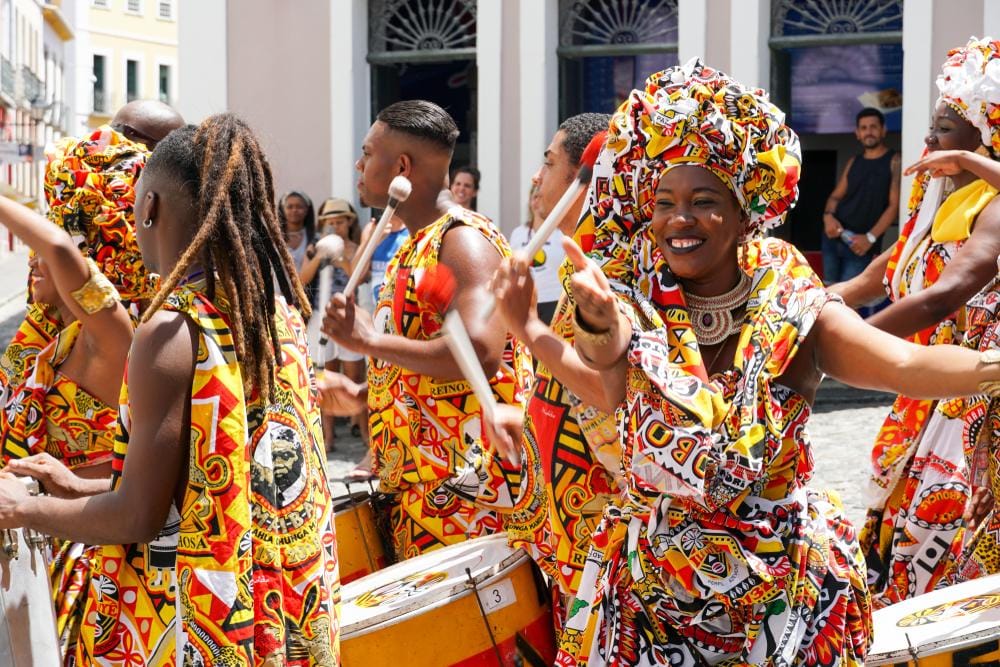
To understand what is the culture like in Brazil, one must look beyond surface-level attractions and explore the historical layers that shaped the nation. Brazil’s identity is the result of centuries of interaction between Indigenous communities, Portuguese colonisers, and enslaved Africans, creating a complex yet harmonious cultural fabric.
The richness of Brazil culture is evident in everyday life—from music echoing through city streets to shared meals that bring families together. Meanwhile, Brazilian cultural traditions preserve ancestral roots through rituals, festivals, and artistic expression.
Across regions, Brazil offers not one culture but many, each with its own identity, rhythm, and traditions, making it one of the most culturally dynamic countries in the world.
Also Read - Brazilian Traditional Dance: 7 Iconic Brazilian Dance & Afro Brazilian Styles
This post contains affiliate links, which means if you book through them, a small commission may be earned at no extra cost to you. Thanks so much for supporting the blog!
1. Festivals & Celebrations – The Pulse of Society
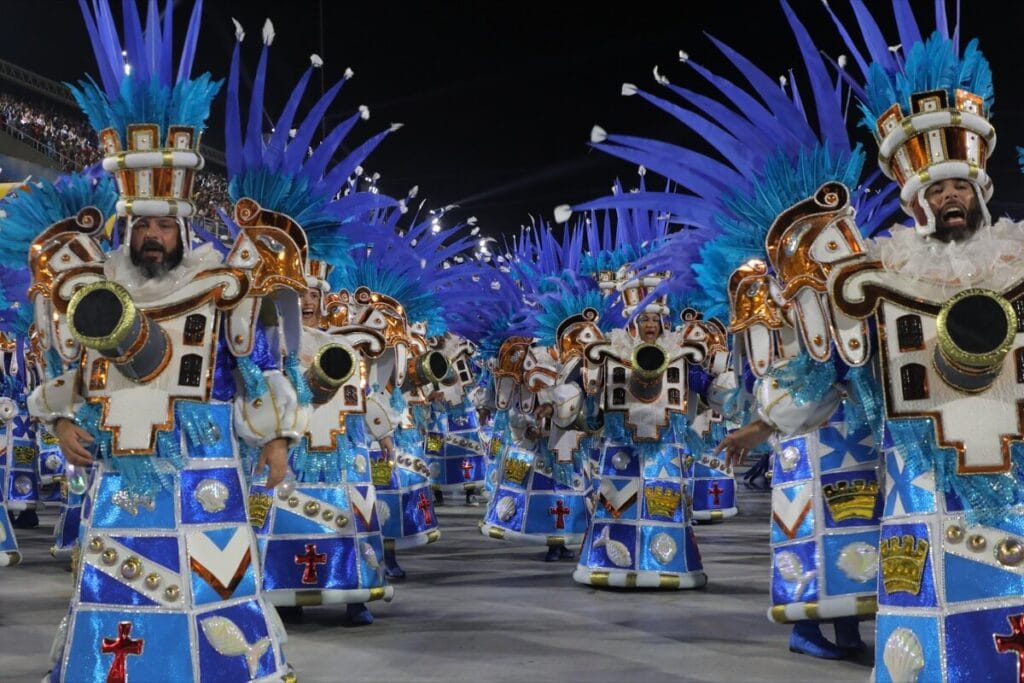
Festivals are central to Brazil culture, reflecting both religious traditions and social identity. The Rio Carnival is the most iconic event, where samba schools compete with elaborate floats, costumes, and synchronised choreography. This is not merely entertainment but a structured cultural institution involving months of preparation within communities.
Festa Junina, held in June, celebrates rural life and Catholic saints with traditional dances, bonfires, and foods like corn-based dishes. In Salvador, Carnival takes on a street-party format with Afro-Brazilian rhythms dominating the celebrations.
These events highlight how collective participation defines national identity, with festivals serving as platforms for cultural preservation, artistic innovation, and social unity.
2. Music & Dance – A Living Expression
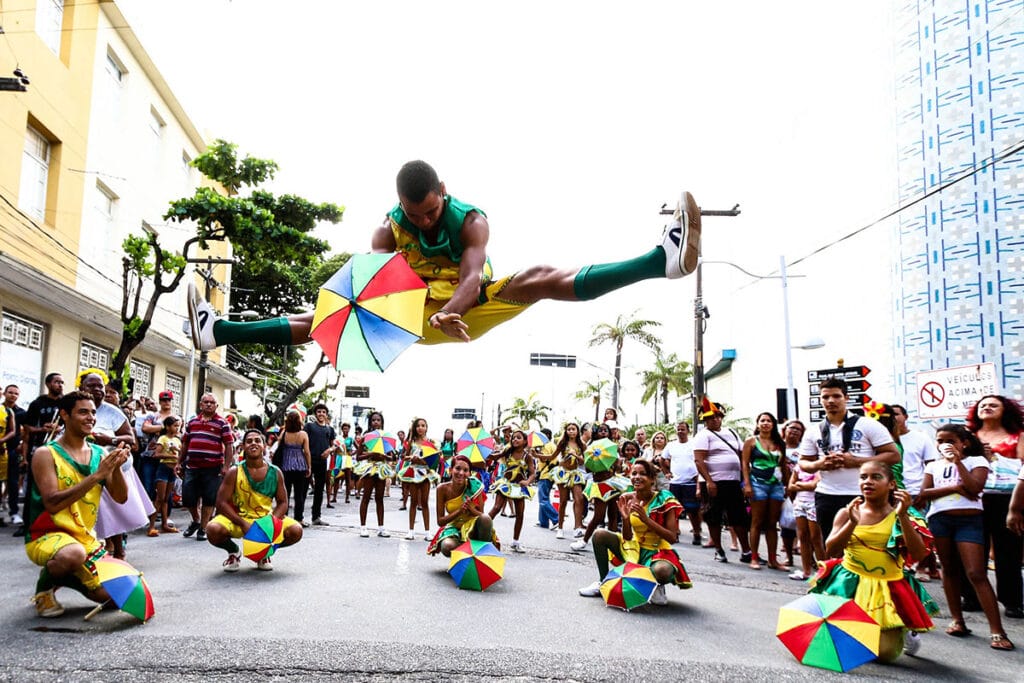
Music and dance are inseparable from daily life, making them essential to understanding what is the culture like in Brazil. Genres such as samba, bossa nova, and forró emerged from historical interactions between African rhythms and European melodies.
In cities like Rio and Salvador, live music is a constant presence, from street performers to organised events. Capoeira, combining dance and martial arts, demonstrates how movement carries historical meaning, rooted in resistance and survival.
Dance is often spontaneous and inclusive, allowing individuals of all ages to participate. This accessibility reinforces the idea that cultural expression in Brazil is not confined to professionals but shared widely within communities.
3. Food Culture – Regional Identity on a Plate
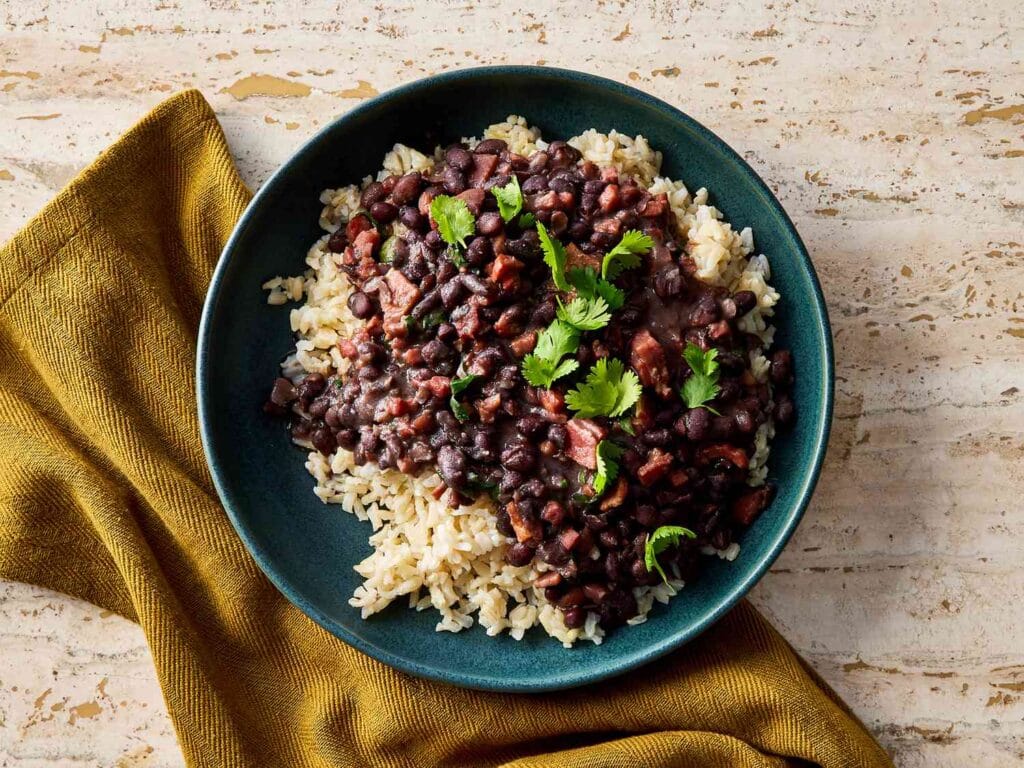
Food plays a crucial role in Brazilian cultural traditions, reflecting regional diversity and historical influences. Feijoada, a black bean stew with pork, originated from enslaved communities and is now considered a national dish.
In Bahia, African influences dominate, with dishes like acarajé made from black-eyed peas and palm oil. Southern Brazil reflects European heritage, particularly in barbecue traditions known as churrasco.
Meals are often social events, reinforcing family bonds and community interaction. Street food culture is also strong, with markets offering fresh juices, snacks, and regional specialties. This culinary diversity provides insight into Brazil’s multicultural roots and evolving identity.
4. Football – National Identity and Passion
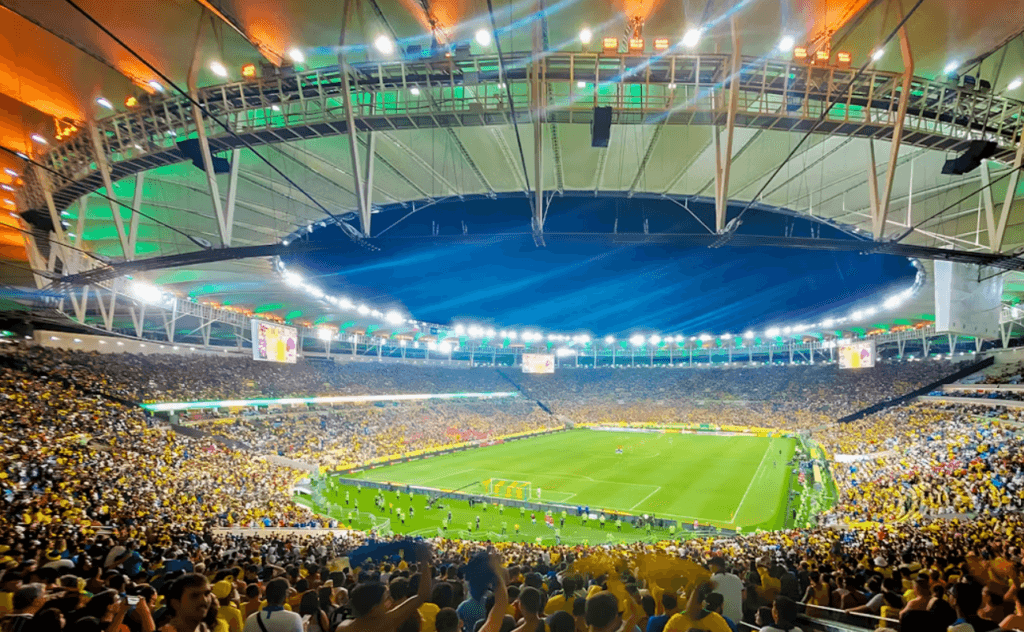
Football is deeply embedded in Brazil culture, functioning as both a sport and a national symbol. From informal street games to professional leagues, it is accessible to people across all social classes.
The Maracanã Stadium is one of the most famous venues, hosting historic matches and major tournaments. Players like Pelé have shaped global perceptions of the sport.
Football fosters unity, with matches becoming communal experiences where neighborhoods gather to watch and celebrate. It also reflects broader social dynamics, offering opportunities for mobility and international recognition.
5. Religion & Spirituality – A Unique Cultural Fusion
Religion in Brazil represents a blend of influences, making it a key element of what is the culture like in Brazil. While Catholicism remains dominant, Afro-Brazilian religions such as Candomblé and Umbanda incorporate African spiritual practices with local beliefs.
These traditions often involve music, dance, and symbolic rituals honouring deities known as orixás. Religious festivals and processions are common, reflecting both faith and cultural heritage.
This coexistence of belief systems illustrates Brazil’s cultural adaptability, where different traditions merge without losing their distinct identities.
6. Social Life & Hospitality – Community at the Core
Social interaction is fundamental to Brazil culture, with strong emphasis on relationships and community. Gatherings often revolve around food, particularly churrasco, where grilled meats are shared among friends and family.
Public spaces such as beaches, cafés, and parks serve as social hubs where people meet regularly. Brazilians are known for their warmth and openness, often welcoming visitors with genuine hospitality.
This culture of connection extends beyond family to neighbours and colleagues, reinforcing a sense of belonging and shared identity.
7. Art & Architecture – Creativity and Innovation
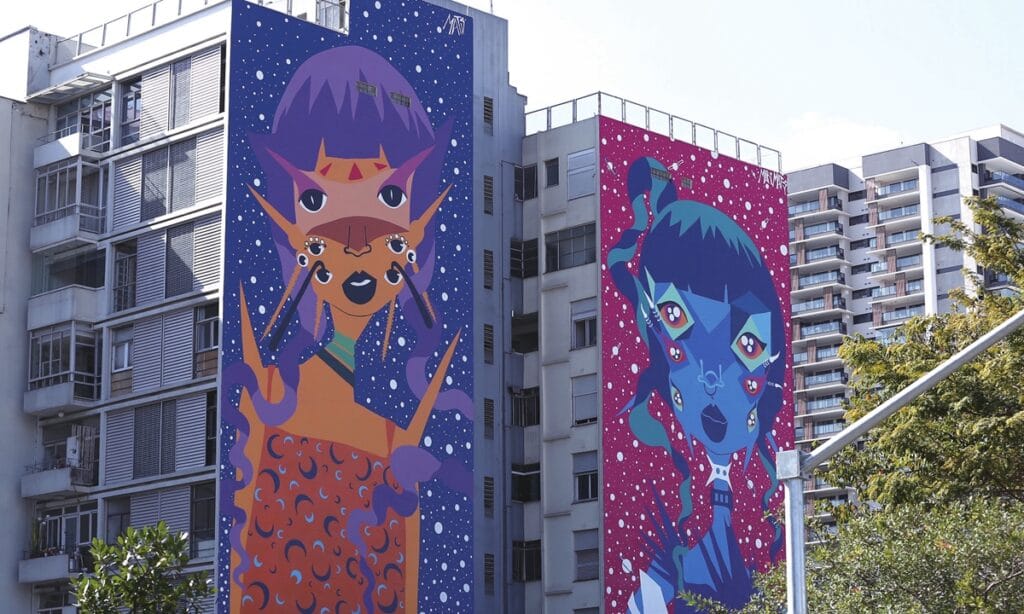
Artistic expression is a significant part of Brazilian cultural traditions, visible in architecture, visual arts, and design. Cities like São Paulo feature extensive street art, transforming urban spaces into open-air galleries.
The modernist architecture of Brasília, designed by Oscar Niemeyer, showcases innovation with futuristic structures. Meanwhile, colonial cities like Salvador preserve historical designs influenced by Portuguese architecture.
This combination of old and new highlights Brazil’s ability to balance tradition with modern creativity.
8. Language & Communication – Expressive Identity
Language plays a defining role in what is the culture like in Brazil., with Portuguese serving as a unifying factor across a vast and diverse country. Unlike neighboring nations, Brazil’s linguistic identity sets it apart within South America.
Communication styles are expressive, often involving gestures, tone variation, and emotional emphasis. Conversations are typically warm and engaging, reflecting the country’s social nature.
Language also carries regional variations, with accents and slang differing across states, adding further depth to cultural identity.
Also Read - Best South American Countries to Visit: Top Destinations & Hidden Gems
9. Regional Diversity – Multiple Cultures Within One Nation
Regional diversity is one of the most defining aspects of Brazil culture, with each area offering distinct traditions and lifestyles. The Amazon region emphasises Indigenous heritage and environmental connection, while Bahia reflects strong African influence in music, food, and religion.
Southern Brazil shows European immigration patterns, particularly German and Italian influences in architecture and cuisine. The Pantanal region focuses on rural life and ecological tourism.
This diversity ensures that experiences vary significantly across the country, making Brazil culturally complex and endlessly fascinating.
Final Thoughts
Brazil’s culture is a remarkable tapestry woven from history, diversity, and shared human experiences. Each region contributes its own voice, creating a nation that feels both unified and wonderfully varied. What makes it truly compelling is how traditions remain alive—not confined to museums or performances, but integrated into daily life through food, music, language, and social interaction.
Travellers who engage with local communities, explore regional differences, and participate in cultural practices gain a deeper appreciation of this richness. It is not just about observing but experiencing—feeling the rhythm in the streets, tasting heritage in every dish, and understanding the stories behind every celebration.
This depth and authenticity make Brazil a destination that leaves a lasting impression far beyond the journey itself.


Comments 0
Only approved comments are shown here.