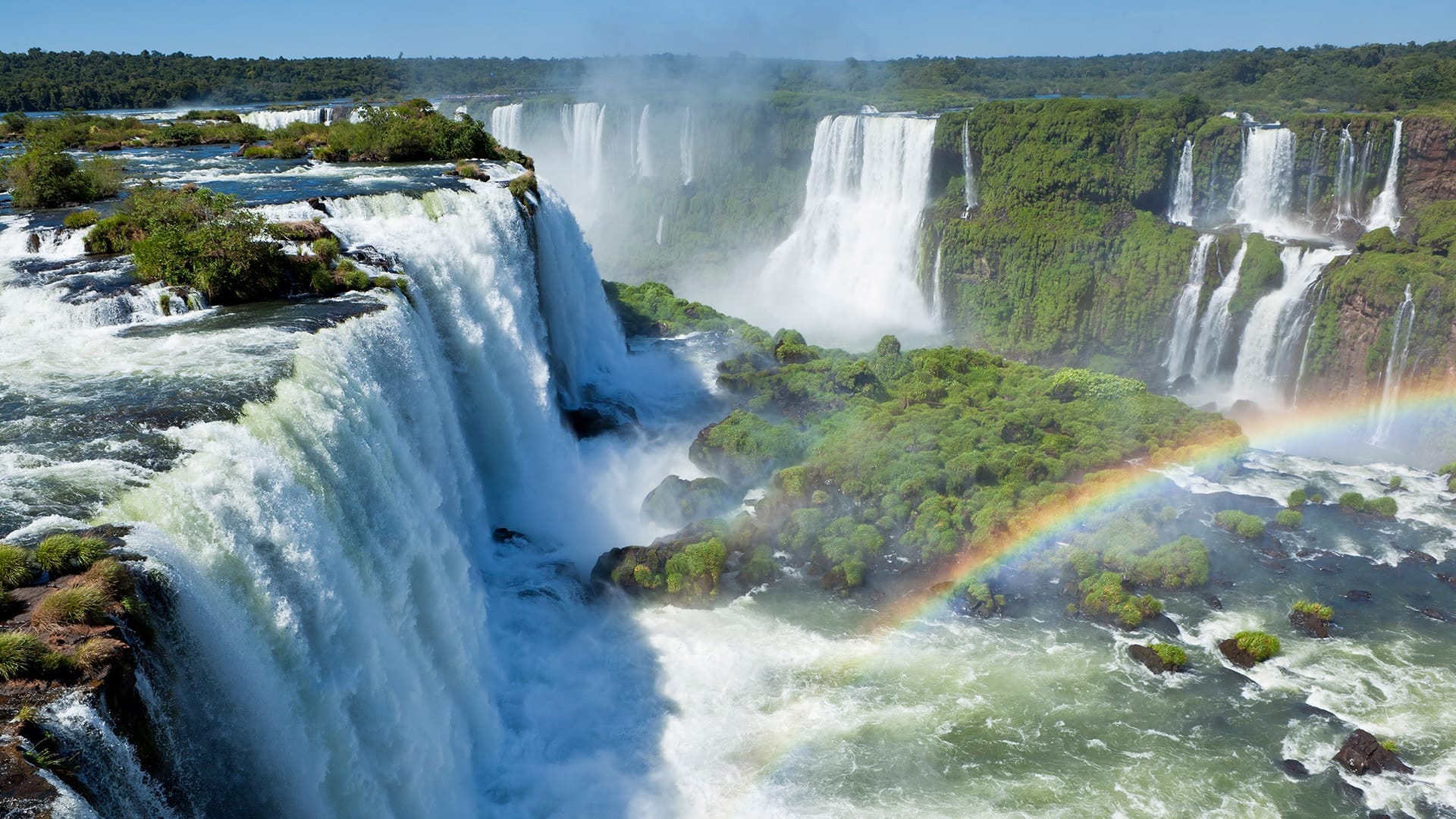
Understanding when to visit Brazil requires more than checking general weather patterns. As the fifth-largest country in the world, Brazil spans multiple climate zones—from equatorial rainforest in the Amazon to subtropical regions in the south. This means travel conditions vary significantly depending on location and time of year.
The timing of your trip influences everything from accessibility to wildlife visibility and festival experiences. While some travellers prioritise beach weather and nightlife, others may focus on nature, culture, or affordability.
This guide provides a detailed seasonal breakdown, helping travellers choose the ideal time based on specific interests, ensuring a more comfortable and enriching experience across Brazil’s diverse regions.
Brazil Weather Overview by Season
Summer (December – March)
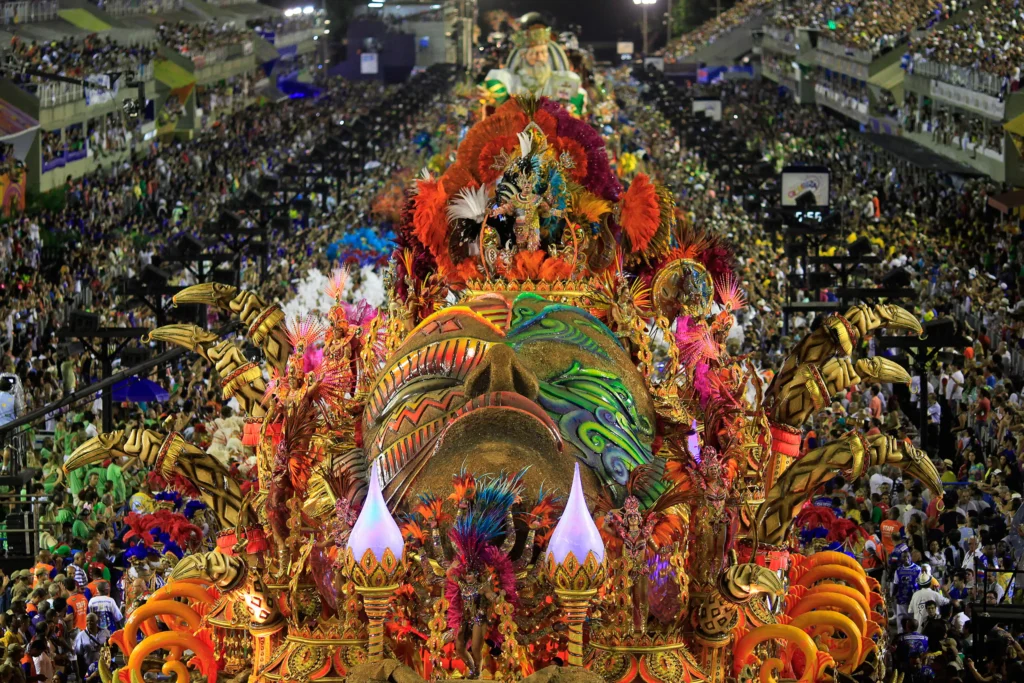
Summer is the peak tourist season and often the first choice when deciding when to visit Brazil for a vibrant, energetic atmosphere. Coastal cities such as Rio de Janeiro and Salvador experience temperatures ranging between 28°C and 35°C, accompanied by high humidity and occasional tropical showers.
This season is famous for hosting the Rio Carnival, one of the largest cultural events globally. Beaches like Copacabana and Ipanema are lively, with music, sports, and nightlife extending late into the night.
However, this period also sees higher prices and crowds. In the Amazon, rainfall increases river levels, making boat travel easier but limiting jungle trekking. Summer is ideal for travelers seeking celebration, energy, and coastal experiences.
This post contains affiliate links, which means if you book through them, a small commission may be earned at no extra cost to you. Thanks so much for supporting the blog!
Autumn (April – June)
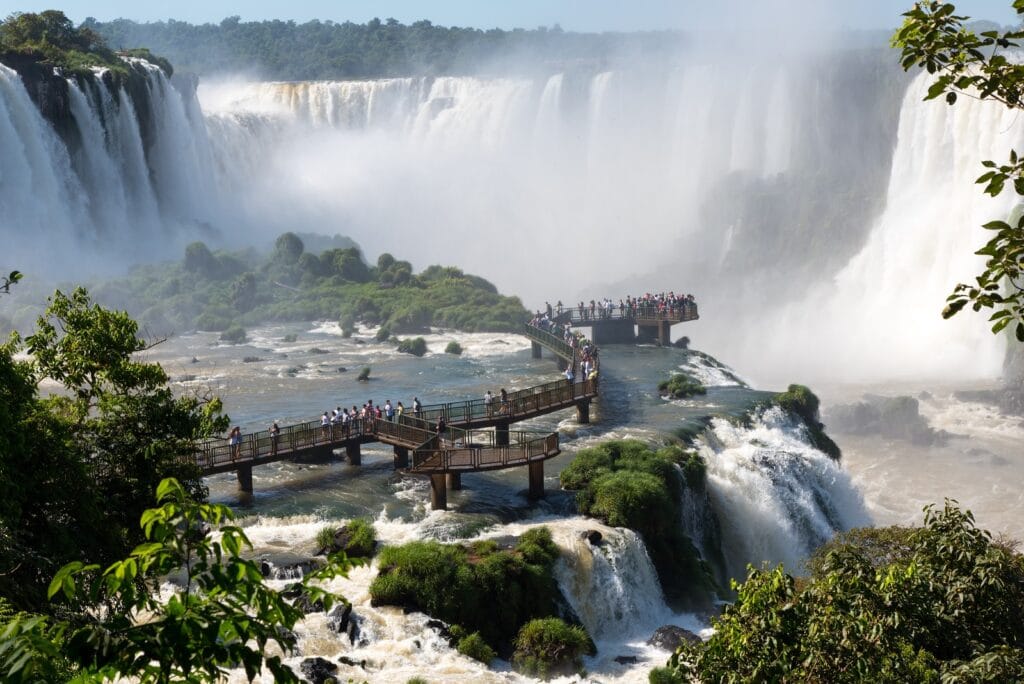
Autumn is a transitional season and one of the most comfortable periods when considering when to visit Brazil for balanced weather and fewer tourists. Temperatures range from 20°C to 28°C, with reduced humidity and less rainfall in many regions.
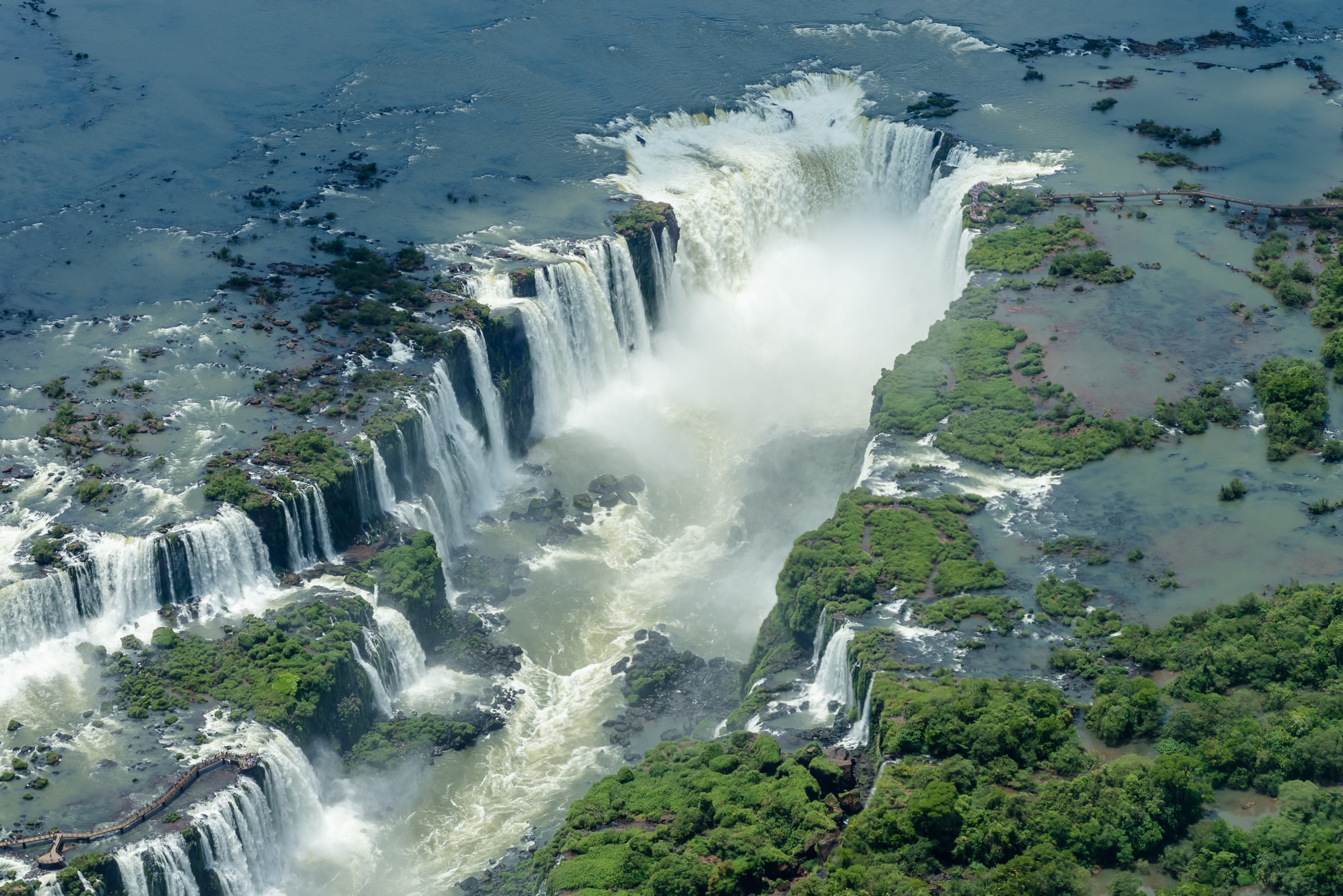
This is an excellent time to visit cities like Rio and São Paulo, where sightseeing becomes more enjoyable without extreme heat. Iguazu Falls maintains strong water flow, offering impressive views without peak-season crowds.
In the Pantanal, the early dry season begins, gradually improving wildlife visibility. Autumn offers a quieter and more relaxed travel experience, making it ideal for cultural exploration and photography.
Winter (July – September)
Winter is widely regarded as the best season when deciding when to visit Brazil for nature and wildlife experiences. Temperatures are milder, ranging from 15°C to 25°C, with cooler conditions in southern regions.
The Amazon enters its dry season, making forest trails more accessible and wildlife easier to spot. Similarly, the Pantanal becomes one of the top destinations for jaguar sightings, as animals gather near shrinking water sources.
Although beach destinations remain pleasant, they are less crowded compared to summer. This season is perfect for travelers interested in eco-tourism, wildlife photography, and outdoor exploration.
Spring (October – November)
Spring is a shoulder season that offers excellent value and scenic beauty, making it a strategic choice when evaluating when to visit Brazil. Temperatures range from 22°C to 30°C, with landscapes becoming greener due to increasing rainfall.
Iguazu Falls reaches impressive water levels during this time, creating dramatic views. National parks and natural reserves appear vibrant, making it ideal for photography and outdoor activities.
Tourist numbers remain moderate, allowing for better accommodation deals and fewer crowds at major attractions. Spring is particularly suitable for travellers seeking a balance between cost, comfort, and visual appeal.
Best Time by Travel Interest
Beaches
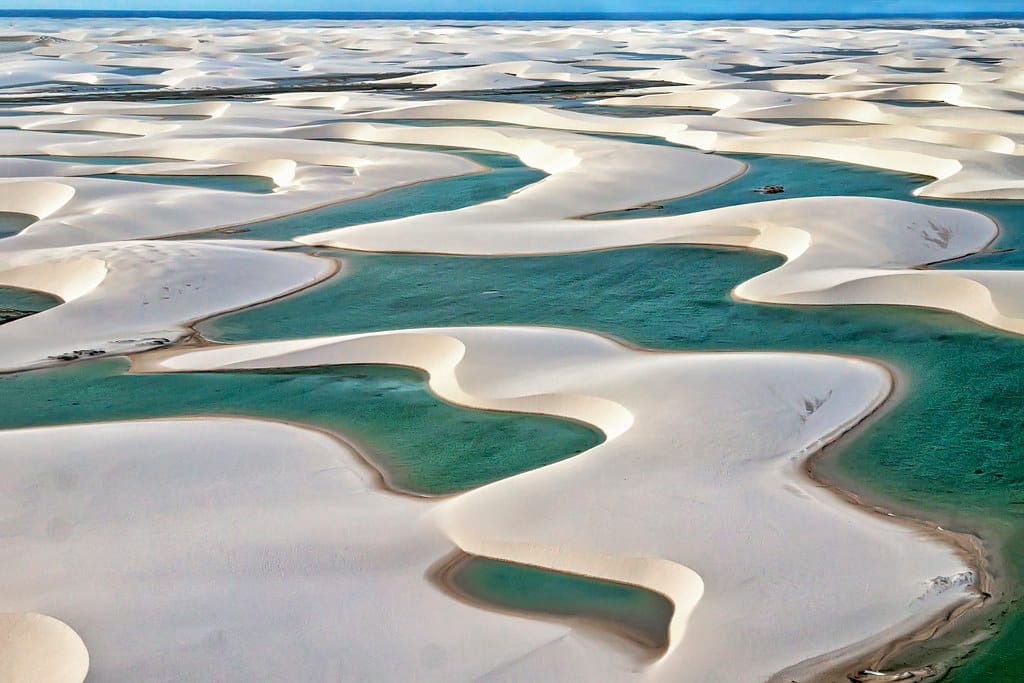
For beach lovers, understanding when to visit Brazil is essential for maximising coastal experiences. The summer months from December to March offer the warmest sea temperatures and the most vibrant beach culture.
Rio de Janeiro, Florianópolis, and Bahia become social hubs, with beach sports, music, and nightlife defining daily life. However, this period also brings higher humidity and larger crowds.
For a quieter experience, visiting in early autumn (April) provides pleasant weather with fewer tourists while still maintaining good beach conditions.
Amazon Rainforest
The Amazon offers two distinct experiences depending on when to visit Brazil. During the wet season (December to May), rivers expand, allowing deeper exploration by boat and access to flooded forests.
In contrast, the dry season (June to September) provides better conditions for trekking and wildlife spotting, as animals are more visible and trails are accessible.
Both seasons have advantages, but travellers should choose based on preferred activities—river exploration or jungle trekking.
Pantanal Wildlife
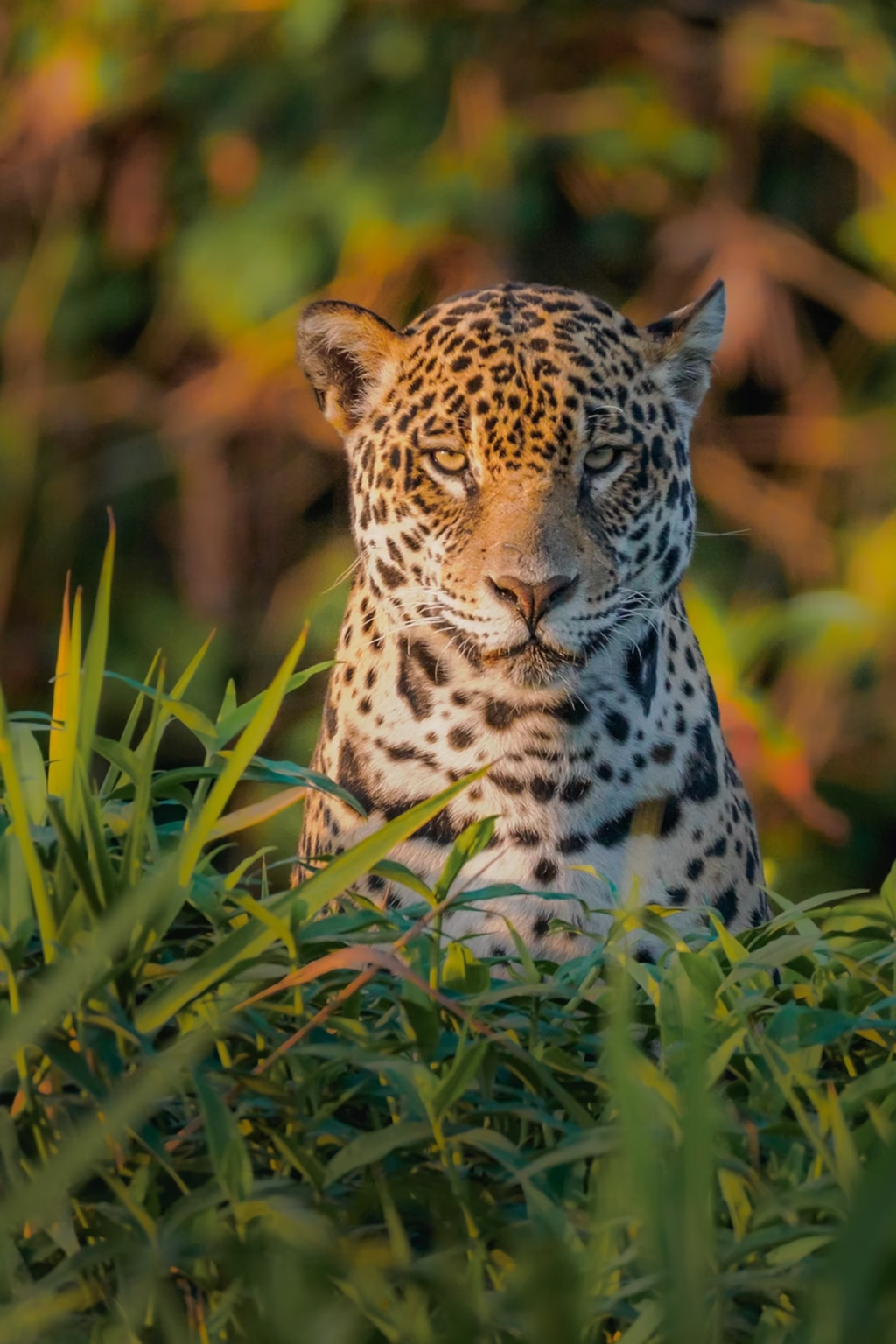
The Pantanal is one of the best wildlife destinations in the world, and timing is crucial when deciding when to visit Brazil for this region.
The dry season (May to October) is ideal, as receding water levels concentrate animals around rivers and lakes, increasing visibility. Jaguars, capybaras, caimans, and hundreds of bird species can be observed more easily.
This period is particularly popular among wildlife photographers and nature enthusiasts seeking close encounters with animals in their natural habitat.
Festivals & Culture
Cultural events are a major factor in deciding when to visit Brazil, especially for those seeking immersive experiences. The highlight is Carnival, typically held in February or early March, featuring parades, music, and street celebrations across the country.
New Year’s Eve in Rio is another major event, with fireworks lighting up Copacabana Beach. Festa Junina in June showcases traditional rural culture through dance, food, and costumes.
These events provide insight into Brazil’s cultural identity and are best experienced when planned in advance due to high demand.
Month-by-Month Travel Insights
Brazil’s travel suitability varies monthly, and understanding this helps refine decisions about when to visit Brazil. January and February are peak months with vibrant energy but high crowds. March transitions into calmer conditions.
April to June offers excellent weather and fewer tourists, while July to September is ideal for wildlife and nature exploration. October and November provide scenic landscapes and moderate travel costs.
December brings festive celebrations and marks the return of peak season, particularly along coastal regions.
Final Thoughts
Brazil’s vastness and diversity mean there is no single perfect time to explore it—only the right time based on personal travel goals. Each season reveals a different side of the country, whether it is the vibrant energy of coastal cities, the quiet beauty of natural landscapes, or the intensity of cultural celebrations.
Planning with intention allows travellers to align their journey with what matters most, whether that is wildlife encounters, scenic exploration, or immersive local experiences.
By understanding seasonal patterns and regional differences, visitors can move beyond generic travel advice and create a journey that feels both seamless and deeply rewarding, capturing the true essence of this extraordinary destination.

Comments 0
Only approved comments are shown here.