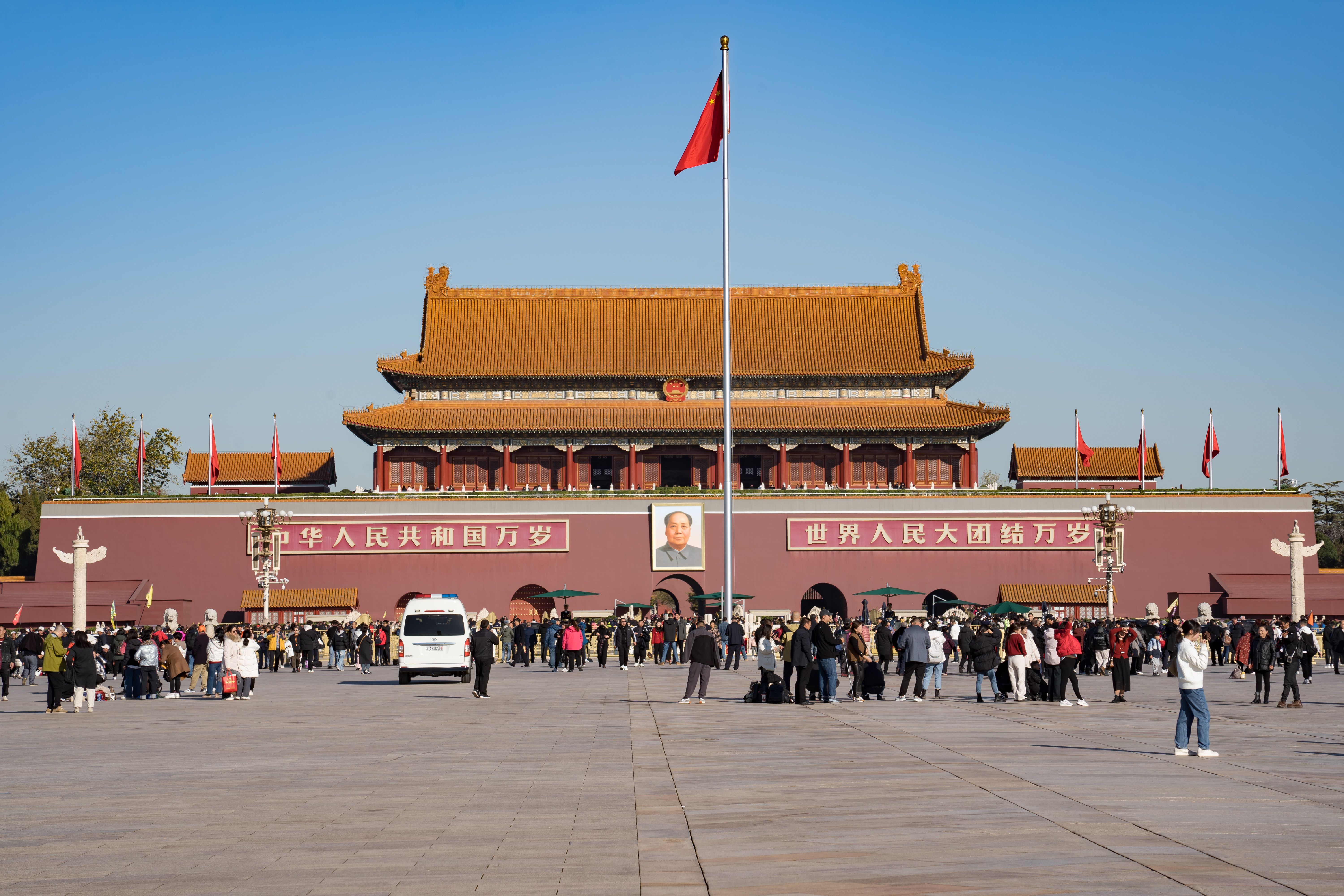
China is home to one of the world's oldest continuous civilizations, with a recorded history spanning more than 4,000 years. From the rise of ancient dynasties and the construction of the Great Wall to the development of the Silk Road and the founding of the modern People's Republic of China in 1949, the country's past has significantly influenced global history.
Understanding China history facts helps reveal how early Chinese societies developed advanced systems of government, writing, agriculture, science, and trade long before many other civilizations. Major dynasties such as the Qin, Han, Tang, Song, Ming, and Qing shaped the political and cultural foundations of the nation, while innovations like paper, printing, gunpowder, and the compass transformed the world.
These remarkable China history facts demonstrate how China evolved from ancient river civilizations into one of the most influential nations in modern history, preserving a rich cultural heritage while embracing rapid modernization.
Also Read - Best Cities in China: Top Places to Visit in China for Culture, History, and Modern Attractions
This post contains affiliate links. If you choose to book through them, a small commission may be earned at no additional cost to you. Your support genuinely helps keep the blog running and enables the continued creation of high-quality travel guides. Thank you for being here and supporting this journey.
1. The Origins of Chinese Civilization
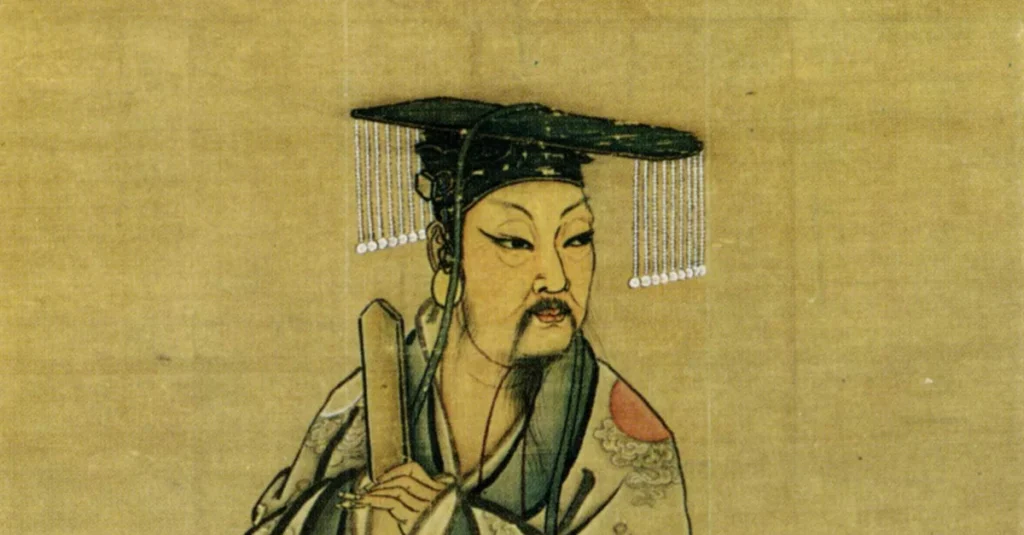
Among the most important China history facts is that Chinese civilization emerged in the Yellow River Basin, often called the cradle of Chinese culture. Archaeological discoveries reveal organized farming communities and advanced societies as early as 2000 BCE. The legendary Xia Dynasty is traditionally considered China's first dynasty, although historians continue to debate aspects of its historical evidence.
Ancient China developed independently from other early civilizations and introduced innovations that influenced generations. Early Chinese societies established systems of agriculture, governance, writing, and social organization that later became foundations of imperial China. The country's cultural continuity is one of the reasons China is often regarded as one of the world's oldest surviving civilizations.
Also Read - 11 Incredible Chinese Great Wall of China Facts You Must Know
2. The First Unified Chinese Empire
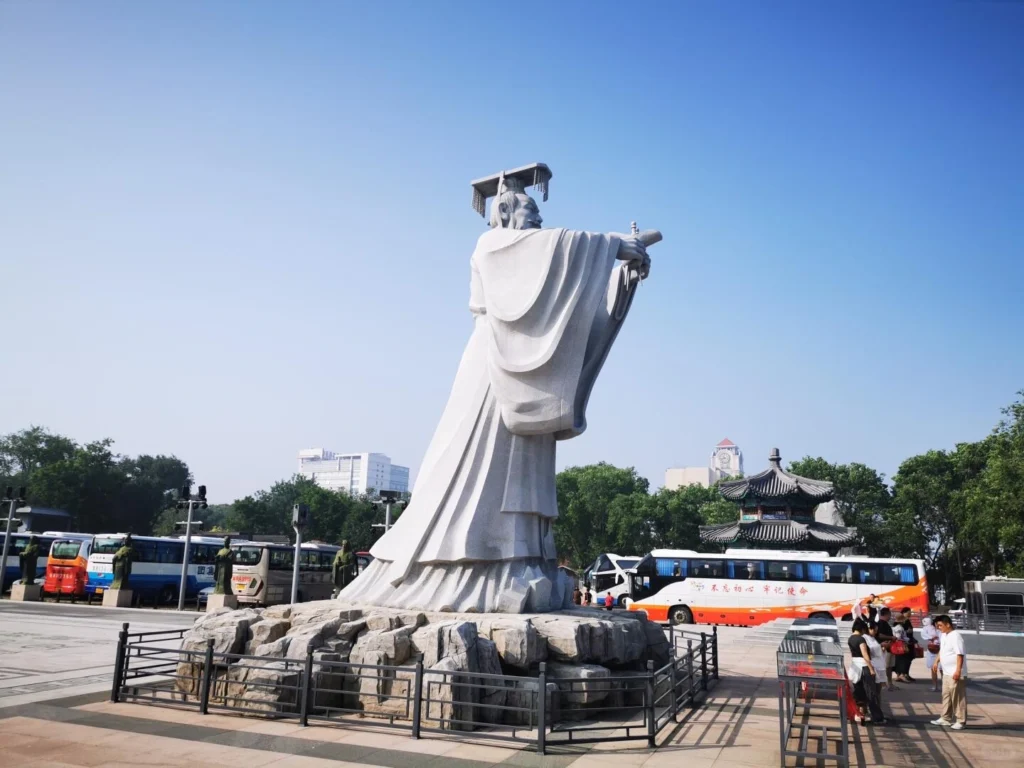
When discussing historical information regarding China, the unification achieved by the Qin Dynasty in 221 BCE represents a defining moment. Emperor Qin Shi Huang united previously warring states into a single empire, creating the foundation for a centralized Chinese state.
His administration standardized:
- Written characters
- Currency
- Weights and measures
- Road systems
The emperor also initiated major construction projects, including early sections of the Great Wall. Although the Qin Dynasty lasted only a short period, its reforms shaped Chinese governance for centuries and established many features that still influence Chinese culture today.
3. The Great Dynasties of China
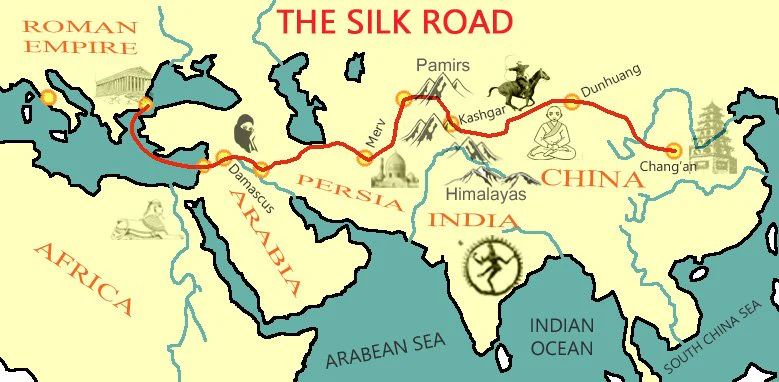
Some of the most fascinating history facts come from the country's powerful dynasties. The Han Dynasty expanded trade and established the Silk Road, connecting China with Central Asia, the Middle East, and Europe. The Tang Dynasty is often regarded as a golden age of art, literature, and international influence.
The Song Dynasty contributed significant technological advancements, while the Ming Dynasty oversaw the construction of many landmarks that still exist today, including portions of the Forbidden City and the Great Wall.
Throughout these dynasties, China became a leading center of science, philosophy, commerce, and culture, influencing neighboring civilizations across East Asia.
4. China's Four Great Inventions
Any discussion of Chinese history facts would be incomplete without mentioning China's Four Great Inventions:
- Paper
- Printing
- Gunpowder
- The Compass
These innovations transformed human civilization and significantly influenced global development. Paper revolutionized communication and education, while printing accelerated the spread of knowledge. The compass changed navigation and exploration, and gunpowder altered warfare worldwide.
Many historians consider these inventions among the most important contributions any civilization has made to human progress.
5. The Silk Road and Global Trade
An important piece of historical information of China is the role of the Silk Road. Beginning during the Han Dynasty, this vast trade network connected China to Europe, the Middle East, India, and Central Asia.
Chinese exports included:
- Silk
- Porcelain
- Tea
- Paper
In return, China received valuable goods, technologies, and cultural influences. The Silk Road helped establish China as one of the world's leading economic powers for centuries and facilitated the exchange of ideas, religions, and innovations across continents.
6. The End of Imperial China
For over two thousand years, China was governed by emperors. However, the Qing Dynasty, China's last imperial dynasty, faced growing internal challenges and foreign pressures during the nineteenth century.
A key milestone in China occurred in 1911 when the Xinhai Revolution overthrew the Qing Dynasty. The following year, the Republic of China was established under the leadership of Sun Yat-sen. This marked the end of imperial rule and the beginning of a republican era.
7. When Was China Founded?
One of the most frequently asked questions is: when was China founded?
There are several answers depending on historical context:
- Ancient Chinese civilization emerged more than 4,000 years ago.
- The first unified Chinese empire was established in 221 BCE under the Qin Dynasty.
- The Republic of China was founded on January 1, 1912.
- The modern People's Republic of China was officially founded on October 1, 1949.
For modern political purposes, the founding date of contemporary China is generally recognized as October 1, 1949.
8. The Founding of PRC China
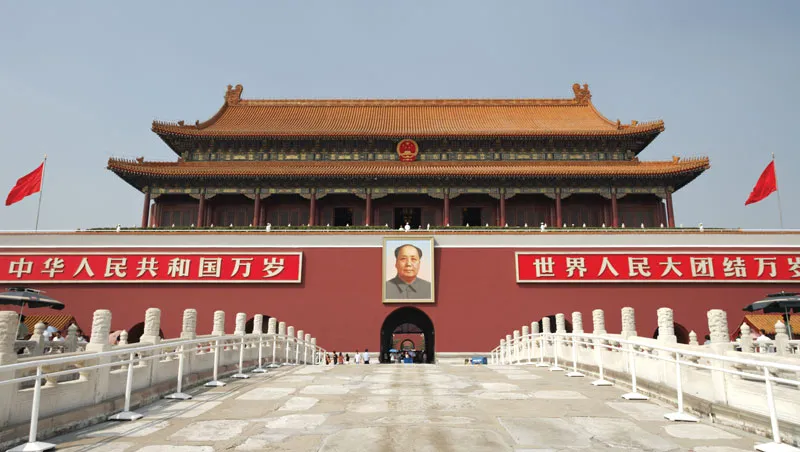
The emergence of PRC China followed decades of political instability, foreign invasions, and civil conflict. After World War II, the Chinese Civil War resumed between the Chinese Communist Party and the Nationalist government.
On October 1, 1949, in Beijing's Tiananmen Square, Mao Zedong officially proclaimed the establishment of the People's Republic of China before hundreds of thousands of spectators.
This event marked the beginning of modern PRC China, which remains the governing state of mainland China today.
9. Economic Transformation and Modern Development
One of the most remarkable Chinese history facts is the country's transformation during the late twentieth century. Following economic reforms introduced under Deng Xiaoping in 1978, China gradually shifted toward market-oriented economic policies while maintaining its political system.
The results included:
- Rapid industrialization
- Urban development
- Massive infrastructure projects
- Significant poverty reduction
- Growth into a global manufacturing leader
Today, China is one of the world's largest economies and a major force in international trade, technology, and innovation.
10. Interesting China History Facts
Some additional fascinating China history facts include:
- China is home to one of the world's oldest continuously used writing systems.
- The Great Wall stretches thousands of kilometers across northern China.
- The Forbidden City contains nearly 1,000 historic buildings.
- China was the world's largest economy for much of recorded history.
- Tea cultivation originated in China.
- Chinese civilization has influenced Korea, Japan, Vietnam, and many other neighboring regions.
These achievements demonstrate the enduring influence of Chinese civilization throughout world history.
Final Thoughts
Understanding historical information about China requires looking beyond any single founding date. China's story spans thousands of years, from early river civilizations and powerful dynasties to revolutionary change and modern development. While many people asking when was China founded are referring to the establishment of PRC China on October 1, 1949, the country's cultural and historical roots extend much further into antiquity. The combination of ancient traditions, technological achievements, imperial legacies, and modern transformation makes China one of the most historically significant civilizations on Earth. Exploring these China history facts provides valuable insight into how a civilization that began thousands of years ago evolved into one of the most influential nations in the modern world.



Comments 0
Only approved comments are shown here.