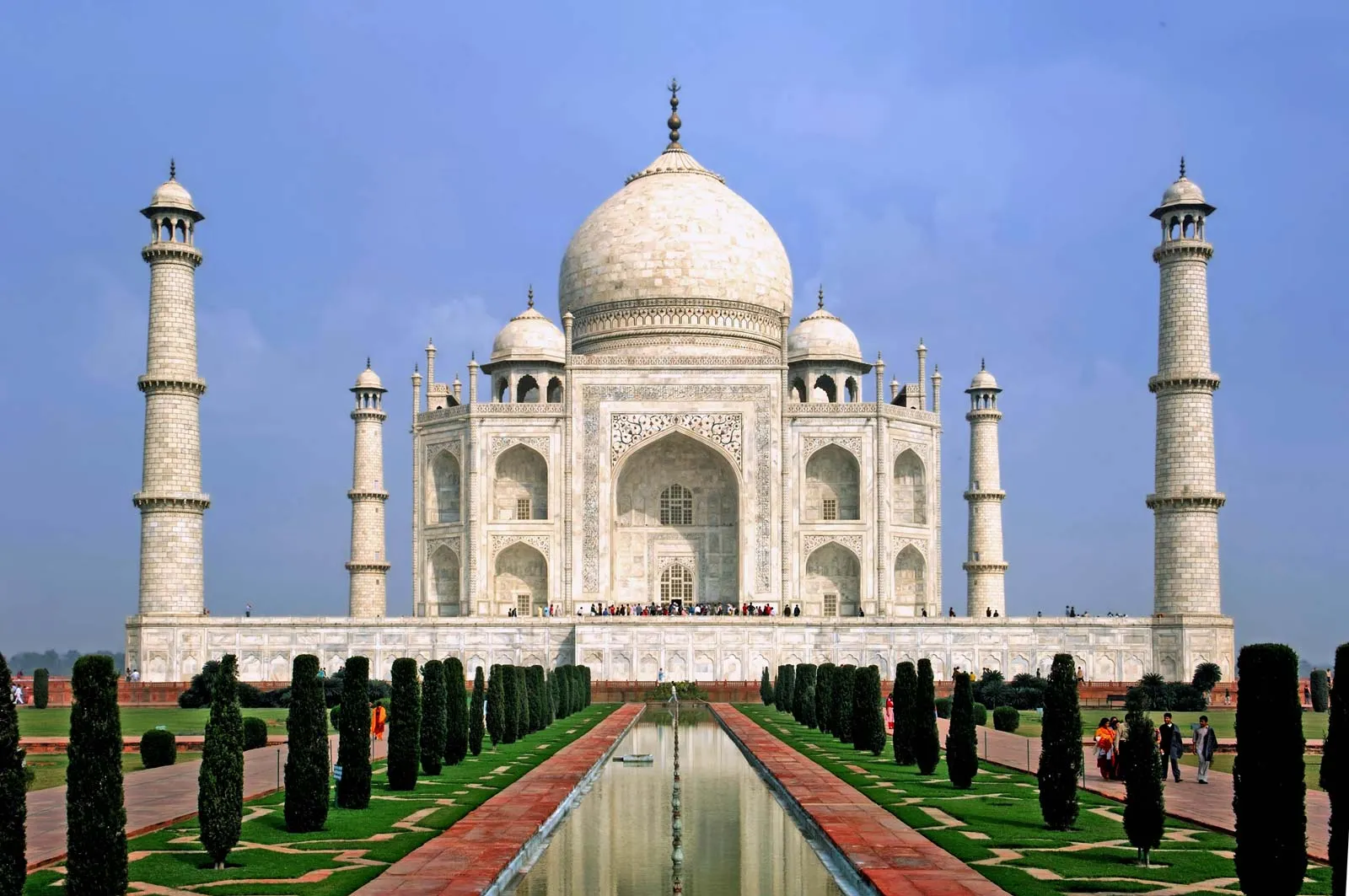
The majestic Taj Mahal is one of the most recognizable monuments in the world. Located in the historic city of Agra, this architectural masterpiece attracts millions of visitors every year. Built in the 17th century by the Mughal emperor Shah Jahan, the monument stands as a symbol of eternal love and extraordinary craftsmanship.
Among the most famous facts about Taj Mahal is that it was constructed in memory of Shah Jahan’s beloved wife Mumtaz Mahal. However, beyond its romantic story lies a remarkable blend of engineering brilliance, artistic beauty, and historical significance.
Recognized as a **UNESCO World Heritage Site and one of the New Seven Wonders of the World, the Taj Mahal continues to fascinate travelers, historians, and architects alike.
Below are some of the most interesting facts about Taj Mahal that reveal why it remains one of the most admired monuments on Earth.
1. The Taj Mahal Took Over 20 Years to Build
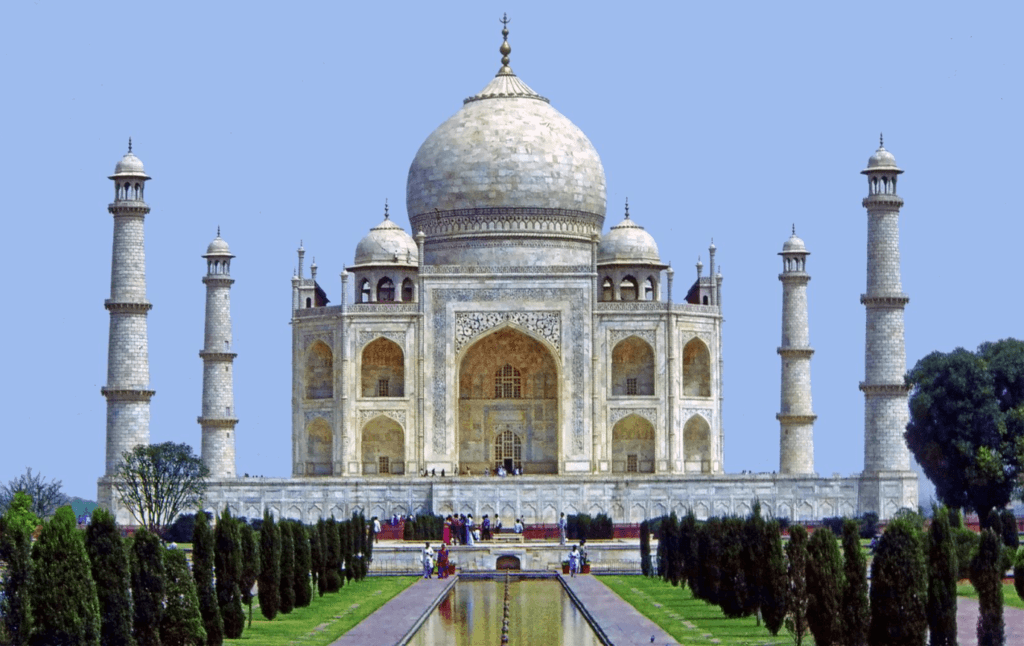
One of the most remarkable facts about Taj Mahal is the time it took to complete the monument. Construction began in 1632 and continued for nearly 22 years, finishing around 1653.
More than 20,000 artisans, craftsmen, and laborers worked on the project, including architects, stone carvers, and calligraphy experts from across Asia and the Middle East.
2. It Is Built Entirely From White Marble
Another fascinating detail among the many facts about Taj Mahal is its stunning white marble construction. The marble used for the monument was transported from Makrana, a region famous for producing high-quality marble.
The marble surface changes color throughout the day—appearing pink at sunrise, white during the day, and golden under moonlight.
This post contains affiliate links. If you choose to book through them, a small commission may be earned at no additional cost to you. Your support genuinely helps keep the blog running and allows continued creation of high-quality travel guides. Thank you for being here and supporting this journey.
3. The Monument Is Perfectly Symmetrical
The Taj Mahal is famous for its perfect architectural symmetry. The entire complex—including gardens, pathways, fountains, and buildings—is carefully aligned along a central axis.
Interestingly, the only structure that breaks this symmetry is the tomb of Shah Jahan, which was added beside Mumtaz Mahal’s tomb later.
4. The Minarets Are Slightly Tilted
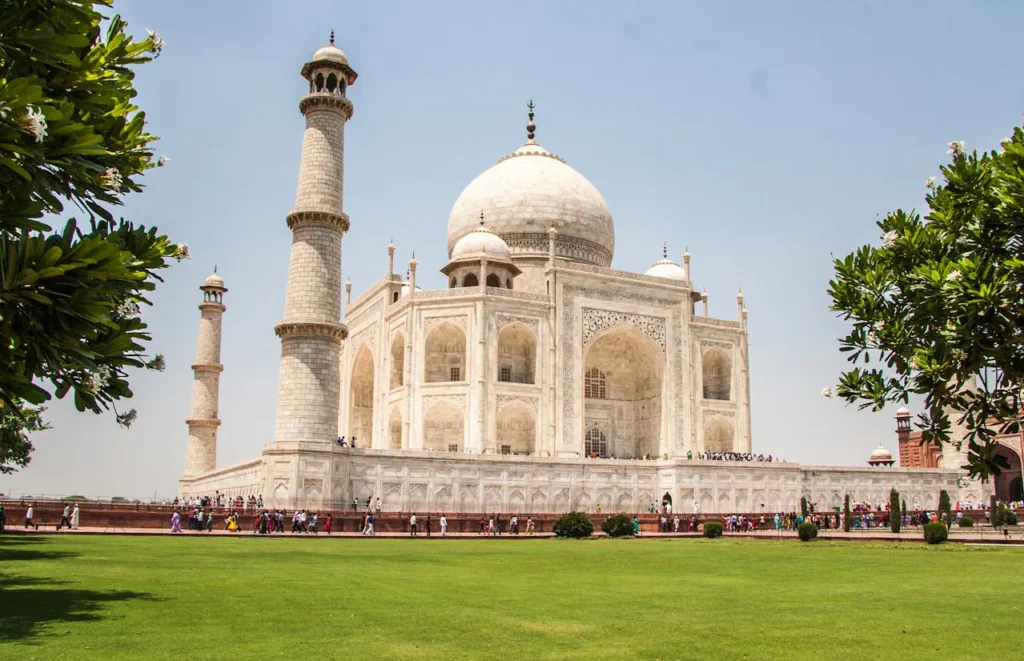
One of the lesser-known facts about Taj Mahal involves the four minarets surrounding the main mausoleum.
They are slightly tilted outward so that in the event of an earthquake, they would fall away from the central structure rather than onto it. This clever design shows the advanced engineering knowledge of Mughal architects.
Also Read - 10 Unforgettable Tourism Destinations in India: Discover the Best Location in India to Visit
5. Precious Stones Decorate the Walls
The walls of the Taj Mahal feature intricate decorative patterns made using a technique known as pietra dura.
Artisans embedded more than 28 types of precious and semi-precious stones, including jade, turquoise, sapphire, and lapis lazuli, into the marble to create detailed floral patterns.
6. The Taj Mahal Appears to Change Size
A fascinating optical illusion is another of the interesting facts about Taj Mahal.
When visitors approach the monument through the main gate, it appears closer and larger than it actually is. As they walk toward it, the structure seems to move further away due to clever architectural proportions.
7. The Gardens Represent Paradise
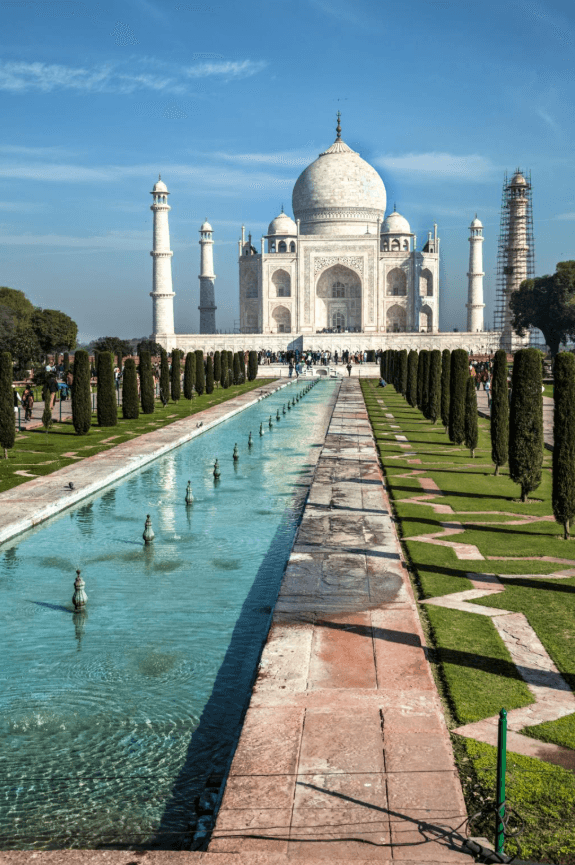
The surrounding gardens follow the Charbagh design, a traditional Persian garden layout symbolizing paradise in Islamic culture.
The gardens are divided into four sections by water channels that represent the rivers of paradise described in Islamic tradition.
8. It Is One of the Most Visited Monuments in the World
Among the most remarkable facts about Taj Mahal is the extraordinary number of visitors it attracts each year. Located in Agra, the monument welcomes more than 7–8 million tourists annually, including travelers, historians, and architecture enthusiasts from around the world. Many visitors arrive early in the morning to witness the breathtaking sunrise reflecting off the white marble structure. The monument’s timeless beauty, historical significance, and romantic story make it one of the most celebrated landmarks in global tourism and a must-visit destination for anyone exploring India’s rich cultural heritage.
9. The Taj Mahal Has Hidden Chambers
Beneath the main marble structure lies a series of mysterious sealed rooms and corridors that remain closed to the public. These underground chambers are believed to be part of the architectural foundation supporting the massive monument above.
Some historians suggest that they may have been used for structural stability, while others believe they could have served ceremonial or functional purposes during the Mughal era. Although these spaces have sparked curiosity and speculation over the years, they remain largely unexplored and protected to preserve the monument’s integrity and historical value.
10. The Monument Was Nearly Lost to Pollution
In recent decades, air pollution threatened to damage the marble surface of the Taj Mahal.
To protect the monument, the Indian government created the Taj Trapezium Zone, restricting industrial pollution in the surrounding region.
11. The Taj Mahal Looks Different Under Moonlight
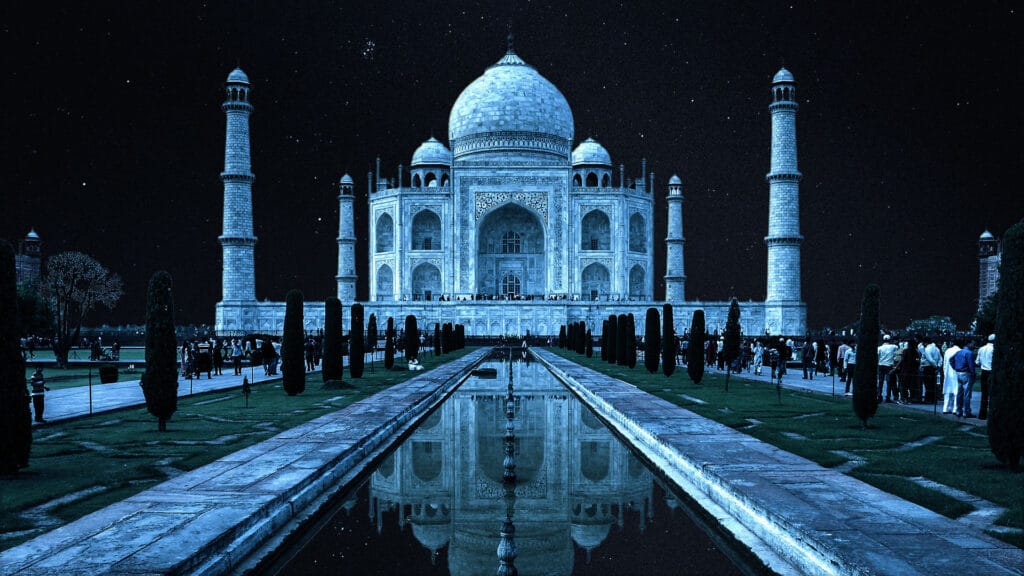
One of the most enchanting facts about Taj Mahal is the way its appearance transforms under moonlight. During full moon nights, the white marble reflects the soft glow of the moon, creating a mesmerizing silver-blue hue that gives the monument an almost ethereal presence.
Because of the popularity of this rare sight, special night viewing sessions are permitted only on selected evenings each month. Visitors who experience this moment often describe it as one of the most magical views in the world, as the monument appears serene, luminous, and timeless beneath the night sky.
12. It Is a Symbol of Eternal Love
Beyond its architectural grandeur, the monument carries a deeply emotional story that has captivated people for centuries. Built by the Mughal emperor Shah Jahan in memory of his beloved wife Mumtaz Mahal, the structure represents devotion and remembrance. Mumtaz Mahal died in 1631 while giving birth to their child, and the emperor commissioned this magnificent mausoleum to honor her memory. Over time, the monument became widely recognized as a universal symbol of love, reminding visitors that great architecture can also tell profound human stories.
Why the Taj Mahal Continues to Inspire the World?
The enduring beauty of the Taj Mahal lies in its perfect blend of history, art, architecture, and emotion. From its dazzling marble walls to its romantic origin story, the monument continues to captivate millions of visitors every year.
Learning these fascinating facts about Taj Mahal reveals why it remains one of the most treasured cultural landmarks in the world and a timeless masterpiece of human creativity.


First of all, thank you for the information, and your perception. I can value this
blog and especially this particular blog post. At this point,
I feel I waste much too much time on-line, reading rubbish,
essentially. This was a refreshing differ from that experience.
Nonetheless, I believe perusing other's good ideas is a
very important investiture of at minimum a few of my weekly measure of time in my
timetable. It's the same as sorting into the junk heap
to discover the wheat. Or maybe, whatever illustration functions for you.
Still, sitting in front of the personal pc is probably as harmful to you as tobacco use and deep-fried chips.