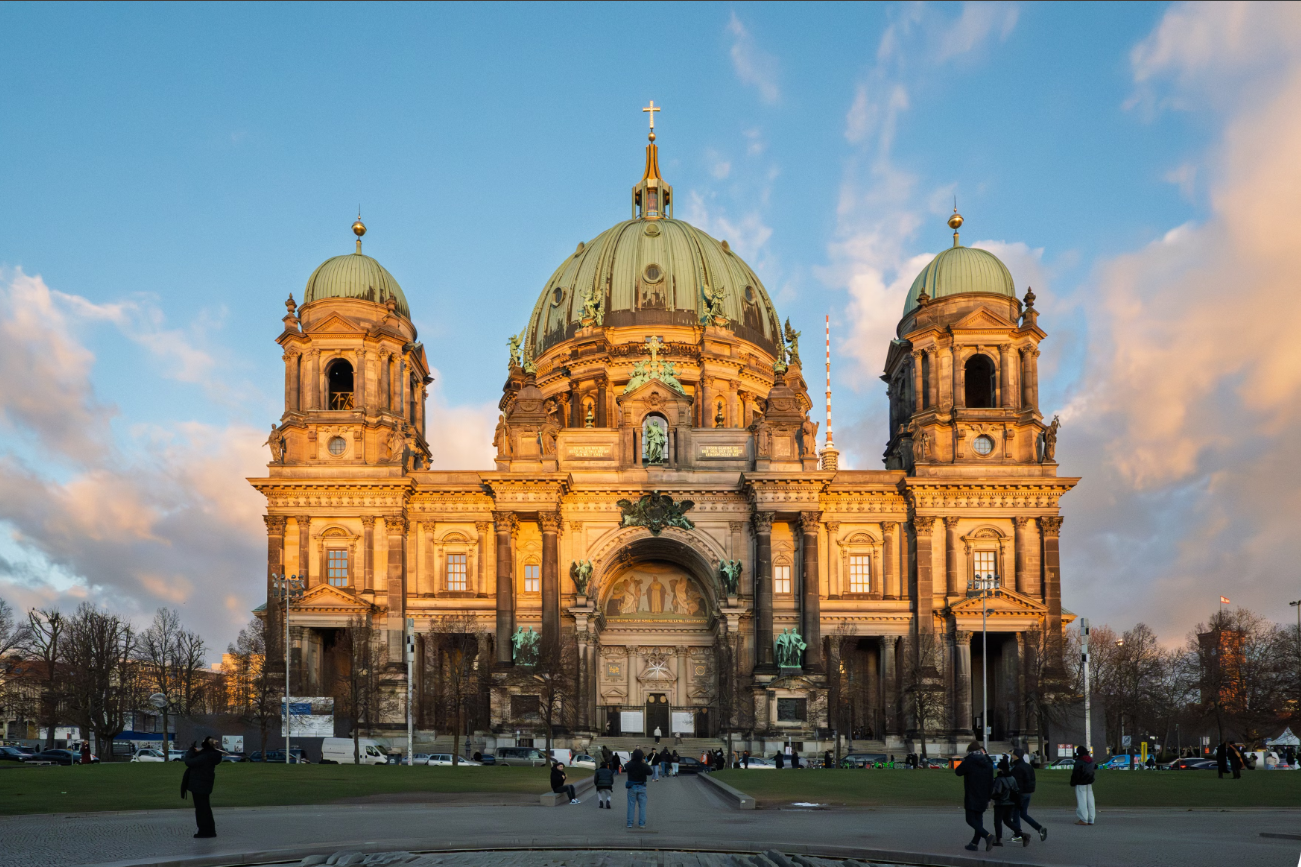
The magnificent Berlin Cathedral stands proudly on Museum Island as one of Germany's most recognisable architectural landmarks. Known locally as Berliner Dom, this spectacular Neo-Renaissance masterpiece blends royal history, remarkable craftsmanship, breathtaking panoramic views, and centuries of religious heritage.
Although often called a cathedral, it actually serves as Berlin's Protestant Supreme Parish and Cathedral Church. Visitors are captivated by its soaring green dome, richly decorated interiors, royal crypt, and impressive organ concerts.
Whether you are passionate about architecture, history, photography, or cultural heritage, Dom Berlin Germany offers an unforgettable experience in the heart of the capital and remains one of Berlin's most visited historic attractions.
Also Read - Berlin Night Out: The Ultimate Guide to the Best Nightclubs in Berlin
This post contains affiliate links. If you choose to book through them, a small commission may be earned at no additional cost to you. Your support genuinely helps keep the blog running and allows continued creation of high-quality travel guides. Thank you for being here and supporting this journey.
1. History of Berlin Cathedral
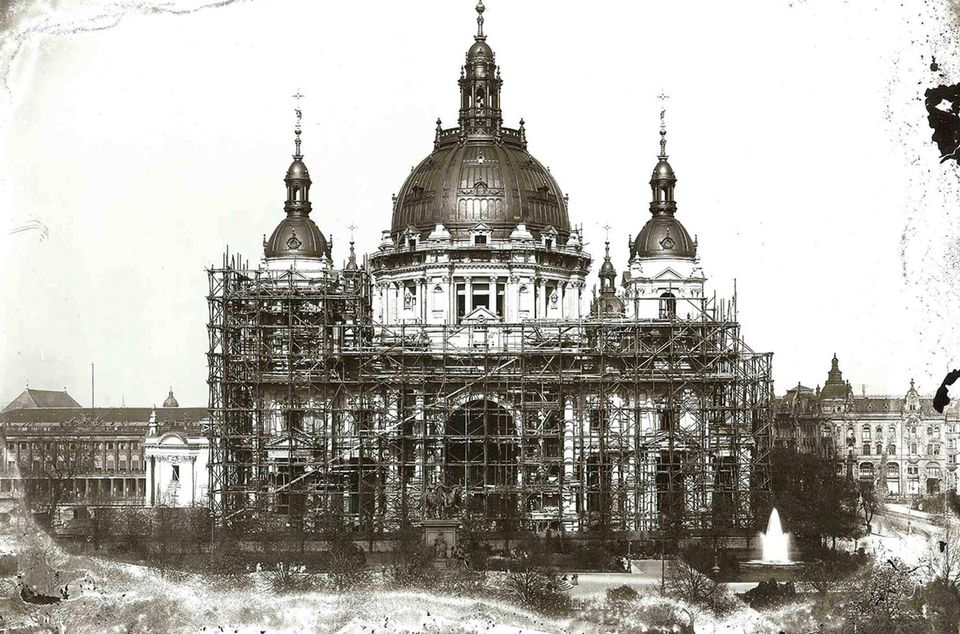
The remarkable history of Berlin Cathedral dates back to the 15th century, with the first cathedral established on Berlin's Spree Island in 1465 as the court church of the Hohenzollern dynasty. Over the centuries, several churches occupied the site before Emperor Wilhelm II commissioned a magnificent new cathedral worthy of the growing German Empire.
Designed by renowned architect Julius Carl Raschdorff, construction began in 1894, and the present cathedral was officially consecrated in 1905. During the Second World War, severe bombing caused devastating damage, including the collapse of its great dome. Restoration commenced in 1975 while Berlin was divided, with the cathedral fully reopening in 1993 after German reunification. Today, it stands as a symbol of resilience, faith, and Germany's architectural heritage.
2. Architecture of Berliner Dom
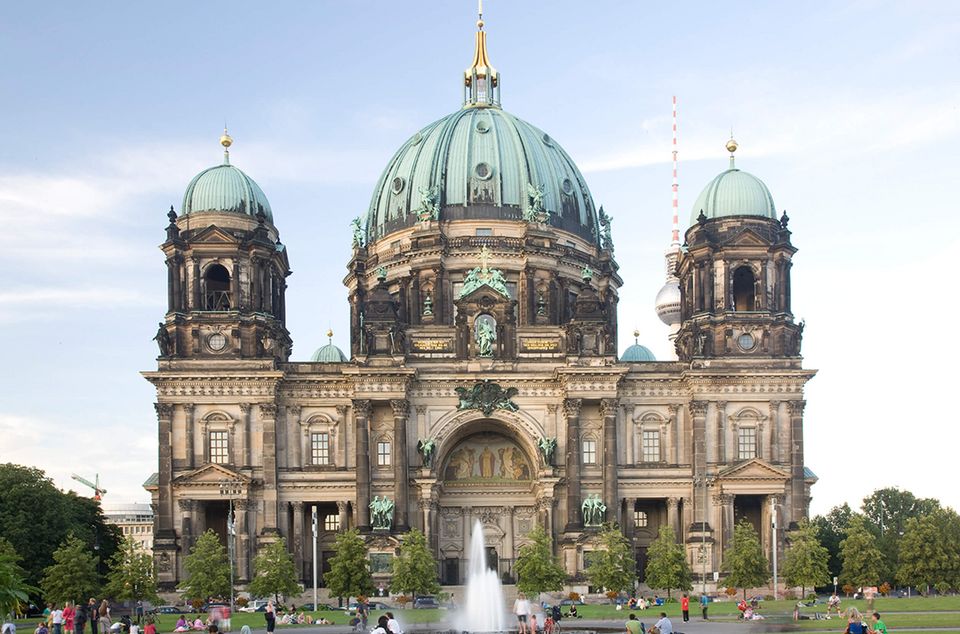
The magnificent Berliner Dom is regarded as one of Europe's finest examples of Neo-Renaissance and Neo-Baroque architecture. Its enormous copper-green dome rises dramatically above Museum Island, while richly decorated façades feature Corinthian columns, elaborate sculptures, decorative pediments, and ornate stone carvings that reflect imperial ambition. Emperor Wilhelm II envisioned the cathedral as the Protestant counterpart to St. Peter's Basilica in Rome, resulting in an exceptionally grand design.
Inside, soaring vaulted ceilings, colourful mosaics, marble pillars, intricate stained-glass windows, and lavish gold detailing create a breathtaking atmosphere. Every architectural element reflects outstanding craftsmanship and the monumental vision of imperial Germany, making the cathedral one of Berlin's greatest architectural achievements.
3. The Magnificent Interior
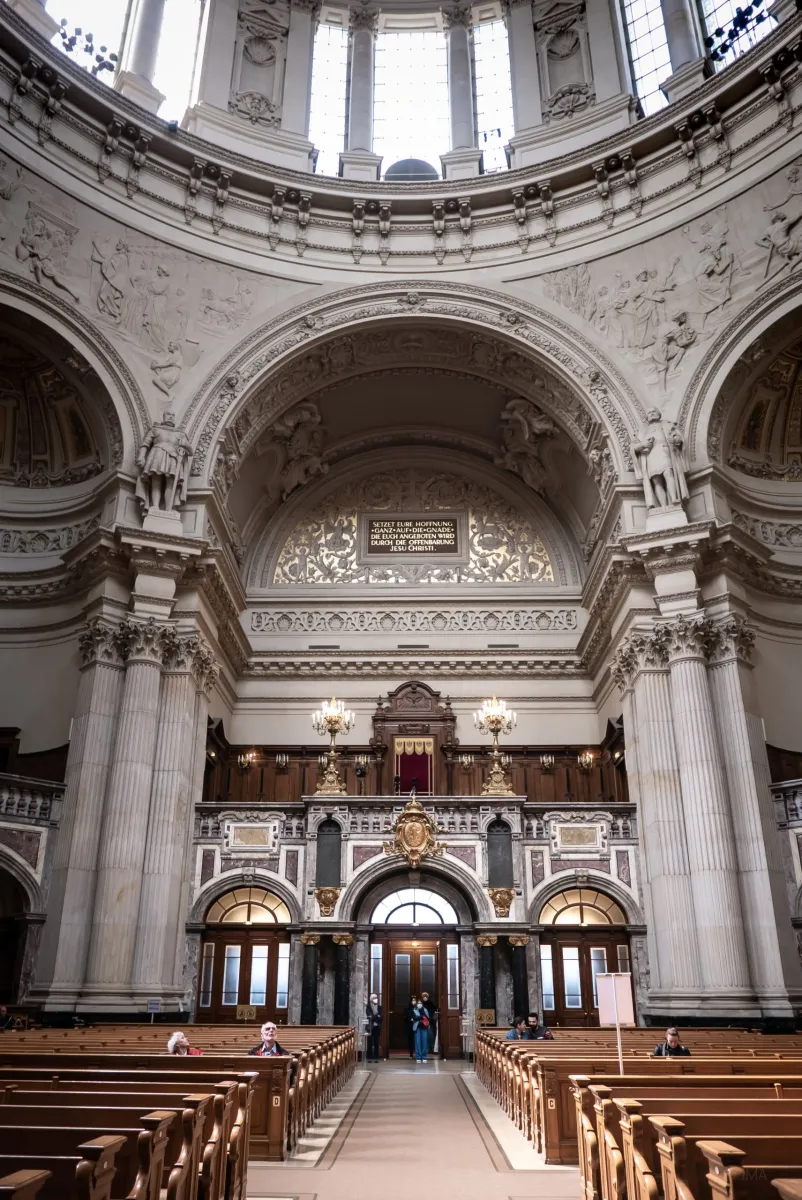
The extraordinary interior of Dom impresses visitors with its remarkable scale, artistic richness, and spiritual atmosphere. The cathedral features a spectacular central nave crowned by an enormous dome decorated with colourful mosaics and intricate ornamentation. Highlights include the magnificent marble altar designed by Friedrich August Stüler, the elegant white marble baptismal font created by Christian Daniel Rauch, richly carved wooden choir stalls, and beautifully decorated chapels.
Elegant staircases, intricate ceiling paintings, and grand columns further enhance the cathedral's luxurious appearance. Despite suffering extensive wartime damage, careful restoration has preserved much of its original beauty, allowing visitors to experience one of Germany's most impressive sacred interiors.
4. The Dome Viewing Platform
One of the highlights of visiting Cathedral is climbing the 270 steps leading to the spectacular dome viewing platform. Situated approximately 50 metres above ground, the circular outdoor walkway rewards visitors with breathtaking 360-degree panoramic views across Berlin's historic centre.
From the top, visitors can admire Museum Island, the Humboldt Forum, Unter den Linden, the Berlin TV Tower, Reichstag, Red Town Hall (Rotes Rathaus), and the winding River Spree. The climb itself offers fascinating architectural details, while the open-air observation deck provides some of the finest photography opportunities in Berlin. It remains one of the city's most rewarding viewpoints for travellers seeking unforgettable skyline views.
5. Hohenzollern Crypt
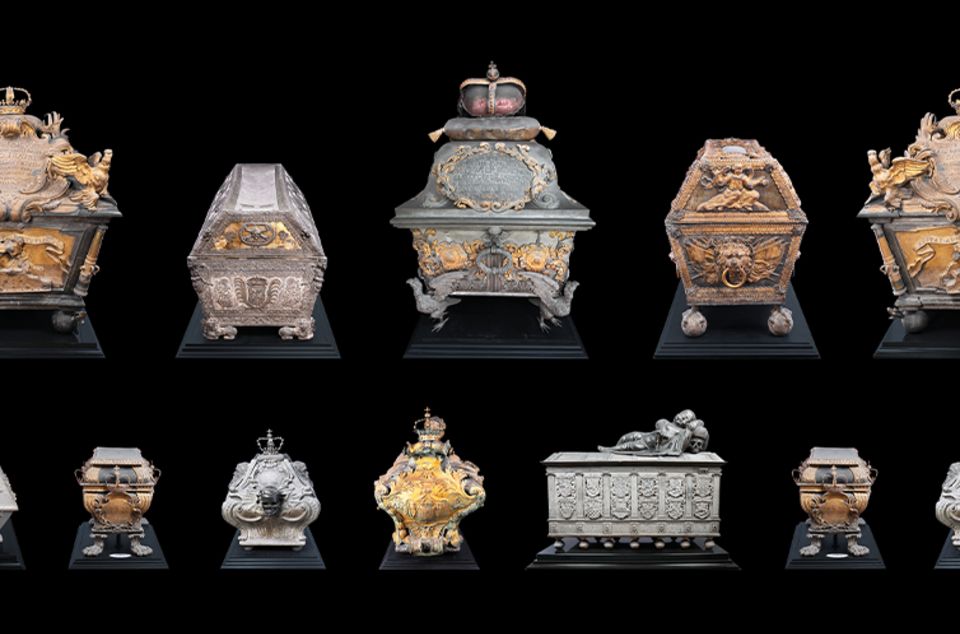
Hidden beneath Berliner Dom lies the famous Hohenzollern Crypt, one of Europe's most significant royal burial sites. Covering approximately 1,600 square metres, the crypt contains 91 elaborately decorated sarcophagi and tombs belonging to members of the Hohenzollern dynasty, who ruled Brandenburg, Prussia, and later the German Empire.
Visitors can admire beautifully crafted Baroque and Renaissance coffins decorated with bronze, gold, and intricate carvings while learning about centuries of Prussian royal history. Following extensive restoration work, the crypt once again showcases its remarkable historical treasures, making it one of the cathedral's most fascinating attractions for history enthusiasts and cultural travellers alike.
6. Pipe Organ & Concerts
The world-famous pipe organ is one of the greatest musical treasures of Dom Berlin Germany. Built by renowned organ builder Wilhelm Sauer, the instrument features more than 7,000 pipes and is widely regarded as one of Germany's finest historic church organs. Throughout the year, Berlin Cathedral hosts regular organ recitals, sacred music performances, choral concerts, and seasonal events that attract visitors from around the world.
The cathedral's exceptional acoustics allow every performance to resonate beautifully beneath the enormous dome, creating an unforgettable musical experience. Attending a concert offers visitors the opportunity to appreciate both the cathedral's architectural splendour and its continuing role as one of Berlin's leading cultural venues.
7. Why Berliner Dom is a Must-Visit?
Visiting Berlin Cathedral offers far more than simply admiring an impressive church. It combines centuries of royal history, outstanding architecture, remarkable art, panoramic city views, and one of Europe's most important dynastic crypts within a single landmark. Located beside Museum Island, the cathedral is perfectly positioned for exploring many of Berlin's leading attractions in one day.
Whether climbing to the dome, attending an organ concert, discovering the Hohenzollern Crypt, or appreciating the richly decorated interior, every part of the cathedral reveals another chapter of Berlin's remarkable story. Its historical significance, cultural importance, and architectural beauty make it an essential destination for every visitor to Germany's capital.
8. Visitor Information & Tickets
Planning a visit to the Cathedral is straightforward thanks to its central location on Museum Island and its well-organised visitor facilities. The cathedral is generally open throughout the week, although opening hours may vary during religious services, concerts, and special events. Visitors are encouraged to book tickets online in advance, especially during weekends and the summer tourist season.
Standard admission includes access to the magnificent church interior, the Hohenzollern Crypt, the Imperial Staircase, the Cathedral Museum, and the dome viewing platform. Many Berlin WelcomeCard holders receive discounted admission, while combination sightseeing passes may also include entry. Allow approximately 90 minutes to two hours to fully explore the cathedral and climb to the panoramic observation deck.
9. Best Time to Visit
The ideal time to experience Dom Berlin is during spring (April to June) and autumn (September to October) when pleasant temperatures and smaller crowds create excellent sightseeing conditions. Early mornings offer a quieter atmosphere for exploring the cathedral's magnificent interior and photographing its ornate architecture before larger tour groups arrive. Summer provides extended daylight hours and spectacular views from the dome, although visitor numbers are considerably higher.
Winter offers a peaceful experience, particularly during the festive Christmas season when nearby streets and Museum Island are beautifully illuminated. Attending an organ recital or sacred music concert also provides an unforgettable opportunity to appreciate the cathedral's exceptional acoustics and cultural significance.
10. How to Reach Berlin Cathedral?
Reaching Berliner Dom is convenient thanks to Berlin's excellent public transport network. The cathedral is located at Am Lustgarten on Museum Island in the heart of the historic Mitte district. The nearest U-Bahn station is Museumsinsel (U5), while Alexanderplatz, Hackescher Markt, and Friedrichstraße stations are all within comfortable walking distance. Numerous tram routes and city buses also stop nearby, making access easy from every part of Berlin.
Visitors exploring central attractions such as Brandenburg Gate, Unter den Linden, Humboldt Forum, or the Berlin TV Tower can comfortably reach the cathedral on foot. Hop-on hop-off sightseeing buses also include Berliner Dom as one of their principal stops.
11. Nearby Attractions
One of the greatest advantages of visiting Berlin Cathedral is its location among many of the city's most famous landmarks. Immediately beside the cathedral lies Museum Island, a UNESCO World Heritage Site housing the Pergamon Museum, Neues Museum, Alte Nationalgalerie, Bode Museum, and Altes Museum.
Across the street, the Humboldt Forum occupies the reconstructed Berlin Palace, while the historic boulevard Unter den Linden leads towards Brandenburg Gate. Nearby visitors can also explore Alexanderplatz, the Berlin TV Tower, Gendarmenmarkt, the Nikolaiviertel, and relaxing riverside promenades along the River Spree. These attractions can easily be combined into a full day of sightseeing in central Berlin.
12. Photography Tips
Photography enthusiasts visiting Dom Berlin will discover exceptional opportunities both inside and outside the cathedral. Early morning and late afternoon provide the most flattering natural light for capturing the cathedral's impressive façade from Lustgarten or across the River Spree. Inside, the soaring dome, colourful mosaics, marble altar, Imperial Staircase, and magnificent pipe organ create stunning architectural compositions.
After climbing the 270 steps to the dome's viewing platform, visitors are rewarded with spectacular panoramic photographs of Museum Island, the Berlin TV Tower, Humboldt Forum, the Reichstag, and Berlin's historic skyline. Always remain respectful during religious services and observe any photography guidelines in designated areas.
Final Thoughts
Visiting the Cathedral offers an unforgettable journey through Germany's royal history, architectural excellence, and spiritual heritage. Its magnificent Neo-Renaissance design, richly decorated interior, world-famous pipe organ, Hohenzollern Crypt, and breathtaking dome views make it one of Berlin's most remarkable cultural landmarks.
Perfectly positioned on Museum Island, the cathedral also provides easy access to many of the capital's leading museums and historic attractions. Whether attending a concert, admiring centuries of craftsmanship, or enjoying panoramic city views, Berliner Dom delivers a memorable experience for every traveller. It remains an essential destination for anyone wishing to discover the history, beauty, and cultural significance of Germany's vibrant capital.



Comments 0
Only approved comments are shown here.