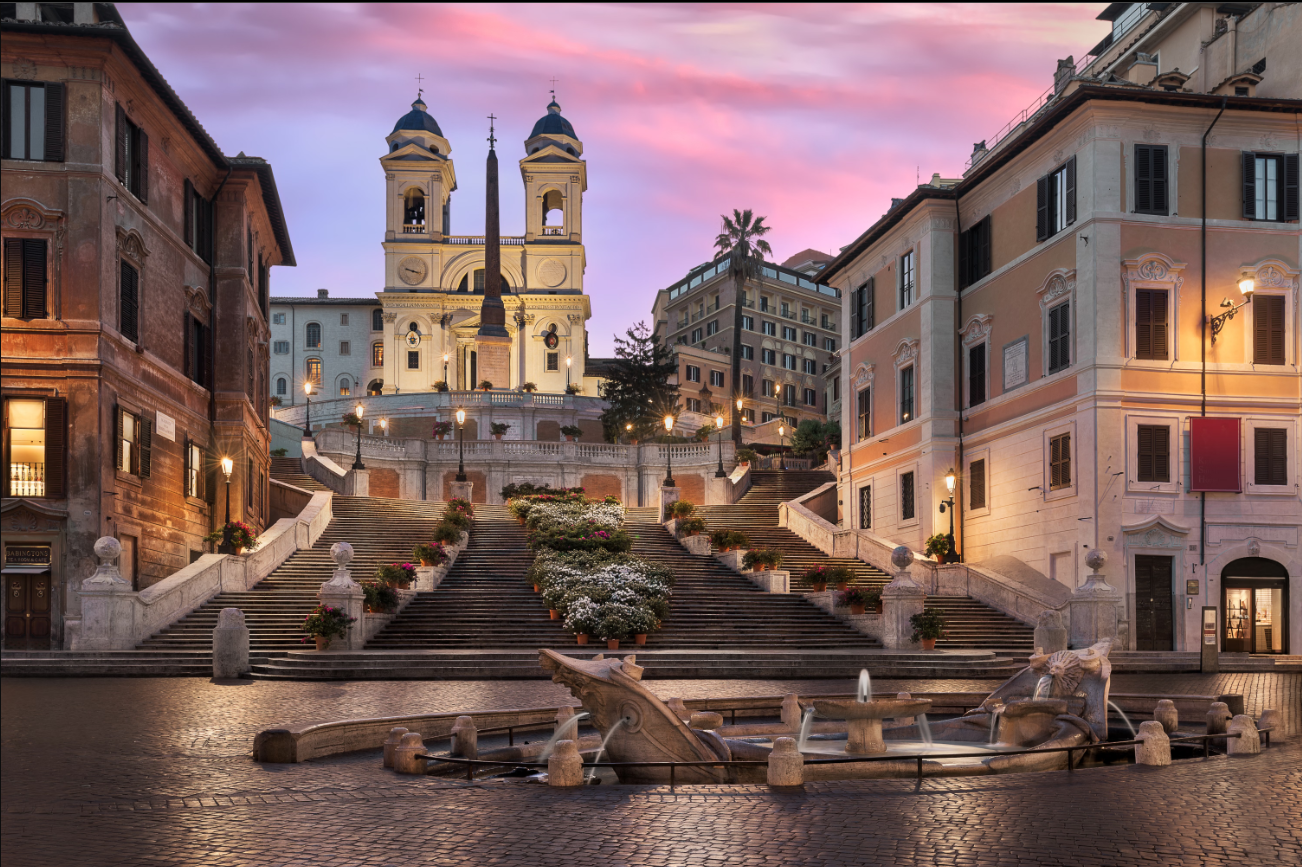
Rome is one of the world's most captivating travel destinations, where ancient history, magnificent architecture, vibrant neighbourhoods and Italian culture come together. Known as the Eternal City, Italy's capital offers an extraordinary collection of historic monuments, beautiful fountains, impressive churches, world-famous museums and charming cobblestone streets.
The things to do in Rome range from exploring the ancient Colosseum and admiring Renaissance masterpieces to enjoying authentic Italian food in traditional neighbourhoods. Travellers can discover centuries of history at the Roman Forum, toss a coin into the Trevi Fountain and experience the artistic treasures of Vatican City.
Whether you are visiting for a romantic getaway, a family holiday or a cultural adventure, the must see places in Rome promise unforgettable experiences. Here are 15 remarkable Rome attractions to include in your travel itinerary.
Also Read - The Ultimate Trevi Fountains Guide: 8 Essential Facts Backed by History
15 Best Things to Do in Rome and Must-See Attractions
1. Colosseum – Explore Ancient Rome's Most Iconic Landmark
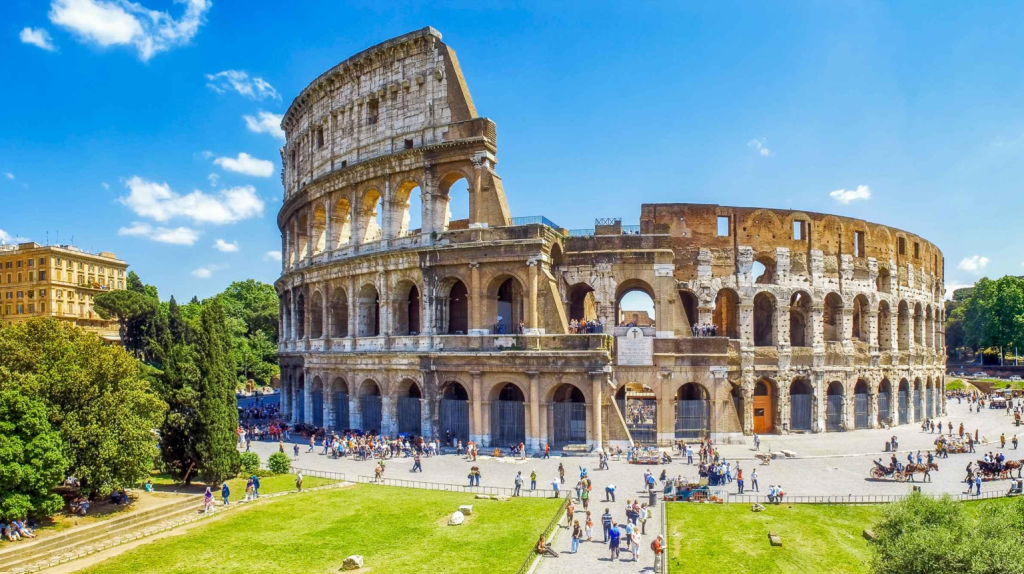
The Colosseum is undoubtedly one of the most extraordinary Rome attractions, attracting visitors with its impressive architecture and fascinating history. Constructed during the first century AD, this enormous amphitheatre once hosted gladiatorial contests, public spectacles and entertainment events. Visitors can explore its different levels, discover the underground chambers and learn about the lives of gladiators and ancient Roman spectators. The surrounding archaeological area also offers opportunities to appreciate the engineering achievements of the Roman Empire. Guided tours provide additional insights into its historical significance. Booking timed-entry tickets in advance is recommended, particularly during the busy summer season.
Best for: Ancient history, architecture, photography and guided tours.
2. Trevi Fountain – Experience Rome's Most Famous Fountain
The Trevi Fountain is among the most beautiful must see places in Rome, famous for its elaborate Baroque architecture and fascinating coin-tossing tradition. Designed by Nicola Salvi and completed in 1762, the fountain features a magnificent sculpture of Oceanus surrounded by horses and mythological figures. According to popular tradition, throwing a coin over your left shoulder into the fountain ensures a future return to Rome. Visitors can admire its intricate sculptures, enjoy the surrounding historic streets and capture memorable photographs. Early mornings and late evenings are generally preferable for avoiding the largest crowds. Since February 2026, access to the immediate basin area has a €2 charge for non-residents during specified hours, although the surrounding piazza remains accessible.
Best for: Photography, sightseeing, couples and iconic Roman experiences.
3. Vatican City
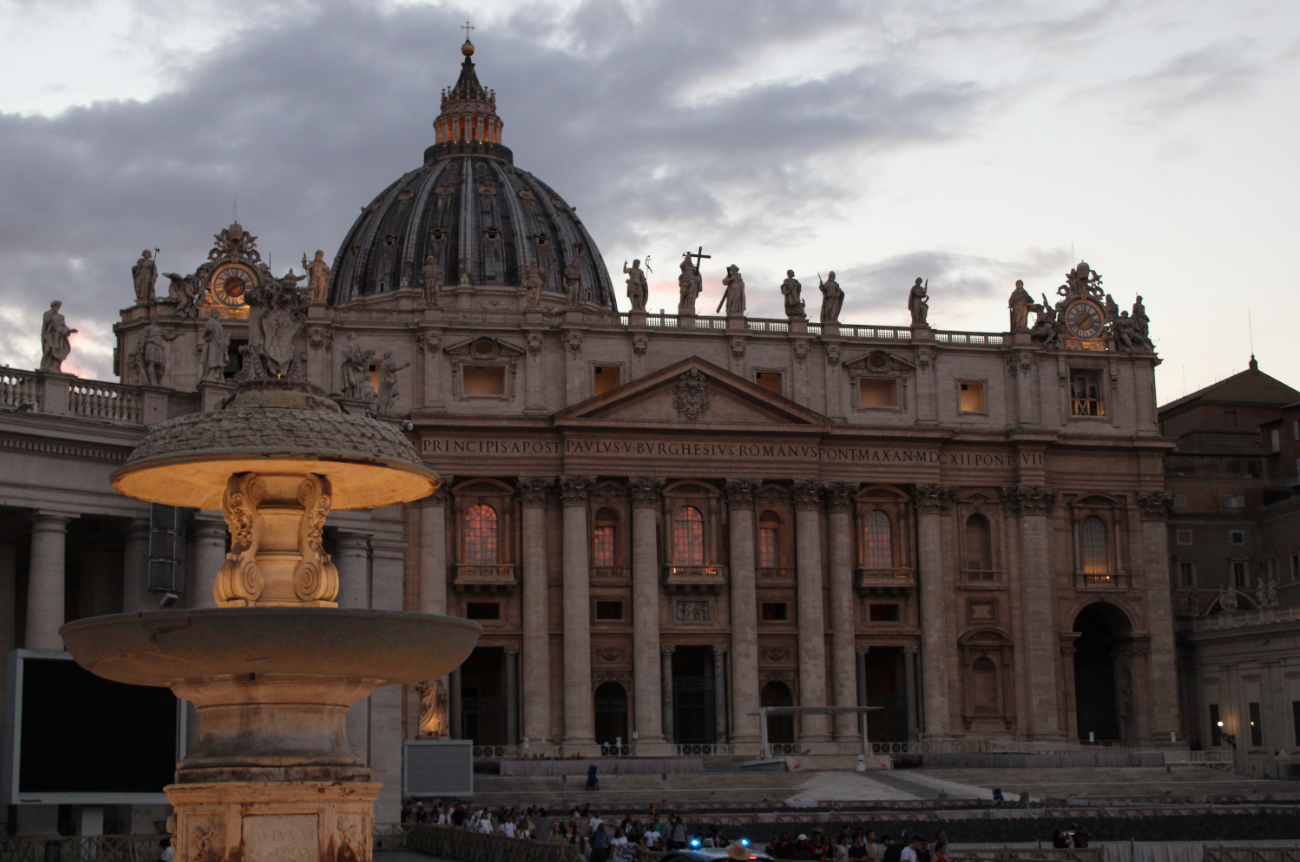
Visiting Vatican City is among the most rewarding things to do in Rome, particularly for travellers interested in art, religion and architecture. Although it is an independent country, Vatican City is surrounded by Rome and is easily accessible during a city sightseeing trip. Its highlights include St. Peter's Basilica, the Vatican Museums, the Sistine Chapel and St. Peter's Square. Visitors can admire Michelangelo's famous ceiling frescoes, explore impressive Renaissance collections and discover the spiritual significance of this historic destination. The Vatican Museums require paid admission, while entry to St. Peter's Basilica is generally free, subject to security checks. Advance reservations are recommended for museum visits.
Best for: Art, religious history, architecture and cultural experiences.
Also Read - 12 Best Vatican City Attractions for an Unforgettable Visit
4. Pantheon – Admire an Extraordinary Ancient Roman Temple
The Pantheon is one of the best-preserved monuments from ancient Rome and an essential addition to any list of Rome attractions. Originally constructed as a temple dedicated to Roman gods, the building is particularly famous for its enormous concrete dome and central circular opening known as the oculus. Its remarkable architectural design has influenced buildings around the world. Today, the Pantheon functions as a Catholic church and also contains the tombs of important historical figures, including the artist Raphael. Visitors can admire the impressive interior, explore the surrounding Piazza della Rotonda and enjoy traditional Italian cafés nearby. General admission is paid, with applicable exemptions and reductions.
Best for: Ancient architecture, history, photography and cultural sightseeing.
5. Roman Forum – Walk Through the Heart of Ancient Roman Life
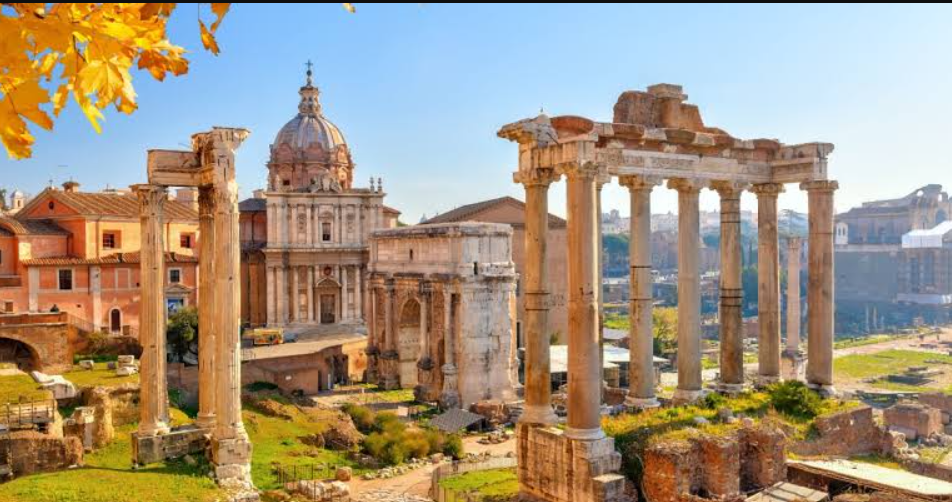
The Roman Forum is one of the most historically significant must see places in Rome, offering a fascinating glimpse into the political, religious and commercial life of ancient Rome. Once the centre of public activities, the area contains the remains of temples, basilicas, triumphal arches and government buildings. Visitors can explore landmarks such as the Temple of Saturn, Arch of Titus and the Curia Julia while imagining how the ancient city functioned. The nearby Palatine Hill provides impressive views across the archaeological landscape and is traditionally associated with the origins of Rome. The Roman Forum is included in the combined Colosseum archaeological ticket, making it convenient to visit both attractions together.
Best for: Archaeology, ancient history, architecture and educational tours.
6. Spanish Steps – Enjoy One of Rome's Most Beautiful Public Spaces
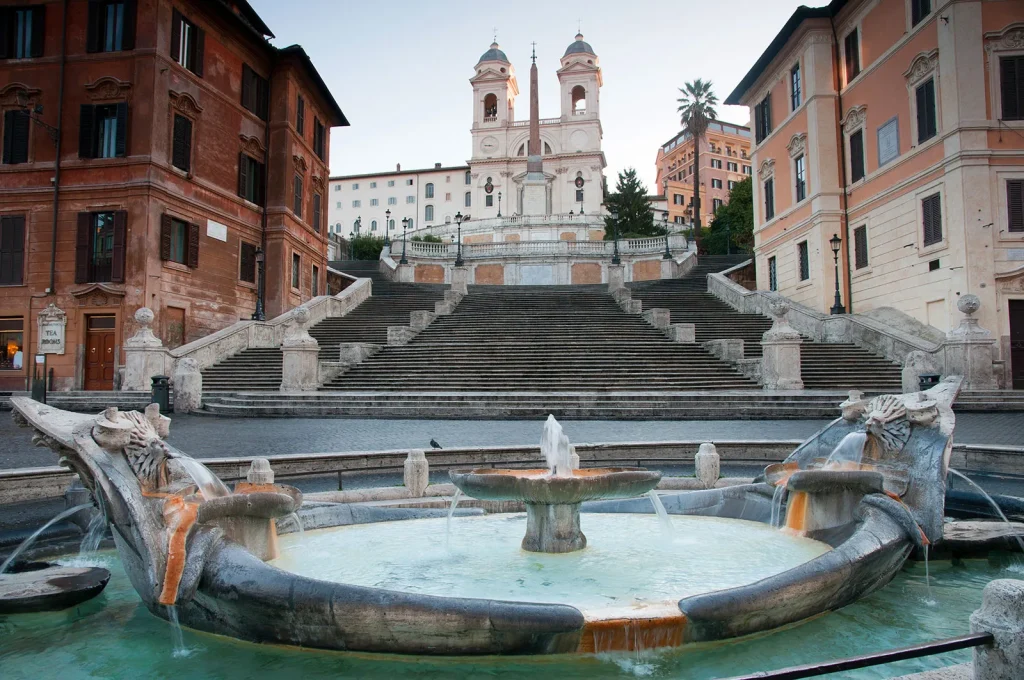
The Spanish Steps are among the most recognisable Rome attractions, connecting Piazza di Spagna with the Trinità dei Monti church. Built during the 18th century, the famous staircase features 135 steps and provides an attractive setting for sightseeing and photography. The surrounding neighbourhood is known for elegant shopping streets, historic buildings, cafés and luxury boutiques. Visitors can admire the Fontana della Barcaccia at the bottom of the staircase and explore nearby Via dei Condotti, one of Rome's most famous shopping streets. The Spanish Steps are a wonderful place to enjoy the city's atmosphere, although sitting on the steps is prohibited.
Best for: Shopping, photography, architecture and leisurely walks.
7. Piazza Navona – Discover Baroque Architecture and Street Culture
Piazza Navona is one of the most charming must see places in Rome, celebrated for its beautiful fountains, Baroque architecture and lively atmosphere. Built over the site of an ancient Roman stadium, the square retains an elongated shape reflecting its original purpose. Its most famous landmark is Bernini's Fountain of the Four Rivers, representing four major rivers from different continents. Visitors can also admire the Church of Sant'Agnese in Agone, explore surrounding cafés and enjoy street performances. During the festive season, the square often hosts Christmas decorations and seasonal markets. Its central location makes it easy to combine with the Pantheon and Trevi Fountain during a walking tour.
Best for: Architecture, street photography, cafés and cultural experiences.
8. Castel Sant'Angelo – Explore Rome's Historic Fortress
The Castel Sant'Angelo is a fascinating historical monument and one of the most interesting Rome attractions for travellers interested in architecture and military history. Originally constructed as a mausoleum for Emperor Hadrian, the building later served as a fortress, papal residence and prison. Today, it operates as a museum featuring historic rooms, sculptures, paintings and archaeological collections. Visitors can explore its different levels and enjoy spectacular views of Rome from the upper terrace. The nearby Ponte Sant'Angelo, decorated with beautiful angel sculptures, provides an especially picturesque approach to the fortress.
Best for: History, photography, museum visits and panoramic views.
9. Villa Borghese Gardens – Enjoy a Relaxing Escape in Nature
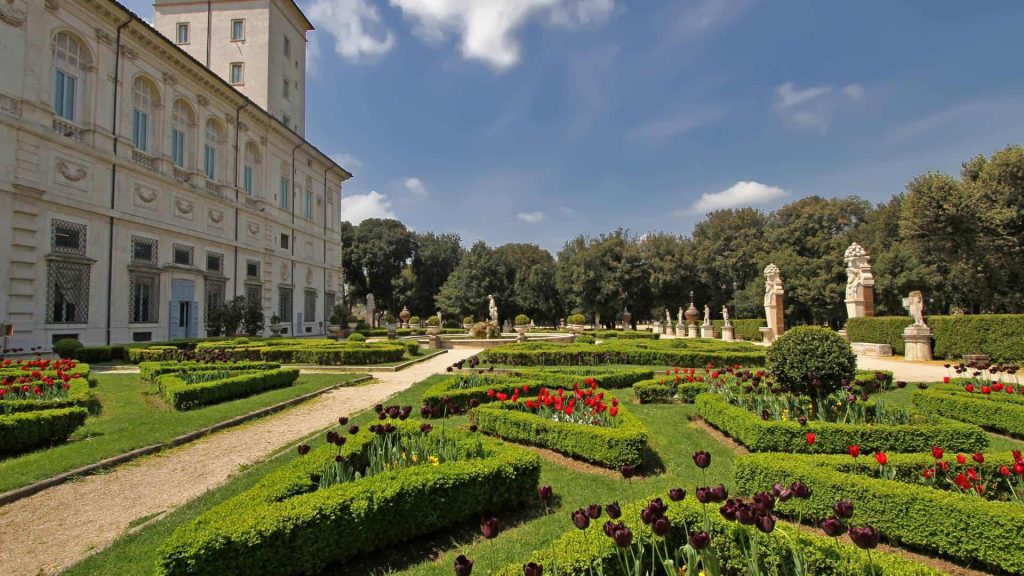
The Villa Borghese Gardens offer a refreshing alternative to Rome's busy historical streets. This extensive green space is among the most relaxing things to do in Rome, featuring landscaped gardens, walking paths, fountains, sculptures and peaceful lakes. Visitors can rent bicycles, enjoy boat rides on the small lake and admire the city from the Pincio Terrace. The gardens also contain the famous Galleria Borghese, which houses extraordinary paintings and sculptures by artists such as Bernini, Caravaggio and Raphael. Entry to the public gardens is free, although the gallery requires a separate ticket and advance reservation.
Best for: Families, nature lovers, picnics, cycling and art enthusiasts.
10. Galleria Borghese – Discover Remarkable Italian Art
The Galleria Borghese is one of the most impressive Rome attractions for visitors passionate about art and sculpture. Located within Villa Borghese Gardens, the gallery houses an exceptional collection of Renaissance and Baroque masterpieces. Its highlights include Bernini's Apollo and Daphne, Caravaggio's paintings and sculptures by Antonio Canova. The elegant rooms themselves are decorated with elaborate ceilings, marble details and artistic ornamentation. Visitors can explore the collection while discovering the history of the Borghese family and its artistic patronage. Visits operate in timed sessions, and advance reservations are compulsory, making early planning essential.
Best for: Art lovers, sculptures, Renaissance paintings and museum experiences.
11. Trastevere – Experience Authentic Roman Neighbourhood Life
Trastevere is one of the most atmospheric must see places in Rome, offering an authentic glimpse into traditional Roman neighbourhood life. Located across the River Tiber, this charming district is famous for narrow cobblestone streets, colourful buildings, independent boutiques and traditional Italian restaurants. Visitors can explore Piazza di Santa Maria in Trastevere, admire the beautiful Basilica of Santa Maria and discover small cafés serving authentic Roman dishes. The neighbourhood becomes especially lively in the evening, when restaurants and outdoor terraces fill with locals and visitors. Trying traditional dishes such as cacio e pepe, carbonara and supplì is an excellent way to experience Rome's culinary culture.
Best for: Food lovers, couples, nightlife, photography and local culture.
Also Read - Where to Eat in Trastevere: 12 Restaurants for Authentic Roman Food
12. Piazza del Popolo
Piazza del Popolo is a magnificent public square and one of the most impressive Rome attractions for architecture enthusiasts. Located near the northern entrance to the historic city centre, the square is famous for its Egyptian obelisk, elegant fountains and twin churches. Visitors can admire Santa Maria dei Miracoli and Santa Maria in Montesanto while exploring the surrounding streets. The nearby Pincio Terrace offers beautiful panoramic views across the square and Rome's rooftops, making it particularly popular around sunset. The square is also a convenient starting point for exploring Via del Corso, Villa Borghese and the Spanish Steps.
Best for: Architecture, panoramic views, photography and walking tours.
13. Campo de' Fiori – Explore a Traditional Roman Market
Campo de' Fiori is a lively historic square that offers a wonderful opportunity to experience everyday Roman culture. It is among the most enjoyable things to do in Rome for travellers interested in local markets, regional food and traditional neighbourhood experiences. During the morning, the square hosts an open-air market selling fresh produce, flowers, spices, cheeses and local specialities. Visitors can browse the stalls, sample Italian ingredients and discover nearby bakeries and restaurants. The square is also known for its statue of philosopher Giordano Bruno, which stands at its centre. In the evening, the area becomes a popular meeting point with restaurants and bars.
Best for: Food experiences, shopping, local markets and photography.
14. Capitoline Museums – Discover Rome's Ancient Treasures
The Capitoline Museums are among the most important Rome attractions for travellers interested in ancient art and archaeology. Established in 1471, they are widely regarded as the world's oldest public museums. Their collections include Roman sculptures, inscriptions, paintings and archaeological discoveries. Notable highlights include the Capitoline Wolf, the equestrian statue of Marcus Aurelius and the impressive remains of the ancient Colossus of Constantine. The museums are located on Capitoline Hill, offering visitors beautiful views of the Roman Forum and surrounding historic landmarks. They are an excellent addition to an itinerary focused on ancient Roman history.
Best for: Ancient sculptures, archaeology, Roman history and museum visits.
15. Appian Way – Explore Rome's Ancient Road and Countryside
The Appian Way is one of the most fascinating must see places in Rome for travellers who want to discover ancient history beyond the city centre. Known as the Queen of Roads, this historic route was constructed in 312 BC to connect Rome with southern Italy. Today, visitors can explore sections of the original stone road, discover ancient tombs, archaeological remains and historic churches, and enjoy peaceful countryside surroundings. Walking and cycling are popular ways to experience the route. Nearby attractions include the Catacombs of San Callisto and the ancient Circus of Maxentius. It is an excellent choice for travellers looking for a quieter side of Rome.
Best for: History, cycling, walking tours, archaeology and nature.
Best Time to Visit Rome
The best time to explore the Rome attractions is generally during spring and autumn, when the weather is relatively comfortable for walking and outdoor sightseeing.
| Season | Months | Travel experience |
|---|---|---|
| Spring | March–May | Pleasant weather, gardens and outdoor sightseeing |
| Summer | June–August | Hot temperatures, lively evenings and larger crowds |
| Autumn | September–November | Comfortable sightseeing and fewer summer crowds |
| Winter | December–February | Cooler weather, festive decorations and quieter periods |
Seasonal recommendations:
- For comfortable sightseeing: April, May, September and October.
- For Christmas celebrations: December, particularly around Piazza Navona and St. Peter's Square.
- For fewer crowds: January and February, outside major holiday periods.
- For outdoor dining: April, May, September and early October.
Spring and autumn are particularly suitable for exploring several attractions on foot. Summer visitors should plan outdoor sightseeing early in the morning or later in the afternoon.
Best Things to Eat in Rome
Exploring Rome's food culture is another essential part of experiencing the city. Alongside visiting historic landmarks, travellers should make time to discover traditional Roman dishes.
Some popular local specialities include:
- Carbonara: A traditional Roman pasta dish prepared with eggs, Pecorino Romano cheese, guanciale and black pepper.
- Cacio e pepe: A simple but delicious pasta preparation made with Pecorino Romano cheese and black pepper.
- Amatriciana: A traditional pasta sauce featuring tomatoes, guanciale and Pecorino Romano.
- Supplì: Deep-fried rice balls traditionally filled with tomato sauce and mozzarella.
- Pizza al taglio: Roman-style pizza sold by the slice, making it perfect for a quick lunch.
- Saltimbocca alla Romana: A traditional veal dish prepared with prosciutto and sage.
- Tiramisu: A popular Italian dessert made with coffee-soaked biscuits, mascarpone and cocoa.
Trastevere, Campo de' Fiori and the streets around the Pantheon are excellent areas to discover traditional restaurants, bakeries and cafés.
How Many Days Are Enough to Explore Rome?
Three days are a good starting point for experiencing the major things to do in Rome without rushing through every attraction. If you have additional time, consider exploring smaller neighbourhoods, museums and archaeological sites.
| Duration | Suggested sightseeing plan |
|---|---|
| 1 day | Colosseum, Roman Forum, Pantheon and Trevi Fountain |
| 2 days | Add Vatican City, Sistine Chapel and St. Peter's Basilica |
| 3 days | Add Spanish Steps, Piazza Navona, Trastevere and Villa Borghese |
| 4–5 days | Add Galleria Borghese, Capitoline Museums and Appian Way |
For a first-time visitor, a three-to-four-day itinerary offers a good balance of history, sightseeing, food and relaxation.
Essential Travel Tips for Visiting Rome
Before exploring the must see places in Rome, keep these practical recommendations in mind:
- Book popular attractions early: Reserve Colosseum, Vatican Museums and Galleria Borghese tickets in advance.
- Start sightseeing early: Visit popular landmarks in the morning to avoid the largest crowds.
- Wear comfortable shoes: Rome has cobblestone streets and considerable walking distances.
- Use public transport: Metro, buses and trams are useful for reaching attractions outside the historic centre.
- Dress appropriately: Cover your shoulders and knees when visiting religious buildings.
- Carry a reusable water bottle: Rome has public drinking fountains known as nasoni.
- Watch your belongings: Be particularly careful in crowded tourist areas and on public transport.
- Explore beyond famous landmarks: Spend time in Trastevere, Monti and other traditional neighbourhoods.
- Check opening days: Some museums and attractions have weekly closing days or special schedules.
- Respect local regulations: Follow restrictions around historic monuments, fountains and public squares.
Conclusion
Rome is a remarkable destination where ancient history, magnificent architecture, artistic treasures and vibrant Italian culture create an unforgettable travel experience. From exploring the legendary Colosseum and admiring the beauty of the Trevi Fountain to discovering Vatican City and enjoying traditional Roman cuisine in Trastevere, the city offers something for every traveller. The things to do in Rome extend far beyond its famous monuments, with charming neighbourhoods, historic squares, museums and beautiful gardens waiting to be explored.
Whether you are visiting for a weekend getaway or a longer Italian holiday, including these must see places in Rome in your itinerary will help you experience the city's unique character. Plan ahead, allow enough time for sightseeing and enjoy discovering the remarkable Rome attractions that make the Eternal City so special.

Comments 0
Only approved comments are shown here.