Spain travel guide cover

Spain Travel Guide

Explore Spain
Advertisement

TraveliciousBites' Spain Travel Guide covers Barcelona's Gaudí architecture, Madrid's museums, and the regional diversity that makes Spain one of Europe's most varied countries to explore. Whether you're planning a Barcelona-Madrid city route or a longer trip including Andalusia's south, this guide breaks down when to visit, what to budget, and how Spain's regions each offer a genuinely different experience, based on the same research standards we apply across every destination we cover.

Best Time to Visit Spain

April through June and September through October deliver Spain's most comfortable travel weather, avoiding both summer's intense heat, particularly in Madrid and Andalusia, and the year's biggest crowds and highest prices. Summer temperatures in southern Spain regularly exceed 100°F, making midday sightseeing in cities like Seville genuinely difficult, though the coast offers some relief.

Winter stays mild in southern Spain and the Mediterranean coast, though Madrid and the north turn considerably colder. TraveliciousBites recommends booking Barcelona's Sagrada Familia and Madrid's Prado Museum tickets online in advance regardless of season, since both routinely sell out.

Spain weather and seasonal guidesTap to see articles matched to each season

Top Things to Do in Spain

  • Barcelona

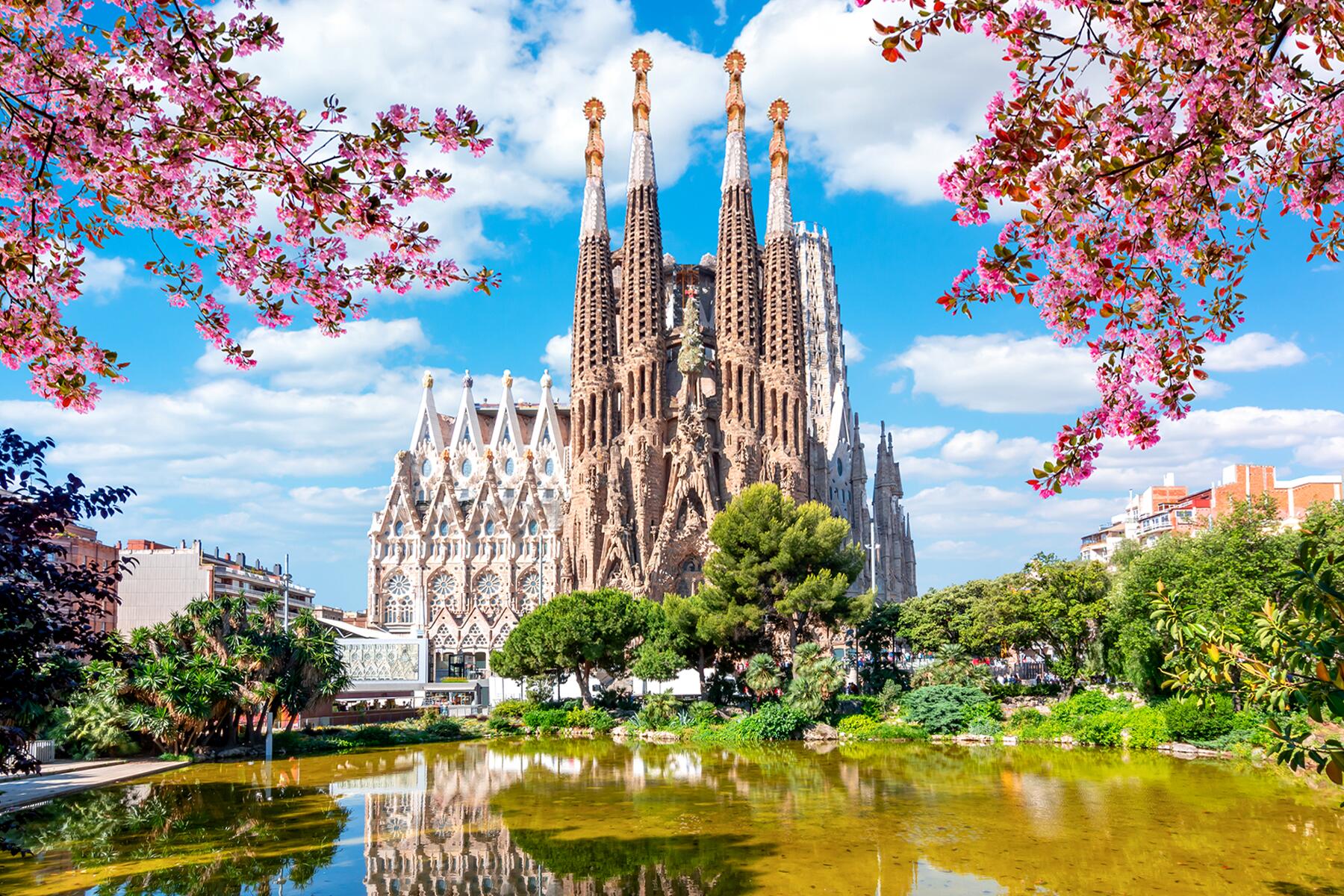
    — Gaudí's Sagrada Familia and Park Güell anchor Spain's most architecturally distinctive city.

  • Madrid

    — the Prado and Reina Sofía museums make Madrid a top destination for art, alongside a strong tapas and nightlife scene.

  • Seville

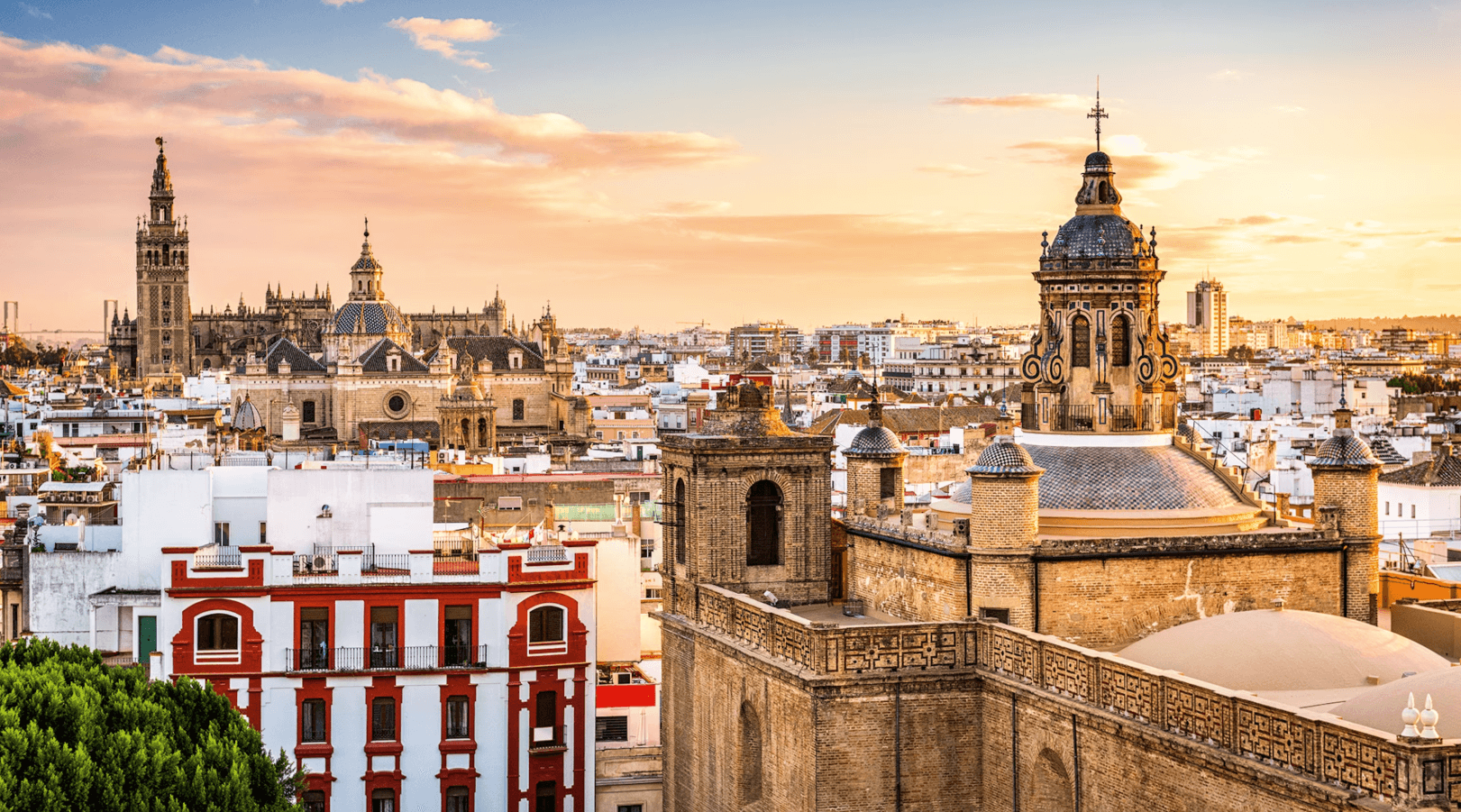
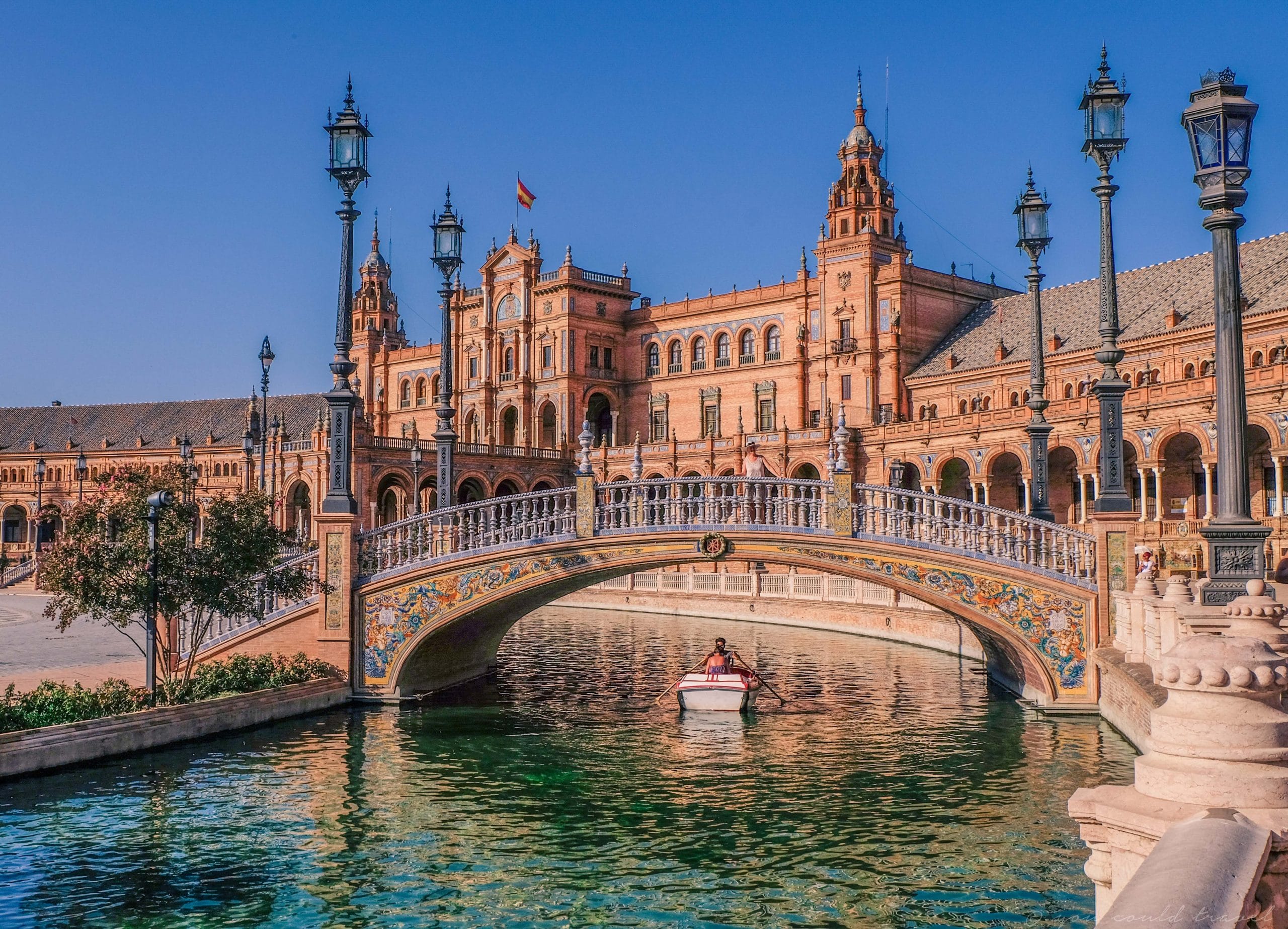
    — flamenco, the Alcázar palace, and Andalusia's most iconic city architecture.

  • Granada

    — the Alhambra, a stunning Moorish palace complex, requires advance timed-entry booking due to strict daily visitor limits.

  • San Sebastián

    — a coastal city in the Basque Country renowned for having one of the highest concentrations of Michelin stars per capita in the world.

  • Ibiza and Mallorca

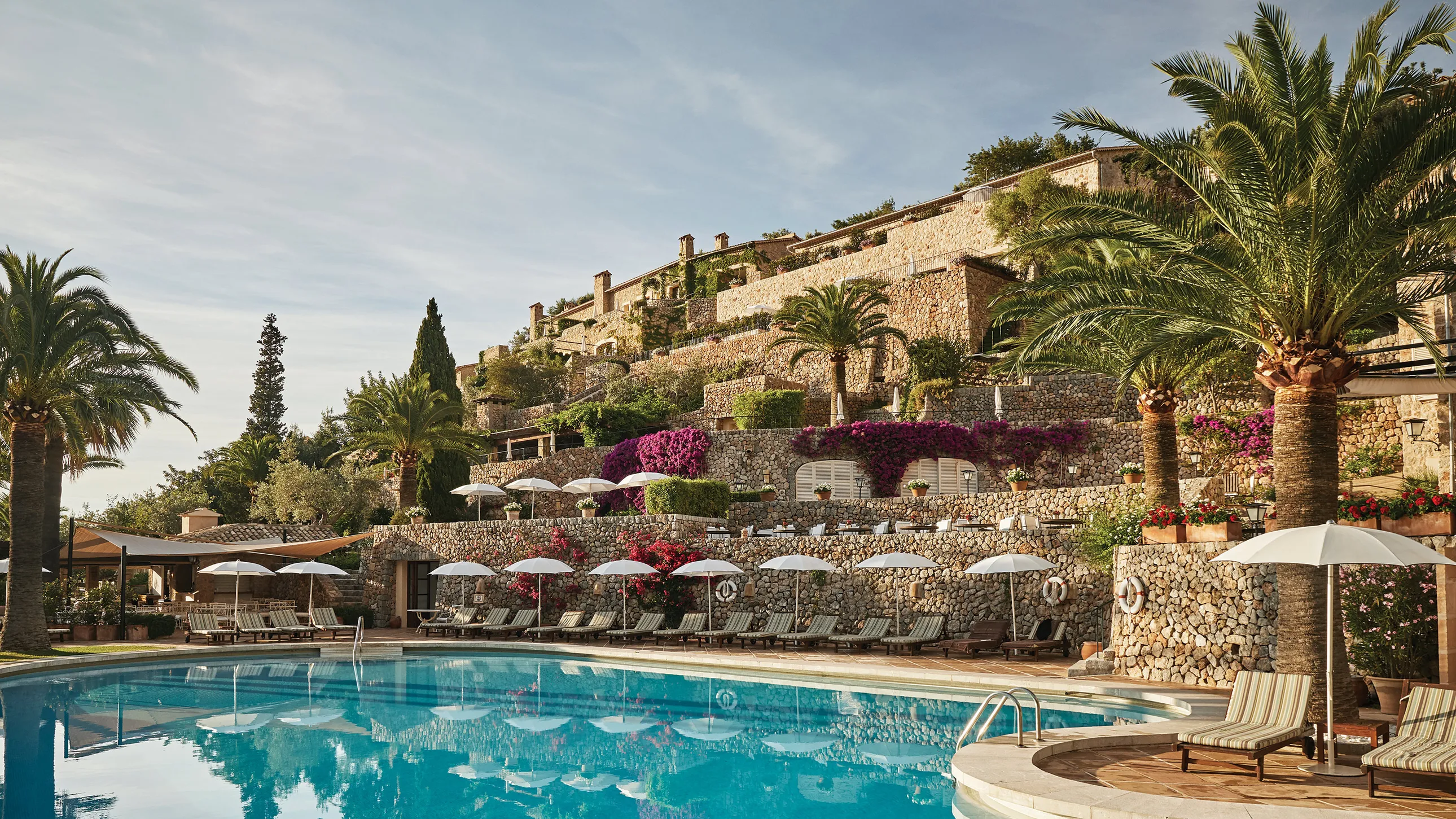
    — the Balearic Islands offer Spain's most famous beach and nightlife destinations.

More things to do in SpainTap to see related guides
Spain accommodation

Where to Stay

TraveliciousBites recommends Barcelona's Eixample or Gothic Quarter for first-time visitors, both putting major sights within walking distance or a short metro ride.

Madrid's Centro or Salamanca districts offer a similarly central base near major museums.

Andalusia rewards a multi-city approach, splitting time between Seville, Granada, and possibly Córdoba given the region's spread of major sights.

Spain hotels and places to stayTap to see related guides

Food and Dining

Spanish cuisine varies dramatically by region, from Barcelona and Catalonia's seafood-forward dishes to Madrid's hearty, meat-focused fare and Andalusia's gazpacho and fried fish.

Tapas culture spans the entire country, though the tradition and specific dishes vary by region and city.

San Sebastián's pintxos, a Basque variation on small plates, represent some of Spain's most refined casual dining.

Spain food and dining articlesTap to see related guides

Getting There and Around

Direct flights from major US hubs reach Madrid or Barcelona in 8–10 hours. Spain's high-speed AVE trains connect major cities efficiently, reaching Barcelona from Madrid in about 2.5 hours, often faster door-to-door than flying once airport transfer time is factored in.

City centers throughout Spain are generally walkable, with strong local metro systems in both Madrid and Barcelona. Renting a car becomes useful for exploring smaller Andalusian towns not well served by rail.

Local Tips

  • Book the Alhambra and Sagrada Familia well in advance, since both operate under strict visitor limits and routinely sell out weeks ahead during peak season.
  • Adjust to Spain's late dining culture, with dinner typically starting after 9pm nationwide.
  • Validate any paper train tickets before boarding where required.

Practical Essentials for Spain

  • Spain uses European-style two-pin plugs at 230V, so US travelers need a plug adapter and, for some devices, a voltage converter.

  • Mobile data works reliably throughout the country, and a European eSIM purchased before departure typically beats roaming charges through a US carrier.

  • Tipping in Spain runs lighter than in the US, with rounding up considered generous at restaurants.

  • Tap water is safe to drink throughout Spain.

Advertisement

Latest from Spain

Frequently Asked Questions About Spain

Answers below draw on the same research TraveliciousBites uses across every destination and category guide.

What is the best time of year to visit Spain?

April-June and September-October offer Spain's most comfortable weather, avoiding summer's intense heat and peak crowds.

How many days do you need for a Spain trip?

Plan 10-12 days to cover a multi-region route through Barcelona, Madrid, and Andalusia without rushing.

Do I need to book the Alhambra in advance?

Yes, book the Alhambra well in advance, since it operates under strict daily visitor limits and routinely sells out weeks ahead during peak season.

Is it better to fly or take the train within Spain?

Spain's high-speed AVE trains often prove more convenient than flying for routes like Madrid to Barcelona, given the roughly 2.5-hour journey time.

Is tap water safe to drink in Spain?

Yes, tap water is safe to drink throughout Spain, so bringing a refillable bottle saves money over buying bottled water.

What time do Spaniards eat dinner?

Dinner typically starts after 9pm nationwide in Spain, considerably later than typical US dining hours.

Is Spain expensive to visit?

Spain offers strong value relative to France or Italy for comparable quality, with a 10-day multi-region trip typically running $2,000–$3,200 per person mid-range.

What is Spanish food known for?

Spanish food is known for tapas culture nationwide, alongside regional specialties like Catalonia's seafood and Andalusia's gazpacho.

Is Barcelona or Madrid better for a first Spain trip?

Barcelona suits travelers wanting distinctive architecture and coastal access, while Madrid appeals more to those prioritizing art museums and a more traditionally Spanish capital experience.

What is San Sebastián known for?

San Sebastián is renowned for having one of the highest concentrations of Michelin stars per capita in the world, alongside its pintxos culture.

Should I book Sagrada Familia tickets in advance?

Yes, book Sagrada Familia tickets online in advance, since the site routinely sells out, especially during peak season.

Are the Balearic Islands worth adding to a Spain itinerary?

Yes, Ibiza and Mallorca offer Spain's most famous beach and nightlife destinations, worth adding for travelers with extra time.

Do I need a car in Spain?

A car is unnecessary in Barcelona or Madrid, but becomes useful for exploring smaller Andalusian towns not well served by rail.

Advertisement