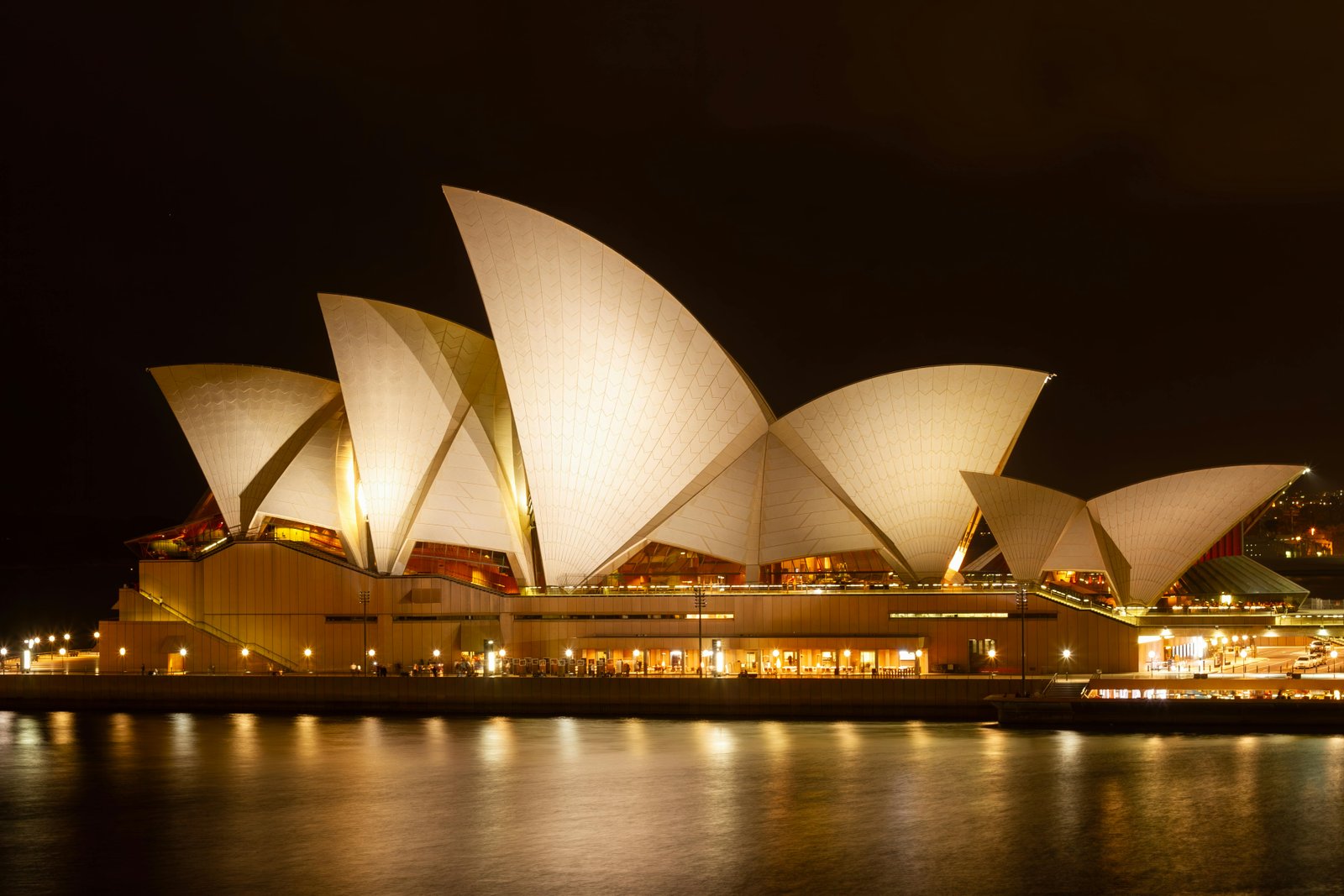
The sydney opera house is one of the most recognisable landmarks in the world and a defining symbol of Australia. Located on the edge of Sydney Harbour at Bennelong Point, this architectural masterpiece attracts millions of visitors every year who come to admire its sail-like design, attend performances, and explore its fascinating history.
Whether visiting Sydney for the first time or returning to explore the city again, experiencing the sydney opera house is essential. From spectacular performances to guided architectural experiences, the landmark offers far more than stunning photography opportunities.
Travellers purchasing sydney opera house tickets can enjoy world-class opera, theatre, live music, ballet, and cultural performances throughout the year. Meanwhile, a sydney opera house tour allows visitors to explore behind the scenes and discover the remarkable story behind this UNESCO World Heritage Site.
Also Read - 13 Best Places to Visit in Sydney Australia
This post contains affiliate links. If you choose to book through them, a small commission may be earned at no additional cost to you. Your support genuinely helps keep the blog running and allows continued creation of high-quality travel guides. Thank you for being here and supporting this journey.
The History of Sydney Opera House
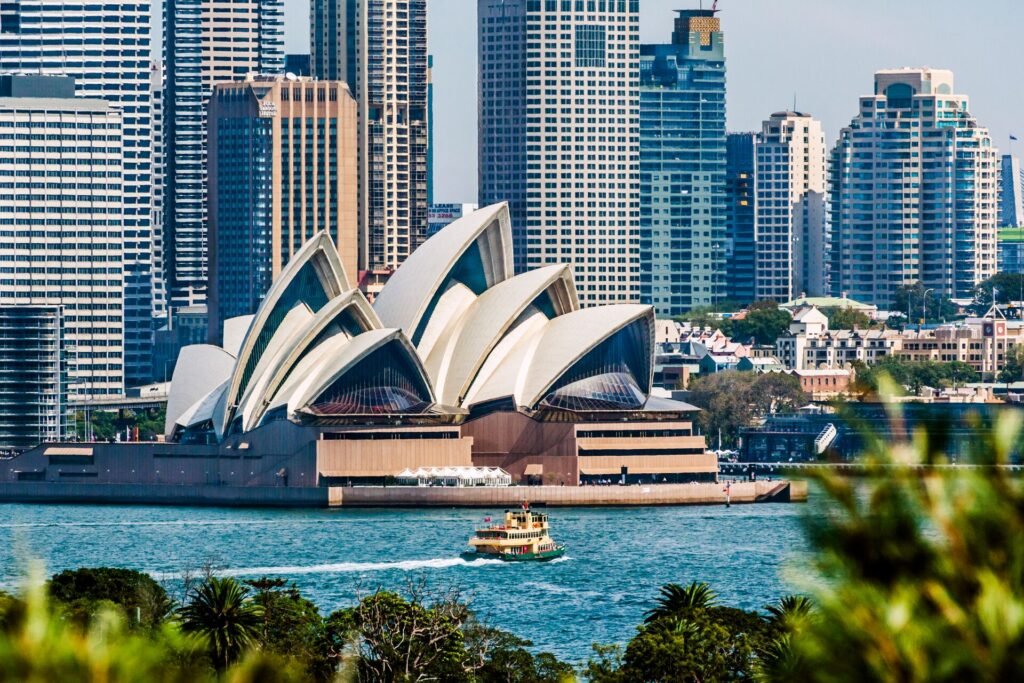
The Sydney Opera House is one of the greatest architectural achievements of the twentieth century and a globally recognised symbol of Australia. Designed by Danish architect Jørn Utzon, the project began after an international design competition was launched in 1956 to create a world-class performing arts centre for Sydney Harbour. Utzon’s revolutionary sail-inspired concept was selected in 1957 from more than 230 entries due to its bold and visionary design.
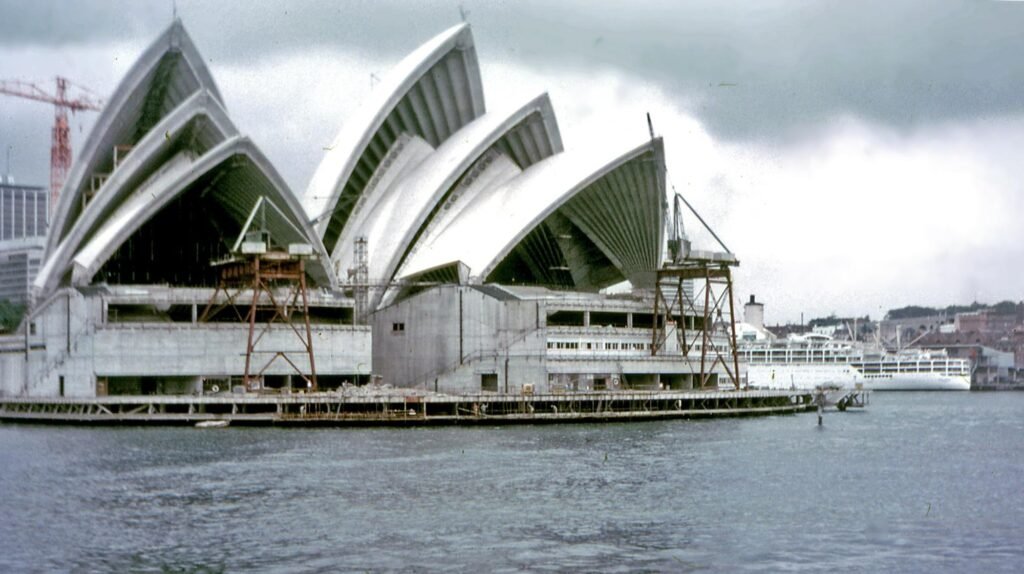
Construction officially commenced in 1959 on Bennelong Point, a historic harbour location traditionally known as Tubowgule by the Gadigal people. However, the ambitious engineering required to construct the iconic shell-shaped roofs created major technical and financial challenges. Years of redesign and innovation were necessary before the structure could be completed successfully.
During construction, political disputes and significant cost overruns led to Jørn Utzon’s resignation in 1966. An Australian architectural team led by Peter Hall later completed the interiors and final stages of the project. After 14 years of construction, the building was officially opened by Queen Elizabeth II on 20 October 1973.
The structure features interlocking pre-cast concrete shells that create its famous “white sail” appearance overlooking Sydney Harbour. Its innovative design and engineering transformed modern architecture worldwide and established the building as one of the most photographed landmarks on Earth.
In 2007, the building was recognised as a UNESCO World Heritage Site for its outstanding architectural and cultural significance. UNESCO described it as “one of the indisputable masterpieces of human creativity.” Today, the venue hosts more than 1,800 performances annually and welcomes millions of visitors from around the world each year.
Architectural Brilliance and Design
The most striking feature of the Sydney Opera House is its extraordinary sail-inspired roof design. The structure sits dramatically against Sydney Harbour, creating one of the world’s most photographed skylines.
The building was engineered using advanced techniques that were revolutionary for its time. The shell-like roofs are covered with more than one million Swedish-made tiles that shimmer beautifully under sunlight.
Inside, the venue includes multiple performance spaces such as:
- Concert Hall
- Joan Sutherland Theatre
- Drama Theatre
- Playhouse
- The Studio
- Utzon Room
The combination of innovative architecture, waterfront location, and cultural importance makes the sydney opera house one of the greatest landmarks of the twentieth century.
Sydney Opera House Tour Experiences
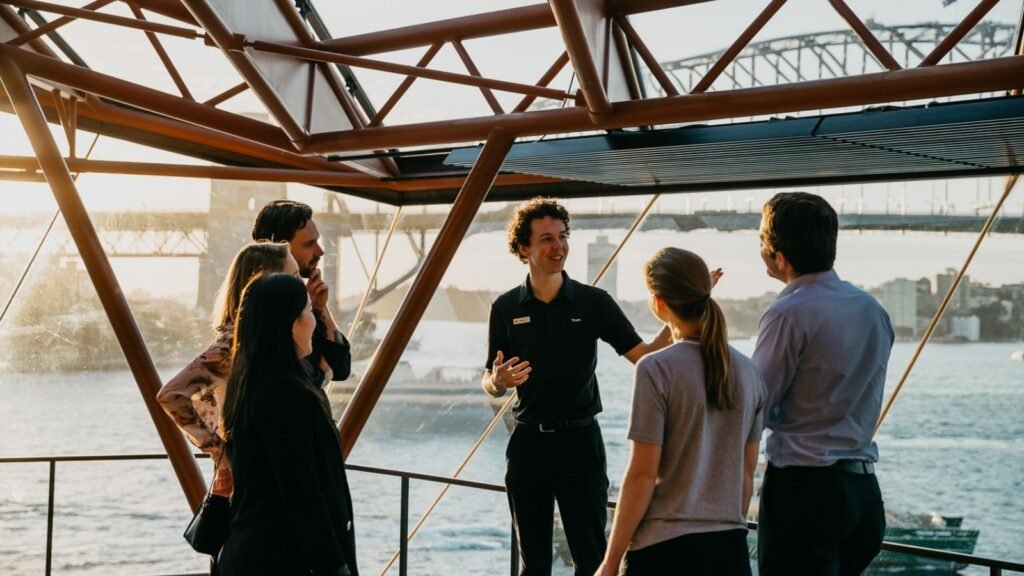
Booking a Sydney Opera House tour is one of the best ways to truly appreciate the building’s history and engineering brilliance.
Guided tours allow visitors to step inside areas usually hidden from public view while learning about the architects, engineers, and artists who contributed to the project.
Standard Guided Tour
The standard sydney opera house tour takes visitors through major interior spaces while sharing fascinating stories about the building’s creation, performances, and design evolution.
Tours are available in multiple languages including:
- English
- French
- German
- Spanish
- Japanese
- Korean
- Mandarin
Architectural Tour
The Architectural Tour focuses on the design and engineering process behind the landmark. Visitors gain deeper insight into how Jørn Utzon’s vision became reality.
Backstage Tour
For visitors wanting a more exclusive experience, backstage tours provide access to dressing rooms, rehearsal spaces, corridors, and behind-the-scenes operational areas.
A Sydney Opera House tour is ideal for architecture enthusiasts, history lovers, photographers, and anyone curious about one of the world’s most famous performing arts venues.
Sydney Opera House Tickets and Performances
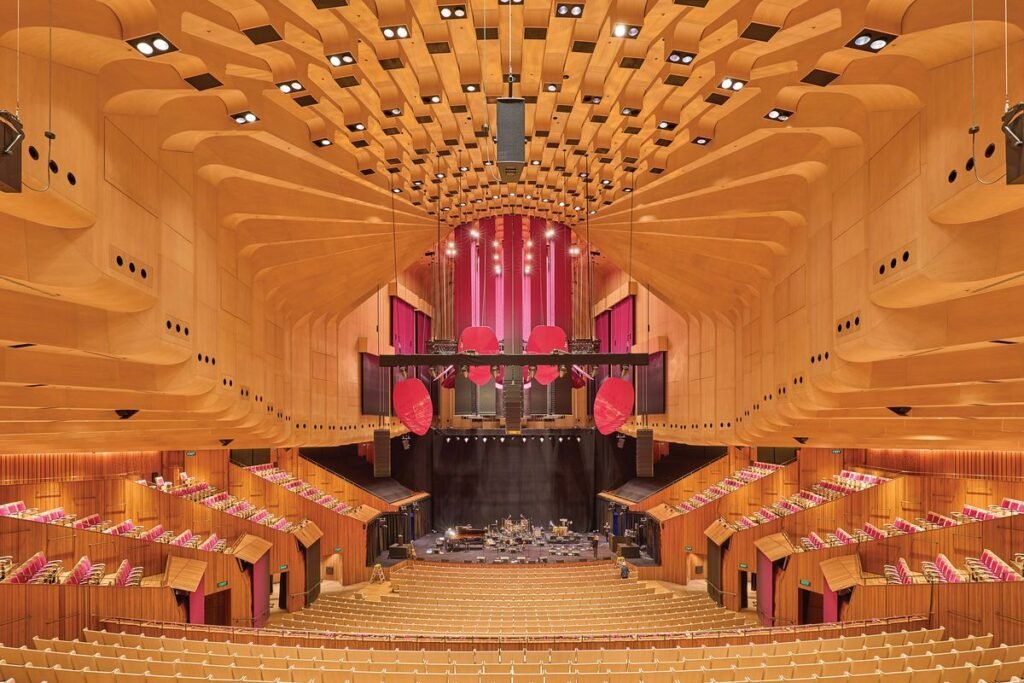
Purchasing Sydney Opera House tickets allows visitors to experience world-class performances inside one of the most iconic cultural venues in the world. The landmark hosts a diverse calendar of entertainment throughout the year, attracting international audiences with opera, theatre, ballet, concerts, comedy shows, and cultural festivals.
Major productions scheduled between May and August 2026 include performances such as Romeo and Juliet ballet, The Merry Widow opera, Rigoletto, Great Opera Hits, Bangarra Dance Theatre, and the globally popular Vivid LIVE music festival. Contemporary performances by international artists and orchestras also form an important part of the annual programme.
The venue regularly hosts performances by Opera Australia and the Sydney Symphony Orchestra, both of which are internationally recognised for delivering exceptional productions inside the famous harbourfront theatres. From classical opera and ballet to modern music events and experimental theatre, the entertainment options appeal to a wide range of visitors and cultural interests.
Travellers can purchase tickets directly through the official Sydney Opera House website, Opera Australia, or approved ticket partners. Ticket prices for many performances typically begin around AUD 50 to AUD 100 depending on seating category, performance type, and event popularity. Premium seating options are also available for major productions and special performances.
In addition to live performances, visitors can book guided walking tours of the venue, with standard tour experiences generally starting from approximately AUD 36. These tours provide access to important interior spaces while sharing insights into the building’s architecture, history, and cultural significance.
For the best experience, booking Sydney Opera House tickets well in advance is strongly recommended, especially during major festivals, holiday seasons, and high-demand international events. Group discounts are often available for larger bookings, while accessible seating arrangements can be organised directly through the venue’s box office services. Many visitors also choose to combine performances with waterfront dining or Sydney Harbour dinner cruises to create a complete luxury entertainment experience.
Dining at Sydney Opera House
The Opera House also offers exceptional dining experiences overlooking Sydney Harbour.
Visitors can enjoy restaurants, bars, and cafes located throughout the complex. One of the most famous dining venues is Bennelong Restaurant, situated beneath the iconic sails of the building.
Dining options range from casual waterfront cafes to fine dining experiences featuring premium Australian cuisine, seafood, and local wines.
Many visitors combine a meal with an Opera House tour or evening performance for a complete cultural experience.
Also Read - Park Hyatt Sydney: Luxury Waterfront Stay at The Rocks
Best Time to Visit Sydney Opera House
The Sydney Opera House is impressive throughout the year, but certain times provide especially memorable experiences.
Sunrise
Early morning visits offer peaceful harbour views and soft lighting perfect for photography.
Sunset
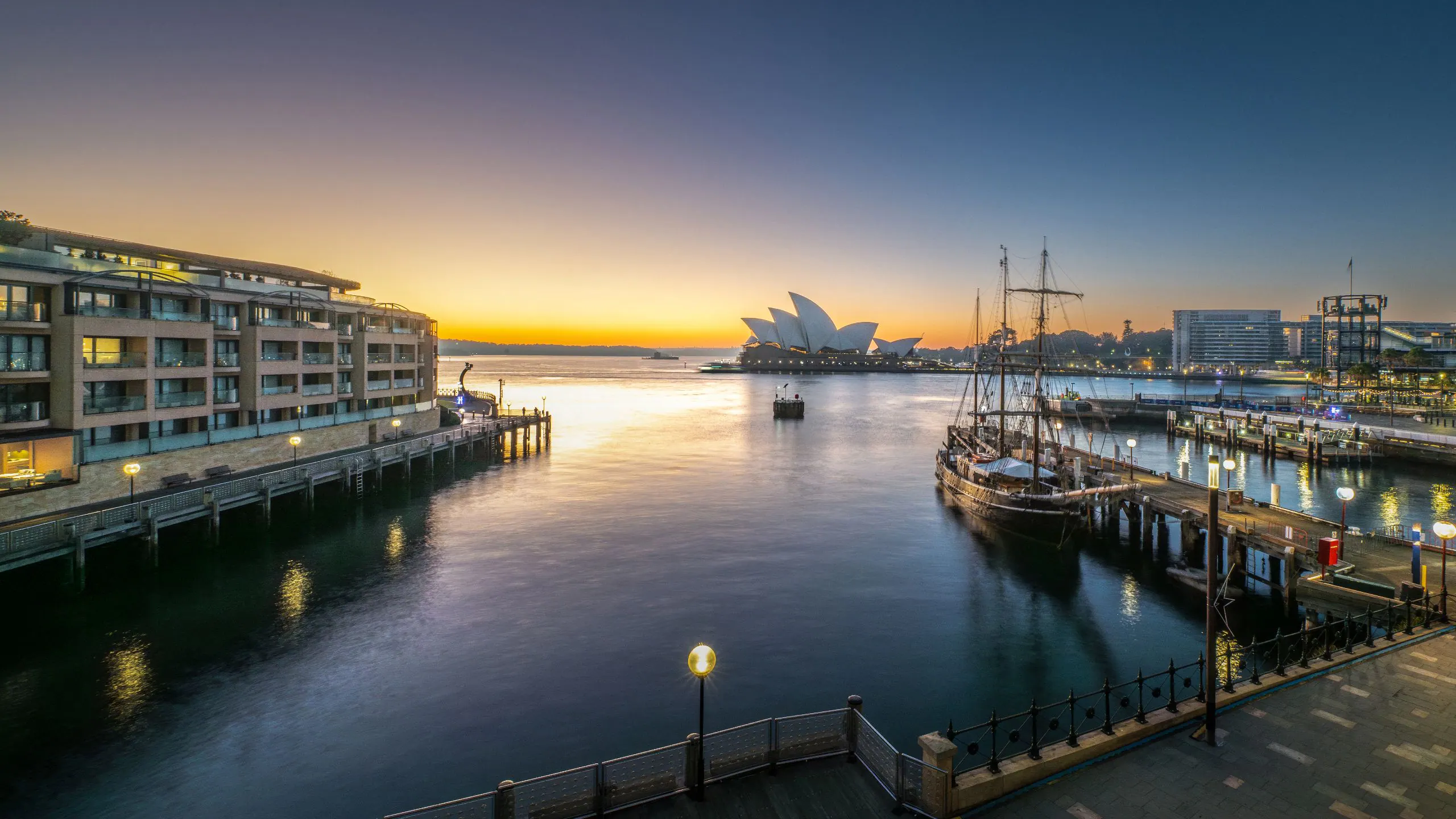
Sunset transforms the harbour into a spectacular display of colours reflecting across the sails of the building.
Evening
Nighttime visits create a magical atmosphere as the building illuminates against the Sydney skyline.
Summer months between December and February are particularly vibrant, though they also attract larger crowds. Spring and autumn often provide more comfortable temperatures for sightseeing.
Nearby Attractions Around Sydney Opera House
The central location of the Sydney Opera House places visitors close to many of Sydney’s top attractions.
Sydney Harbour Bridge
Just a short distance away, the Harbour Bridge offers climbing experiences with panoramic city views.
Circular Quay
Circular Quay serves as Sydney’s main ferry terminal, connecting visitors to destinations such as Manly Beach and Taronga Zoo.
Royal Botanic Garden
The nearby gardens provide beautiful walking paths and some of the best photography locations overlooking the harbour.
The Rocks
This historic district features cobblestone streets, markets, restaurants, pubs, and galleries near the Sydney Opera House.
Photography Tips for Sydney Opera House
Photography enthusiasts visiting the Opera House can capture stunning views from several popular locations.
Best photography spots include:
- Mrs Macquarie’s Chair
- Circular Quay
- Sydney Harbour Bridge
- Royal Botanic Garden
- Harbour cruises
Sunrise and sunset typically provide the most dramatic lighting conditions for capturing the sails and harbour reflections.
Why Sydney Opera House Is a Global Icon?
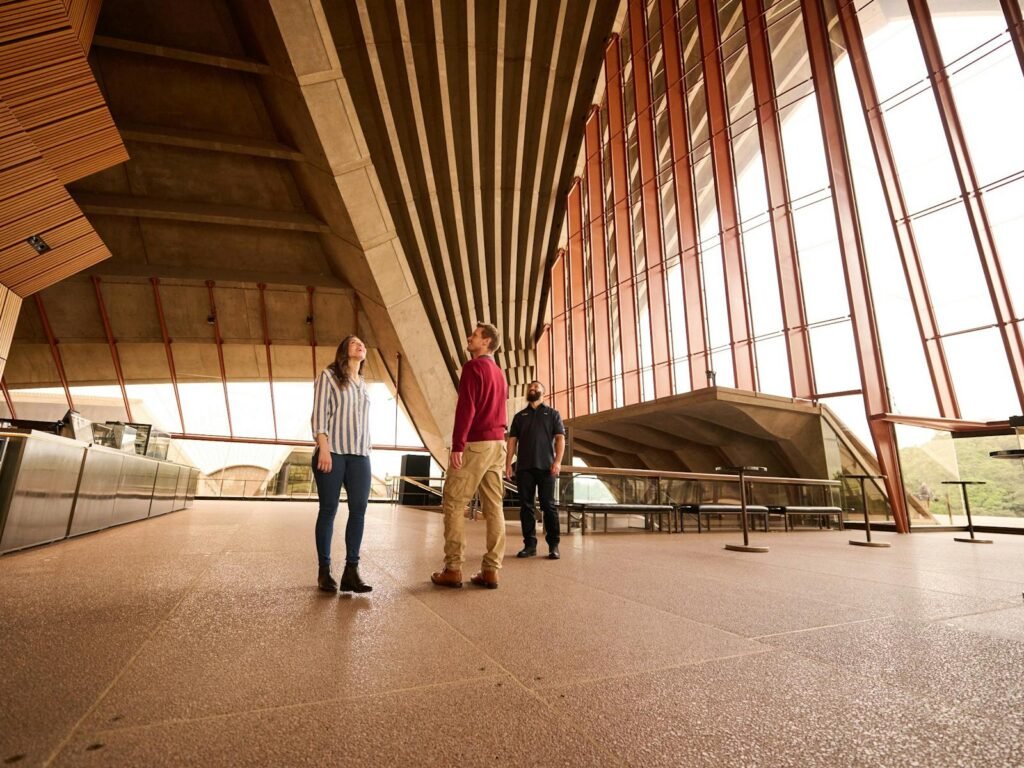
The Sydney Opera House is far more than a performing arts venue — it is one of the most influential architectural masterpieces of the twentieth century and a globally recognised symbol of Australia. Designed by Danish architect Jørn Utzon, the building revolutionised modern architecture with its dramatic sail-like roof structure, which broke away from traditional design concepts and introduced a bold new sculptural style to the world.
Constructed on Bennelong Point beside Sydney Harbour, the landmark required groundbreaking engineering solutions to bring its complex interlocking concrete shells to life. The project became one of the most ambitious engineering achievements of its time and continues to influence architects and designers globally. UNESCO officially recognised the building as a World Heritage Site in 2007, describing it as “a masterpiece of human creative genius” and one of the world’s most significant modern structures.
Since opening in 1973, the building has evolved into Australia’s leading cultural hub, hosting thousands of performances annually including opera, ballet, theatre, orchestral concerts, and contemporary events. Millions of visitors travel from around the world each year to admire its architecture, attend performances, and experience its unique harbourfront setting beside the Sydney Harbour Bridge.
What makes the landmark truly iconic is its ability to transcend its original purpose as a theatre complex. Today, it represents creativity, innovation, artistic ambition, and national identity. Much like the Eiffel Tower symbolises Paris, the Opera House has become the defining image most people associate with Sydney and Australia itself.
Final Thoughts
A visit to the Opera House is one of the most unforgettable experiences in Australia. Whether attending a live performance, enjoying waterfront dining, or exploring its fascinating design through a guided tour, the landmark offers something extraordinary for every traveller.
From world-class performances to stunning harbour views, the experience of walking beneath the famous sails remains truly unforgettable. Booking tickets and participating in a Sydney Opera House tour allows visitors to fully appreciate the history, creativity, and cultural importance of this global icon.
For anyone travelling to Sydney, this remains an essential destination that perfectly captures the beauty, culture, and spirit of Australia.

Comments 0
Only approved comments are shown here.