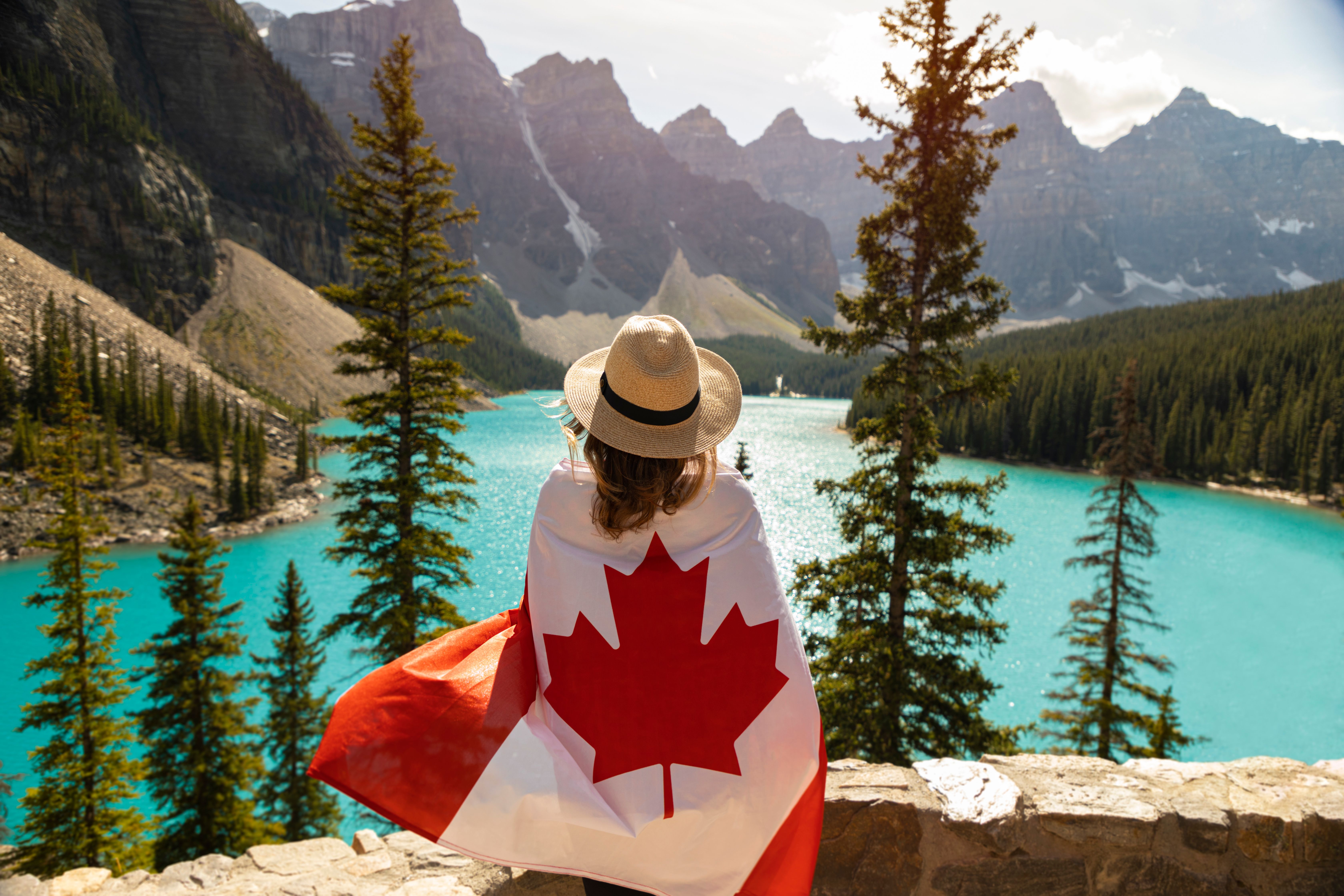

Canada travel guide cover

Canada Travel Guide

Explore Canada
Advertisement

TraveliciousBites' Canada Travel Guide covers the cities, national parks, and coastal regions that make Canada one of the most varied destinations in North America. Whether you're planning a Rocky Mountain road trip or a city-focused trip through Toronto and Montreal, this guide breaks down when to visit, what to budget, and how to plan a route across a country nearly as large as the US, based on the same research standards we apply to every destination, with a focus on the regional differences that make a single Canada itinerary hard to generalize.

Best Time to Visit Canada

June through September delivers Canada's warmest, most reliable weather nationwide, making it the best window for the Canadian Rockies, Atlantic coast, and most outdoor activities. Banff and Jasper National Parks see their heaviest crowds in July and August, so shoulder-season June or September visits offer a comfortable trade-off between weather and crowd levels.

Fall (September–October) brings spectacular foliage across eastern Canada, particularly in Quebec and Ontario. Winter suits a dedicated ski trip to resorts like Whistler or a Quebec City winter carnival visit, but most general sightseeing itineraries work better outside the coldest months, December through February.

TraveliciousBites recommends booking Banff and Jasper accommodation months ahead for summer travel.

Canada weather and seasonal guidesTap to see articles matched to each season

Top Things to Do in Canada

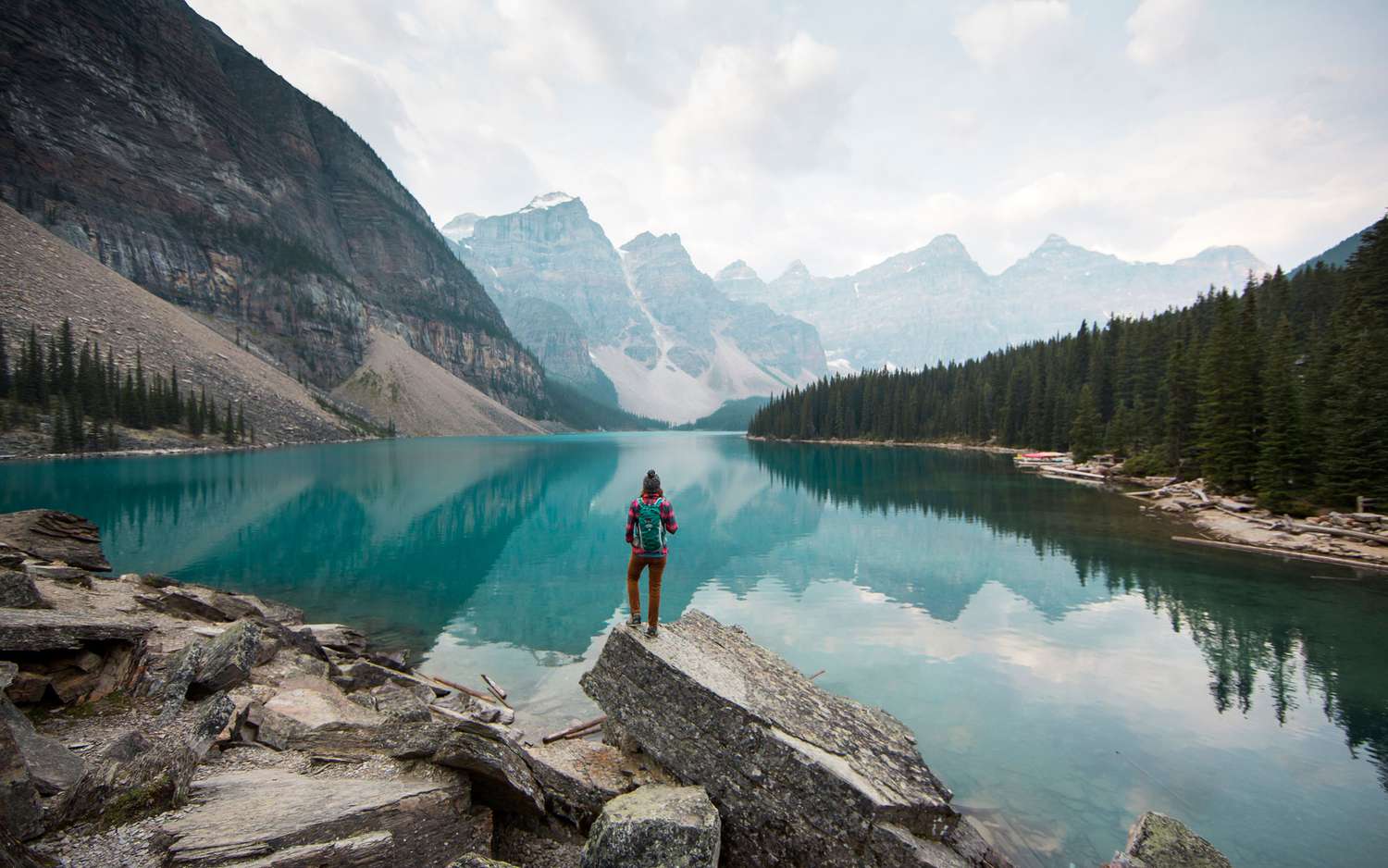
  • Banff and Jasper National Parks

    — turquoise lakes and Rocky Mountain scenery anchor Western Canada's most visited region.

  • Toronto

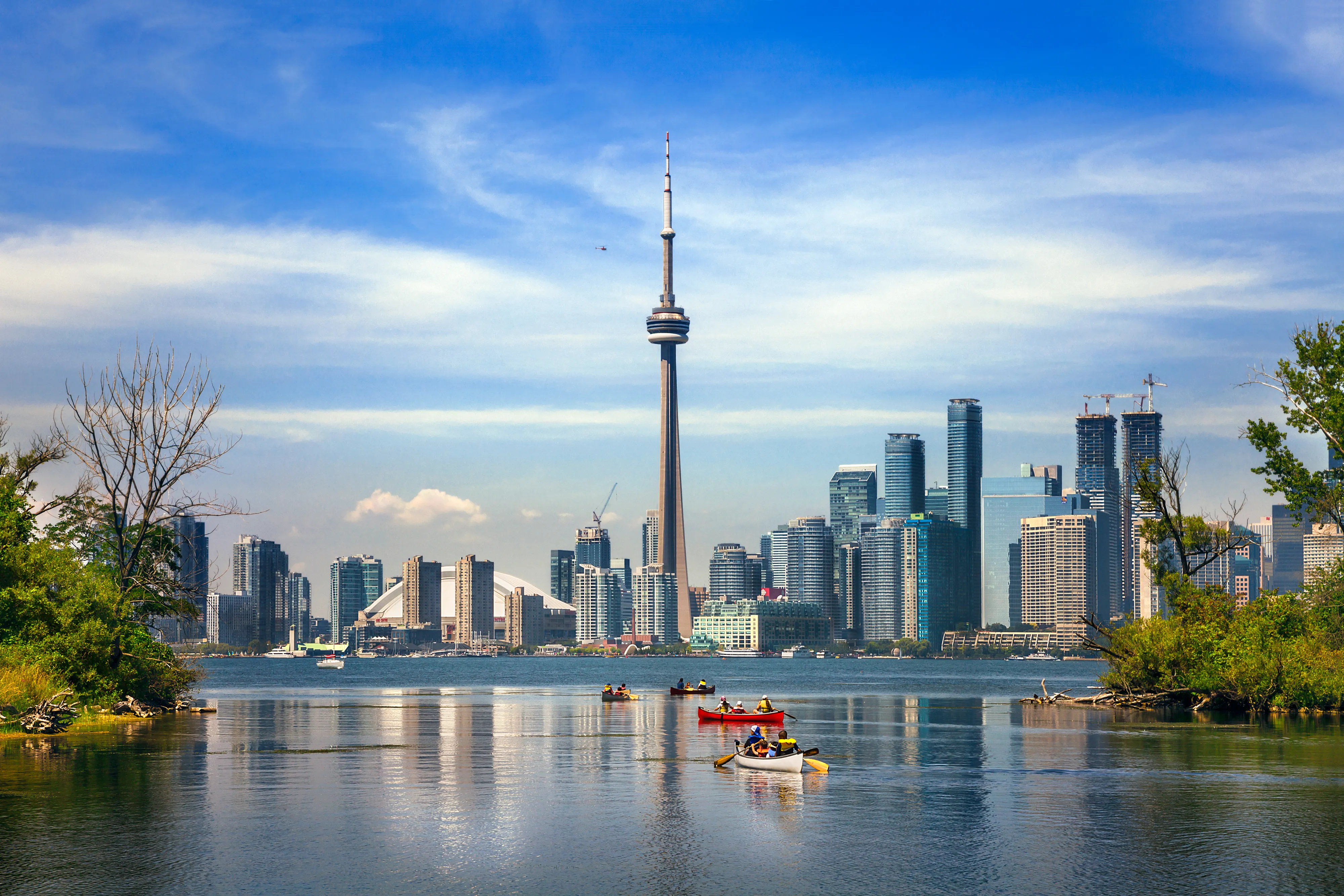
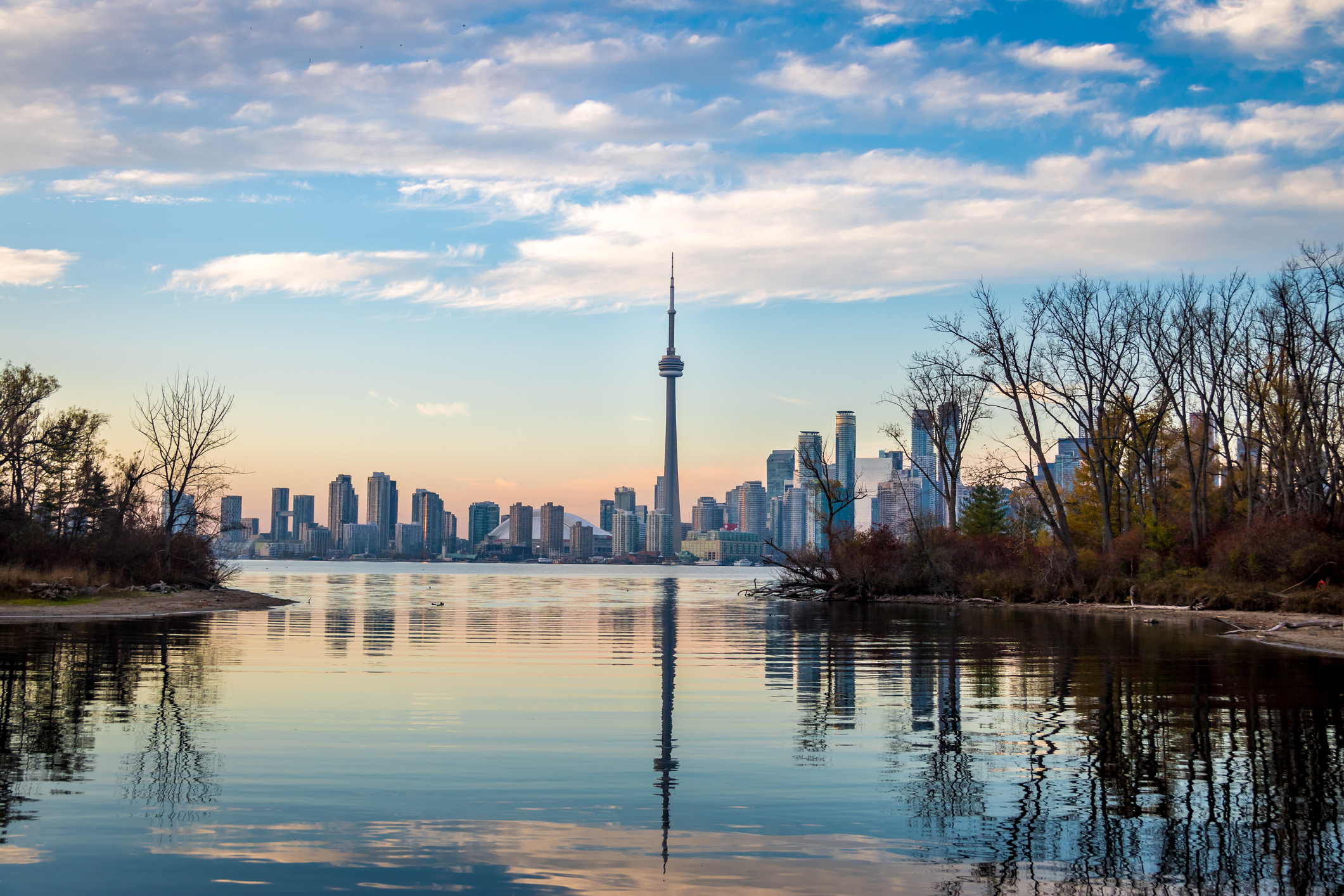
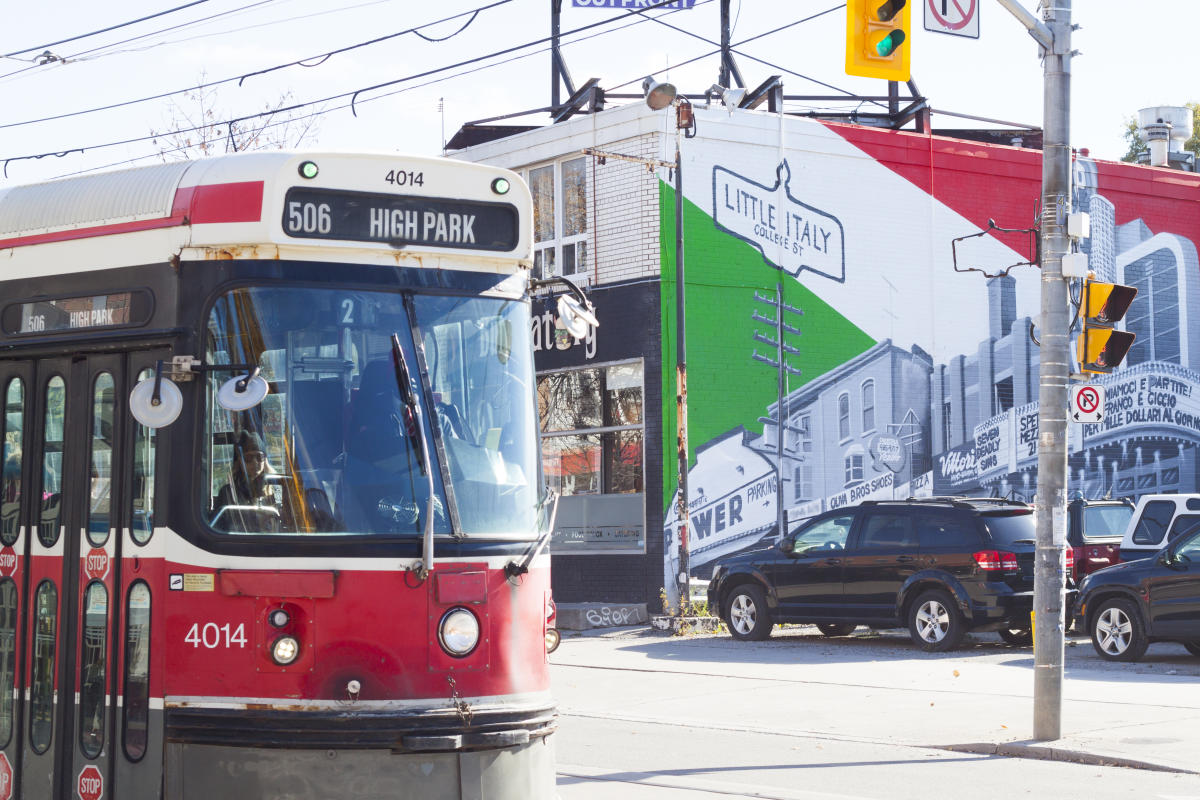
    — Canada's largest city, home to the CN Tower and a diverse food and neighborhood scene.

  • Montreal and Quebec City

    — Canada's French-speaking cultural centers, known for European-style architecture and food.

  • Niagara Falls

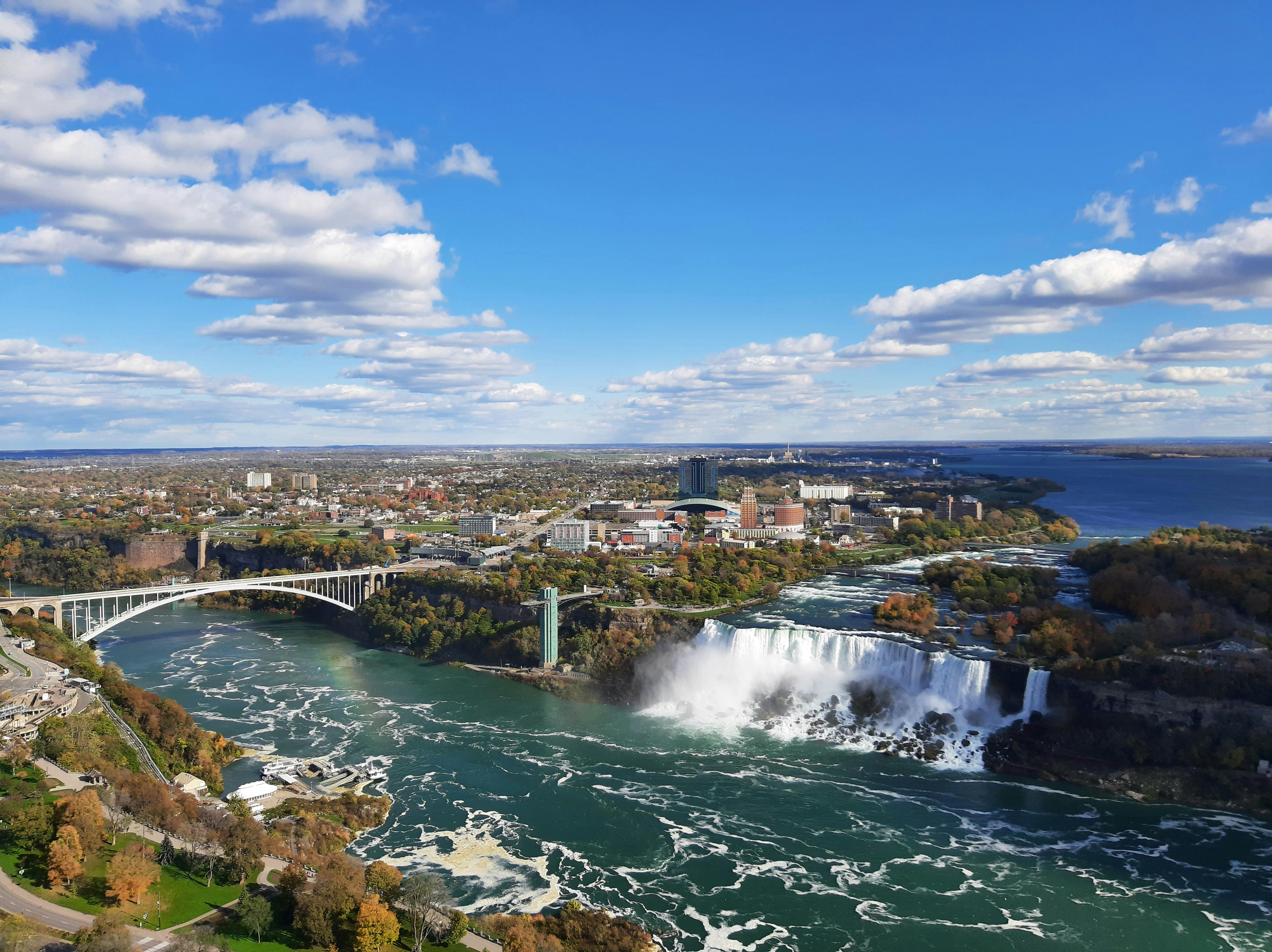
    — one of the world's most famous waterfalls, an easy day trip from Toronto.

  • Vancouver

    — a mountain-meets-ocean city, pairing urban amenities with easy access to Whistler and coastal hikes.

  • Whistler

    — a world-class ski resort in winter and a hiking and mountain biking destination in summer.

More things to do in CanadaTap to see related guides
Canada accommodation

Where to Stay

TraveliciousBites recommends Banff townsite as the standard base for exploring Banff and Jasper National Parks, offering the widest range of accommodation and dining within the parks themselves.

Toronto's downtown core and Montreal's Old Port both put major attractions within walking distance for city-focused stays.

Vancouver's downtown peninsula offers easy access to both the city center and nearby outdoor recreation.

Canada hotels and places to stayTap to see related guides

Food and Dining

Canadian cuisine varies significantly by region, from Quebec's poutine and maple syrup traditions to Vancouver's strong Pacific seafood and Asian-influenced food scene reflecting the city's diverse population.

Toronto's food scene ranks among North America's most diverse, shaped by decades of immigration from around the world.

Atlantic Canada, though less commonly visited on a first trip, offers some of the country's best fresh seafood, particularly lobster.

Canada food and dining articlesTap to see related guides

Getting There and Around

Direct flights from most major US cities reach Canada in 1–5 hours depending on destination, with Toronto, Vancouver, and Montreal serving as the main international gateways. US citizens need a valid passport but no visa for short tourist stays.

Given Canada's size, domestic flights connect distant regions like the Rockies and eastern cities far more efficiently than driving, though a rental car is essential for exploring national parks and rural regions once you've arrived. Via Rail's train service connects several major eastern cities as a scenic alternative to flying or driving.

Canada transport and arrival guidesTap to see related guides

How Much Does a Trip to Canada Cost

Budget$1,200–$1,800City-only · train travel
Luxury$4,500+Premium lodges & private guides

A 10-day Canadian Rockies trip typically runs $2,000–$3,000 per person mid-range, covering flights, rental car, national park fees, and mid-range accommodation. A city-focused trip through Toronto and Montreal costs somewhat less, particularly if using train travel between the two rather than renting a car.

Canada budget and trip-planning articlesTap to see related guides

Local Tips

  • Book national park passes in advance for Banff and Jasper, since both require a valid park pass for vehicle entry.
  • Learn a few basic French phrases for a Quebec City or Montreal visit, since French remains the dominant language in the province.
  • Pack layers even in summer for mountain regions, where temperatures drop significantly at higher elevations and after sunset.

Practical Essentials for Canada

  • Canada uses the same plug type and voltage as the US, so American travelers need no adapter or converter for standard electronics.

  • Mobile coverage is strong in cities and along major highways but drops significantly in remote national park backcountry, so download offline maps before a Rockies road trip.

  • Tipping follows US norms closely, with 15–20% standard at restaurants.

  • Tap water is safe to drink throughout Canada.

Advertisement

Latest from Canada

Frequently Asked Questions About Canada

Answers below draw on the same research TraveliciousBites uses across every destination and category guide.

What is the best time of year to visit Canada?

June through September offers Canada's warmest, most reliable weather nationwide, making it the best window for the Rockies and most outdoor activities.

Do US citizens need a visa to visit Canada?

No, US citizens need only a valid passport for short tourist stays in Canada; no visa is required.

How many days do you need for a Canadian Rockies trip?

Plan 7–10 days to cover Banff and Jasper National Parks without rushing between the region's lakes, hikes, and scenic drives.

Is it better to visit Toronto or Montreal for a city trip?

Toronto suits travelers wanting Canada's largest, most diverse city, while Montreal appeals more to those seeking European-style architecture and French-Canadian culture.

Do I need a car to visit the Canadian Rockies?

Yes, a rental car is essential for exploring Banff and Jasper National Parks, since most of the region's best sights sit beyond walking distance from town.

Is Niagara Falls worth visiting from Toronto?

Yes, Niagara Falls makes an easy, worthwhile day trip from Toronto, roughly 90 minutes by car or organized tour.

What language is spoken in Quebec?

French is the dominant language in Quebec, including Montreal and Quebec City, though English is widely understood in tourist areas.

Is tap water safe to drink in Canada?

Yes, tap water is safe to drink throughout Canada, so bringing a refillable bottle saves money over buying bottled water.

What is the best way to see both Eastern and Western Canada?

Given the distance between regions, most travelers choose one region per trip rather than combining both, since a coast-to-coast itinerary requires 2–3 weeks or a domestic flight between them.

Is Canada expensive to visit compared to the US?

Canada runs comparably to the US for most travel costs, with the exchange rate typically favoring US travelers given the Canadian Dollar's historically lower value.

Is Vancouver or Toronto better for a first Canada trip?

Vancouver suits travelers wanting mountains and coastline in one city, while Toronto offers a larger, more diverse urban experience with easier access to Niagara Falls.

What wildlife might I see in the Canadian Rockies?

Elk, bighorn sheep, and black bears are commonly spotted in Banff and Jasper, with grizzly bears present but less frequently seen; always view wildlife from a safe, legal distance.

Do I need a park pass for Banff and Jasper?

Yes, both parks require a valid park pass for vehicle entry, available for purchase online or at park gates, with annual passes offering savings for longer or multi-park trips.

Is it worth visiting Canada in winter?

Winter suits a dedicated ski trip to resorts like Whistler or a Quebec City winter carnival visit, though most general sightseeing itineraries work better outside the coldest months.

How do I get from Banff to Jasper?

The Icefields Parkway connects Banff and Jasper by a scenic 3-hour drive, widely considered one of the most beautiful road trips in the world.

Advertisement